
Reviewed · GION DISTRICT TOURS
Kyoto Gion Cultural Walk & Geisha Show with Dining Options
Seeing a maiko perform at close range is the centerpiece here, but the Gion walking tour gives that moment useful context. You learn why geiko and maiko train for years, how the entertainment districts work, and how modern Kyoto protects a living tradition that is often misunderstood.
I especially like the small group size and the chance to ask direct questions during the meal or tea. Guides such as Kenta, Ken, and Akari are praised for clear English and for correcting Hollywood myths without turning the walk into a lecture. The main drawback is that the food portions, especially at dinner, may feel light for some people, and the walk is not suited to people with mobility impairments.
Key points to know before booking
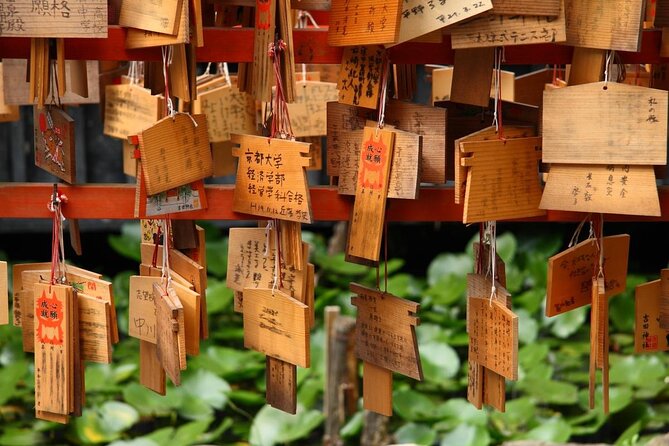
- Meet a real maiko: Watch one or two traditional dances, then ask questions about training, daily life, and the art form.
- Choose your timing and meal: Book lunch at 10:30 AM, tea at 2:30 PM, or dinner at 6:30 PM.
- Walk through historic Gion: The route covers traditional streets, temples, shrines, and important places connected with geiko and maiko culture.
- Keep the group small: A maximum of eight participants makes it easier to hear the guide and take part in the discussion.
- Expect cultural explanation, not just a show: Guides focus on history, etiquette, terminology, and the present-day role of the entertainment districts.
- Pack light: Large bags and luggage are not allowed, and the experience requires walking.
Why this Gion experience is different
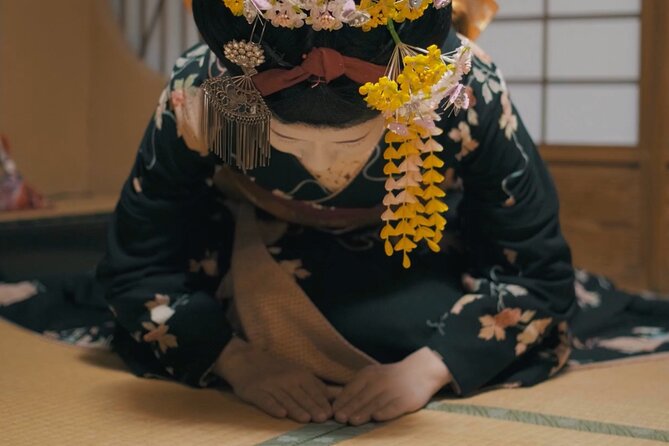
Kyoto has many performances aimed at visitors, but this outing combines a neighborhood walk with a meeting and performance. That order matters. You first learn what geiko, geisha, and maiko mean, then see the setting where the tradition continues, and only after that sit down with a maiko.
The experience is not a private appointment with a geiko. It is a small cultural tour led in English, followed by a scheduled meeting with one apprentice geisha, known in Kyoto as a maiko. You get a performance, a question and answer session, and time to take photographs when permitted.
The guides also address a basic problem: many people arrive with an inaccurate picture of geisha culture. Kenta, Ken, and Akari are described as warm, clear, and eager to explain the difference between popular myths and the actual work, training, and artistic discipline involved. That makes this more useful than simply watching a costumed performance without context.
More ways to walk Gion:
- Kyoto Geisha Walking Tour: Gion District & Hidden Gems
★ 4.7 · 3,273 reviews - Kyoto: Gion Magical Night Walking Tour with Geisha Trivia
★ 4.9 · 2,393 reviews - Kyoto: Gion Geisha District Walking Tour – Stories of Geisha
★ 4.7 · 2,187 reviews
Meeting at the Izumo-no-Okuni statue
The tour begins in front of the statue of Izumo no Okuni, near exit 4 of Keihan Gion Shijo Station. This is a practical meeting point in central Gion, but give yourself enough time to find the right station exit. Kyoto has several nearby rail and subway stops, and the names can become confusing when you are hurrying.
From the statue, your English speaking guide leads the group into Gion. The group is limited to eight people, a real advantage in streets where a larger party would be awkward. You can hear the guide more easily, ask questions without waiting long, and stay connected as the route moves through the district.
The meeting point also puts you in the right frame of mind. You are not beginning at a generic bus stop or a shopping mall. You start beside a figure connected with Japanese performing arts, then move directly into one of Kyoto’s best-known traditional neighborhoods.
Walking through Gion for 90 minutes
The first half lasts about 1.5 hours, though the included walking portion is described as 1.5 to 2 hours depending on the schedule. Your guide explains the history of geiko and maiko culture, the training behind the performances, and the etiquette that helps visitors behave respectfully around working artists and residents.
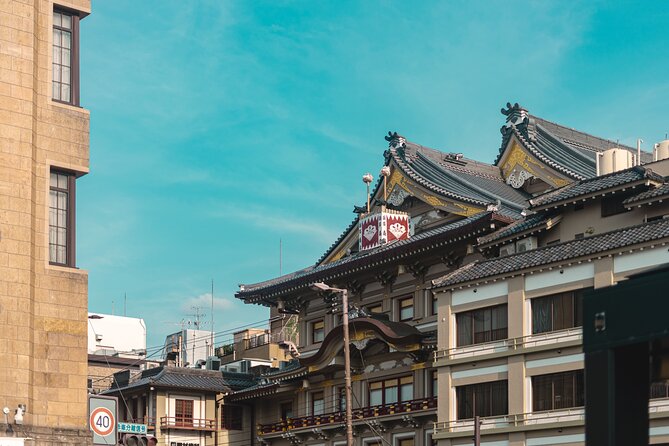
The route includes traditional streets in Gion and, according to the experience details, may include temples, a shrine, and the school where geiko and maiko study. You may also visit or view parts of Miyagawa-cho, another historic entertainment district. The exact path can vary, but the point is to connect the names and customs with real places.
This is where the guide matters most. A quiet street can look like an attractive backdrop, but it does not explain itself. You learn what makes an entertainment district different from an ordinary historic quarter, how the arts are taught, and why it is important not to treat geiko and maiko as people in a public display.
Kenta is repeatedly singled out for his passion and careful explanations. Akari is also described as engaging and attentive to the group. Ken has been praised for speaking slowly and clearly, which helps if English is not your first language. The small group gives you a good chance to stop and ask about terms such as geiko and maiko rather than saving every question for the end.
The walk is at a moderate pace, but you should still wear comfortable shoes. Gion involves outdoor walking on ordinary city streets, and the full experience lasts three hours. It is not a good choice if you have difficulty walking or need a tour designed around mobility support.
The maiko meeting at Miyagawasuji
The second half takes place around Miyagawasuji in Kyoto, where you meet a maiko for roughly 50 minutes. This section includes the performance, questions, and time to speak with her during lunch, tea, or dinner.
A maiko is an apprentice geiko, still in training. The meeting gives you a chance to ask about her work and routine, admire the kimono, hairstyle, and makeup, and learn more about the path toward becoming a geiko. The questions are not limited to a prepared speech, so the conversation can feel personal and direct while remaining respectful.
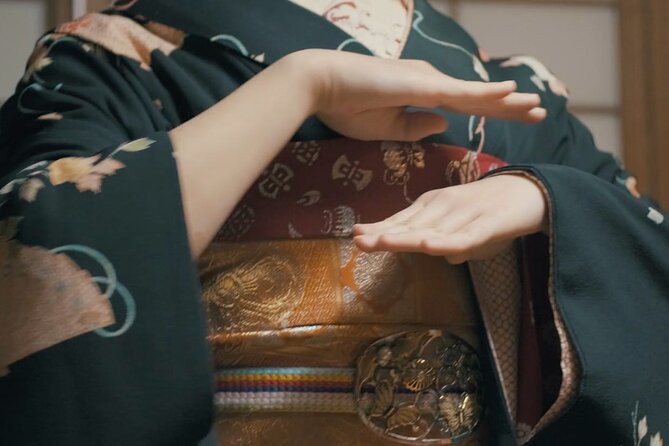
The performance includes one or two songs or dances. Do not expect a long stage production. The value is the close setting and the chance to understand the precision behind a short performance. The dance is graceful and formal, and the costume, music, and movement make more sense after the guide has explained the tradition.
There may also be a simple game or other interaction, depending on the session. Photographs are permitted in some circumstances, but follow the guide’s instructions. One useful point is that permission to take pictures does not automatically mean you should post them online. The host’s wishes and the privacy of the maiko should come first.
This is also the part that requires the most respectful attitude from you. Ask genuine questions, avoid treating the maiko like a novelty, and listen when the guide explains the appropriate boundaries. The experience works best when you see her as a trained artist and professional, not as a character from a film.
More geisha and maiko evenings in Kyoto:
- Best of Kyoto: Gion, Geisha, Pagodas & Cobblestones
★ 4.9 · 2,058 reviews - Night Walk in Gion: Kyoto’s Geisha District
★ 4.5 · 2,003 reviews - Kyoto Gion Geisha District Walking Tour – The Stories of Geisha
★ 5.0 · 1,441 reviews - Kyoto Gion: 2-Hour Geisha Culture & History Walking Tour
★ 5.0 · 1,186 reviews
Choosing lunch, tea, or dinner
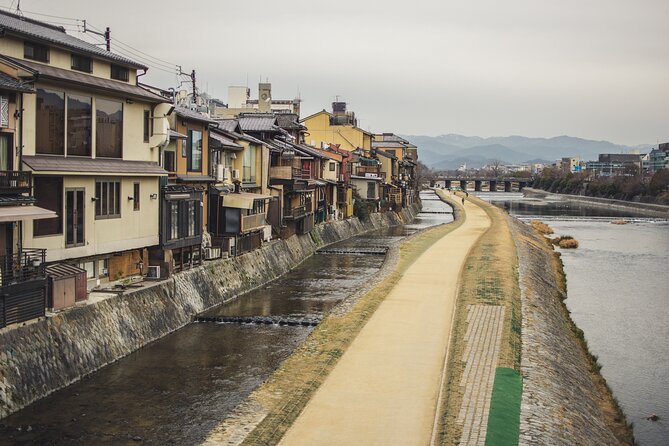
The activity offers three formats, and the choice changes the feel of the afternoon or evening.
Lunch with the maiko
The lunch option begins at 10:30 AM and includes a Japanese lunch plate. This is a sensible choice if you want daylight for the Gion walk and prefer to keep your evening free for another meal or activity.
Daylight can help you see the architecture and street layout more clearly. It may also be easier for first time visitors who want to understand Gion as a neighborhood rather than mainly as a nighttime entertainment area. One participant specifically recommended the daytime option for this reason.
The lunch is part of the cultural meeting, not a large feast. You should treat it as a Japanese meal with conversation and performance attached. If you have a large appetite, plan another snack or meal later.
Tea break with the maiko
The tea option begins at 2:30 PM and includes a cup of tea. It is the lightest and usually the simplest choice if you want the cultural content without paying for a full meal.
You still receive the walking tour, question and answer session, and performance. The tea break may suit you if lunch and dinner plans are already fixed, or if you would rather spend your money on another Kyoto restaurant. A tea setting also keeps the focus on conversation rather than a long meal.
Dinner with the maiko
The dinner option begins at 6:30 PM and includes eight shared food dishes at a local restaurant. The dishes are served in smaller portions, so think of this as a sequence of Japanese plates rather than a huge dinner.
The evening version gives Gion a different mood, with traditional streets after dark and the performance as the high point of a full night out. The food has been described as beautifully arranged and, in one case, similar to a kaiseki style meal. Drinks are available as part of the restaurant experience, though the exact selection is not specified.
The tradeoff is value and fullness. Dinner is the most substantial food option, but some people may still want something afterward. If you are choosing solely for the meal, this is not the best reason to book. If you want a complete evening built around Gion, a maiko meeting, and Japanese dishes, it makes better sense.
What the $108 price includes
At $108 per person, the price is not simply an admission fee for a dance. You are paying for an English guided walk, a small group of no more than eight, a scheduled maiko meeting, a performance, question time, and either lunch, tea, or dinner depending on your selection.
That is a fair value if you want access to the conversation as well as the show. A short performance alone could leave you wondering what you had seen. Here, the guide explains the terms and setting first, then helps you make the most of the meeting.
The value is strongest for people who would otherwise have trouble finding a respectful and understandable introduction to geiko and maiko culture. You are not left to guess what is happening, and you have a chance to ask questions in English.
The price is less attractive if you are mainly seeking a full meal, a long dance program, or a private encounter. The food is included, but it is part of a cultural experience rather than a standalone restaurant booking. The performance is meaningful, but it is relatively short.
Who will get the most from it
I would recommend this to first time visitors to Kyoto who want more than temple photographs. It also suits anyone curious about traditional arts, Japanese etiquette, or the way old customs continue in a modern city.
Families with older children can benefit from the clear explanations and question time, provided everyone can walk comfortably and behave respectfully during the meeting. The experience can also work well for couples and solo visitors, since the small group makes conversation easier.
You should think twice if you dislike guided walking, want a completely private experience, or expect a heavy dinner. It is also unsuitable for people with mobility impairments, and large bags or luggage are not allowed.
The tour is conducted in English. Guides such as Kenta, Ken, and Akari have been praised for their clear communication, but you should still be ready to listen closely during explanations of unfamiliar terms and customs.
Practical details that affect your day
Plan to arrive at the statue of Izumo no Okuni near exit 4 of Keihan Gion Shijo Station with enough time to spare. The tour does not begin at the restaurant, so you need to start at the stated meeting point and follow the guide through the district.
Wear shoes suitable for about three hours of walking and indoor or restaurant seating. Leave suitcases and large bags behind, since they are not allowed. The activity is not designed for people with mobility impairments.
The experience offers free cancellation up to 24 hours before the start time, with a full refund. You can also reserve and pay later, which helps if your Kyoto schedule may change.
The listed duration is 210 minutes, or three and a half hours, though the main description also calls it a three hour experience. Allow at least three hours and avoid placing another booking immediately afterward. The walking section and the maiko meeting together take most of the afternoon or evening.
Should you book this Gion tour?
Book it if you want a respectful introduction to geiko and maiko culture, especially if you value explanation and conversation as much as the performance. The combination of Gion streets, a small English speaking group, direct questions, Japanese food or tea, and one or two traditional dances gives you a fuller picture than a show alone.
Choose the lunch or tea option for daylight and a lighter schedule. Choose dinner for the most complete evening, but remember that eight shared dishes may not fill you completely.
I would skip it only if your priority is a large meal, a long concert, or a private appointment. For most visitors who want to understand what they are seeing, this is a well focused Kyoto experience with real cultural value and a sensible group size.
FAQ
Where does the tour meet?
Meet in front of the statue of Izumo no Okuni near exit 4 of Keihan Gion Shijo Station.
How long does the experience last?
The listed duration is 210 minutes. The walking tour takes about 1.5 to 2 hours, followed by a maiko meeting and performance lasting about 50 minutes.
What language is the tour conducted in?
The live guided tour is conducted in English.
How large is the group?
The tour is limited to eight participants.
What meal options are available?
You can choose a Japanese lunch plate, a tea break with one cup of tea, or a dinner with eight shared dishes.
What time does each option begin?
Lunch begins at 10:30 AM, tea begins at 2:30 PM, and dinner begins at 6:30 PM.
Will I meet a maiko during the experience?
Yes. The tour includes a meeting with a maiko, a question and answer session, and a performance with one or two songs or dances.
Can I bring luggage or a large bag?
No. Luggage and large bags are not allowed.
Can I cancel the booking?
Yes. You can cancel up to 24 hours in advance for a full refund. You can also reserve now and pay later.
More Dinner Experiences in Kyoto
- Kyoto Gion Cultural Walk & Geisha Show with Dining Options
★ 5.0 · 483 reviews - Dinner with Maiko in a Traditional Kyoto Style Restaurant Tour
★ 5.0 · 175 reviews - Kyoto: Geisha Dinner & Gion Cultural Walk
★ 5.0 · 73 reviews - Private Dinner with a Geisha
★ 5.0 · 65 reviews
More Walking Tours in Kyoto
- Nishiki Market Brunch Walking Tour (7 Tastings + Brunch)
★ 5.0 · 1,355 reviews - Kyoto Arashiyama Walking Tour: Bamboo, Monkeys, Gardens & Secrets
★ 5.0 · 1,216 reviews - Kyoto: Izakaya Bars Guided Walking Tour
★ 4.9 · 815 reviews - Kyoto Gion Night Walk & Geisha District Guided Tour
★ 5.0 · 786 reviews
Newest Kyoto experiences on the site
- Treasures of Kyoto: Gion & historical Walking Tour★ 5.0 · 6 reviews
- Whisk Your Own Matcha: A Zen Matcha Experience at Temple★ 3.6 · 7 reviews
- Kyoto tea town for matcha lovers★ 5.0 · 16 reviews
- Uji: Private immersion into Kyoto’s tea and reglious culture★ 5.0 · 17 reviews
- Kyoto Matcha Green Tea Tour★ 4.5 · 23 reviews
- Uji and Wazuka Matcha Farm Half Day Private Guided Tour★ 5.0 · 21 reviews
- Utilising upcycled Matcha! Creating matcha incense (Uji, Kyoto)★ 5.0 · 6 reviews
- Sacred Temple Yoga Experience in Japan★ 5.0 · 3 reviews
Gion District Tours, compared.

Kyoto Geisha Walking Tour: Gion District & Hidden Gems
Read our review →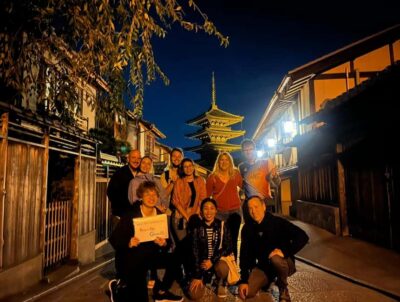
Gion Magical Night Walking Tour with Geisha Trivia
Read our review →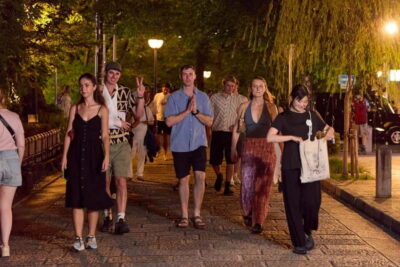
Gion Geisha District Walking Tour – Stories of Geisha
Read our review →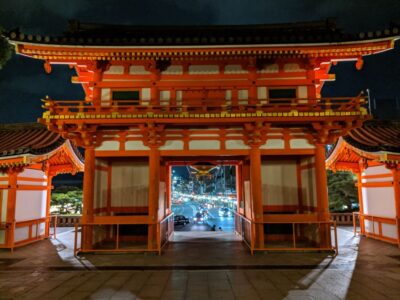
Best of Kyoto: Gion, Geisha, Pagodas & Cobblestones
Read our review →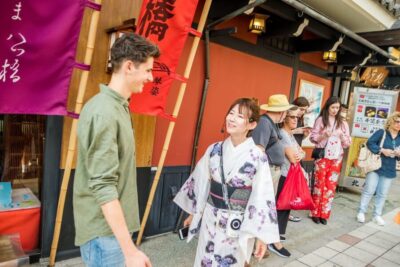

Kyoto Night Foodie Tour in Gion (9+ dishes + 6 Sake tastings)
Read our review →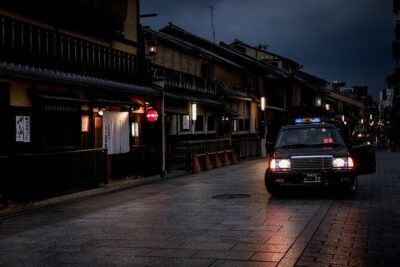
Kyoto Gion Geisha District Walking Tour – The Stories of Geisha
Read our review →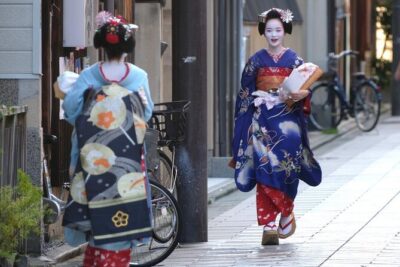
Kyoto Gion: 2-Hour Geisha Culture & History Walking Tour
Read our review →Browse the lists this tour appears in