
Reviewed · FUSHIMI INARI TOURS
Kyoto Early Bird English Tour: Fushimi Inari & Gion(Private opt)
Fushimi Inari before the crowds is the star of this Kyoto morning. You walk beneath rows of red torii gates, then continue through eastern Kyoto to Kiyomizu-dera, old stone lanes, Yasaka Pagoda, Gion, and Yasaka Shrine. Ikki, a Kyoto-born guide praised for clear English and warm humor, is often named as a highlight.
I like the smart route and the personal touches. Early timing gives you a quieter look at Fushimi Inari, while the guide’s photos, cultural explanations, and food tips add value beyond simply checking off famous sights. The main caution is pace: the advertised length is 4 to 5 hours, but one account describes a tour lasting closer to 2.5 hours, so confirm your schedule if every stop matters.
Key points to know before booking
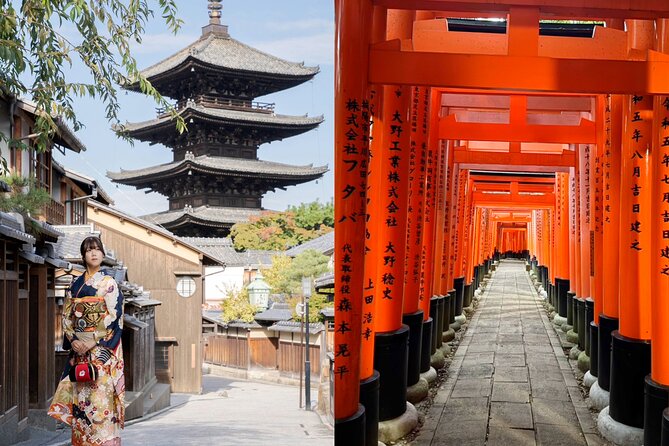
- Fushimi Inari comes first, giving you the best chance of seeing the torii paths before the heaviest crowds.
- Ikki is the guide most often praised by name, especially for fluent English, Kyoto knowledge, patience, and photography.
- Seven stops fit into one morning, but most visits are short after Fushimi Inari and Kiyomizu-dera.
- This is a walking tour, with public transport between areas and a moderate fitness level required.
- The $99.10 price covers the guide and photos, while transportation, Kiyomizu-dera admission, food, and drinks cost extra.
- The tour ends at Yasaka Shrine, leaving you in a useful part of Gion for more sightseeing or onward transport.
Why the early start matters at Fushimi Inari
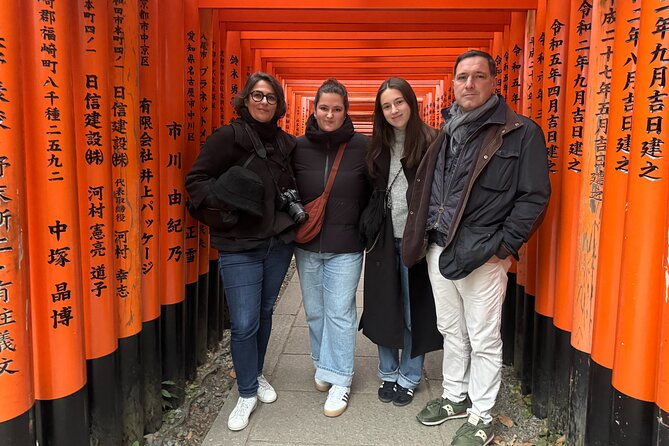
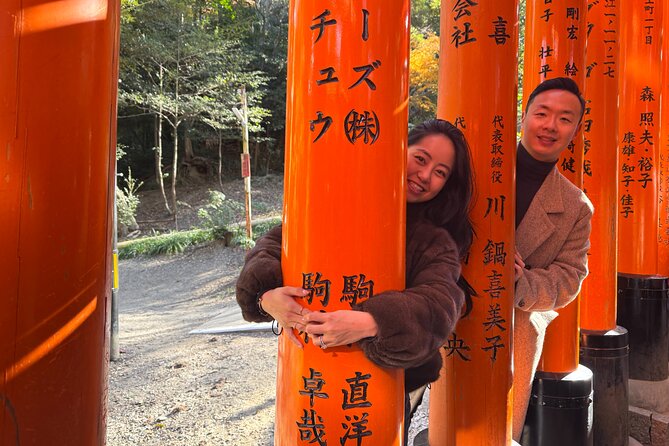
Kyoto’s Fushimi Inari Shrine is famous for its seemingly endless rows of red-orange torii gates. They climb Mount Inari through wooded paths, creating one of Japan’s most recognizable scenes. The color, repeating gates, and slope make this much more than a quick shrine visit.
Starting here is a smart choice. Fushimi Inari draws large numbers of people later in the day, and crowded paths can make it hard to appreciate the quiet shrine buildings or take clean photographs. An early visit gives you more breathing room, though the shrine remains a popular place, not a guaranteed empty one.
You spend about an hour here. That is enough to see the most memorable lower paths and hear about Inari, the deity linked with rice and prosperity. It is not enough for a long climb all the way up Mount Inari, so keep your expectations practical. This tour is designed to introduce you to the shrine, not to complete a mountain hike.
The admission cost is free, which helps the overall value. You still need energy for uneven paths and stairs, and comfortable shoes matter. The ground may feel easy at first, but the route soon becomes a steady walk through the shrine complex and forest.
More ways to walk Gion:
- Kyoto Geisha Walking Tour: Gion District & Hidden Gems
★ 4.7 · 3,273 reviews - Kyoto: Gion Magical Night Walking Tour with Geisha Trivia
★ 4.9 · 2,393 reviews - Kyoto: Gion Geisha District Walking Tour – Stories of Geisha
★ 4.7 · 2,187 reviews
Kiyomizu-dera gives you Kyoto from above
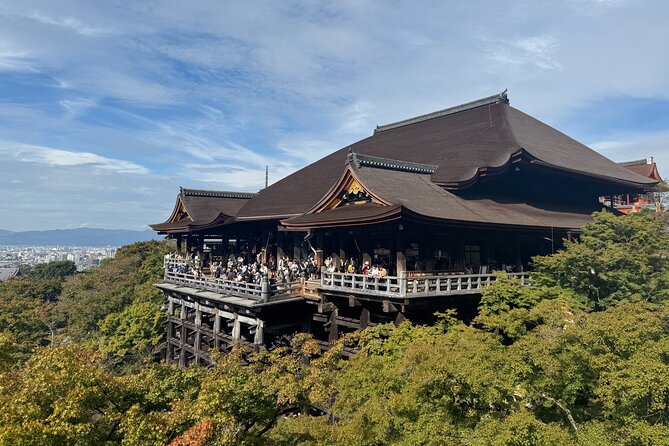
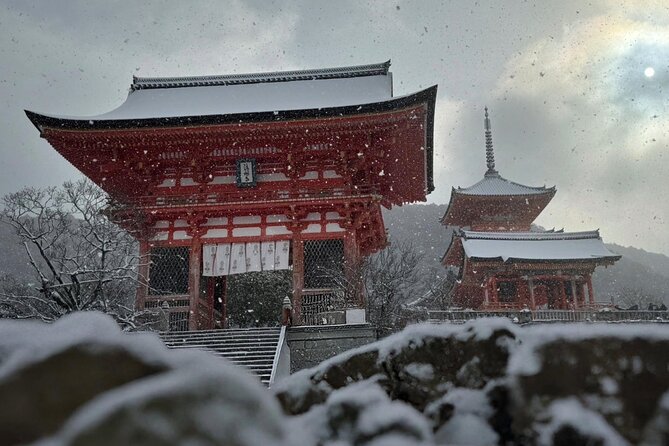
The next major stop is Kiyomizu-dera, one of Kyoto’s best-known temples. Built on a mountainside, it offers broad views across Kyoto and gives you a chance to connect the city’s temple culture with its physical setting.
Plan on about an hour here. The temple grounds and views are the main draw, but the approach can be busy and uphill. You pay an additional ¥500 admission fee per person. This cost is modest, but it should be included in your mental budget since it is not covered by the tour price.
A guide makes this stop more useful than a quick photo break. Ikki is praised for explaining how to approach religious sites, what different features mean, and how to take part in prayers respectfully. A small booklet or visual material may also be used to explain Japanese language, temple customs, and symbols.
The one-hour visit can feel short if you want to explore every corner, shop, and viewpoint. Still, it works well for a first visit. You see the key parts without giving up the rest of the morning to one enormous temple complex.
Sannenzaka and Ninenzaka slow the pace
After Kiyomizu-dera, the route moves through Sannenzaka and Ninenzaka. These stone-paved lanes pass traditional wooden buildings, small shops, and restaurants. They are among the most atmospheric streets in eastern Kyoto.
The scheduled visit is only 15 minutes, so think of it as a guided introduction rather than free time for serious shopping. You can get a sense of the old-town setting, learn why the lanes matter, and take a few photographs. If you want sweets, souvenirs, or a sit-down meal, you will likely need to return later on your own.
This short stop also gives your feet a change of rhythm. The morning begins with shrine paths and continues with a temple, then shifts into the streets of everyday commerce. That mixture is one of the tour’s strengths. You are not spending the entire morning inside religious compounds.
Yasaka Pagoda makes a quick photo stop
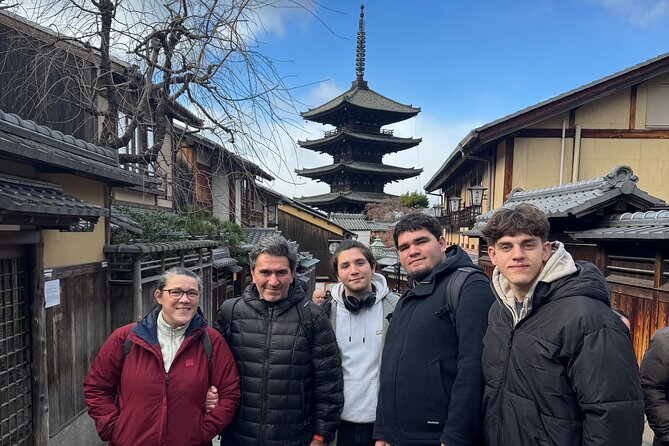
Yasaka Pagoda, part of Hokanji Temple, is one of Kyoto’s most familiar old structures. Its tall wooden form rises above the surrounding streets and provides a strong visual link to the city’s past.
The stop lasts around 15 minutes. That is enough for an explanation and photographs from the surrounding area, but not a full temple visit. The schedule does not list an admission charge here, and the appeal is mainly the exterior view and the setting around it.
This is a good example of the tour’s efficient style. You see several signature places in a compact route, but you do not linger at each one. If you prefer long, quiet visits with time to sketch, sit, or read every sign, this morning may feel brisk.
More ways to walk the Fushimi Inari gates:
- Kyoto: Fushimi Inari, Kinkakuji, Bamboo Grove 1 Day Bus Tour
★ 4.8 · 4,316 reviews - Fushimi Inari Hidden Hiking Tour (Private Option Available)
★ 5.0 · 1,750 reviews - Osaka/Kyoto:Kinkakuji,Arashiyama,FushimiInariShrine,NaraPark
★ 4.1 · 1,596 reviews - Kyoto/Osaka: Nara, Fushimi Inari Taisha, Arashiyama Bus Tour
★ 4.7 · 1,275 reviews
Yasaka Koshin-do adds color and local character
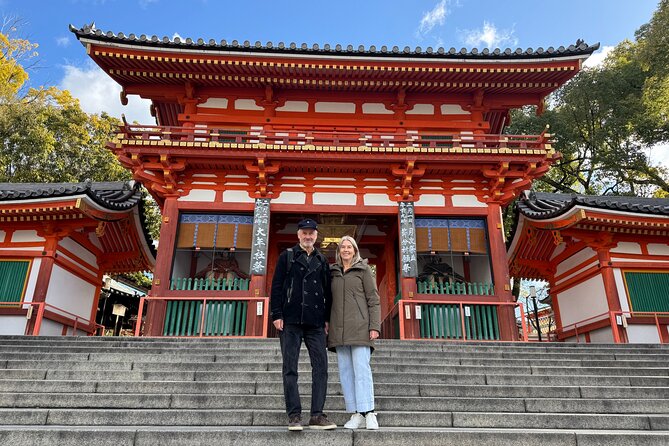
Yasaka Koshin-do is a small, colorful temple known for its striking decorations. Its bright appearance differs from the restrained tones found at many Japanese temples, making it a memorable stop in the middle of the old streets.
You have about 15 minutes here. That is enough to learn why the site looks different and to take photographs, especially if your guide points out details you might otherwise pass without noticing.
The temple’s construction date is not clearly known, which adds an air of mystery without requiring a long visit. This is one of the less familiar stops on the route, and it helps keep the tour from becoming a simple parade of Kyoto’s biggest names.
Gion is more than a geisha photo opportunity
Gion is Kyoto’s best-known geisha district, with wooden machiya houses, teahouses, and preserved streets. The area has become one of the city’s most photographed places, but it is also a living neighborhood. A good guide can help you look at it with more care.
The scheduled walk here is about 15 minutes. That is brief, so you should not expect a detailed tour of every lane or a chance to search for a geisha. The value comes from learning how the district developed, seeing the architecture, and understanding the difference between a historic entertainment quarter and a theme park.
Respect matters in Gion. Keep to public areas, avoid blocking narrow lanes, and do not photograph people without permission. The guide can help you understand local customs and point out details in the streets that are easy to miss when you are focused only on taking pictures.
Yasaka Shrine brings the morning to a useful end
The final stop is Yasaka Shrine, a major Shinto site associated with prosperity and protection. It serves as the headquarters for about 2,300 related shrines across Japan, giving the visit national importance as well as local charm.
You spend around 30 minutes here. That is enough time to see the main grounds, ask questions, and review what you have learned about Kyoto’s religious traditions. Since admission is free, there is no extra fee at this final stop.
The location is practical. Yasaka Shrine sits in the Gion area, where you can continue exploring after the tour. You can also ask the guide for directions to your hotel or next sight. One particularly helpful detail is that guides may offer food suggestions, and Ikki has even helped direct people to a conveyor-belt sushi restaurant after the tour.
How the guide affects the experience
This tour depends heavily on the guide. The route is good, but seven stops can become a blur without clear explanations. The strongest praise goes to Ikki, who is described as Kyoto-born, fluent in English, patient with questions, and skilled at making history easy to follow.
His value is not just factual. He can explain how to behave at shrines and temples, clarify local religious ideas, and connect old buildings with modern Kyoto. His humor and friendly manner also help families and mixed-age groups stay engaged. One family found that he worked well with teenagers, parents, and an eight-year-old child.
Photography is another useful extra. The guide takes pictures during the morning and sends them afterward, according to the experience details. This means you can sometimes put your phone away and focus on the visit, although you should confirm how and when the photos will be delivered.
The guide may vary by date. If you particularly want Ikki, ask about guide availability when booking. Jay is also named as part of one successful guiding team, so the experience is not limited to a single person.
The walking effort and transport details
This is not a bus tour. You walk through shrine grounds, temple areas, stone lanes, and historic districts, using public transportation between parts of Kyoto. A moderate fitness level is required.
The stated public transportation cost is ¥390 per person. Add ¥500 for Kiyomizu-dera, then account for anything you buy along the way. At $99.10 per person, the tour is not the cheapest way to see these sights. The price makes more sense if you want an English-speaking local guide, personal photos, cultural explanations, and a tightly organized morning.
The group is private, meaning only your party participates. That is a major advantage for families, couples, and small groups who want to ask questions or adjust the pace within reason. It also explains why the cost is higher than a large shared walk.
Be ready at the Kyoto Station meeting point. Late arrival can mean missing the tour without a refund, so leave extra time for finding the exact meeting area. The tour ends at Yasaka Shrine, not back at Kyoto Station.
Is the four to five hour timing realistic?
The published duration is approximately four to five hours, and the stop times add up to a full morning. In practice, the length may depend on transport, walking speed, crowd levels, photographs, and how much discussion your group wants.
One account describes the tour as lasting closer to 2.5 hours. That does not necessarily make the tour poor, but it creates a planning concern. If you have a train, lunch reservation, or afternoon booking, do not build your schedule too tightly. Ask the operator to confirm the expected finish time before you commit to another timed activity.
The short stops after Fushimi Inari and Kiyomizu-dera also matter. You will see many places, but only two receive about an hour each. This is a sampler of eastern Kyoto, not a series of full museum-style visits.
Who gets the most value from this Kyoto tour?
I would recommend it most strongly for a first visit to Kyoto, especially if you want an efficient introduction to temples, shrines, old streets, and Gion. It also suits families who want help with customs and photographs, plus couples who prefer a private morning to a large group outing.
It is a good fit if you value context. Without a guide, you can walk under torii gates and admire pagodas, but you may not understand what you are seeing or how to behave at the religious sites. The guide gives those places meaning and answers questions as they arise.
You may want something else if you dislike early starts, have trouble with stairs and extended walking, or prefer to spend a long time at one temple. You should also consider a self-guided visit if your main goal is shopping in Ninenzaka or a slow exploration of Gion.
Price, extras, and cancellation terms
The base price is $99.10 per person. Included are the English-speaking local guide and professional photos taken during the tour. Group discounts may be available, and the ticket is mobile-friendly.
You pay separately for ¥390 in public transportation, ¥500 admission to Kiyomizu-dera, and any food or drinks. The total remains reasonable for a private experience, but it is not an all-inclusive ticket.
Free cancellation is available if you cancel at least 24 hours before the local start time. Changes or cancellations inside that window are not accepted for a refund. Since late arrival also risks losing the booking, treat the meeting time seriously.
Should you book the Fushimi Inari and Gion morning?
Book it if you want Kyoto’s major eastern sights explained in clear English, with a private group and useful photos at the end. The early visit to Fushimi Inari, the guide’s local perspective, and the route through Gion give you a strong first look at the city.
I would be cautious only if you need a guaranteed four to five hours, want long visits at every stop, or find sustained walking difficult. Confirm the guide, finish time, transportation costs, and Kiyomizu-dera fee before paying.
For a first morning in Kyoto, this is a sensible choice. Ask for Ikki if he is available, wear comfortable shoes, arrive early, and leave your afternoon open enough to account for a schedule that may run shorter or longer than expected.
FAQ
Where does the Kyoto tour start?
The tour starts at Kyoto Station, at Higashishiokoji Kamadonocho in Shimogyo Ward.
Where does the tour end?
It ends at Yasaka Shrine in the historic Gion area. From there, you can continue sightseeing or take public transportation to another destination or your hotel.
How long does the tour last?
The stated duration is approximately four to five hours. The actual length can vary, and one account describes a visit lasting about 2.5 hours.
Is this a private tour?
Yes. Only your group participates in the activity.
Is the tour conducted in English?
Yes. It includes a local English-speaking guide.
Are photographs included?
Yes. Professional photos are taken during the tour and are included as part of the experience.
What costs extra?
Public transportation costs ¥390 per person. Kiyomizu-dera admission costs ¥500 per person. Food and drinks are also not included.
Do I need to be physically fit?
You should have a moderate fitness level. The experience is a walking tour using public transportation, with time spent on foot at shrines, temples, streets, and hills.
Can I cancel for a refund?
You can receive a full refund if you cancel at least 24 hours before the experience start time. Cancellations or changes made less than 24 hours before the start are not accepted for a refund.
More Early Starts in Kyoto
- Kyoto Early Morning Tour with English-Speaking Guide
★ 5.0 · 1,427 reviews - Kyoto: Early Morning Tour with English-Speaking Guide
★ 4.9 · 1,128 reviews - Arashiyama Bamboo Forest & Hidden Gems Bike Tour (Early Bird)
★ 5.0 · 613 reviews - Kyoto Early Bird Walking Tour
★ 5.0 · 377 reviews
Newest Kyoto experiences on the site
- Treasures of Kyoto: Gion & historical Walking Tour★ 5.0 · 6 reviews
- Whisk Your Own Matcha: A Zen Matcha Experience at Temple★ 3.6 · 7 reviews
- Kyoto tea town for matcha lovers★ 5.0 · 16 reviews
- Uji: Private immersion into Kyoto’s tea and reglious culture★ 5.0 · 17 reviews
- Kyoto Matcha Green Tea Tour★ 4.5 · 23 reviews
- Uji and Wazuka Matcha Farm Half Day Private Guided Tour★ 5.0 · 21 reviews
- Utilising upcycled Matcha! Creating matcha incense (Uji, Kyoto)★ 5.0 · 6 reviews
- Sacred Temple Yoga Experience in Japan★ 5.0 · 3 reviews
Fushimi Inari Tours, compared.
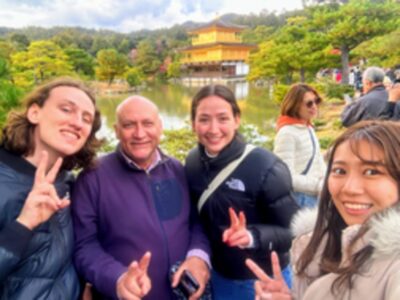
Fushimi Inari, Kinkakuji, Bamboo Grove 1 Day Bus Tour
Read our review →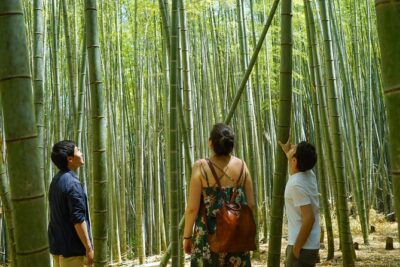
Fushimi Inari Hidden Hiking Tour (Private Option Available)
Read our review →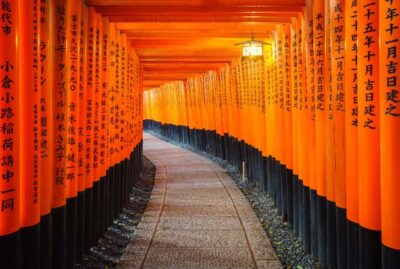
Kinkakuji,Arashiyama,FushimiInariShrine,NaraPark
Read our review →
Nara, Fushimi Inari Taisha, Arashiyama Bus Tour
Read our review →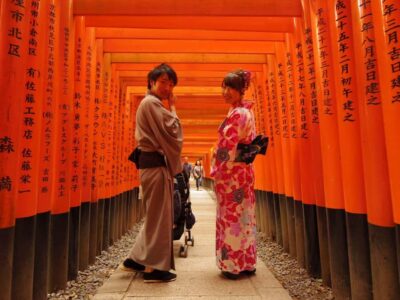
Arashiyama, Nara & Fushimi Inari Shrine w/Lunch
Read our review →
Nijo Castle, Kiyomizu & Fushimi Inari Guided Tour
Read our review →
Nijo, Kinkaku-ji, Arashiyama, Kiyomizu & Fushimi Inari
Read our review →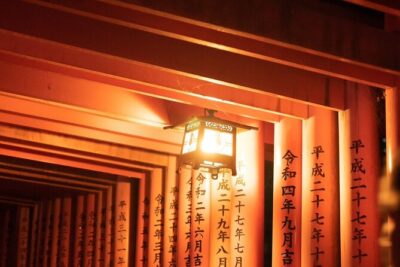
Browse the lists this tour appears in