
Reviewed · FUSHIMI INARI TOURS
Kyoto: 1.5-Hour Guided Tour of Fushimi Inari Shrine
Fushimi Inari is more than a famous photo stop. This 90-minute walk takes you from the main shrine beneath the red torii gates to the quieter Okusha Back Shrine, where you can test your fortune by lifting the Omokaruishi stones. I like the clear route and the chance to connect the shrine’s sights with Japanese religious customs. I also like having a guide explain what you are seeing instead of simply walking through a long tunnel of gates.
The main drawback is the short length. One recent booking found the guide, Yoshi, warm and helpful, with explanations covering history and Japanese culture, while another felt the visit ended too soon and could have been done without a guide. At $32 per person, this makes the tour best for a first visit when you want context, not a long hike up the mountain.
Key points to know before booking
- The tour begins and ends at JR Inari Station, making the meeting point simple to find and easy to use as a landmark.
- You walk through Fushimi Inari Taisha’s famous red torii gates, with an English or Japanese-speaking local guide explaining their meaning.
- Okusha Back Shrine gives the tour a quieter focus, away from the first impression of the main shrine.
- The Omokaruishi ritual adds a hands-on moment, as you lift a stone and consider what its weight may say about your fortune.
- The 90-minute schedule is compact, which suits a busy Kyoto day but may feel brief if you want to explore farther up the mountain.
- Private and small-group bookings are available, giving you more choice in how personal the visit feels.
Why Fushimi Inari feels different from a standard shrine visit
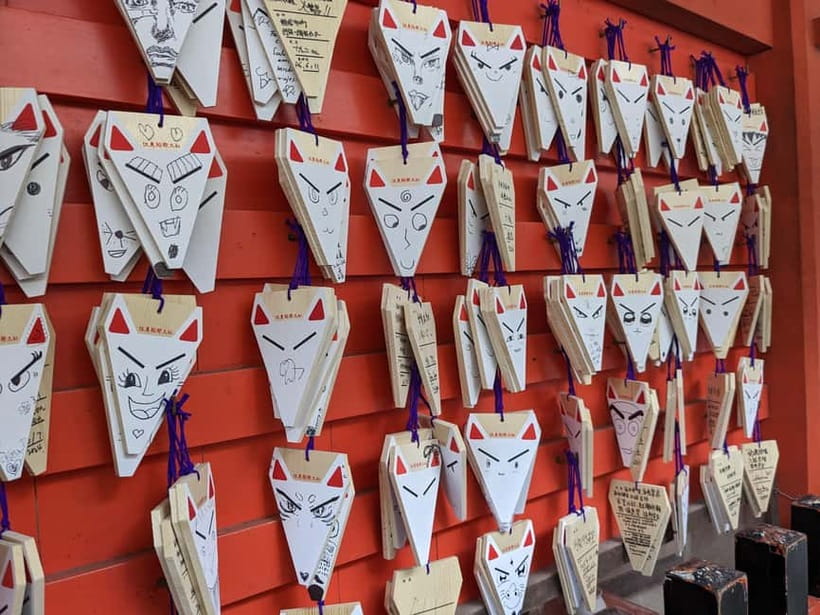
Fushimi Inari Taisha is dedicated to the god of rice and prosperity. That gives the visit a practical cultural focus: the shrine is tied not only to worship, but also to hopes for good fortune and success.
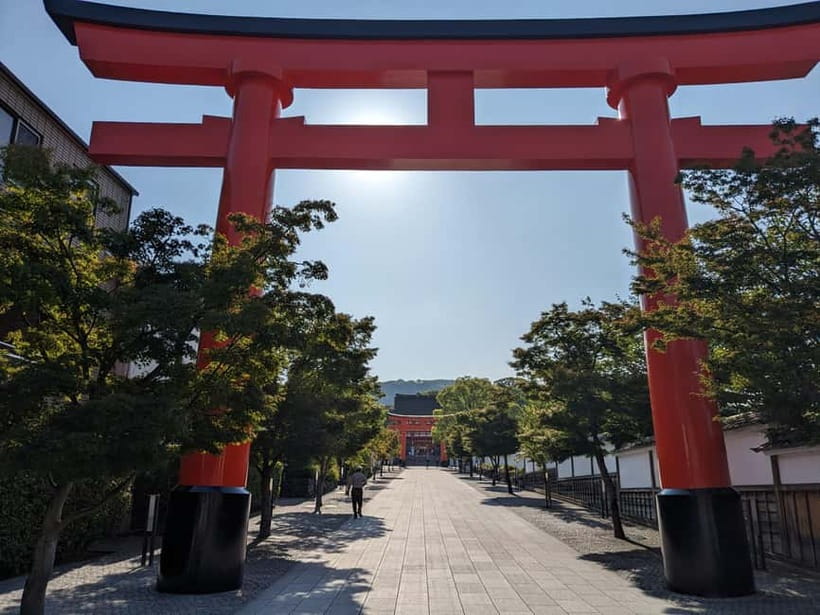
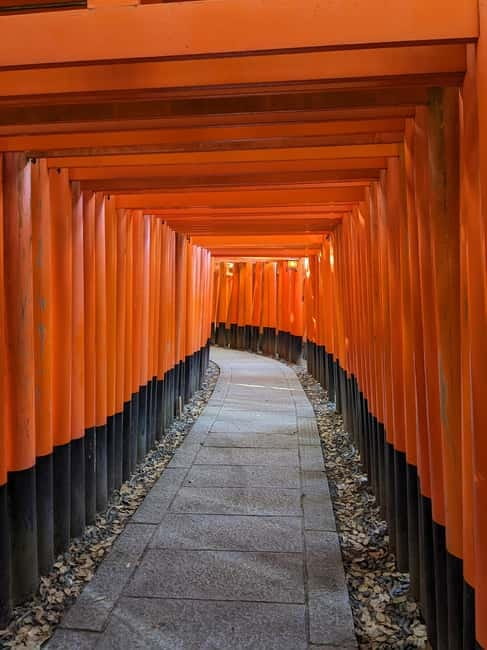
The most famous feature is the long path of red-orange torii gates. These gates mark the boundary between ordinary space and sacred ground, and walking beneath them changes the pace of the visit. Instead of looking at one building and leaving, you follow a route through the shrine grounds, with each gate adding to the sense of ceremony.
I like this tour because it gives that route a human explanation. A guide can point out why the gates matter, how they connect to worship, and how the site fits into Kyoto’s spiritual life. Without that context, you may see a striking corridor of gates and take a few photographs. With an explanation, you have a better sense of why people come here and what the place represents.
You should also keep your expectations in check. This is not a full climb through every section of Mount Inari. The advertised schedule lasts 90 minutes, and the route returns to Inari Station. Think of it as a focused introduction to the shrine rather than a long mountain walk.
More ways to walk the Fushimi Inari gates:
- Kyoto: Fushimi Inari, Kinkakuji, Bamboo Grove 1 Day Bus Tour
★ 4.8 · 4,316 reviews - Fushimi Inari Hidden Hiking Tour (Private Option Available)
★ 5.0 · 1,750 reviews - Osaka/Kyoto:Kinkakuji,Arashiyama,FushimiInariShrine,NaraPark
★ 4.1 · 1,596 reviews
Meeting outside JR Inari Station
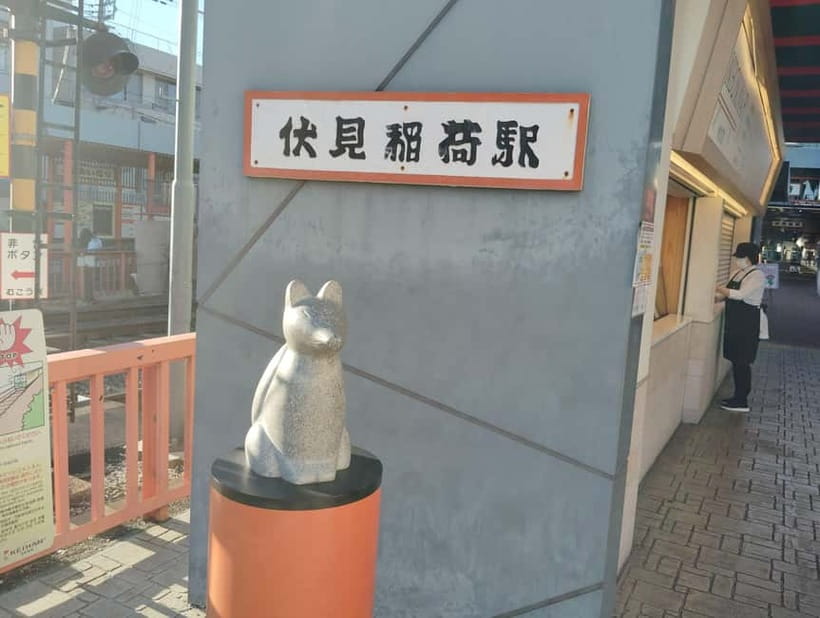
The tour starts outside, across from the main entrance to JR Inari Station. Your guide will be holding a bright yellow DeepExperience signboard, which gives you a clear visual marker in a busy sightseeing area.
I like this meeting point because it removes one common source of stress: finding a guide inside a large station or searching for a small shop entrance. You can use JR Inari Station as your fixed reference point, then look for the yellow sign across from the main entrance.
The route also finishes at Inari Station. That is useful if you are planning several Kyoto sights in one day. You do not need to arrange a separate pickup or work out where the walk ends. The experience is built as a simple loop from station to shrine and back again.
The meeting time matters. Fushimi Inari is a popular place, and the first part of the grounds can feel busy. Your booking provides the starting time, but you should check availability before choosing a slot. The tour lasts 90 minutes, so allow extra time before or after if you want to linger, take photographs, or explore independently.
Starting at the main shrine
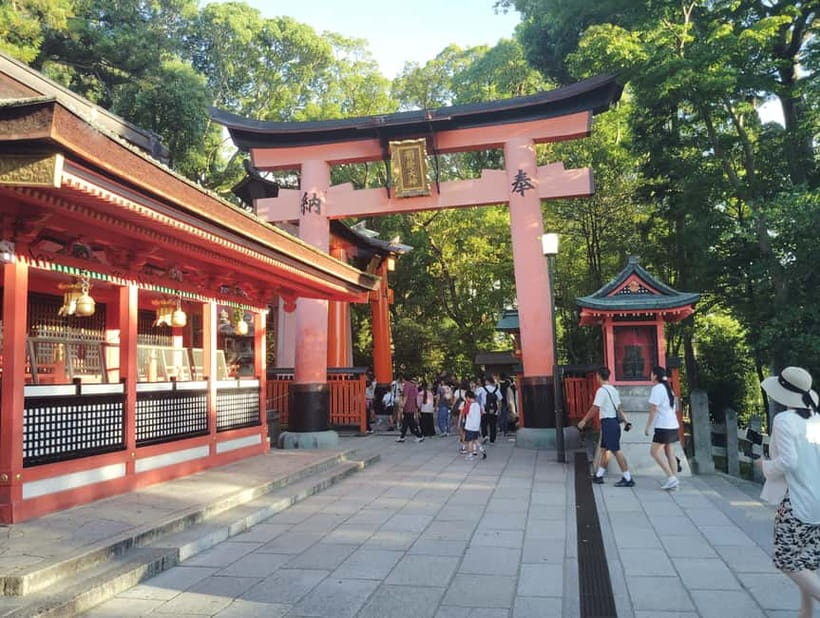
The first stop is Fushimi Inari Taisha’s main shrine. This is where the guide sets the religious and cultural context for the walk.
You will learn that the shrine is connected with rice and prosperity, two themes that help explain why it has such importance in Japan. The guide’s role here is not simply to name buildings. The useful part is understanding how the shrine functions as a place of worship and why its symbols matter.
I would pay close attention during this opening section. The rest of the tour makes more sense once you understand the shrine’s purpose. The red gates are not just decoration, and the route is not only designed for sightseeing. It is part of a sacred setting with its own traditions and practices.
A strong guide can also help you notice the difference between seeing a shrine and understanding one. Yoshi is one guide specifically praised for combining historical explanations with wider points about Japanese culture. That is the sort of guiding that adds value here. The buildings themselves are free to see, but interpretation can help you place them in context.
Walking under the thousands of red torii gates
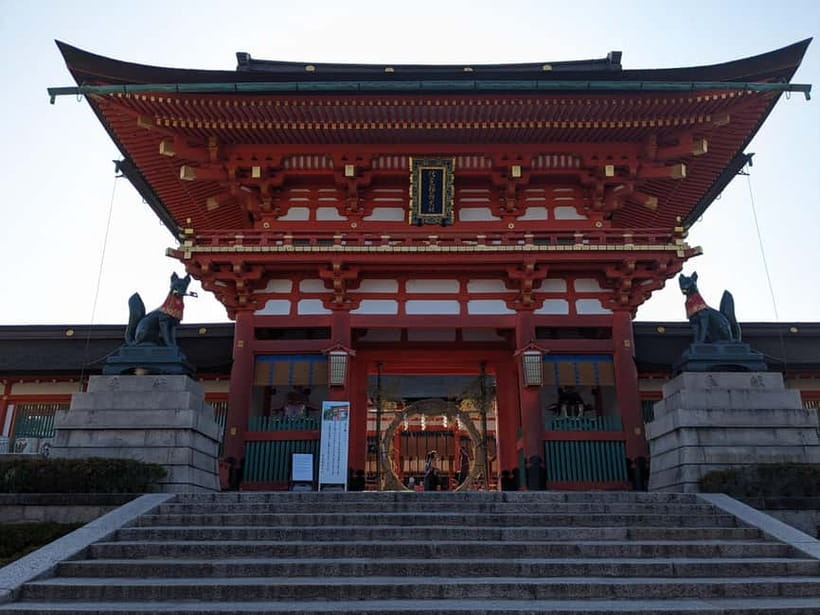
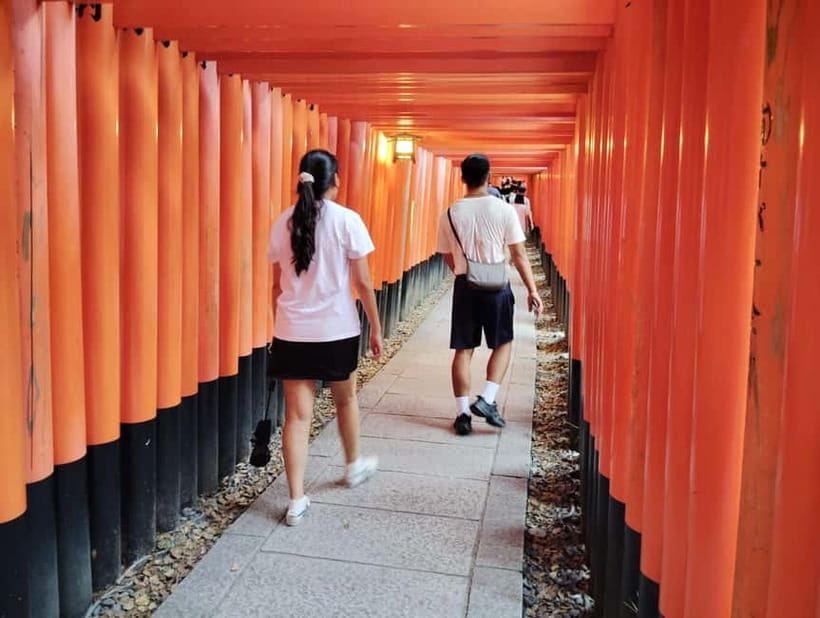
The torii gate path is the heart of the experience. You walk beneath rows of red gates that create a tunnel-like route through the shrine grounds.
The visual effect is powerful, but the walk is more than a photo opportunity. Your guide explains the historical and religious significance of the gates, helping you understand why so many have been placed here. The experience becomes a moving lesson in how private hopes and public worship can shape a sacred site.
I like the fact that the tour does not stop at the first gate-lined section. The route continues toward Okusha Back Shrine, so you get a sense of movement from the main entrance into a more intimate part of the grounds.
The path is also where the 90-minute limit becomes important. You will have time for a guided look at the main areas described, but not unlimited time for slow photography or a long independent exploration. If you stop often for pictures, you may want to return after the tour and continue at your own pace.
For photographers, the gates offer plenty to notice, but a guide-led walk may require you to balance pictures with the group’s pace. The recent praise for Yoshi included taking excellent photographs, which suggests that some guides may help with pictures. Still, that should not be treated as a guaranteed feature of every booking.
More shrines to work into a Kyoto day:
- Osaka/Kyoto: Arashiyama, Nara & Fushimi Inari Shrine w/Lunch
★ 4.4 · 754 reviews - KYOTO Tea Ceremony with kimono near by Imamiya Jinjya Shrine
★ 5.0 · 343 reviews - Kyoto: 3-Hour Fushimi Inari Shrine Hidden Hiking Tour
★ 4.9 · 270 reviews - Kyoto Magical Night English Tour: Gion & Fushimi Inari Shrine
★ 5.0 · 97 reviews
A quieter moment at Okusha Back Shrine
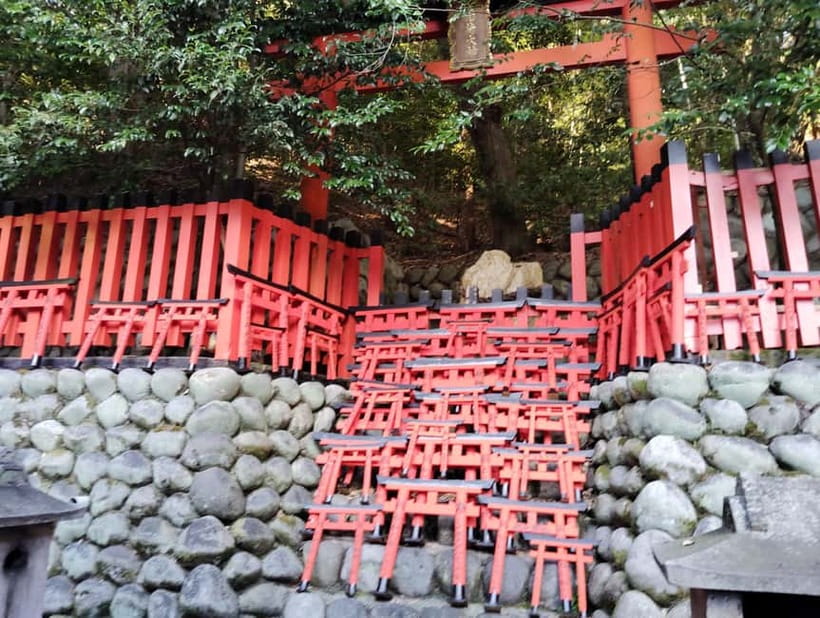
Okusha Back Shrine is the next major stop. It offers a more intimate spiritual experience than the main shrine area and gives the tour a useful change of pace.
I value this part because it keeps the visit from becoming a single crowded viewpoint. After the strong visual impact of the torii gates, Okusha Back Shrine gives you time to consider the religious side of Fushimi Inari more directly.
The phrase more intimate does not mean the tour becomes private unless you book a private option. It means the stop has a different feel within the planned route. You are still taking part in a guided visit, but the focus shifts from the famous gate corridor to a smaller, more personal ritual setting.
This is also a good place to listen rather than rush. Your guide can connect the shrine’s practices with the larger themes of luck, devotion, and prosperity. That kind of explanation is especially useful if Japanese shrine customs are unfamiliar to you.
Testing your fortune with the Omokaruishi stones
The Omokaruishi stone ritual is the tour’s most hands-on moment. You have the chance to lift the stones and use the experience as a test of fortune and inner strength.
The idea is simple, but it gives you something to do rather than only something to observe. You are asked to make a judgment through your own physical experience, which makes the ritual easier to remember.
I would not treat this as a scientific prediction or a contest of strength. Its value is cultural and personal. The ritual offers a small window into the way spiritual practices can turn an ordinary action into a moment for reflection.
This stop also helps explain why a guide can be useful. If you lifted the stone without knowing its significance, you might remember the weight but miss the point. With context, the action becomes part of a larger visit focused on fortune, hope, and belief.
What $32 buys you
At $32 per person, the main thing you are paying for is the guide’s time and interpretation. Entrance to the shrine itself is not listed as an included ticket, and the activity includes an English-speaking local expert guide. The value depends on how much you want cultural explanation during a short visit.
I think the price is reasonable for a first visit if you want a structured introduction. You meet at a clear location, follow a defined route, learn about the main shrine and torii gates, visit Okusha Back Shrine, and take part in the stone ritual. You also return to the same station, which keeps the logistics easy.
The value is weaker if you are comfortable researching Fushimi Inari yourself and prefer to wander. One booking found the 90-minute tour too short and felt that the route could have been completed independently. That is a fair criticism. Fushimi Inari is open to explore on your own, and the most famous parts are straightforward to find.
For me, the decision comes down to your travel style. If you want stories, cultural background, and help noticing the meaning behind the sights, $32 can be well spent. If you mainly want photographs and a longer walk, you may get more from visiting independently and keeping the money for another activity.
Why the 90-minute length matters
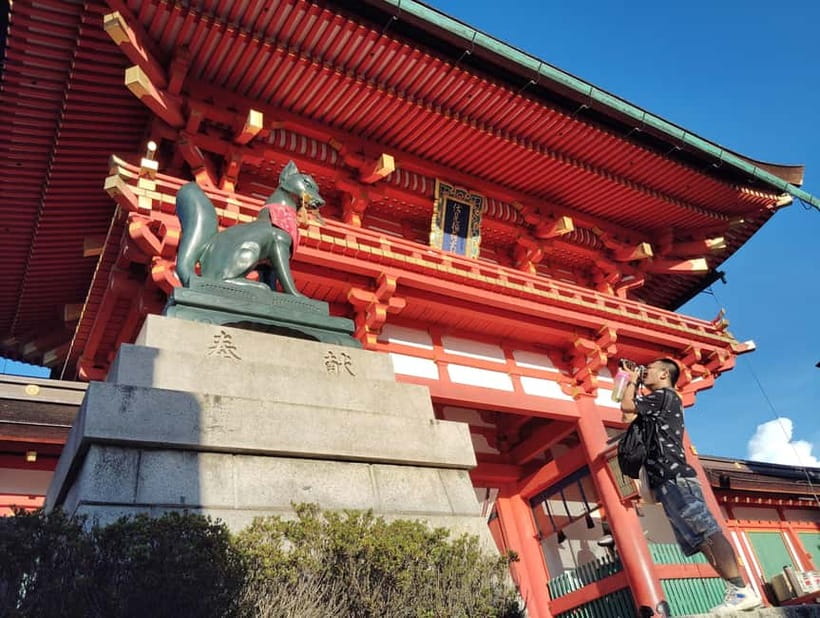
Ninety minutes is enough for a focused introduction. You can see the main shrine, walk through the torii gates, visit Okusha Back Shrine, and try the Omokaruishi ritual without giving up most of your day.
The same short schedule may leave you wanting more. Fushimi Inari is a large site, and this experience does not present itself as a full exploration of every path. If you hoped for a long climb or extended time at each stop, plan to return after the guided portion or choose another visit time to continue on your own.
I would book this tour early in your Kyoto planning, then decide whether to add free time afterward. Since the tour ends back at Inari Station, you have a natural opportunity to keep exploring if your energy and schedule allow.
The compact format also suits families and first-time visitors who may not want a long uphill outing. The available information does not promise a specific level of physical difficulty, so you should not assume that every part of the route will feel effortless. The key point is that this is a short guided visit, not a full-day hike.
Small groups, private bookings, and guide style
The experience is available as a private or small-group tour. That choice can affect the value more than the basic price suggests.
A small group gives you the structure of a guide while keeping the experience more personal than a large group outing. A private booking may suit you if you want to ask many questions or move at a pace that fits your party, though the supplied details do not state the exact group size or private-tour price.
Guides speak English or Japanese. If you book in English, you can expect the main explanations to cover the shrine, the torii gates, Japanese culture, and the Omokaruishi ritual. One particularly positive experience involved Yoshi, whose explanations covered both history and culture and who was described as available throughout the visit.
That combination matters. I would rather have a guide explain why a custom exists than provide only dates and names. At Fushimi Inari, the best questions are often about meaning: why the gates are here, what people hope for at the shrine, and how the rituals connect with daily life.
Cancellation and booking flexibility
You can cancel up to 24 hours in advance for a full refund. The reserve-now, pay-later option also lets you hold a place without paying on the day you book.
Those policies are useful when your Kyoto schedule is still shifting. Fushimi Inari can fit into many itineraries, but you may not know which morning or afternoon will work until you confirm other plans. Check the available starting times before booking, since the duration is fixed at 90 minutes.
The activity is operated by DeepExperience, Inc. The available information gives the guide languages as English and Japanese and identifies the meeting sign as a bright yellow DeepExperience board.
Who should book this Fushimi Inari tour?
I would recommend it to you if this is your first visit to Fushimi Inari and you want a short, organized introduction. It is also a good fit if you care about cultural meaning, prefer to ask questions in English, or do not want to work out the route alone.
Families may appreciate the clear timing and the stone-lifting ritual, which gives children a memorable activity. A private or small-group option may be worth considering if your group wants more conversation.
I would be more cautious if you want a long walk, extensive free time, or a detailed exploration of the entire shrine grounds. In that case, visit independently or add time before or after the tour. You should also think carefully about the price if you already know a lot about Fushimi Inari and mainly want to see the gates.
Should you book it?
Book this tour if you want the meaning behind Fushimi Inari, not just its famous red gates. The guide-led route, Okusha Back Shrine, and Omokaruishi ritual give the visit a clear shape, while the return to JR Inari Station keeps your day simple.
Skip it if you prefer to wander slowly, take unlimited photographs, or climb farther into the shrine grounds. At $32, the tour earns its value through explanation and cultural context. For a short first look with a local guide, that is a fair trade. Just remember that 90 minutes is an introduction, not the whole Fushimi Inari experience.
FAQ
Where does the tour meet?
Your guide will wait outside, across from the main entrance to JR Inari Station, holding a bright yellow DeepExperience signboard.
Where does the tour finish?
The guided visit returns to Inari Station.
How long does the tour last?
The tour lasts 90 minutes.
What does the tour include?
It includes an English-speaking local expert guide. Guides are also available in Japanese.
Does the tour visit Fushimi Inari Taisha?
Yes. The experience includes a guided visit to Fushimi Inari Taisha.
Will I walk through the red torii gates?
Yes. The route includes the famous pathway lined with red torii gates.
Does the tour visit Okusha Back Shrine?
Yes. Okusha Back Shrine is included as part of the guided route.
What is the Omokaruishi activity?
You can lift the Omokaruishi stones as part of a local ritual connected with testing your fortune and inner strength.
Are private tours available?
Yes. Private and small-group options are available.
Can I cancel for a refund?
You can cancel up to 24 hours in advance for a full refund.
Newest Kyoto experiences on the site
- Whisk Your Own Matcha: A Zen Matcha Experience at Temple★ 3.6 · 7 reviews
- Treasures of Kyoto: Gion & historical Walking Tour★ 5.0 · 6 reviews
- Kyoto tea town for matcha lovers★ 5.0 · 16 reviews
- Uji: Private immersion into Kyoto’s tea and reglious culture★ 5.0 · 17 reviews
- Kyoto Matcha Green Tea Tour★ 4.5 · 23 reviews
- Uji and Wazuka Matcha Farm Half Day Private Guided Tour★ 5.0 · 21 reviews
- Utilising upcycled Matcha! Creating matcha incense (Uji, Kyoto)★ 5.0 · 6 reviews
- Sacred Temple Yoga Experience in Japan★ 5.0 · 3 reviews
Fushimi Inari Tours, compared.
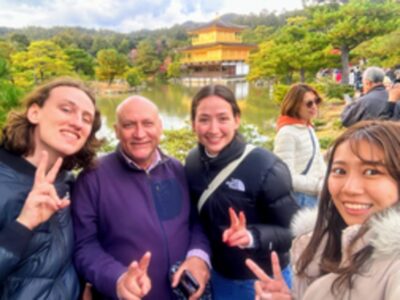
Fushimi Inari, Kinkakuji, Bamboo Grove 1 Day Bus Tour
Read our review →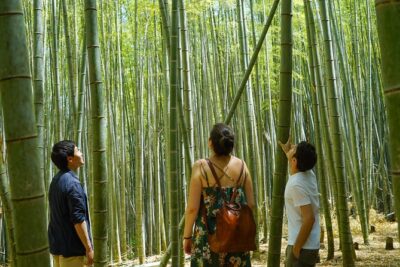
Fushimi Inari Hidden Hiking Tour (Private Option Available)
Read our review →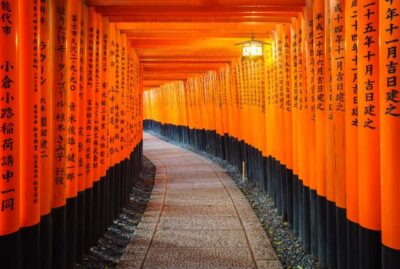
Kinkakuji,Arashiyama,FushimiInariShrine,NaraPark
Read our review →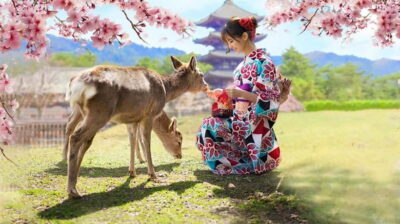
Nara, Fushimi Inari Taisha, Arashiyama Bus Tour
Read our review →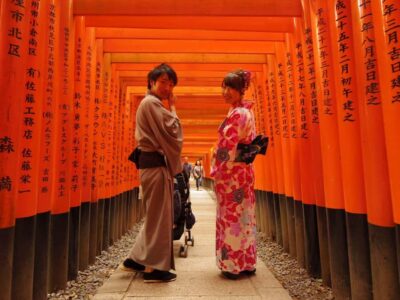
Arashiyama, Nara & Fushimi Inari Shrine w/Lunch
Read our review →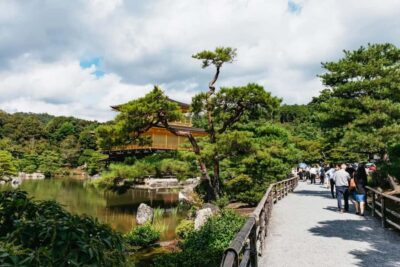
Nijo Castle, Kiyomizu & Fushimi Inari Guided Tour
Read our review →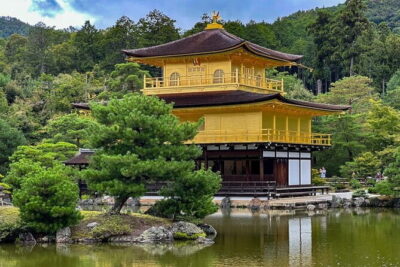
Nijo, Kinkaku-ji, Arashiyama, Kiyomizu & Fushimi Inari
Read our review →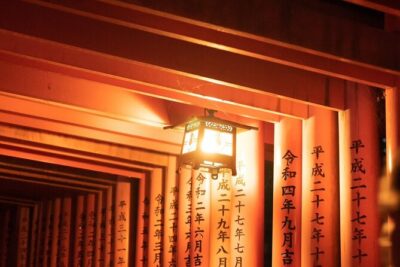
Browse the lists this tour appears in