
Reviewed · KYOTO GEISHA & MAIKO EXPERIENCES
Authentic Maiko Experience&Kyoto Dinner (Free drink) at Noh Stage
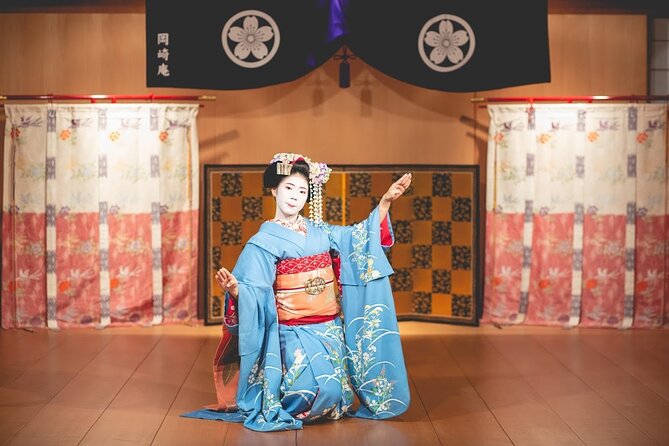
The most unusual part of this Kyoto evening is the setting and format. You meet a maiko on a Noh stage, not in a large theater built for a quick tourist show. The program includes live shamisen, dance, dinner, conversation, traditional games, and time for questions.
I like the small-group format, limited to 20 people, because it gives you a fair chance to speak with the maiko and take a proper photo. I also like the built-in interpreter support, which helps turn a beautiful performance into a more meaningful cultural exchange. The main consideration is price: at $150, this is a special-night splurge rather than a casual evening out.
Key points to know before booking
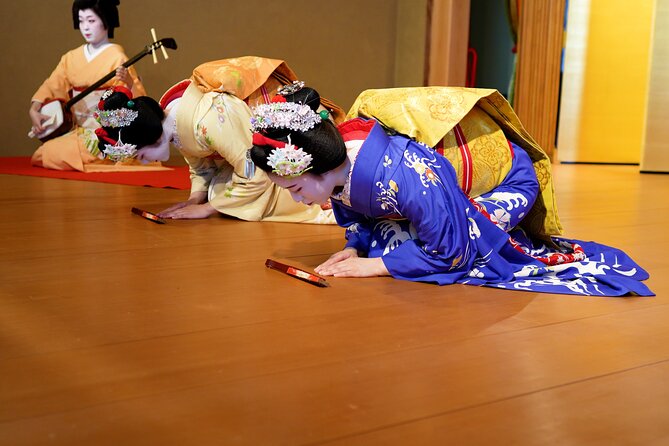
- Two performances with live shamisen: The maiko dances on the Noh stage while a jikata provides live shamisen music.
- Dinner and unlimited drinks included: Your two-hour booking includes a traditional Kyoto meal and free drinks throughout the evening.
- Real conversation, not just a photo stop: You have time for introductions, questions, and direct conversation with the maiko.
- Traditional ozashiki games: You take part in playful Japanese games accompanied by live music.
- Historic Okazaki setting: The meeting point is Okazaki-an at 9165 Okazaki Enshōjichō, Sakyo Ward.
- Practical dress rule: Socks or tabi are required on the Noh stage, and bare feet are not allowed.
What the evening is really about
This is designed as an intimate introduction to Kyoto’s maiko culture. The focus is not simply on watching a performer in a kimono. You are shown several parts of an ozashiki evening, including the formal entrance, dance, music, introductions, questions, games, and personal conversation.
That range matters. A short dance show can be lovely, but it tells you little about the people and customs behind it. Here, you get to see how the maiko presents herself, learn about her kimono and hair ornaments, and ask questions through a Kyoto-certified interpreter guide.
The experience is presented as an authentic recreation of the tone and etiquette associated with a traditional ozashiki gathering. That does not mean you are entering a private teahouse or attending a working evening in Kyoto’s hanamachi districts. It means the program pays attention to the small details of that setting and keeps the group intentionally limited.
You should expect a polished cultural presentation, but also a social evening. The maiko speaks with participants, poses for a two-shot photograph, and joins the games. This is why the program suits anyone who wants contact and explanation rather than a performance viewed from a distant seat.
More geisha and maiko evenings in Kyoto:
- Kyoto Geisha Walking Tour: Gion District & Hidden Gems
★ 4.7 · 3,273 reviews - Kyoto: Gion Magical Night Walking Tour with Geisha Trivia
★ 4.9 · 2,393 reviews - Kyoto: Gion Geisha District Walking Tour – Stories of Geisha
★ 4.7 · 2,187 reviews
Arriving at Okazaki-an before 6 p.m.
The meeting point is Okazaki-an, at 9165 Okazaki Enshōjichō in Kyoto’s Sakyo Ward. The activity is near public transportation, but your transportation from your hotel or home is not included, so allow enough time to reach Okazaki.
Doors open at 5:50 p.m. If you arrive early, you can wait in the café space on the first floor. The main program begins at 6 p.m. on the second floor of the Noh stage.
This early arrival window is useful because the evening has a firm rhythm. You do not want to rush in at the last moment, especially when you need to remove shoes or make sure you are wearing socks or tabi. Bare feet are not permitted on the stage, and food and drinks are not allowed during the free photo period before the formal program begins.
The venue itself is part of the appeal. A Noh stage has a spare, formal character that suits the restrained movements of maiko dance. It is a very different setting from a restaurant dining room or a large entertainment hall, and the stage gives the dance a clear visual focus.
A quiet photo period on the Noh stage
Before dinner and the performance, you have free photo time on the Noh stage. This gives you a chance to take in the setting and make photographs before the evening becomes more structured.
There are two practical rules to remember. You must wear socks or tabi, and you cannot eat or drink on the stage during this period. If you plan to take photographs, this is a good time to check your phone, camera, and lighting settings.
The stage is also where the later two-shot photograph with the maiko takes place. The setting should make that photo more distinctive than a quick picture in a crowded reception area. Still, be respectful and follow the staff’s instructions. The value of the photo comes from the setting and the encounter, not from treating the maiko like a costumed prop.
Dinner begins with a welcome toast
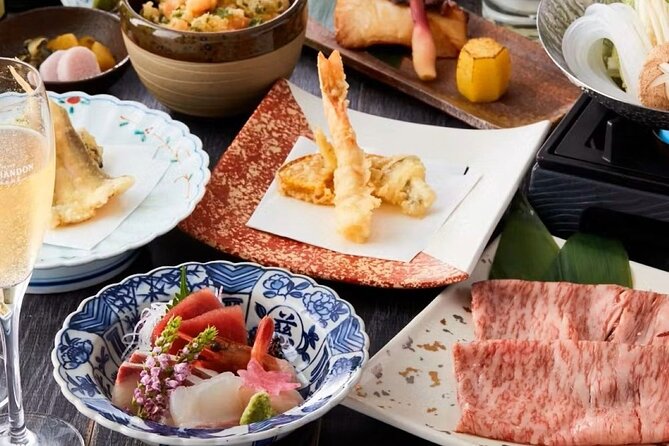
After the opening portion, the group shares a welcome toast and dinner begins. The meal is described as traditional Kyoto food, with the experience presenting it as kaiseki cuisine.
You should think of this as a cultural dinner rather than a restaurant visit built around a large menu. Kaiseki-style dining places importance on presentation, seasonality, balance, and the order in which dishes appear. The precise dishes are not specified, so do not book this expecting a particular menu or guaranteed dietary arrangement.
Drinks are included for the full two hours. That is a useful part of the value, since you are not paying separately for each beverage while you eat and talk. The meal also gives the evening a relaxed social pace. You are not simply watching a show and leaving; you are sharing food in the same room as the performers.
The dinner is one reason the $150 price can make sense for the right person. You are paying for a meal, drinks, a live performance, a small venue, interpreter support, the photo opportunity, and direct interaction. If you only want to see a maiko dance, less expensive options may suit you better. If you want an all-in-one evening, the pricing is easier to justify.
A few more Kyoto tours worth putting on the shortlist
- Kyoto Gion Cultural Walk & Geisha Show with Dining Options
★ 5.0 · 518 reviews - Kyoto Gion Cultural Walk & Geisha Show with Dining Options
★ 5.0 · 483 reviews - Dinner with Maiko in a Traditional Kyoto Style Restaurant Tour
★ 5.0 · 175 reviews - Kyoto: Geisha Dinner & Gion Cultural Walk
★ 5.0 · 73 reviews
Maiko dance with live shamisen
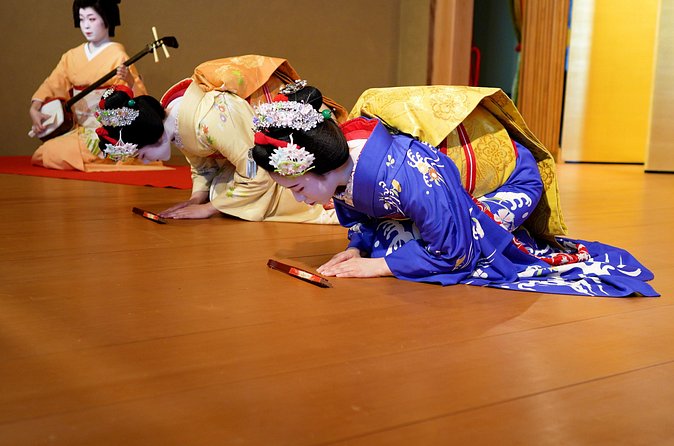
The maiko enters with the jikata, the musician who plays the shamisen. The dance takes place on the Noh stage, accompanied by live music rather than a recording.
That live element changes the feeling of the performance. You can watch the maiko’s controlled movement while hearing the sharp, expressive sound of the shamisen in the same room. The program includes multiple dance performances, so you get more than a single brief number.
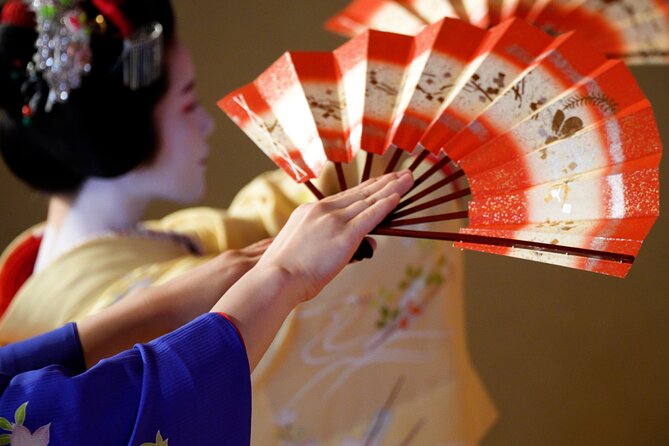
Maiko dance is built around restraint. Small movements, hand gestures, the position of the head, and the handling of sleeves all matter. From close range, details of the kimono, hair ornaments, and posture become easier to notice than they would be from the back of a theater.
The performance is elegant, but it is not presented as a high-energy stage spectacle. If you want a fast show with constant action, this may feel quiet. That calm pace is precisely what suits the subject, and it leaves room for the rest of the program.
Introductions, questions, and the details behind the costume
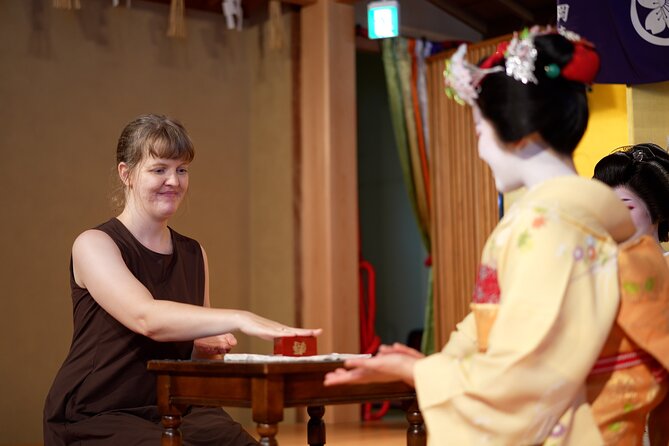
After the dance, the maiko and participants introduce themselves. This is followed by an explanation of the kimono and kanzashi, the traditional hair ornaments.
This portion helps you understand what you are seeing. A kimono is not just a colorful costume, and a kanzashi is not merely a decorative hairpin. Their placement and appearance are part of the visual language of the maiko’s presentation.
You also have a chance to ask questions. The Kyoto-certified interpreter guide helps translate, which is especially important if you want to ask more than a simple question about the dance. The interpreter support is one of the program’s strongest practical features for English-speaking visitors.
The conversation is also where the evening becomes personal. You may learn about the maiko’s life, training, daily routine, or work, but the exact discussion will depend on the questions asked and the maiko present that evening. Come prepared with a few respectful questions if you want to make the most of this part.
The two-shot photo and personal conversation
The scheduled two-shot photograph takes place on the Noh stage. This is a formal photo opportunity, not a chance to wander around taking pictures whenever you wish.
The stage provides a strong backdrop, and the small group means the photo session can feel more orderly than a crowded public encounter. Be ready when your turn comes. Keep the interaction brief enough for everyone to have a chance, but use the conversation time later if you have more to ask.
Direct conversation is the heart of this experience for many people. You are not limited to watching from the audience. You can speak with the maiko, hear answers through the interpreter, and gain a better sense of the person behind the performance.
Good questions should show curiosity and respect. Ask about the arts, the meaning of the dance, the kimono, the music, or life as a maiko. Avoid treating the evening as a chance to demand private information. The setting is intimate, but it remains a professional cultural program.
Ozashiki games with music
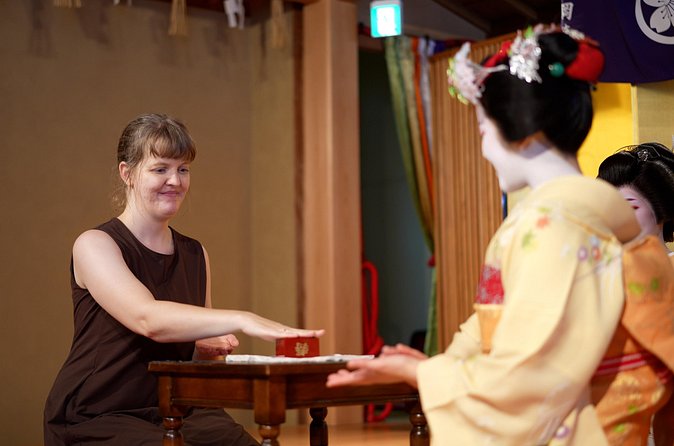
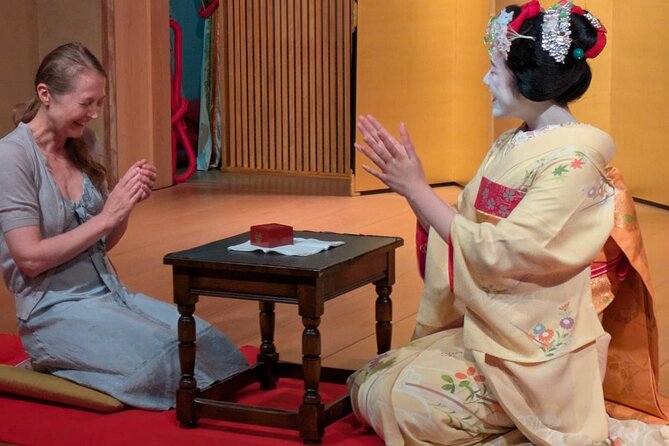
The final major activity is the ozashiki game session. These are traditional social games associated with entertainment in an ozashiki setting, and the maiko leads the group while the shamisen keeps the mood moving.
This is the playful part of the evening. You are no longer only observing dance or listening to explanations. You take part, laugh with the group, and see how music, rhythm, and simple rules can create a lively social atmosphere.
The games also show a different side of maiko hospitality. The evening is refined, but it is not stiff. The combination of formal dance and playful interaction gives the program a better sense of range than a performance alone.
You do not need special cultural knowledge to participate. The interpreter and staff explain what to do, and the group format makes it easier to join in. If you dislike audience participation, this is the section to consider carefully. You may be invited to take part rather than sit quietly for the entire evening.
Group size, timing, and practical comfort
The experience requires at least two participants and allows a maximum of 20 people. That is small enough to support conversation, though the exact feel will change depending on attendance. A full group of 20 will be more social and less private than a smaller gathering.
The total duration is about two hours, from 6 p.m. to 8 p.m. The schedule is compact but full: photo time, dinner, dance, introductions, costume explanation, Q&A, a second photo opportunity, conversation, and games.
Most people can participate, and the program is near public transportation. Oversize luggage is not included, so leave large bags elsewhere. Mobile tickets are supported, and booking confirmation is provided at the time of reservation.
The stage rules deserve attention. Wear socks or tabi, do not arrive barefoot, and remember that food and drinks are not permitted during the initial stage photo period. These are small points, but missing them can make arrival awkward.
Who gets the best value from $150
I would consider this experience a good match for you if meeting a maiko is high on your Kyoto list and you want more than a distant performance. The price covers the meal, unlimited drinks for two hours, live music, several cultural activities, interpreter assistance, and a two-shot photo.
It also suits first-time visitors who want cultural context without arranging several separate activities. You can have dinner, watch dance, ask questions, and take part in games in one evening.
Couples and small groups may find the format especially appealing. A group discount is available, though the exact saving is not stated, so check the price shown at booking. The minimum booking of two participants means this is not structured as a solo walk-in activity.
I would be more cautious if your main goal is a long, formal kaiseki dinner. The meal is part of a busy two-hour program, not the entire focus. I would also look elsewhere if you want an unstructured private meeting or guaranteed access to a specific maiko or geiko, since no individual names are provided.
The term geiko is used in Kyoto for a fully trained geisha, while maiko refers to an apprentice in the traditional performing arts. The program’s emphasis is on maiko culture, though the experience description also refers to geiko. The exact performers can vary.
Should you book this Kyoto maiko evening?
Book it if you want an intimate, carefully organized introduction to maiko culture that combines performance with conversation. The live shamisen, Noh stage, dinner, games, and interpreter support make it more substantial than a quick stage show.
Skip it if $150 feels too high for a two-hour activity, if you dislike participation, or if you want a full restaurant dinner without a performance schedule. The strongest reason to choose it is the personal contact. You get to ask questions, share a meal, play traditional games, and leave with a photograph from the stage.
Cancellation is free up to 24 hours before the 6 p.m. start time. Inside that window, refunds are not available and changes are not accepted. Plan your Kyoto evening carefully, arrive before 5:50 p.m., and wear socks. With those details handled, this is a memorable choice for a night when you want Kyoto culture presented up close and with care.
FAQ
Where does the maiko dinner experience take place?
It takes place at Okazaki-an, located at 9165 Okazaki Enshōjichō in Kyoto’s Sakyo Ward. The main program is held on the second floor of a Noh stage.
What time does the experience begin and end?
Doors open at 5:50 p.m. The program begins at 6 p.m. and ends at approximately 8 p.m.
What is included in the price?
The price includes the meal, free drinks for two hours, maiko dance performances, live shamisen music, conversation time, ozashiki games, a two-shot photo, and interpreter support.
Is dinner included?
Yes. The experience includes a traditional Kyoto meal described as kaiseki cuisine.
Are drinks included?
Yes. Drinks are included throughout the two-hour experience.
Can I take a photo with the maiko?
Yes. A scheduled two-shot photo with the maiko takes place on the Noh stage. There is also free photo time before the formal program.
What should I wear on the Noh stage?
You must wear socks or tabi. Bare feet are not allowed.
How many people can join the activity?
The experience requires a minimum of two participants and has a maximum group size of 20 people.
Can I cancel for a refund?
Yes, if you cancel at least 24 hours before the local start time. Cancellations or changes made within 24 hours are not accepted, and the amount paid is not refunded.
More Dinners Worth Booking in Kyoto
- Private Dinner with a Geisha
★ 5.0 · 65 reviews - Kyoto Evening Gion Food Tour Including Kaiseki Dinner
★ 5.0 · 62 reviews - Kyoto: Maiko Dinner in Traditional Restaurant and Tour
★ 4.8 · 55 reviews - Kyoto: Lunch or Dinner with Maiko
★ 4.2 · 52 reviews
Newest Kyoto experiences on the site
- Treasures of Kyoto: Gion & historical Walking Tour★ 5.0 · 6 reviews
- Whisk Your Own Matcha: A Zen Matcha Experience at Temple★ 3.6 · 7 reviews
- Kyoto tea town for matcha lovers★ 5.0 · 16 reviews
- Uji: Private immersion into Kyoto’s tea and reglious culture★ 5.0 · 17 reviews
- Kyoto Matcha Green Tea Tour★ 4.5 · 23 reviews
- Uji and Wazuka Matcha Farm Half Day Private Guided Tour★ 5.0 · 21 reviews
- Utilising upcycled Matcha! Creating matcha incense (Uji, Kyoto)★ 5.0 · 6 reviews
- Uji Tea Ceremony and UNESCO Heritage Walking Tour★ 5.0 · 20 reviews
Kyoto Geisha & Maiko Experiences, compared.
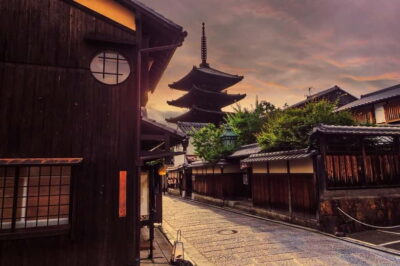
Kyoto Geisha Walking Tour: Gion District & Hidden Gems
Read our review →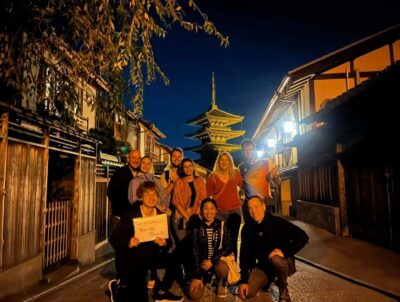
Gion Magical Night Walking Tour with Geisha Trivia
Read our review →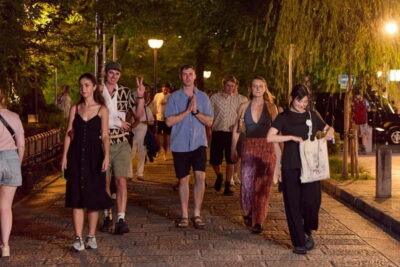
Gion Geisha District Walking Tour – Stories of Geisha
Read our review →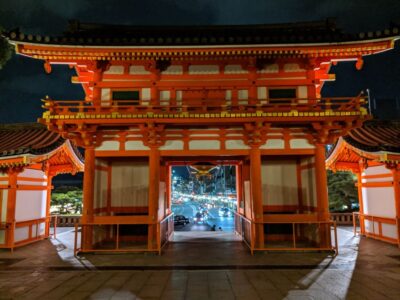
Best of Kyoto: Gion, Geisha, Pagodas & Cobblestones
Read our review →
Kyoto Gion Geisha District Walking Tour – The Stories of Geisha
Read our review →
Kyoto Gion: 2-Hour Geisha Culture & History Walking Tour
Read our review →
Kyoto Gion Night Walk & Geisha District Guided Tour
Read our review →Browse the lists this tour appears in