
Reviewed · KYOTO GEISHA & MAIKO EXPERIENCES
Dinner with Maiko in a Traditional Kyoto Style Restaurant Tour
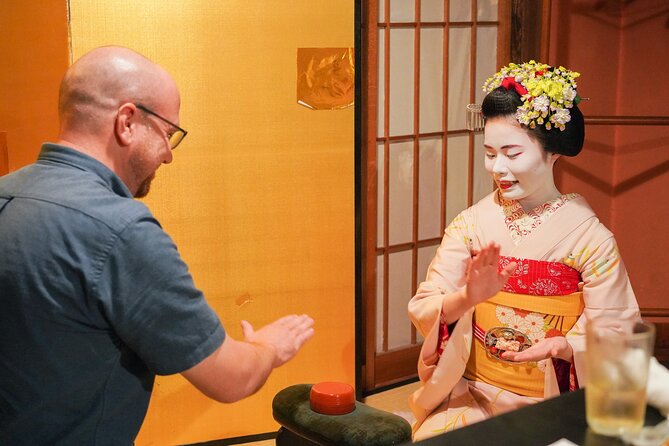
A maiko performance is the heart of this evening, but the real treat is the access around it. You walk through Gion, sit down for a traditional multi-course meal, and spend meaningful time with an apprentice geisha rather than simply watching her from a distance. Guides such as Hikari, Josh, and Peco have helped make the evening clear and welcoming for international visitors.
I love the small maximum of seven people, which keeps the dinner personal and gives you a fair chance to ask questions. I also like the mix of food, history, dance, and games. The main drawback is that the experience is not ideal for anyone who has difficulty walking, and the seating may not give everyone a perfect view of the dance.
Key points to know before booking
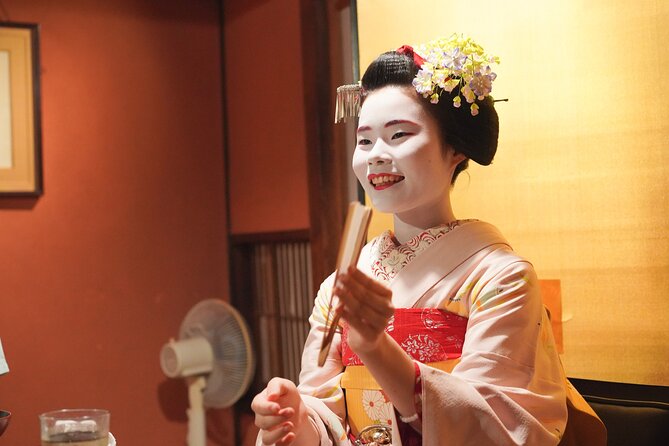
- A private maiko encounter: You can ask questions about her life, training, and work through your guide.
- Gion before dinner: The walking portion points out traditional streets and lesser-seen details, including a school timetable tucked into the neighborhood.
- Traditional dining: Expect a formal Kyoto-style meal, with one menu described as nine small typical dishes and drinks available.
- A very small group: The maximum is seven people, a useful size for conversation and translation.
- More than a dance show: The maiko also entertains with traditional games and explains aspects of her world.
- Plan for the weather and walking: Summer can reach 40°C, winter can fall to -5°C, and the tour is not recommended for people with mobility issues.
Why this Gion evening feels different
Kyoto has plenty of cultural shows, but many keep you at a distance. This one puts you in a private dining setting with a maiko, the apprentice stage in the geisha profession, and gives you time to ask questions.
That difference matters. You are not only watching a dance. You are learning how a young woman entered this demanding traditional art, what her work involves, and how maiko and geiko fit into Kyoto’s cultural life. Your guide translates, explains customs, and helps the conversation move along.
The evening is also carefully paced. About 40 minutes are spent walking through Gion, around two hours and 40 minutes at the dining venue, and roughly 10 minutes walking afterward. At three and a half hours, it is long enough to feel substantial without taking over your entire night.
The price is $299.95 per person, so this is not a casual add-on. I would judge it as a special-event purchase, much like paying for a theater performance, a private cultural demonstration, and dinner in one package. The value depends on your interest in geisha culture. If you mainly want a good meal, Kyoto offers cheaper options. If meeting a maiko is high on your list, the small group and extended question period make the price easier to defend.
More geisha and maiko evenings in Kyoto:
- Kyoto Geisha Walking Tour: Gion District & Hidden Gems
★ 4.7 · 3,273 reviews - Kyoto: Gion Magical Night Walking Tour with Geisha Trivia
★ 4.9 · 2,393 reviews - Kyoto: Gion Geisha District Walking Tour – Stories of Geisha
★ 4.7 · 2,187 reviews
Starting beneath the Izumo-no-Okuni statue
The meeting point is the Statue of Izumo-no-Okuni in Kawabatacho, in Kyoto’s Higashiyama Ward. The statue honors Izumo-no-Okuni, traditionally associated with the beginnings of kabuki theater, so it is a fitting place to begin an evening centered on Japanese performance arts.
The tour starts on time. Do not treat the meeting point as a casual suggestion, since the group moves through the district together and late arrivals could miss the beginning. A mobile ticket is provided, and the location is near public transportation.
Your guide is an important part of the experience. Names connected with past departures include Hikari, Josh, and Peco, though a particular guide is not guaranteed. The best guides do more than translate. They explain what you are seeing, introduce the etiquette of Gion, and make it easier to ask questions you might otherwise keep to yourself.
That help is especially useful in Gion. The district looks open and easy to explore, but it is also a working neighborhood with private businesses, residences, and a long tradition of careful social rules. A guide helps you enjoy the atmosphere without treating the area like a stage set.
Forty minutes through Gion’s wooden streets
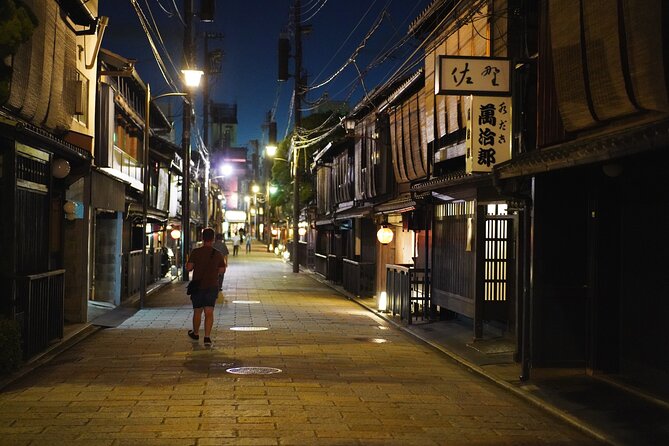
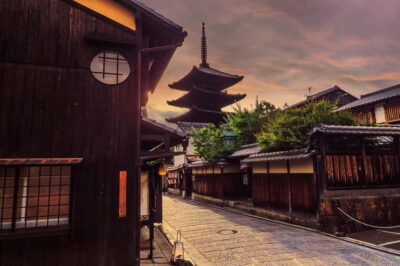
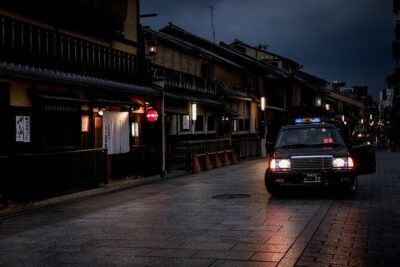
The first stop is a walking tour of Gion, known for its wooden machiya houses and preserved streets. The walk lasts about 40 minutes, so expect an introduction rather than a full neighborhood tour.
The value here is not simply taking pictures of old buildings. Gion’s appeal comes from small details, and a guide can point them out before you hurry past. One particularly memorable detail mentioned during the walk is a school timetable that most people would never notice on their own. Small observations like that give the neighborhood a more human feel.
The walk also sets up the dinner. You learn why Gion is associated with maiko and geiko, and you get a clearer idea of how the district’s traditional entertainment culture fits into modern Kyoto. That context keeps the later meeting from feeling like a random photo opportunity.
Wear comfortable shoes. The tour is not recommended for people with mobility problems, and the walking does not stop once the group reaches the restaurant. If you walk slowly or need frequent rests, a private tour is suggested instead.
Weather deserves attention, too. Kyoto’s summers can reach 40°C, while winter temperatures can fall to -5°C. Rain has not prevented every tour from being enjoyable, but it can make the walking portion less comfortable. The activity may be canceled if conditions are unsafe.
A private dinner with a maiko
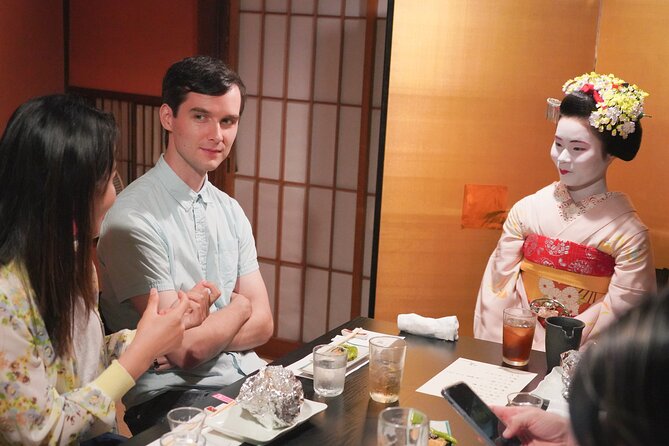
The main portion takes place in a private and intimate restaurant setting. This is where the experience earns its premium price.
The meal is described as a Kyoto-style dinner with many small courses. One menu was presented as nine typical dishes, so you should expect variety rather than one large entrée. The food is part of the cultural lesson. Traditional Japanese meals often place importance on appearance, sequence, and small portions, and a multi-course format gives you several new tastes instead of one familiar plate.
The dining room itself is traditional, with one account describing a small teahouse and a private room reserved for the group. That privacy helps the conversation. You are not trying to hear a performer over a crowded public dining room, and the maiko can address your small group more directly.
Drinks have included tea, beer, wine, sake, and plum wine, with nonalcoholic choices available. Another description mentions free-flowing drinks. Since the exact menu and drink arrangement can vary, check the current booking details if beverages are important to you.
Food restrictions require planning. Tell the operator about allergies or dietary requests at least one day before the tour. Requests made on the day cannot be accepted, and the operator cannot guarantee an allergy-free meal or substitutions because the restaurant kitchen is independent.
I would not book this expecting a fully customizable menu. The meal is part of a set cultural program, and flexibility may be limited. For most people, that is a fair trade for eating in a traditional setting, but serious allergies need careful consideration before paying.
A few more Kyoto tours worth putting on the shortlist
- Kyoto Gion Cultural Walk & Geisha Show with Dining Options
★ 5.0 · 518 reviews - Kyoto Gion Cultural Walk & Geisha Show with Dining Options
★ 5.0 · 483 reviews - Kyoto: Geisha Dinner & Gion Cultural Walk
★ 5.0 · 73 reviews - Private Dinner with a Geisha
★ 5.0 · 65 reviews
What happens during the maiko meeting

The maiko portion combines conversation, performance, and games. You can ask about her life, training, and decision to enter the profession, with the guide translating into English when needed.
This translation is more than a convenience. It gives you a chance to ask personal but respectful questions without needing Japanese. Guides have helped groups feel comfortable even when they arrived unsure what to ask. You might begin with basic questions about daily life and end up discussing ambitions, work, and the path that led her to become a maiko.
The conversation may not feel like an informal chat between old friends. One account found the exchange less conversational than expected, and that is a useful warning. The evening is structured around traditional performance and entertainment, so the quality and depth of conversation can depend on the maiko, the guide, and the questions your group brings.
The dance is elegant and brief enough to fit naturally into the dinner rather than becoming a full theater production. Traditional games add a lighter note and give you another way to interact. The overall effect is less formal than simply sitting in an audience, though you should still show respect for the setting and the performer.
If you are especially interested in dance technique, ask where you will sit before the performance begins. Seating has been a weak point for at least one group. People at the far end of a long arrangement had a limited view, and anyone who relies on clear sightlines, including a deaf participant, may find this a serious issue.
The arrangement can also matter if you are photographing or recording, though the supplied information does not state a specific camera policy. Follow the guide’s instructions and avoid letting a phone block someone else’s view.
What the guide adds to the evening
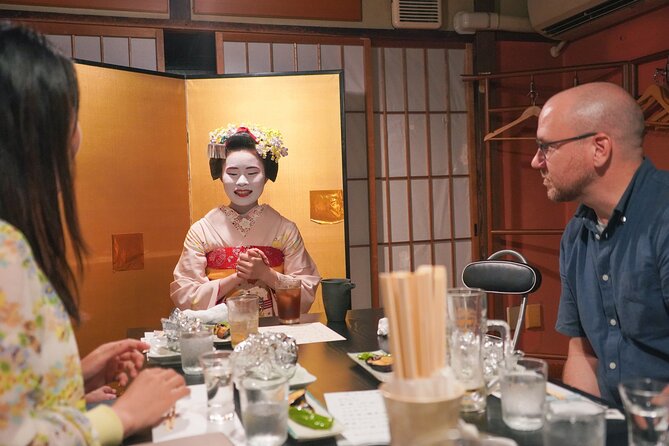
The guide is the bridge between you, the restaurant, and the maiko. A strong guide explains customs without turning the evening into a lecture, translates questions clearly, and keeps the group involved.
Hikari has been praised for her energy and ability to explain the culture. Josh has led the Gion walk and dinner for families, while Peco has been described as enthusiastic and helpful in making the food and conversation accessible. These names show the sort of guide you may receive, but you should not assume one particular person will lead your departure.
The guide also helps with etiquette. Gion is not a theme park, and the people working there deserve privacy. You will get more from the experience if you listen, ask polite questions, and let the guide explain when photography or movement is appropriate.
This support is especially valuable for first-time visitors. Geisha culture has its own terms and customs, and casual internet explanations can flatten the subject into costumes and mystery. A live guide can correct misunderstandings and explain the distinction between a maiko and a geiko in a more useful way.
The final night walk through Kyoto
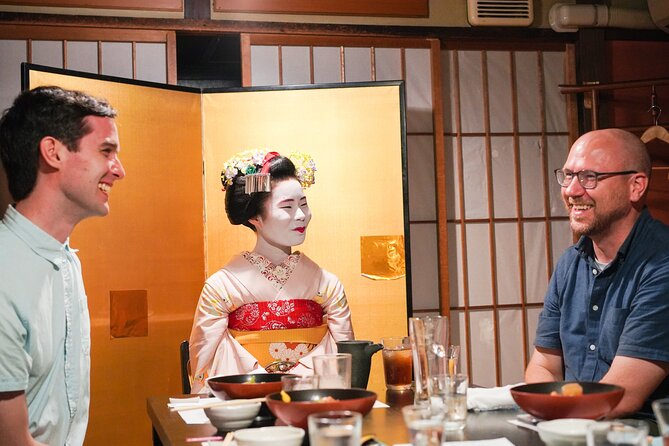
After dinner and the performance, the group spends about 10 minutes walking through Kyoto at night before the tour ends at the restaurant area in Gion. This is a short closing stroll, not a second sightseeing tour.
Still, the timing works well. Gion changes after dark, when the day’s noise softens and the wooden streets take on a quieter mood. You leave with a final look at the district instead of stepping straight from the private room into a taxi.
The tour ends at the restaurant, so plan your onward transportation before dinner. The end point is in Gion, not necessarily back at the statue where you began.
Who will get the most from this experience
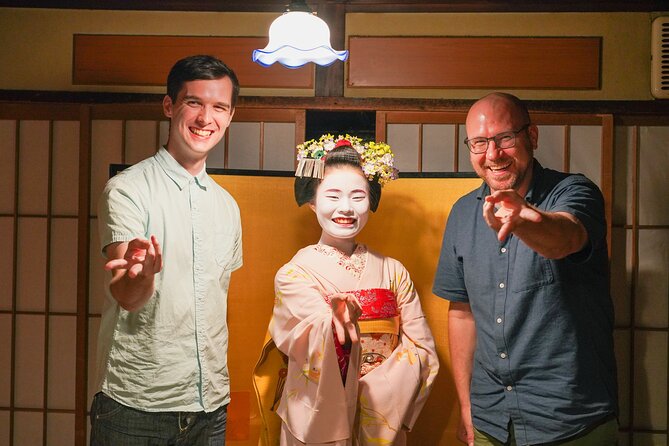
I would recommend this evening to you if you have a strong interest in:
- Geisha and maiko traditions
- Traditional Japanese food and dining customs
- Small-group cultural experiences
- Kyoto’s historic neighborhoods
- Live dance, music, games, and conversation
- Guided experiences where translation is included
It can also work well for older teenagers. The minimum age is 15, and one family found that teenagers aged 14, 19, and 21 would have ranked the event among the best parts of their trip, although the 14-year-old would not meet the stated age rule. Children and babies are not allowed on the shared tour.
I would hesitate to recommend it if your main goal is bargain dining, fast sightseeing, or a long unscripted conversation with a maiko. The evening has a set structure, and the conversation may be shorter or more formal than you expect. It is also a poor fit if you have trouble walking or need strict dietary control.
The group size is a major advantage for couples, friends, and solo visitors who want a more personal setting. A maximum of seven gives the guide room to translate questions and gives you a better chance to see and hear what is happening than a large bus tour would.
Price, timing, and cancellation details
At $299.95 per person, this is a splurge. I think the price makes the most sense when you value the entire package: a Gion walk, private dining, a multi-course meal, drinks, guide interpretation, maiko conversation, dance, and games.
The tour lasts about three and a half hours, so it fills a good part of an evening. Book it on a night when you are not rushing to another show or restaurant reservation.
The provided booking information gives two cancellation time frames. One states that free cancellation or rescheduling is available up to seven days before the start, while the detailed cancellation terms state that a full refund is available when you cancel at least 24 hours before the start. Because those terms differ, check the conditions shown at checkout and keep the stricter seven-day deadline in mind if your plans are uncertain.
Should you book Dinner with Maiko in Gion?
Book it if meeting a maiko is one of your Kyoto priorities and you want more than a short stage performance. The private room, small group, translator, traditional meal, and chance to ask questions create a fuller cultural evening than a simple dance show.
Skip it if $299.95 feels too high for a set dinner, if you need complete control over the menu, or if mobility and seating sightlines are concerns. For the right person, this can be a memorable centerpiece of a Kyoto visit. Just arrive on time, dress for the weather, wear good walking shoes, and contact the operator early about food needs.
FAQ
How long does the Dinner with Maiko tour last?
The tour lasts approximately three hours and 30 minutes.
Where does the tour start?
It starts at the Statue of Izumo-no-Okuni in Kawabatacho, Higashiyama Ward, Kyoto.
Where does the tour end?
The tour ends at the restaurant in Gion, Kyoto.
How large is the group?
The maximum group size is seven people.
What is the price?
The listed price is $299.95 per person.
What age must participants be?
Participants must be at least 15 years old. Small children and babies are not allowed on the shared tour.
Is the tour suitable for people with mobility issues?
The tour is not recommended for people with mobility issues because it includes walking. A private tour is suggested for anyone who has difficulty walking.
Is food included?
The experience includes dinner in a traditional restaurant setting. Dietary requests and allergies must be submitted at least one day in advance, and substitutions or allergy-free meals cannot be guaranteed.
Can I cancel for a refund?
The detailed cancellation policy says you can receive a full refund if you cancel at least 24 hours before the start time. The booking information also mentions free cancellation or rescheduling up to seven days before the tour, so check the terms shown when you book.
Can the tour be canceled because of weather?
Yes. The activity may be canceled if weather conditions are unsuitable for safety reasons.
More Dinners Worth Booking in Kyoto
- Kyoto Evening Gion Food Tour Including Kaiseki Dinner
★ 5.0 · 62 reviews - Kyoto: Maiko Dinner in Traditional Restaurant and Tour
★ 4.8 · 55 reviews - Kyoto: Lunch or Dinner with Maiko
★ 4.2 · 52 reviews - Private Dinner with Maiko and Geiko in Kyoto
★ 5.0 · 28 reviews
Newest Kyoto experiences on the site
- Treasures of Kyoto: Gion & historical Walking Tour★ 5.0 · 6 reviews
- Whisk Your Own Matcha: A Zen Matcha Experience at Temple★ 3.6 · 7 reviews
- Kyoto tea town for matcha lovers★ 5.0 · 16 reviews
- Uji: Private immersion into Kyoto’s tea and reglious culture★ 5.0 · 17 reviews
- Kyoto Matcha Green Tea Tour★ 4.5 · 23 reviews
- Uji and Wazuka Matcha Farm Half Day Private Guided Tour★ 5.0 · 21 reviews
- Utilising upcycled Matcha! Creating matcha incense (Uji, Kyoto)★ 5.0 · 6 reviews
- Sacred Temple Yoga Experience in Japan★ 5.0 · 3 reviews
Kyoto Geisha & Maiko Experiences, compared.
Kyoto Geisha Walking Tour: Gion District & Hidden Gems
Read our review →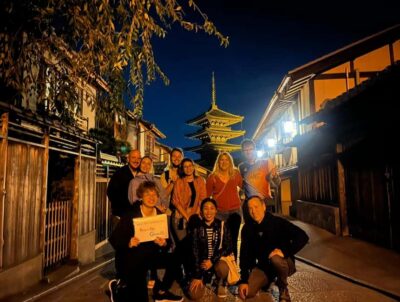
Gion Magical Night Walking Tour with Geisha Trivia
Read our review →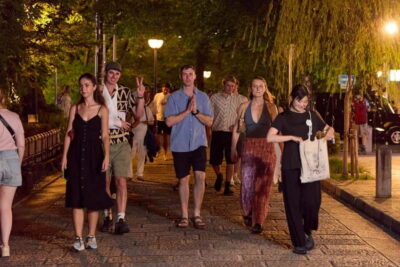
Gion Geisha District Walking Tour – Stories of Geisha
Read our review →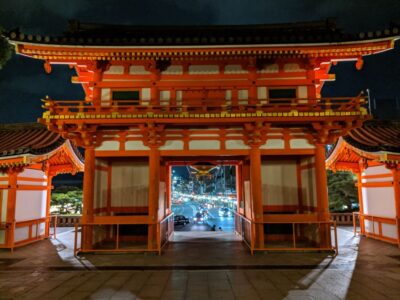
Best of Kyoto: Gion, Geisha, Pagodas & Cobblestones
Read our review →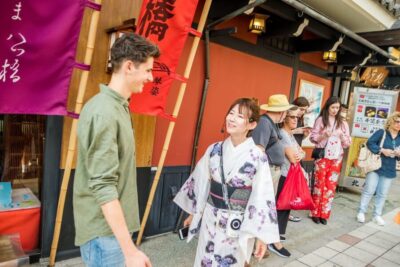
Kyoto Gion Geisha District Walking Tour – The Stories of Geisha
Read our review →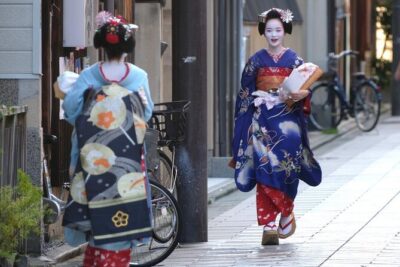
Kyoto Gion: 2-Hour Geisha Culture & History Walking Tour
Read our review →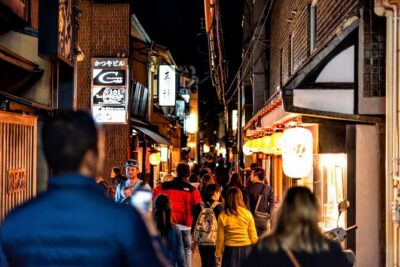
Kyoto Gion Night Walk & Geisha District Guided Tour
Read our review →Browse the lists this tour appears in