
Reviewed · KYOTO CRAFT WORKSHOPS
Let’s make only one original onigawara in the world!!
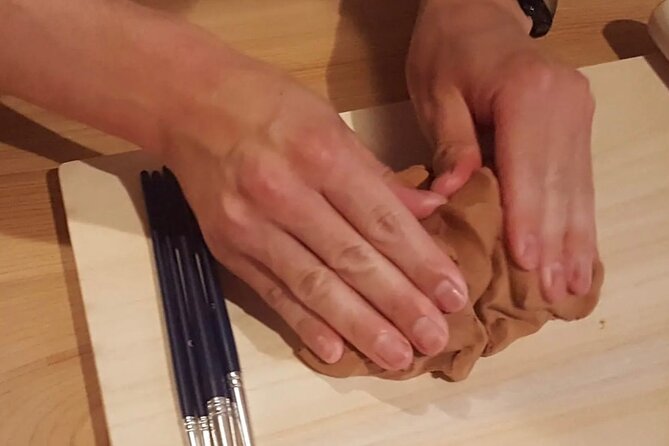
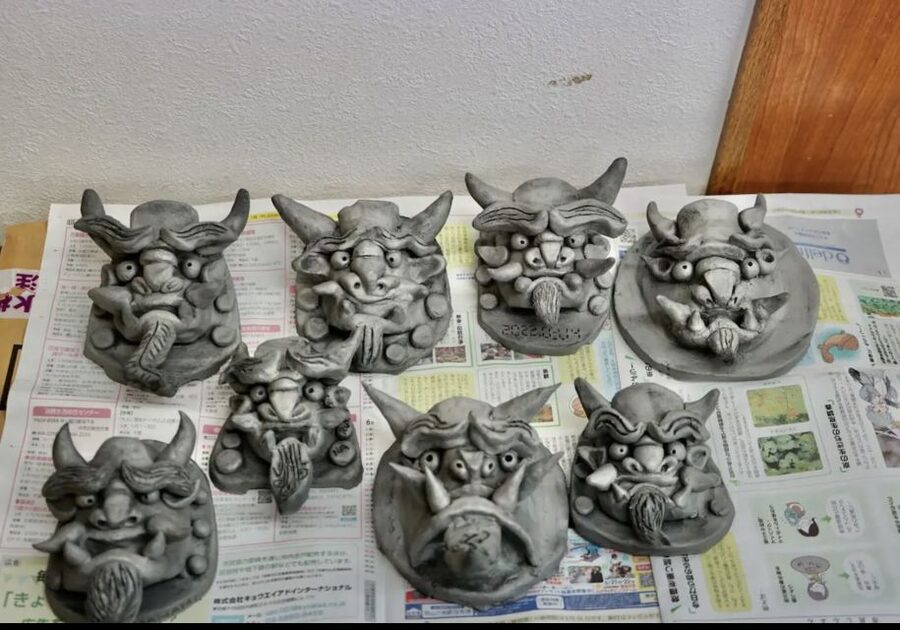
A lump of clay becomes a small Japanese roof guardian in this hands-on workshop at Kawarakoubouyouya. With Yuya guiding you step by step, you shape the face, assemble the parts, and create an original onigawara that no one else in the world owns.
I like two things right away: the workshop connects your souvenir to roughly 1,400 years of Japanese tile tradition, and the method is designed for ordinary hands, not trained sculptors. The main consideration is that your finished tile does not go home with you that day. It must be fired, turned its traditional silver color, and shipped after about one to two months, with postage paid separately.
Key points to know before booking
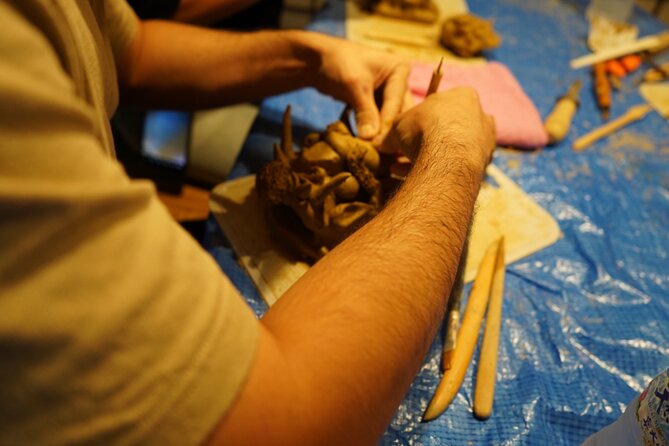
- Make your own demon roof tile: Shape and assemble a small onigawara by hand with guidance from Yuya.
- Beginner-friendly process: The carefully developed method is intended for children, adults, and people who do not consider themselves artistic.
- Small groups: The workshop is limited to five participants, giving you room to ask questions and work at a comfortable pace.
- A meaningful Japanese craft: Onigawara have protected roofs from evil and rainwater for centuries.
- Finished later in a kiln: Your piece is fired at the factory, changes to a traditional silver color, and is sent to your home after about one to two months.
- Allow for a muddy session: You work with soil, so wear clothes that can get dirty.
Why an onigawara makes a memorable Kyoto souvenir
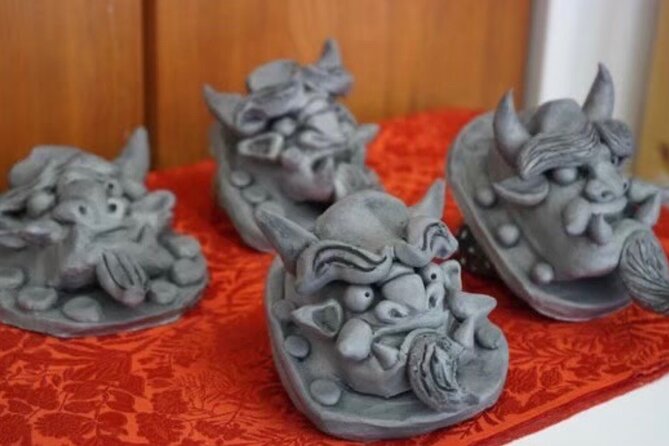
Kyoto offers no shortage of souvenirs, from sweets to folding fans. An onigawara gives you something different: a small object that carries a job, a story, and your own fingerprints.
These demon-faced tiles traditionally sit at the ends of a building’s main roof ridge. Their fierce expressions are not just decoration. They are meant to guard the building from evil and help protect the roof from rainwater. The faces can resemble ogres or gargoyles, with exaggerated features made to look powerful from a distance.
In this class, you make a smaller and simpler version. That makes sense for a two-hour session and for beginners. You still get the satisfying work of building a face from separate pieces, but you are not expected to reproduce a major architectural tile with professional precision.
I like the idea of creating a protective object for your own home. It gives the activity more meaning than simply painting a ready-made item. You start with loose soil, gradually give it a face, and leave knowing that it will become a permanent ceramic object after firing.
More craft workshops in Kyoto:
- Kyoto : Chopsticks Making Workshop in Gion with Engraving Option
★ 5.0 · 958 reviews - Authentic knife making experience at a blacksmith in Kyoto
★ 4.8 · 350 reviews - Roketsu dyeing experience: M course Roketsu Dyeing Experience
★ 5.0 · 163 reviews
Meeting Yuya at Kawarakoubouyouya
The workshop takes place at Kawarakoubouyouya, the host’s own shop and working space in Honshu, Japan. The meeting instructions ask you to search for Kawarakoubouyouya on Google Maps.
Take a little care with navigation. The Google Maps location has reportedly been off by about 40 meters, so if you arrive at the pin and do not see the shop, move roughly 40 meters east. That is a small issue, but it is useful to know before you are standing on an unfamiliar street with clay-making time approaching.
Yuya leads the session in English and Japanese. The workshop is limited to five people, which matters here. Clay work is easier when the instructor can watch how you are handling the material and correct a small problem before it affects the whole face.
The setting is not a large production show with a crowd moving through. It is a personal workshop where you sit down, focus on the material, and talk with the person teaching you. One participant described the atmosphere as friendly and inspiring, while another praised Yuya’s gentle, patient manner. That fits the nature of the activity: the pace depends on careful handwork, not on rushing from one demonstration to the next.
Step one: learning what onigawara do
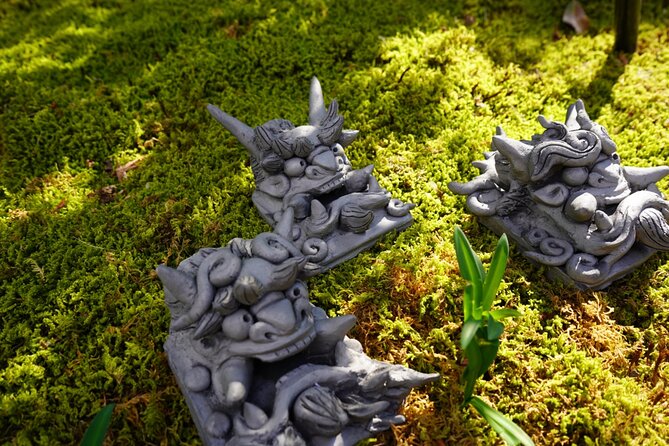
The session begins with an introduction to onigawara and the tradition behind them. The important point is that these tiles are both useful and symbolic.
Japanese roof tiles have changed with modern production methods, but the basic idea of protecting a building remains easy to understand. The demon face adds a layer of folk belief. It watches from the roofline, keeping harmful forces away and giving the building a strong visual guardian.
This short history matters because it changes how you see the finished piece. You are not simply shaping a monster face from clay. You are working with a small part of a craft tradition that has continued for centuries.
The workshop is especially good for visitors who have already seen traditional Japanese roofs in Kyoto and want to understand one detail more closely. You may have noticed decorative faces high above temple walls or old homes without knowing what they were for. After this class, those roof ornaments will be easier to recognize.
Step two: building the face from soil
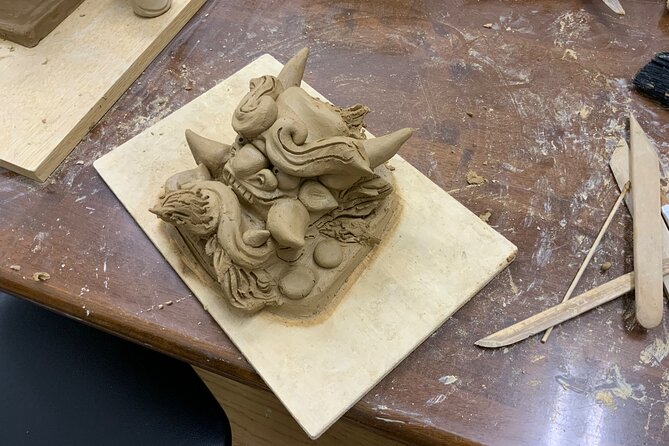
The main work begins with the soil. You use a simple handmade process developed by Yuya, who breaks the design into manageable stages.
The exact order will be explained at the workshop, but the experience is built around shaping the separate facial elements and joining them together. You learn how to manipulate the material, form the pieces, and place them so the final demon face holds together.
This is where the small group helps. You can stop and ask how much pressure to use or how to adjust a feature that is not sitting correctly. The instruction is practical rather than abstract. You are shown what to do, then given time to try it yourself.
Do not worry if you have never sculpted before. The process was created so children and people with clumsy hands can complete an onigawara. That does not mean every piece will look identical. It means you are given a clear route through the task instead of being left with a lump of clay and a vague instruction to make a demon.
That balance is important. You still make the object yourself, but you are not paying for an art lesson that assumes previous experience.
A few more Kyoto tours worth putting on the shortlist
- PERFECT KYOTO 1-Day Bus Tour
★ 5.0 · 13,518 reviews - Kyoto: Fushimi Inari, Kinkakuji, Bamboo Grove 1 Day Bus Tour
★ 4.8 · 4,316 reviews - Kyoto: Tea Ceremony in a Traditional Tea House in Kiyomizu
★ 4.9 · 3,519 reviews - Kyoto Geisha Walking Tour: Gion District & Hidden Gems
★ 4.7 · 3,273 reviews
Step three: shaping a one-of-a-kind guardian
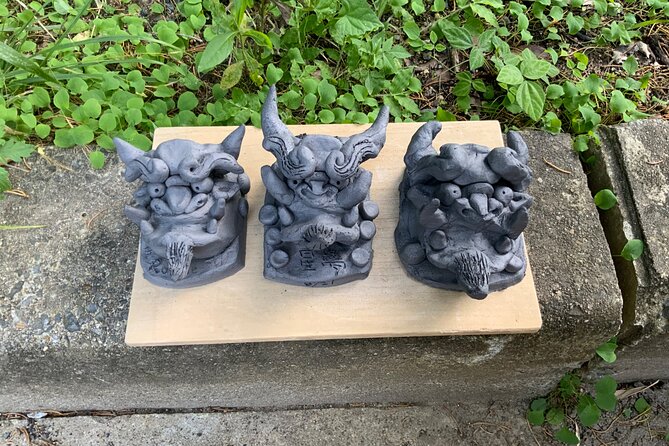
As the parts come together, your onigawara starts to develop its personality. Small changes in the eyes, mouth, horns, or other features can make the face look stern, comic, or slightly wild.
The workshop description calls the result an original onigawara, and that is the right way to think about it. The basic procedure is shared, but your hand pressure and choices give the face its own character. Even if you follow the same steps as the other participants, the finished demon will not be exactly the same.
The work also has a calm rhythm. One participant described concentrating hard on each part and feeling a strong sense of satisfaction once the figure was complete. That makes sense: the reward comes at the end of a series of small decisions rather than from a single dramatic reveal.
Families can take part, and the activity has been described as suitable for all ages. Children may enjoy the monster-making side of it, while adults may appreciate the chance to do something slower and more focused during a busy visit to Kyoto.
You should still expect to supervise young children as needed. The material is soil, the pieces must be handled with care, and the finished face needs to remain stable before firing.
Step four: leaving your tile to be fired
At the end of the workshop, your work is not yet a finished ceramic object. It must dry and then be fired in a kiln at the factory.
This waiting period is part of the appeal, but it also changes the souvenir experience. You will not walk out carrying the final silver-colored tile. Instead, you leave with the knowledge that your piece still has another stage ahead.
After about one to two months, the onigawara changes to the traditional silver color. It is then sent to your home. Shipping is not included in the $90 activity price, and you pay the shipping fee separately on the day.
That extra cost is worth considering before you book. The advertised price covers the workshop and the craft experience, but not the later parcel. The final postage will depend on where you live, and the provided information does not state a fixed amount.
The delayed delivery can be a pleasant part of the memory. Your holiday ends, but the souvenir arrives later, after the tile has completed its transformation. If you are moving between hotels or leaving Japan soon, make sure the address you provide will still receive the parcel.
What the two-hour timing feels like
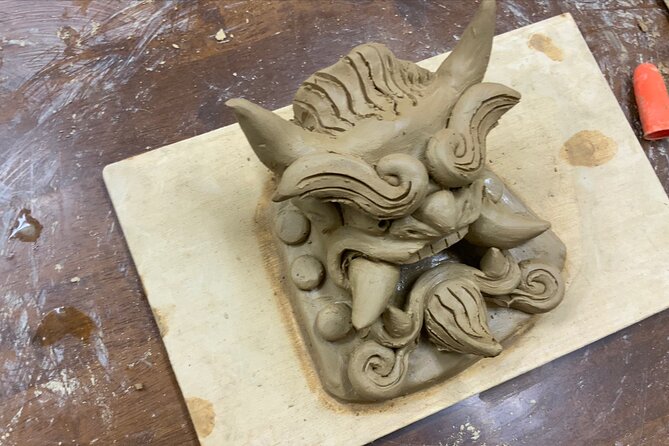
The listed duration is two hours. That gives you enough time for an organized, hands-on class without making the workshop an entire day.
Expect the time to pass quickly once you start shaping the material. The task has several stages, and you need to pay attention to how the pieces fit. One participant felt that the session passed almost instantly and described the experience as lasting three hours, but the official duration is two hours, so plan around the stated schedule.
The pace is not designed to rush you. A small group of five or fewer lets the instructor spend time with each person. You may also have conversation during the work, since the session includes English and Japanese support and has a personal workshop feel.
Wear practical clothing. Soil is part of the process, and the activity notes specifically warn you to choose clothes that may get dirty. This is not the place for your nicest travel outfit.
Is $90 a fair price?
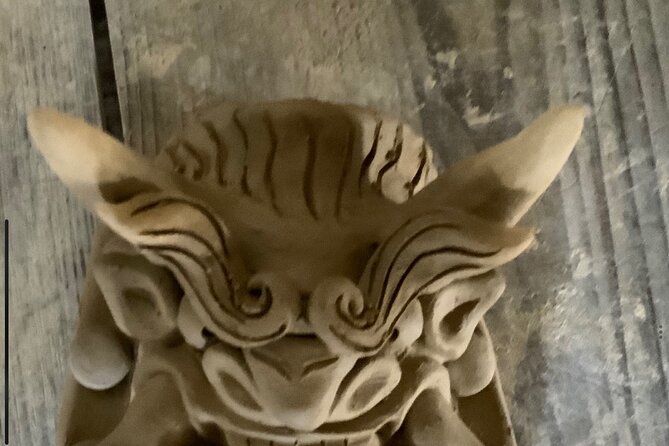
At $90 per person, this is not a cheap drop-in craft activity. You are paying for a small-group lesson, the materials, kiln firing, and the chance to create a traditional Japanese object under direct instruction.
The value is strongest if you care about making something rather than simply buying something. A shop-bought tile may cost less or be easier to pack, but it will not carry the memory of your hands shaping each piece.
The price also makes more sense for a small group. With no more than five participants, you are not one person in a large class waiting for help. The instructor’s attention is part of what you are paying for, especially if you are nervous about your lack of artistic skill.
Shipping is the main added cost. Since it is paid separately, include it in your budget. You should also be comfortable waiting one to two months for delivery.
For families, couples, and people who have already spent several days looking at temples and historic buildings, this can be a worthwhile change of pace. For budget-focused visitors who only want a low-cost souvenir, it may feel expensive.
Who will enjoy this most?
I would choose this workshop for several types of visitor:
- Families with children: The monster face gives children a clear goal, and the step-by-step method does not require advanced craft skills.
- First-time makers: You do not need to be a sculptor or have steady artistic hands.
- Culture-minded visitors: The activity explains a traditional roof feature while letting you take part in its production.
- Couples and friends: Each person can create a different face, making the finished objects personal rather than matching.
- Visitors wanting quiet time: The small group and focused handwork offer a break from crowded sightseeing.
- People who value lasting souvenirs: Your tile is fired and turned into a durable object rather than remaining a temporary craft.
I would think twice if you need to pack the souvenir immediately, dislike getting your clothes dirty, or want a finished object on the day. The delayed shipping is central to the experience, not a minor detail.
Practical details that matter
The workshop is wheelchair accessible, and the host or greeter can communicate in English and Japanese. The group size is limited to five participants, which is helpful for anyone who prefers personal instruction.
You can reserve now and pay later, keeping your plans flexible. Cancellation is free up to 24 hours before the activity for a full refund.
The meeting point is Kawarakoubouyouya, identified as the host’s shop. Search for it on Google Maps, but remember the reported location problem. If the pin does not put you directly at the shop, check around 40 meters to the east.
Bring clothing that can handle soil. You should also think ahead about the shipping address and the separate postage payment. Since the tile arrives later, use an address where someone can receive it after your trip.
Should you book this onigawara workshop?
Book it if you want a personal Kyoto activity with a clear connection to Japanese building tradition. You will make a small demon-faced roof tile from soil, learn why these figures were placed on rooftops, and receive the fired result later in its traditional silver color.
The strongest reasons to go are Yuya’s patient, step-by-step teaching, the small group size, and the fact that beginners and children can take part. The main drawbacks are the $90 price, separate shipping, dirty-work clothing, and the wait of one to two months for delivery.
If those points work for you, this is a thoughtful souvenir and a good counterpoint to simply looking at historic buildings. You are not just taking a picture of Japanese craft. You are adding one small piece to its continuing story.
FAQ
How long does the onigawara workshop last?
The listed duration is two hours. One participant described the session as feeling closer to three hours, but you should plan according to the official two-hour duration.
How much does the experience cost?
The price is $90 per person. Shipping for the fired onigawara is not included and must be paid separately on the day.
What is an onigawara?
An onigawara is a decorative Japanese roof tile, often made with a fierce demon or gargoyle-like face. It is traditionally placed at the ends of the main roof ridge to help protect buildings from evil and rainwater.
Do I need sculpting experience?
No. The workshop uses a step-by-step method developed so children, beginners, and people with clumsy hands can make an onigawara.
Can children join the activity?
Yes. The experience is described as suitable for children and adults, and the handmade course is designed for all ages.
What language is the workshop offered in?
The host or greeter can communicate in English and Japanese.
When will I receive my finished onigawara?
After firing, the tile changes to its traditional silver color and is sent to your home. Delivery is expected after about one to two months.
What should I wear?
Wear clothes that may get dirty because the activity uses soil.
Is the workshop wheelchair accessible?
Yes. The activity is listed as wheelchair accessible.
Newest Kyoto experiences on the site
- Treasures of Kyoto: Gion & historical Walking Tour★ 5.0 · 6 reviews
- Whisk Your Own Matcha: A Zen Matcha Experience at Temple★ 3.6 · 7 reviews
- Kyoto tea town for matcha lovers★ 5.0 · 16 reviews
- Uji: Private immersion into Kyoto’s tea and reglious culture★ 5.0 · 17 reviews
- Kyoto Matcha Green Tea Tour★ 4.5 · 23 reviews
- Uji and Wazuka Matcha Farm Half Day Private Guided Tour★ 5.0 · 21 reviews
- Utilising upcycled Matcha! Creating matcha incense (Uji, Kyoto)★ 5.0 · 6 reviews
- Sacred Temple Yoga Experience in Japan★ 5.0 · 3 reviews
Kyoto Craft Workshops, compared.
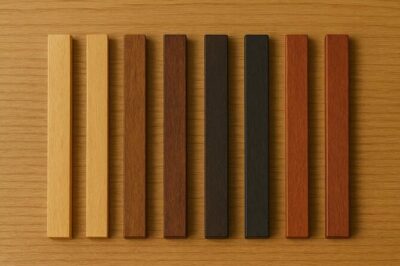
Chopsticks Making Workshop in Gion with Engraving Option
Read our review →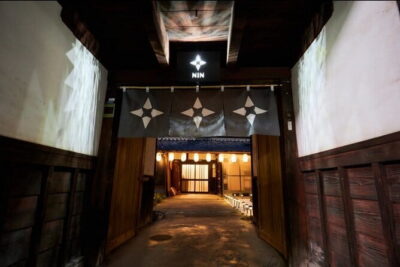
Authentic knife making experience at a blacksmith in Kyoto
Read our review →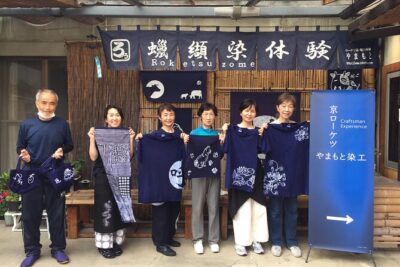
Roketsu dyeing experience: M course Roketsu Dyeing Experience
Read our review →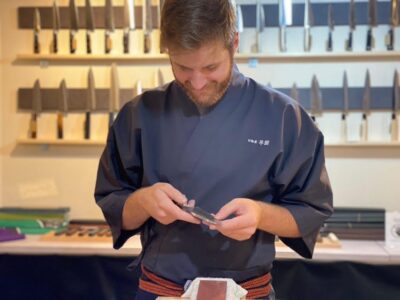
Beginner Knife Sharpening & Handle Fitting Workshop
Read our review →
Japanese Archery Workshop with Experienced Instructor
Read our review →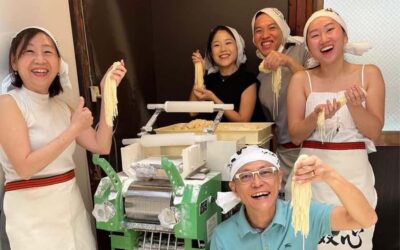
Kyoto Michelin Ramen Workshop or Painting Ramen Essentials
Read our review →
Browse the lists this tour appears in