
Reviewed · KYOTO CRAFT WORKSHOPS
Kyoto: Traditional Mini Umbrella Making Workshop
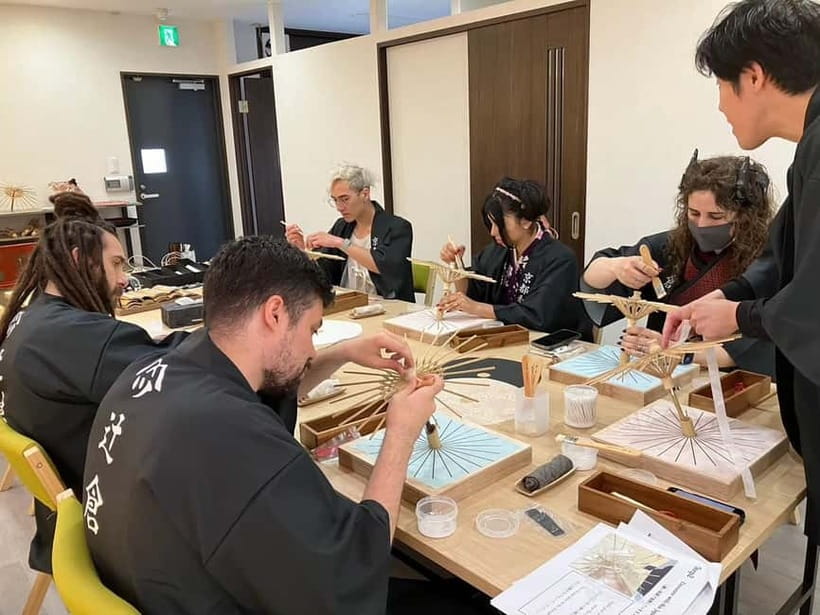
Kyoto’s oldest umbrella shop offers a rare chance to work with genuine Japanese materials rather than simply buy a finished souvenir. In 90 minutes, you’ll shape and assemble a miniature Hime Wagasa, a traditional Japanese umbrella made for display and gifting.
I like the calm workshop setting, decorated with real umbrellas and traditional lighting. I also like the patient, hands-on teaching, with instructors such as Ai Takenaka guiding you through the small steps. The main drawback is that this is careful craft work, not a quick make-and-take activity. You need to focus, and children under six cannot join.
Key Points
- Make a real Hime Wagasa: Create a miniature Japanese umbrella with bamboo and other traditional materials.
- Work in central Kyoto: The shop is two minutes north of Shijo Kawaramachi, close to major shopping streets.
- Expect patient instruction: English and Japanese guidance is available, and instructors help with each stage.
- Take home a complete display: Your package includes a bamboo stand, decorative box, and carry bag.
- Allow 90 focused minutes: Fine details matter, so this suits people who enjoy careful handwork.
- Add a craftsman’s finishing touches: You can pay an additional fee for professional finishing after your own work.
Inside Kyoto’s Oldest Umbrella Shop
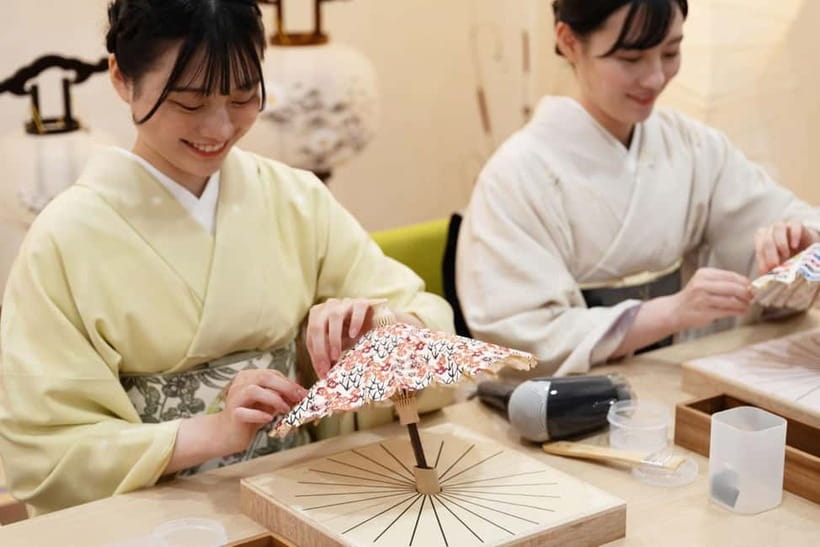
This workshop begins with the setting. You enter a traditional umbrella shop in central Kyoto, just two minutes north of the famous Shijo Kawaramachi intersection. That location makes the activity easy to fit between shopping, sightseeing, and a meal in the city center.
Inside, the atmosphere is quiet and carefully arranged. Japanese umbrellas provide much of the visual interest, while traditional lighting gives the room a gentle, old-style feel. You are not sitting in a plain classroom surrounded by modern craft supplies. The setting helps you understand that Wagasa making is part of a working Japanese art tradition.
The activity is provided by 京都和傘屋辻倉, known in English as Tsujikura. The shop’s age and focus matter because the workshop connects your small project with a craft that has been practiced in Japan for generations. Your finished umbrella is miniature, but the process introduces you to the care required in full-size umbrella making.
You should arrive ready to concentrate. This is a seated craft session built around detail, assembly, and guidance rather than a performance or a sightseeing talk.
More craft workshops in Kyoto:
- Kyoto : Chopsticks Making Workshop in Gion with Engraving Option
★ 5.0 · 958 reviews - Authentic knife making experience at a blacksmith in Kyoto
★ 4.8 · 350 reviews - Roketsu dyeing experience: M course Roketsu Dyeing Experience
★ 5.0 · 163 reviews
Choosing and Shaping Your Miniature Wagasa
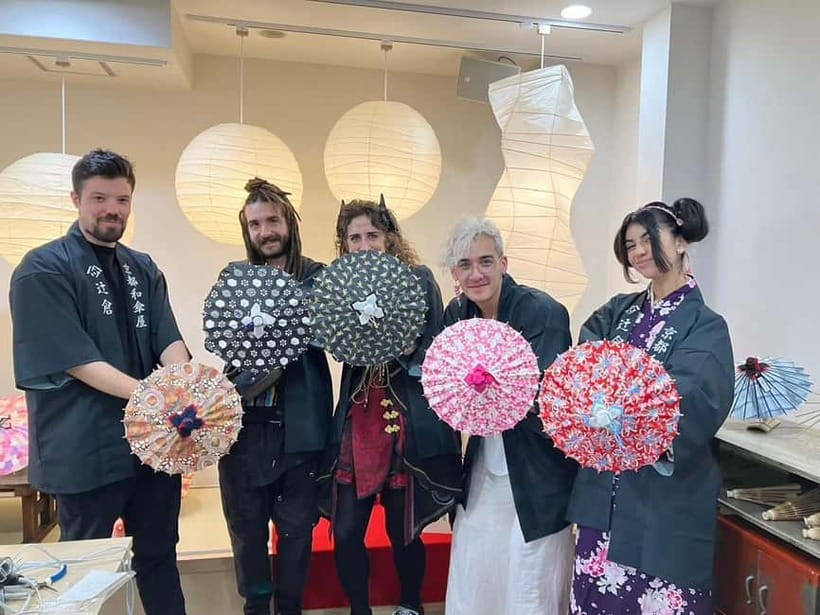
The central project is a Hime Wagasa, a small traditional Japanese umbrella made with Japanese materials. You create a design that reflects your own taste, then work through the process of assembling the parts.
The information provided does not specify a set menu of colors or patterns, so you should not expect a fixed list of design choices in advance. The important point is that your finished piece is personal. You are not simply picking up an identical souvenir from a shelf.
The early stages require care. A miniature umbrella has many small elements, and the proportions leave little room for careless handling. You will likely find yourself paying close attention to how each component fits and how the finished shape begins to appear.
That focus is part of the appeal. For 90 minutes, you have one clear task. Kyoto can be crowded and visually busy, but this activity gives you a quieter change of pace. You leave the shopping streets and concentrate on material, shape, and pattern.
Patient Guidance From Japanese Craftspeople
The workshop is taught in Japanese and English. That makes the activity practical for international visitors, but the most useful feature is the close help available during the work.
Ai Takenaka is specifically associated with the workshop, and other instructors guide participants through the stages with patience. If you have little experience with crafts, that matters. The process includes small movements and precise handling, so a quick demonstration can save you frustration.
You should still expect to do the work yourself. The satisfaction comes from shaping and assembling the umbrella, not from watching a professional make one while you wait. Instructors can show you better ways to handle the materials, but your finished design remains your own.
The guidance is also useful for groups with mixed skill levels. A confident maker can work independently after an explanation, while someone less comfortable with handwork can ask for help. The activity is described as wheelchair accessible, which may make it easier for more people to take part, though you should confirm any specific access needs when booking.
Why the Small Size Works So Well
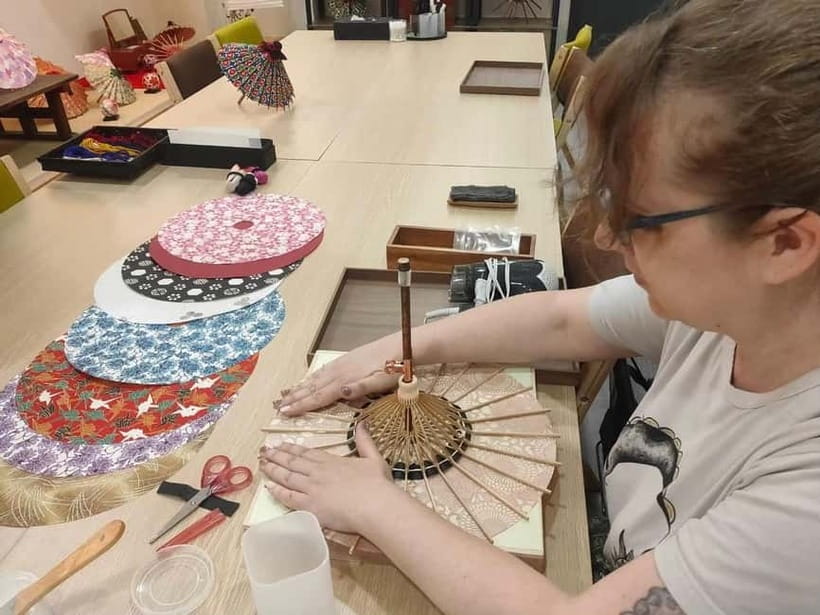
A full traditional Japanese umbrella would require far more time and technical skill than a short workshop allows. The miniature format gives you a manageable introduction to the craft within a 90-minute visit.
That does not make the project disposable. The small Wagasa is intended as a display piece and comes with a bamboo umbrella stand. You also receive a decorative box and carry bag, so it is prepared for taking home or giving as a present.
I especially like the gift value here. The umbrella is described as a symbol of happiness, making it more meaningful than a generic Kyoto trinket. You can keep it as a reminder of your time in Japan, place it on the included stand, or give it to someone who appreciates handmade objects.
The size is also practical. A full-size umbrella would be awkward to pack and carry. Your miniature umbrella should be easier to bring home, while the box and bag add protection and presentation.
Same city, a completely different kind of day:
- PERFECT KYOTO 1-Day Bus Tour
★ 5.0 · 13,518 reviews - Kyoto: Fushimi Inari, Kinkakuji, Bamboo Grove 1 Day Bus Tour
★ 4.8 · 4,316 reviews - Kyoto: Tea Ceremony in a Traditional Tea House in Kiyomizu
★ 4.9 · 3,519 reviews - Kyoto Geisha Walking Tour: Gion District & Hidden Gems
★ 4.7 · 3,273 reviews
The 90-Minute Flow
The session lasts 90 minutes, and that is enough time to make the activity feel substantial without taking over your day. You can fit it into a central Kyoto itinerary before or after exploring the Shijo Kawaramachi shopping area.
The exact sequence may vary with the group and the instructor, but you can expect a clear progression:
- An introduction to the workshop and the traditional umbrella materials
- Guidance on the construction and design of the miniature Wagasa
- Hands-on shaping and assembly
- Help from the instructor as you handle the finer details
- Completion of the umbrella and preparation of the bamboo stand, box, and carry bag
The work becomes more absorbing as the parts come together. Early steps may feel technical, but the shape of the umbrella gives you a visible goal. By the end, you have something that looks like a finished Japanese object rather than an unfinished classroom project.
A craftsman can add finishing touches for an extra fee. This is worth considering if you want the most polished result or plan to give the umbrella as a special gift. If you prefer a stronger sense of personal achievement, you can keep the work as you made it.
What the $70 Price Includes
At $70 per person, this is not the cheapest craft activity in Kyoto. The price makes more sense when you count what you receive: all materials, the 90-minute lesson, instruction in Japanese or English, a bamboo stand, a decorative box, and a carry bag.
You are also paying for access to a specialist shop and for direct help with a traditional craft. The workshop gives you both an activity and a finished object. Many souvenirs cost less, but they do not offer the same connection between making and owning.
The value is strongest if you enjoy hands-on experiences and want something that reminds you of the process, not just the destination. It is weaker if your main goal is a quick, inexpensive souvenir. You could spend the same money on other Kyoto activities, so book this because you want to make a Wagasa, not simply because you need something to fill an hour.
The extra finishing fee should also be part of your budget if professional final touches matter to you. The base price covers the workshop and listed materials, but not that optional service.
A Calm Break From Kyoto’s Shopping Streets
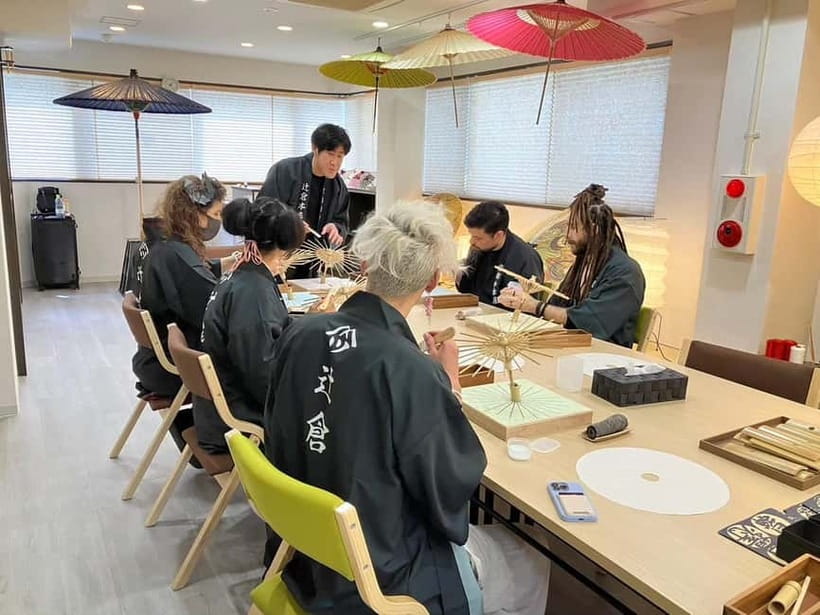
The location near Shijo Kawaramachi is one of the activity’s best practical features. You do not need to travel to a distant suburb or build a separate transportation plan. The meeting point is just two minutes north of the intersection, in one of Kyoto’s main shopping districts.
That makes this a good choice for a day when you are already visiting central Kyoto. You can combine it with shopping, cafés, and other city-center stops without losing much time in transit.
The contrast is pleasant. Outside, you are in one of the city’s main commercial areas. Inside, you are surrounded by umbrellas, wood, bamboo, paper, and traditional lighting. The workshop offers a slower rhythm without requiring a long journey.
You should still allow enough time to find the shop. The meeting point is close to a major landmark, but central Kyoto streets can be busy and easy to misread. Check the starting time and arrive with a little margin rather than cutting it close.
Who Will Enjoy This Workshop Most
This activity is a strong fit for adults, couples, families with older children, and anyone who likes Japanese design. It also suits people who want a souvenir with a clear story behind it.
You will probably enjoy it most if you:
- Like careful handwork and small details
- Want a quieter cultural activity in central Kyoto
- Prefer making a souvenir to buying one
- Appreciate Japanese materials and traditional objects
- Want a gift that is easy to pack
- Enjoy learning directly from a craftsperson
The workshop is less suitable if you dislike slow, precise tasks or want a fast demonstration with little participation. The miniature umbrella requires attention, and the instructors’ patience helps, but it does not remove the need to concentrate.
Children under six are not suitable for the activity. One large family group did include children from ages three to nine, but the stated age guidance says children under six should not take part. For families, follow the official age rule rather than relying on an unusual group arrangement.
What Makes the Teaching Memorable
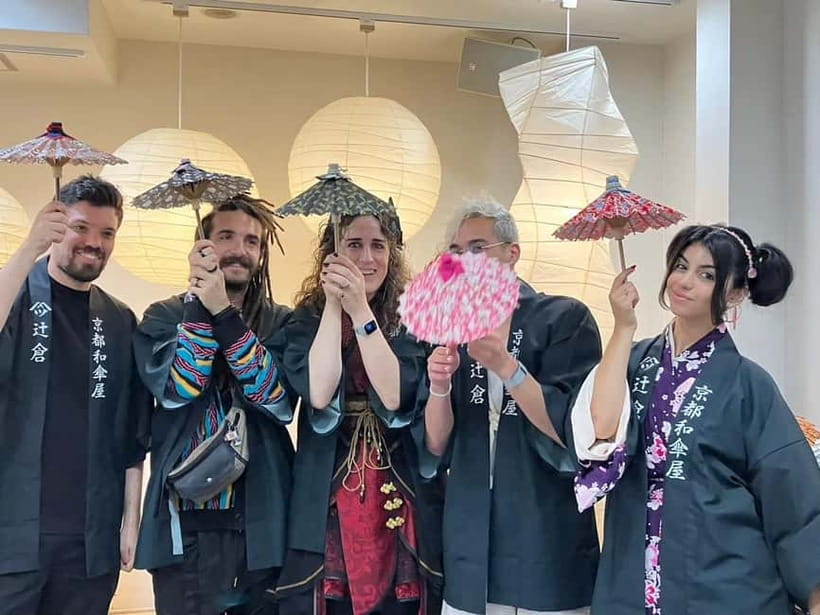
The strongest part of the workshop is the human instruction. The craft can look simple from a distance, but working with small umbrella parts quickly shows why guidance matters.
Instructors are described as friendly, warm, and patient. One teacher is praised for showing the best ways to work with the materials, while another helped make the process accessible and enjoyable for a group. That kind of help matters more than a long lecture. You learn by trying, correcting, and trying again.
The activity also gives you a chance to slow your mind down. One useful feature of detailed craft work is that it demands your attention. You are looking at the next piece, the fit, the shape, and the design rather than checking your phone or rushing to the next sight.
That does not mean the workshop is silent or formal. The information presents it as friendly and engaging, with room to enjoy the process. English instruction is available, so you can ask questions and follow the demonstrations without needing Japanese.
Practical Booking Details
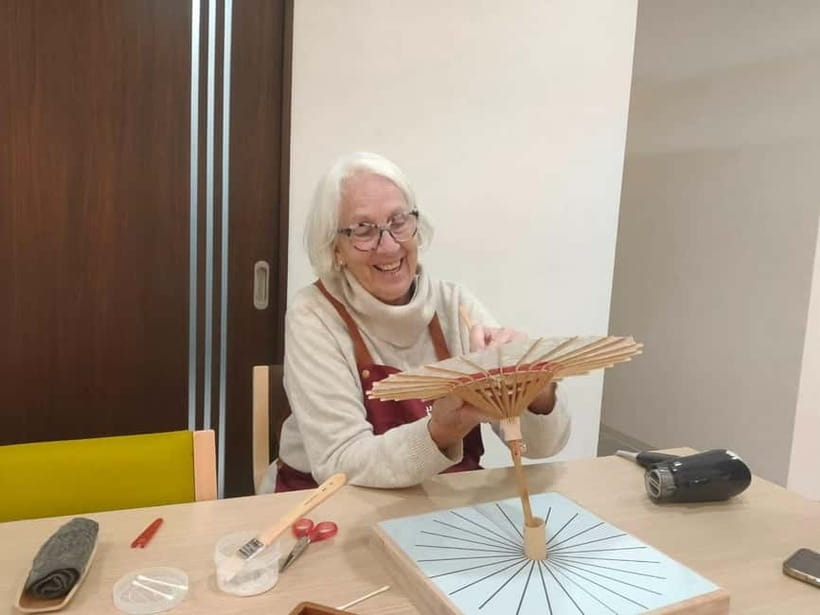
The workshop costs $70 per person and lasts 90 minutes. Starting times vary, so check availability for the day you want.
You can reserve now and pay later, which is useful if your Kyoto schedule is still changing. Free cancellation is available up to 24 hours before the activity for a full refund.
Smoking, alcohol, drugs, and explosive substances are not allowed. The workshop is wheelchair accessible, and instruction is offered in Japanese and English.
The activity has a rating of 5 from 26 reviews, and the repeated praise centers on the instructors’ kindness, patience, and ability to guide people through the details. The finished umbrella and bamboo stand also receive frequent attention because they give you a real object to display at home.
Should You Book the Kyoto Mini Umbrella Workshop?
Book it if you want a personal Kyoto souvenir, enjoy working with your hands, and can give 90 minutes to a careful traditional craft. The central location, English guidance, included display stand, and decorative packaging make it easy to add to a sightseeing day.
I would especially recommend it for couples, families with children aged six and older, and visitors who have already seen Kyoto’s major temples and want a more active cultural activity. It also works well as a gift-making session.
Skip it if you want the lowest-cost activity, dislike detailed work, or prefer a large-scale cultural demonstration. At $70, the value depends on taking part in the process. If that sounds like your kind of souvenir, the workshop offers a thoughtful way to spend part of your Kyoto day.
FAQ
How long does the traditional mini umbrella workshop last?
The workshop lasts 90 minutes.
How much does the workshop cost?
The price is $70 per person.
Where is the workshop located?
It is in central Kyoto, two minutes north of the Shijo Kawaramachi intersection.
What do I take home?
You take home your handmade Hime Wagasa, a bamboo umbrella stand, a decorative box, and a carry bag.
Is English instruction available?
Yes. The workshop is offered in Japanese and English.
Can children join the workshop?
Children under six are not suitable for this activity.
Can I cancel my booking?
Yes. You can cancel up to 24 hours in advance for a full refund.
Newest Kyoto experiences on the site
- Treasures of Kyoto: Gion & historical Walking Tour★ 5.0 · 6 reviews
- Whisk Your Own Matcha: A Zen Matcha Experience at Temple★ 3.6 · 7 reviews
- Kyoto tea town for matcha lovers★ 5.0 · 16 reviews
- Uji: Private immersion into Kyoto’s tea and reglious culture★ 5.0 · 17 reviews
- Kyoto Matcha Green Tea Tour★ 4.5 · 23 reviews
- Uji and Wazuka Matcha Farm Half Day Private Guided Tour★ 5.0 · 21 reviews
- Utilising upcycled Matcha! Creating matcha incense (Uji, Kyoto)★ 5.0 · 6 reviews
- Sacred Temple Yoga Experience in Japan★ 5.0 · 3 reviews
Kyoto Craft Workshops, compared.
Chopsticks Making Workshop in Gion with Engraving Option
Read our review →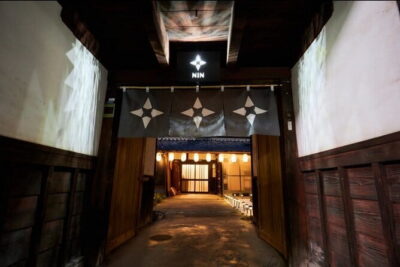
Authentic knife making experience at a blacksmith in Kyoto
Read our review →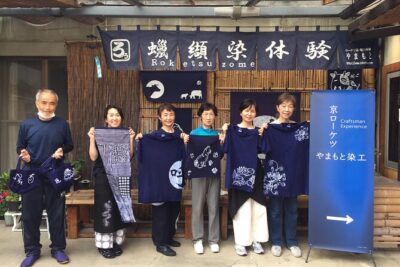
Roketsu dyeing experience: M course Roketsu Dyeing Experience
Read our review →
Beginner Knife Sharpening & Handle Fitting Workshop
Read our review →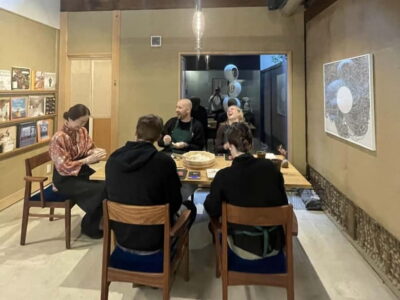
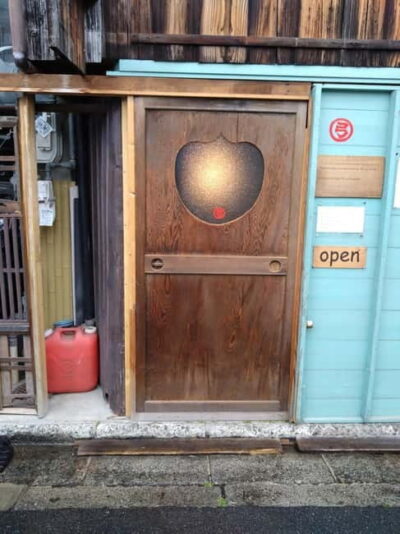
Japanese Archery Workshop with Experienced Instructor
Read our review →
Kyoto Michelin Ramen Workshop or Painting Ramen Essentials
Read our review →
Browse the lists this tour appears in