
Reviewed · KYOTO CRAFT WORKSHOPS
Kyoto: Make Your Own “Daruma” Craft & Painting Workshop
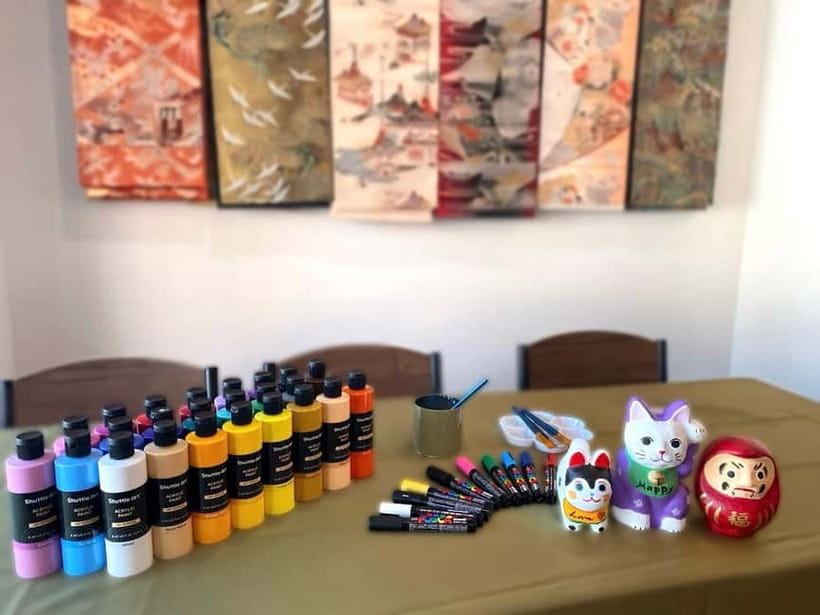
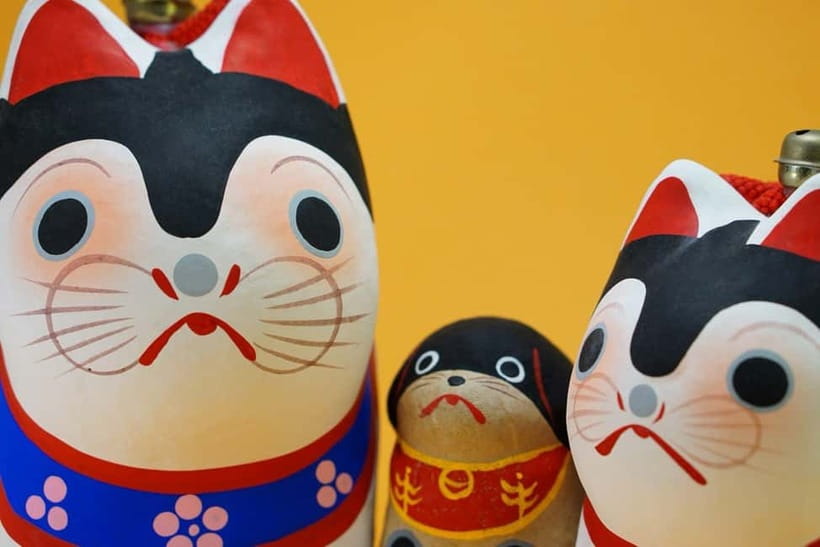
The best part of this Kyoto activity is that you do not simply buy a lucky charm. You make one yourself, choosing a papier-mâché Daruma, beckoning cat, dog, or Kitsune fox and painting it in your own style. Local artist May guides you without taking over, so the result feels personal rather than shop-bought.
I like the tiny group size, limited to four, and the calm setting inside a renovated craft shop. I also like the thoughtful extras: a complimentary drink and traditional Japanese confectionery. The main consideration is that you use acrylic paint, so you will need to protect the finished piece from rain while carrying it away.
Key points at a glance
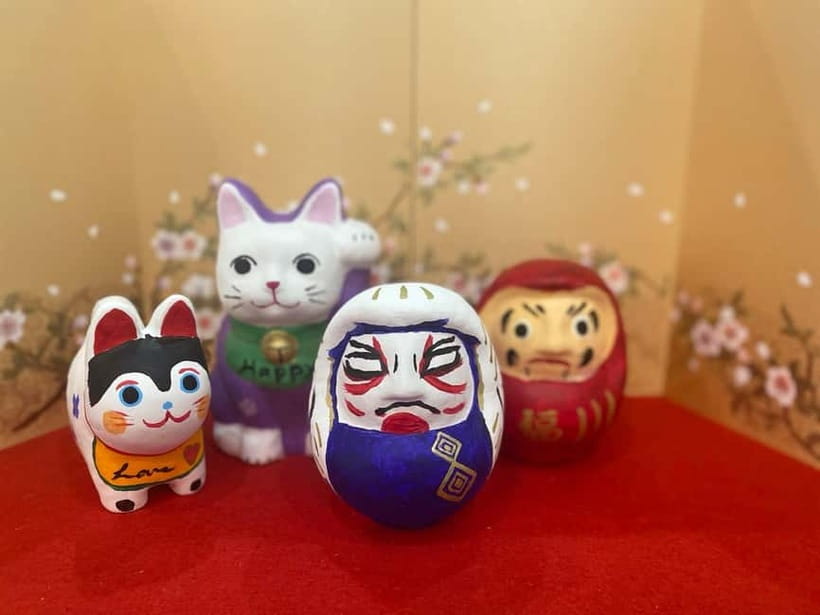
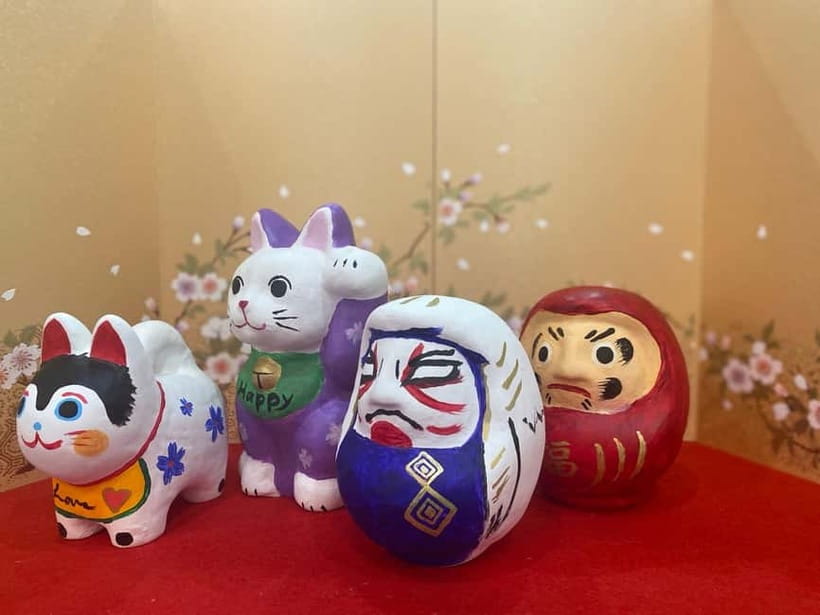
- Four figurines to choose from: Paint a Daruma, beckoning cat, dog, or Kitsune fox.
- A genuinely small class: With no more than four participants, May can offer help while leaving you room to work independently.
- A Kyoto keepsake you create: Your finished papier-mâché piece becomes a personal souvenir, not a mass-produced trinket.
- Tea and a Japanese sweet included: The drink and confectionery make the two-hour session feel unhurried.
- Good for families and rainy days: No previous craft skills are needed, and children and adults can take part.
- Near temples and shrines: You can pair the workshop with visits to historically important religious sites in the surrounding area.
What happens during the two-hour Kyoto workshop
You enter the workshop on arrival, where your host is waiting to greet you. The setting is a small, newly renovated boutique craft shop rather than a large classroom. That matters because the session feels personal from the start, with a maximum of four people working at once.
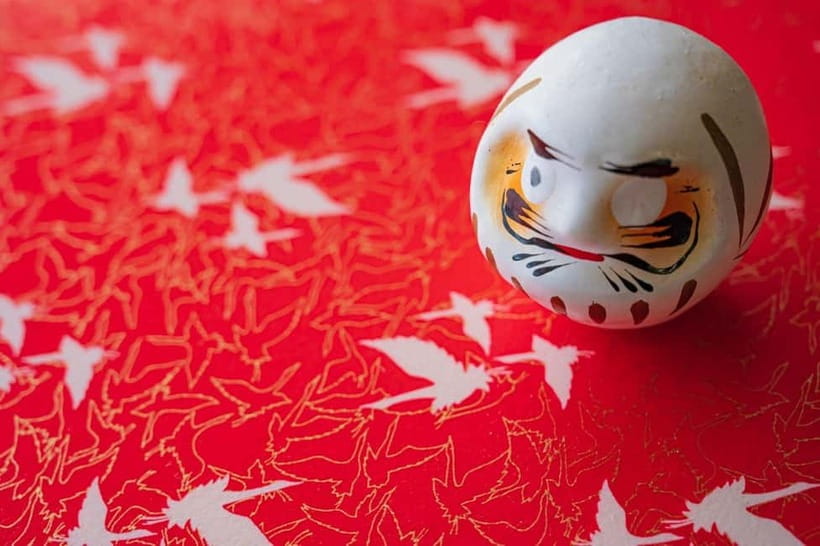
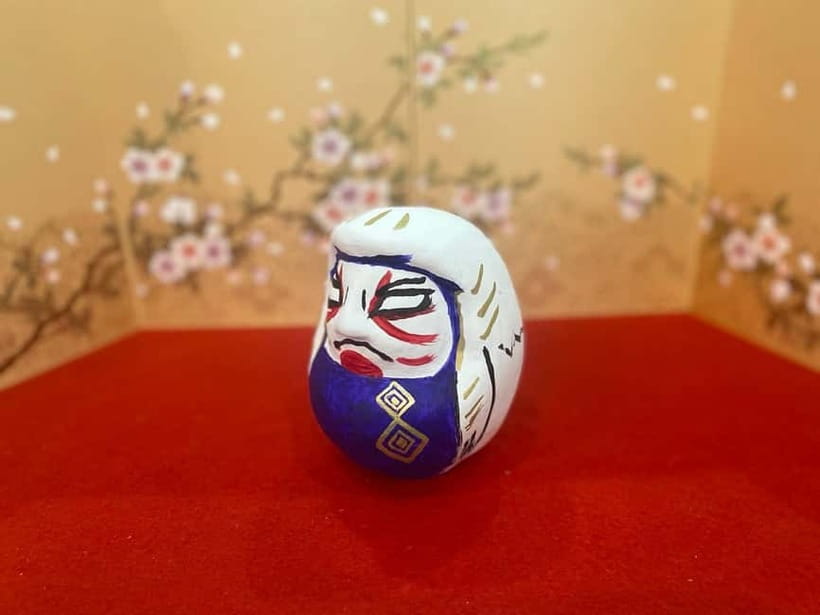
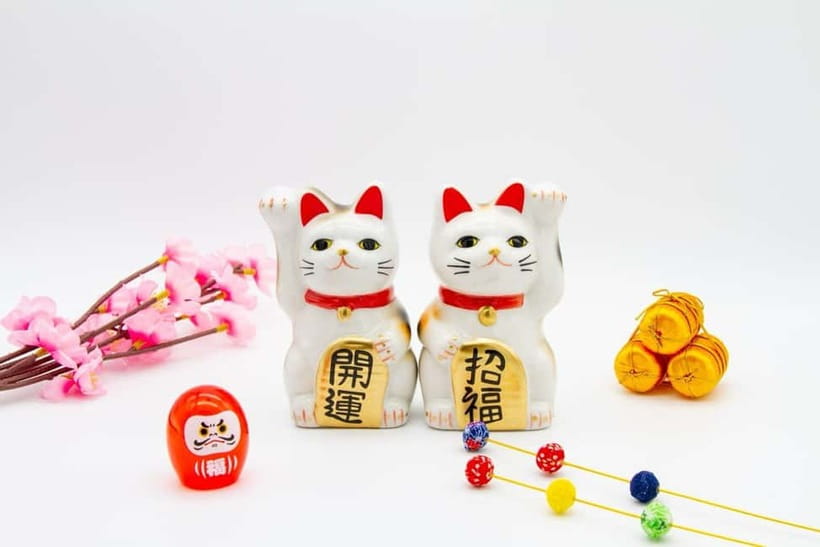
You begin by choosing your papier-mâché figure. The available forms include the round Daruma, a beckoning cat, a dog, and a Kitsune, or fox. Each shape carries its own familiar place in Japanese culture, giving you something to think about before you reach for the paintbrush.
The Daruma is often linked with determination and goals. The beckoning cat, commonly called maneki neko, is associated with good fortune and welcome. The dog and fox forms offer a less predictable choice, especially if you want a souvenir that feels different from the usual Kyoto purchase.
Once you have selected your figure, you paint it in your own way. The point is not to copy a model or pass a test. You can follow suggestions from May, ask for help with details, or work quietly and make your own choices. That self-directed format comes up often in the experience, and it is especially useful for people who enjoy making things without a teacher hovering over every brushstroke.
The materials needed for the workshop are supplied. No art background is expected, and the activity is designed for all skill levels. If you are not confident with painting, you can keep the design simple. If you enjoy crafts, you can spend more time on patterns, colors, and small details.
More craft workshops in Kyoto:
- Kyoto : Chopsticks Making Workshop in Gion with Engraving Option
★ 5.0 · 958 reviews - Authentic knife making experience at a blacksmith in Kyoto
★ 4.8 · 350 reviews - Roketsu dyeing experience: M course Roketsu Dyeing Experience
★ 5.0 · 163 reviews
Why the small group changes the experience
A limit of four participants is one of the clearest strengths here. You are not trying to hear instructions across a crowded room, and the host has time to answer questions when you need help. At the same time, you are not pushed into constant conversation.
That balance suits couples particularly well. One couple described having the workshop to themselves, which gave them plenty of time to talk with the host and work at their own pace. A family can also share the table without feeling lost in a large class. One family used the activity as a rainy-day outing with a grandson, a good reminder that this is not reserved for serious craft lovers.
May is described as kind, patient, encouraging, and helpful without directing every move. That style is important. Creative activities can become stressful when an instructor insists on one correct result. Here, your finished piece can be neat, playful, bold, or a little uneven. That is part of its charm.
The host is also an artist and craftswoman, with handmade items such as kimono-based clothing, bags, and lacquer boxes available in the shop. Buying something is not part of the workshop requirement, but you may want to allow time to look around. The shop adds context to the activity because you are working in a place where handmade objects are part of daily life, not simply decorating a staged classroom.
Daruma symbolism and choosing your figure
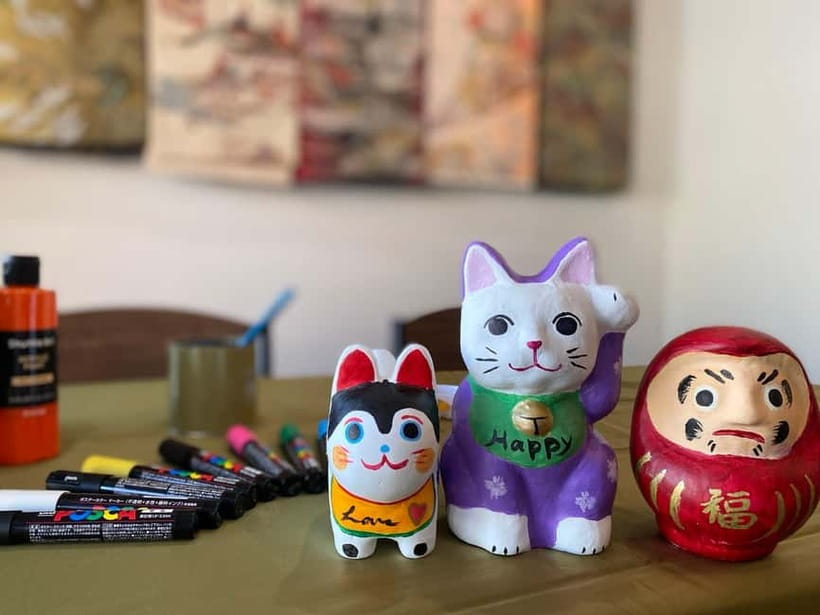
The figurine you select shapes the meaning of your souvenir. A Daruma gives you the most traditional route. Its rounded, sturdy form is easy to recognize, and painting one connects your activity with a familiar Japanese symbol of persistence and good fortune.
The beckoning cat is a natural choice if you want something cheerful and instantly recognizable. Its raised paw is associated with inviting good luck, customers, or prosperity. The dog may appeal to children or anyone looking for a friendly animal shape. The Kitsune fox has a more distinctive Japanese feel and can make a memorable alternative to the standard Daruma.
The available designs also help the activity work for mixed-age groups. An adult may choose a Daruma for its symbolism, while a child may prefer a fox or cat. Nobody needs to use the same style, so each person leaves with a different object.
You should not expect a formal lecture on Japanese religion or art. The value lies in learning the basic meaning behind the forms while doing something with your hands. If you want more explanation, ask May questions as you work. The small group makes that kind of conversation possible.
Tea, sweets, and a slower Kyoto afternoon
Each participant receives a complimentary drink and a traditional Japanese confectionery of their choice. The drink may be tea, and one account specifically mentions matcha and a cookie. These treats are modest, but they change the pace of the session.
Kyoto sightseeing can become a long march between temples, shrines, stations, and shops. Two hours at a craft table gives you a chance to sit down and pay attention to one thing. Painting is quiet enough for conversation, but focused enough to pull you away from your phone and your schedule.
The food is also a small introduction to Japanese hospitality. You are not being served a full meal, and you should not book this as a food experience. Think of the sweet and drink as a pleasant pause that makes the workshop feel generous for its price.
One practical note: the paint is acrylic. If rain is in the forecast, bring a bag or wrapping to protect your finished figure on the way back to your hotel. Acrylic paint can dry firmly, but a wet walk through Kyoto is still not ideal for a freshly finished craft.
Same city, a completely different kind of day:
- PERFECT KYOTO 1-Day Bus Tour
★ 5.0 · 13,518 reviews - Kyoto: Fushimi Inari, Kinkakuji, Bamboo Grove 1 Day Bus Tour
★ 4.8 · 4,316 reviews - Kyoto: Tea Ceremony in a Traditional Tea House in Kiyomizu
★ 4.9 · 3,519 reviews - Kyoto Geisha Walking Tour: Gion District & Hidden Gems
★ 4.7 · 3,273 reviews
What makes the location useful for sightseeing
The workshop sits in the heart of Kyoto, with historically significant temples and shrines in the surrounding area. The activity does not provide a temple tour or a guided walk, so you will need to plan those visits separately. Still, the location makes it easy to combine the craft session with your own sightseeing.
I would place this activity between larger cultural stops rather than treating it as the main event of the day. A morning at a temple can be followed by two quiet hours of painting, or you can use the workshop as an afternoon break before visiting another shrine.
This pairing works well because the experiences are different. At a temple, you look, walk, and absorb the setting. At the workshop, you sit, make, and talk. The contrast can keep a full Kyoto day from becoming a blur of similar visits.
The exact nearby temples and shrines are not specified, so check your map before booking and allow enough time for transport and orientation. Enter the workshop when you arrive, rather than waiting outside for a street-side meeting. Your host will be inside to greet you.
Value at $25 per person
At $25 per person, this is good value if you want a hands-on activity and a souvenir. The price includes the figurine, paint, tools, instruction, a drink, and a traditional sweet. You also take home the finished piece, which gives the fee more lasting value than a short demonstration with nothing to show for it.
The value is strongest for two kinds of visitors. First, it suits anyone who wants a personal memento but does not want to spend time shopping for one. Second, it works well for people who need a slower indoor activity during a rainy afternoon.
It is less suitable if you are looking for a fast, highly structured class or a major sightseeing attraction. The session takes two hours, and the reward comes from the process. You are paying for time to create, not just for a finished object.
The small group also matters when judging the price. A larger class might cost less per person, but it would not offer the same chance to ask questions or receive gentle, individual help. Here, the setting and personal attention are part of what you are buying.
A relaxed activity for families, couples, and solo visitors
You do not need prior experience, and the activity is suitable for adults and children. That makes it a useful choice for a family with different interests. Children can focus on color and character, while adults can think about symbolism or design.
Couples can make matching figures or choose completely different ones. The process gives you something to talk about without requiring constant sightseeing conversation. It is also a pleasant option for a solo visitor who likes creative work and wants a friendly local exchange.
The workshop is wheelchair accessible, which is an important practical point. Because the group is small, you may also find the setting less overwhelming than a busy public class. Still, if you have particular mobility needs, confirm the details at booking, since the supplied information does not describe the entrance, restroom, or table arrangement.
The English-language instruction makes the activity accessible to international visitors. May’s conversational approach also allows the workshop to function as a small cultural exchange. You can ask about the figures, local customs, or the surrounding area while your paint dries.
What you take home
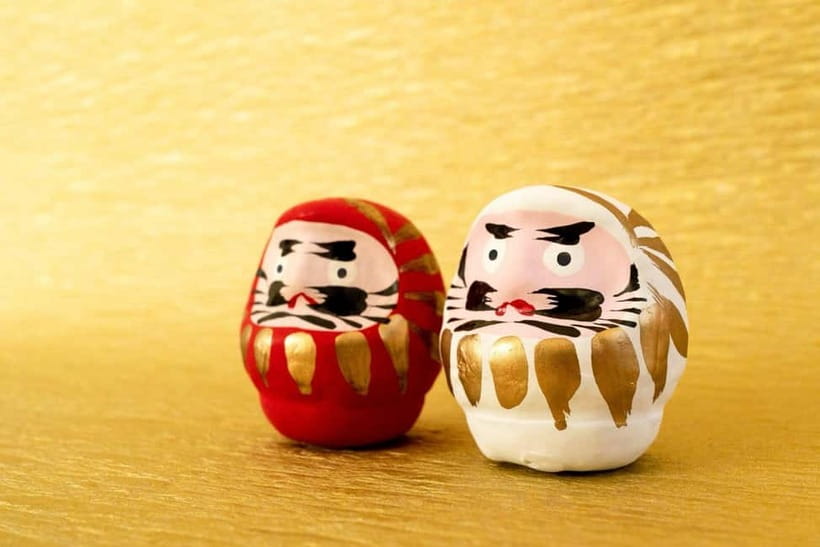
Your finished piece is the main souvenir. It carries the marks of your own choices, including the colors, patterns, and small imperfections that make it yours. That personal connection is why this activity can feel more memorable than picking up a ready-made charm in a shop.
The figurine is also compact compared with many Kyoto purchases. You should still pack it carefully, especially if you have a long journey home or need to place it in checked luggage. The information provided does not state that special packing materials are supplied, so bring your own protection if you are concerned about damage.
The craft shop may tempt you to buy more. Handmade kimono silk goods, bags, and other items have caught the attention of people taking part in the workshop. Treat those purchases as optional. The activity itself already includes a take-home creation, so you do not need to spend extra money to make the visit worthwhile.
Booking details worth knowing
The session lasts two hours, and starting times depend on availability. You can reserve now and pay later, which helps if your Kyoto schedule is still changing. Free cancellation is available up to 24 hours before the activity for a full refund.
The workshop is conducted in English and has a maximum of four participants. Enter the workshop on arrival, where the host will be waiting. Since the meeting point is the workshop itself, allow a few extra minutes to find the address and arrive without rushing.
The activity has a top rating from 53 reviews, with praise centered on the calm atmosphere, kind host, creative freedom, and personal setting. The most useful takeaway is not the score itself. It is the consistency of the experience: you can expect a quiet class, friendly help, refreshments, and time to finish your own design.
Should you book this Kyoto craft workshop?
Book it if you want a break from temple visits, enjoy making things, or need a family-friendly indoor activity. It is especially good for couples, small families, and solo visitors who prefer a personal experience to a large group class.
I would also choose it for a rainy day, with one warning: protect your acrylic-painted figure while carrying it outside. If you want a formal art lesson, a long cultural lecture, or a packed sightseeing schedule, this may feel too gentle.
For $25, the combination of materials, instruction, refreshments, and a handmade souvenir is fair. The real value is the chance to slow down and leave Kyoto with something you shaped yourself. That is a useful counterweight to a trip filled with famous sights and ready-made souvenirs.
FAQ
How long does the Daruma painting workshop last?
The workshop lasts two hours.
What figures can I paint?
You can choose a papier-mâché Daruma, beckoning cat, dog, or Kitsune fox figurine.
Do I need previous art experience?
No. The activity is designed for all skill levels, and no prior experience is required.
Is the workshop suitable for children?
Yes. The activity is suitable for all ages, including adults and children.
What is included in the price?
The price includes all necessary craft materials, the papier-mâché workshop, guidance from a local craft master, a complimentary drink, and a traditional Japanese confectionery.
Is the workshop wheelchair accessible?
Yes. The activity is listed as wheelchair accessible.
What language is the instruction in?
The instructor provides the activity in English.
Newest Kyoto experiences on the site
- Treasures of Kyoto: Gion & historical Walking Tour★ 5.0 · 6 reviews
- Whisk Your Own Matcha: A Zen Matcha Experience at Temple★ 3.6 · 7 reviews
- Kyoto tea town for matcha lovers★ 5.0 · 16 reviews
- Uji: Private immersion into Kyoto’s tea and reglious culture★ 5.0 · 17 reviews
- Kyoto Matcha Green Tea Tour★ 4.5 · 23 reviews
- Uji and Wazuka Matcha Farm Half Day Private Guided Tour★ 5.0 · 21 reviews
- Utilising upcycled Matcha! Creating matcha incense (Uji, Kyoto)★ 5.0 · 6 reviews
- Sacred Temple Yoga Experience in Japan★ 5.0 · 3 reviews
Kyoto Craft Workshops, compared.
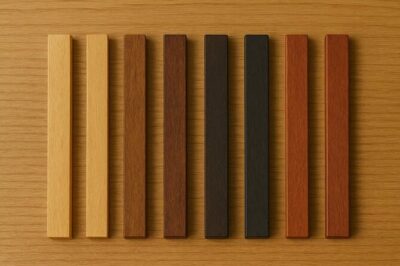
Chopsticks Making Workshop in Gion with Engraving Option
Read our review →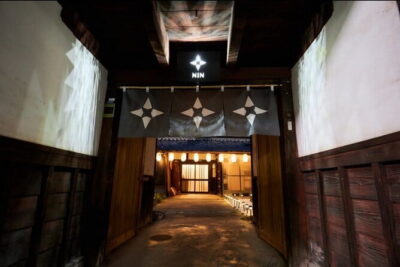
Authentic knife making experience at a blacksmith in Kyoto
Read our review →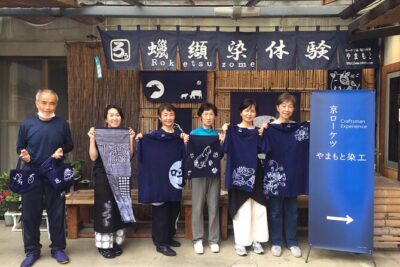
Roketsu dyeing experience: M course Roketsu Dyeing Experience
Read our review →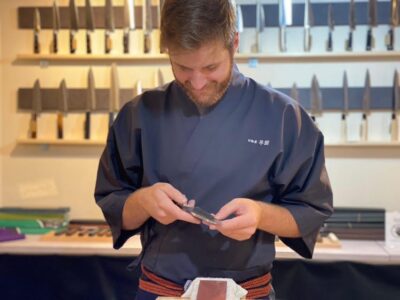
Beginner Knife Sharpening & Handle Fitting Workshop
Read our review →
Japanese Archery Workshop with Experienced Instructor
Read our review →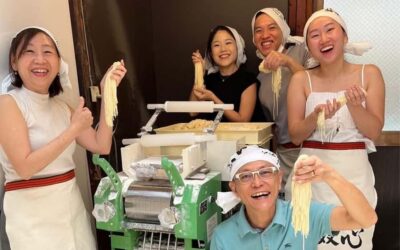
Kyoto Michelin Ramen Workshop or Painting Ramen Essentials
Read our review →
Browse the lists this tour appears in