
Reviewed · KYOTO CRAFT WORKSHOPS
Kyoto: Ikebana (Japanese Flower Arrangement)
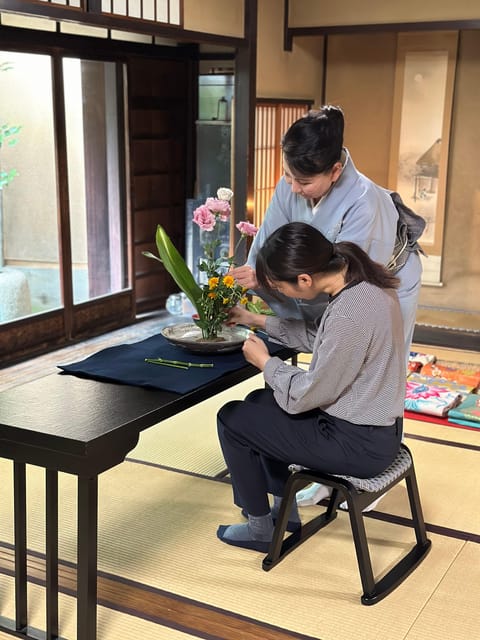
Kyoto’s ikebana lesson takes place inside Tondaya, a 140-year-old machiya, or traditional townhouse, where flower arrangement connects nature with the human space around it. You’ll work with seasonal flowers, learn the basic approach from an ikebana instructor, and place your finished arrangement in front of the garden for photographs.
I like two things here: the lesson happens in a genuine cultural setting rather than a plain classroom, and the museum visit gives the flower arrangement a useful Kyoto context. The main caution is value. At $122 per person, you should confirm that you are comfortable with a 90-minute activity, since some bookings have felt much shorter and several participants wanted more explanation or demonstration.
Key points to know before booking
- The setting is part of the experience: Tondaya is a 140-year-old Kyoto townhouse and a designated cultural landmark.
- You make your own arrangement: Seasonal flowers, tools, and the entrance fee are included.
- The lesson is aimed at beginners: Expect guidance through the basic arrangement process, not an advanced school of ikebana.
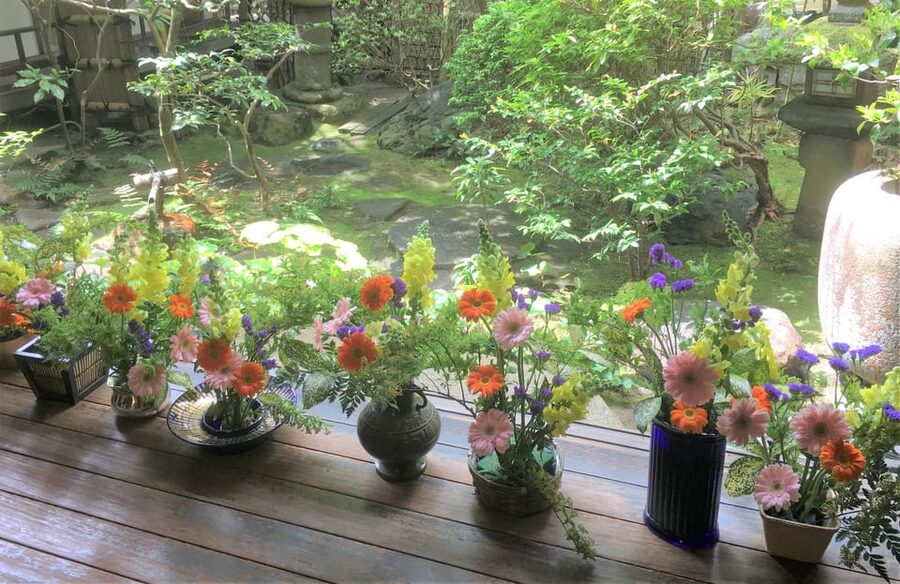
- Photography is built into the visit: Your finished work is displayed in front of the garden.
- Language help may vary: Instruction is offered in English and Japanese, with an interpreter or translation device used when needed.
- Socks are required: Wear socks, and avoid bare feet, stockings, and tights.
Why Tondaya gives ikebana more meaning
Ikebana is not simply putting flowers in a vase. Its roots reach back to a flower arrangement created in Kyoto in 1462, admired for its beauty and elegance. Unlike arrangements made as religious offerings, this work expressed harmony between nature and the space occupied by people.
That idea matters when you take the lesson at Tondaya. You are not only handling flowers. You are learning to think about line, balance, empty space, and how a natural form changes the feeling of a room. The experience is short, so you should not expect a full study of ikebana theory. But the setting gives the activity a stronger sense of place than a casual craft workshop.
I especially like that the arrangement is not finished and immediately packed away. Your work is displayed in front of the garden, giving you time for photographs and a clear visual record of what you made. The garden setting also fits the central idea of ikebana, bringing a small piece of the natural world into a carefully arranged human space.
More craft workshops in Kyoto:
- Kyoto : Chopsticks Making Workshop in Gion with Engraving Option
★ 5.0 · 958 reviews - Authentic knife making experience at a blacksmith in Kyoto
★ 4.8 · 350 reviews - Roketsu dyeing experience: M course Roketsu Dyeing Experience
★ 5.0 · 163 reviews
Inside the 90-minute schedule
The advertised duration is 90 minutes. The visit combines the flower arrangement lesson with a tour of Nishijin Lifestyle Museum Tondaya, so the time is split between hands-on instruction and cultural background.
The first part introduces ikebana and its historical roots. You should expect an explanation of how the art developed from earlier forms of flower display into the arrangements practiced today. The level of detail may depend on the instructor and the language support available on your date.
Next, the instructor provides seasonal flowers and the tools needed for the arrangement. You work through the process yourself, with guidance along the way. This is a good format for a first attempt because you do not need to bring supplies or know the names of specialist tools in advance.
One point is worth keeping clear: this is described as a beginner experience, not a formal certification class. You may learn the basic principles through practice, but the supplied information does not promise a long demonstration, a detailed theory lesson, or a particular ikebana school. If you want a serious study of technique, ask about the teaching format before paying.
After your arrangement is complete, it is placed in front of the garden. This is the most photogenic part of the visit. It also gives the instructor a chance to look at your work and make adjustments. Several accounts of the activity praised the finished arrangement and the photo opportunities, while others felt the teaching portion was too brief.
The final part is a guided look at Tondaya itself. Staff explain the building, its objects, and the stories connected with Kyoto’s living culture. This portion helps explain why the venue is more than a backdrop for the class. You are visiting a historic townhouse with artifacts and traditions tied to everyday cultural life.
What makes the 140-year-old machiya special
Tondaya is known as the Nishijin Lifestyle Museum. It is a 140-year-old machiya designated as a culturally significant landmark by the Kyoto City Government.
A machiya is a traditional Kyoto townhouse, and the building is an important part of the visit. Instead of learning ikebana in a modern studio, you move through a place where the architecture and objects support the subject. The house gives you a sense of how traditional arts fit into domestic and social life in Kyoto.
The museum portion is also useful if your knowledge of Japanese culture is limited to famous temples and gardens. The staff share artifacts and stories connected with the building, giving you a closer look at living heritage. I would allow yourself a little mental space for this part rather than treating it as a quick walk-through after the flower lesson.
The experience may also offer a chance to wear a traditional kimono and take a short tour of the historic building for an additional charge. That option is not part of the $122 price, so consider it an add-on rather than an included feature. It could appeal to you if photographs and traditional dress are a major reason for booking, but you should ask about the extra cost before committing.
The teaching style and language question
Instruction is available in English and Japanese. Some staff members speak English, but not everyone does. When needed, the organizers may arrange an interpreter or use a translation device.
That arrangement can work well, but it means the teaching style may not be identical for every group. One highly positive account described the instructor and translator explaining each step carefully. Another participant wanted more explanation of the rules and theory, and felt that the teacher changed the arrangement without being able to explain the choices in enough detail.
You should therefore set realistic expectations. The experience can give you a pleasant introduction and a finished arrangement, but the amount of verbal instruction may depend on the staff assigned to your session and the communication method used that day.
I would contact the provider before booking if you care most about technical detail. Ask whether an English-speaking instructor will lead your session or whether interpretation will be needed. That simple question can help you decide if this is the right class or if you need a longer, more formal lesson.
A few more Kyoto tours worth putting on the shortlist
- PERFECT KYOTO 1-Day Bus Tour
★ 5.0 · 13,518 reviews - Kyoto: Fushimi Inari, Kinkakuji, Bamboo Grove 1 Day Bus Tour
★ 4.8 · 4,316 reviews - Kyoto: Tea Ceremony in a Traditional Tea House in Kiyomizu
★ 4.9 · 3,519 reviews - Kyoto Geisha Walking Tour: Gion District & Hidden Gems
★ 4.7 · 3,273 reviews
What the $122 price really covers
The cost is $122 per person. It includes the flowers, tools, and entrance fee, and the booking is for a private group. Reservations require at least two participants, so a solo visitor cannot book this activity alone under the stated conditions.
The price feels easier to justify if you value the whole visit: a private beginner lesson, seasonal materials, photographs beside the garden, and entry to a culturally significant machiya. You are paying for the setting and the museum access as well as the flowers.
The value becomes less convincing if you mainly want a hands-on class. A couple of participants found the actual activity much shorter than expected, including one who described it as roughly 15 minutes. Another wanted a demonstration by an experienced practitioner and felt the session did not offer enough for the price.
The most useful way to judge the cost is to ask yourself what you want from the visit. If you want a polished Kyoto cultural outing with a traditional setting and a take-home memory in photographs, the price may work. If you want a detailed study of ikebana form and theory, $122 is a lot for a lesson that may feel brief.
Who will enjoy this Kyoto experience
This suits you best if you are new to ikebana and want an accessible introduction without buying supplies or committing to a long course. It also works well for couples, parent and adult child pairs, and small private groups who want to share a quiet cultural activity.
The activity may be especially appealing if you enjoy photography. Your flowers are positioned in front of the garden, and the townhouse provides a traditional backdrop. The optional kimono add-on could add another visual element, though it costs extra.
You should think twice if you are seeking a serious craft lesson. The available information does not promise a long demonstration or a detailed study of ikebana rules. The mixed experience with lesson length and explanation makes this a better fit for a first taste than for someone already studying the art.
It is also not ideal for a spontaneous solo plan because at least two people must reserve. Wear socks from the start. Bare feet are not allowed, and stockings or tights are specifically discouraged.
The strongest parts of the experience
The best feature is the combination of hands-on practice and place. Many cultural activities give you a quick craft and send you on your way. Here, the class takes place in a historic Kyoto home, followed by an explanation of the house and its objects.
The second strength is the kindness of the staff described in the most positive accounts. One especially favorable experience praised both the guide and instructor for their helpful approach. Another positive account described a clear introduction to ikebana’s beginnings, step-by-step help during the arrangement, and many chances to take photographs afterward.
The activity also has a pleasant sense of completion. You do not merely watch a professional make flowers look beautiful. You create an arrangement yourself, see it placed beside the garden, and leave with photographs of the result.
The weaker point is consistency. Some participants felt they received little teaching, no useful theory, or too short a session. Since the activity is private, your group may have a more personal visit, but the quality of that personal instruction still depends on the instructor and interpretation available.
Practical details for a smooth visit
The meeting point is Tondaya, Nishijin Japanese Cultural Experience Museum, at 697 Ishiyakuchicho, Kamigyo Ward, Kyoto, Japan. Check your route carefully and arrive on time, since the activity has a scheduled start.
Bring or wear socks. This is not a minor suggestion: bare feet are not permitted, and stockings or tights should be avoided. Comfortable clothing that allows you to sit and work with flowers is a sensible choice, although no specific dress code is provided beyond the footwear rule.
The activity lasts 90 minutes according to the scheduled format, and starting times depend on availability. It is offered as a private group experience, which can make the lesson feel more personal than a large class.
You can cancel up to 24 hours before the activity for a full refund. A reserve-now, pay-later option is also available, allowing you to hold a place without paying on the day of booking.
My verdict: book it for the setting, not a full course
I would book this if you want a short, private introduction to ikebana inside a historic Kyoto townhouse. The flowers and tools are included, the garden offers a fine setting for photographs, and the Tondaya visit adds cultural weight to the lesson.
I would not book it expecting a thorough masterclass. The $122 price is hard to defend if your main goal is detailed theory, a long demonstration, or extensive instructor feedback. Before booking, ask how much of the 90 minutes is devoted to hands-on arrangement, whether an English-speaking instructor will lead the session, and whether interpretation will be used.
For the right visitor, Tondaya offers a memorable combination of flowers, architecture, and Kyoto tradition. Just make sure you are paying for a cultural visit with a beginner lesson, not assuming you are signing up for a full ikebana course.
FAQ
Where does the ikebana experience take place?
It takes place at Tondaya, Nishijin Japanese Cultural Experience Museum, at 697 Ishiyakuchicho, Kamigyo Ward, Kyoto, Japan.
How long does the activity last?
The scheduled duration is 90 minutes.
How much does the experience cost?
The price is $122 per person.
What is included in the price?
Seasonal flowers, the tools needed for the arrangement, and the entrance fee are included.
Is the activity suitable for beginners?
Yes. The experience is designed as a beginner introduction to traditional ikebana.
What languages are available?
The stated languages are English and Japanese. An interpreter or translation device may be used when necessary.
Is this a private activity?
Yes. It is offered as a private group experience.
Do I need to reserve for more than one person?
Yes. Reservations must be made for a minimum of two participants.
What should I wear or bring?
You must wear socks. Bare feet are not allowed, and you should not wear stockings or tights.
Newest Kyoto experiences on the site
- Treasures of Kyoto: Gion & historical Walking Tour★ 5.0 · 6 reviews
- Whisk Your Own Matcha: A Zen Matcha Experience at Temple★ 3.6 · 7 reviews
- Kyoto tea town for matcha lovers★ 5.0 · 16 reviews
- Uji: Private immersion into Kyoto’s tea and reglious culture★ 5.0 · 17 reviews
- Kyoto Matcha Green Tea Tour★ 4.5 · 23 reviews
- Uji and Wazuka Matcha Farm Half Day Private Guided Tour★ 5.0 · 21 reviews
- Utilising upcycled Matcha! Creating matcha incense (Uji, Kyoto)★ 5.0 · 6 reviews
- Sacred Temple Yoga Experience in Japan★ 5.0 · 3 reviews
Kyoto Craft Workshops, compared.
Chopsticks Making Workshop in Gion with Engraving Option
Read our review →
Authentic knife making experience at a blacksmith in Kyoto
Read our review →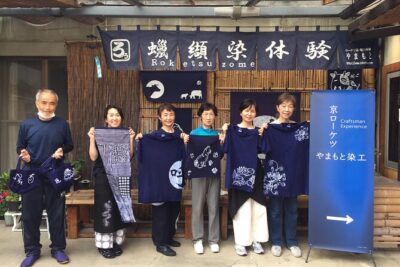
Roketsu dyeing experience: M course Roketsu Dyeing Experience
Read our review →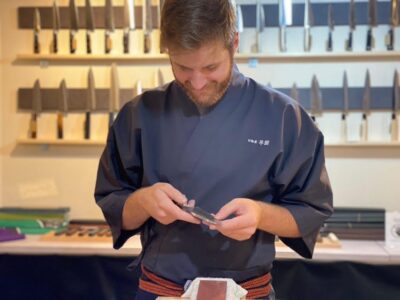
Beginner Knife Sharpening & Handle Fitting Workshop
Read our review →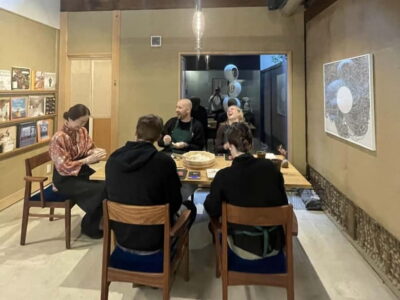
Japanese Archery Workshop with Experienced Instructor
Read our review →
Kyoto Michelin Ramen Workshop or Painting Ramen Essentials
Read our review →
Browse the lists this tour appears in