
Reviewed · KYOTO EARLY MORNING TOURS
Kyoto: Early Bird E-Bike Tour with Lunch
Kyoto reveals itself differently from a bicycle seat, especially when you reach Fushimi Inari Shrine before the crowds. This seven-hour ride links major temples with canals, river paths, old lanes, and ordinary city streets, giving you a broad look at Kyoto in one morning and afternoon.
I like the small group of up to eight and the practical rhythm: ride, explore, stop for coffee, ride again, then sit down for lunch. I also like that the guides, including Julian, Indra, and Karl or Carl, have room to answer questions and adjust the pace. The main drawback is simple: you need to be comfortable on a bicycle, and the full day may feel long if you want a slow temple visit with lots of time at each site.
Key points to know before booking
- Fushimi Inari comes first, helping you see its famous shrine grounds before the busiest part of the day.
- Electric bikes matter, since the route includes hills and a long day in the saddle.
- Coffee and lunch are included, but snacks and extra drinks are not.
- The route covers a lot of Kyoto, from Ginkakuji and the Path of Philosophy to Gion and Higashi Honganji.
- A small English-speaking group keeps the ride personal and makes questions easy.
- The tour costs $135 per person, a fair price if you value transport, guiding, bike rental, coffee, lunch, and a full day of sightseeing.
Why an early start improves this Kyoto ride
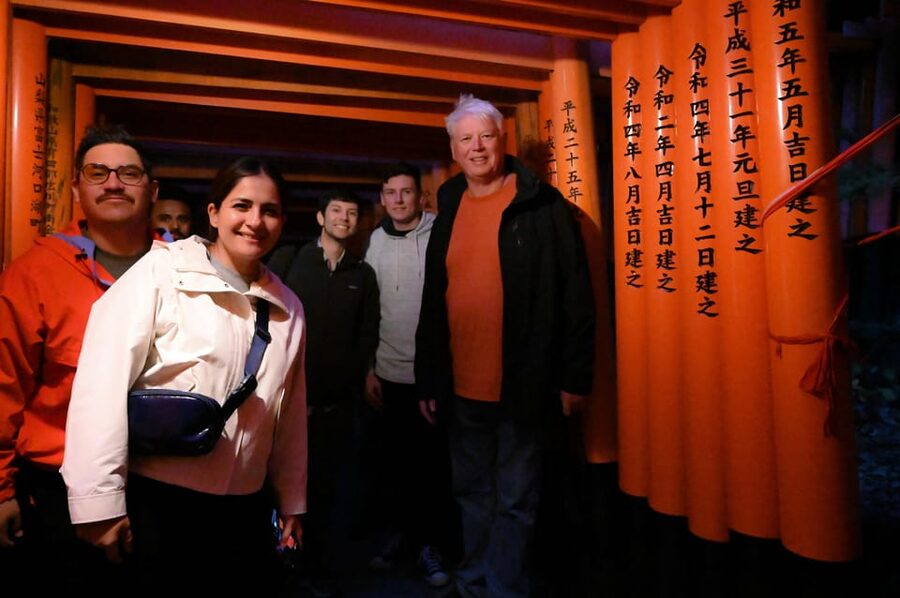
The smart idea here is timing. Kyoto’s most famous sights can become crowded, yet the tour gets moving early and heads directly to Fushimi Inari. You will not have the shrine to yourself, but arriving early gives you a better chance to enjoy its gates and grounds before the day fills in.
You begin at Cycle Kyoto with a 15-minute safety briefing. This is more than a formality. You will be riding through Kyoto streets, so you need to understand the e-bike, listen to traffic instructions, and feel comfortable before setting off.
The route then heads south toward Fushimi Inari. The e-bike is useful from the start, since it helps you keep up without turning the day into a hard workout. You still pedal, but the motor takes the sting out of hills and longer stretches.
The tour is limited to eight people. That number is small enough for a guide to keep the group together and explain what you are seeing without shouting across a crowd. It also helps when you want to stop for a photograph or ask about a detail along the way.
More bike days around Kyoto:
- Hidden Kyoto E-Biking tour
★ 5.0 · 1,843 reviews - Bike Tour Exploring North Kyoto plus Lunch
★ 5.0 · 1,087 reviews - Arashiyama Bamboo Forest & Hidden Gems Bike Tour (Early Bird)
★ 5.0 · 613 reviews
Fushimi Inari before the morning rush
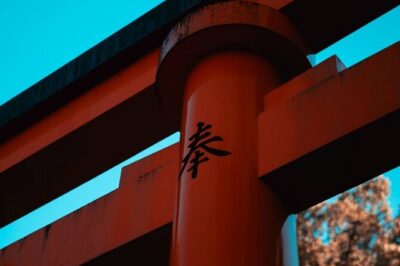
Fushimi Inari Taisha is one of Kyoto’s best-known sights, famous for its long rows of orange torii gates. The 45-minute guided visit gives you time to see the shrine grounds and learn about the site without spending the entire morning walking up the mountain.
The early timing is the real advantage. Fushimi Inari is popular for good reason, but its narrow paths can feel far less pleasant when packed with people. Starting here lets you experience the visual impact of the gates before moving on to the next part of the city.
You should wear shoes that work for both cycling and walking. Comfortable clothing is also important, since this is an active day with several temple visits. A camera is worth bringing, but keep it easy to reach rather than buried in a large bag.
Tofukuji and the Kamo River by bicycle
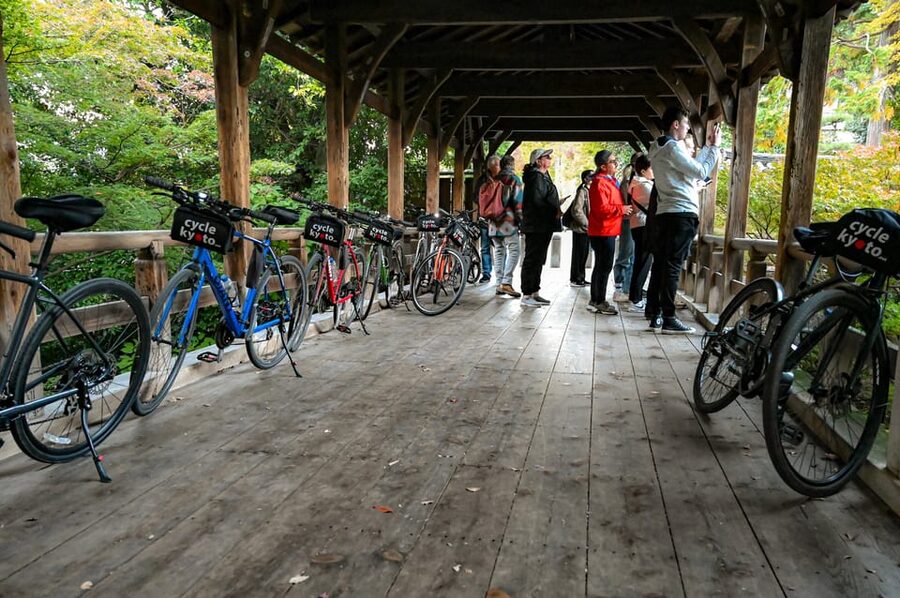
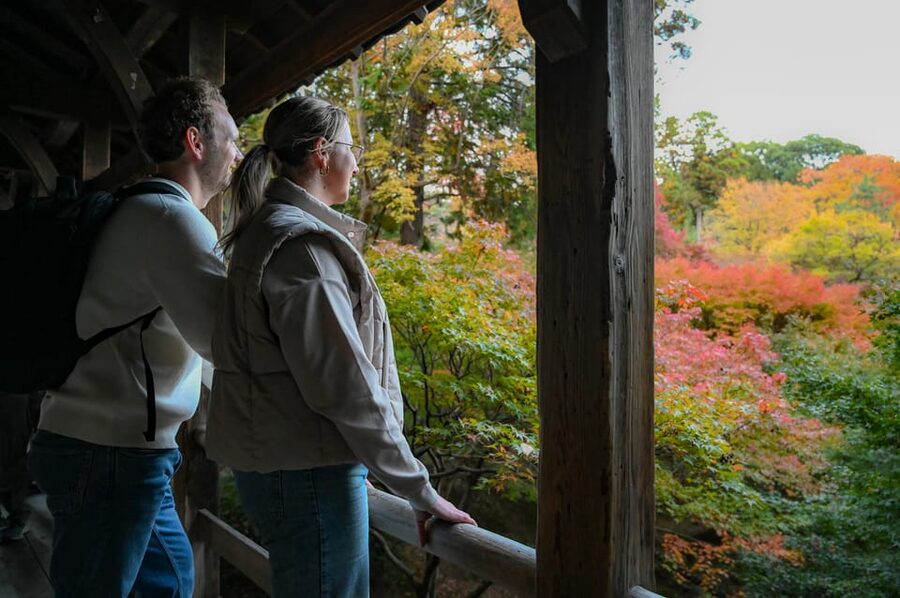
After Fushimi Inari, the route takes in Tofukuji Temple before moving toward the Kamo River. The Tofukuji stop adds another important temple to the day and breaks up the ride between the southern shrine and central Kyoto.
The Kamo River section lasts about 40 minutes. This is one of the more pleasant changes of pace on the route. Instead of moving from one entrance gate to another, you get a stretch of open air and water, with the bike doing what it does best: carrying you across town while you take in Kyoto at street level.
Cycling also helps you understand the shape of the city. You are not simply being delivered to isolated monuments. You are moving through the spaces between them, seeing canals, roads, neighborhoods, and riverbanks along the way.
A local coffee stop, not just a fuel break
The morning coffee stop lasts about 20 minutes at one of the guide’s favorite local cafés. That detail gives the day a more personal feel than a standard sightseeing circuit with only major landmarks.
Do not expect a long café visit. Twenty minutes is enough to sit down, drink coffee, and catch your breath before the northern leg of the ride. Coffee is included, while extra drinks and snacks are not, so bring some money if you want more than what is provided.
The pause also helps with the day’s pace. A seven-hour bike tour needs short breaks, and this one arrives after the early shrine and temple visits. You can use it to ask the guide about Kyoto, check your camera, or simply rest your legs.
More early starts in Kyoto:
- Kyoto Early Morning Tour with English-Speaking Guide
★ 5.0 · 1,427 reviews - Kyoto: Early Morning Tour with English-Speaking Guide
★ 4.9 · 1,128 reviews - Kyoto Early Bird Walking Tour
★ 5.0 · 377 reviews - From Kyoto: Nara Guided Morning Tour
★ 4.6 · 335 reviews
Ginkakuji and the Path of Philosophy
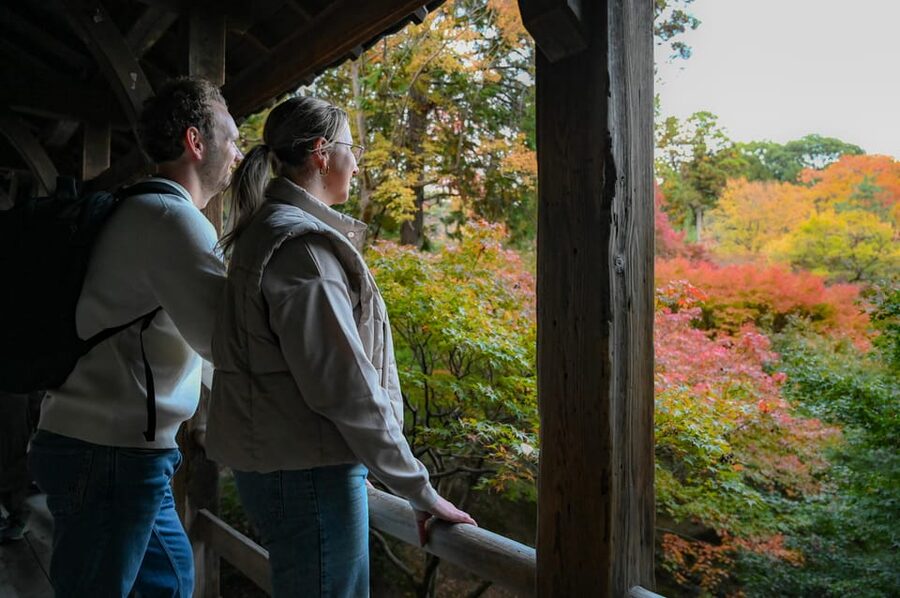
The tour then heads north along the Kamo River area and across to Ginkakuji, also called the Silver Pavilion. The guided visit here lasts about an hour, making it one of the longest stops of the day.
Ginkakuji is UNESCO-listed and known for its temple buildings and carefully arranged grounds. You will have time to look beyond the famous name and notice the gardens, paths, and quiet design that make the site important.
The schedule is useful for first-time visitors because the guide can explain what deserves your attention. At the same time, an hour is not unlimited. If you prefer to study every garden detail at a very slow pace, you may find the visit brisk.
After Ginkakuji, you roll south along the Path of Philosophy. This is a gentle and scenic part of the route, with a slower riding pace than the city streets. It connects the temple visit to the next cluster of sights and gives you a chance to enjoy Kyoto without constantly checking your map.
Nanzenji’s gardens and its red brick aqueduct
Nanzenji follows the Path of Philosophy, with around 35 minutes for a guided visit. The temple grounds include traditional gardens, religious buildings, and the distinctive red brick aqueduct. That aqueduct is one of the day’s most memorable changes of scenery, since it looks very different from the wooden temple architecture nearby.
The stop is short compared with Ginkakuji, but the route gives you several ways to see Kyoto’s character. You move from a famous temple garden to a large temple complex, then encounter an engineering structure with a distinctly Western look.
The guide-led format helps you use the time well. You will not need to work out which buildings matter or how the grounds fit together. Still, this is a highlights visit rather than an exhaustive exploration of Nanzenji.
Lunch gives your legs a proper rest
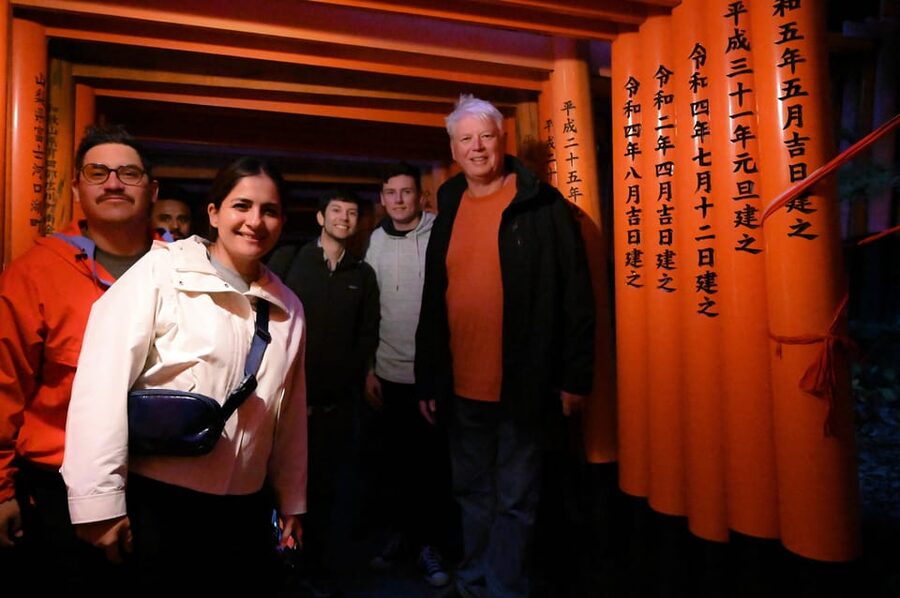
A sit-down lunch at a local restaurant is included and lasts about 40 minutes. That matters. You are not eating a quick snack while standing beside the bikes, and you have a proper chance to rest midway through the tour.
Lunch is part of the value of the $135 price, along with the e-bike, helmet, coffee, water, guide, and visits to several major sights. Food preferences and menu details are not specified, so you may want to ask Cycle Kyoto directly if you have dietary needs.
Bring water even though water is included. You can stay better hydrated by carrying it during the ride, especially on a sunny day. Sunscreen, a hat, and gloves are also listed as useful items, and warm clothing is sensible in cooler weather.
Heian Shrine and the streets of Gion
After lunch, the route continues with a visit to Heian Shrine for about 30 minutes. The stop adds another major religious site to a day already full of temples and shrines, but it also helps break up the longer ride toward the eastern and central districts.
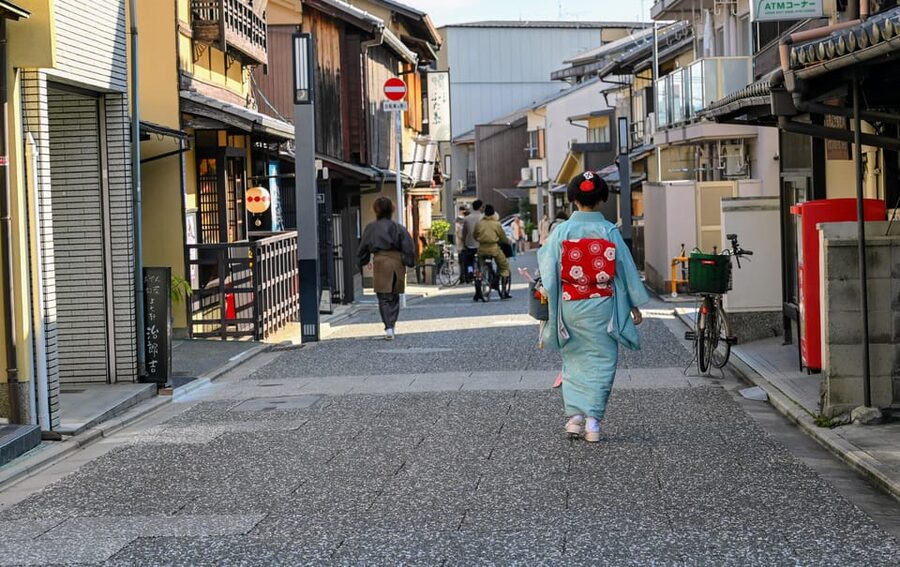
You then reach Gion, where the guided portion lasts about 50 minutes. Here, the pleasure is less about one single building and more about the streets, canals, traditional architecture, and sense of place. Riding lets you cover more ground than walking while still moving slowly enough to notice the surroundings.
The route follows the Shirakawa Canal before passing through Gion. This is an especially appealing section for anyone who wants more than a checklist of temple names. You see Kyoto’s historic streets in relation to the water and the neighborhoods around them.
You should remember that Gion is an active district, not a museum. Follow the guide’s instructions, stay with the group, and be respectful around private homes and businesses.
Higashi Honganji closes the loop
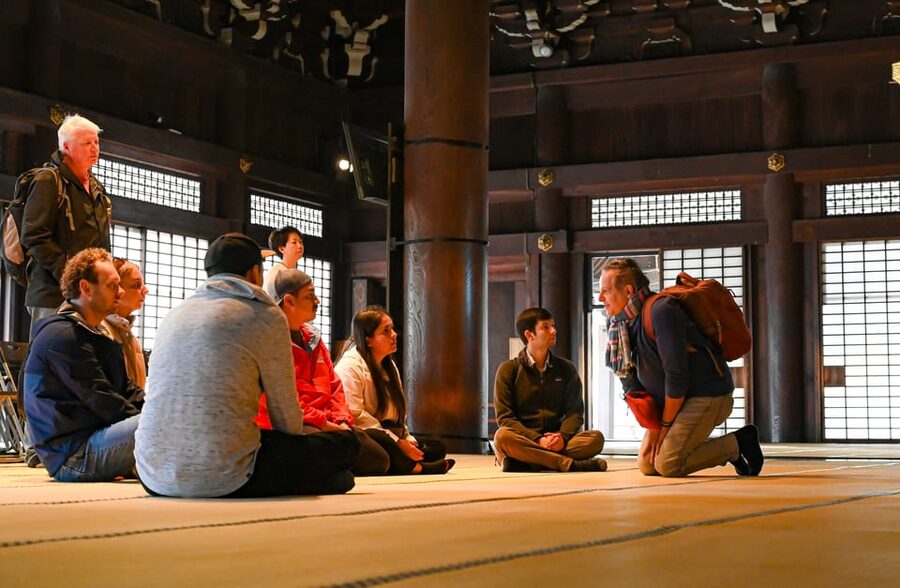
The final major stop is Higashi Honganji Temple, with around 50 minutes for a guided visit. It gives the day a strong finish before you return to Cycle Kyoto.
By this point, you will have seen southern Kyoto, the Kamo River, the northeastern temple district, Gion, and central Kyoto. Higashi Honganji helps tie the route together geographically, since you finish near the city center rather than ending at a remote attraction.
You then cycle back to the starting point. The tour does not include hotel pickup or drop-off, so you need to make your own way to Cycle Kyoto at the beginning and continue independently after the tour.
From JR Kyoto Station, walk past Avanti, cross at the traffic lights, pass the Daily Yamazaki convenience store, and take the next left. Arrive 15 minutes early so you have time to find the meeting point and get ready.
How much value do you get for $135?
At $135 per person, this is not the cheapest way to see Kyoto. The price makes more sense when you count what is bundled into the day: e-bike rental, helmet, live English-speaking guide, morning coffee, sit-down lunch, water, and transportation between a long list of sights.
You are also paying for planning. Covering Fushimi Inari, Tofukuji, Ginkakuji, Nanzenji, Heian Shrine, Gion, and Higashi Honganji independently would require careful route planning and several forms of transport. The bike handles the connections between these places.
The value is strongest if you have limited time in Kyoto or want a clear introduction to the city. It is less compelling if you already know Kyoto well, prefer public transport, or want to spend half a day at only one temple.
The e-bike is important to the calculation. The route includes hills and many hours of movement, so a standard bicycle could make the day more tiring. The electric assist lets you focus on the sights rather than saving energy for the next climb.
Who will enjoy this tour most?
I would recommend it to first-time Kyoto visitors who want to see a lot in one day and prefer active sightseeing. It suits people who like a guide, want historical context, and enjoy moving through a city rather than riding a bus between fixed stops.
It also works well for visitors who want a small group. With no more than eight participants, you have a better chance of hearing the guide, asking questions, and making a short photo stop without disrupting a large crowd.
This is not a good choice if you cannot ride a bicycle, are pregnant, or have back problems. Comfortable shoes are essential, and you should be ready for a full seven-hour outing. Smoking, alcohol, and drugs are not allowed during the activity.
The guide quality appears to be an important part of the experience. Julian is described as energetic and well informed about Japan, while Indra and Karl or Carl are also named as guides who bring plenty of explanation and flexibility. The supplied feedback gives the strongest praise to the guides, the well-kept bicycles, the lunch, and the fact that the day feels manageable despite its length.
Practical packing advice for seven hours
Keep your clothing simple and comfortable. You need clothes suitable for cycling, shoes that work for walking, and protection from the sun. A hat, sunscreen, gloves, and a camera are all specifically useful.
Warm clothing may be needed depending on the season. The tour starts in the morning, and you may feel cooler on the bike than you would walking. Carry water and allow room for a few extra snacks, since snacks and additional drinks are not included.
The operator provides the e-bike and helmet. You should still make sure the helmet fits properly during the safety briefing and tell the guide if the bicycle needs an adjustment.
Should you book the Kyoto early-bird e-bike tour?
Book it if you want a well-planned first look at Kyoto, prefer active sightseeing, and value having coffee and lunch taken care of. The early visit to Fushimi Inari, the small group, and the wide route are the main reasons to choose it.
Skip it if you want a slow, private temple day or dislike cycling in city streets. The schedule covers a lot, so each stop is a highlights visit rather than a long, quiet stay.
For most active first-time visitors, $135 is a sensible price for the transport, guide, meals, and range of sights. Arrive early, use the e-bike assist, bring sun protection, and expect a full but carefully paced day.
FAQ
How long is the Kyoto e-bike tour?
The tour lasts seven hours, including the safety briefing, cycling, sightseeing stops, coffee break, lunch, and return to Cycle Kyoto.
What language is the tour conducted in?
The live tour guide speaks English.
How many people are in the group?
The tour is limited to eight participants.
Is the e-bike included?
Yes. The e-bike rental and helmet are included in the price.
Is lunch included?
Yes. A sit-down lunch at a local restaurant is included.
Is coffee included?
Yes. The morning coffee stop includes coffee.
Are hotel pickup and drop-off provided?
No. You need to make your own way to Cycle Kyoto and continue independently after returning there.
Where is the meeting point?
The meeting point is Cycle Kyoto. From JR Kyoto Station, walk past Avanti, cross the traffic lights, walk past the Daily Yamazaki convenience store, and take the next left.
What should I bring?
Bring comfortable clothes, comfortable shoes suitable for biking, warm clothing when needed, a hat, sunscreen, gloves, water, and a camera. Snacks and extra drinks are not included.
Who should not take this tour?
The tour is not suitable for pregnant women, people with back problems, or people who cannot ride a bicycle.
More Long Lunches in Kyoto
- Osaka/Kyoto: Arashiyama, Nara & Fushimi Inari Shrine w/Lunch
★ 4.4 · 754 reviews - Kyoto Zen Meditation & Garden Tour at a Zen Temple with Lunch
★ 5.0 · 441 reviews - 4.5-Hour Kyoto Bike Tour with Lunch and UNESCO Zen Temples
★ 5.0 · 122 reviews - From Kyoto: Nara History Guided Half Day Bus Tour with Lunch
★ 4.8 · 114 reviews
Newest Kyoto experiences on the site
- Treasures of Kyoto: Gion & historical Walking Tour★ 5.0 · 6 reviews
- Whisk Your Own Matcha: A Zen Matcha Experience at Temple★ 3.6 · 7 reviews
- Kyoto tea town for matcha lovers★ 5.0 · 16 reviews
- Uji: Private immersion into Kyoto’s tea and reglious culture★ 5.0 · 17 reviews
- Kyoto Matcha Green Tea Tour★ 4.5 · 23 reviews
- Uji and Wazuka Matcha Farm Half Day Private Guided Tour★ 5.0 · 21 reviews
- Utilising upcycled Matcha! Creating matcha incense (Uji, Kyoto)★ 5.0 · 6 reviews
- Sacred Temple Yoga Experience in Japan★ 5.0 · 3 reviews
Kyoto Early Morning Tours, compared.
Kyoto Early Morning Tour with English-Speaking Guide
Read our review →Early Morning Tour with English-Speaking Guide
Read our review →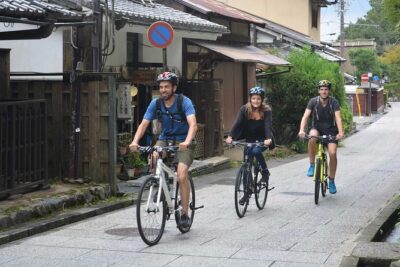
Arashiyama Bamboo Forest & Hidden Gems Bike Tour (Early Bird)
Read our review →
Kyoto Early Bird English Tour: Fushimi-Inari and Arashiyama
Read our review →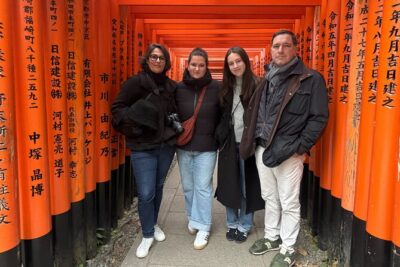
Kyoto Early Bird English Tour: Fushimi Inari & Gion(Private opt)
Read our review →Browse the lists this tour appears in