
Reviewed · FUSHIMI INARI TOURS
Kyoto Early Bird English Tour: Fushimi-Inari and Arashiyama
Kyoto’s famous sights are far easier to enjoy before breakfast. This tour gets you to Fushimi Inari’s torii gates and the Arashiyama bamboo forest while the paths are still relatively calm. I like the small group, capped at eight people, and the way the guide handles the trains as well as the sightseeing.
I also like the mix of major sights and short cultural stops: you get Fushimi Inari, bamboo, Tenryu-ji, and Togetsukyo Bridge in one morning. The tradeoff is clear: you must rise early, pay ¥390 for transportation, and accept a brisk schedule. Tenryu-ji’s admission details are inconsistent in the booking information, so confirm whether its entrance fee is covered before you go.
Key points to know before booking
- Start early for quieter photos: The morning departure is the main reason to book, especially during cherry blossom season or hot weather.
- Small group, maximum eight: You get more room to ask questions and help with directions than on a large coach tour.
- Four major Kyoto stops: The morning combines Fushimi Inari, the bamboo forest, Tenryu-ji Temple, and Togetsukyo Bridge.
- Public transportation is part of the experience: Your guide leads the way through Kyoto’s train system, but the ¥390 transport fee is extra.
- Expect walking and a quick pace: Fushimi Inari includes paths toward Mount Inari, and the whole outing lasts about four to five hours.
- Guide quality matters: Vincent, Caleb, Hiro, Eri, Haruka, Jem, and Cade are among the guides praised for clear explanations, humor, photo help, and family-friendly attention.
Why the early start matters in Kyoto
Fushimi Inari and Arashiyama are not quiet secrets. By late morning, both can become hard to photograph and tiring to walk through. The early departure is designed to put you ahead of the main wave, and that changes the feel of the morning more than any other feature.
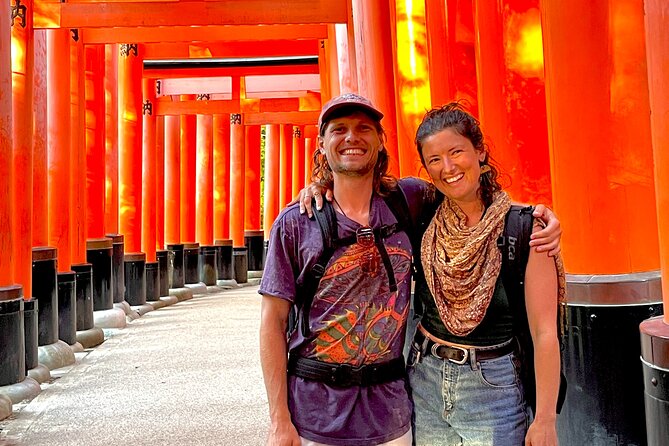
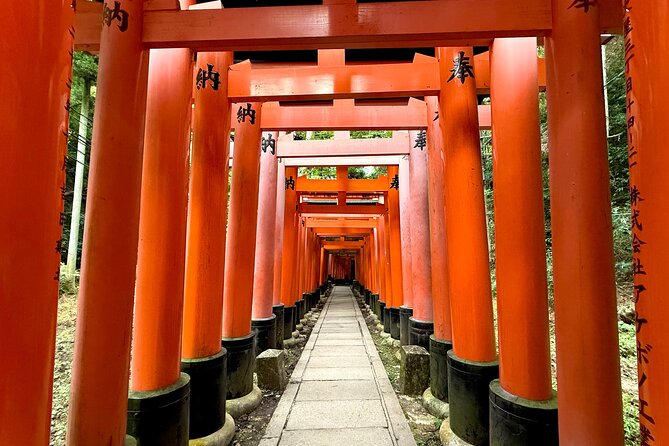
At Fushimi Inari, the red torii gates look best when you can pause without blocking a line of people. In Arashiyama, an early arrival gives you a better chance to enjoy the bamboo path as a place rather than simply a backdrop for quick snapshots.
I would not expect either site to be completely empty. Kyoto’s most famous places draw people at all hours, and the tour itself notes that the early start helps you miss the busiest period, not every person. Still, leaving as the crowds begin to arrive is a strong advantage.
The early hour also helps with heat. Several people singled out the cooler morning as a major benefit, especially in summer. If you are visiting during cherry blossom season, when Kyoto becomes especially busy, this timing is even more useful.
More ways to walk the Fushimi Inari gates:
- Kyoto: Fushimi Inari, Kinkakuji, Bamboo Grove 1 Day Bus Tour
★ 4.8 · 4,316 reviews - Fushimi Inari Hidden Hiking Tour (Private Option Available)
★ 5.0 · 1,750 reviews - Osaka/Kyoto:Kinkakuji,Arashiyama,FushimiInariShrine,NaraPark
★ 4.1 · 1,596 reviews
Meeting at Kyoto Station and riding the trains
The meeting point is the 7-Eleven Heart-In store at the JR Kyoto Station Central Entrance, on Karasuma Street in the Higashishiokoji area. This is a practical central location, but Kyoto Station is large, so read the meeting instructions carefully and arrive with time to spare.
Your guide leads the group by public transportation to the morning stops. That matters if Kyoto’s train system feels confusing, especially when you are trying to reach two different parts of the city before the crowds build.
The ¥390 transport fee per person is not included. That is an important detail because the advertised price of $96.83 already feels like a premium for a half-day outing. The fee itself is modest, but it should not come as a surprise at the meeting point.
I like the fact that transportation is handled as part of the tour rather than hidden behind a private vehicle. You get a more ordinary look at how Kyoto works, and your guide can help keep the group moving through stations. The drawback is that train travel adds a little uncertainty to the morning. You are working around public transport, not moving directly from one attraction to the next in a private car.
Fushimi Inari: 90 minutes beneath the torii gates
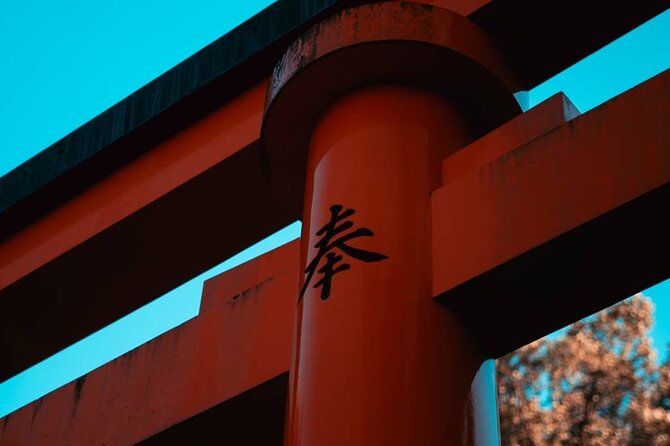
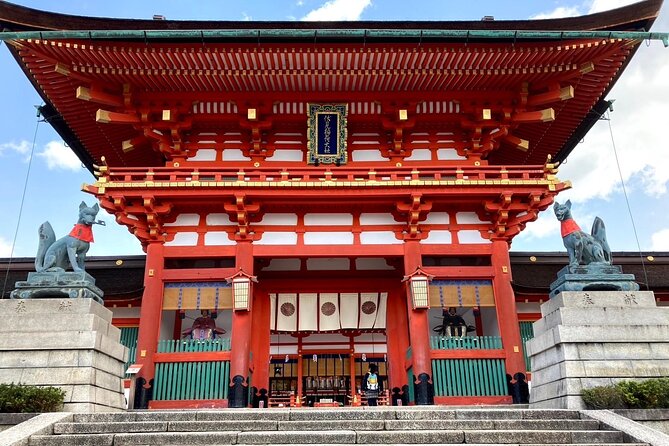
The first stop is Fushimi Inari-taisha, the Shinto shrine famous for its long corridors of orange-red torii gates. The gates climb into the wooded slopes of Mount Inari, creating one of Kyoto’s most recognizable walks.
You have about 90 minutes here. That is enough to see the main shrine grounds, walk through a good stretch of the gates, and hear the cultural background from your guide. It is not enough for a full climb up Mount Inari and back, so set your expectations accordingly.
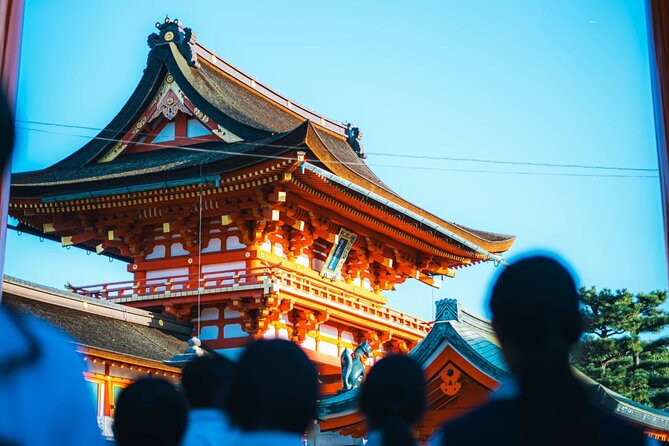
This is where a guide can add useful context. Fushimi Inari is not only a photogenic tunnel. It is a working religious site connected with Inari, the Shinto deity associated with rice, prosperity, and business. Fox figures appear throughout the grounds because foxes are regarded as messengers of Inari.
Your guide may also help you understand how to behave at the shrine, where to pause for photos, and how to avoid slowing the group. Several guides, including Hiro, Caleb, and Vincent, were praised for finding good photo positions and explaining the cultural setting without turning the morning into a lecture.
The main limitation is time. If your priority is hiking high up Mount Inari, this tour will only give you a taste. I would treat this stop as an introduction, then return independently if you want a longer walk or more time at the shrine.
The shrine grounds do not require an admission ticket. That makes this stop straightforward, though souvenir stamps and other shrine services may follow different opening hours. One person specifically needed to return later to collect a stamp because the relevant counter was not open early. If collecting shrine or temple stamps matters to you, plan a return visit.
Arashiyama Bamboo Forest: one hour among the tall stalks
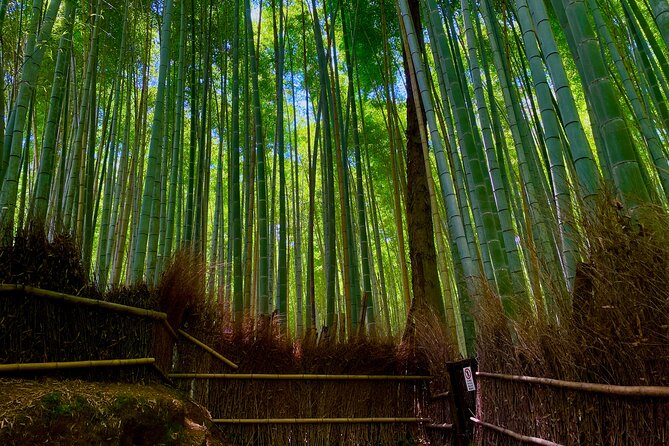
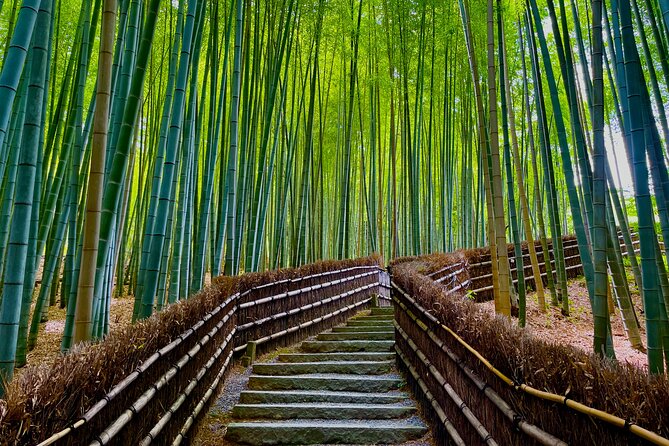
The bamboo forest is the second major stop, with about an hour on Bamboo Forest Street. Tall bamboo rises on both sides of the path, filtering the light and giving the walk a cool, enclosed feel even when the day is warming.
This is the place where early timing pays off most visibly. The path is narrow, and crowds can make it difficult to stop without getting in the way. With a small group and an early arrival, your guide can point out better angles and keep the walk flowing.
You should know what this stop is, and what it is not. The bamboo grove is a short public path rather than a vast forest where you can wander for hours. The classic view is beautiful, but the experience depends heavily on crowd levels. Your guide’s timing and ability to place the group well are valuable here.
The hour should give you time for photos and a measured walk, but not for every Arashiyama attraction. You will not have much spare time to browse shops, visit additional temples, or explore the wider district. One person described the outing as including a little shopping time, while another returned the next day for more hiking and shopping. That is a useful way to think about it: this tour gives you an efficient first look, not a complete Arashiyama day.
More mornings in Arashiyama and the bamboo grove:
- Kyoto/Osaka: Nara, Fushimi Inari Taisha, Arashiyama Bus Tour
★ 4.7 · 1,275 reviews - Kyoto Arashiyama Walking Tour: Bamboo, Monkeys, Gardens & Secrets
★ 5.0 · 1,216 reviews - Arashiyama Bamboo, Temple, Monkeys, or Secret Sake Brewery
★ 4.8 · 886 reviews - Kyoto: Arashiyama Bamboo Forest, Monkeys, Matcha & Temple Tour
★ 5.0 · 759 reviews
Tenryu-ji Temple and its Zen garden
Tenryu-ji is a UNESCO World Heritage site in Arashiyama, known for its Zen garden and views toward the surrounding mountains. The tour allows about an hour here, giving you a chance to slow down after the busy visual impact of the bamboo grove.
The garden is the reason to make time for this stop. Its design uses water, rocks, trees, and borrowed mountain views to create a composed scene that changes with the season. You can look closely at the garden, listen to your guide explain the temple’s place in Zen Buddhism, and enjoy a quieter rhythm than at the bamboo path.
This is also the stop that needs the clearest price check. The details supplied for the experience conflict: one section says the Tenryu-ji admission fee is included, while another says admission is not included and the stop lists a separate ticket. I would not assume the entrance cost is covered. Ask before departure or bring enough yen to pay it yourself.
If you are trying to keep costs low, this matters. The tour price already pays for the guide and the convenience of organized transport, but the value calculation changes if you must add train fare and temple admission. If you value context and navigation, the added cost may be fair. If you are comfortable using Kyoto’s trains and reading basic site information, you can visit these places independently for less.
Togetsukyo Bridge: a short river pause
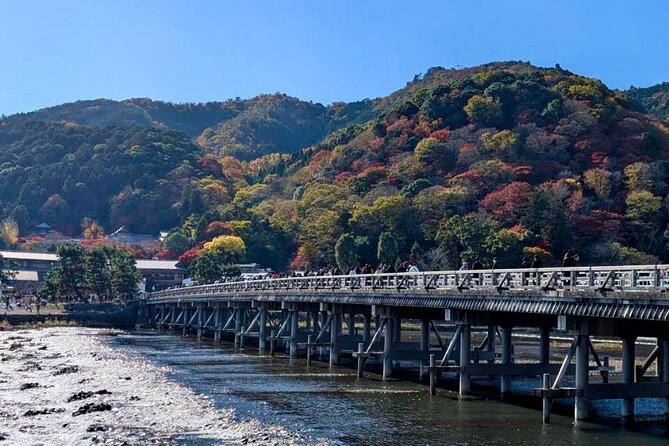
The final stop is Togetsukyo Bridge, with about 15 minutes to take in the view and photographs. The name means Moon Crossing Bridge, and the bridge spans the Katsura River at the center of Arashiyama.
Fifteen minutes is enough for a quick look, not a long riverside break. Your guide can point out the bridge, river, and mountain setting, then keep the group on schedule for the return journey. I see this as a pleasant finishing note rather than a major sightseeing stop.
The bridge has a long history, though the current structure dates from 1934. Its broad view gives you a different side of Arashiyama after the enclosed bamboo path and carefully arranged temple garden.
If you want time beside the river, this tour will not provide much of it. You can return later on your own, but the scheduled visit is intentionally brief.
What the guides add to the morning
The strongest part of this experience is not simply the route. It is the guide who makes the route easy.
Vincent is repeatedly praised for clear explanations, friendly attention, and help with city navigation. He also took photos for people and offered suggestions for later stops, including Nijo Castle and a sushi restaurant in Kyoto Tower. Caleb received similar praise for his English, humor, and explanations of Japanese history, culture, and politics.
Hiro is described as enthusiastic, well informed, and good at finding photo spots away from the worst crowds. Haruka was singled out for taking good pictures, while Jem worked well with a family that included a six-year-old child. Cade kept a group on track while still allowing time for photos, and Eri was described as fun and engaging.
That range of feedback points to a useful strength: the company appears to use several guides, so your exact experience depends partly on who leads your departure. The common thread is practical help, cultural explanation, and a personal approach in a small group.
The small-group limit also helps families and solo visitors. A guide can respond to questions, adjust explanations, and take a few photos without managing a busload of people. One family with a baby received extra accommodation, though you should still judge the walking and early hour against your own needs.
Price, pace, and who gets good value
At $96.83 per person, this is not a budget sightseeing walk. You also need to allow for the ¥390 transport fee, food and drink, and possibly Tenryu-ji admission. Hotel pickup and drop-off are not provided, and the tour finishes back at the Kyoto Station meeting point.
I think the price makes the most sense in three situations. First, you have only one day in Kyoto and want to cover major sights without losing time to train directions. Second, you want an English-speaking guide to explain the religious and cultural background. Third, you care about early access, small groups, and help with photos.
The value is weaker if you already know Kyoto’s train system, prefer to set your own pace, or want a long hike at Fushimi Inari. You can visit all four places independently, spend more time at each, and likely spend less. The tour fee buys organization, explanations, and companionship rather than exclusive access.
The pace is active but manageable for most people who can walk for several hours. Fushimi Inari includes uphill paths, and the combination of stations, shrine grounds, forest paths, temple gardens, and bridge access means comfortable shoes are essential. Bring water, dress for the weather, and remember that the early start is part of the bargain.
Should you book this Kyoto morning tour?
I would book it if you want a well-organized first morning in Kyoto, especially on a short visit. The route covers four important places, the small group keeps the experience personal, and the early timing helps with both crowds and summer heat.
I would skip it if your main goal is a leisurely Mount Inari hike, extensive Arashiyama shopping, or the lowest possible cost. In that case, visit independently and give each area a full block of time.
Before paying, confirm the Tenryu-ji admission policy and remember the separate ¥390 transport fee. If those costs are acceptable, this is a practical way to see Kyoto’s most photographed sights before the day gets crowded.
FAQ
How long does the tour last?
The experience lasts approximately four to five hours.
Where does the tour start?
It starts at the 7-Eleven Heart-In store at the JR Kyoto Station Central Entrance, on Karasuma Street in Higashishiokoji, Kyoto.
Where does the tour finish?
The activity ends back at the same meeting point near Kyoto Station.
How many people are in the group?
The group has a maximum of eight participants according to the additional booking information. The overview describes a small group with a maximum of nine, so confirm the final limit when booking.
Is transportation included?
No. Public transportation is used during the tour, and a transportation fee of ¥390 per person is listed separately.
Is the Tenryu-ji entrance fee included?
The supplied booking details conflict. One section says it is included, while another says it is not included. Confirm this point before booking.
Can I cancel for a full refund?
Yes. You can cancel at least 24 hours before the local start time for a full refund. Cancellations or changes made less than 24 hours before the start are not accepted for a refund.
More Early Starts in Kyoto
- Kyoto Early Morning Tour with English-Speaking Guide
★ 5.0 · 1,427 reviews - Kyoto: Early Morning Tour with English-Speaking Guide
★ 4.9 · 1,128 reviews - Arashiyama Bamboo Forest & Hidden Gems Bike Tour (Early Bird)
★ 5.0 · 613 reviews - Kyoto Early Bird Walking Tour
★ 5.0 · 377 reviews
Newest Kyoto experiences on the site
- Treasures of Kyoto: Gion & historical Walking Tour★ 5.0 · 6 reviews
- Whisk Your Own Matcha: A Zen Matcha Experience at Temple★ 3.6 · 7 reviews
- Kyoto tea town for matcha lovers★ 5.0 · 16 reviews
- Uji: Private immersion into Kyoto’s tea and reglious culture★ 5.0 · 17 reviews
- Uji and Wazuka Matcha Farm Half Day Private Guided Tour★ 5.0 · 21 reviews
- Kyoto Matcha Green Tea Tour★ 4.5 · 23 reviews
- Utilising upcycled Matcha! Creating matcha incense (Uji, Kyoto)★ 5.0 · 6 reviews
- Sacred Temple Yoga Experience in Japan★ 5.0 · 3 reviews
Fushimi Inari Tours, compared.
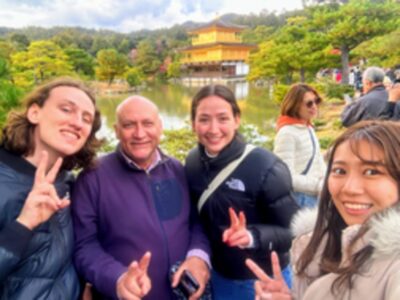
Fushimi Inari, Kinkakuji, Bamboo Grove 1 Day Bus Tour
Read our review →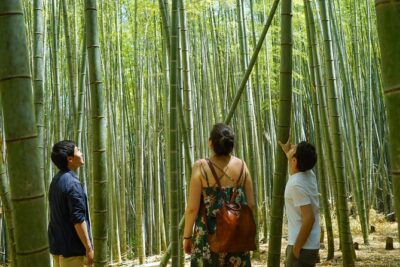
Fushimi Inari Hidden Hiking Tour (Private Option Available)
Read our review →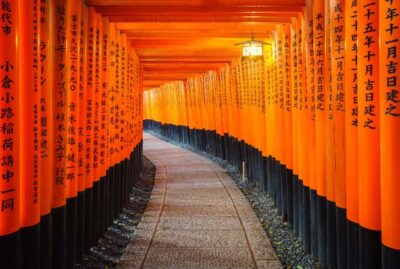
Kinkakuji,Arashiyama,FushimiInariShrine,NaraPark
Read our review →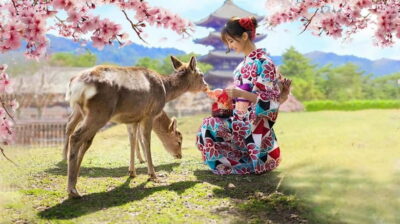
Nara, Fushimi Inari Taisha, Arashiyama Bus Tour
Read our review →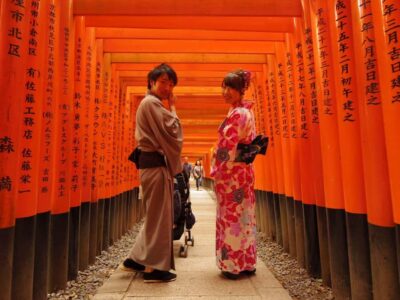
Arashiyama, Nara & Fushimi Inari Shrine w/Lunch
Read our review →
Nijo Castle, Kiyomizu & Fushimi Inari Guided Tour
Read our review →
Nijo, Kinkaku-ji, Arashiyama, Kiyomizu & Fushimi Inari
Read our review →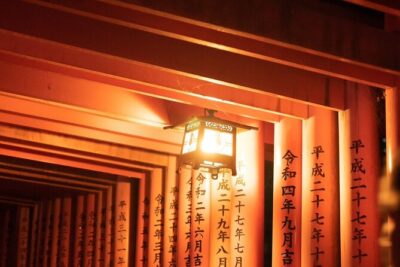
Browse the lists this tour appears in