
Reviewed · KYOTO CRAFT WORKSHOPS
Pure Silver Spoon Making Workshop in Kyoto
A small sheet of pure silver becomes your own teaspoon in this hands-on Kyoto workshop. You stamp a pattern, hammer the metal into shape, smooth the edges, and finish the spoon by hand. It is an unusual chance to make something useful, not just buy another souvenir.
I like the personal craft and the warm welcome from the couple who run the workshop. Tea and snacks set an easy tone, while prepared English instructions and patient guidance make the work approachable.
The main consideration is the price, about $141.22 per person, for a 2-hour-30-minute activity and a small spoon. That cost makes the most sense if you value the private instruction, pure silver material, and finished keepsake more than a quick sightseeing stop.
Key points to know
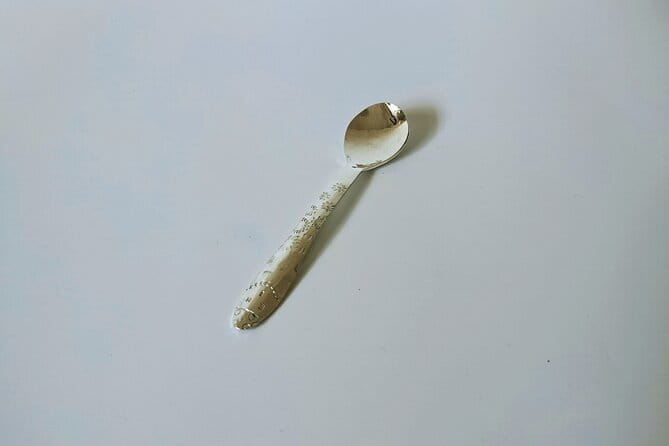
- Pure silver becomes a usable 12-centimeter teaspoon: You shape the metal yourself rather than simply watching a demonstration.
- The workshop is near Shugakuin Imperial Villa: The meeting point is an 8-minute walk from the villa.
- You work with hand tools, then receive machine assistance: Chisels, stamps, a hammer, file, burnisher, and abrasive are part of the process.
- The finished spoon comes in a paulownia box: A metal polishing cloth is included as well.
- The activity is private: Only your group takes part, so the pace and attention are more personal than in a large class.
- English support is available: Instructions are prepared in English, and the hosts are described as patient and friendly.
Turning pure silver into a Kyoto keepsake
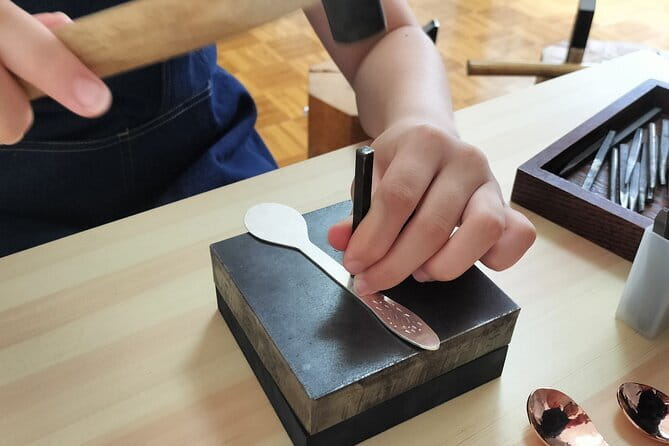
Many craft classes leave you with something decorative that sits on a shelf. This one gives you a small piece of cutlery. The difference matters. You are not just making an object during the class, you are shaping something you can use later as a teaspoon or keep as a special gift.
The silver also carries a traditional meaning. Silver has long been treated in Japan as a charm against misfortune and evil spirits. A silver spoon may also be given to a baby as a wish for happiness. You do not need to share those customs to enjoy the symbolism, but they add weight to what might otherwise be a simple metalworking exercise.
The final spoon is approximately 12 centimeters long and 2.7 centimeters wide. That is a compact size, suited to tea, coffee, desserts, or other small servings. It is not a large serving spoon, and you should expect a modest keepsake rather than a substantial piece of tableware.
More craft workshops in Kyoto:
- Kyoto : Chopsticks Making Workshop in Gion with Engraving Option
★ 5.0 · 958 reviews - Authentic knife making experience at a blacksmith in Kyoto
★ 4.8 · 350 reviews - Roketsu dyeing experience: M course Roketsu Dyeing Experience
★ 5.0 · 163 reviews
Arriving near Shugakuin Imperial Villa
The workshop is at 1-15 Shūgakuin Yamanohanachō in Sakyo Ward. It is about an 8-minute walk from Shugakuin Imperial Villa, which gives you a useful way to pair the activity with one of northeastern Kyoto’s quieter cultural areas.
The workshop itself is the starting point and the ending point. Private transportation is not included, so you need to make your own way there. The location is near public transportation, but the supplied information does not specify a particular train or bus route. Check your route before leaving and allow enough time to find the address without rushing into the class.
This is a better fit for a day away from Kyoto’s busiest central sights. One reason the class appeals is the break from crowded tourist areas. You can build the workshop around Shugakuin Imperial Villa, or schedule it as a calm change of pace after more demanding temple visits.
A private class with a personal welcome
Only your group participates in the activity. That private format is useful for a craft class because you can ask questions without holding up a larger room. It also gives the hosts more room to watch your hammering, filing, and polishing.
The couple who run the workshop welcome participants with tea and snacks. That small gesture helps the class feel like a visit to a working home or studio rather than a fast commercial attraction. The hosts are also described as friendly and patient, qualities that matter when your first attempt at metal shaping does not look quite like a spoon.
English should not be a major barrier. English instructions are prepared, and the hosts can guide you through the process even if conversation is limited. Still, this is a practical craft lesson, not a long lecture about Japanese metalwork. Expect clear help with the task more than a formal history presentation.
Because it is private, the class can work well for couples, families, friends, or solo visitors who prefer direct attention. The activity is listed as suitable for most people, and service animals are allowed.
Step one: choose a pattern and mark the silver
The class begins with a prepared piece of pure silver. You select a chisel or stamp and add your chosen pattern to the surface. This is where the spoon begins to become personal.
The pattern stage is also where you should slow down. Marks placed early will remain part of the finished design, so you may want to think about spacing before you start striking the metal. You are not buying a spoon with a standard decoration. You are deciding how your spoon will look.
The tools are provided, and rental is included in the price. You do not need to bring metalworking equipment or polish. The workshop supplies the material and the basic tools required for the full process.
Same city, a completely different kind of day:
- PERFECT KYOTO 1-Day Bus Tour
★ 5.0 · 13,518 reviews - Kyoto: Fushimi Inari, Kinkakuji, Bamboo Grove 1 Day Bus Tour
★ 4.8 · 4,316 reviews - Kyoto: Tea Ceremony in a Traditional Tea House in Kiyomizu
★ 4.9 · 3,519 reviews - Kyoto Geisha Walking Tour: Gion District & Hidden Gems
★ 4.7 · 3,273 reviews
Step two: hammer the sheet into a spoon
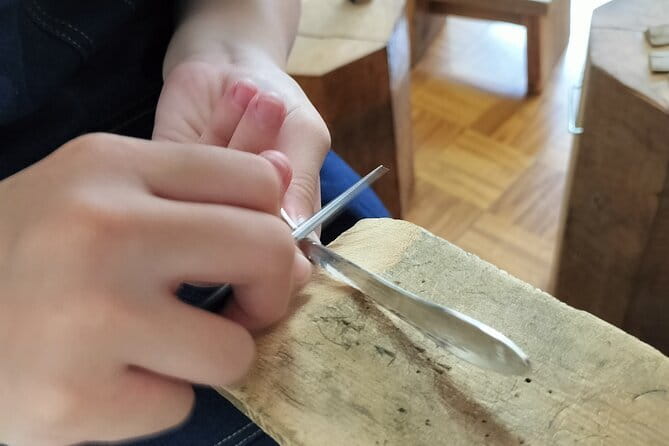
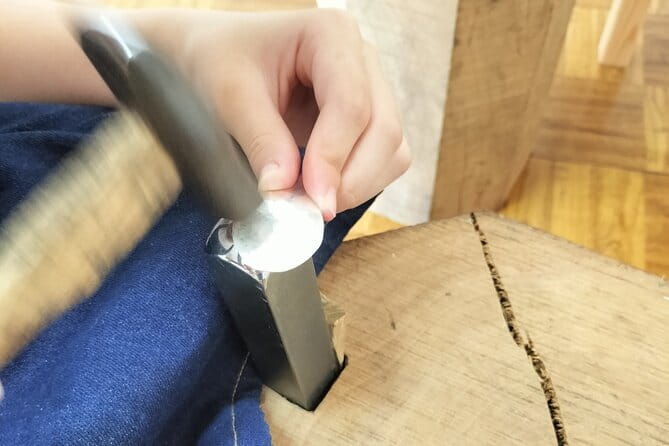
After marking the silver, you hit it with a hammer to form the spoon shape. This is the most physical part of the class, and it gives you a direct feel for how metal changes under repeated pressure.
You will not simply press a button and receive a finished item. The spoon takes shape through your own strikes, with the craftspeople helping you along the way. Their patience is important here. A little guidance can help you avoid forcing the metal too quickly or creating an awkward shape.
The process is hands-on, but it is not presented as a dangerous free-for-all. The hosts assist carefully, and later machine polishing is handled by a craftsperson with safety in mind. You still take part in the work, but the more hazardous or demanding machine stage is not left entirely to you.
Step three: file, burnish, and smooth the edges
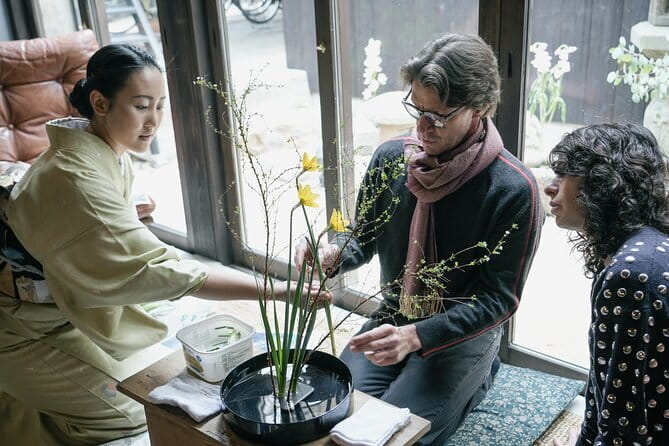
Once the silver has the basic form of a spoon, you smooth the sides with a file and burnisher. This stage may be less dramatic than hammering, but it is where the object begins to feel finished.
A file removes rough edges and helps refine the outline. A burnisher smooths the surface through pressure and friction. You can expect this part to require patience rather than strength. The edge must feel comfortable, since the finished piece is intended for use as a teaspoon.
This is one reason the class lasts around two and a half hours. The activity is not only about the eye-catching moment when the metal bends. It gives you time to correct, refine, and prepare the spoon for its final shine.
Step four: machine polishing with craftsperson assistance
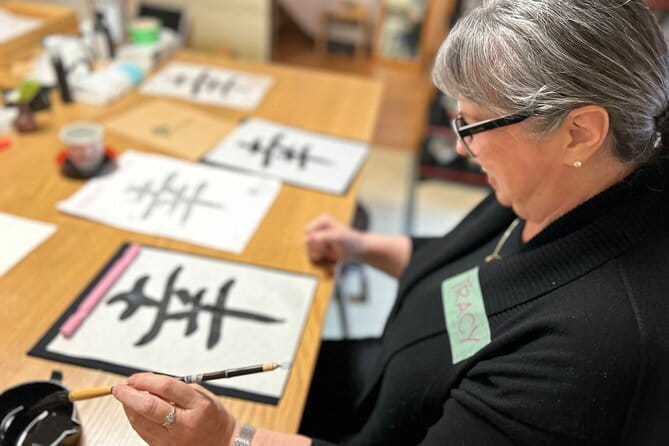
The craftsperson polishes the spoon using a machine. This part is handled with safety in mind, while you watch the rough, worked piece become brighter and cleaner.
That arrangement creates a good balance. You still make the important choices and carry out much of the work, but the workshop does not pretend that every stage of metal finishing should be done by a beginner. Machine polishing can be more exacting than hand work, so professional assistance helps protect both you and the spoon.
Do not expect the finished object to look perfect before the final stage. The machine brings it close, but the class still has one more personal step.
Step five: hand-polish the final surface
You finish the spoon yourself with an abrasive. This gives you one last chance to work on the surface and leaves a clear connection between your effort and the final shine.
The hand-polishing stage is a fitting end to the class. The spoon has passed through marking, hammering, filing, burnishing, and machine polishing. Your last task is slower and more careful. It lets you see how much the appearance changes through small, repeated movements.
A metal polishing cloth is included, so you can care for the spoon after you leave. The cloth is practical, especially if you plan to use the spoon and want to keep its surface bright.
The finished spoon and paulownia box
Your spoon is placed in a paulownia box. The box makes the piece easier to carry and gives it a proper presentation if you plan to offer it as a gift.
The combination of silver spoon, box, and polishing cloth also makes this a tidy souvenir. You do not need to find packaging at another shop or worry about carrying a loose piece of metal through the rest of your day.
The spoon’s small size keeps it practical for luggage. It is still wise to handle it with care, since the finished object is a personal craft piece rather than mass-produced cutlery.
Is $141.22 a fair price?
At about $141.22 per person, this is not a bargain activity. You are paying more than you would for a simple craft session or a short museum visit. The value comes from the pure silver material, private format, personal instruction, included tools, and finished object.
The price also covers the time needed for several stages of work. You are in the workshop for about 2 hours and 30 minutes, not just 30 minutes of stamping. That longer session lets the class move from raw material to a usable spoon.
I would judge the price by asking what you want from a Kyoto activity. If you want the least expensive souvenir, this is not the right choice. If you want a quiet, personal experience and a real object connected to your time in Kyoto, the cost is easier to justify.
The private setting adds value for people who dislike large classes. You get direct help, and the couple can be patient with your pace. That is especially helpful if you have never handled a file, burnisher, or metal stamp before.
Who will enjoy this workshop most?
This experience suits you if you like making things with your hands and prefer a finished souvenir to a photograph. It is also a good choice for couples who want a shared activity that produces matching or individual keepsakes without being a standard food tour or temple visit.
Families may also find it appealing, since most people can participate and service animals are allowed. The supplied information does not specify a minimum age, so families with children should confirm suitability before booking if age is a concern.
The class can work for solo visitors too. A private booking avoids the awkwardness of joining a large group, and the hosts’ prepared English instructions make it easier to follow the work.
You should choose something else if you want a passive cultural experience, a long presentation about Japanese craft traditions, or a tour that includes transportation. This class asks you to focus, use tools, and spend time refining a small object.
Practical timing and booking advice
The experience is often booked about 30 days in advance. That pattern suggests you should reserve early, especially if your Kyoto dates are fixed or you want a particular time of day.
Confirmation is provided when you book, and the ticket is mobile. You can show it on your phone rather than needing a printed voucher.
Free cancellation is available if you cancel at least 24 hours before the start time. Cancellations made less than 24 hours in advance are not refunded, and changes inside that period are not accepted. The cut-off follows local Kyoto time, so keep that in mind if you are arranging several activities across different time zones.
Plan your transport before the day of the workshop. Since the class begins and ends at the meeting point and private transportation is not included, the responsibility for getting there and back is yours.
Should you book the pure silver spoon workshop?
Book it if you want a quiet, private Kyoto activity with a useful handmade result. The best parts are the unusual pure silver material, the full process from stamping to polishing, the patient couple, and the thoughtful paulownia box.
Think twice if $141.22 feels high for a small spoon, or if your schedule leaves little room for a 2-hour-30-minute class outside the busiest central areas. This is not a quick stop, but it offers a more personal way to spend an afternoon and a souvenir with a story attached to it.
For a craft-minded visitor, I would consider it a strong choice. You leave with more than a purchased object: you have shaped, smoothed, and polished the piece yourself.
FAQ
Where does the pure silver spoon workshop take place?
The meeting point is 1-15 Shūgakuin Yamanohanachō, Sakyo Ward, Kyoto, 606-8025, Japan.
How far is the workshop from Shugakuin Imperial Villa?
The workshop is about an 8-minute walk from Shugakuin Imperial Villa.
How long does the activity last?
The workshop lasts approximately 2 hours and 30 minutes.
How much does the workshop cost?
The listed price is $141.22 per person.
Is the workshop private?
Yes. Only your group participates in the activity.
What will I make?
You will make a pure silver spoon measuring approximately 12 centimeters long and 2.7 centimeters wide. It is recommended for use as a teaspoon.
What tools and materials are included?
The material, tool rental, a paulownia box, and a metal polishing cloth are included.
Is transportation included?
No. Private transportation is not included. The activity begins and ends at the stated meeting point.
Are English instructions available?
Yes. English instructions are prepared, and the craftspeople provide guidance during the work.
Can I cancel for a full refund?
Yes, if you cancel at least 24 hours before the experience start time. Cancellations or changes made less than 24 hours before the start time are not accepted for a refund.
Newest Kyoto experiences on the site
- Whisk Your Own Matcha: A Zen Matcha Experience at Temple★ 3.6 · 7 reviews
- Treasures of Kyoto: Gion & historical Walking Tour★ 5.0 · 6 reviews
- Kyoto tea town for matcha lovers★ 5.0 · 16 reviews
- Uji: Private immersion into Kyoto’s tea and reglious culture★ 5.0 · 17 reviews
- Kyoto Matcha Green Tea Tour★ 4.5 · 23 reviews
- Uji and Wazuka Matcha Farm Half Day Private Guided Tour★ 5.0 · 21 reviews
- Utilising upcycled Matcha! Creating matcha incense (Uji, Kyoto)★ 5.0 · 6 reviews
- Sacred Temple Yoga Experience in Japan★ 5.0 · 3 reviews
Kyoto Craft Workshops, compared.
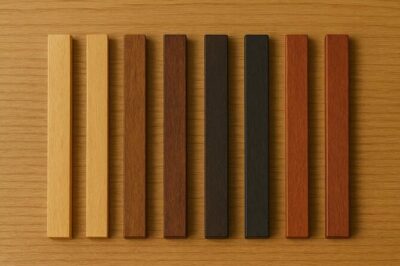
Chopsticks Making Workshop in Gion with Engraving Option
Read our review →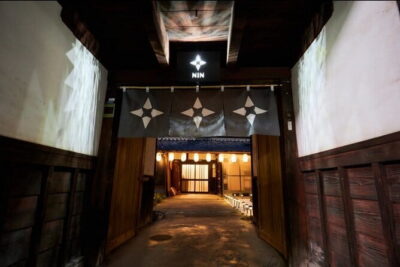
Authentic knife making experience at a blacksmith in Kyoto
Read our review →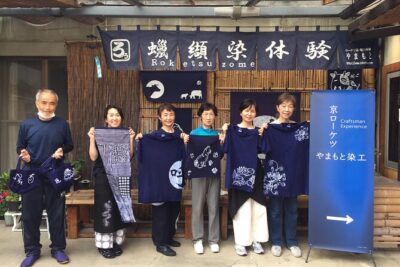
Roketsu dyeing experience: M course Roketsu Dyeing Experience
Read our review →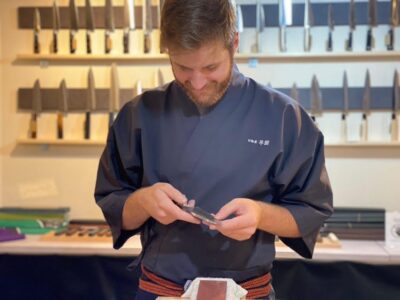
Beginner Knife Sharpening & Handle Fitting Workshop
Read our review →
Japanese Archery Workshop with Experienced Instructor
Read our review →
Kyoto Michelin Ramen Workshop or Painting Ramen Essentials
Read our review →
Browse the lists this tour appears in