
Reviewed · KYOTO CRAFT WORKSHOPS
Ikebana Traditional Japanese Art of Flower Arranging
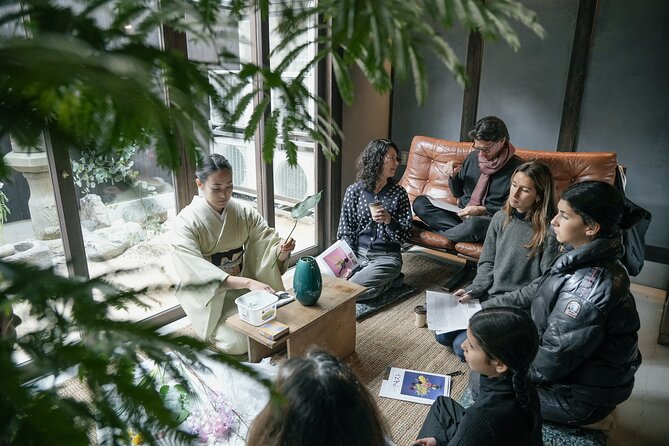
Ikebana turns a handful of cut flowers into a small study of balance, space, and feeling. In this hands-on Kyoto class, Mana teaches two beginner styles, Moribana and Nageire, then gives you time to make your own arrangements. I like the calm, mindful pace, and I like that you learn practical flower-care tips that may help arrangements last up to two weeks.
The class is limited to six people, which gives you room to ask questions and receive help. The main drawback is that 90 minutes goes quickly, so anyone hoping for a long lesson on ikebana history, schools, and rules may find the background discussion brief. One poor report also described a missed meeting, so check your meeting details carefully before setting out.
Key points to know before booking
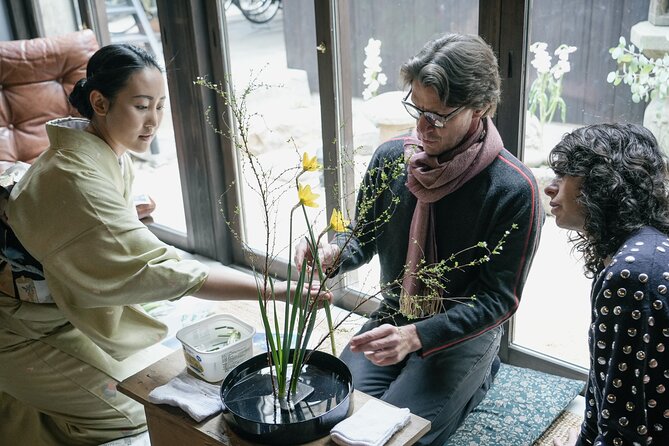
- Two ikebana styles in one class: Mana demonstrates Moribana and Nageire, two important beginner approaches.
- A small group setting: The class accepts a maximum of six people, allowing for personal guidance.
- Seasonal flowers: You work with fresh flowers and learn how their natural shape can guide the arrangement.
- A mindfulness lesson: The focus is not simply on making a pretty bouquet, but on noticing balance, space, and the character of each stem.
- A Kyoto home setting: The meeting point is in Kamigyo Ward, at Symphony Kitano Higashi.
- A short, focused format: The session lasts about 1 hour and 30 minutes and ends where it begins.
What ikebana asks you to notice
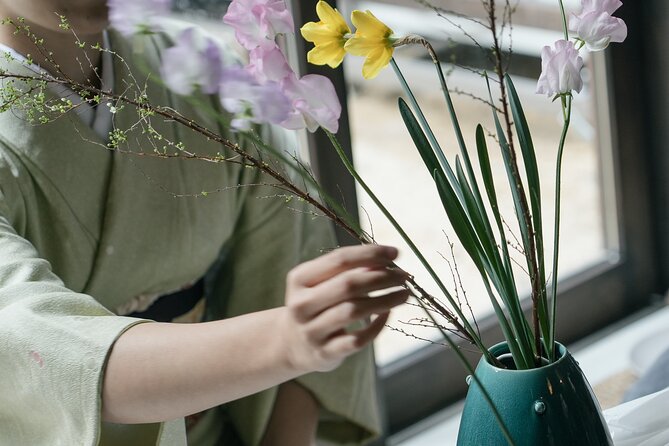
Ikebana is often translated as living flowers. That idea gives this class its center. You are not merely placing flowers into a container until the result looks full. You are asked to pay attention to the natural line of each stem, the direction of the leaves, and the empty space around the flowers.
That can feel very different from making a Western-style bouquet. A bouquet often aims for fullness and even color. Ikebana can use fewer flowers, with each one given a clear role. A bent stem may become the main line. A leaf may help create balance. An open area may be just as important as the flowers themselves.
I like this approach because it gives you something useful to watch for when you walk around Kyoto. A branch, a single flower, or an uneven line can become more interesting when you stop expecting nature to look perfectly symmetrical.
The lesson also connects with Japanese wabi-sabi aesthetics, which value simplicity, imperfection, and the passing nature of things. Fresh flowers change over time. Their petals open, their stems shift, and their colors soften. The point is not to freeze them in perfect condition, but to work with their natural character while you can.
More craft workshops in Kyoto:
- Kyoto : Chopsticks Making Workshop in Gion with Engraving Option
★ 5.0 · 958 reviews - Authentic knife making experience at a blacksmith in Kyoto
★ 4.8 · 350 reviews - Roketsu dyeing experience: M course Roketsu Dyeing Experience
★ 5.0 · 163 reviews
Mana’s two demonstrations set the tone
The class is taught in English by Mana, an ikebana instructor who begins with an explanation of the art before demonstrating two arrangements. The demonstrations are especially useful because ikebana can seem mysterious if you only see the finished result.
You get to watch how the flowers are selected and placed, rather than being handed stems and told to arrange them without context. Mana shows the basic principles through actual work, making it easier to understand why a flower might be cut, tilted, or placed away from the center.
The two styles taught are Moribana and Nageire. These are beginner-friendly forms, but they give you a useful look at two different ways to arrange flowers.
Moribana generally works with flowers arranged in a shallow container. It can suggest a low, open composition, with the stems creating lines across the space. Nageire uses a taller vessel and gives the flowers a more upright, free-flowing appearance. The class lets you see how the same general ideas of balance and natural movement can produce different results.
Mana’s demonstrations are followed by your own turn. This is where the class becomes more than a talk about Japanese art. You handle the flowers, make decisions, and discover that even a simple adjustment can change the whole arrangement.
Your 90-minute class, step by step
The meeting point is at Japan, 602-8287 Kyoto, Kamigyo Ward, Tanbayacho, 3481 Symphony Kitano Higashi. The activity ends back at that same meeting point, so you do not need to arrange a separate return transfer.
At the start, expect a short introduction to ikebana and its basic ideas. The class presents flower arranging as a way to give cut flowers a new life. That phrase is more than a poetic explanation. It tells you to look for what each flower can do naturally, rather than forcing every stem into the same shape.
Mana then demonstrates the two styles. This is the most important viewing portion of the class, especially if you have never tried ikebana. Watch how she creates space, how she considers the direction of a stem, and how the arrangement develops without becoming crowded.
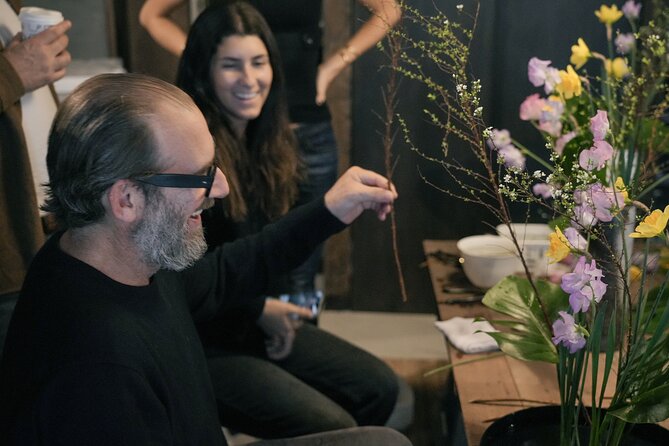
After the demonstrations, you create your own arrangements with seasonal flowers. You have flexibility in your choices, and Mana can help you as you work. The teaching style leaves room for personal expression, so your arrangement does not have to copy the instructor’s exactly.
A class of six or fewer is a real advantage here. Flower arranging involves small visual decisions, and it is easier to ask about a leaning stem or an awkward leaf when the instructor is not handling a large crowd. The small group also suits the quiet nature of the activity.
The session lasts approximately 1 hour and 30 minutes. That is enough time for an introduction, two demonstrations, and practical work, but not enough for an extended survey of every ikebana school or period. Plan on a concentrated beginner lesson rather than a full art-history course.
Why the seasonal flowers matter
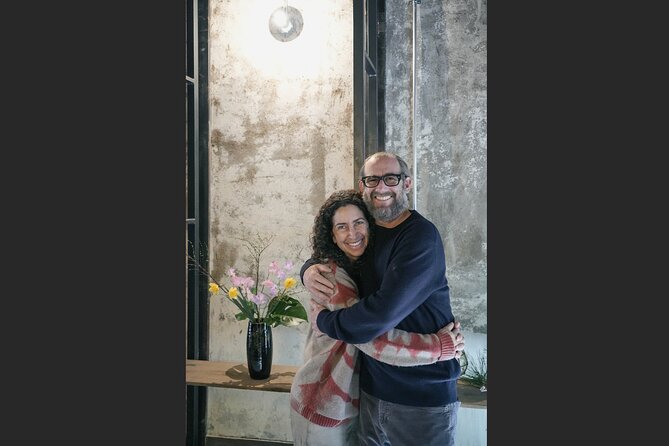
Seasonal flowers give the class a direct connection to the time of year in Kyoto. The exact flowers are not specified in the information provided, so you should not expect a fixed list. What you arrange will depend on what is available for the session.
That variety is part of the appeal. You may find that one stem has a strong curve, another has a delicate bloom, and a third offers an interesting leaf or branch. Instead of treating those differences as flaws, the lesson encourages you to use them.
This is also where the class feels practical. You learn tips for keeping flowers fresh, with arrangements that may last up to two weeks. The exact result will depend on the flowers and how you care for them, but the advice gives you something to take home beyond the finished display.
I would pay close attention during this part. Flower-care knowledge is easy to overlook when you are focused on the arrangement, yet it may be the most useful skill for your everyday life. A beautiful arrangement that fades quickly is less satisfying than one you can maintain for days.
A few more Kyoto tours worth putting on the shortlist
- PERFECT KYOTO 1-Day Bus Tour
★ 5.0 · 13,518 reviews - Kyoto: Fushimi Inari, Kinkakuji, Bamboo Grove 1 Day Bus Tour
★ 4.8 · 4,316 reviews - Kyoto: Tea Ceremony in a Traditional Tea House in Kiyomizu
★ 4.9 · 3,519 reviews - Kyoto Geisha Walking Tour: Gion District & Hidden Gems
★ 4.7 · 3,273 reviews
A quiet way to practice mindfulness
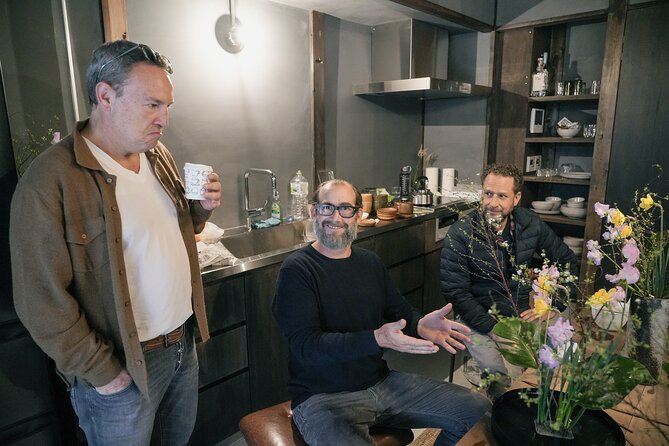
The class presents ikebana as a form of mindfulness. You work slowly, observe the material in front of you, and make one decision at a time. That can be a welcome change after busy sightseeing days in Kyoto.
You do not need to arrive with an artistic background. The process is based on observing the flowers and responding to them, not on producing a perfect object. If you are nervous about your creative ability, the instructor’s demonstrations help make the task approachable.
The mindfulness element is not a separate meditation session. It comes through the act of arranging. You are looking at the curve of a stem, the weight of a flower, and the amount of open space. For many people, that close attention is the relaxing part.
This also explains why the activity may suit couples or friends. One review describes a husband and wife enjoying the flexibility and having fun creating arrangements together. You can work side by side, compare choices, and still have enough personal space to make your own decisions.
The Kyoto home setting
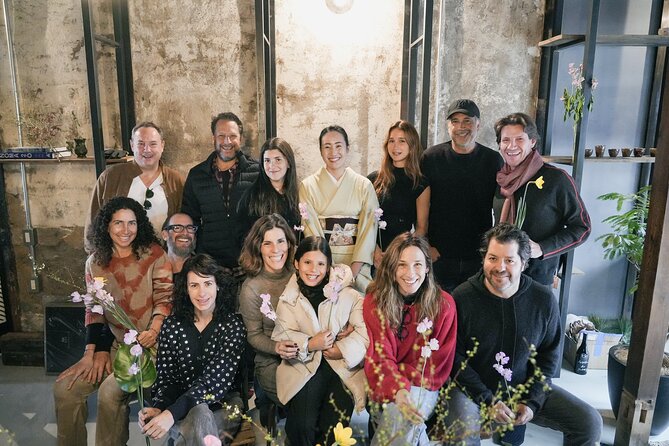
The class takes place at the stated meeting point in Kamigyo Ward, inside Symphony Kitano Higashi. One review describes the setting as a typical Japanese home, which may add a more personal feel than a large commercial studio.
That setting is appealing if you want an activity connected to daily Japanese culture rather than a standard sightseeing stop. You are learning a traditional art in a domestic environment, with flowers and simple tools as the focus.
At the same time, a home setting means you should pay close attention to the address and meeting instructions. The meeting point includes Japanese address details, and the class ends at the same place. One report described the instructor not appearing at the meeting point and being unreachable, while the other available feedback was strongly positive. Because of that conflicting experience, confirm the location and start time before you leave, and allow enough time to find the building.
The mobile ticket makes it easy to keep your booking available on your phone. Public transportation is nearby, though the supplied details do not identify a specific station, route, or walking time. I would use the exact address rather than relying on a general map pin.
What the price includes in practical terms
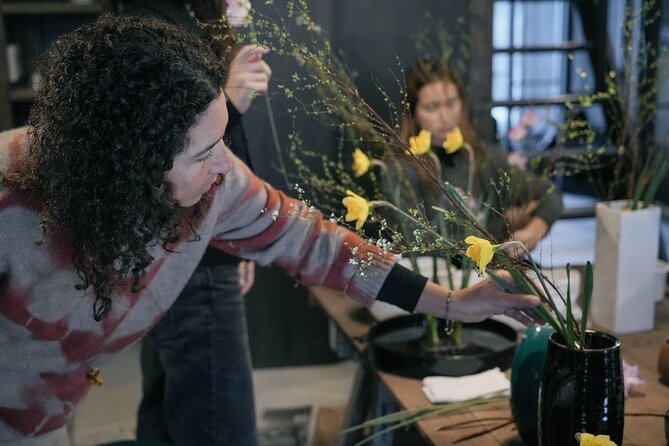
The listed price is $72.26 per person. For a 90-minute class, that is not a bargain activity in the same way as a free temple garden or a casual market visit. You are paying for instruction, seasonal flowers, a small group, and a hands-on cultural lesson.
The value depends on how you like to spend time in Kyoto. If you want a polished performance or a long lecture, this may feel too short. If you want to learn a skill and take part in the process, the price is easier to justify.
The small maximum group size matters here. A six-person limit gives the instructor a better chance to guide each arrangement. That personal help is more valuable in ikebana than in a simple demonstration because your final work depends on small choices that may not be obvious at first.
I also see value in the practical flower-care advice. You are not only watching someone else arrange flowers for an hour. You are learning a method you can repeat at home, even if you later use different flowers or a different container.
What the class does especially well
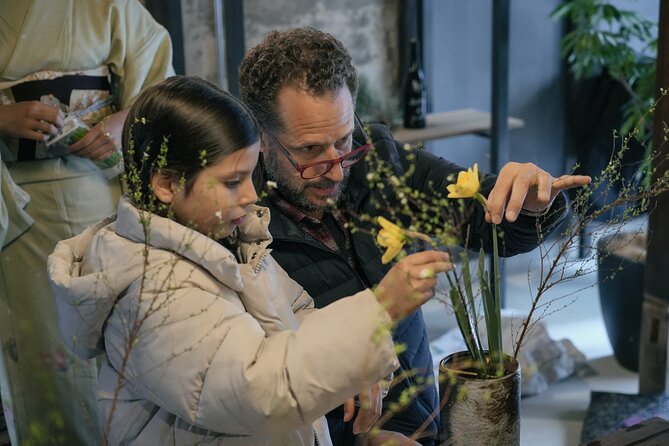
The strongest part of the experience is the balance between explanation and action. You receive an introduction and see two demonstrations, but most of the appeal comes from trying the art yourself.
Mana’s teaching receives particularly strong praise for being clear, pleasant, thorough, and flexible. That combination is useful for beginners. A rigid instructor might make the class feel like a test, while too little guidance would leave you unsure what to do. Here, the structure gives you a starting point while leaving room for your own arrangement.
The class also gives you more than one style in a short session. Learning Moribana and Nageire lets you compare a lower, more open approach with a taller arrangement. That contrast helps you understand ikebana as a group of methods, not one fixed look.
The setting is another strength. A Japanese home in Kyoto can make the activity feel connected to place, even though you are not visiting a famous sight. It is a simple cultural encounter, built around flowers, conversation, and making something with your hands.
The overall rating is 4.7 from 19 reviews, but I would focus less on the number than on what the class actually offers: personal instruction, seasonal materials, and a compact introduction to a 300-year-old art tradition.
Limits you should consider before booking
The main limitation is time. Ninety minutes sounds generous until you include the introduction, two demonstrations, questions, and your own arranging. You will get a useful beginning, but you will not cover every historical detail or all of ikebana’s different schools.
One person specifically wanted more discussion of ikebana history, the different schools, and basic rules. That is a fair expectation to consider. The instructor does explain the styles being taught, but the session is designed more as a practical beginner class than as a formal history lesson.
You should also know that the class may not suit someone who wants a totally unstructured craft activity. There are traditional techniques and ideas to learn, so you will receive guidance rather than simply choosing flowers and making any arrangement you like.
The missed-meeting report is the one serious concern in the available feedback. It is not enough to dismiss the activity, especially given the otherwise strong response, but it is enough to make careful planning sensible. Keep your phone charged, have the address ready, and confirm the meeting information before heading out.
Who will enjoy this Kyoto activity most?
I would recommend this class to you if you enjoy hands-on cultural activities, small groups, and learning a skill you can repeat at home. It works particularly well for couples, friends, and solo visitors who want a calm break from temples and major sights.
It is also a good choice if you are interested in Japanese aesthetics but do not want a purely visual visit. You get to think about simplicity, space, and natural form while working with real flowers.
Families may appreciate the practical format, though the provided information does not specify a minimum age or child policy. Since the class requires concentration and careful handling of flowers, check the booking details if you plan to bring children.
I would choose something else if your priority is a long lecture, a large selection of ikebana schools, or a detailed historical survey. This is a focused introduction with practical instruction, not an academic course.
Should you book the Kaeribana ikebana class?
Book it if you want to slow down, work with seasonal flowers, and learn directly from Mana in a group capped at six people. The two styles, Moribana and Nageire, make the 90-minute class more useful than a single quick demonstration, and the flower-care advice gives the experience value after you leave.
Skip it if you are looking for a major sightseeing attraction or a long lesson on ikebana history. Also take the meeting-point concern seriously and verify the address before you go.
For the right visitor, this is a thoughtful Kyoto activity: quiet, practical, and rooted in a Japanese art that asks you to see beauty in the natural shape of things.
FAQ
Where does the ikebana class take place?
The meeting point is Japan, 602-8287 Kyoto, Kamigyo Ward, Tanbayacho, 3481 Symphony Kitano Higashi. The activity ends back at the meeting point.
How long does the class last?
The class lasts approximately 1 hour and 30 minutes.
Who teaches the class?
The class is taught in English by Mana, an ikebana instructor.
Which ikebana styles will I learn?
Mana demonstrates and teaches Moribana and Nageire, two traditional beginner ikebana styles.
How many people can join the class?
The activity has a maximum of six participants.
Are flowers included in the experience?
The class uses seasonal flowers for the arranging activity.
Will I learn how to keep the flowers fresh?
Yes. The class includes practical tips that may help fresh flowers last up to two weeks.
What is the cancellation policy?
You can cancel up to 24 hours before the experience start time for a full refund. Cancellations or changes made less than 24 hours before the start time are not accepted for a refund.
Newest Kyoto experiences on the site
- Treasures of Kyoto: Gion & historical Walking Tour★ 5.0 · 6 reviews
- Whisk Your Own Matcha: A Zen Matcha Experience at Temple★ 3.6 · 7 reviews
- Uji: Private immersion into Kyoto’s tea and reglious culture★ 5.0 · 17 reviews
- Kyoto tea town for matcha lovers★ 5.0 · 16 reviews
- Kyoto Matcha Green Tea Tour★ 4.5 · 23 reviews
- Uji and Wazuka Matcha Farm Half Day Private Guided Tour★ 5.0 · 21 reviews
- Utilising upcycled Matcha! Creating matcha incense (Uji, Kyoto)★ 5.0 · 6 reviews
- Sacred Temple Yoga Experience in Japan★ 5.0 · 3 reviews
Kyoto Craft Workshops, compared.
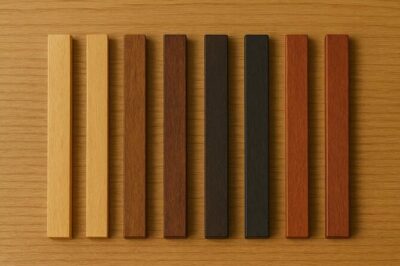
Chopsticks Making Workshop in Gion with Engraving Option
Read our review →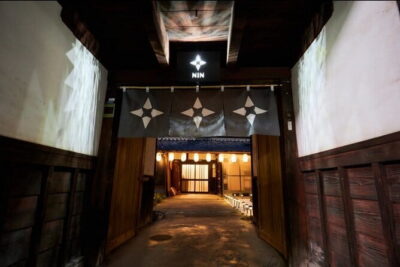
Authentic knife making experience at a blacksmith in Kyoto
Read our review →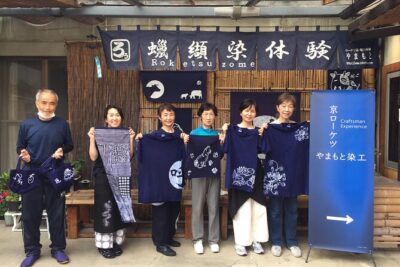
Roketsu dyeing experience: M course Roketsu Dyeing Experience
Read our review →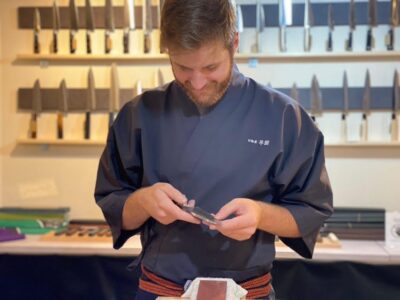
Beginner Knife Sharpening & Handle Fitting Workshop
Read our review →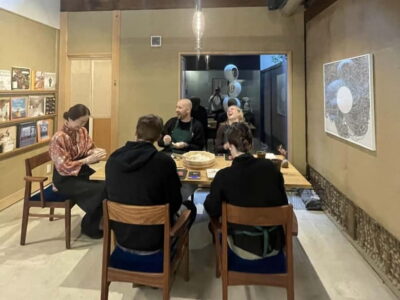
Japanese Archery Workshop with Experienced Instructor
Read our review →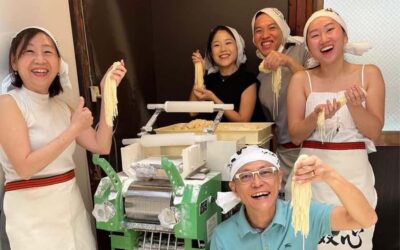
Kyoto Michelin Ramen Workshop or Painting Ramen Essentials
Read our review →
Browse the lists this tour appears in