
Reviewed · KYOTO RAMEN EXPERIENCES
Private Ramen or Gyoza Cooking Class in Kyoto with Chef Midori
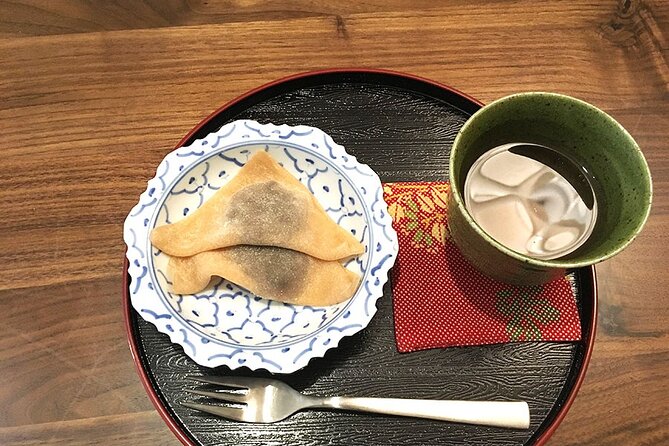
The best part of this Kyoto experience is its personal scale. You cook in Chef Midori’s home studio, not a busy demonstration kitchen, and her more than 30 years of teaching show in the clear, hands-on guidance. The class begins with Japanese tea and an introduction to soy sauce, mirin, sake, and miso.
I like two things especially: you can choose a menu that fits your appetite and diet, and you get time with Midori beyond the recipes. She offers advice on food shopping, restaurants, souvenirs, and even dinner reservations. The main drawback is the price, $169 per person, which is a serious spend for a 2.5-hour class.
Five things to know before you book
- Chef Midori teaches in a private home studio: Only your party takes part, so you can ask questions without keeping up with a large group.
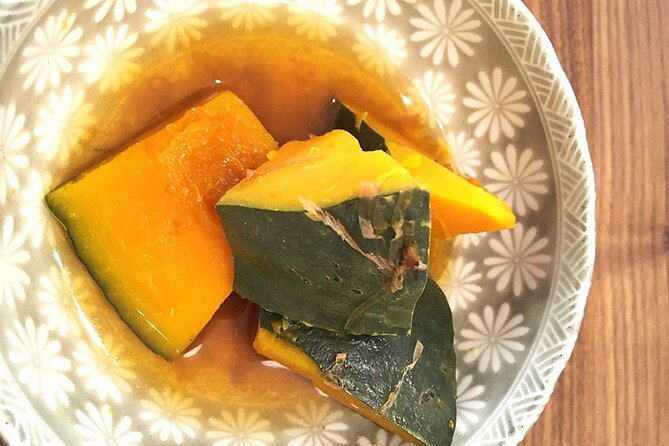
- You choose from five set menus: Options include ramen or gyoza, along with sushi, teriyaki chicken, tonkatsu, and Kansai street foods.
- The cooking lasts about 1.5 hours: The remaining time is used for tea, conversation, and eating what you prepare.
- Dietary needs can be handled with advance notice: Vegetarian, vegan, kosher, and halal options are available.
- The meal comes with Kyoto advice: Midori shares local restaurant and shopping suggestions during the meal.
- A cat lives in the home: It stays upstairs and does not enter the kitchen or dining area.
A private Kyoto kitchen instead of a crowded class
This is the sort of activity that lets you see a little of daily Japanese food culture, not just taste the finished product. You meet at a local home cooking studio near Gion, at 7-13 Chudoji Mibukawacho in Kyoto’s Shimogyo Ward. The experience ends at the same meeting point.
The private format matters. You are not standing shoulder to shoulder with a large group while trying to see a chef’s hands. Midori can slow down, answer your questions, and adjust the lesson to your interests. That makes this a good choice for couples, families, and small groups who want conversation along with cooking.
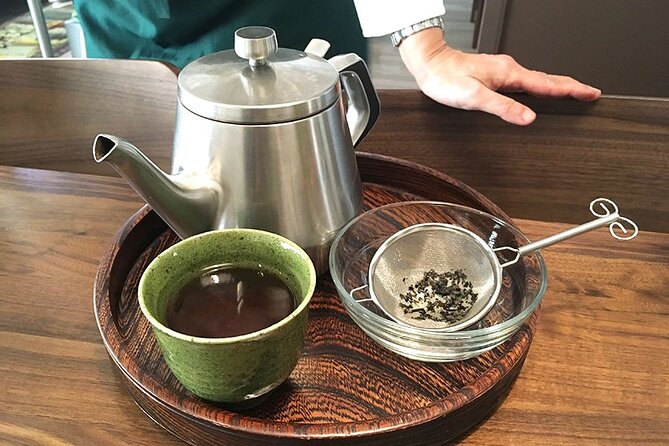
The setting is informal. Midori welcomes you with a traditional Japanese tea before moving into the practical foundations of home cooking. You get an introduction to ingredients such as soy sauce, mirin, sake, and miso, which helps explain the flavors you will use during the lesson.
I would not book this expecting a restaurant-style kitchen or a polished culinary school production. The appeal is the home setting and the direct contact with one teacher. If you prefer a formal class with professional equipment, a larger menu, or a certificate, this may feel modest.
More ramen nights in Kyoto:
- Ramen Cooking Class at Ramen Factory in Kyoto
★ 5.0 · 1,937 reviews - Kyoto: Ramen Cooking Class at a Ramen Factory with Souvenir
★ 4.9 · 532 reviews - Kyoto: Ramen, Gyoza, and Onigiri Cooking Class
★ 5.0 · 445 reviews
Choosing between ramen, gyoza, sushi, and more
You need to choose one of five set menus when you book and place that choice in the special requirements section. The available menus include ramen or gyoza, plus dishes such as teriyaki chicken, sushi, tonkatsu, and Kansai street snacks.
The gyoza option is a natural fit if you want a hands-on activity. Dumplings involve shaping and filling, so you get a useful lesson in technique rather than simply watching a pot simmer. Ramen offers a different kind of appeal, especially if you want to understand the components of a familiar Japanese comfort food.
Tonkatsu, a breaded pork cutlet, gives you a chance to work with a classic home-style dish. One class participant prepared tonkatsu and miso soup, a combination that offers a good look at a simple Japanese meal. The teriyaki menu should suit you if you want a familiar flavor profile that is easy to repeat at home.
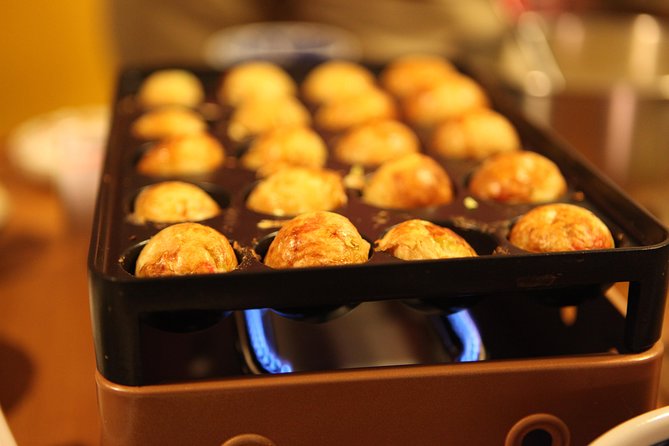
Sushi may attract you if presentation and preparation interest you most. The Kansai street-food option includes gyoza, takoyaki, or okonomiyaki, three foods with a strong connection to casual Japanese eating. Takoyaki contains octopus, while okonomiyaki is a savory pancake. If you have a clear preference, make it known before the class rather than waiting until you arrive.
Vegetarian and vegan menus are available. Kosher and halal requests can also be accommodated if you provide the information in advance. This is important because the class uses traditional Japanese ingredients, and some sauces or cooking liquids may need to be adjusted.
What happens during the 2.5-hour visit
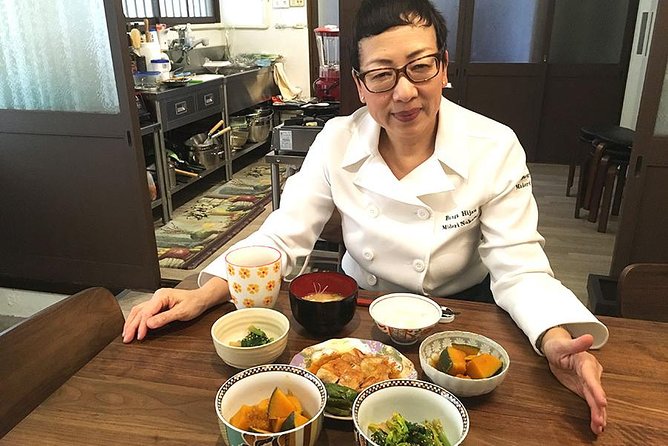
The full experience lasts about two and a half hours. The cooking portion takes roughly 90 minutes, followed by a shared meal. The timing gives you enough room to work at a relaxed pace rather than rush from one recipe to another.
Tea and a look at Japanese pantry basics
Your visit starts with tea and a welcome from Midori. She introduces the core ingredients used in Japanese home cooking, including soy sauce, mirin, sake, and miso. This opening is useful because these items can look interchangeable to a first-time visitor, but they play different roles in flavor and balance.
This is also your chance to explain what you want from the class. You can ask about cooking techniques, ingredients, or dishes you hope to make at home. Midori has taught Japanese cooking for more than 30 years, so the lesson is built around practical use rather than food trivia alone.
More cooking classes in Kyoto:
- Kyoto: Japanese Washoku Bento Small Group Cooking Class
★ 5.0 · 380 reviews - Kyoto Ramen and Gyoza Cooking Class with Professional Chefs
★ 5.0 · 282 reviews - Kyoto: Afternoon Japanese Izakaya Cooking Class
★ 4.9 · 241 reviews - Izakaya Style Cooking Class
★ 5.0 · 219 reviews
Demonstration and hands-on cooking
Midori combines demonstrations with your own cooking. She shows a technique, then guides you as you try it. In a private class, you can ask for a second explanation or have her check your work without feeling you are holding up a roomful of people.
The recipes are chosen to be manageable at home. That does not mean the class is shallow. You still work with traditional ingredients and methods, but the focus stays on dishes you can reasonably repeat after returning home.
One particularly useful feature is the chance to record parts of the lesson. A honeymooning couple reported that Midori allowed them to record the instruction for future use. It is sensible to ask permission before filming, but this can turn the class into a practical reference rather than a one-time memory.
Eating what you prepared
After cooking, you sit down and eat the dishes you made. This is more than a reward at the end. Tasting the finished meal helps you understand how the separate ingredients and techniques fit together.
The shared meal also gives the class a social rhythm. You are not pushed out as soon as the cooking ends. Midori uses this time to talk about Kyoto restaurants, food shopping, souvenirs, and places to visit elsewhere in Japan. She has also helped participants with dinner reservations, which can be useful if you are trying to plan a special evening.
Why Midori makes this more than a recipe lesson
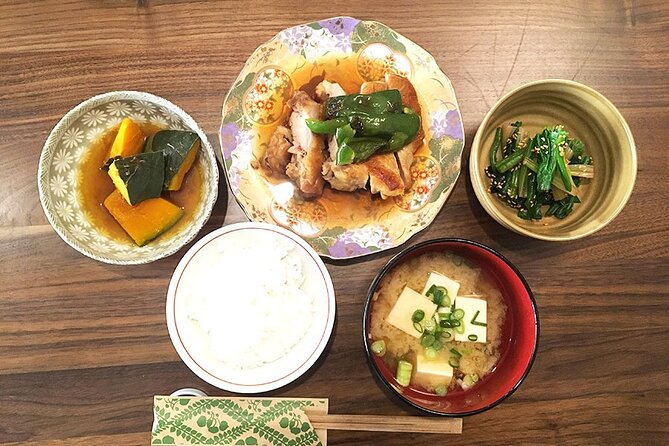
Midori’s greatest strength is her personal approach. She is described as warm, funny, and quick to treat people like old friends. That tone suits a home-based class, where a stiff or overly formal teacher could make the setting uncomfortable.
She also pays attention to your interests. If you are curious about where to eat, she can point you toward local restaurants. If you want to shop for Japanese ingredients, she can offer practical suggestions. If you are planning several stops around Japan, you can ask for ideas beyond Kyoto.
The advice is one reason I see value here beyond the food itself. A cooking class at home gives you contact with someone who knows the city as a resident, not only as a guide moving from one landmark to the next. You should still treat restaurant suggestions as personal recommendations, not a guarantee that every choice will suit your taste.
The lesson also works well for people who do not consider themselves serious cooks. Midori’s teaching style is interactive, and the menus use simple recipes that are intended to be repeated. You can focus on learning one or two useful techniques rather than trying to master an entire cuisine in one afternoon.
The location, meeting point, and practical timing
The meeting point is in Kyoto’s Shimogyo Ward, near public transportation and described as near Gion. You should allow time to find the address at 7-13 Chudoji Mibukawacho, especially if you are navigating Kyoto by train or bus for the first time.
The activity begins and ends at the same location. That makes planning easier, since you do not need to arrange a second pickup point after the meal. The mobile ticket is convenient, and confirmation is provided when you book.
Because the class is private, the experience is limited to your own party. This is ideal if you want to ask many questions or have different cooking abilities in the same group. Families can work at their own pace, and couples get a quieter activity than a standard group food tour.
A cat lives in the home, but it remains upstairs and does not enter the kitchen or dining area. If you have a serious allergy, you should consider this detail before booking, even though the animal is kept away from the class area.
Service animals are allowed. The studio is near public transportation, but the information provided does not specify a step-free route or detailed accessibility arrangements. If you need particular access features, ask before booking.
Is $169 per person a fair price?
At $169 per person, this is not a budget meal or a quick market demonstration. You are paying for a private class, a meal, direct instruction from an experienced teacher, and roughly two and a half hours of personal time.
The price makes more sense for two or more people who will use the private format fully. If you ask questions, discuss ingredients, take notes, and make use of Midori’s Kyoto advice, you receive more than a plate of food. You are also buying a quieter setting and a lesson shaped around your party.
The value is weaker if you mainly want to eat ramen or gyoza. Kyoto has many less expensive places to enjoy those foods, and a restaurant meal will take much less time. This class earns its price through participation and personal contact, not through the cost of the ingredients.
I would compare it with the price of a private guide or a high-end meal. It does not replace either one, but it combines food, conversation, and local advice in a single visit. For a honeymoon, a family celebration, or a food-focused Kyoto itinerary, that combination may be worth the extra cost.
Who will enjoy this class most
This experience suits you if you want to learn by doing. It is especially useful for:
- Couples who want a relaxed activity with plenty of conversation
- Families looking for a private experience rather than a large group class
- Home cooks who want recipes they can repeat
- First-time visitors who want restaurant and food-shopping advice
- Vegetarians, vegans, and people with kosher or halal requirements who arrange their needs in advance
- Anyone curious about Japanese pantry ingredients and home-style meals
It is less suitable if you want a fast, highly polished cooking show, a large selection of dishes, or a professional culinary qualification. The private home setting is central to the appeal, so you should be comfortable with a casual, personal environment.
The class also asks you to make a menu choice in advance. That is helpful for planning, but it limits the chance to sample many different foods. If you are torn between ramen, gyoza, sushi, and street food, decide which skill or meal you most want to take home.
Cancellation and booking details worth noting
You receive confirmation at booking, and the activity offers free cancellation up to 24 hours before the local start time. Cancellations made less than 24 hours before the start are not refunded, and late changes are not accepted.
Give advance notice for dietary restrictions and select your preferred menu when you book. This is especially important for vegan, vegetarian, kosher, and halal meals. You should also mention any questions about the home setting, the cat, or access needs before the day of the class.
My call: book it if the lesson matters as much as the meal
I would book this class if you want a personal Kyoto memory built around food, conversation, and practical skills. Midori’s long teaching experience, private studio, flexible menus, and willingness to share local advice make the experience more useful than a simple cooking demonstration.
I would skip it if $169 feels too high for a meal and a short lesson, or if you prefer to sample many dishes at restaurants. For everyone else, especially couples and small groups who enjoy cooking, this is a strong way to spend an unhurried two and a half hours in Kyoto.
FAQ
How long does the cooking class last?
The full experience lasts approximately 2 hours and 30 minutes. The cooking session takes about 1.5 hours, followed by a shared meal.
Where does the class take place?
The class takes place at a local cooking studio near Gion in Kyoto. The meeting point is Japan, 600-8806 Kyoto, Shimogyo Ward, Chudoji Mibukawacho, 7-13.
Which dishes can I choose to prepare?
You choose from five set menu options. Available choices include ramen or gyoza, teriyaki chicken, sushi, tonkatsu, and Kansai street foods such as takoyaki and okonomiyaki.
Are vegetarian and vegan options available?
Yes. Vegetarian and vegan options are available. Kosher and halal options can also be arranged if you provide notice when booking.
Is this a private cooking class?
Yes. Only your own group participates in the activity, allowing for personal instruction from Chef Midori.
Does a cat enter the cooking area?
A cat lives in the home but remains upstairs during the class. It does not enter the kitchen or dining area.
Can I cancel for a refund?
You can cancel for a full refund up to 24 hours before the experience’s local start time. Cancellations or changes made less than 24 hours before the start are not accepted or refunded.
Newest Kyoto experiences on the site
- Treasures of Kyoto: Gion & historical Walking Tour★ 5.0 · 6 reviews
- Whisk Your Own Matcha: A Zen Matcha Experience at Temple★ 3.6 · 7 reviews
- Uji: Private immersion into Kyoto’s tea and reglious culture★ 5.0 · 17 reviews
- Kyoto tea town for matcha lovers★ 5.0 · 16 reviews
- Kyoto Matcha Green Tea Tour★ 4.5 · 23 reviews
- Uji and Wazuka Matcha Farm Half Day Private Guided Tour★ 5.0 · 21 reviews
- Utilising upcycled Matcha! Creating matcha incense (Uji, Kyoto)★ 5.0 · 6 reviews
- Sacred Temple Yoga Experience in Japan★ 5.0 · 3 reviews
Kyoto Ramen Experiences, compared.
Ramen Cooking Class at Ramen Factory in Kyoto
Read our review →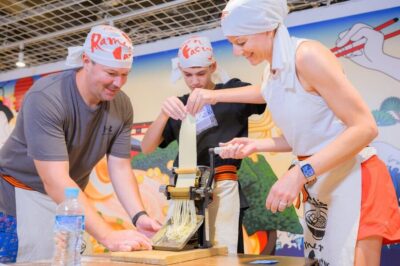
Ramen Cooking Class at a Ramen Factory with Souvenir
Read our review →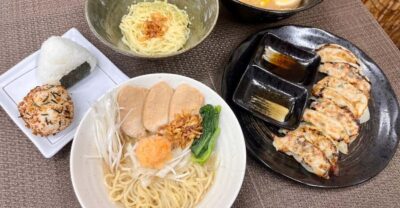
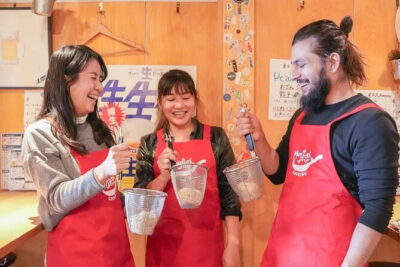
Kyoto Ramen and Gyoza Cooking Class with Professional Chefs
Read our review →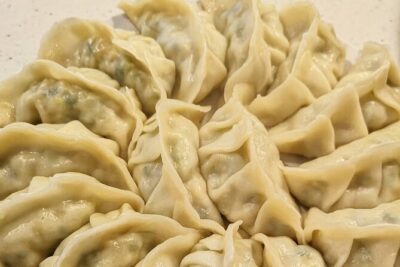
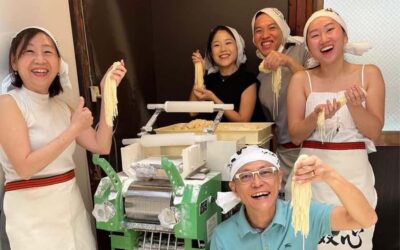
Kyoto Michelin Ramen Workshop or Painting Ramen Essentials
Read our review →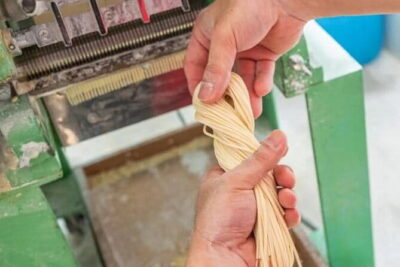
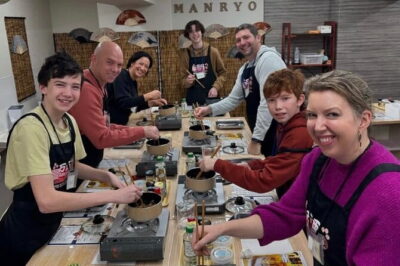
Ramen Gyoza Onigiri Japanese Cooking Class in Kyoto
Read our review →Browse the lists this tour appears in