
Reviewed · FUSHIMI INARI TOURS
Japanese Sake Breweries Tour in Fushimi Kyoto
Fushimi is one of Japan’s best places to learn how sake is made, and this walking tour gives you far more than a single brewery visit. You move through old brewing streets, taste several styles, and see how water, rice, yeast, and careful timing shape the drink. I especially like the visit to the Gekkeikan Okura Sake Museum and the chance to compare sake at more than one stop.
I also like the guides’ personal connection to the subject. Bob has worked in a brewery, while Marin and Nakai have been praised for friendly, clear explanations and local insight. The main drawback is the pace: six stops in about three hours means some visits are fairly short, and the ¥1,500 boat ride is not included.
Key points to know before booking
- Three hours in Fushimi: You walk between historic sake sites, canals, shops, and tasting rooms rather than staying in one brewery.
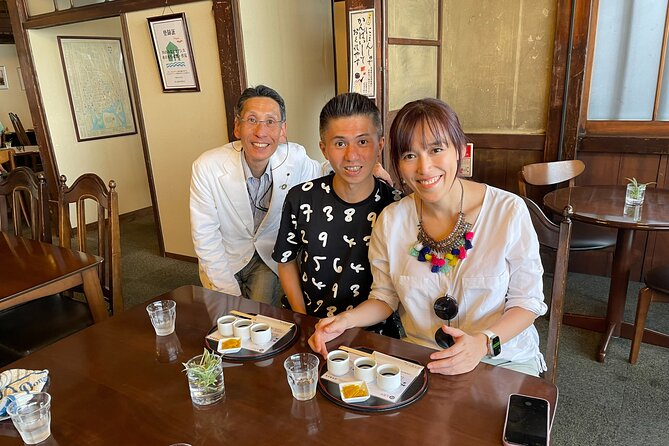
- Several kinds of tasting: The package includes two three-sake tastings, Kyoto beer, sake ice cream, and a commemorative cup.
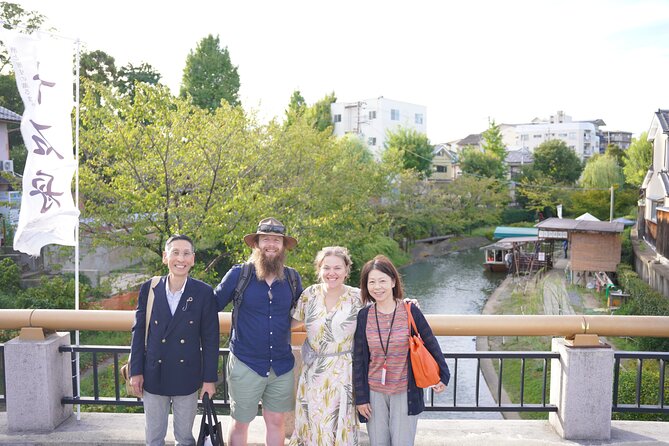
- A guide makes the difference: Bob, Marin, Nakai, and other guides explain production and local customs in English.
- Historic Gekkeikan connection: You visit a museum in a roughly 200-year-old wooden brewery building and learn about a company founded in 1637.
- Boat ride is optional: The Fushimi Jikkoku-bune stop is scenic, but the ¥1,500 boarding fee is extra.
- Small group format: The group is limited to 15 people, with most of the walking outdoors.
Why Fushimi is the right place for a sake tour
Fushimi is not simply a Kyoto neighborhood with a few tasting counters. It has long been tied to sake production, helped by its brewing water and its position along waterways linking Fushimi with Osaka. That setting gives the tour a useful sense of place.
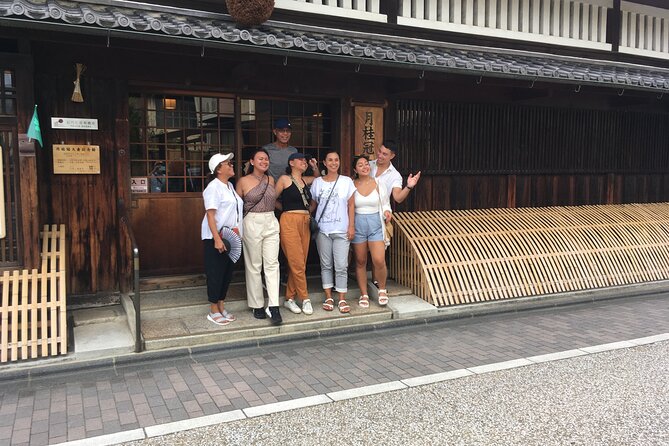
I like that you are not rushed straight into a tasting room. The route introduces the district through old buildings, canals, a former transport route, and brewery displays. You begin at Chushojima Station at 1 p.m. and finish at Fushimi Otesuji Shopping Street, so the experience also works as an afternoon introduction to southern Kyoto.
The walking is part of the lesson. You see how sake is connected to local commerce, shipping, food, souvenirs, and neighborhood life. The streets are not just a backdrop for drinking. They explain why Fushimi became important in the first place.
The tour has a maximum of 15 people, which is a sensible size for tastings. You can ask questions without needing to shout across a large group. Still, the schedule is tight, and the total time at each location varies from 15 to 45 minutes.
More ways to walk the Fushimi Inari gates:
- Kyoto: Fushimi Inari, Kinkakuji, Bamboo Grove 1 Day Bus Tour
★ 4.8 · 4,316 reviews - Fushimi Inari Hidden Hiking Tour (Private Option Available)
★ 5.0 · 1,750 reviews - Osaka/Kyoto:Kinkakuji,Arashiyama,FushimiInariShrine,NaraPark
★ 4.1 · 1,596 reviews
Gekkeikan Okura Sake Museum: the strongest opening stop
The Gekkeikan Okura Sake Museum gives the tour its clearest introduction to sake. The building retains an original wooden brewery structure from about 200 years ago, so you learn about production inside a setting tied to the trade itself.
Gekkeikan was established in 1637, a fact that adds useful context to the company’s long place in Fushimi. The museum helps connect the modern bottle in your hand with older brewing methods and the tools used before large-scale industrial production.
One detail I particularly like is the well in the courtyard. It supplies Fushimizu, the local water used in sake brewing, and you can drink from it. Water is easy to overlook when people talk about sake, yet it is one of the basic ingredients that affects the final drink.
You get a tasting set of three sakes here, along with a commemorative sake cup. That makes this more than a museum stop. You can look at the brewing process, hear the explanation from your guide, and then compare drinks while the information is still fresh.
Allow about 45 minutes. If you want a detailed technical lesson on every stage of production, the time may feel limited. The advantage is that the museum gives you a clear foundation before the later tastings.
Canals and Jikkoku-bune boats
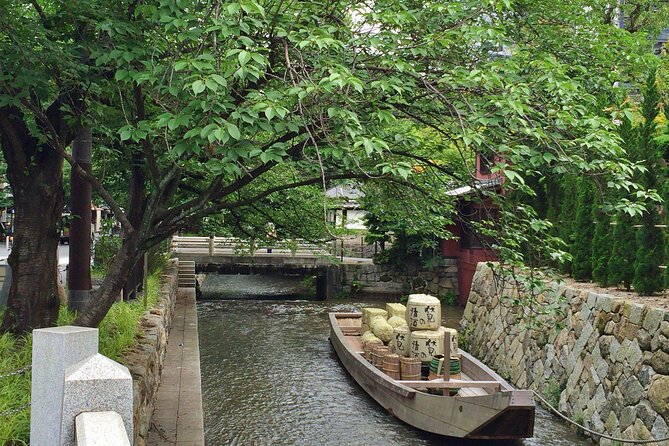
The Fushimi Jikkoku-bune stop shifts the focus from brewing to transport. These boats once carried goods between Fushimi and Osaka from the Edo period through the end of the Meiji period. That makes the canal area an important part of the sake district, since production depended on moving supplies and finished products.
The stop lasts about 15 minutes, and the boat boarding fee is separate. The price is ¥1,500 per person. The tour does not include the ride, so you should treat it as an optional extra rather than a promised part of the package.
I would not book this tour solely for the boat. The route includes the boarding point and explains its role, but the main value is the sake and brewery visits. If the boat is running and you want a quieter view of the waterways, the ride could add something worthwhile. If you are watching your budget or prefer more tasting time, you can skip it.
Fushimi Yume Hyakushu and the former Gekkeikan shop
Fushimi Yume Hyakushu occupies the former main store of Gekkeikan, built more than 100 years ago. Today it works as a shop and café, with Kyoto liquor and souvenirs on offer.
This stop helps you see sake as part of everyday regional culture. You are not only learning how the drink is produced. You are seeing how it is sold, presented, and paired with local food products.
The included sake ice cream is a small but memorable touch. It gives you a different way to think about sake’s flavor, especially if you are still deciding which styles you like. Do not expect a long café break here. The scheduled time is about 20 minutes, so you will have enough time for the included snack and a quick look around.
Because extra food and drinks are not included, budget for anything else you want to order. The tour gives you a sample, not a full meal.
More sake tastings in Kyoto:
- Kyoto Night Foodie Tour in Gion (9+ dishes + 6 Sake tastings)
★ 5.0 · 1,762 reviews - 3-Hour Kyoto Insider Sake Brewery Tour with Tastings & Pairings
★ 5.0 · 917 reviews - Arashiyama Bamboo, Temple, Monkeys, or Secret Sake Brewery
★ 4.8 · 886 reviews - Kyoto: Insider Sake Brewery Tour with Sake and Food Pairing
★ 5.0 · 704 reviews
Kizakura’s Kappa Gallery and Kyoto beer
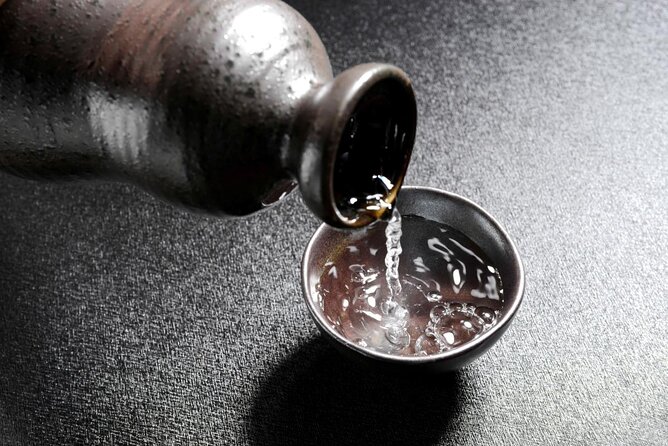
At the Kappa Gallery, you learn about Kizakura, a brewery known for its sake advertising featuring kappa characters. The stop also covers the company’s role as the first Kyoto producer of local beer.
This is a useful change of pace. Sake remains the main subject, but the addition of beer shows that Fushimi’s brewing culture is not frozen in the past. You receive one glass of Kyoto Beer, giving you a direct comparison between a local beer and the sake tasted elsewhere.
The visit lasts about 30 minutes and is included in the price. The gallery and brewery information should appeal to you if you enjoy branding and popular culture as much as production methods. The kappa theme gives the stop a lighter feel after the more traditional museum visit.
The schedule may not allow for a long beer tasting or extensive food order. Additional eating and drinking at each brewery or restaurant cost extra, so think of the included glass as a sample.
Fushimi Sake Village: a short stop with many choices
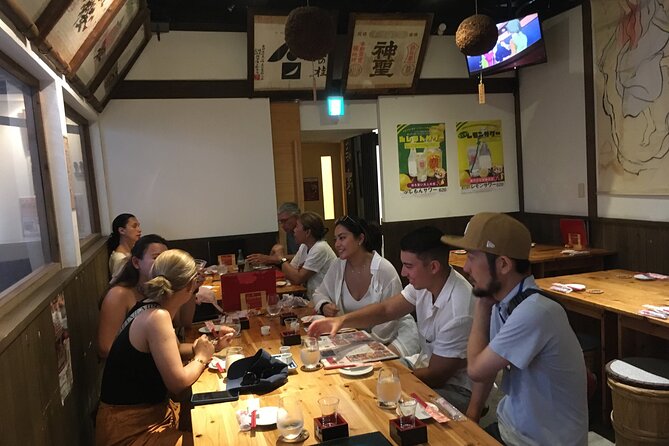
Fushimi Sake Village is described as a sake theme park, with local Fushimi sake and dishes from across Japan. It opened in 2016 and has support from 17 breweries belonging to the Fushimi Sake Brewers Association.
The idea is appealing because it gathers many regional labels in one place. If you want to understand how different Fushimi producers compare, this can point you toward bottles or styles to seek out later.
The scheduled stop is only 15 minutes, however. I would view it as an orientation stop rather than a full meal or extended tasting. You may find plenty to interest you, but you will not have time to inspect every option.
Food and drinks here are not included. Keep the short timing in mind before buying anything substantial. The tour’s included tastings come at other stops, while this location gives you a quick look at the wider local sake scene.
The final tasting at Aburacyo
The tour ends in Fushimi Otesuji Shopping Street at Aburacyo. This is where the experience delivers its broadest sake comparison.
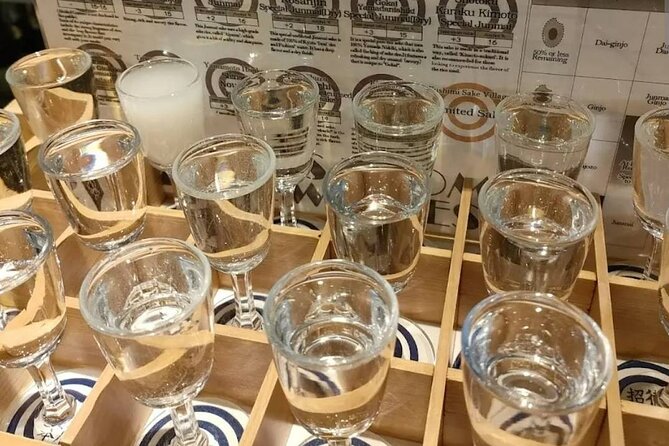
Aburacyo offers more than 100 types of sake, with an emphasis on ginjo and daiginjo from all 18 Fushimi breweries. You receive a tasting set of three Japanese sakes. After visiting the museum and Kizakura, you now have enough background to notice differences in aroma, sweetness, body, and finish.
This final stop is also practical. If you discover a bottle you like, the shopping street gives you a chance to continue looking around after the tour ends. Your guide can direct you toward the nearest station, or you can stay for shopping.
I like this ending because it leaves you with a choice rather than a fixed final attraction. The tour teaches you how to taste, then places you in a shop with a wide range of local options. Just remember that extra bottles, food, and drinks are your own expense.
What the $109.46 price includes
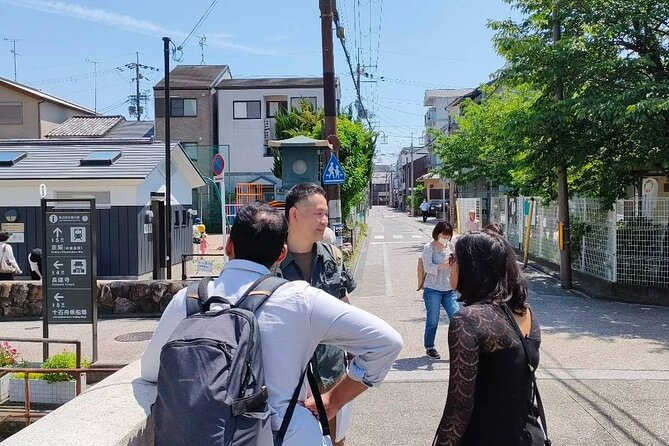
At $109.46 per person, the tour is not a bargain if you measure it only by the number of drinks. It becomes better value when you count the guide, museum admission, several structured tastings, the Kyoto beer, sake ice cream, and the route through six different locations.
Included items are:
- Admission to the Gekkeikan Sake Brewery Museum
- Three-sake tasting at Gekkeikan
- Three-sake tasting at Aburacyo
- One glass of Kyoto Beer
- A commemorative Gekkeikan sake cup
- Sake ice cream at Café Yume Hyakushu
The boat costs extra, as do additional food and drinks. You should also avoid planning to drive afterward. The point of the tour is to compare drinks at several stops, and the safest plan is to use public transport.
The package makes the most sense for someone who would otherwise pay for several separate tastings and still need to arrange the route. It is less attractive if you want a formal sit-down meal, a long boat ride, or a full technical brewing class.
Guides and the quality of the explanation
The guide is central to this experience. The best comments focus on clear English, friendly conversation, and practical knowledge of both brewing and local customs.
Bob has worked in a sake brewery, which gives him a useful understanding of production and the differences between styles. He has also been praised for making the tour easy to follow and for taking people to places they might not have found alone.
Marin has been described as a local guide who can discuss Japanese customs as well as sake. Nakai and his wife have also led a highly personal version of the experience, including Kizakura Kappa Country and a brewery tasting.
Guide assignments can vary, so you should not assume a specific person unless the booking information confirms it. What matters is the format: a small group, stops where questions are welcome, and explanations that connect what you taste with what you see.
Weather, walking, and timing
The tour starts at 1 p.m. and lasts about three hours. Much of it takes place outside, so Kyoto’s summer heat matters. August temperatures can rise above 35 degrees Celsius. Bring water, use sun protection, and consider a parasol.
The experience is near public transportation, begins at Chushojima Station, and ends at Fushimi Otesuji Shopping Street. That makes it manageable for most people, but you should still expect regular walking between stops.
The route is not designed as a leisurely half-day with long breaks. Several stops last 15 to 30 minutes, so comfortable shoes and a willingness to keep moving will help. Most people can participate, but the outdoor format is worth considering if hot weather is difficult for you.
Free cancellation is available up to 24 hours before the start time. Last-minute changes are not accepted, and poor weather or too few bookings can lead to a different date or a full refund.
Who should book this Fushimi sake walk?
I would recommend it if you are curious about sake but do not know how to begin. The tastings are structured, the guide explains what you are seeing, and the route gives you enough variety to discover whether you prefer ginjo, daiginjo, or another style.
It also suits couples and small groups who want an afternoon activity with food and drink but do not want to spend the entire day at a single attraction. The combination of museum, canals, old commercial buildings, beer, and shopping keeps the experience from becoming repetitive.
You may want to choose something else if you dislike alcohol, need a full meal, or prefer to explore at your own speed. The itinerary is fairly fixed, and the optional boat ride and extra purchases increase the total cost.
Should you book it?
Book this tour if you want a guided introduction to Fushimi that combines sake education with real neighborhood history. The strongest parts are the Gekkeikan museum, the two three-sake tastings, and the guides’ ability to explain production in plain English.
I would skip it only if you want an unhurried brewery visit or a longer boat excursion. For most sake-curious visitors, the price is reasonable because it covers admission, tastings, transport-free walking between several sites, and a guide who can turn unfamiliar labels into something you can understand.
FAQ
How long is the Japanese Sake Breweries Tour in Fushimi?
The tour lasts approximately three hours.
Where does the tour begin?
It begins at Chushojima Station in Fushimi Ward, Kyoto.
What time does the tour start?
The scheduled start time is 1 p.m.
Where does the tour end?
It ends at Fushimi Otesuji Shopping Street. The guide can direct you to the nearest station after the tour.
How many people can join the tour?
The maximum group size is 15 people.
Is the Gekkeikan Sake Brewery Museum admission included?
Yes. Admission to the Gekkeikan Sake Brewery Museum is included.
Are sake tastings included?
Yes. The package includes a three-sake tasting at Gekkeikan and another three-sake tasting at Aburacyo.
Is the Fushimi Jikkoku-bune boat ride included?
No. The boarding fee is separate and costs ¥1,500 per person.
What other items are included?
The tour includes one glass of Kyoto Beer, a commemorative Gekkeikan sake cup, and sake ice cream at Café Yume Hyakushu.
Can I cancel for a full refund?
Yes, if you cancel at least 24 hours before the scheduled start time. Changes or cancellations made less than 24 hours ahead are not refunded.
More Bars and Sake Stops in Kyoto
- Kyoto: Izakaya Bars Guided Walking Tour
★ 4.9 · 815 reviews - Kyoto Bar Hopping Night Tour
★ 5.0 · 613 reviews - Kyoto Local Bar Crawl in Kawaramachi Area
★ 5.0 · 378 reviews - 1.5-Hour Kyoto Insider Sake Experience with 7 Tastings & Pairings
★ 5.0 · 297 reviews
More Sake Breweries in Kyoto
- Kyoto Sake Brewery & Tasting Walking Tour
★ 5.0 · 623 reviews - Kyoto: Fushimi Sake Brewery Tour – 18 Tastings in 2.5 Hours
★ 4.7 · 36 reviews - KYOTO Sake Tasting Tour at Local Breweries(tasting fee included)
★ 5.0 · 16 reviews - Japanese Sake Breweries Tour in Kyoto Fushimi
★ 4.3 · 13 reviews
Newest Kyoto experiences on the site
- Treasures of Kyoto: Gion & historical Walking Tour★ 5.0 · 6 reviews
- Whisk Your Own Matcha: A Zen Matcha Experience at Temple★ 3.6 · 7 reviews
- Uji: Private immersion into Kyoto’s tea and reglious culture★ 5.0 · 17 reviews
- Kyoto tea town for matcha lovers★ 5.0 · 16 reviews
- Kyoto Matcha Green Tea Tour★ 4.5 · 23 reviews
- Uji and Wazuka Matcha Farm Half Day Private Guided Tour★ 5.0 · 21 reviews
- Utilising upcycled Matcha! Creating matcha incense (Uji, Kyoto)★ 5.0 · 6 reviews
- Sacred Temple Yoga Experience in Japan★ 5.0 · 3 reviews
Fushimi Inari Tours, compared.
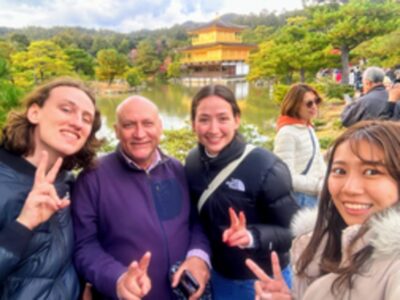
Fushimi Inari, Kinkakuji, Bamboo Grove 1 Day Bus Tour
Read our review →
Fushimi Inari Hidden Hiking Tour (Private Option Available)
Read our review →
Kinkakuji,Arashiyama,FushimiInariShrine,NaraPark
Read our review →
Nara, Fushimi Inari Taisha, Arashiyama Bus Tour
Read our review →
Arashiyama, Nara & Fushimi Inari Shrine w/Lunch
Read our review →
Nijo Castle, Kiyomizu & Fushimi Inari Guided Tour
Read our review →
Nijo, Kinkaku-ji, Arashiyama, Kiyomizu & Fushimi Inari
Read our review →
Browse the lists this tour appears in