
Reviewed · KYOTO COOKING CLASSES
Kyoto: White Miso Cooking Class & Fermented Food Course Lunch
White miso is the star here, and you do more than taste it in a bowl. At a small Kyoto studio, Miyuki guides you through the process of making this sweet, pale paste, then puts it to work in a creamy potage soup and a fermented-food lunch.
I like the hands-on work and the small group, capped at six people. I also like the way the class connects a traditional pantry staple with everyday cooking, rather than treating miso as a museum piece. The main catch is practical: you cannot take your miso home because of customs rules, and the class needs at least two participants to run.
Key points
- Make white miso from scratch: Learn the basic process with guidance from miso expert Miyuki.
- Cook with your own batch: Use white miso in a creamy potage soup during the class.
- Eat a fermented-food lunch: The meal gives you a broader taste of Japanese fermentation.
- Small-group setting: The maximum is six people, allowing for direct instruction.
- Kyoto location: Meet at 和想日々 京都, inside the Kyoto Food and Living Research Institute.
- Plan around the 9:20 a.m. start: The full experience lasts about 3 hours and 40 minutes.
Why white miso makes a good Kyoto cooking class
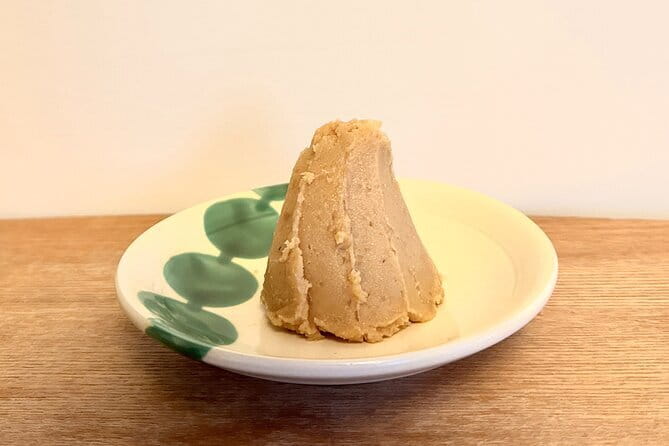
Many Japanese cooking classes focus on sushi, ramen, or tempura. This one takes you into a quieter part of the kitchen: fermentation. White miso, also called shiro miso, is delicate, pale, and sweeter than the darker miso many people know.
That difference gives the class a useful focus. You are not simply learning a famous Japanese dish. You are learning how one seasoning is made, why it tastes the way it does, and how it fits into daily food traditions.
Miso has been part of Japanese cooking for centuries. The class places that long tradition beside a modern interest in fermented foods and gut health. You get cultural context, but the lesson remains practical. The goal is to understand the ingredient well enough to use it in your own cooking.
I especially like that the workshop does not stop at the making stage. You also cook with white miso and eat a full lunch built around fermented foods. That gives you a better sense of its flavor and uses than a short demonstration would.
More cooking classes in Kyoto:
- Ramen Cooking Class at Ramen Factory in Kyoto
★ 5.0 · 1,937 reviews - Kyoto: Ramen Cooking Class at a Ramen Factory with Souvenir
★ 4.9 · 532 reviews - Kyoto: Ramen, Gyoza, and Onigiri Cooking Class
★ 5.0 · 445 reviews
A small studio in central Kyoto
You meet at 和想日々 京都, located at 416 Higashitakeyacho in Nakagyo Ward, inside the Kyoto Food and Living Research Institute. The activity begins at 9:20 a.m. and ends at the same place.
The setting is designed for a small class rather than a large food tour. With no more than six people, you should have a closer connection with the instructor and enough room to take part in the work. A small group also makes it easier to ask questions about the ingredients, the method, and the role of fermentation in Japanese food.
You should arrive ready for a morning activity, not a quick tasting. The advertised duration is about 3 hours and 40 minutes. That is a substantial block of your Kyoto day, but it also means the class has time for instruction, preparation, cooking, and lunch without racing through each part.
The meeting details are provided with the booking, and the ticket is mobile. Confirmation is sent within 48 hours, subject to availability. Since this is a small class, do not leave your planning until the last minute if the date matters to you.
Meeting Miyuki and learning the background
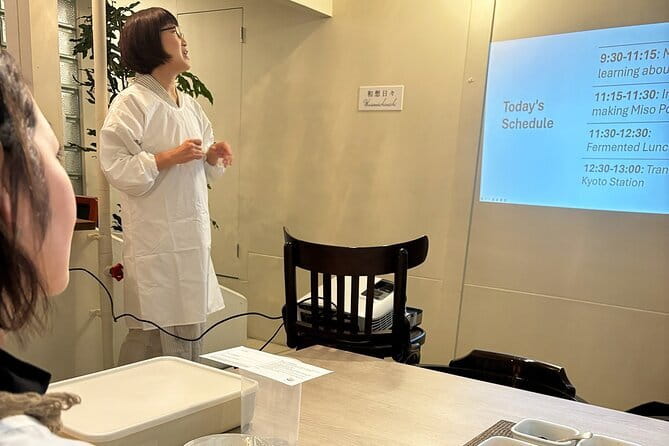
Miyuki leads the class and explains the history and role of miso before the practical work begins. Her approach is described as gentle but clear, which suits a hands-on lesson. You get instruction without the feel of a hurried demonstration.
This opening matters because fermentation can seem mysterious if you only see the finished paste. The class explains what makes white miso different and why it has a milder, sweeter character. You begin to see miso as a living food tradition, not just a salty ingredient from a supermarket tub.
Miyuki also connects fermentation with present-day eating habits. The discussion includes the place of fermented foods in the Japanese diet and why people continue to value them today. You are not asked to accept grand health claims. Instead, the class gives you a better idea of why fermentation remains so common in Japanese kitchens.
One useful feature is the chance to speak with Miyuki directly. A previous participant arrived early on a rainy morning and used the extra minutes to talk with her before the class began. That suggests a simple tip: arrive a little ahead of time if you want a calmer start and a chance to ask questions before the group gets busy.
Making white miso with your own hands
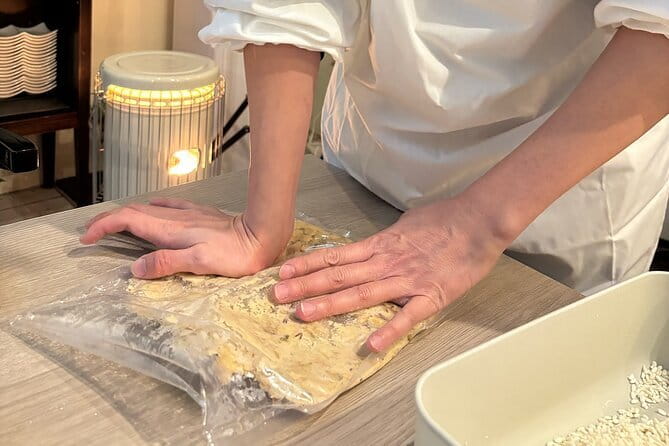
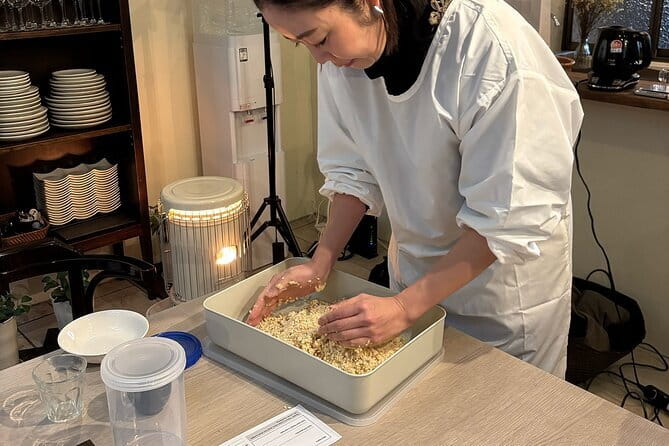
The central part of the class is the miso-making session. You work through the process with Miyuki rather than watching her do everything for you. That hands-on element is the main reason to choose this experience over a regular lunch or cooking demonstration.
The work can be physical. Mixing and working the ingredients takes effort, and one account describes it as a workout. That is not a reason to avoid the class, but it is useful to know that this is active kitchen work rather than a seated talk.
The payoff is a clearer understanding of texture, smell, and consistency. You see how a few basic ingredients become a finished seasoning through careful preparation and fermentation. Even if you do not repeat the process at home, you will have a better sense of what you are eating when miso appears in soup, sauces, or dressings.
The small group helps here. Miyuki can guide each person through the steps, correct mistakes, and answer questions as the mixture comes together. The class is also suitable for someone who has never made miso before. Previous participants described leaving with enough confidence to try making miso at home, though your own results will depend on the ingredients and method you use later.
There is one important limitation. You will not be able to take the finished miso home because of customs regulations. The making process is still worthwhile, but do not book this expecting a jar to pack into your suitcase. The value is in the skill, the tasting, and the understanding you gain during the workshop.
More food tours in Kyoto:
- Kyoto Night Foodie Tour in Gion (9+ dishes + 6 Sake tastings)
★ 5.0 · 1,762 reviews - Kyoto: Insider Sake Brewery Tour with Sake and Food Pairing
★ 5.0 · 704 reviews - Kyoto Nishiki Market Food and Culture Walking Tour
★ 5.0 · 412 reviews - Kyoto: Gion Food Tour 13 Dishes at 4 Eateries
★ 5.0 · 408 reviews
Cooking white miso potage
After the miso work, you use white miso in a creamy potage soup. This is a smart choice for the class because it shows how the seasoning works in an everyday dish.
White miso can add sweetness, body, and savory depth without the sharp saltiness of some darker miso varieties. In a potage, it becomes part of a smooth, comforting soup rather than a strong flavor sitting on top. You get to taste the ingredient in a form that is easy to imagine making again at home.
The soup also gives the lesson a practical finish. You have just made white miso, and now you see how to cook with it. That connection helps turn the class from a cultural talk into a useful kitchen lesson.
You should not expect a long menu of separate dishes. The information provided centers on the potage and the fermented-food lunch. If you want a class covering many Japanese recipes, this is not the right format. Its strength is concentration: one traditional ingredient, one direct cooking application, and a meal that broadens the subject.
The fermented-food lunch
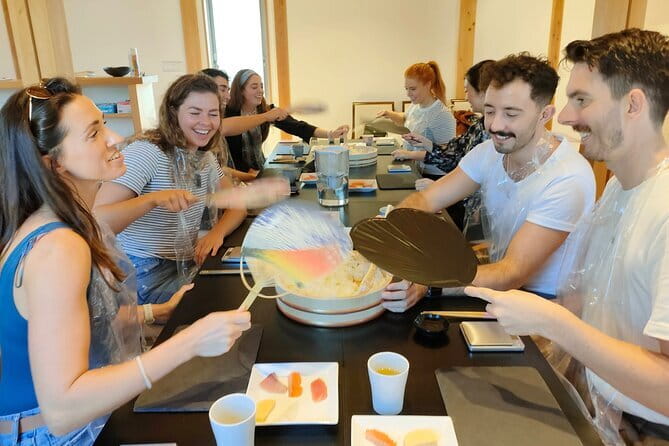
Lunch rounds out the morning with a selection of fermented foods. The meal is intended to nourish the gut and show how fermentation appears across Japanese food culture.
The lunch is important because it places miso in context. You are not tasting white miso in isolation. You are seeing it alongside other fermented foods and gaining a fuller idea of how these flavors can work together in a Japanese meal.
The emphasis is on wholesome, satisfying food rather than theatrical presentation. This will suit you if you enjoy learning through eating and want a meal connected to the theme of the class. It may be less appealing if you are looking for a formal restaurant lunch or a broad survey of Kyoto cuisine.
The meal also gives you time to absorb the lesson. After the physical work of making miso and the cooking session, sitting down to eat makes the experience feel complete. You leave with a taste memory as well as a method.
What the $120 price includes in value
At $120 per person, this is not a budget meal or a quick activity. The price makes more sense when you consider the length and structure of the experience. You receive nearly four hours of instruction, hands-on preparation, cooking, and lunch in a group of no more than six people.
Small classes usually offer more direct contact than large demonstrations, and that matters for a process like miso making. You can ask questions and get help as you work. The class also combines three elements that are often sold separately: cultural background, practical cooking, and a meal.
The price is easier to justify if you have a real interest in fermentation, Japanese food traditions, or learning skills you can use after the trip. It is less convincing if you want only a taste of Kyoto or need to keep your morning inexpensive.
Remember that the finished miso cannot come home with you. That reduces the physical souvenir value, but it does not erase the educational value. You are paying for the lesson and the food you prepare and eat, not for a take-home product.
Who should book this Kyoto experience
I would recommend this class to you if you like food experiences that explain how something is made. It is a particularly good match for anyone interested in fermentation, homemade pantry staples, or the everyday side of Japanese culture.
It also works well for first-time visitors who want a structured introduction to Japanese food beyond the usual restaurant meal. The guidance is suitable for beginners, and the meal gives you a chance to taste the subject rather than just hear about it.
Couples and small groups should find the format comfortable, provided at least two people are booked. Solo visitors can also book, but the class requires a minimum of two participants to operate. The maximum of six keeps it personal.
I would skip it if you strongly dislike practical kitchen work, want to bring home what you make, or prefer a fast activity that takes less than half a day. The early start and long duration also deserve attention. This is a morning commitment, not something to squeeze casually between major sightseeing stops.
The experience ends where it begins, which keeps the logistics simple. Still, plan your morning around the 9:20 start and allow the full 3 hours and 40 minutes.
Booking details worth knowing
Confirmation arrives within 48 hours, subject to availability. If fewer than two people book, the activity may be canceled up to four days before departure, with a full refund offered in that case.
Your own cancellation policy is much stricter. The experience is non-refundable and cannot be changed for any reason after booking. Check your schedule carefully before paying, especially because the class has limited capacity.
A mobile ticket is accepted. The tour provider is Tranquwell, and the meeting point is the Kyoto Food and Living Research Institute location in Nakagyo Ward.
Should you book the white miso class?
Book this experience if you want a small, focused Kyoto food lesson with real participation. The strongest parts are the chance to make white miso with Miyuki, use it in potage soup, and sit down to a fermented-food lunch soon afterward.
At $120, it asks more than a basic cooking demonstration, but you receive a long session and close instruction. Just remember the two tradeoffs: you cannot take the miso home, and the booking is non-refundable unless the minimum group size is not reached.
For fermentation fans, curious home cooks, and anyone who wants a quieter side of Japanese food culture, this is a worthwhile use of a Kyoto morning. If you mainly want famous dishes or a souvenir you can pack, spend your budget elsewhere.
FAQ
Where does the white miso class meet?
It meets at 和想日々 京都, at 416 Higashitakeyacho, Nakagyo Ward, Kyoto, inside the Kyoto Food and Living Research Institute.
What time does the activity begin?
The start time is 9:20 a.m.
How long does the experience last?
The activity lasts approximately 3 hours and 40 minutes.
Where does the activity end?
It ends back at the meeting point.
How many people can join the class?
The maximum group size is six people.
Is there a minimum number of participants?
Yes. At least two participants are required for the activity to operate.
Can I take the miso home?
No. You will not be able to take the miso home because of customs regulations.
What happens if the minimum number of participants is not reached?
The activity may be canceled four days before departure. If that happens, you will be offered a different date or experience, or receive a full refund.
More Long Lunches in Kyoto
- Bike Tour Exploring North Kyoto plus Lunch
★ 5.0 · 1,087 reviews - Osaka/Kyoto: Arashiyama, Nara & Fushimi Inari Shrine w/Lunch
★ 4.4 · 754 reviews - Kyoto Zen Meditation & Garden Tour at a Zen Temple with Lunch
★ 5.0 · 441 reviews - 4.5-Hour Kyoto Bike Tour with Lunch and UNESCO Zen Temples
★ 5.0 · 122 reviews
Newest Kyoto experiences on the site
- Treasures of Kyoto: Gion & historical Walking Tour★ 5.0 · 6 reviews
- Whisk Your Own Matcha: A Zen Matcha Experience at Temple★ 3.6 · 7 reviews
- Kyoto tea town for matcha lovers★ 5.0 · 16 reviews
- Uji: Private immersion into Kyoto’s tea and reglious culture★ 5.0 · 17 reviews
- Uji and Wazuka Matcha Farm Half Day Private Guided Tour★ 5.0 · 21 reviews
- Kyoto Matcha Green Tea Tour★ 4.5 · 23 reviews
- Utilising upcycled Matcha! Creating matcha incense (Uji, Kyoto)★ 5.0 · 6 reviews
- Sacred Temple Yoga Experience in Japan★ 5.0 · 3 reviews
Kyoto Cooking Classes, compared.
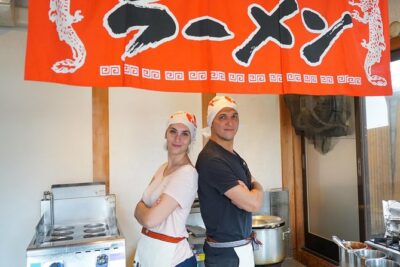
Ramen Cooking Class at Ramen Factory in Kyoto
Read our review →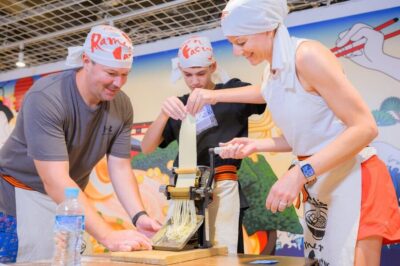
Ramen Cooking Class at a Ramen Factory with Souvenir
Read our review →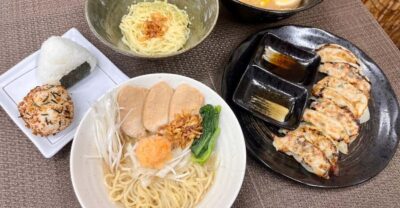
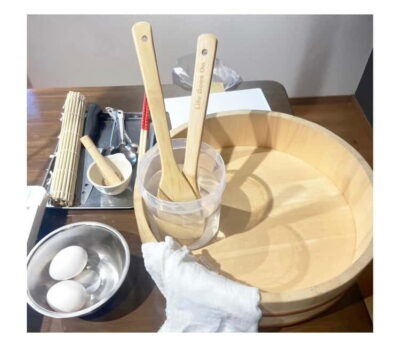
Japanese Washoku Bento Small Group Cooking Class
Read our review →
Kyoto Ramen and Gyoza Cooking Class with Professional Chefs
Read our review →
Gyoza Cooking Class in Kyoto: Traditional Japanese Dumplings
Read our review →Browse the lists this tour appears in