
Reviewed · GION DISTRICT TOURS
The Art of Geisha: Exclusive Show & Gion Walking Tour
A maiko performance, a cup of Japanese tea, and a chance to speak with the performer make this more than a sightseeing walk. You get a close look at a highly private Kyoto tradition, then take part in a simple game with the maiko. I especially like the six-person maximum and the chance to ask questions directly. The main consideration is the price: at $124.21 per person, this is a special-occasion experience rather than a casual afternoon stop.
The tour also gives you context before the show. Guides such as Ai and Yoshino have led visitors through Gion, explaining the role of maiko and geisha while pointing out several geisha neighborhoods. The advertised duration is about one to two hours, with the central Gion visit listed at roughly one hour, so you should not expect a full-day cultural tour.
Key points to know before booking
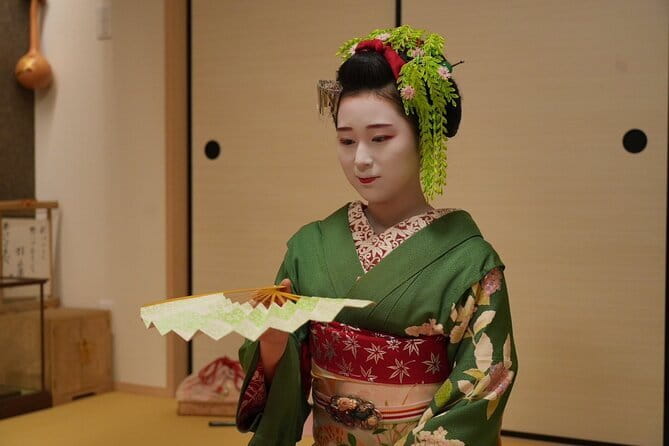
- A real conversation with a maiko: You can ask questions about her training, work, and traditional arts.
- Small group, maximum six people: This creates a much more personal setting than a large performance.
- Traditional dance, tea, snacks, and a game: The visit combines watching with gentle participation.
- Gion context before the show: An English-speaking guide introduces the district and explains maiko and geisha culture.
- Convenient afternoon timing: The experience starts at 3 pm near the Statue of Izumo-no-Okuni.
- A costly but rare Kyoto experience: The $124.21 price makes the intimate encounter the main value, not the length of the tour.
Meeting a maiko in Gion
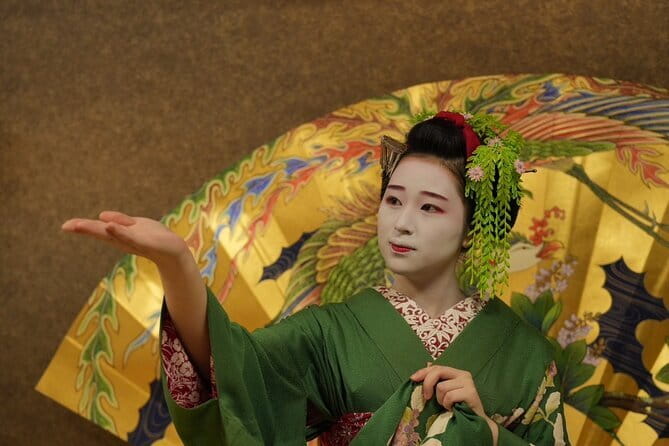
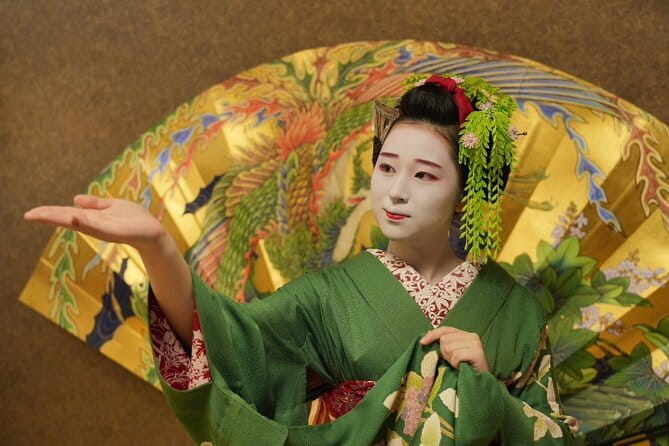
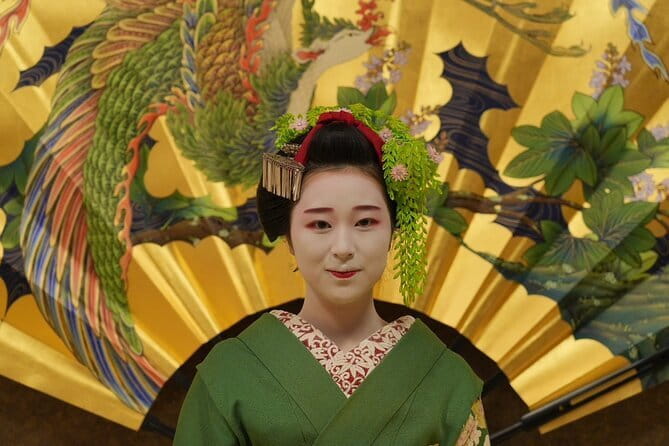
The heart of this experience is the opportunity to meet a maiko, an apprentice geisha, in a setting designed for conversation rather than distant observation. You watch her perform traditional arts, enjoy Japanese tea and snacks, and then have time to ask questions.
That direct contact matters. Geisha culture is not something you can easily understand by walking past a tea house or trying to spot a traditionally dressed woman on a Kyoto street. Many people hope to see a maiko in Gion and never manage it. This tour gives you a scheduled encounter, with an interpreter or English-speaking guide helping you understand what you are seeing.
The performance is also more personal because the group is capped at six. A small audience lets you sit closer, follow the details of the dance, and hear the conversation without the noise of a large crowd. Some bookings may have only a few participants, which can make the question-and-answer portion feel almost private. You should still treat the maiko with courtesy. This is a cultural meeting, not a staged photo opportunity.
More ways to walk Gion:
- Kyoto Geisha Walking Tour: Gion District & Hidden Gems
★ 4.7 · 3,273 reviews - Kyoto: Gion Magical Night Walking Tour with Geisha Trivia
★ 4.9 · 2,393 reviews - Kyoto: Gion Geisha District Walking Tour – Stories of Geisha
★ 4.7 · 2,187 reviews
What happens during the Gion walk
You begin at the Statue of Izumo-no-Okuni in Kawabatacho, in Kyoto’s Higashiyama Ward. The start time is 3 pm. From there, the guide introduces Gion and nearby geisha neighborhoods before taking you to the setting for the performance.
The walk gives the afternoon a useful shape. Instead of arriving at a show with no background, you first learn how maiko and geisha fit into Kyoto’s traditional entertainment culture. Guides Ai and Yoshino are specifically associated with the experience, and their role includes explaining the area and interpreting the conversation with the maiko.
Do not expect a long historical walking tour. The listed Gion stop is about one hour, and the complete activity is approximately one to two hours. The walk is best understood as preparation for the main meeting. It helps you recognize that Gion is not simply a pretty old district. It is a working area connected with tea houses, traditional performance, and a profession that requires years of training.
The route ends at 535 Morishitacho, also in Higashiyama Ward. The supplied addresses place the start and end in the wider Gion area, so check your meeting instructions carefully on the day. The experience is near public transportation, but the provided details do not specify a particular station or transit route.
Watching the maiko perform
The performance is the main reason to book. A maiko presents traditional arts, including dance, in formal dress and makeup. The show is short enough to fit into a Kyoto afternoon, but it gives you a focused look at skills that take serious practice.
The value here is not the length of the performance. It is the setting and the access. You are not only watching an anonymous cultural demonstration. You are introduced to the performer, given an explanation of the tradition, and offered time to speak with her afterward.
The show can also help you understand the difference between casual costume dressing and professional presentation. A maiko is an apprentice, still training before becoming a geiko, often called a geisha outside Kyoto. The performance reflects discipline, posture, movement, music, and etiquette. Your guide can place those elements in context, which is especially useful if this is your first exposure to the subject.
Tea and snacks are included. These are small touches, but they make the visit feel like a hosted cultural meeting rather than a theater ticket. They also give you something to do while listening to the guide and preparing questions.
Asking questions and playing the Japanese game
The question period is one of the strongest parts of the experience. You can ask the maiko about her life and training through the English-speaking guide. Questions about the path to becoming a maiko, the years of practice, and the work involved are likely to be more revealing than simply watching the dance.
The format also includes a traditional Japanese game. You may be invited to play against the maiko, turning the meeting into a light and memorable exchange. This is not a competitive sports activity. It is a simple cultural moment that gives you a way to interact without needing advanced Japanese.
That balance works well. The performance lets you observe. The questions let you learn. The game lets you participate. One participant even managed to beat the maiko, which suggests the activity is playful rather than intimidating.
Your guide matters here. Ai and Yoshino are named as guides connected with past departures, and both are described as handling the Gion explanation and interpretation. Since guide assignments can vary, you should not assume one particular person will lead your departure. Still, the presence of an English-speaking guide is important because it turns the meeting into a conversation rather than a silent viewing.
More geisha and maiko evenings in Kyoto:
- Best of Kyoto: Gion, Geisha, Pagodas & Cobblestones
★ 4.9 · 2,058 reviews - Night Walk in Gion: Kyoto’s Geisha District
★ 4.5 · 2,003 reviews - Kyoto Gion Geisha District Walking Tour – The Stories of Geisha
★ 5.0 · 1,441 reviews - Kyoto Gion: 2-Hour Geisha Culture & History Walking Tour
★ 5.0 · 1,186 reviews
Why the six-person limit changes the experience
A maximum of six people is a major advantage. In a large group, questions can become rushed, people at the back may struggle to see, and the maiko has to divide attention among many faces. Here, each person has a better chance to hear the explanation and take part.
A tiny group also allows the guide to adjust the conversation. If you are curious about training, the guide can spend time on that subject. If you want to understand Gion, the walk can carry more local context. The experience feels less like a fixed show and more like a small cultural appointment.
There is one practical tradeoff. A small group does not guarantee that every person will have unlimited personal time with the maiko. The available time still has to be shared, and the exact flow may depend on the size of your booking. Even so, six or fewer is a much better setup for questions than a standard coach tour.
Solo visitors, couples, and small families are likely to appreciate this format most. Children under six cannot join, so families should check ages before reserving. The activity is suitable for most participants, but the material is cultural and conversational, not an entertainment ride designed for young children.
Is $124.21 good value?
At $124.21 per person, the price is high for an activity lasting roughly one to two hours. You are paying far more than the cost of an ordinary walking tour or a museum admission. The included items are the maiko show, Japanese tea and snacks, and an English-speaking guide. Additional fees are not included.
The price becomes easier to justify if meeting a maiko is a major goal for your Kyoto visit. The booking provides a reliable encounter, a performance, interpretation, and a small audience. If you have already spent days hoping to spot a maiko in Gion, the certainty and access may be worth the premium.
I would not book this simply to fill an empty hour. The experience is short, and the walk is not presented as an extensive tour of Kyoto. You should choose it because you want to learn about geisha culture and speak with a maiko, not because you expect a long list of included sights.
For a once-per-trip cultural splurge, the value is stronger. The meeting, game, and question period are difficult to reproduce on your own. The tour also avoids the uncertainty and possible intrusion of trying to photograph or approach performers on Gion’s streets.
Timing, meeting point, and practical details

The tour starts at 3 pm at the Statue of Izumo-no-Okuni, Kawabatacho, Higashiyama Ward, Kyoto, postal code 605-0076. The end point is 535 Morishitacho, Higashiyama Ward, Kyoto, postal code 605-0836.
The mobile ticket is useful for a day of sightseeing, since you can keep the confirmation on your phone. Booking confirmation is provided at the time of reservation. You should allow enough time to reach the statue, since the supplied information does not include a late-arrival grace period.
The experience is near public transportation, and most people can participate. No special fitness requirement is stated, though the Gion portion involves walking. Wear comfortable shoes and leave room in your schedule for the full one to two hours rather than planning another appointment immediately afterward.
Free cancellation is available if you cancel at least 24 hours before the local start time. Changes or cancellations inside that window are not accepted for a refund. That rule is fairly standard, but it matters here because the tour has only six places and begins at a fixed afternoon time.
Who should book this experience?
I would recommend it most strongly to first-time visitors who want an informed introduction to maiko culture without arranging a private appointment. It also suits anyone who has tried to see a maiko in Kyoto and wants a more dependable way to meet one respectfully.
It is a good choice for couples and small groups who prefer conversation over a large stage show. The tea, snacks, and traditional game make it more social, while the guide keeps the cultural details clear in English.
You may want to skip it if your budget is tight, if you want a long walking tour, or if you are mainly interested in photographing Gion streets. The listed experience focuses on the maiko meeting. The neighborhood walk adds context, but it is not the main event.
Also consider your expectations. This is not an invitation to treat the maiko as a celebrity or costume model. The most rewarding approach is to listen, ask thoughtful questions, and appreciate the years of training behind the performance.
Final decision: book it for access, not length
This is a strong choice if you want a close, respectful introduction to Kyoto’s maiko tradition. The combination of a small group, a live performance, tea, questions, and a traditional game gives the afternoon real substance despite its short duration.
The $124.21 cost is the clear drawback. Still, the price buys something you cannot count on finding by wandering Gion: a planned encounter with a maiko and an English-speaking guide who can explain what you are seeing. If that is high on your Kyoto wish list, book it. If you only want a quick look at Gion, spend less on a regular walk and save your money.
FAQ
Where does the tour start?
It starts at the Statue of Izumo-no-Okuni in Kawabatacho, Higashiyama Ward, Kyoto, 605-0076, Japan.
Where does the tour end?
The experience ends at 535 Morishitacho, Higashiyama Ward, Kyoto, 605-0836, Japan.
What time does the tour begin?
The start time is 3 pm.
How long does the experience last?
The approximate duration is one to two hours. The listed Gion portion is about one hour.
How many people can join?
The group has a maximum of six participants.
What is included in the price?
The price includes the geisha show, Japanese tea and snacks, and an English-speaking tour guide.
Can children join the tour?
Children under six years old cannot participate.
Can I cancel for a full refund?
Yes. You can cancel at least 24 hours before the experience start time for a full refund. Cancellations or changes made less than 24 hours before the start time are not refunded or accepted.
More Shows in Kyoto
- Kyoto Gion Cultural Walk & Geisha Show with Dining Options
★ 5.0 · 518 reviews - Kyoto Gion Cultural Walk & Geisha Show with Dining Options
★ 5.0 · 483 reviews - 1 Hour Geisha Show in Kyoto
★ 5.0 · 452 reviews - Kyoto: Samurai Kenbu Traditional Sword Dancing Show
★ 4.5 · 426 reviews
More Walking Tours in Kyoto
- Nishiki Market Brunch Walking Tour (7 Tastings + Brunch)
★ 5.0 · 1,355 reviews - Kyoto Arashiyama Walking Tour: Bamboo, Monkeys, Gardens & Secrets
★ 5.0 · 1,216 reviews - Kyoto: Izakaya Bars Guided Walking Tour
★ 4.9 · 815 reviews - Kyoto Gion Night Walk & Geisha District Guided Tour
★ 5.0 · 786 reviews
Newest Kyoto experiences on the site
- Treasures of Kyoto: Gion & historical Walking Tour★ 5.0 · 6 reviews
- Whisk Your Own Matcha: A Zen Matcha Experience at Temple★ 3.6 · 7 reviews
- Kyoto tea town for matcha lovers★ 5.0 · 16 reviews
- Uji: Private immersion into Kyoto’s tea and reglious culture★ 5.0 · 17 reviews
- Kyoto Matcha Green Tea Tour★ 4.5 · 23 reviews
- Uji and Wazuka Matcha Farm Half Day Private Guided Tour★ 5.0 · 21 reviews
- Utilising upcycled Matcha! Creating matcha incense (Uji, Kyoto)★ 5.0 · 6 reviews
- Sacred Temple Yoga Experience in Japan★ 5.0 · 3 reviews
Gion District Tours, compared.

Kyoto Geisha Walking Tour: Gion District & Hidden Gems
Read our review →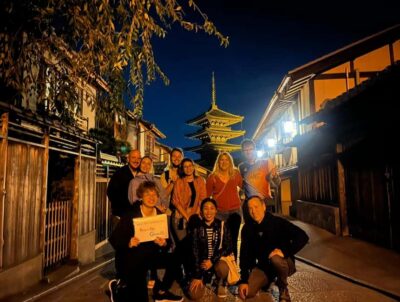
Gion Magical Night Walking Tour with Geisha Trivia
Read our review →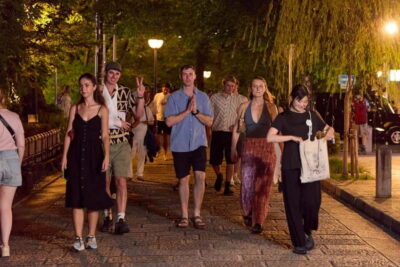
Gion Geisha District Walking Tour – Stories of Geisha
Read our review →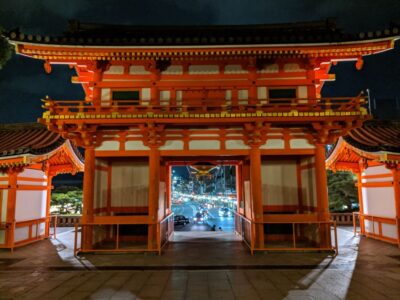
Best of Kyoto: Gion, Geisha, Pagodas & Cobblestones
Read our review →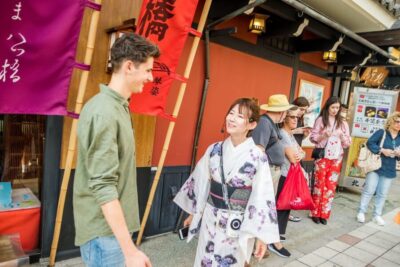

Kyoto Night Foodie Tour in Gion (9+ dishes + 6 Sake tastings)
Read our review →
Kyoto Gion Geisha District Walking Tour – The Stories of Geisha
Read our review →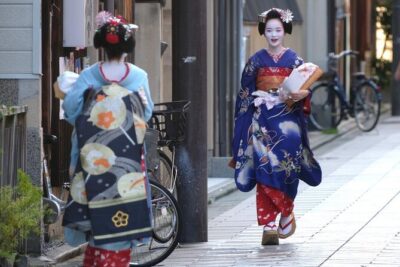
Kyoto Gion: 2-Hour Geisha Culture & History Walking Tour
Read our review →Browse the lists this tour appears in