
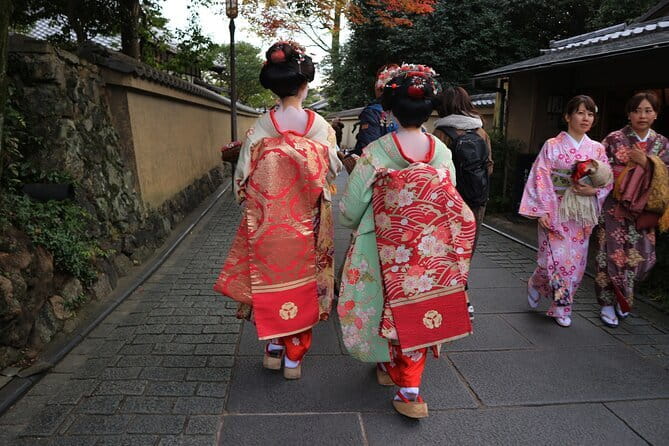
Reviewed · KYOTO GEISHA & MAIKO EXPERIENCES
1 Hour Geisha Show in Kyoto
Kyoto’s geisha tradition is usually kept behind closed doors. This experience gives you a rare, respectful look at it through a maiko performance, a translated question-and-answer session, photographs, and a traditional Japanese game. The dances last only about 10 minutes in total, which is intentional: this is a cultural meeting, not a full stage show.
I like two things here. First, you meet the maiko at close range rather than watching from a distant theater seat. Second, the Q&A and game turn the visit into a real exchange. Guides including Ai, Soichiro, and Genki have been praised for making the explanations friendly and easy to follow.
The main catch is value. At $79.59 per person, the actual dancing is brief, and the whole visit may last about an hour to an hour and a half. Seating can also affect your view, so check the venue photos and arrive on time.
Key points to know before booking
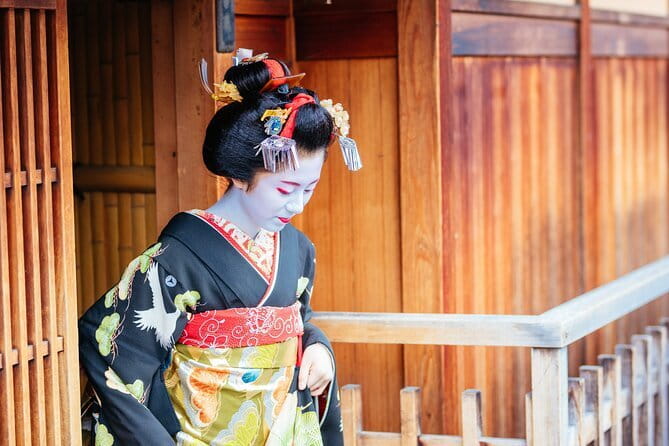
- Two short dances, not a one-hour performance: The maiko performs for about 10 minutes altogether, with the rest of the time used for conversation, photos, tea, and a game.
- Two possible venues: You may be booked into an authentic Kyo-Machiya tea house or the dedicated Gion Theater. Check the photographs before choosing.
- A guide translates and explains: The guide helps you ask questions and understand customs, training, clothing, and daily life.
- Small-group setting: Attendance is capped at 25 people, though the feel can vary between a quieter tea house and a more formal showhouse.
- Green tea is included: Food and extra drinks cost more, while a snack may be offered during the game portion.
- Free cancellation up to 24 hours ahead: Changes or cancellations inside 24 hours are not eligible for a refund.
What this Kyoto maiko experience really offers
The best way to understand this activity is to think of it as a cultural introduction with a performance at its center. You are not buying an extended dance recital. You are paying for access to a maiko, an interpreter, a private-style venue, and a chance to ask questions about a world that most visitors only glimpse from the street.
A maiko is a geiko in training. Her formal appearance, dance, music, manners, and conversation all reflect years of instruction. The experience gives you a direct way to learn about that training without needing specialist knowledge before you arrive.
Kyoto has only about 40 maiko remaining today, according to the tour information. That number helps explain why the performance is short and carefully structured. The goal is to preserve the art and avoid treating the maiko as a nonstop entertainer.
I appreciate that distinction. If you expect a full hour of dancing, you may feel disappointed. If you want a guided meeting that combines performance, explanation, and friendly interaction, the format makes much more sense.
More geisha and maiko evenings in Kyoto:
- Kyoto Geisha Walking Tour: Gion District & Hidden Gems
★ 4.7 · 3,273 reviews - Kyoto: Gion Magical Night Walking Tour with Geisha Trivia
★ 4.9 · 2,393 reviews - Kyoto: Gion Geisha District Walking Tour – Stories of Geisha
★ 4.7 · 2,187 reviews
Arriving near Kamishichiken Street
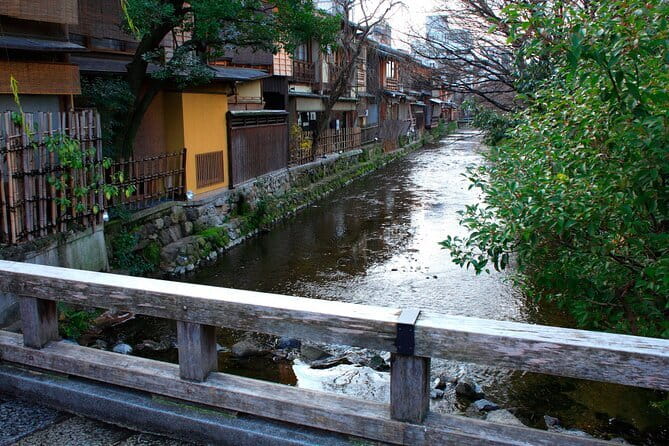
The listed itinerary places the experience around Kamishichiken Street, one of Kyoto’s traditional geisha districts. The exact venue matters, since the activity is offered in two formats: an authentic Kyo-Machiya tea house or a dedicated showhouse in Gion.
A Kyo-Machiya is a traditional Kyoto townhouse. The tea house option can feel more personal, with the architecture adding to the sense of place. Several parts of the experience, including the hostesses, home setting, tea, and maiko interaction, have been especially well received.
The Gion Theater option is more purpose-built. It may suit you if you prefer a clear stage arrangement and a setting designed for performances. Since the seating layout can affect your view, look closely at the photographs before booking rather than assuming every departure has the same room.
The meeting instructions are important. One poor experience came from a last-minute time change and the strict warning about late entry. The show reportedly began late, but the uncertainty still caused unnecessary stress. I would check your messages shortly before the event, plan to arrive at least 10 minutes early, and leave enough time to find the entrance.
The maiko’s two traditional dances
The performance is the emotional center of the visit. You will see two short dances, together lasting roughly 10 minutes. They are formal, controlled, and built around posture, gesture, costume, and rhythm rather than speed or spectacle.
That short length is not a flaw in itself. Maiko performances are intentionally limited to protect the art and the performer. The dances are one part of a larger meeting, and the time after them allows you to understand what you have seen.
The best seats should give you a direct view of the performance area. Still, the seating arrangement is not always obvious. One person ended up seated in the middle of the tea table and had the poorest view of the dance. If the guide is arranging seats, it is reasonable to pay attention early and ask politely where you should sit.
You should also expect the maiko to vary the activities from one day to another. The dance, discussion, game, and interaction may not follow exactly the same pattern every time. That gives the meeting a natural quality, but it also means you should not expect a fixed theater program.
Q&A, translation, and the human side of the visit
After the dances, the maiko answers questions with help from a professional guide and translator. This is where the experience becomes much more useful than simply watching a costumed performer.
You can learn about maiko training, the geiko tradition, daily life, and the customs connected with the role. The supplied examples describe questions about lifestyle and training, as well as broader explanations of Kyoto’s traditions. The guide also helps explain how to behave in the tea house and how to take part respectfully.
Communication is one of the strongest parts of the experience. Ai has been praised for her warm manner and clear translation. Soichiro is noted for his English, humor, and calm handling of the group. Genki has also been singled out for being polite, informative, and good at making the group interactive.
These names may not be your assigned guides, so do not book on the assumption that a particular person will lead your session. The useful point is that the guide’s role matters. A skilled translator makes the maiko’s personality come through instead of reducing the meeting to a short dance and a few photographs.
The Q&A can also make the visit suitable for families. Children may not follow every historical detail, but they can enjoy the direct interaction, the game, and the friendly atmosphere.
More shows and performances in Kyoto:
- Kyoto Gion Cultural Walk & Geisha Show with Dining Options
★ 5.0 · 518 reviews - Kyoto Gion Cultural Walk & Geisha Show with Dining Options
★ 5.0 · 483 reviews - Kyoto: Samurai Kenbu Traditional Sword Dancing Show
★ 4.5 · 426 reviews - Kyoto: Meet-and-Greet, Maiko Show and Experience
★ 4.8 · 286 reviews
The traditional game and photo session
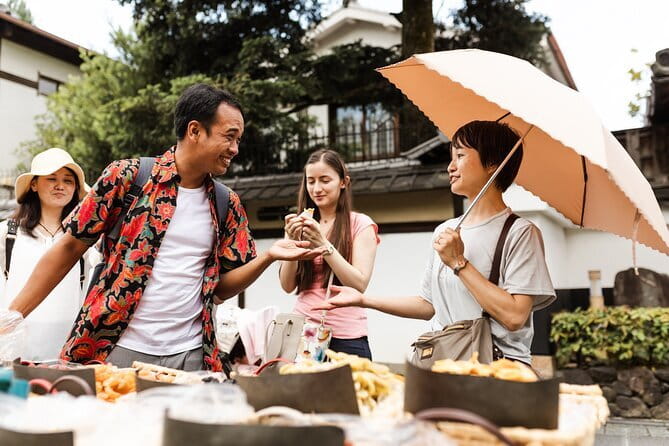
The game is a small but important part of the format. You may play a traditional Japanese game with the maiko after the Q&A. It gives you something active to do and helps break the formality of the setting.
This is also where the experience feels less like a staged display. You are not simply sitting quietly while an expert talks. You have a chance to respond, laugh, and take part in a custom that the maiko practices.
The photo session adds another practical benefit. You can photograph the maiko and, depending on the arrangements, take photos together. The opportunity is one of the most valued features of the visit, but remember that the maiko is a person at work, not a prop. Follow the guide’s instructions and let the staff organize the photographs.
Some sessions may include a snack, especially during the game portion. The formal inclusions list green tea, the maiko meeting, and the professional guide or translator. Do not count on a full meal, and budget separately for additional drinks or food.
Tea house or Gion Theater: which setting suits you?
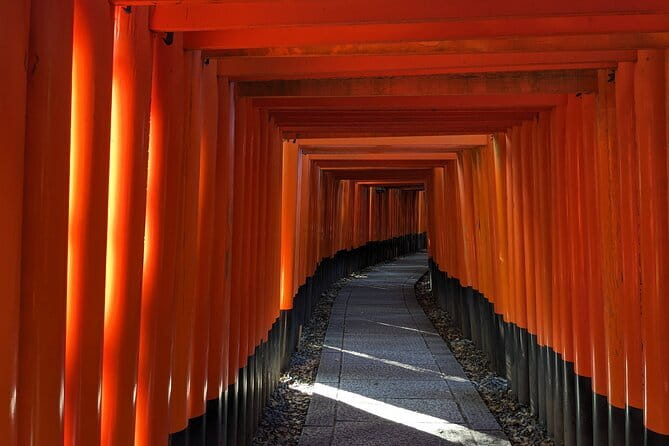
The tea house option is the stronger choice if you care most about atmosphere and traditional surroundings. You may spend the hour inside a Kyo-Machiya, where the room itself helps explain Kyoto’s old entertainment culture.
The trade-off is that a traditional room may have less obvious seating. You could find yourself close to a table, pillar, or another guest. Ask about the best viewing position before the dance begins, especially if a clear sightline matters to you.
The Gion Theater option may be better for someone who wants a dedicated showhouse and a more straightforward performance setup. It is not necessarily more authentic, since the maiko, dances, Q&A, and game are the main cultural elements, but it may feel easier to follow as a first introduction.
Because the operator offers different options, compare the images carefully before paying. The photos are not a minor detail here. They help you understand whether you are choosing a townhouse room or a theater-style venue.
Is $79.59 a fair price?
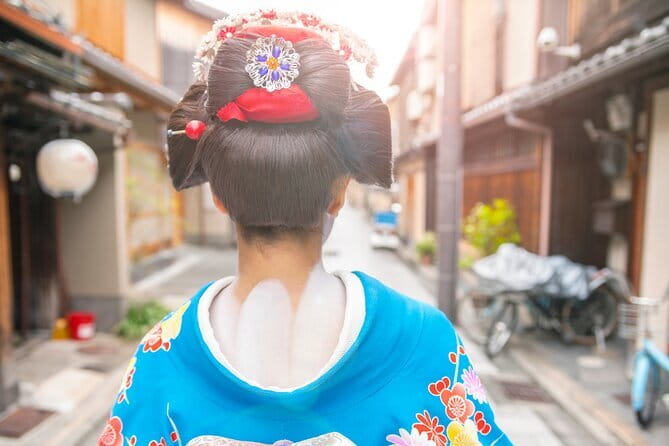
At $79.59 per person, this is not a cheap entertainment stop. If you measure the price against the 10 minutes of dancing alone, it will seem high. One-hour cultural shows elsewhere may offer more stage time for less money.
The value comes from access. You receive a direct meeting with a working maiko, translated conversation, green tea, a traditional game, photographs, and a guide who explains the setting. In Kyoto, that kind of contact is difficult to arrange independently.
I would consider the price reasonable if this is one of your main cultural priorities and you value the chance to ask questions. I would hesitate if you mainly want a long dance performance or have a tight activity budget.
The group cap is 25 people. That is small enough for a shared cultural session, though it is not an intimate private appointment. The tea house format may feel more personal, while a full group can make the Q&A livelier and give you more questions to hear.
Group discounts are available, which can help if you are booking for a family or a larger party. A mobile ticket also makes the booking practical while you are moving around Kyoto.
Kimono rental and timing details
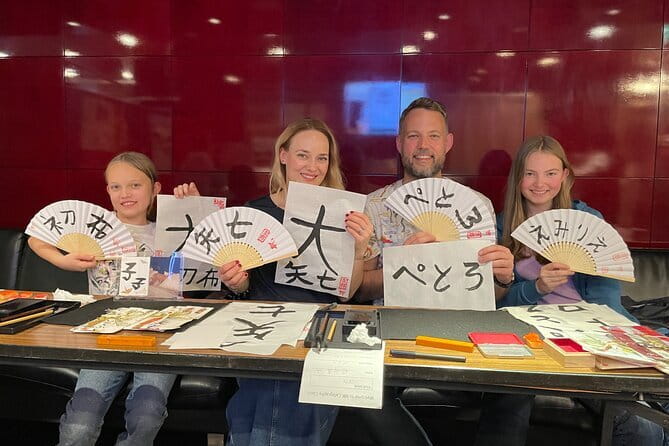
If you select the kimono rental and hair set option, you must visit Kyoto Kimono Rental Mimosa before the show. The address is 362-2 Masuyacho, Higashiyama Ward, Kyoto 605-0826, and the shop is open daily from 8:00 to 18:00.
You go there on your own, tell the staff that you are with GuideMe Japan, and provide your name. No payment is required at the shop because the rental and hair set are already included in the selected booking.
Allow plenty of time between the rental appointment and the show. The experience can last from one hour to an hour and a half, and the meeting time may be changed. Since late entry can be restricted, do not schedule this too tightly against another reservation.
The kimono option can make photographs more special, but it also adds preparation time. I would choose it only if you are comfortable building extra time into your day.
Who will enjoy this most?
I would recommend this for first-time visitors who want a clear, guided introduction to Kyoto’s maiko and geiko traditions. It also works well for families, couples, and anyone who prefers personal contact over a large stage production.
You will get the most from it if you arrive with a few questions. Ask about training, clothing, dance, daily routines, or the meaning behind the gestures. The Q&A is one of the best reasons to attend, and a good guide can turn a short answer into a useful explanation.
This may not suit you if you dislike group activities, need a guaranteed front-row view, or want a long performance. The dance is intentionally brief, and the room arrangement can vary.
People sensitive to tourist packaging should also set fair expectations. The experience is organized for international visitors, with translation, photographs, and a game built into the schedule. That does not make the tradition false, but it does mean you are seeing a prepared cultural encounter rather than entering an ordinary private tea house evening.
Booking advice and cancellation
The activity has a maximum of 25 people, and confirmation is provided at booking. Most people can participate, but the exact schedule and activities may vary.
You can cancel for a full refund up to 24 hours before the local start time. Changes or cancellations made less than 24 hours before the start are not accepted for a refund, so check your plans carefully before the cutoff.
I would also save the meeting details on your phone, confirm the venue type, and reread any time-change message on the day. Those three steps address the most practical sources of trouble: finding the right room, understanding the format, and arriving on time.
Should you book this maiko experience?
Book it if you want a rare, well-explained meeting with a maiko and understand that the dancing is only one part of the hour. The combination of short dances, translation, Q&A, photographs, tea, and a traditional game gives you more context than a performance alone.
Skip it if $79.59 feels too high for a one-hour activity or if your main goal is extended dancing. Before you book, compare the tea house and Gion Theater photographs, plan to arrive early, and choose your seating carefully.
For many visitors, this will be one of Kyoto’s most memorable cultural stops. Its strongest feature is not the length of the show. It is the chance to see the artistry up close, ask direct questions, and leave with a clearer understanding of the person behind the makeup and costume.
FAQ
How long does the experience last?
The experience lasts approximately one hour to one hour and 30 minutes.
How long does the maiko dance?
The maiko performs two short dances lasting about 10 minutes in total. The rest of the time includes conversation, questions, photographs, tea, and a traditional game.
Where does the experience take place?
The activity may take place inside an authentic Kyo-Machiya tea house or at Gion Theater, a dedicated showhouse. Check the venue photographs before booking.
Is a guide or translator included?
Yes. A professional tour guide or translator is included to explain the experience and help with the Q&A.
Is green tea included?
Yes. Traditional Japanese green tea is included. Additional drinks and food are not included.
Can I take photographs with the maiko?
The experience includes a photo session, including opportunities to take photographs of and with the maiko.
Is kimono rental included?
Kimono rental and a hair set are included only if you select that option when booking. The rental location is Kyoto Kimono Rental Mimosa at 362-2 Masuyacho, Higashiyama Ward.
What is the cancellation policy?
You can cancel up to 24 hours before the local start time for a full refund. Cancellations or changes made less than 24 hours before the start are not accepted for a refund.
Newest Kyoto experiences on the site
- Treasures of Kyoto: Gion & historical Walking Tour★ 5.0 · 6 reviews
- Whisk Your Own Matcha: A Zen Matcha Experience at Temple★ 3.6 · 7 reviews
- Kyoto tea town for matcha lovers★ 5.0 · 16 reviews
- Uji: Private immersion into Kyoto’s tea and reglious culture★ 5.0 · 17 reviews
- Kyoto Matcha Green Tea Tour★ 4.5 · 23 reviews
- Uji and Wazuka Matcha Farm Half Day Private Guided Tour★ 5.0 · 21 reviews
- Utilising upcycled Matcha! Creating matcha incense (Uji, Kyoto)★ 5.0 · 6 reviews
- Sacred Temple Yoga Experience in Japan★ 5.0 · 3 reviews
Kyoto Geisha & Maiko Experiences, compared.

Kyoto Geisha Walking Tour: Gion District & Hidden Gems
Read our review →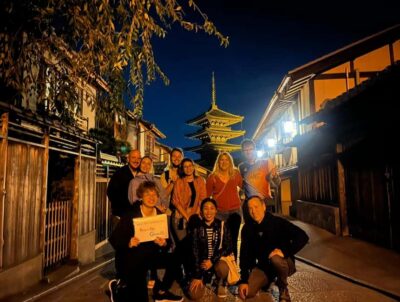
Gion Magical Night Walking Tour with Geisha Trivia
Read our review →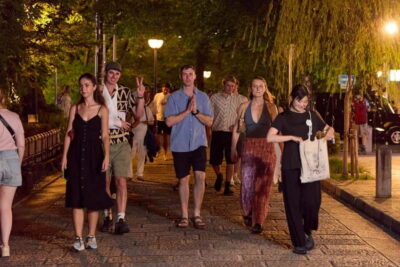
Gion Geisha District Walking Tour – Stories of Geisha
Read our review →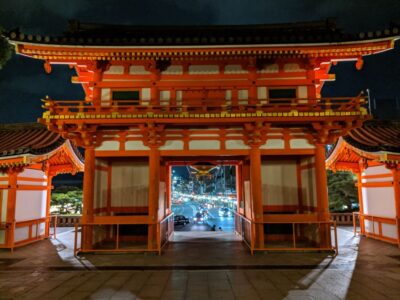
Best of Kyoto: Gion, Geisha, Pagodas & Cobblestones
Read our review →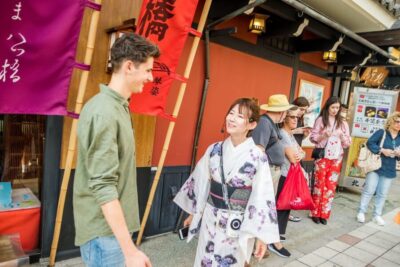
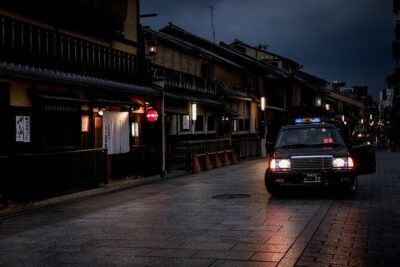
Kyoto Gion Geisha District Walking Tour – The Stories of Geisha
Read our review →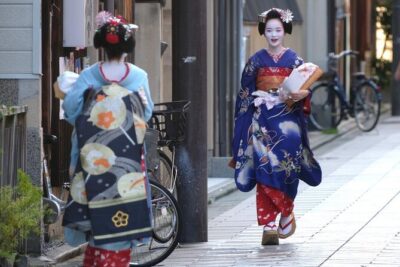
Kyoto Gion: 2-Hour Geisha Culture & History Walking Tour
Read our review →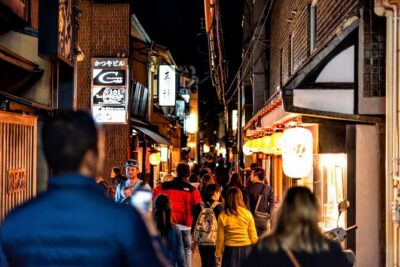
Kyoto Gion Night Walk & Geisha District Guided Tour
Read our review →Browse the lists this tour appears in