
Reviewed · KYOTO COOKING CLASSES
Private Kyoto Cooking Class with Aki in a Beautiful Wooden House
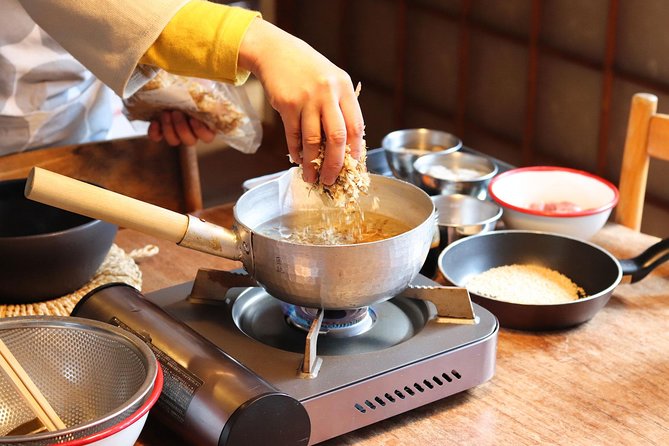
Aki’s cooking class takes you away from restaurant menus and into a beautiful wooden house in Kyoto, where you prepare the sort of seasonal food families actually cook at home. The class is private, so you can stop often, ask questions, and work at a comfortable pace rather than trying to keep up with a large group.
I like the hands-on format, especially since you help make the meal instead of watching a demonstration. I also like the chance to learn dishes such as chikuzenni and braised burdock root, foods you may not find on a standard Kyoto restaurant menu. The main consideration is the strict cancellation policy, so book only when your plans are firm.
Key Points Before You Book
- Private class with Aki: Only your group takes part, giving you room to ask questions and shape the pace.
- Cooking in a real Kyoto home: The wooden house provides a more personal setting than a commercial cooking studio.
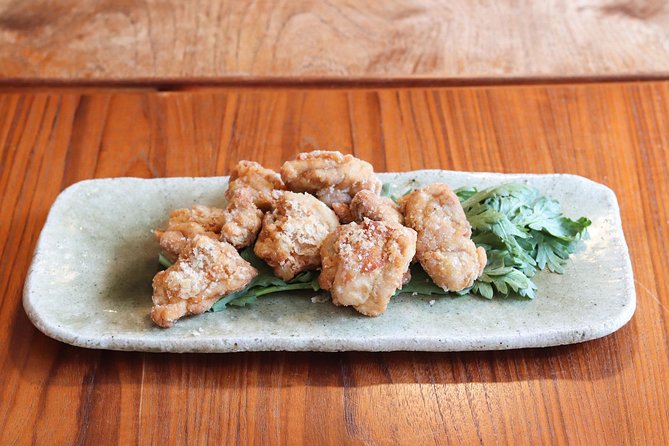
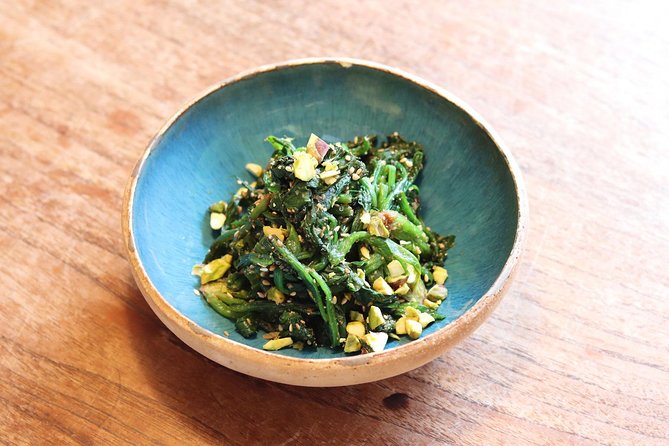
- Seasonal home cooking: Dishes can include chikuzenni, braised burdock root, and miso soup, with the menu changing through the year.
- About one hour of cooking: The remaining time is for eating the food you prepared together.
- English recipes included: Aki guides you through each step and shares techniques linked to her family’s cooking.
- $95 per person: The price includes the private lesson, meal, non-alcoholic drinks, taxes, and fees.
A Private Kitchen Instead of a Crowded Studio
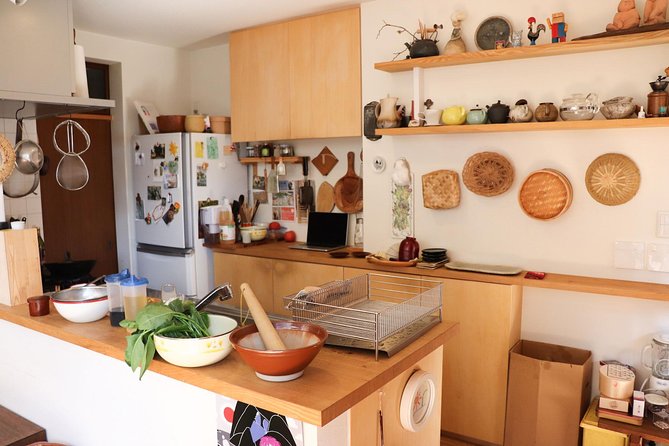
The strongest reason to choose this experience is the setting. You are not placed in a large class with a fixed script and a row of strangers. You meet Aki in her Kyoto home and cook in her kitchen, with only your own group taking part.
That changes the feel of the morning. You can ask why a certain ingredient is used, how a dish changes by season, or what shortcut works at home. If you are unsure about a technique, you do not need to wait for a teacher to circle back. Aki can stop and explain it.
The class begins at 10:30 am and lasts about three hours. This makes it a useful morning activity, especially if you want lunch soon afterward without spending the whole day indoors. The cooking itself takes about an hour, followed by the meal you helped prepare.
The timing also gives you a clear sense of the experience. This is not a full-day food tour or a long chef’s course. It is a focused introduction to Japanese home cooking, followed by time to sit down and eat.
More cooking classes in Kyoto:
- Ramen Cooking Class at Ramen Factory in Kyoto
★ 5.0 · 1,937 reviews - Kyoto: Ramen Cooking Class at a Ramen Factory with Souvenir
★ 4.9 · 532 reviews - Kyoto: Ramen, Gyoza, and Onigiri Cooking Class
★ 5.0 · 445 reviews
Meeting Aki in Her Kyoto Home
The meeting point is at Ipponmatsu, Shimogamo Matsunokicho, in Sakyo Ward, Kyoto. The house is near public transportation, but hotel pickup and drop-off are not included, so you need to make your own way there and back.
That detail matters in Kyoto, where a short distance on a map can still take time by train, bus, or on foot. Check your route before the morning of the class and allow enough time to arrive for the 10:30 start. The activity ends back at the meeting point.
The wooden house is part of the appeal. You are cooking in an atmospheric domestic space rather than a purpose-built classroom. The setting helps connect the food with daily life, although it also means the experience has a more personal, home-based feel than a polished culinary school.
That can be a plus if you want a look at ordinary food culture. It may be less appealing if you prefer a formal kitchen, professional equipment, or a highly structured chef’s lesson.
Cooking Seasonal Dishes You May Not Find in Restaurants
Aki introduces recipes that are not always easy to find when eating out. Sample dishes include chikuzenni, a braised chicken and vegetable dish, braised burdock root, and miso soup.
These choices give the class a useful balance. Miso soup is familiar to many people, but learning how someone makes it at home can reveal small decisions about seasoning and preparation. Chikuzenni and burdock root offer a better sense of Japanese home food than a restaurant meal built around sushi, ramen, or tempura alone.
The menu changes with the season. That is worth keeping in mind when you book. You should not expect to receive every dish named in the sample menu. Instead, you will make a selection of seasonal home-style recipes available at that time of year.
This seasonal approach is one of the class’s better features. It keeps the food tied to what is being cooked in Japanese homes at the time of your visit. It also means the experience may differ from one booking to another.
How the One-Hour Cooking Session Works
Aki provides recipes in English and guides you through the preparation. You take part in the cooking, rather than simply watching her prepare food while you stand nearby.
The hands-on structure is helpful for two reasons. First, you learn by doing. Second, you can see which steps need care and which are simple once someone explains them clearly. The private format gives you freedom to ask about ingredients, methods, and familiar dishes such as miso soup.
Aki is described as patient and able to speak English well. That matters in a cooking class, where a language gap can make even a simple instruction confusing. Clear explanations also help you remember the recipe once you are back home.
The cooking section lasts about an hour, so this is not an advanced professional course. You will not spend half a day mastering knife work or producing a long tasting menu. Instead, the class gives you a practical introduction to several home dishes and the chance to understand how they fit together as a meal.
You should also expect the class to be conversational. The experience includes discussion of Japanese food and culture, not just instructions at the counter. Aki can answer questions while you cook, and the private format allows those questions to shape the session.
Same city, a completely different kind of day:
- PERFECT KYOTO 1-Day Bus Tour
★ 5.0 · 13,518 reviews - Kyoto: Fushimi Inari, Kinkakuji, Bamboo Grove 1 Day Bus Tour
★ 4.8 · 4,316 reviews - Kyoto: Tea Ceremony in a Traditional Tea House in Kiyomizu
★ 4.9 · 3,519 reviews - Kyoto Geisha Walking Tour: Gion District & Hidden Gems
★ 4.7 · 3,273 reviews
Sitting Down to Eat What You Made
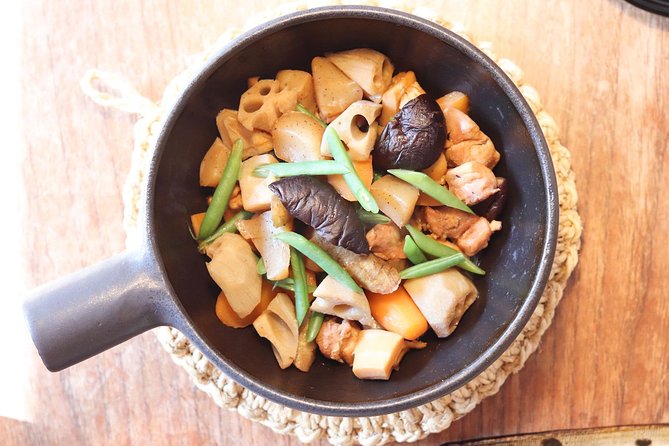
After cooking, you eat the meal together. This is more satisfying than receiving a plate prepared entirely in advance because you can connect each dish with the work that produced it.
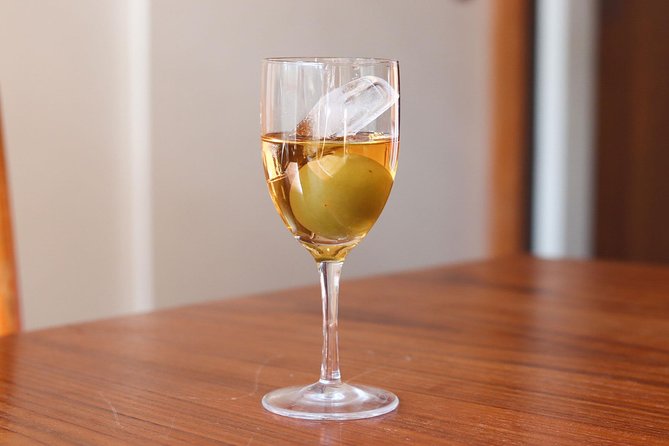
The meal is included, along with non-alcoholic beverages. Alcoholic drinks are also described as included in the experience, so you can expect the meal to have a relaxed, social finish. If you do not drink alcohol, the non-alcoholic option is included as well.
One useful detail is that the amount of food can be generous. Aki has been praised for preparing enough food to leave plenty of leftovers. That makes the class feel closer to a home meal than a small restaurant tasting.
Do not choose this activity only for the meal, though. The value lies in the combination of instruction, conversation, cooking, and eating. If you want the largest possible lunch for your money, a restaurant may be more direct. If you want to understand how the food is made and take recipes home, the class offers more lasting value.
What the $95 Price Covers
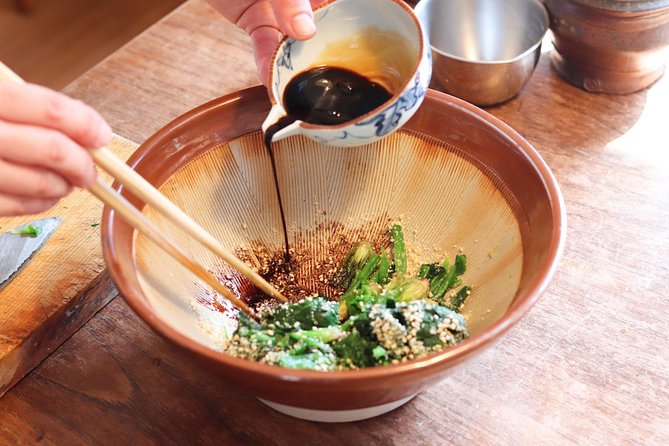
At $95 per person, this is not the cheapest way to eat lunch in Kyoto. You are paying for a private experience, not just the ingredients on the table.
The price includes the private cooking class, the home-cooked meal with Aki, non-alcoholic beverages, and all taxes, fees, and handling charges. Alcoholic drinks are also part of the described meal experience. Because only your group participates, the cost buys privacy and flexibility as well as food.
I see the price as reasonable for people who value personal instruction. A standard restaurant meal might cost less, and a large cooking class could offer a lower per-person rate. Neither option gives you the same chance to stop the lesson, ask detailed questions, and cook in a private home.
The value is strongest for couples, families, or friends who want one shared activity in Kyoto. It is also useful for anyone who hopes to repeat the dishes at home. The English recipes give you something practical to take away, rather than leaving you with only a pleasant memory.
Who Will Enjoy This Experience Most
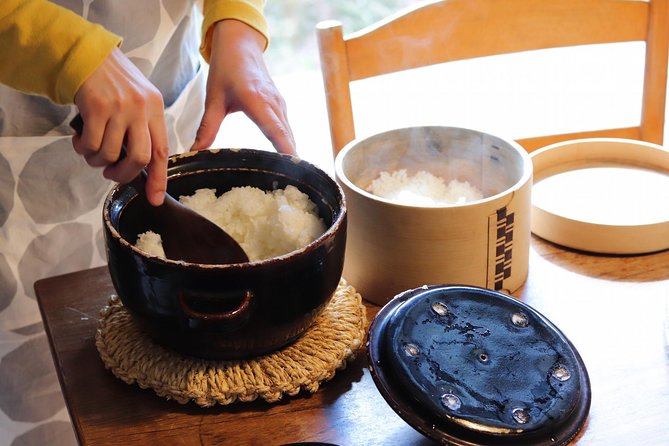
This class suits curious eaters who want to move past the most familiar Japanese dishes. If you already know sushi and ramen but want to understand everyday food, the menu can give you a broader view.
It also works well for families and small groups. The private arrangement means your group can ask questions freely, and the pace does not have to match strangers. People with some cooking experience can ask about small techniques, while beginners can receive help as they go.
The class is a good choice for a morning in Kyoto. You finish around lunchtime and can continue sightseeing afterward. Aki has also offered recommendations for later activities, which can be useful if you are still planning your day.
Food restrictions should be discussed at booking. Vegetarian cooking is available when requested, and you should provide information about allergies, dietary restrictions, and cooking preferences at that time. The menu varies by season, so early communication is especially important.
Service animals are allowed, and the meeting point is near public transportation. Hotel transfers are not included, so the activity requires some independent planning.
Points to Consider Before You Commit
The cancellation terms deserve careful attention. The experience is described as having a two-week cancellation policy, but the general cancellation wording also says that cancellations and changes are non-refundable. Read the conditions shown at booking and confirm that your schedule is settled before paying.
Confirmation is sent within 48 hours, subject to availability. Since the class is private and often booked well ahead, you should not leave it until the last minute if this is important to your itinerary. It is booked, on average, 38 days in advance, which suggests that planning ahead is sensible.
The class is private, but that does not mean it is fully custom-built from scratch. The menu depends on the season, and the cooking portion is about an hour. If you want a long, technical lesson focused on one exact dish, this may feel short.
The home setting can also be a matter of taste. Some people will appreciate the warmth and personal connection. Others may prefer the predictable layout and equipment of a cooking school. The description gives you a real home kitchen, not a staged restaurant kitchen, so expect an intimate and informal format.
My Recommendation for Booking
I would book this class if you want a personal Kyoto food experience with real participation, especially if you are interested in dishes beyond restaurant staples. Aki’s patient instruction, English recipes, generous meal, and private setting make the $95 price easier to justify.
I would skip it if you want a low-cost meal, a large menu of guaranteed dishes, or a formal professional cooking course. The seasonal menu and strict cancellation terms require some flexibility.
For most people who want to connect food with ordinary Kyoto life, this is a strong choice. Set aside the morning, plan your route to Sakyo Ward, mention any dietary needs when booking, and arrive ready to cook rather than simply eat.
FAQ
How long does the Kyoto cooking class last?
The experience lasts about three hours. The cooking portion takes about one hour, followed by the meal you prepared together.
What time does the class start?
The class starts at 10:30 am.
Where does the experience meet?
The meeting point is Ipponmatsu, Shimogamo Matsunokicho, Sakyo Ward, Kyoto, 606-0816, Japan.
Does the activity end at the meeting point?
Yes. The activity ends back at the meeting point.
Is hotel pickup included?
No. Hotel pickup and drop-off are not included.
Is this a private activity?
Yes. Only your group participates in the class.
What food might be prepared?
The menu changes by season. Sample dishes include chikuzenni, braised burdock root, and miso soup.
Are vegetarian options available?
Yes. A vegetarian option is available if you request it when booking.
Can I report allergies or dietary restrictions?
Yes. You should advise the provider of allergies, dietary restrictions, and cooking preferences at the time of booking.
Are drinks included?
Non-alcoholic beverages are included, and alcoholic drinks are included with the meal experience.
Are English recipes provided?
Yes. Aki provides recipes in English and guides you through the cooking process.
What is the cancellation policy?
The experience is described as having a two-week cancellation policy, while the cancellation terms also state that cancellations or amendments are non-refundable. Check the exact conditions before booking.
Newest Kyoto experiences on the site
- Treasures of Kyoto: Gion & historical Walking Tour★ 5.0 · 6 reviews
- Whisk Your Own Matcha: A Zen Matcha Experience at Temple★ 3.6 · 7 reviews
- Kyoto tea town for matcha lovers★ 5.0 · 16 reviews
- Uji: Private immersion into Kyoto’s tea and reglious culture★ 5.0 · 17 reviews
- Kyoto Matcha Green Tea Tour★ 4.5 · 23 reviews
- Uji and Wazuka Matcha Farm Half Day Private Guided Tour★ 5.0 · 21 reviews
- Utilising upcycled Matcha! Creating matcha incense (Uji, Kyoto)★ 5.0 · 6 reviews
- Sacred Temple Yoga Experience in Japan★ 5.0 · 3 reviews
Kyoto Cooking Classes, compared.
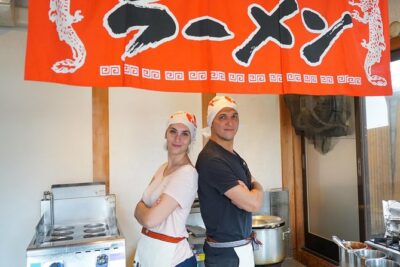
Ramen Cooking Class at Ramen Factory in Kyoto
Read our review →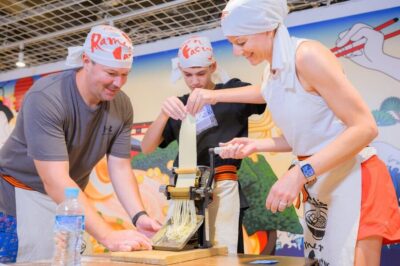
Ramen Cooking Class at a Ramen Factory with Souvenir
Read our review →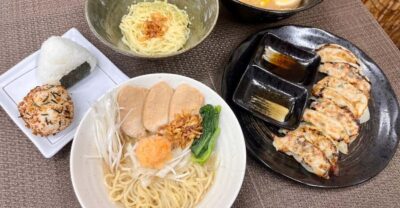
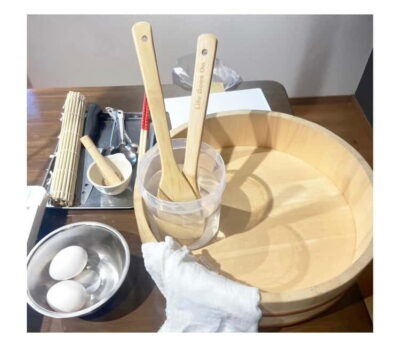
Japanese Washoku Bento Small Group Cooking Class
Read our review →
Kyoto Ramen and Gyoza Cooking Class with Professional Chefs
Read our review →
Gyoza Cooking Class in Kyoto: Traditional Japanese Dumplings
Read our review →Browse the lists this tour appears in