
Reviewed · KYOTO COOKING CLASSES
Private Guided Traditional Buddhist Cooking in Japan
Kyoto’s Buddhist cooking is much more than rice and vegetables. In this private class, Yukari teaches you how to turn tofu, lotus root, eggplant, wheat gluten, daikon, seaweed, and seasonal produce into a seven-dish meal. The food is completely plant-based, carefully seasoned, and built around the natural taste of each ingredient.
I like the hands-on format, since you do the chopping, simmering, shaping, and plating rather than simply watching a demonstration. I also like that you receive recipes to take home, along with a useful introduction to Japanese ingredients that are not always easy to identify in a restaurant.
The main consideration is time. Two and a half hours is enough for a satisfying meal and solid introduction, but not a full course in every part of Shojin-ryori. You also arrange your own transportation, and the class begins at 10:00 in Kyoto’s Sakyo Ward.
Key points to know before booking
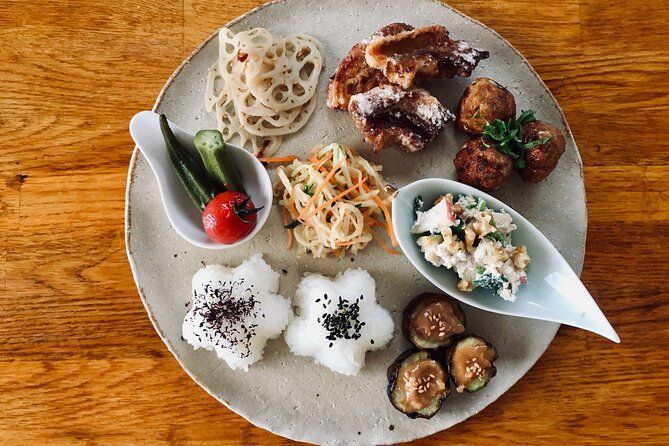
- Seven vegan dishes: Prepare seasonal vegetables, tofu salad, lotus root kinpira, miso-glazed eggplant, wheat-gluten fried chicken, teriyaki balls, and two rice balls.
- A private class: Only your own group participates, giving you more room to ask questions and work at your own pace.
- Yukari leads the cooking: She explains Buddhist food traditions, local ingredients, and practical techniques while you cook.
- Recipes go home with you: The class is designed to be repeated in your own kitchen, not forgotten after lunch.
- Temple-country setting: Enkoji Temple, Shisendo Temple, and Ginkakuji Temple are included as named stops connected with the experience.
- A good price for a full meal: At $70.94 per person, the fee covers food, drink, equipment, apron, recipes, utilities, and the facility fee.
Why Shojin-ryori makes a good Kyoto cooking class
Shojin-ryori is traditional Buddhist cooking made without animal products. Its roots are in temple kitchens, where avoiding harm to living creatures shaped both the ingredients and the cooking methods. You will not be working with meat, fish, or dairy here.
That does not mean the food is plain. Japanese cooking gets its character from careful cutting, controlled heat, fermented seasonings, tofu, grains, mushrooms, seaweed, and vegetables at their best. The aim is not to bury ingredients under heavy sauces. It is to bring out their texture and natural taste.
This class gives you a useful look at that idea. You prepare dishes with different colors, shapes, textures, and levels of seasoning. A plate of simmered vegetables sits beside crisp or chewy items, smooth tofu salad, sweet miso eggplant, and rice balls. You get a meal that feels complete without relying on animal products.
I especially like this for visitors who have already eaten plenty of sushi, ramen, and tempura. It shows another side of Japanese food, one tied to temples, restraint, and seasonal produce rather than restaurant spectacle.
More cooking classes in Kyoto:
- Ramen Cooking Class at Ramen Factory in Kyoto
★ 5.0 · 1,937 reviews - Kyoto: Ramen Cooking Class at a Ramen Factory with Souvenir
★ 4.9 · 532 reviews - Kyoto: Ramen, Gyoza, and Onigiri Cooking Class
★ 5.0 · 445 reviews
Cooking with Yukari from 10:00 to lunch
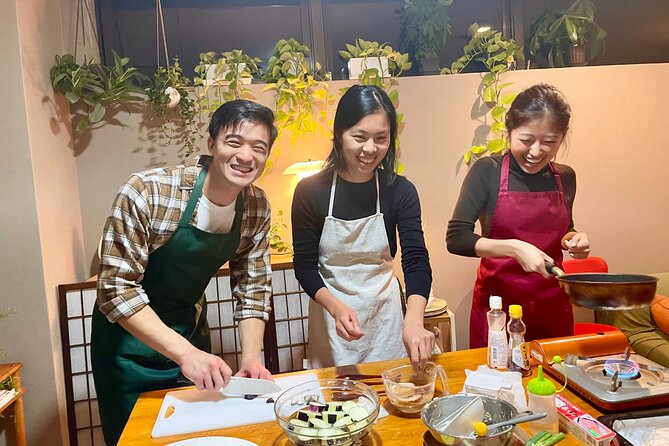
The meeting point is at Fairmont Building 16, Ichijoji Nodacho, in Sakyo Ward, with a 10:00 am start. You should allow enough time to reach the address under your own power. Private transportation is not included, though the meeting point is near public transportation.
The class begins with an introduction to Shojin-ryori and the ingredients used in the meal. This opening matters because some of the food may be familiar only after it has been prepared. Tofu, daikon, lotus root, wheat gluten, miso, and other Japanese staples can behave quite differently depending on how they are cut, soaked, fried, or simmered.
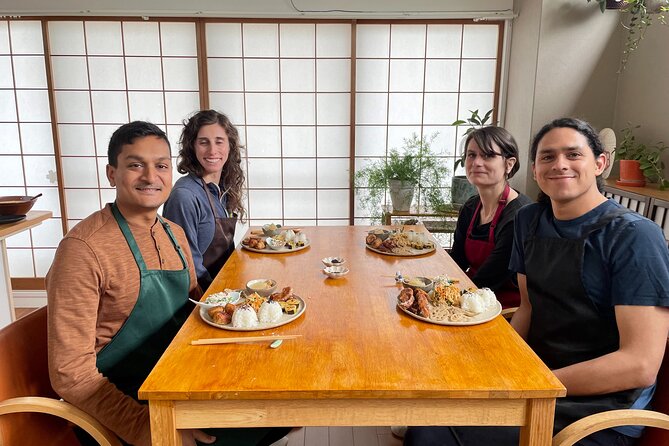
Then you put on an apron and begin cooking. All equipment is supplied, so you do not need to bring special tools. The experience is private, which is useful for families, couples, and small groups who want to ask questions freely or spend more time on a technique.
The class has received a perfect five-star rating from 16 posted ratings, with 100 percent recommending it. That does not guarantee that every group will have the same experience, but the consistent praise points to the same strengths: Yukari’s clear explanations, her patience, her warm manner, and the quality of the finished meal.
Families should take note. An 11-year-old was kept involved during the cooking, so the format can work for children who like practical activities. The class is also suited to adults who want more than a short demonstration. You are involved from preparation through the final plate.
The seven dishes you actually prepare
The menu is a strong part of the value because it gives you a wide sample of plant-based Japanese cooking in one sitting.
Simmered seasonal vegetables show how Japanese cooking handles produce with a light touch. The vegetables are cooked until tender while keeping their shape and character. The exact seasonal choices are not specified, so the plate may change according to availability.
Dried daikon salad brings a different texture to the meal. Dried daikon has a pleasant chew and takes on dressing well. It also shows how Japanese kitchens preserve vegetables and use them in ways that avoid waste.
Lotus root kinpira is made from thinly sliced lotus root that is braised. Lotus root is known for its crisp bite and distinctive holes, and thin slicing lets you notice how texture changes during cooking. Kinpira is a practical home dish, not a flashy restaurant item, which makes it especially useful to learn.
Nasu dengaku is eggplant glazed with miso. Eggplant absorbs flavor readily, and miso brings salt, sweetness, and depth. This is one of the dishes most likely to become a regular part of your cooking at home because it uses a familiar vegetable in a distinctly Japanese way.
Shiraae is a mashed tofu salad. It is soft, creamy, and mild, with tofu providing body instead of dairy. This dish helps explain why tofu is so important in Buddhist cooking. It can be a main source of texture and nourishment, not just an ingredient added to soup.
Spicy teriyaki balls add a firmer, more playful element to the menu. The name suggests a compact, seasoned bite with a sweet and spicy profile. The exact ingredients are not specified, so you should ask Yukari about substitutions or allergens if needed.
Vegetarian fried chicken using wheat gluten recreates the shape and savory satisfaction of fried chicken without using meat. Wheat gluten gives the dish a chewy texture. This is a useful lesson in how Buddhist cooking can offer a satisfying alternative rather than simply removing meat from a familiar plate.
You also make two rice balls, rounding out the meal with one of Japan’s most practical staples. At the end, the dishes are arranged as a plate lunch or dinner, and you eat the meal you helped prepare. Water or tea is included.
Enkoji, Shisendo, and Ginkakuji in the experience
Enkoji Temple, Shisendo Temple, and Ginkakuji Temple are named as stops connected with this Kyoto experience. Their presence gives the class a strong sense of place, since Buddhist cooking is best understood alongside the temples and neighborhoods where these food traditions developed.
Do not assume that the $70.94 fee includes private transportation between every named stop. Transportation is specifically not included, and the activity begins and ends at the meeting point. The supplied details also do not state admission arrangements, the amount of time spent at each temple, or whether a guide enters each site with you.
That is not necessarily a problem. It simply means you should treat the cooking class as the clear center of the booking and confirm the temple details if those stops are important to your plans. If your priority is food, the class itself offers plenty to do. If you are expecting a fully escorted temple tour with transport and long visits at each site, ask for clarification before paying.
The Sakyo Ward location also places the experience away from the most central shopping streets. That can be an advantage if you want a quieter part of Kyoto and a more local setting, but it requires a little planning at the start and end of the day.
Same city, a completely different kind of day:
- PERFECT KYOTO 1-Day Bus Tour
★ 5.0 · 13,518 reviews - Kyoto: Fushimi Inari, Kinkakuji, Bamboo Grove 1 Day Bus Tour
★ 4.8 · 4,316 reviews - Kyoto: Tea Ceremony in a Traditional Tea House in Kiyomizu
★ 4.9 · 3,519 reviews - Kyoto Geisha Walking Tour: Gion District & Hidden Gems
★ 4.7 · 3,273 reviews
What the price includes, and what it does not
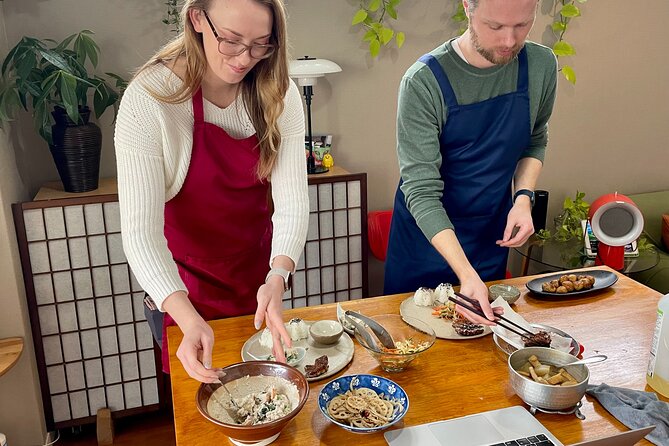
At $70.94 per person, this is not just a tasting. You receive the ingredients for seven dishes, a drink, apron, cooking equipment, utility charges, facility fee, and written recipes.
That package compares well with a standard restaurant meal if you value instruction and the chance to reproduce the food later. The recipes are important. Several people specifically appreciated being able to continue making the dishes at home, and that turns a single lunch into a skill you can use after returning from Japan.
The value is also stronger because the class is private. You are not sharing the cooking space with a large public group, and your own party takes part together. The tradeoff is that the fee does not include private transportation, so you need to handle the journey to the meeting point.
The class runs for about two and a half hours. That is a comfortable length for an introduction, especially with seven dishes to prepare. It is long enough to feel substantial, but short enough to fit into a full Kyoto day if you plan your route carefully.
Dietary needs and practical limits
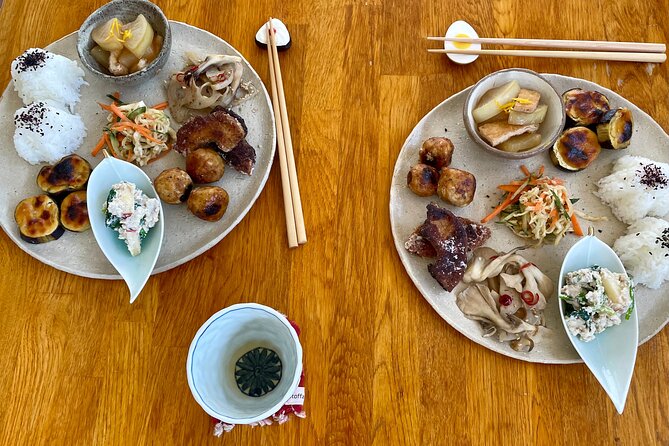
The meal is vegan, with no meat, fish, or other animal products used in the traditional Buddhist style described here. Gluten-free cooking can be accepted if you tell the host in advance.
That point is important because wheat gluten is part of the listed menu. If you need gluten-free food, do not wait until the class begins. Contact the provider before the activity so the dishes can be adjusted properly.
The experience also allows service animals and is near public transportation. No further accessibility details are provided, so anyone with mobility, seating, or equipment needs should ask before booking.
You receive confirmation when you book, and the activity uses a mobile ticket. Cancellation is free up to 24 hours before the 10:00 am start for a full refund. Changes or cancellations made inside that 24-hour window are not accepted or refunded.
Who will get the most from this class
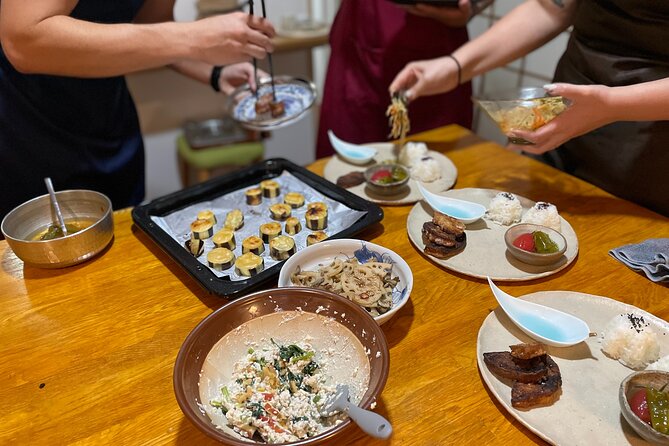
This is a good match for you if you want to:
- Learn a plant-based Japanese meal rather than sample one dish
- Cook alongside a local host instead of watching a staged show
- Understand tofu, miso, lotus root, daikon, and wheat gluten
- Take recipes home for later use
- Share a private food activity with family or a partner
- Try Kyoto food connected to Buddhist practice
It is less suited to you if you want a fast tasting, a meat-heavy cooking lesson, or a fully specified temple tour with transport included. It also may not satisfy someone looking for advanced professional training. The class is built around approachable home cooking, clear instruction, and a meal you can prepare in an ordinary kitchen.
The strongest personal benefit is the change in perspective. You learn that vegan Japanese cooking is not a narrow specialty. It uses many of the same ideas that shape Japanese cuisine more broadly: seasonal ingredients, careful knife work, fermented flavor, contrasting textures, and simple presentation.
Should you book this Kyoto cooking experience?
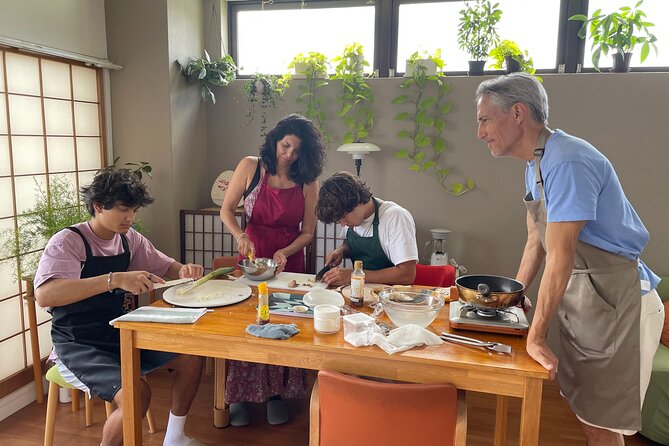
I would book it if you want a practical introduction to Buddhist food and prefer a private class with a real meal at the end. Yukari’s teaching style comes through as patient and generous, and the menu gives you a good range of techniques in one session.
The price is fair for the amount included, especially with seven dishes, recipes, equipment, and a private format. Confirm the temple schedule and transportation details if those are central to your day, and notify the host early about gluten-free needs.
For vegetarians, vegans, families, and curious cooks, this is one of the more useful ways to spend two and a half hours in Kyoto. You leave with a full lunch, a better grasp of Buddhist cooking, and recipes that can keep the experience going after you fly home.
FAQ
Where does the cooking class begin?
It begins at Fairmont Building 16, Ichijoji Nodacho, Sakyo Ward, Kyoto, Japan, 606-8165.
What time does the experience start?
The start time is 10:00 am.
How long does the cooking class last?
The activity lasts approximately two hours and 30 minutes.
Is the cooking class private?
Yes. Only your own group participates in the activity.
Is the meal vegan?
Yes. Shojin-ryori is prepared without animal products, including meat and fish.
What dishes will be prepared?
The menu includes simmered seasonal vegetables, dried daikon salad, lotus root kinpira, miso-glazed eggplant, shiraae tofu salad, spicy teriyaki balls, vegetarian fried chicken made with wheat gluten, and two rice balls.
Can the class accommodate gluten-free diets?
Yes. Gluten-free requests can be accepted, but you need to notify the provider in advance.
What is included in the price?
Ingredients, water or tea, an apron, cooking equipment, utility charges, the facility fee, and recipes are included.
Is transportation included?
No. Private transportation is not included. The experience begins and ends at the meeting point, which is near public transportation.
Newest Kyoto experiences on the site
- Treasures of Kyoto: Gion & historical Walking Tour★ 5.0 · 6 reviews
- Whisk Your Own Matcha: A Zen Matcha Experience at Temple★ 3.6 · 7 reviews
- Kyoto tea town for matcha lovers★ 5.0 · 16 reviews
- Uji: Private immersion into Kyoto’s tea and reglious culture★ 5.0 · 17 reviews
- Kyoto Matcha Green Tea Tour★ 4.5 · 23 reviews
- Uji and Wazuka Matcha Farm Half Day Private Guided Tour★ 5.0 · 21 reviews
- Utilising upcycled Matcha! Creating matcha incense (Uji, Kyoto)★ 5.0 · 6 reviews
- Sacred Temple Yoga Experience in Japan★ 5.0 · 3 reviews
Kyoto Cooking Classes, compared.
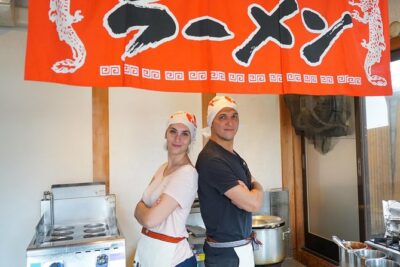
Ramen Cooking Class at Ramen Factory in Kyoto
Read our review →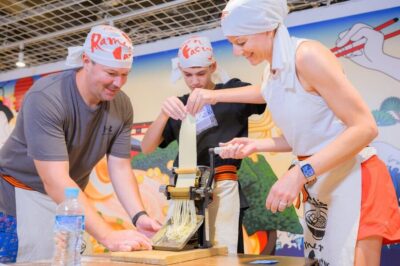
Ramen Cooking Class at a Ramen Factory with Souvenir
Read our review →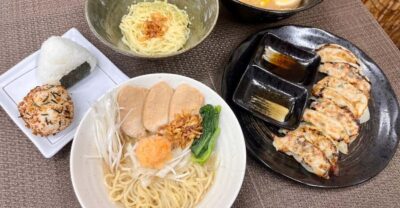
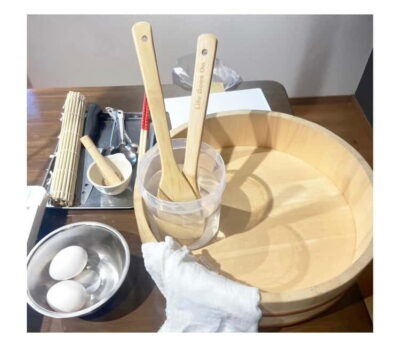
Japanese Washoku Bento Small Group Cooking Class
Read our review →
Kyoto Ramen and Gyoza Cooking Class with Professional Chefs
Read our review →
Gyoza Cooking Class in Kyoto: Traditional Japanese Dumplings
Read our review →Browse the lists this tour appears in