
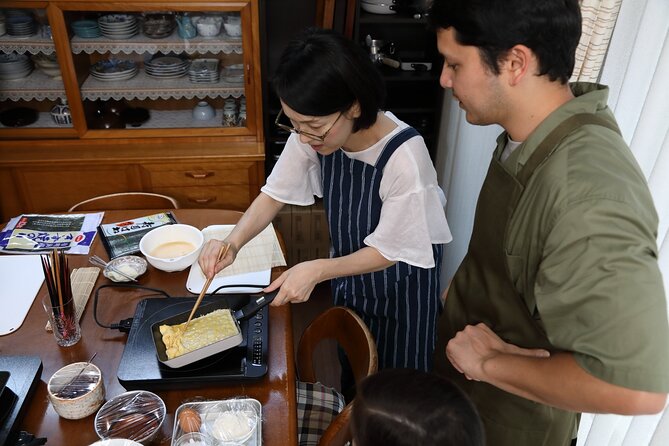
Reviewed · FUSHIMI INARI TOURS
Near Fushimiinari: Kyoto Home Cooking Class & Supermarket tour
A lesson in a traditional Kyoto home is the heart of this experience. You’ll learn about dashi, prepare about five Japanese dishes, eat what you make in a tatami room with a garden view, and then walk through a local supermarket to identify the ingredients you just used.
I like the small group size, which is capped at six, and the fact that the class is taught in English by licensed guide interpreters. I also like the supermarket visit: it turns an enjoyable meal into something you can repeat at home. The main consideration is the price, $118.92 per person, which is fair for four hours of instruction and lunch but higher than a basic cooking lesson.
Key points to know
- Dashi comes first: You learn about several types of Japanese soup stock, a foundation of everyday cooking.
- About five dishes are hands-on: You prepare the food yourself or with a partner after demonstrations from the instructor.
- Miho is a warm, clear host: Her English is easy to follow, and she explains both cooking methods and Japanese customs.
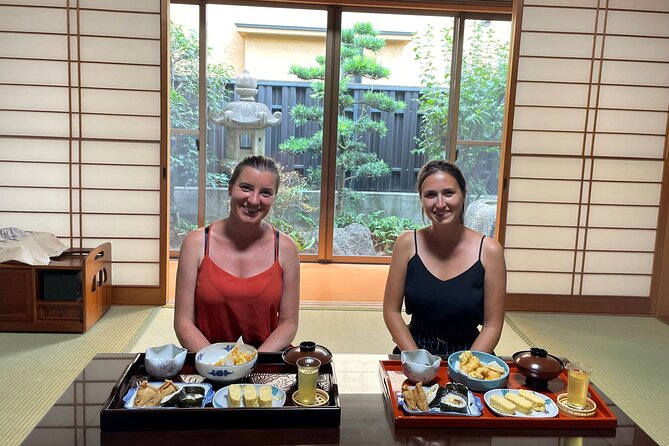
- The meal takes place in a classic setting: Eat together in a traditional room with tatami flooring, a tokonoma display area, and a garden view.
- The supermarket tour adds real value: After lunch, spend about 30 minutes finding the ingredients used in class.
- The group stays small: With no more than six participants, you can ask questions and get direct help.
A Kyoto Cooking Class Near Fushimi Inari
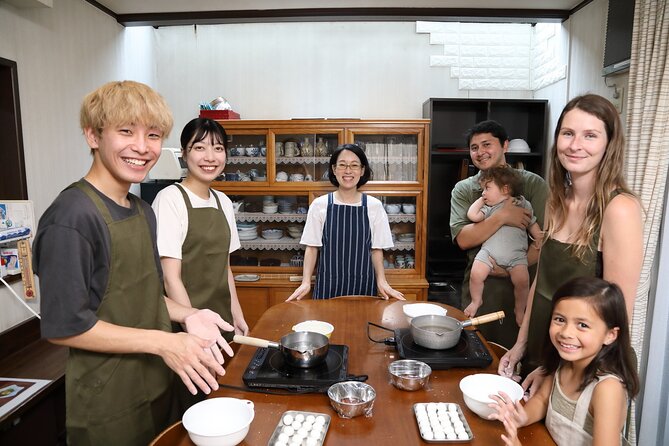
This four-hour experience begins at 9:30 a.m. at 38-4 Fukakusa Watamoricho in Fushimi Ward. The meeting point is near public transportation and close to Fushimi Inari Shrine, so it can fit neatly into a morning visit to one of Kyoto’s best-known sights.
The class takes place in a local home rather than a large cooking studio. That difference matters. You are not simply following a recipe at a workbench. You are seeing how a Japanese kitchen functions, learning about ingredients in a domestic setting, and sharing the finished food in a traditional room.
The provider is Japanese cooking class and walking tour. Miho is the guide named most often in the experience details, and she handles both the cooking and the cultural explanation. Other instructors may lead the class, but all instructors are licensed guide interpreters and the class is conducted in English.
The setting gives the morning a personal feel without requiring you to navigate Japanese culinary customs alone. If you are traveling by yourself, the small group also gives you an easy way to meet people over a shared meal.
More ways to walk the Fushimi Inari gates:
- Kyoto: Fushimi Inari, Kinkakuji, Bamboo Grove 1 Day Bus Tour
★ 4.8 · 4,316 reviews - Fushimi Inari Hidden Hiking Tour (Private Option Available)
★ 5.0 · 1,750 reviews - Osaka/Kyoto:Kinkakuji,Arashiyama,FushimiInariShrine,NaraPark
★ 4.1 · 1,596 reviews
Starting With Dashi, the Base of Japanese Cooking
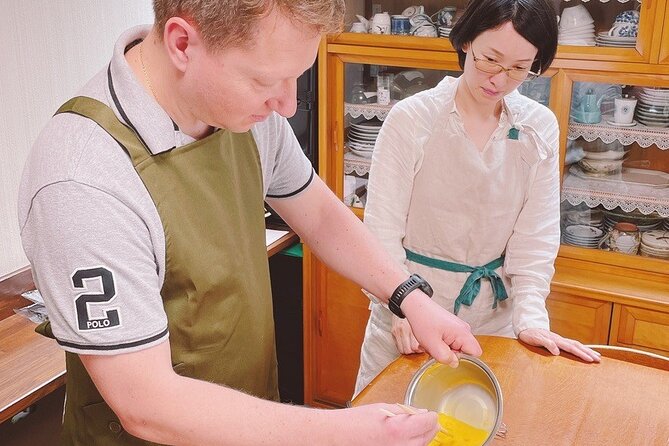
The first lesson focuses on dashi, the soup stock found in many Japanese dishes. This is one of the most useful parts of the class because dashi is less obvious than sushi, tempura, or miso soup. It is a background ingredient, but it shapes the flavor of many familiar foods.
You will look at different types of dashi and learn where they fit into Japanese cooking. The available information does not specify every variety or exact method, so you should expect an introduction rather than a full course in stock-making. Still, this opening gives you a better sense of why Japanese food can taste delicate yet full.
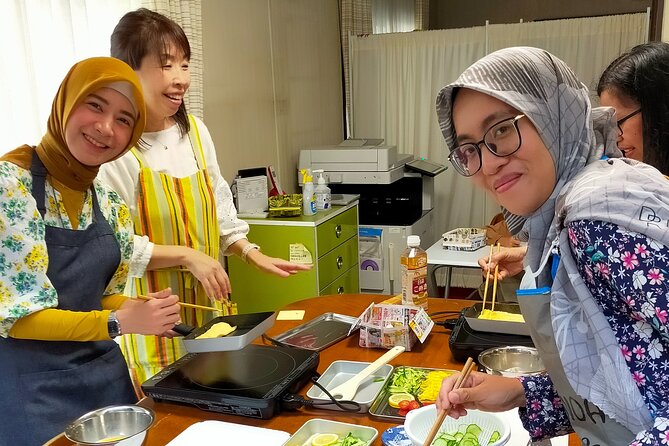
The instructor demonstrates techniques before you begin. That format works well for home cooks because you can watch the motion first, then try it yourself with help nearby. You may work alone or with a partner, depending on the class arrangement.
The small group cap is important here. Six people is large enough for a social meal, but small enough that you can ask how a technique should look or what to do if your mixture, cut, or cooking time is not quite right.
Preparing About Five Japanese Dishes
The exact menu can vary, but the dishes described in the experience include miso soup, sushi, spinach salad, tempura, and mochi. These cover several useful parts of Japanese cooking: soup, seasoned rice, vegetables, frying, and sweets.
Miso soup gives you a direct use for the dashi lesson. Sushi introduces careful assembly and presentation. Spinach salad shows how a simple vegetable dish can depend on seasoning rather than a long cooking process. Tempura adds a more technical element, while mochi provides a fun finish.
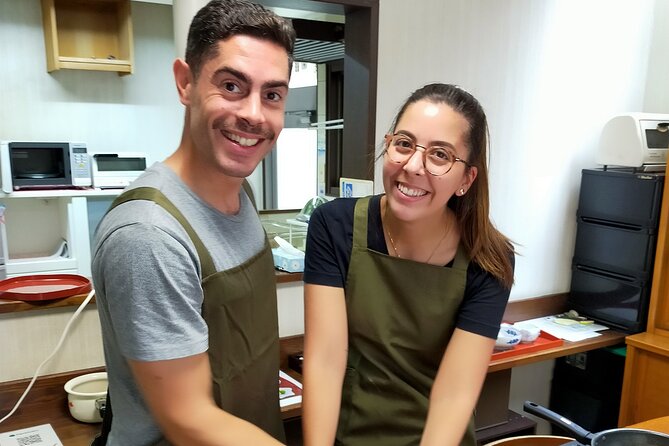
One of the class’s strengths is that you do not simply watch Miho prepare lunch. You take part in the cooking after each demonstration. That makes the recipes more memorable, and the included recipe sheets give you a way to repeat the dishes after returning home.
The recipes are especially useful for cooks who want practical Japanese food rather than a one-time spectacle. You may not leave ready to reproduce every restaurant dish, but you should have several manageable preparations to try with family and friends.
Vegetarian needs can be accommodated, according to the experience details. If that matters to you, mention it when booking so the instructor can plan appropriately. The information provided does not specify arrangements for every dietary restriction, so you should ask before paying if you have allergies or strict requirements.
Lunch in a Tatami Room With a Garden View
Once the cooking is finished, you sit down together and eat the meal. The dining room has tatami flooring, a tokonoma display area, and a view of a Japanese garden. Those details give the meal a sense of place that a standard cooking studio would not provide.
The room also helps connect the food to daily Japanese life. You are eating in a traditional home, not just looking at cooking equipment. For many people, this domestic setting will be more memorable than another restaurant meal, especially if this is your first visit to Japan.
The activity is described as a home-cooked lunch. One written account refers to an amazing Japanese dinner, but the scheduled start time and tour description point to a daytime lunch. Plan for a morning class followed by a midday meal.
Lunch is included, along with the cooking ingredients, seasonings, and taxes. Drinks are not included, so budget separately if you want something beyond what is provided. Gratuity is also not included.
Mochi may be part of the dessert or closing activity. The class description specifically mentions participants making mochi, and one account notes mochi as the finishing treat. This is a pleasant extra because it gives you a sweet, hands-on end to the meal rather than simply placing a dessert on the table.
More cooking classes in Kyoto:
- Ramen Cooking Class at Ramen Factory in Kyoto
★ 5.0 · 1,937 reviews - Kyoto: Ramen Cooking Class at a Ramen Factory with Souvenir
★ 4.9 · 532 reviews - Kyoto: Ramen, Gyoza, and Onigiri Cooking Class
★ 5.0 · 445 reviews - Kyoto: Japanese Washoku Bento Small Group Cooking Class
★ 5.0 · 380 reviews
The Supermarket Tour Makes the Recipes Practical
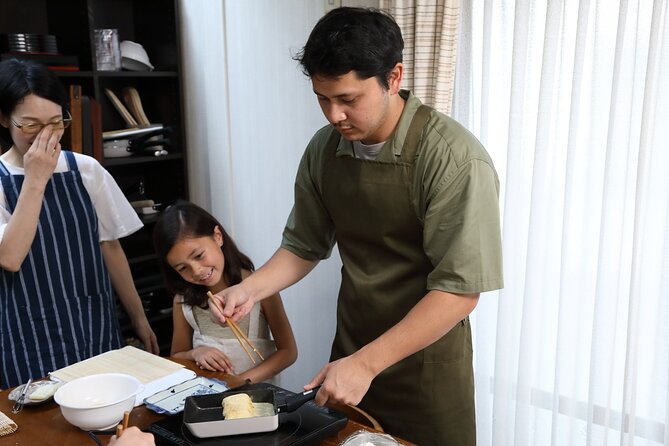
After lunch, you visit a local supermarket for about 30 minutes. This is not filler. Japanese grocery stores can be confusing when you cannot read the labels, and even familiar foods may appear in forms you do not recognize.
The guide helps you find the ingredients used in class and explains what you are seeing around the store. You can ask about products, compare options, and buy ingredients if you want to cook the recipes for friends or family.
This part makes the class more useful after you leave Kyoto. A recipe can be easy to understand on paper but hard to recreate when you cannot identify miso, soup stock, seasonings, or Japanese vegetables at the store. Seeing the actual packages and ingredients bridges that gap.
The supermarket visit is short, so do not expect a full tour of Japanese food culture or a long shopping excursion. Think of it as a focused follow-up to the cooking lesson. The guide points out what you need and helps you make sense of the shelves.
For an especially practical experience, take notes or photos if permitted. Write down product names and look for ingredients that can travel well or that you can find in Japanese markets at home. The included recipes and the store visit work best together.
What Miho Adds to the Morning
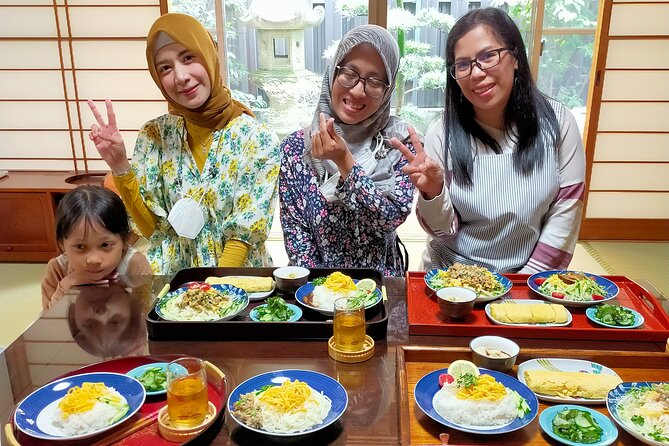
Miho receives particular praise for her friendly manner, clear instruction, and willingness to answer questions. Her English is described as easy to understand, which is important when you are learning techniques rather than just watching a demonstration.
She also explains Japanese customs and food traditions along with the recipes. That adds context without turning the class into a lecture. You learn not only how to make a dish, but also how ingredients fit into ordinary Japanese cooking.
Her patient approach should suit first-time cooks. The class does not appear aimed at professional chefs or advanced students. You can expect guidance through the steps, with time to ask questions and correct mistakes.
The host has also handled vegetarian requests. If you have special food needs, contact the provider ahead of time rather than assuming every menu can be adjusted on the day.
Who Will Get the Most From This Experience
I would choose this class if you want more than a food tasting and less than a full professional cooking course. It gives you a meal, recipes, cultural context, and a short shopping lesson in one four-hour block.
It is a particularly good fit for:
- Solo visitors who want a social activity with a small group
- Couples and families who prefer a local home to a formal studio
- First-time visitors curious about Japanese ingredients
- Home cooks who want recipes they can repeat
- People who enjoy asking questions and learning by doing
- Anyone combining the class with a visit to Fushimi Inari
Families may appreciate the range of tasks, especially the mochi preparation. The activity details do not provide a minimum age or specific child policy, so check before booking for young children.
This is less suited to anyone seeking a quick demonstration, a restaurant-style meal, or an advanced culinary course. Four hours is a substantial part of your Kyoto day, and the value comes from taking part in each stage.
Is $118.92 a Fair Price?
At $118.92 per person, this is not a bargain lunch. You are paying for a four-hour experience that includes instruction, food, ingredients, seasonings, taxes, an English-speaking guide, recipes, and the supermarket visit.
The small group helps justify the price. With a maximum of six people, you are not lost in a crowd, and you have a better chance of receiving direct help. The traditional home setting also adds something that is difficult to get from a standard restaurant meal.
The supermarket tour strengthens the value. If you only wanted to eat Japanese food, a restaurant would cost less. If you want to understand how the dishes are made and how to shop for the ingredients, this experience offers much more.
You should still factor in drinks and gratuity. Hotel pickup and drop-off are not included, so you must make your own way to the meeting point and return from there. The class ends back at the starting location.
I would call the price reasonable for someone who values instruction and cultural context. It is harder to justify if you mainly want lunch or already have strong Japanese cooking skills.
Timing, Location, and Cancellation Details
The class starts at 9:30 a.m. and lasts about four hours. Since it takes place near Fushimi Inari, you can plan the shrine for before or after the class, but do not cut your arrival too close. Give yourself enough time to find 38-4 Fukakusa Watamoricho.
The activity is near public transportation. No hotel pickup is provided, and the meeting point is also the ending point.
A mobile ticket is available, and confirmation is received when you book. Free cancellation is available until 24 hours before the local start time. Cancellations or changes made within 24 hours are not refunded or accepted.
The experience requires good weather. If poor weather causes a cancellation, you will be offered another date or a full refund. That policy matters because the day includes walking to the supermarket and a garden-view home setting.
Should You Book This Kyoto Cooking Class?
Book it if you want to understand Japanese food from the inside out. The strongest parts are the small group, clear English instruction, hands-on preparation of several dishes, and the supermarket visit that shows you how to find the ingredients afterward.
Miho’s friendly teaching style is a plus, and the traditional room gives the lunch a real sense of place. The class also works well for solo visitors who want conversation without joining a large group.
Skip it if you only want a cheap meal, need a fully specified menu before booking, or prefer a fast activity. At $118.92, the experience earns its price through personal instruction and cultural context, not through the amount of food alone.
For most curious home cooks, especially those staying near Fushimi Inari, this is a worthwhile four-hour use of a Kyoto morning.
FAQ
Where does the cooking class begin?
It begins at 38-4 Fukakusa Watamoricho, Fushimi Ward, Kyoto, 612-0022, Japan.
What time does the class start?
The class starts at 9:30 a.m.
How long does the experience last?
The experience lasts about four hours and ends back at the meeting point.
How many people can join the class?
The class has a maximum of six participants.
Is the class taught in English?
Yes. The class is conducted entirely in English, and the instructors are licensed guide interpreters.
Is lunch included?
Yes. Lunch, cooking ingredients, seasonings, and all fees and taxes are included. Drinks and gratuity are not included.
Is there a supermarket visit?
Yes. The experience includes a tour of a local supermarket lasting about 30 minutes, where you look for the ingredients used in the class.
Newest Kyoto experiences on the site
- Treasures of Kyoto: Gion & historical Walking Tour★ 5.0 · 6 reviews
- Whisk Your Own Matcha: A Zen Matcha Experience at Temple★ 3.6 · 7 reviews
- Kyoto tea town for matcha lovers★ 5.0 · 16 reviews
- Uji: Private immersion into Kyoto’s tea and reglious culture★ 5.0 · 17 reviews
- Kyoto Matcha Green Tea Tour★ 4.5 · 23 reviews
- Uji and Wazuka Matcha Farm Half Day Private Guided Tour★ 5.0 · 21 reviews
- Utilising upcycled Matcha! Creating matcha incense (Uji, Kyoto)★ 5.0 · 6 reviews
- Sacred Temple Yoga Experience in Japan★ 5.0 · 3 reviews
Fushimi Inari Tours, compared.
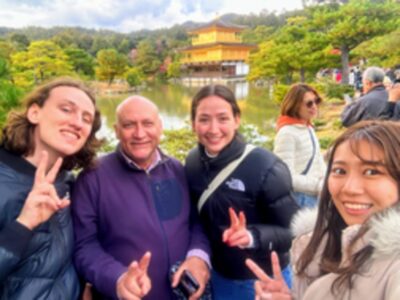
Fushimi Inari, Kinkakuji, Bamboo Grove 1 Day Bus Tour
Read our review →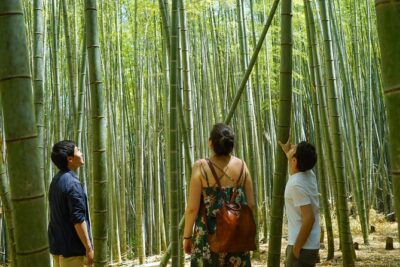
Fushimi Inari Hidden Hiking Tour (Private Option Available)
Read our review →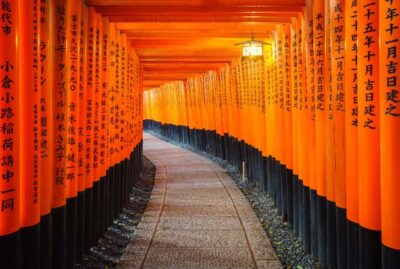
Kinkakuji,Arashiyama,FushimiInariShrine,NaraPark
Read our review →
Nara, Fushimi Inari Taisha, Arashiyama Bus Tour
Read our review →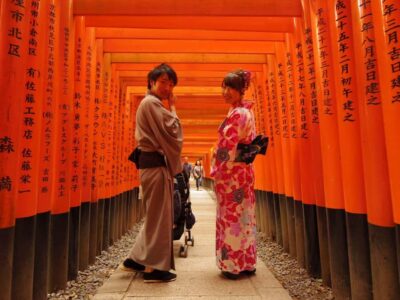
Arashiyama, Nara & Fushimi Inari Shrine w/Lunch
Read our review →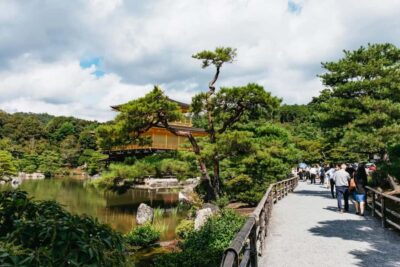
Nijo Castle, Kiyomizu & Fushimi Inari Guided Tour
Read our review →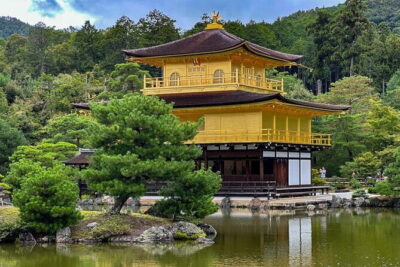
Nijo, Kinkaku-ji, Arashiyama, Kiyomizu & Fushimi Inari
Read our review →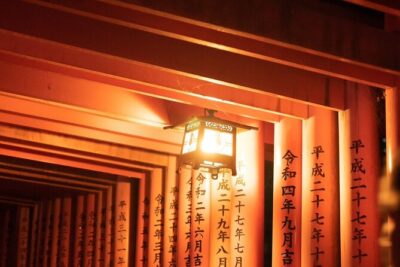
Browse the lists this tour appears in