
Reviewed · KYOTO ZEN MEDITATION
Kyoto Off The Beaten Path: Hidden Zen Garden & Magical Shrine
Kyoto’s famous temples can feel crowded before breakfast. This four-hour tour takes a different route, beginning in the quiet forest of Shimogamo Shrine and finishing at Tofuku-ji, where a carefully arranged Zen garden provides the main visual reward. Along the way, you get one of Kyoto’s most memorable indoor sights: Sanjusangendo’s hall of 1,001 Kannon statues.
I like the early 8:00 am start, which gives you a better chance of enjoying the shrines before the day fills up. I also like the small maximum group of eight, since a guide can explain temple customs and architecture without shouting over a crowd. The catch is simple: this is an active walking tour, and it is not a good fit if weak legs or sore joints make several hours on foot difficult.
Key points to know before booking
- Three very different Kyoto stops: A sacred forest, a vast Buddhist hall of statues, and a famous Zen garden give the morning plenty of variety.
- Early start at 8:00 am: The schedule is designed to reach major sights before the busiest part of the day.
- Small group of up to eight: You should have a more personal pace and a better chance to ask questions.
- Extra entrance fees: Budget ¥600 for Sanjusangendo and ¥500 for the Tofuku-ji Zen garden, in addition to the tour price.
- Moderate physical effort: Plan on steady walking, and wear shoes that feel good for several hours.
- A useful ending point: The tour finishes at Family Mart in front of Tofukuji Station, making it easy to continue exploring or return to your hotel.
Why this four-hour Kyoto route works
This tour is built around contrast. Shimogamo Shrine is quiet and wooded. Sanjusangendo is dramatic and intensely visual. Tofuku-ji is known for Zen architecture, gardens, and seasonal color. You are not simply ticking off three temples that look alike.
The route also moves through an important part of eastern and northern Kyoto without trying to cram in a full day of sightseeing. Four hours is enough time to focus, listen, and take in each place. It is short enough to leave your afternoon open for Nishiki Market, Gion, a tea ceremony, or a rest at your hotel.
The guide is an English-speaking local guide, though no individual guide name is provided in the tour details. The small group limit matters here. Shrine and temple visits often raise questions about worship, layout, statues, and etiquette. A group of eight is far more manageable than a large coach party, especially inside a quiet religious site.
The price is $97.55 per person. That is not a bargain-basement walking tour, particularly because the two main paid admissions cost another ¥1,100 total. Still, the value depends on what you want. You are paying for four hours of guiding, historical and cultural explanation, route planning, and a small group. If you would otherwise visit these places independently and simply read signs, the price may feel high. If you want context and a calm morning route, it is more reasonable.
More zen sittings and garden visits in Kyoto:
- Kyoto Zen Meditation & Garden Tour at a Zen Temple with Lunch
★ 5.0 · 441 reviews - Kyoto: Zen Experience in a Hidden Temple
★ 5.0 · 437 reviews - Kyoto: Tea Ceremony Meditation – Make Matcha with Tea Master
★ 4.8 · 406 reviews
Shimogamo Shrine and the forest before breakfast
The morning begins at McDonald’s on Shichijo Keihan, at 229 Hiyoshichō in Kyoto’s Higashiyama Ward. The start time is 8:00 am, so plan your transport carefully and arrive with a little extra time. The tour ends at Family Mart in front of Tofukuji Station, not back at the starting point.
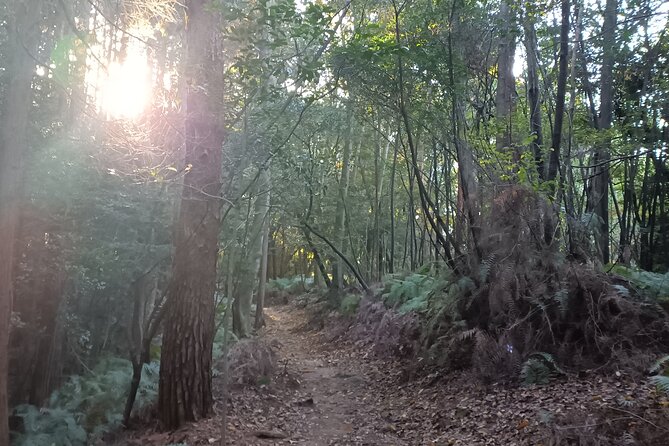
Shimogamo Jinja is a UNESCO World Heritage Site, but its strongest appeal is not a grand arrival scene. The shrine is protected by an ancient sacred forest, and that forest gives the first hour a slower, quieter feel. You walk beneath trees and approach a place that has served religious purposes for centuries.
I like beginning here because it sets the tone for the rest of the morning. Instead of starting with a major hall packed with sightseers, you begin with space, shade, and a sense of ceremony. Your guide can explain how Shinto shrines differ from Buddhist temples, as well as the meaning of the buildings and religious practices you encounter.
Admission to Shimogamo Shrine is free. That helps offset some of the additional costs later in the morning, though you should still bring money for the two paid stops.
The main limitation is that the shrine’s appeal depends partly on your interest in atmosphere and cultural context. If you want a long list of dramatic structures or hands-on activities, this first hour may feel quiet. That is also its purpose. You are being given time to notice the setting instead of rushing from one photo stop to the next.
Sanjusangendo’s 1,001 statues
The second stop is Sanjusangendo Temple, one of the most visually striking places in the program. Its great hall contains 1,001 statues of Kannon, the Buddhist goddess of mercy, along with guardian deities.
This is a different kind of sight from Shimogamo. The shrine’s forest spreads your attention outward, while Sanjusangendo pulls it into a long interior space filled with repeated figures. The sheer number of statues gives the visit its force. A guide’s explanation is useful here because the display can be overwhelming if you only walk through and count what you see.
The visit includes time to learn about the temple and its religious art. The tour details also refer to the East Garden Pond and Strolling Garden, giving you a quieter outdoor portion after the main hall. That change of pace is welcome. You get the grand interior, then a chance to walk more slowly around the grounds.
Admission is not included. The stated fee is ¥600 per person. Bring Japanese yen or a payment method accepted at the entrance, and remember that this amount is separate from the $97.55 tour price.
Sanjusangendo is likely the most concentrated sightseeing stop of the morning. It is also the point where the tour feels least off the beaten path, since it is a well-known Kyoto attraction. That is not a flaw. A route made up only of lesser-known places would miss one of the city’s most memorable interiors. The balance works because Sanjusangendo sits between two quieter, more spacious temple and shrine visits.
Tofuku-ji and the Zen garden finish
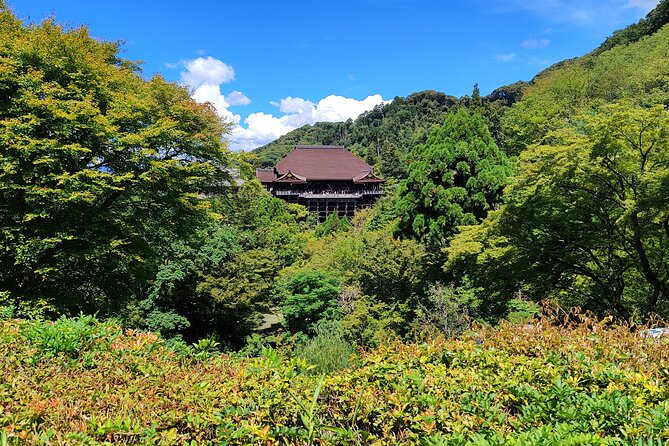
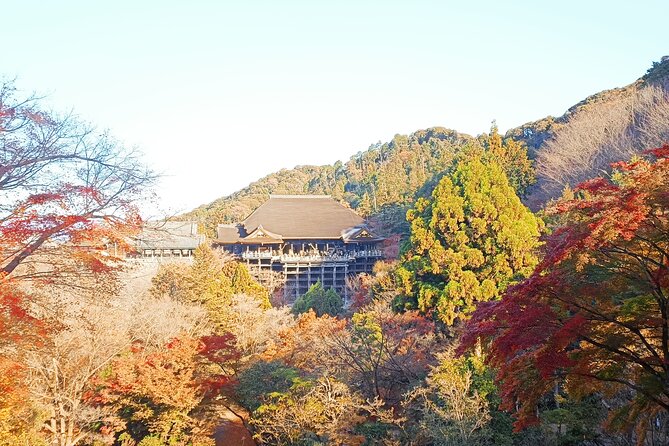
The final stop takes two hours, making Tofuku-ji the longest visit of the morning. Founded in 1236, Tofuku-ji is a major Rinzai Zen temple and is especially famous for autumn foliage and historic buildings.
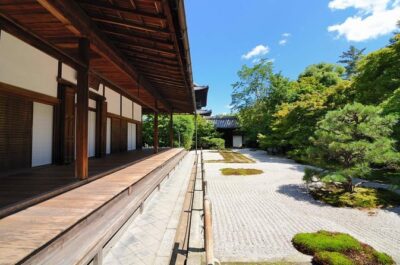
The focus here is temple architecture and the Zen garden. You will have time to look at how the temple’s buildings, open spaces, and garden relate to one another. This is where the tour’s title promise of a hidden Zen garden is most directly fulfilled, although the garden itself is not free to enter.
The stated entrance fee for the Zen garden is ¥500 per person. Add that to Sanjusangendo’s ¥600 fee, and your extra admission total comes to ¥1,100. Water and other drinks are also not included, so carry a bottle or plan to buy one before or during the morning. Alcohol is specifically not permitted as part of the tour.
Tofuku-ji is particularly attractive in autumn, when its foliage becomes a major draw. The tour is not limited to fall, however. The temple’s architecture and garden give you reasons to visit in other seasons too. You might find the experience more restrained outside autumn, but that can suit the Zen setting.
Two hours is a useful amount of time here. A short stop would not give you much room to understand the garden or appreciate the buildings. On the other hand, anyone who prefers rapid sightseeing may find the pace slow. I would see that as a good reason to book this tour only if you enjoy looking carefully rather than collecting as many sights as possible.
The tour finishes at Family Mart in front of Tofukuji Station. That is practical. You can continue exploring the area, catch public transportation, or stop for a drink and snack after the walk.
More shrines to work into a Kyoto day:
- Osaka/Kyoto: Arashiyama, Nara & Fushimi Inari Shrine w/Lunch
★ 4.4 · 754 reviews - KYOTO Tea Ceremony with kimono near by Imamiya Jinjya Shrine
★ 5.0 · 343 reviews - Kyoto: 3-Hour Fushimi Inari Shrine Hidden Hiking Tour
★ 4.9 · 270 reviews - Kyoto Magical Night English Tour: Gion & Fushimi Inari Shrine
★ 5.0 · 97 reviews
The early schedule is part of the value
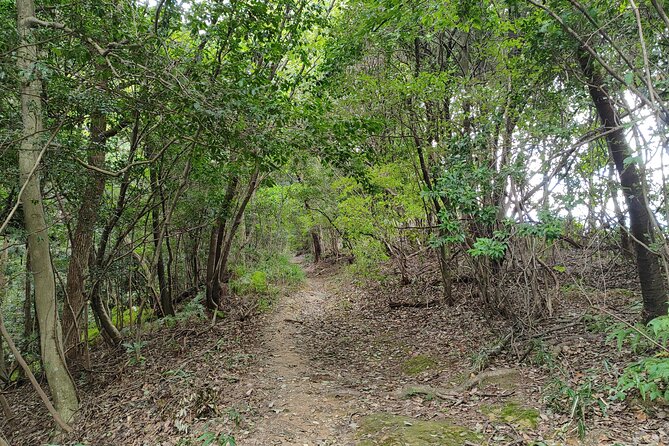
The start time is not a minor detail. Kyoto’s best-known shrines and temples become harder to enjoy as the morning progresses. An 8:00 am meeting gives you a head start, and the early start was specifically praised for helping avoid the rush of visitors.
You do need to be realistic about mornings in Kyoto. If your hotel is far from Shichijo Keihan, reaching the meeting point can require an early train or taxi. The tour does not include hotel pickup, so getting there is your responsibility.
The morning timing also leaves much of the day free. You can use the afternoon for a second neighborhood, a meal, shopping, or simply a slower break. For a first visit to Kyoto, that flexibility is useful. Four hours gives structure without taking over the entire day.
How much walking should you expect?
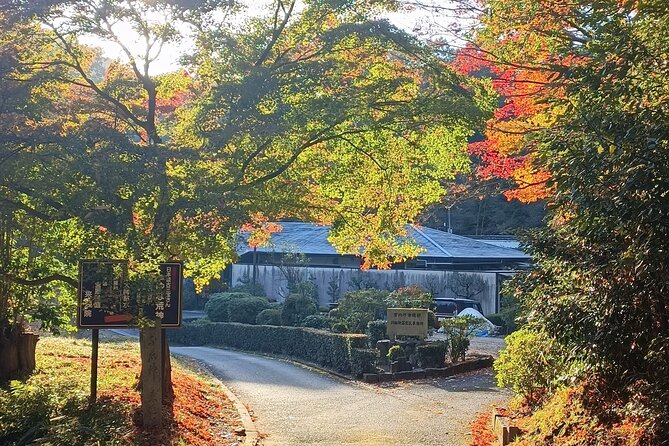
The tour requires a moderate level of fitness. You will visit three religious sites, walk through a forest and temple grounds, and spend several hours on your feet. The operator does not recommend it for people with weak legs or joint problems.
That warning should be taken seriously. The tour is not described as a strenuous hike, but it is active. You should wear supportive shoes, bring water, and avoid assuming that a four-hour tour means four hours of easy standing and short transfers.
The maximum group size is eight. That makes it easier for the guide to keep the group together and answer questions, but it does not reduce the amount of walking. A small group improves the social side of the tour, not the physical demands.
If you enjoy walking through historic districts and temple grounds, the pace should feel manageable. If you need frequent seated breaks, ask about the exact route before booking. The provided information confirms moderate physical activity, but it does not give a precise distance or step count.
What is included, and what costs extra?
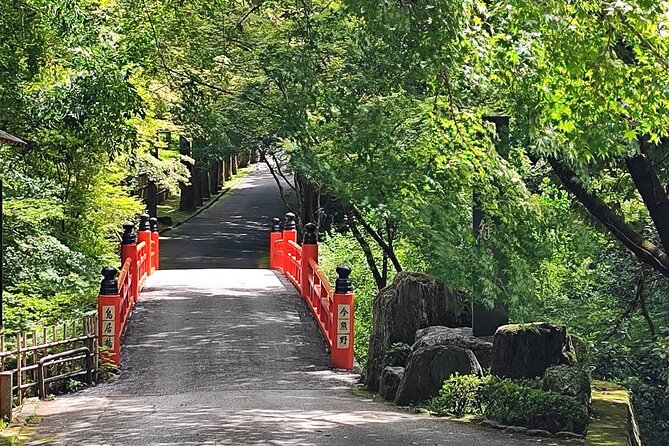
The tour includes an experienced local guide with a good command of English. The guide is the main reason to consider booking rather than visiting the three sites alone. You are not just being transported between attractions. The stated focus is on Japanese culture, history, and society, with time to understand what you are seeing.
The following costs are not included:
- Sanjusangendo entrance: ¥600 per person
- Tofuku-ji Zen garden entrance: ¥500 per person
- Water and other drinks
- Alcohol, which is not permitted
At $97.55 per person, this is best viewed as a small-group guided morning rather than a cheap sightseeing pass. For two people, the tour price is $195.10, before the ¥2,200 in combined admission fees. That total may be worthwhile if you want a guide and do not want to plan the route yourself.
If your priority is saving money, the independent option will likely cost less. You can visit the sites by public transportation and pay only the entrance fees, though you would give up the explanations and group planning. If your priority is understanding why these places matter, the guided format makes a stronger case.
Who should book this Kyoto walk?
I would recommend this tour to you if you want a calm start, prefer smaller groups, and enjoy learning how religious buildings and gardens fit into Japanese culture. It also suits first-time visitors who want a planned route but do not want a full-day group excursion.
The tour is a good match for:
- Visitors who want to avoid the busiest hours
- People who enjoy gardens, architecture, and religious art
- Couples or solo visitors who prefer a small group
- Anyone looking for a four-hour morning activity
- Guests comfortable with moderate walking and standing
I would be more cautious if you want free time at every stop, dislike fixed schedules, or have weak legs and joints. The group needs to follow a shared route, and the three stops are chosen for their cultural value rather than shopping, food, or entertainment.
Cancellation and weather details
You can cancel for a full refund up to 24 hours before the local start time. Changes or cancellations made less than 24 hours before the start are not accepted for a refund.
The activity requires good weather. If poor weather causes cancellation, you will be offered another date or a full refund. The tour also requires a minimum number of participants. If that minimum is not reached, you will be offered a different date or experience, or a full refund.
Should you book this tour?
Book it if you want Kyoto explained at a human pace, with an early start, a small group, and three stops that feel noticeably different from one another. The free Shimogamo forest, the 1,001 Kannon statues at Sanjusangendo, and Tofuku-ji’s Zen garden create a strong morning sequence.
Skip it if you want the cheapest way to visit the sights or if several hours of walking will be uncomfortable. The $97.55 price does not include ¥1,100 in entrance fees, so the final cost is higher than the headline figure.
For the right visitor, the value is in the guide, the timing, and the route. You get away from Kyoto’s most crowded patterns without missing one major temple interior, and you finish near a train station with the afternoon still ahead.
FAQ
What time does the tour start?
The tour starts at 8:00 am.
Where is the meeting point?
Meet at McDonald’s, Shichijo Keihan, 229 Hiyoshichō, Higashiyama Ward, Kyoto, 605-0993, Japan.
Where does the tour finish?
The tour ends in front of Family Mart at Tofukuji Station, 12 Chome Honmachi, Higashiyama Ward, Kyoto, 605-0981, Japan.
How long does the tour last?
The tour lasts approximately four hours.
What entrance fees are not included?
Sanjusangendo costs ¥600 per person, and the Tofuku-ji Zen garden costs ¥500 per person. Both fees are separate from the tour price.
Is a guide included?
Yes. The tour includes a local guide with a good command of English.
How many people can join the tour?
The maximum group size is eight travelers.
Is the tour suitable for people with limited mobility?
The tour requires moderate physical fitness and is not recommended for people with weak legs or joints.
Newest Kyoto experiences on the site
- Treasures of Kyoto: Gion & historical Walking Tour★ 5.0 · 6 reviews
- Whisk Your Own Matcha: A Zen Matcha Experience at Temple★ 3.6 · 7 reviews
- Kyoto tea town for matcha lovers★ 5.0 · 16 reviews
- Uji: Private immersion into Kyoto’s tea and reglious culture★ 5.0 · 17 reviews
- Kyoto Matcha Green Tea Tour★ 4.5 · 23 reviews
- Uji and Wazuka Matcha Farm Half Day Private Guided Tour★ 5.0 · 21 reviews
- Utilising upcycled Matcha! Creating matcha incense (Uji, Kyoto)★ 5.0 · 6 reviews
- Sacred Temple Yoga Experience in Japan★ 5.0 · 3 reviews
Kyoto Zen Meditation, compared.
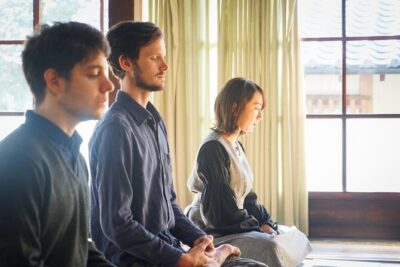
Kyoto Zen Meditation & Garden Tour at a Zen Temple with Lunch
Read our review →
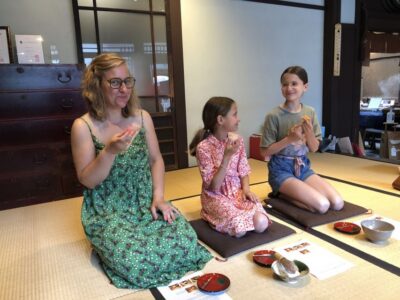
Tea Ceremony Meditation – Make Matcha with Tea Master
Read our review →
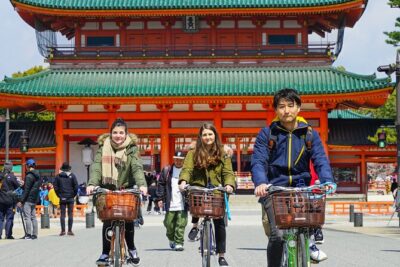
4.5-Hour Kyoto Bike Tour with Lunch and UNESCO Zen Temples
Read our review →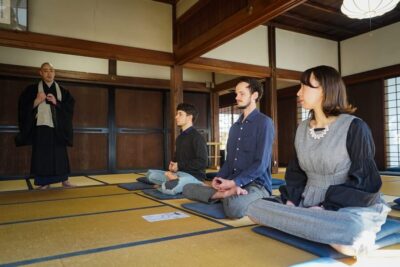
Zen Meditation and Garden Tour at a Temple with Lunch
Read our review →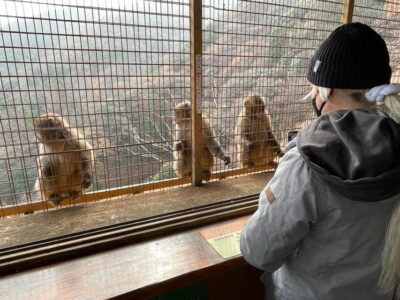
Arashiyama Guided Tour, Bamboo, Monkey, Zen Temple
Read our review →Browse the lists this tour appears in