
Reviewed · KYOTO SHRINE TOURS
Kyoto: Kifune Shrine and the Sacred Kifune Valley Day Trip
Kifune Valley gives you a quiet side of Kyoto, where clear streams, wooded slopes, and sacred shrine grounds replace the city’s busy lanes. I like the scenic Eizan Railway ride and the chance to visit both Kifune Shrine and its middle shrine, Nakamiya, rather than stopping for a quick photo.
I also like the small private-group format, which gives your guide room to explain the site and answer questions. Guides Yoshi and Kisho Hasegawa have earned especially warm praise for their cultural knowledge and kind manner. The main drawback is practical: the meeting-point information can be confusing, and one guest lost time after going to the wrong location.
Key points to know before booking
- The train ride is part of the pleasure: You travel from Kyoto toward Kifune-guchi on the Eizan Railway, passing from the city into the wooded hills.
- Two sacred stops add context: The visit includes Kifune Shrine’s main grounds and Nakamiya, the middle shrine.
- Try the Mizu-ura fortune ritual: This unusual water divination activity gives the visit a hands-on cultural moment.
- Expect a walking tour: Comfortable shoes and drinking water matter, and the experience is not suitable for wheelchair users.
- Time and meeting details vary: The outing can last from 90 minutes to four hours, with starting points and drop-off points dependent on the option you choose.
- The $81 price buys guidance and simplicity: Meals are not included, but a private guide, transport guidance, and cultural explanation can make the trip worthwhile.
Why Kifune Valley feels far from Kyoto
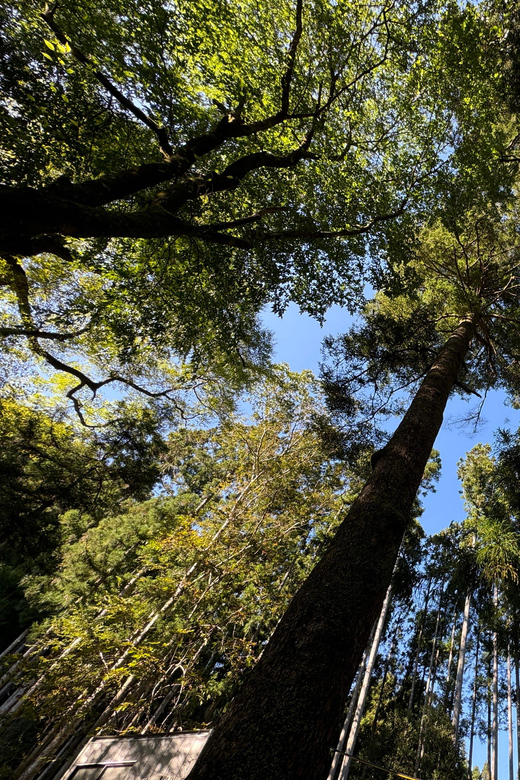
Kyoto is famous for temples and shrines inside the city, but Kifune offers a different setting. Here, the appeal comes from the mountain air, running water, tall trees, and the feeling of moving into a quieter part of Honshu.
I like this excursion because the setting does much of the work. You are not simply walking from one building to another. The journey itself shifts from Kyoto’s urban center to a wooded valley, making the shrine visit feel connected to its surroundings.
Kifune Shrine is associated with water and sits beside a clear mountain stream. The natural setting helps explain why the place feels suited to quiet reflection. You can expect a calmer pace here than at Kyoto’s most famous central sights, though the tour still involves walking and some uneven surfaces.
This is a good choice if you have already seen several major Kyoto temples and want something less urban. It also suits you if you enjoy places where nature and religious practice are closely linked. The experience is not built around shopping, meals, or a long list of attractions. Its appeal is narrower and more peaceful.
More shrines to work into a Kyoto day:
- Osaka/Kyoto: Arashiyama, Nara & Fushimi Inari Shrine w/Lunch
★ 4.4 · 754 reviews - KYOTO Tea Ceremony with kimono near by Imamiya Jinjya Shrine
★ 5.0 · 343 reviews - Kyoto: 3-Hour Fushimi Inari Shrine Hidden Hiking Tour
★ 4.9 · 270 reviews
Starting from Kyoto and riding the Eizan Railway
The day begins with directions connected to Kyoto Station’s JR West Exit, followed by travel to Demachiyanagi Station. From there, you board the Eizan Railway for the ride toward Kifune-guchi Station.
That rail journey is an important part of the outing. You leave the city behind and move into the countryside, with wooded views replacing Kyoto’s streets. The ride gives you time to settle into the slower pace of the day.
The exact start can vary. Two possible starting locations are listed near Kifune: Kifune Ichinotani Sightseeing Toilet and Kurama Mountain’s Great Tengu. Since these are not the same place, check your booked option carefully before setting out. The meeting point may change depending on the version you select.
This is the main logistical weakness of the experience. One person arrived at the wrong meeting point after unclear directions and lost a significant part of the outing. I would confirm the exact Japanese name, map pin, and meeting instructions before leaving Kyoto. If you are not comfortable matching Japanese place names, save a screenshot and show it to station staff or your guide.
Arriving at Kifune Shrine
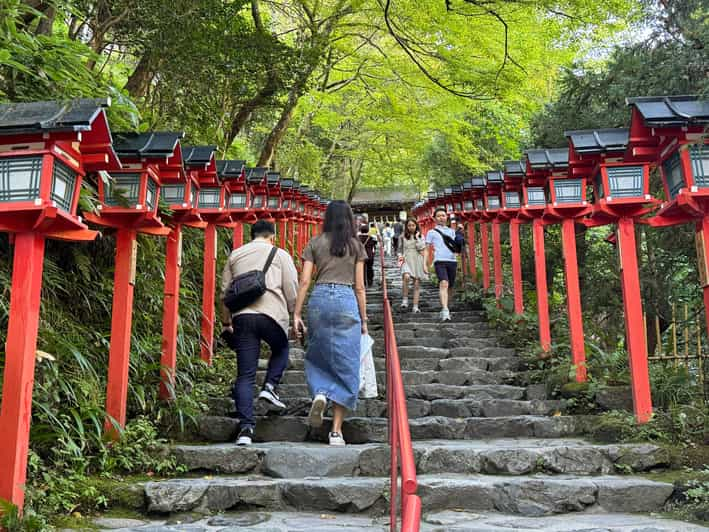
After reaching Kifune-guchi Station, you continue to the shrine area. The supplied schedule allows about 30 minutes at the main site within a longer guided visit, though the total tour length can vary by booking.
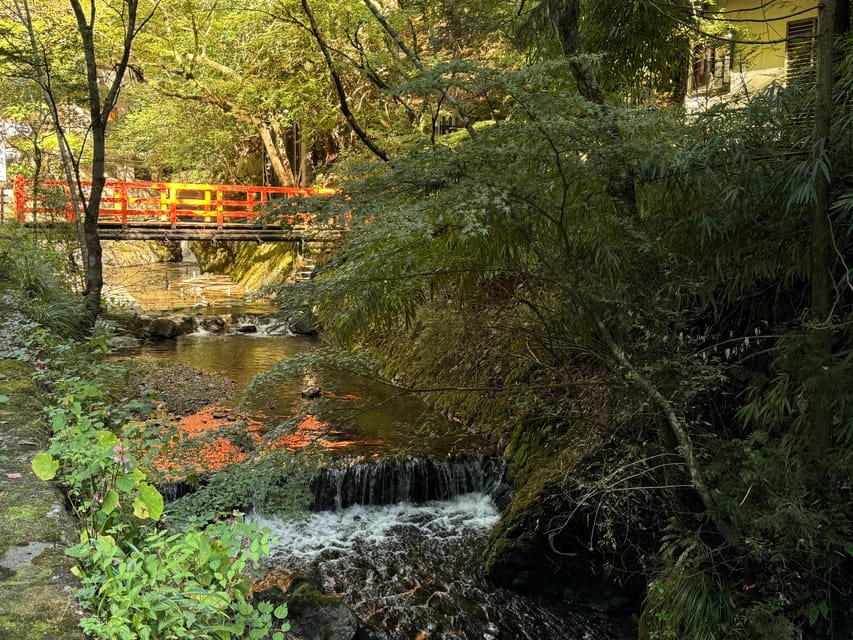
Kifune Shrine is surrounded by forest and sits near clear streams. The setting is the main attraction, so give yourself time to look beyond the main hall. Notice the relationship between the buildings, the water, and the trees. This is a place where the sound of the stream and the cool mountain air are part of the experience.
Your guide can add meaning to the visit by explaining Japanese religious customs and the role of the shrine. Two guides named in the tour feedback are Yoshi and Kisho Hasegawa. Yoshi was praised for his strong knowledge of Japanese culture and his kind manner, while Kisho was described as a friendly guide who explained cultural facts well.
That kind of help matters here. Without context, you might see a beautiful shrine and move on. With a guide, you can ask why the site is important, how visitors behave, and what to look for during the rituals. The tour is offered in Japanese and English, so confirm your preferred language when booking.
The Mizu-ura water fortune ritual
One of the most distinctive parts of the visit is the Mizu-ura fortune ritual. This is a form of water divination connected with Kifune Shrine. You place a fortune paper in water and wait for the message to appear.
It is a small activity, but it gives you something to do beyond taking photographs. The ritual also fits the shrine’s connection with water. I would treat it as a cultural experience rather than a prediction to take too seriously. Its value is in seeing how a traditional practice remains part of a shrine visit.
The activity includes the chance to try this ritual, but specific details about fees or the exact procedure are not provided. Ask your guide how it works when you arrive. That is better than guessing, especially if the shrine has local rules about where and how to participate.
Bring your camera, but use it with care. The wooded setting, stream, and shrine architecture offer good subjects, yet the spiritual character of the site deserves a quiet approach. You do not need to turn every moment into a photo stop.
A few more Kyoto tours worth putting on the shortlist
- PERFECT KYOTO 1-Day Bus Tour
★ 5.0 · 13,518 reviews - Kyoto: Fushimi Inari, Kinkakuji, Bamboo Grove 1 Day Bus Tour
★ 4.8 · 4,316 reviews - 10 Must-see Spots in Kyoto One Day Private Tour (up to 7 people)
★ 5.0 · 1,108 reviews - Kyoto 1 Day Tour from Kyoto
★ 4.0 · 582 reviews
Visiting Nakamiya, the middle shrine
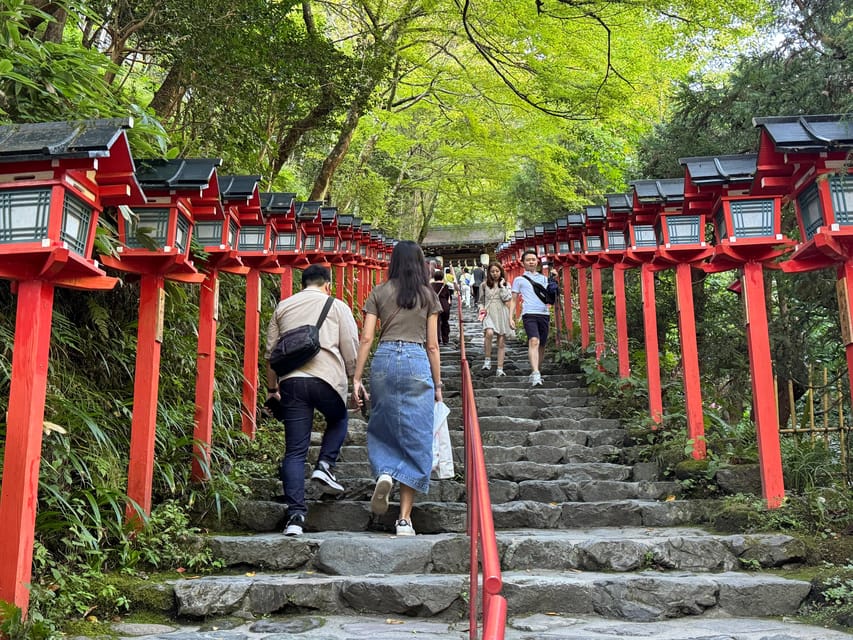
The tour continues to Nakamiya, described as Kifune’s middle shrine. This second stop gives the visit more depth because you see another part of the sacred site instead of treating the main hall as the entire destination.
Nakamiya is suited to a slower look and a little reflection. The surrounding nature remains central, and your guide can explain why the middle shrine matters within the wider Kifune setting. The supplied information does not give a detailed breakdown of the buildings or rituals here, so I would not expect a long formal lecture. Instead, think of this as a chance to understand the area through its different sacred points.
This part may appeal most to people who like religious sites for their atmosphere as much as their architecture. If you prefer a packed schedule with many famous buildings, the pace may feel too gentle. Kifune works best when you allow the trees, water, and quiet to carry some of the experience.
The walk between sites also affects the day. Comfortable walking shoes are essential. The tour is not suitable for wheelchair users, and the valley setting may be tiring for anyone who has difficulty walking on uneven ground. Bring water, particularly if you are visiting during a warm season.
What $81 means in practical terms
The advertised price is $81 per person. Meals and drinks are not included, so budget separately for anything you want to eat or drink during the day.
The value depends on how much help you want. You can reach Kifune independently, but a private Japanese or English-speaking guide provides structure, transport guidance, cultural explanation, and assistance at the shrine. For a first visit to Kyoto, that support may be worth paying for, especially if train changes and rural directions make you uneasy.
The price is less compelling if you are already comfortable navigating Japanese railways and prefer to explore shrine grounds alone. In that case, you may value the freedom of setting your own pace more than a guided visit.
The private-group format is another advantage. You are not assigned to a large group, and a private guide can adjust explanations to your interests. However, the information does not specify the maximum group size, so ask before booking if that detail matters to you.
The duration also needs attention. The experience is described as lasting from 90 minutes to four hours, while the broader plan returns to Kyoto in the late afternoon, around 16:00. That is a wide range. Check the specific starting time and duration for your selected option, especially if you have evening dinner reservations or another Kyoto activity planned.
Handling the meeting point and return
The tour information gives different possible meeting and drop-off locations. The start may be at Kifune Ichinotani Sightseeing Toilet or near Kurama Mountain’s Great Tengu. Possible drop-offs include Kifune Shrine and the Lantern Stairway.
These details are important because Kifune is outside central Kyoto. A wrong turn at the beginning can cost more time here than it would in the city. I recommend checking four things before departure:
- The exact meeting-point name in Japanese and English
- The time you must arrive
- Whether you should first go to Kyoto Station or meet directly near Kifune
- The exact drop-off point at the end
The route description begins at Kyoto Station’s JR West Exit and continues through Demachiyanagi Station, but the two listed start choices suggest that the final arrangement depends on the option booked. Do not assume every departure follows the same sequence.
The return is planned for the late afternoon, with completion by about 16:00 in the main schedule. Since the total duration can vary, allow extra time before any fixed evening plan.
Who will enjoy this outing most
I would choose this experience if you want a break from Kyoto’s crowded central sights and prefer a quieter day in the hills. It suits couples, families with older children, solo visitors who want guidance, and anyone interested in Japanese shrine customs.
It is also a good fit for photographers. The stream, trees, shrine buildings, and mountain route offer varied views without requiring a long list of separate attractions.
You should think twice if you have limited mobility, dislike walking, or need a precise schedule. The activity is not wheelchair accessible, and the rural setting gives you less flexibility than a central Kyoto tour.
Food-focused visitors should also note the limits. Meals and drinks are not included, and the main purpose is the shrine and natural setting. You are paying for the route, guide, and cultural experience, not for lunch or a full day of sightseeing.
My practical advice before you go
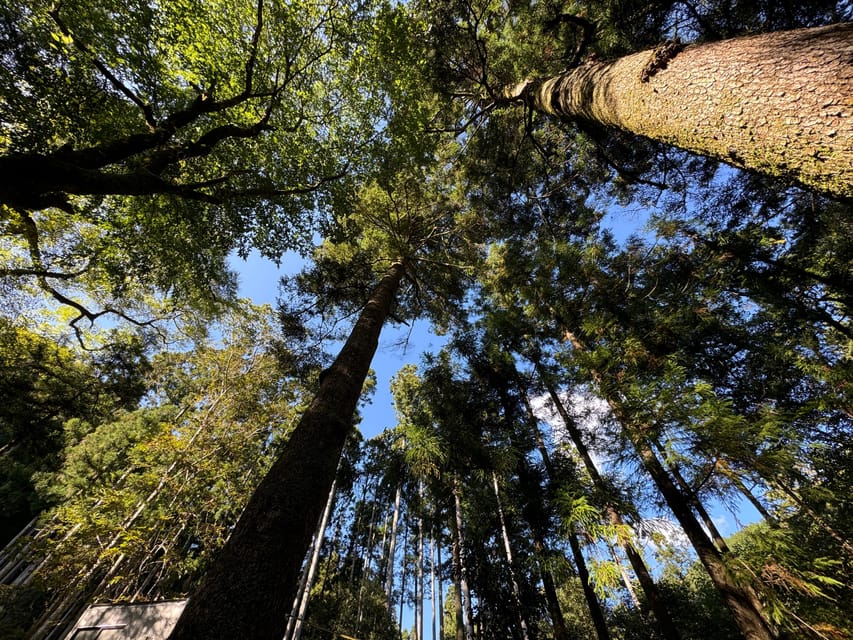
Wear shoes with good support. The walk is a key part of the visit, and casual footwear with poor grip may make the shrine approach less comfortable.
Bring water and a camera. You may also want your phone fully charged because you will need maps, meeting instructions, and possibly translation help if the location details are unclear.
Keep the schedule flexible. The stated duration ranges from 90 minutes to four hours, and the route may change with the option selected. If the train or meeting arrangements are important to you, confirm them before the day of the tour.
Finally, ask your guide about the Mizu-ura ritual and Nakamiya. Those are the details that make this more than a simple walk to a scenic shrine. Guides such as Yoshi and Kisho Hasegawa have been praised for explaining Japanese culture in a friendly way, so use the private setting to ask questions.
Should you book the Kifune Shrine trip?
Book it if you want a calm mountain outing with a guide, a scenic train ride, and a closer look at shrine customs. The combination of Kifune Shrine, Nakamiya, water divination, and wooded streams gives you a side of Kyoto that feels removed from the city.
The $81 cost is reasonable for a private guided experience if you value help with transport and cultural explanation. It is harder to justify if you want only a quick shrine visit or already know the Kifune route well.
My strongest warning is the meeting-point confusion. Confirm the exact starting location in writing, and check the duration of your chosen option. With those details settled, this is a thoughtful choice for a slower, nature-centered day outside central Kyoto.
FAQ
Where does the Kifune Shrine tour start?
The meeting point may vary by booking option. Listed starting locations include Kifune Ichinotani Sightseeing Toilet and the Great Tengu at Mount Kurama. Check the exact location attached to your selected option.
How long does the experience last?
The activity can last from 90 minutes to four hours. The broader schedule describes a return to Kyoto in the late afternoon, around 16:00. Check availability for the exact starting time and duration.
Is transportation included?
The route includes travel from Kyoto toward Kifune by train, including the Eizan Railway from Demachiyanagi Station to Kifune-guchi Station. The precise arrangement depends on the option booked.
Is the tour available in English?
Yes. The tour offers live guides in Japanese and English.
Are meals and drinks included?
No. Meals and beverages are not included, so you need to arrange and pay for them separately.
Is the tour suitable for wheelchair users?
No. The activity is not suitable for wheelchair users and involves walking in the Kifune area. Comfortable walking shoes are recommended.
Newest Kyoto experiences on the site
- Treasures of Kyoto: Gion & historical Walking Tour★ 5.0 · 6 reviews
- Whisk Your Own Matcha: A Zen Matcha Experience at Temple★ 3.6 · 7 reviews
- Kyoto tea town for matcha lovers★ 5.0 · 16 reviews
- Uji: Private immersion into Kyoto’s tea and reglious culture★ 5.0 · 17 reviews
- Kyoto Matcha Green Tea Tour★ 4.5 · 23 reviews
- Uji and Wazuka Matcha Farm Half Day Private Guided Tour★ 5.0 · 21 reviews
- Utilising upcycled Matcha! Creating matcha incense (Uji, Kyoto)★ 5.0 · 6 reviews
- Sacred Temple Yoga Experience in Japan★ 5.0 · 3 reviews
Kyoto Shrine Tours, compared.
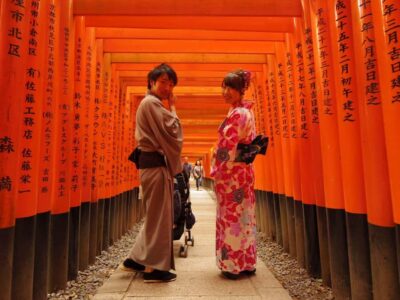
Arashiyama, Nara & Fushimi Inari Shrine w/Lunch
Read our review →
KYOTO Tea Ceremony with kimono near by Imamiya Jinjya Shrine
Read our review →
Kyoto Magical Night English Tour: Gion & Fushimi Inari Shrine
Read our review →
Fushimi Inari Shrine and Tofukuji Temple E-Bike Tour
Read our review →
Early Morning Fushimi Inari Shrine – Beat the Crowds
Read our review →
Gion and Fushimi Inari Shrine Kyoto Highlights with Government-Licensed Guide
Read our review →Browse the lists this tour appears in