
Reviewed · FUSHIMI INARI TOURS
Kyoto Home Cooking Class &Supermarket tour near Fushimiinari
The best part of this Kyoto cooking class is that it takes place in a real traditional Japanese home, not a restaurant kitchen built for tour groups. You learn about dashi, prepare several dishes, eat what you made in a tatami room overlooking a garden, then walk through a local supermarket near Fushimi Inari.
I like the small maximum of six people, which gives you room to ask questions and work directly with the instructor. I also like the supermarket visit, since it turns a pleasant cooking lesson into useful shopping skills you can take home.
The main consideration is the price: $127 per person is not a cheap lunch. It makes better sense if you value the teaching, recipes, home setting, and ingredient tour as much as the meal itself. The menu also changes with the season.
Key points at a glance
- Cook in a traditional Japanese home: Prepare lunch in an authentic room and eat beside a lovely garden view.
- Learn the role of dashi: The class starts with Japanese soup stock, a base used in many everyday dishes.
- Make several dishes yourself: You may prepare about five dishes, with past menus including sushi, tempura, miso soup, rolled omelet, salad, dessert, and mochi.
- Shop with a local guide: The supermarket visit shows you where to find the ingredients and how Japanese products are labeled and used.
- Small English-speaking group: The class is limited to six people and led by licensed guide interpreters.
- Suitable for vegetarian and vegan participants: Vegetarian dashi is used, and dietary needs should be made clear when booking.
A Japanese home near Fushimi Inari
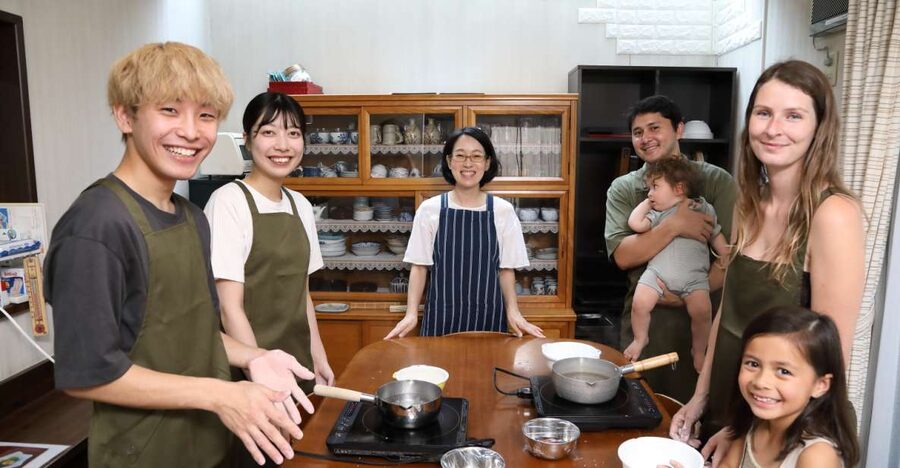
Many cooking classes happen in bright commercial studios. This one offers a different setting. You enter a traditional Japanese house, remove your shoes, and spend the morning in rooms that feel more like a private home than a school.
The setting matters because Japanese food is closely tied to the way it is served. After cooking, you sit down for lunch in a traditional room with a garden view. That simple change of pace gives the meal a stronger sense of place than eating the same dishes at a counter in a modern kitchen.
You need to bring socks. This is a small detail, but an important one for a class held in a Japanese-style home. Children under six cannot participate, and children aged 12 and under must attend with a guardian.
The location near Fushimi Inari also makes this a useful pairing with sightseeing in southern Kyoto. The activity itself lasts four hours, so allow a good part of the morning or afternoon rather than trying to squeeze it between several major sights.
More ways to walk the Fushimi Inari gates:
- Kyoto: Fushimi Inari, Kinkakuji, Bamboo Grove 1 Day Bus Tour
★ 4.8 · 4,316 reviews - Fushimi Inari Hidden Hiking Tour (Private Option Available)
★ 5.0 · 1,750 reviews - Osaka/Kyoto:Kinkakuji,Arashiyama,FushimiInariShrine,NaraPark
★ 4.1 · 1,596 reviews
Starting with dashi, the backbone of Japanese cooking
The class begins with dashi, the Japanese soup stock used in many dishes. This is one of the most useful things you can learn because dashi is not just an ingredient for one recipe. It helps form the flavor of soups, sauces, simmered foods, and other basic dishes.
The instructor explains the stock before you begin cooking. That gives you a better sense of why Japanese dishes can taste light yet full of flavor. You also learn about the seasonings and ingredients used during the class, rather than simply following a recipe without understanding the purpose of each step.
This is where the class has lasting value. A restaurant meal lets you taste Japanese food. A cooking class can show you how Japanese cooks build flavor from a few carefully chosen ingredients. The recipes supplied afterward give you a way to repeat the lesson at home.
The class is conducted in English, and the instructors are licensed guide interpreters. That is useful for food terms, shopping labels, and small cooking details that can be hard to explain through gestures alone.
Preparing five or more dishes by hand
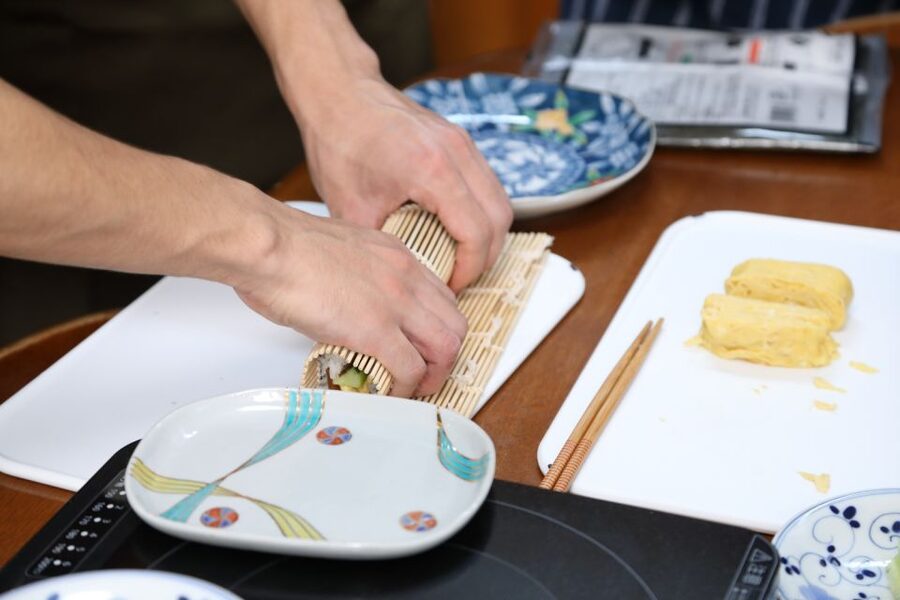
After the demonstration, you prepare about five dishes by yourself or with a partner. The exact menu changes by season, so you should not book with the expectation of one fixed list of recipes.
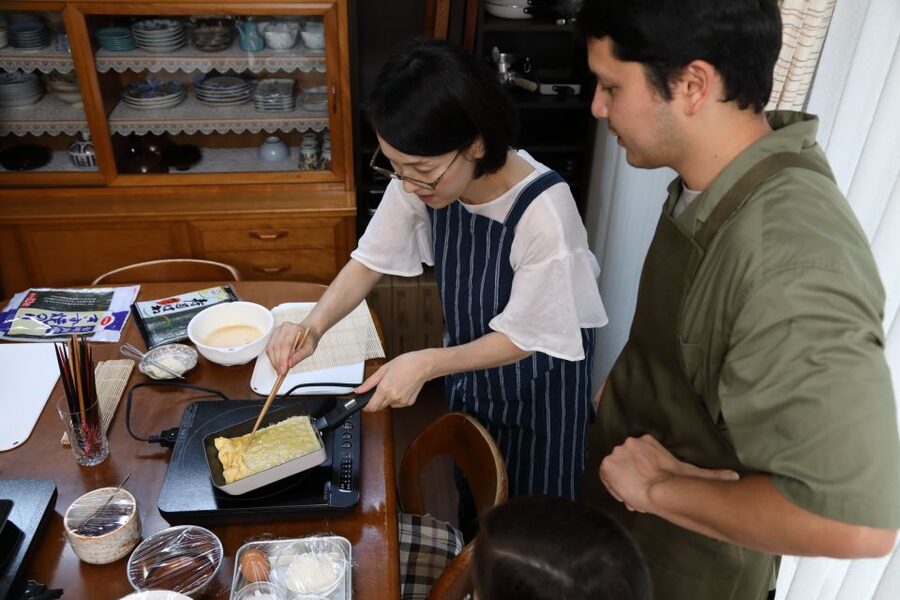
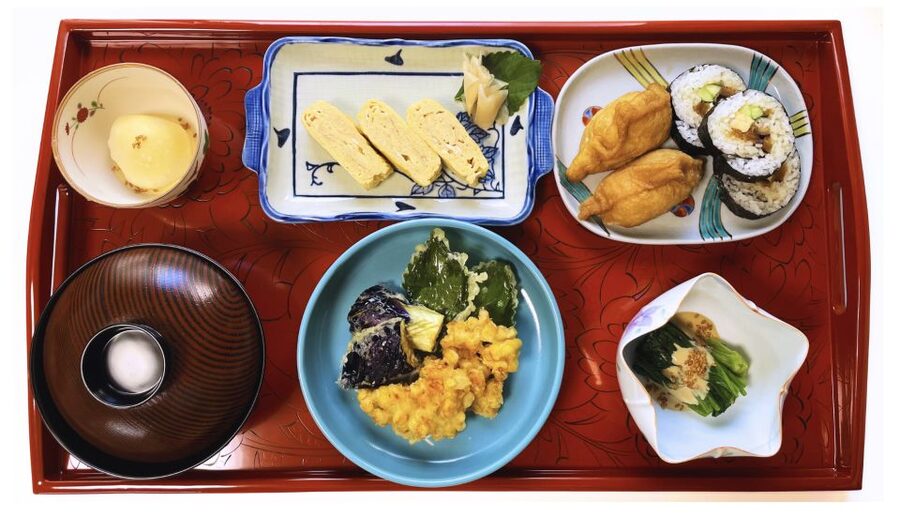
Past menus have included sushi, tempura, miso soup, Japanese rolled omelet, salad, dessert, and mochi. One participant especially enjoyed learning the rolled omelet, while another group prepared seven dishes. These examples suggest a broad lesson rather than a class focused on one specialty.
The instructor demonstrates each part before you begin. You then work through the steps, with help available when you need it. That format suits both confident home cooks and people who rarely cook. You are not simply watching a chef prepare lunch while standing at the edge of the room.
The number of dishes can sound ambitious for a four-hour session, but the class is organized around small portions of several foods. You get a taste of different techniques, textures, and seasonings. The tradeoff is that you may not spend a long time perfecting one difficult dish.
Miho is named by several participants as the instructor, and her teaching style comes across as patient, clear, and friendly. Her explanations are direct, which is especially helpful when a recipe involves unfamiliar ingredients or precise steps.
Lunch in a garden-view tatami room
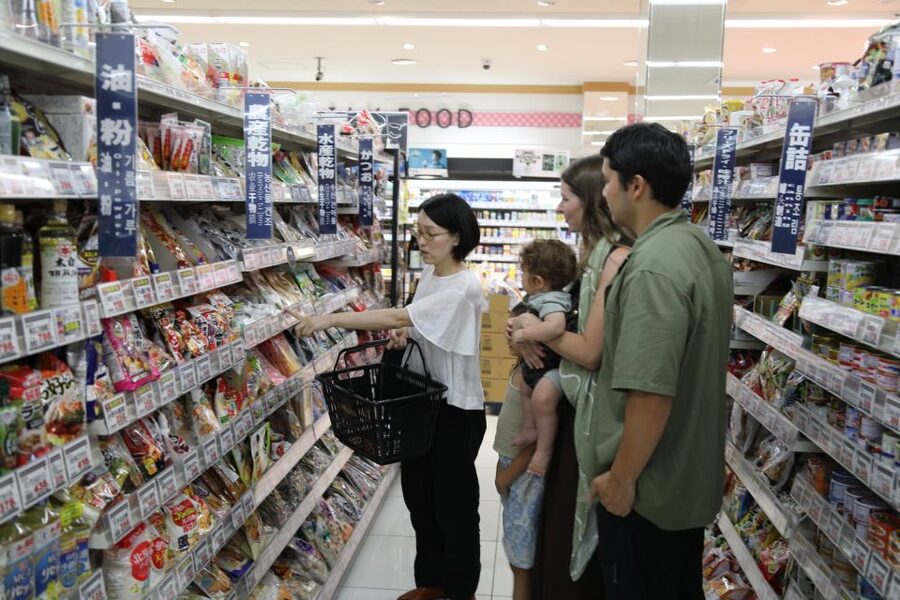
Once the cooking is finished, you sit down with the other participants and eat the food you prepared. This is more than a practical lunch break. It is the moment when the class connects food with Japanese home life.
The traditional room and garden view give the meal a calm, local feel. You are not being rushed through a restaurant table to make room for the next booking. The group is small, and the food is the result of your own work.
That does not mean the experience is formal or silent. The class is designed to be social, and solo participants can join without needing to bring a companion. The maximum of six people helps keep the meal personal without turning it into a private class.
The lunch is included in the price, as are the ingredients and seasonings used during the lesson. You should still budget for gratuity, since it is not included.
More cooking classes in Kyoto:
- Ramen Cooking Class at Ramen Factory in Kyoto
★ 5.0 · 1,937 reviews - Kyoto: Ramen Cooking Class at a Ramen Factory with Souvenir
★ 4.9 · 532 reviews - Kyoto: Ramen, Gyoza, and Onigiri Cooking Class
★ 5.0 · 445 reviews - Kyoto: Japanese Washoku Bento Small Group Cooking Class
★ 5.0 · 380 reviews
The supermarket visit adds real value
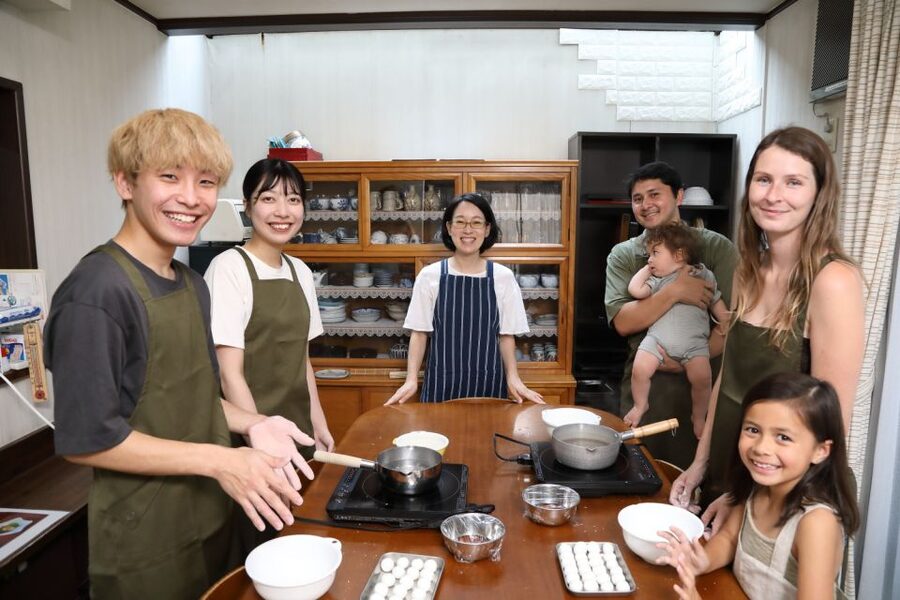
The supermarket tour comes after lunch. This is a smart final step because you have already cooked and tasted the ingredients. You can now recognize them in their ordinary shopping environment.
The instructor walks with you through a local supermarket and explains Japanese products, produce, seasonings, and the ingredients used in the class. You can ask what to buy and how to identify it, then purchase items if you want to repeat the recipes for family and friends.
This part may be more useful than it first appears. Japanese supermarkets can be confusing when labels are in Japanese and several similar products sit together. A local guide can explain the difference between products and show you what to look for. The class therefore gives you more than a set of translated recipes.
The supermarket is also a window into daily life. You see the foods people buy for ordinary meals rather than only the dishes presented in restaurants. That makes the experience feel connected to the neighborhood around Fushimi Inari.
How much value do you get for $127?
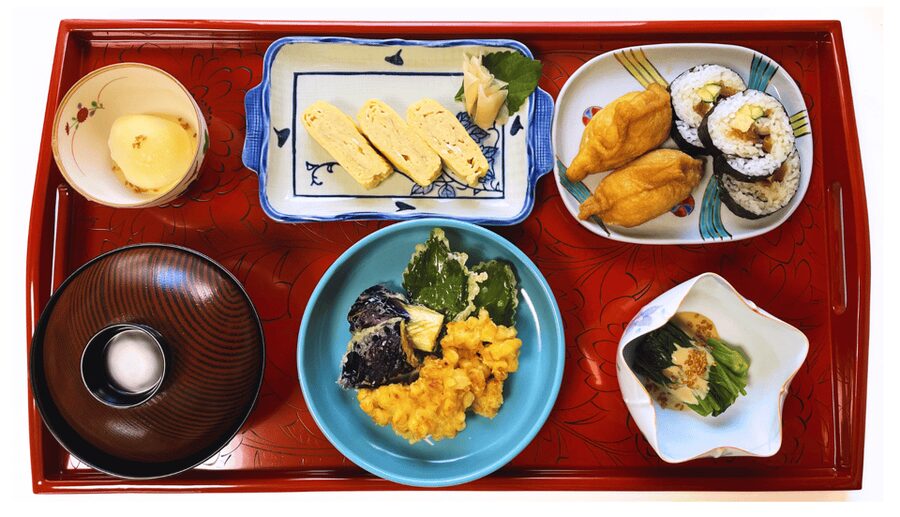
At $127 per person, this class costs more than a standard lunch or a short market walk. The price includes four hours of instruction, all ingredients and seasonings, the meal, the recipes, the traditional home setting, and the supermarket visit.
I would judge the value by asking what you want from the morning. If you only want to eat Japanese food, the price is hard to justify. If you want to understand how several dishes are made, learn about dashi, receive recipes, and gain confidence buying Japanese ingredients, the package is more reasonable.
The six-person limit also matters. A large class might offer a lower price, but you would likely get less time with the instructor. Here, you can prepare the food directly and ask questions as you work.
The value is strongest for people who cook at home after returning from Japan. The supermarket visit answers a question that many cooking classes leave unresolved: what exactly do I buy when I try this recipe in my own kitchen?
Who should book this Kyoto cooking class?
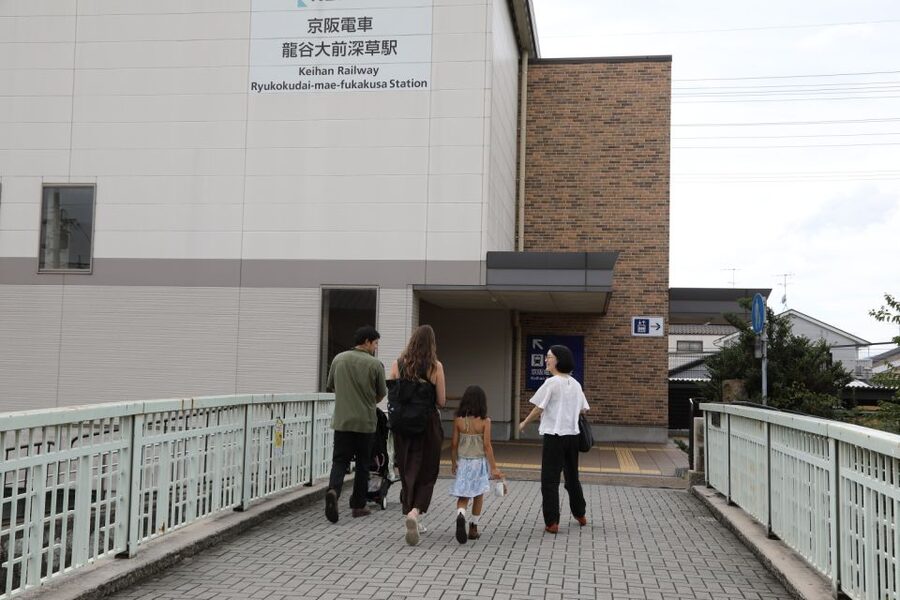
This is a good match for anyone who wants a close look at everyday Japanese food. It suits couples, small families, solo participants, and friends who prefer an active cultural experience to a simple sightseeing stop.
Families can take part, with some limits. Children under six are not allowed, and children aged 12 and under need a guardian. The class can adapt to children, based on the experience of a family with three young children, but the pace still depends on the group and the menu.
Vegetarian and vegan participants are welcome, since vegetarian dashi is used. You should communicate your dietary needs clearly when arranging the class, particularly because the seasonal menu can change.
This class also works well for people who already enjoy cooking. You may know how to make an omelet or soup, but Japanese seasonings, preparation methods, and shopping choices can still be new. At the same time, you do not need advanced cooking skills to take part.
It is less suitable if you need wheelchair access, since the activity is not suitable for wheelchair users. You should also be comfortable in a traditional Japanese home and able to bring socks.
Practical details that affect your morning
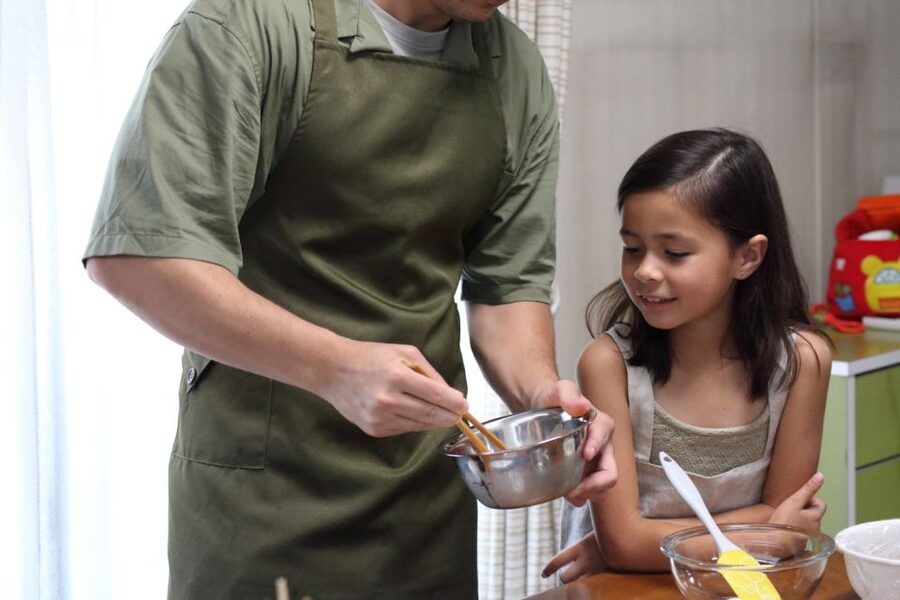
The activity lasts four hours, and starting times vary, so check availability before planning the rest of your day. Hotel pickup and drop-off are not included. You will need to make your own way to the meeting point.
The group is limited to six participants, and instruction is in English. Solo participants can join, and the small format makes it easier to work with a partner or ask for help.
Bring socks, and expect the food menu to vary by season. The experience provider is iroHa cooking studio, and instructors are licensed guide interpreters.
You can reserve now and pay later, which helps if your Kyoto schedule is still changing. Cancellation is free up to 24 hours in advance for a full refund. Those policies do not change the central question, though: this is a class for people who want to learn, not simply a meal with a view.
The best reasons to choose it
The strongest feature is the combination of three settings: a home kitchen, a traditional dining room, and a local supermarket. Each part answers a different question. You learn how to cook, how to serve the food, and how to shop for it.
The English instruction is another practical advantage. Food vocabulary can be difficult, and the licensed guides can explain not just what an ingredient is but how it fits into Japanese cooking.
I also like that you receive the recipes. A cooking experience has limited value if you cannot remember what you did afterward. Having the recipes gives you a clear way to make the dishes again at home.
The class is not perfect for every budget or mobility need. The price is high for a four-hour activity, and the traditional home setting may not work for wheelchair users. The menu is seasonal, so you should see that as part of the experience rather than expect a guaranteed list of dishes.
Should you book it?
Book this Kyoto cooking class if you want to do more than sample Japanese food. You will learn about dashi, prepare several dishes, eat in a traditional home, and leave with recipes and practical supermarket knowledge.
I would especially recommend it for home cooks, food-focused visitors, and anyone staying near Fushimi Inari who wants a quieter local activity. It is also a strong choice for a solo participant because the group is small and the instructors are friendly.
Skip it if you are looking for the cheapest possible lunch, need wheelchair access, or prefer a quick demonstration with no hands-on work. For everyone else, the mix of cooking, conversation, home architecture, and shopping makes the $127 price easier to defend.
FAQ
How long does the Kyoto cooking class last?
The activity lasts four hours, including the cooking lesson, lunch, and local supermarket visit.
Where does the activity take place?
It takes place in a traditional Japanese home near Fushimi Inari in Kyoto, on Honshu.
How many people can join the class?
The group is limited to a maximum of six participants.
Is the class taught in English?
Yes. The class is conducted in English, and the instructors are licensed guide interpreters.
How many dishes will I prepare?
You will prepare about five dishes by yourself or with a partner. The menu can differ depending on the season, and past menus have included sushi, tempura, miso soup, rolled omelet, salad, dessert, and mochi.
Is lunch included?
Yes. Lunch is included, along with all seasonings and ingredients used during the class.
Can vegetarian or vegan participants join?
Yes. Vegetarian dashi is used, and vegetarian and vegan participants are welcome. Make your dietary needs clear when arranging the activity.
What should I bring, and are there age restrictions?
Bring socks. Children under six cannot participate, and children aged 12 and under must attend with a guardian. The activity is not suitable for wheelchair users.
Newest Kyoto experiences on the site
- Whisk Your Own Matcha: A Zen Matcha Experience at Temple★ 3.6 · 7 reviews
- Treasures of Kyoto: Gion & historical Walking Tour★ 5.0 · 6 reviews
- Kyoto tea town for matcha lovers★ 5.0 · 16 reviews
- Uji: Private immersion into Kyoto’s tea and reglious culture★ 5.0 · 17 reviews
- Kyoto Matcha Green Tea Tour★ 4.5 · 23 reviews
- Uji and Wazuka Matcha Farm Half Day Private Guided Tour★ 5.0 · 21 reviews
- Utilising upcycled Matcha! Creating matcha incense (Uji, Kyoto)★ 5.0 · 6 reviews
- Sacred Temple Yoga Experience in Japan★ 5.0 · 3 reviews
Fushimi Inari Tours, compared.
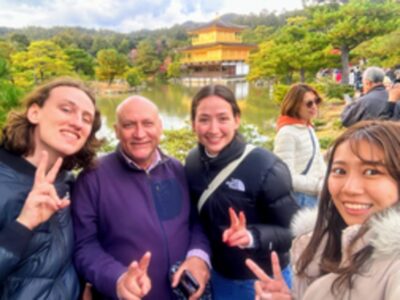
Fushimi Inari, Kinkakuji, Bamboo Grove 1 Day Bus Tour
Read our review →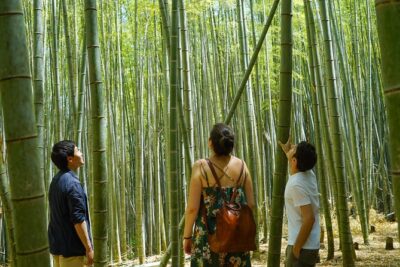
Fushimi Inari Hidden Hiking Tour (Private Option Available)
Read our review →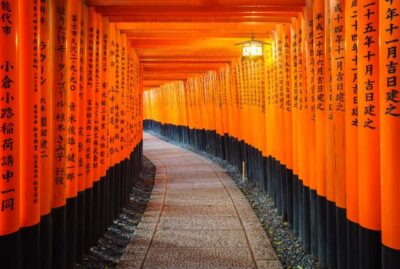
Kinkakuji,Arashiyama,FushimiInariShrine,NaraPark
Read our review →
Nara, Fushimi Inari Taisha, Arashiyama Bus Tour
Read our review →
Arashiyama, Nara & Fushimi Inari Shrine w/Lunch
Read our review →
Nijo Castle, Kiyomizu & Fushimi Inari Guided Tour
Read our review →
Nijo, Kinkaku-ji, Arashiyama, Kiyomizu & Fushimi Inari
Read our review →
Browse the lists this tour appears in