
Reviewed · KYOTO COOKING CLASSES
Kyoto Family Kitchen Cooking Class
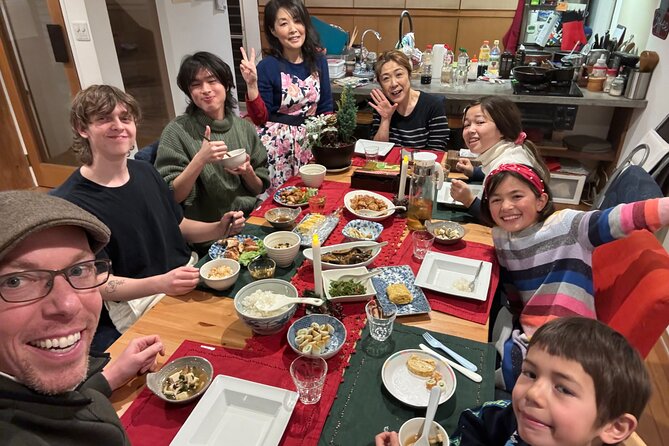
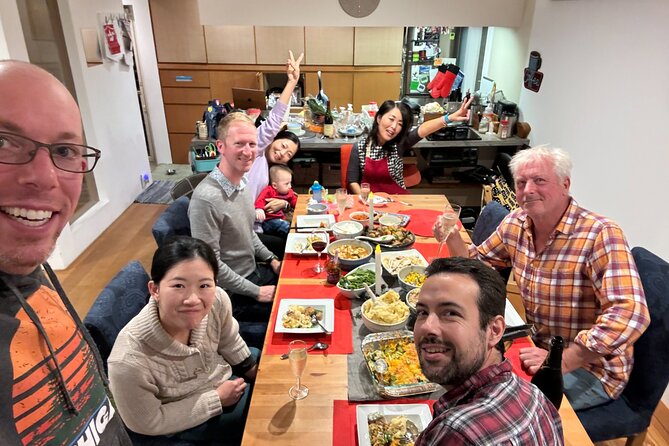
Kyoto Family Kitchen is less a formal cooking school than an invitation into Anthony and Naomi’s home. You make an everyday Japanese meal together, then sit down with the family for dinner, conversation, tea, and a look at ordinary life beyond central Kyoto. The home setting is the main event, with the cooking acting as a natural way to connect.
I like two things here: the food is practical, built around staples such as dashi, soy sauce, mirin, and sake, and the class works well for children, vegetarians, older family members, and mixed-age groups. I also like that transportation to Kokusaikaikan subway station is included, which makes the suburban location easier to manage.
The main consideration is that this may not satisfy you if you want a precise, chef-led lesson with detailed recipes and lots of individual cooking time. One visitor felt it was more like helping a family cook dinner than attending a traditional class. That is a fair warning, and it is also the reason this experience feels personal.
Key points at a glance
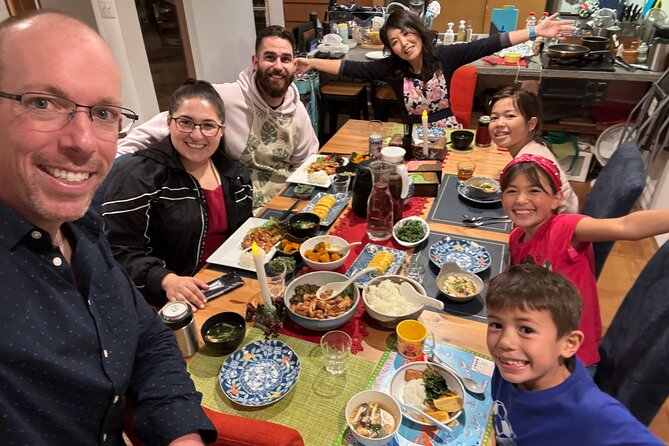
- A real Kyoto home: Cook and eat with Anthony, Naomi, their children, and household pets in a relaxed family setting.
- Everyday Japanese cooking: Learn how dashi, soy sauce, mirin, and sake form the base of many home meals.
- Hands-on but informal: You will slice, mix, and prepare food, though the format is collaborative rather than highly technical.
- Flexible food planning: The hosts have accommodated vegetarian diners and other food requirements when arranged in advance.
- Dinner is included: Tea or coffee, ingredients, seasonings, taxes, and transportation to Kokusaikaikan subway station are covered.
- Small-group privacy: This is a private activity for your party, with a minimum of two people.
Entering a Kyoto family home
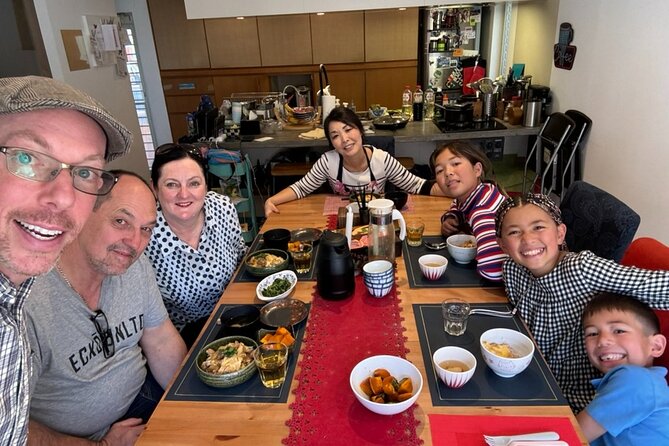
The experience begins at 33-50 Kamitakano Saimyojiyama in Sakyo Ward, north of Kyoto’s central tourist area. This is a suburban home rather than a restaurant or cooking studio, so you should expect a residential setting and a more relaxed pace.
That setting changes the tone right away. You are invited to sit down, have tea, and talk about your trip before the cooking starts. Food becomes the bridge into conversation. You may discuss what you have eaten in Japan, what you usually cook at home, and how Japanese meals differ from those in your country.
Anthony and Naomi host with their children, and the family dog and cat may be part of the evening too. This is useful to know before booking. The pets and children are not background decoration. They are part of the atmosphere, which many families will find welcoming but some couples may find less quiet than a restaurant meal.
The experience is private, so only your own group takes part. That gives you more room to ask questions and discuss food requirements. It also means the evening depends heavily on the comfort and energy of your group. A family with young children may feel immediately at ease, while someone looking for a polished culinary performance may find it loose.
More cooking classes in Kyoto:
- Ramen Cooking Class at Ramen Factory in Kyoto
★ 5.0 · 1,937 reviews - Kyoto: Ramen Cooking Class at a Ramen Factory with Souvenir
★ 4.9 · 532 reviews - Kyoto: Ramen, Gyoza, and Onigiri Cooking Class
★ 5.0 · 445 reviews
What you cook and why the basics matter
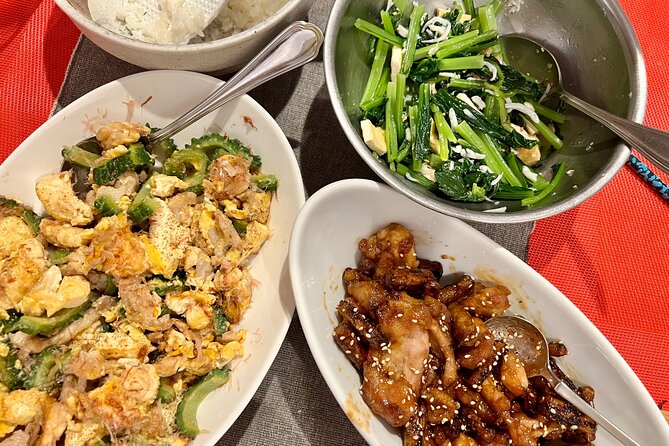
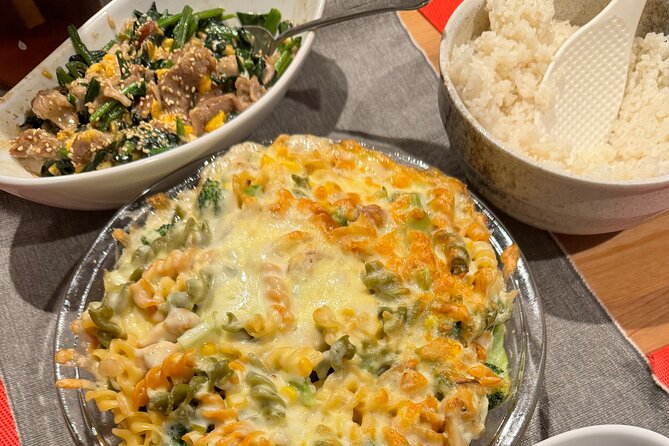
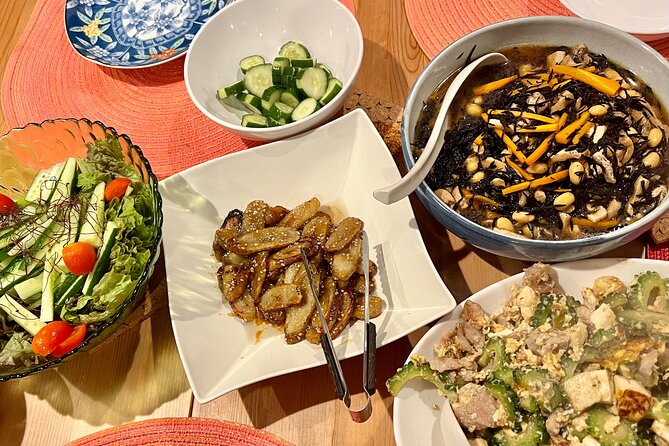
The menu is arranged after booking, so the exact dishes can vary. Examples from past evenings include gyoza, tamagoyaki, okonomiyaki, teriyaki chicken, and sautéed vegetables. This variety is useful because the focus is not one fixed signature dish. It is the basic logic of Japanese home cooking.
You learn about dashi, soy sauce, mirin, and sake, four ingredients that help explain the flavor of many Japanese dishes. The point is not simply to memorize a recipe. You begin to see how a few pantry staples can support soups, sauces, marinades, and side dishes.
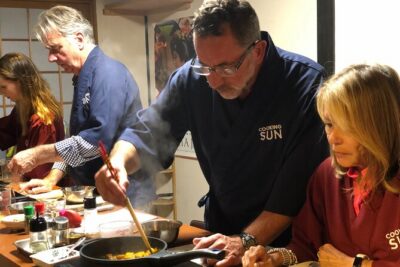
The work is shared around the kitchen counter. You may slice vegetables, mix fillings, shape gyoza, or help prepare other parts of the meal. The hosts handle some preparation as well, especially when a full family dinner must be served within two and a half hours.
That division of labor is worth understanding. You are not necessarily starting every dish from raw ingredients and completing every step yourself. Some of the work is prepared in advance, which keeps the evening moving and allows more time for eating and conversation. If your priority is a technical lesson with a detailed sequence for every dish, ask about the menu and format before booking.
If you want to take useful ideas home, focus on the principles. Pay attention to how the hosts season vegetables, balance sweet and salty flavors, and use familiar ingredients in several ways. The class is most valuable when you treat it as an introduction to the way a family cooks, not as professional chef training.
A meal around the table
After cooking, everyone sits down to eat. This is where the experience becomes more than a short kitchen lesson. You share the dishes you helped prepare with Anthony, Naomi, their children, and anyone else taking part in the household evening.
The meal gives you time to ask about Japanese customs and daily routines. One couple even learned a few Japanese phrases to use during the rest of their trip. Those small exchanges can be more useful than a formal lecture because they connect language and food to a real social setting.
The hosts aim to make the table comfortable for different kinds of groups. A family with an 11-year-old child and a 78-year-old grandmother found ways to enjoy the evening together, while another group of six included a vegetarian diner who had plenty to eat. Still, you should share allergies, dietary restrictions, and preferences when arranging the menu. Do not assume every requirement can be handled at the last minute.
Alcohol is not included. Dinner, coffee or tea, ingredients, seasonings, and all fees and taxes are included. If you want beer, wine, or another drink, you will need to arrange that separately and confirm what is practical with the hosts.
Why families tend to fit this experience well
Children have more freedom here than they would in a quiet restaurant or formal school. They can take part in suitable kitchen tasks, meet the hosts’ children, and spend time with the dog and cat. The evening can feel less like another scheduled sightseeing stop and more like a visit with a family.
That does not mean every child will enjoy every part. The cooking lasts about two and a half hours, and children who need constant movement may tire during the food preparation or table conversation. Parents should judge their own children’s patience and comfort around animals before booking.
The format also works for adults traveling without children. Couples and small groups can enjoy the chance to talk with local hosts rather than moving through another staged cultural activity. The family has welcomed solo visitors, couples, relatives, and groups of friends, though the minimum booking is two people.
Because the activity is private, you can keep the evening focused on your own interests. Ask about ingredients, Kyoto life, Japanese home meals, or language. The hosts’ willingness to adapt is one of the strongest reasons to choose this over a larger class.
Same city, a completely different kind of day:
- PERFECT KYOTO 1-Day Bus Tour
★ 5.0 · 13,518 reviews - Kyoto: Fushimi Inari, Kinkakuji, Bamboo Grove 1 Day Bus Tour
★ 4.8 · 4,316 reviews - Kyoto: Tea Ceremony in a Traditional Tea House in Kiyomizu
★ 4.9 · 3,519 reviews - Kyoto Geisha Walking Tour: Gion District & Hidden Gems
★ 4.7 · 3,273 reviews
The suburban location and evening timing
The class runs Monday through Friday from 6:00 PM to 8:30 PM during the stated operating period, which runs through June 7, 2026. The timing fits well after a day of sightseeing, but it also means you should leave central Kyoto with enough time to reach the home.
Transportation to Kokusaikaikan subway station is included. The home is in Sakyo Ward, and the station transfer is an important practical detail because the address is outside the busiest central streets. Confirm the exact meeting instructions and timing after booking. The hosts ask you to finalize the meeting time, menu, and directions in advance.
The evening schedule is simple:
- Arrive at the family home and settle in with tea or coffee.
- Talk about your trip and preview the meal.
- Put on aprons and help prepare the dishes.
- Learn how basic Japanese seasonings work together.
- Sit down for dinner and conversation.
- Finish back at the same meeting point.
There is no separate sightseeing stop, temple visit, market tour, or restaurant transfer. You are giving up some evening sightseeing time in exchange for a personal home visit. That trade is worthwhile if you want a slower, social experience. It is less suitable if your Kyoto schedule is packed tightly with evening attractions.
Price and what you receive for $96.84
At $96.84 per person, this is not the cheapest way to eat dinner in Kyoto. You can find an inexpensive meal for far less. The value comes from combining a private activity, English-language instruction, dinner, ingredients, a local family visit, and transport to Kokusaikaikan subway station.
I would judge the price by asking what you want from the evening. If you want a restaurant meal, book a restaurant. If you want to master several polished recipes, compare this with a dedicated cooking school. If you want to cook, eat, and talk with a Kyoto family in their own home, the cost is easier to justify.
The food itself is prepared from scratch for at least part of the meal, while some advance preparation is likely needed to keep the evening on schedule. You are paying for the setting and human connection as much as for the ingredients.
The activity is often booked about 43 days ahead. That suggests you should not leave it until the final day of a short Kyoto visit, particularly if you need a certain weekday or have a large group. The hosts welcome larger parties and family gatherings, but you should arrange the menu and timing ahead of time.
What the high rating tells you, and what it does not

The experience has a 4.9 rating from 60 reviews, with 97 percent recommended. The strongest praise centers on warmth, hospitality, food made from scratch, and the feeling of being welcomed as part of the household.
Several details repeat for good reason. People appreciated meeting the whole family, sharing stories, cooking traditional dishes, and spending time with the children and pets. The evening has also been called a highlight of a Japan trip, especially for families with children.
The one clear criticism is important. A participant expected a conventional cooking class and felt the activity was closer to assisting the hosts with dinner. That person still described the family as kind and learned something about Japanese cooking, but the lesson did not match the expected format.
So read the description carefully. The phrase family kitchen is literal. You will cook alongside the hosts rather than watch a chef demonstrate a formal menu from start to finish. The warmth is the selling point. It is also the variable that makes the experience less structured.
Dietary needs, comfort, and practical planning
Tell the hosts about vegetarian requirements and other food needs before the evening. They have made sure vegetarian diners had enough to eat, but the menu must be planned rather than improvised once you arrive.
Service animals are allowed, and the activity is near public transportation. The setting is a private home with children and pets, so anyone with animal allergies or discomfort around dogs and cats should take that into account.
The meeting point is also the ending point. The listed address is in Sakyo Ward, Kyoto, and transportation to Kokusaikaikan subway station is included. Since the exact directions and meeting time are finalized after booking, keep your phone available for those details.
Free cancellation is available if you cancel at least 24 hours before the local start time. Changes or cancellations within 24 hours are not accepted for a refund. The activity requires at least two people.
Who should book Kyoto Family Kitchen
I would recommend this to families who want their children to meet local children, couples who value conversation, and small groups looking for a private evening. It is also a good fit for anyone who wants to understand Japanese home food rather than only eat restaurant versions of it.
Book it if you like informal hospitality, shared meals, pets, children, and a little unpredictability. You should be ready to participate, ask questions, and help make dinner.
Think twice if you need a quiet, formal setting, exact recipe instruction, or a menu fixed well in advance. The class is family-style by design, and that means the evening is shaped by the household as much as by the cooking.
Should you book this Kyoto cooking class?
Book Kyoto Family Kitchen if your ideal Kyoto memory is sitting at a family table, learning how everyday Japanese food comes together, and talking with the people who prepared it. The private setting, adaptable menu, and included dinner make it a strong choice for families and small groups.
Skip it if you mainly want professional culinary technique or a tightly scripted class. For everyone else, the best reason to go is simple: you get to see how food works as part of daily life, not just as something served to you.
FAQ
Where does Kyoto Family Kitchen take place?
The activity takes place at 33-50 Kamitakano Saimyojiyama, Sakyo Ward, Kyoto, 606-0064, Japan. It is held in the hosts’ suburban family home.
How long does the cooking experience last?
The activity lasts approximately 2 hours and 30 minutes, from 6:00 PM to 8:30 PM on listed Monday through Friday operating days.
What is included in the price?
Dinner, coffee or tea, an English-speaking instructor, all cooking ingredients and seasonings, all fees and taxes, and transportation to Kokusaikaikan subway station are included.
Is alcohol included?
No. Alcoholic beverages are not included.
Can children take part?
Yes. The experience is designed for all ages, and the hosts’ children may join the activity. Children can also interact with the family dog and cat.
Can vegetarian food requirements be accommodated?
The hosts have accommodated vegetarian diners and other food requirements. Tell them about your needs when arranging the menu after booking.
What is the cancellation policy?
You can receive a full refund by canceling at least 24 hours before the experience start time. Cancellations or changes made less than 24 hours before the start time are not accepted for a refund.
Newest Kyoto experiences on the site
- Treasures of Kyoto: Gion & historical Walking Tour★ 5.0 · 6 reviews
- Whisk Your Own Matcha: A Zen Matcha Experience at Temple★ 3.6 · 7 reviews
- Kyoto tea town for matcha lovers★ 5.0 · 16 reviews
- Uji: Private immersion into Kyoto’s tea and reglious culture★ 5.0 · 17 reviews
- Kyoto Matcha Green Tea Tour★ 4.5 · 23 reviews
- Uji and Wazuka Matcha Farm Half Day Private Guided Tour★ 5.0 · 21 reviews
- Utilising upcycled Matcha! Creating matcha incense (Uji, Kyoto)★ 5.0 · 6 reviews
- Sacred Temple Yoga Experience in Japan★ 5.0 · 3 reviews
Kyoto Cooking Classes, compared.
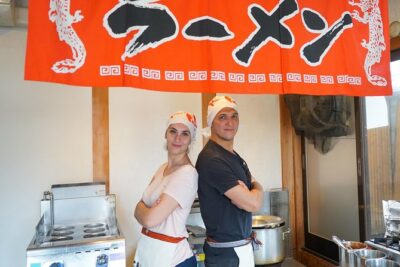
Ramen Cooking Class at Ramen Factory in Kyoto
Read our review →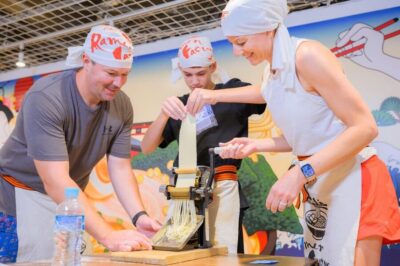
Ramen Cooking Class at a Ramen Factory with Souvenir
Read our review →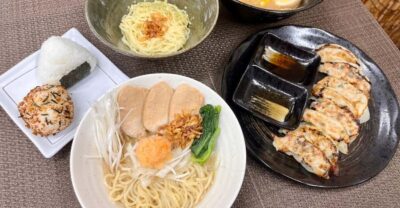
Japanese Washoku Bento Small Group Cooking Class
Read our review →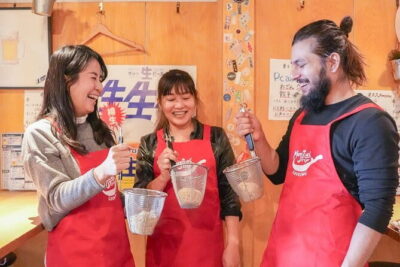
Kyoto Ramen and Gyoza Cooking Class with Professional Chefs
Read our review →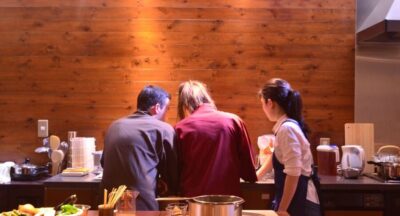
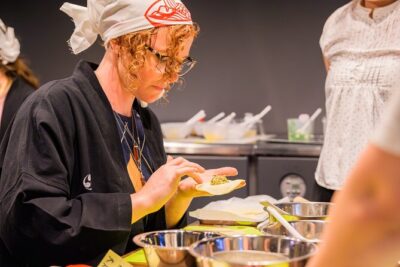
Gyoza Cooking Class in Kyoto: Traditional Japanese Dumplings
Read our review →Browse the lists this tour appears in