
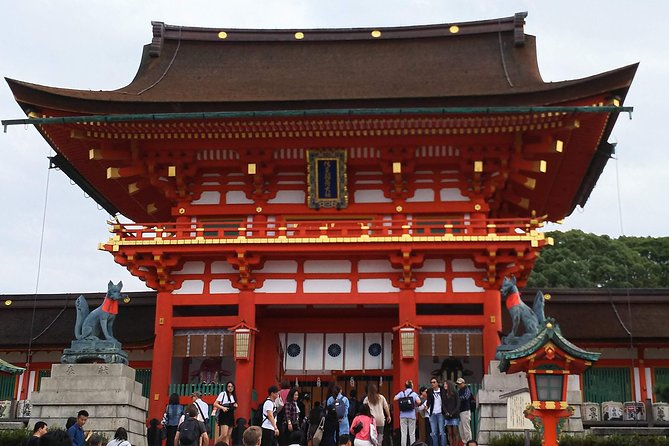
Reviewed · FUSHIMI INARI TOURS
Fushimi Inari & Nara Highlights Walking Tour
The most memorable part of this six-hour outing is the change of mood: Fushimi Inari’s thousands of vermilion torii gates give you a tightly framed Kyoto shrine experience, while Nara opens into grand temple grounds, lantern-lined paths, and deer. A private guide handles the route, so you can focus on the sights instead of sorting out maps and trains.
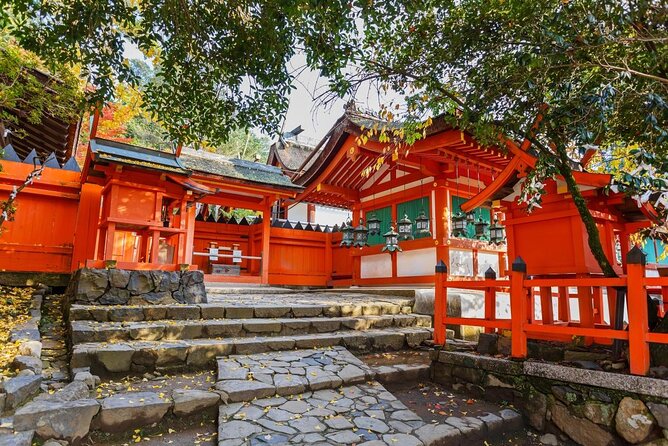
I like two things right away. You get both destinations in one day, and the guide adds useful context about Japanese history and architecture. I also like the finish at Kasuga Grand Shrine, where more than 3,000 lanterns create some of the tour’s best photo opportunities. The main catch is that the advertised price does not include public transportation, Todaiji admission, or meals.
Key points to know before booking
- Two major destinations in six hours: Combine Fushimi Inari in Kyoto with Todaiji and Kasuga Grand Shrine in Nara.
- Private guiding: Only your group participates, with a guide leading the route and explaining the sites.
- Early start: Meet at Kyoto Station at 9:00 am, then finish at Nara Station.
- Extra costs apply: Budget ¥1,380 per person for public transportation and ¥800 for Todaiji Temple, plus food.
- Best for a tight schedule: You can cover two important places without planning the route yourself.
- Strongest elements: The guide’s help, the Fushimi Inari torii gates, Nara’s deer, and its Buddhist temple and shrine complex receive the most praise.
Fushimi Inari’s torii gates make a strong first stop
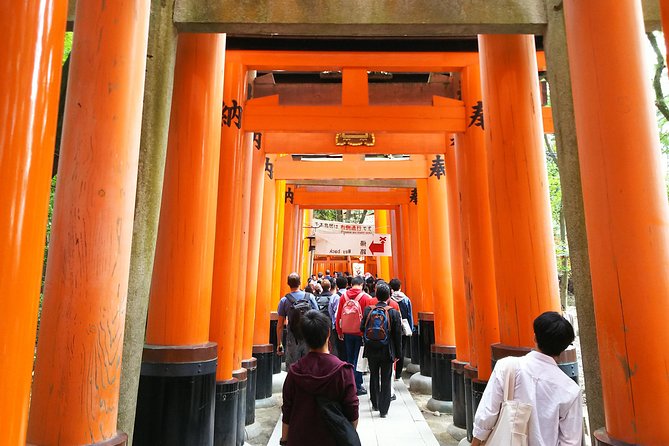
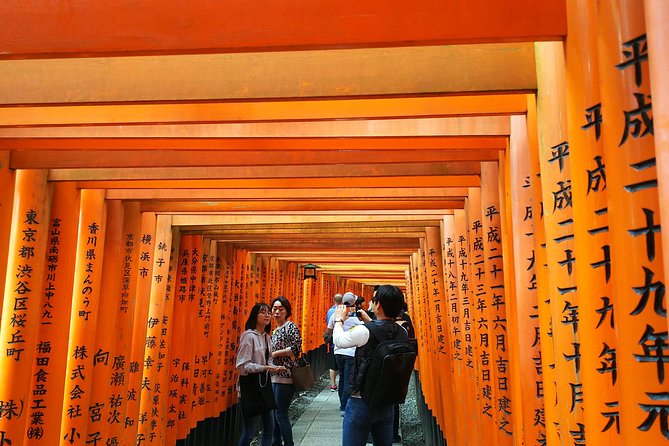
Your day begins at Kyoto Station at 9:00 am, followed by the visit to Fushimi Inari Taisha. The tour information identifies the first stop as Fushimi Inari Taisha Otabisho, but the main appeal is clear: you are there to see the famous tunnel of vermilion torii gates.
These gates were donated by worshippers to show thanks for good fortune associated with the shrine’s deity. That detail gives the rows of gates more meaning than a simple photo backdrop. Each one represents a personal act of gratitude, and together they create one of Kyoto’s most recognizable sights.
You have about an hour here. That is enough for a strong introduction and photographs, but not enough to treat the shrine as a long, unhurried mountain walk. If your main goal is to hike far up the Inari mountain trail, this schedule may feel short. If you want the famous gates without spending half a day on one site, the timing makes sense.
The guide matters most here because the shrine grounds can be confusing. The point is not simply to lead you from one gate to the next. A private guide can keep the visit moving and help explain why the gates exist, how shrine customs work, and what you are looking at. You avoid spending your limited morning reading maps or guessing which path leads where.
Fushimi Inari is also a good place to begin because it gives you a quick visual sense of Japanese religious architecture. The bright gates, shrine buildings, and wooded setting create a sharp contrast with the enormous Buddhist temple you will see later in Nara.
More ways to walk the Fushimi Inari gates:
- Kyoto: Fushimi Inari, Kinkakuji, Bamboo Grove 1 Day Bus Tour
★ 4.8 · 4,316 reviews - Fushimi Inari Hidden Hiking Tour (Private Option Available)
★ 5.0 · 1,750 reviews - Osaka/Kyoto:Kinkakuji,Arashiyama,FushimiInariShrine,NaraPark
★ 4.1 · 1,596 reviews
The train ride turns Kyoto into a two-city day
The move from Kyoto to Nara takes about an hour by train, according to the tour information. Public transportation is not included, and the listed transport cost is ¥1,380 per person. That is an important detail when you compare the tour price with arranging the day yourself.
The train ride is not just a transfer. It takes you from Kyoto’s dense sightseeing circuit to Nara, where the major sights are spread through a larger historic area. A guide makes this change easier because you do not have to work out the route while also watching the clock.
At the same time, a six-hour tour has a firm rhythm. You visit Fushimi Inari for about an hour, spend about an hour at Todaiji, and allow about an hour for Kasuga Grand Shrine, with travel between the stops. You will see the highlights, but this is not a slow day with long breaks at every location.
Meals are not included. Since the tour ends at Nara Station, you can plan to eat afterward or arrange food around the schedule yourself. The supplied details do not specify a meal stop, so do not book this expecting a built-in lunch break.
Todaiji shows Buddhist architecture at giant scale
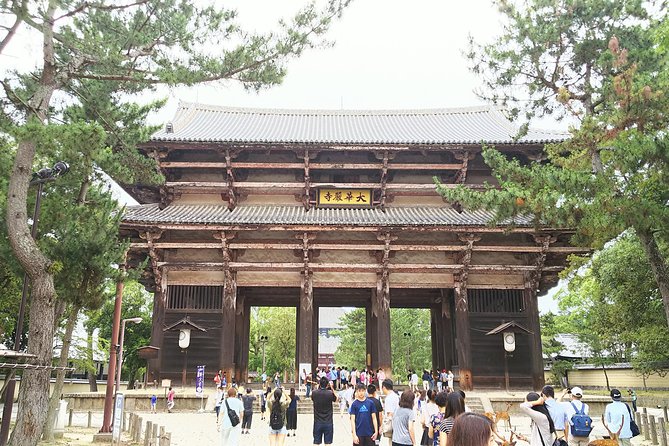
Todaiji Temple is the day’s largest architectural statement. The temple is famous as the world’s largest wooden building, and the scale becomes clear as you approach and enter the main complex. After cleansing your hands and mouth at a purifying trough, you enter the temple area and see how much space the structure commands.
Admission costs ¥800 per person and is not part of the tour price. The visit is listed at about one hour. That gives you enough time to appreciate the building, learn about its place in Japanese religious history, and take in the interior, but it limits how long you can linger.
I would pay close attention to the guide’s explanation here. A huge wooden building is impressive on its own, but the value of the stop comes from understanding why a temple of this size was built and how it fits into Japan’s Buddhist tradition. The tour is designed around history and architecture, so this is likely the place where the guide’s commentary adds the most depth.
Todaiji also balances Fushimi Inari nicely. In Kyoto, your eye follows repeated red gates along a path. In Nara, one immense wooden structure dominates the view. The two stops do not feel like duplicates, even though both are religious sites.
The practical drawback is time. If you want to study every architectural detail or spend a long period in the temple grounds, one hour may pass quickly. The same is true if you want a relaxed break after the train ride. This tour favors coverage over lingering.
Kasuga Grand Shrine brings lanterns and forest paths
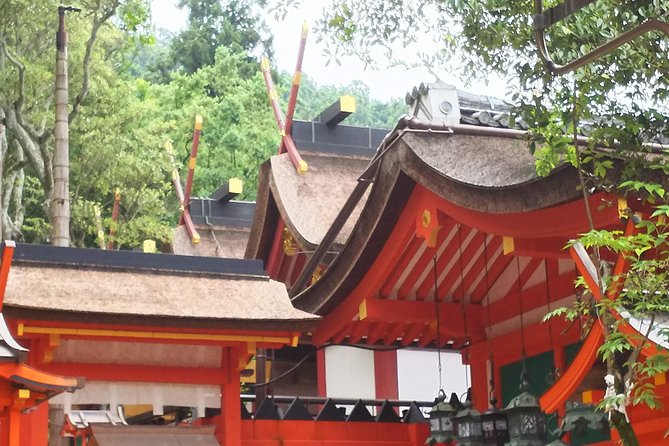
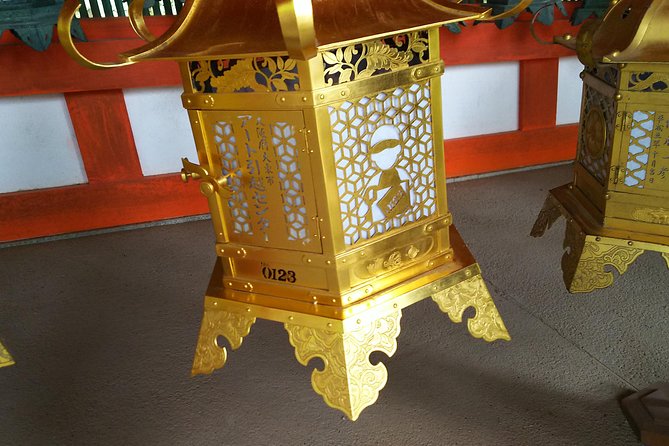
Kasuga Grand Shrine dates back about 1,300 years and has around 1,000 branch shrines across Japan. Its precincts contain more than 3,000 lanterns, described as the largest collection in Japan. That gives the final major stop a distinct character, especially after the massive wooden form of Todaiji.
The contrast is one of the best reasons to include Kasuga. You move from vermilion torii gates to a huge Buddhist temple, then to a historic shrine with lanterns lining its grounds. The tour gives you three different ways to see Japanese sacred architecture in a single day.
You have about an hour at Kasuga Grand Shrine. Use it for the visual details: lanterns, shrine structures, and the surrounding paths. The tour information points to Kasuga as a particularly good photo stop, and I can see why. The lanterns provide repeated shapes and strong framing, while the shrine’s long history gives the visit more weight than a quick picture stop.
Admission is listed as free for Kasuga Grand Shrine. That helps keep the added costs lower, though you still pay the transport fare and Todaiji admission. The supplied details do not state how much of the shrine precincts you cover, so expect a focused visit rather than a complete exploration of every branch path.
More day trips down to Nara:
- Kyoto/Osaka: Nara, Fushimi Inari Taisha, Arashiyama Bus Tour
★ 4.7 · 1,275 reviews - Osaka/Kyoto: Arashiyama, Nara & Fushimi Inari Shrine w/Lunch
★ 4.4 · 754 reviews - Kyoto and Nara Day Trip from Kyoto
★ 4.5 · 445 reviews - Full Day Guided Tour to Kyoto and Nara from Osaka by Van
★ 5.0 · 420 reviews
Nara’s deer add a lighter moment
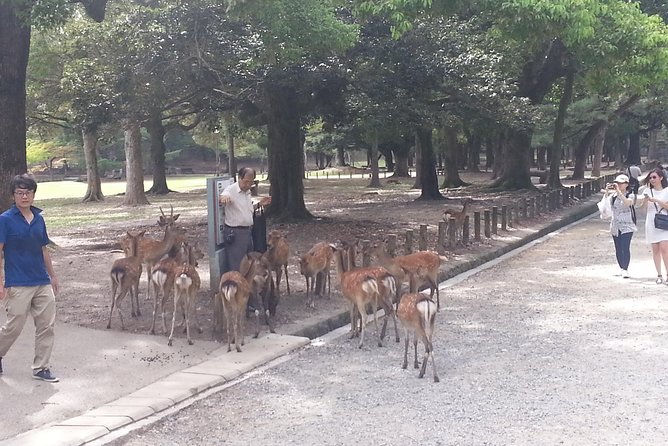
Nara is also known for its deer, and the experience includes time in the city where you may see them around the shrine and temple areas. The deer are a welcome change after the formal architecture. They give the Nara portion a more relaxed and playful quality.
One review specifically praised seeing the deer and shrines, while also noting that the train ride from Kyoto takes about an hour but is worth it. That is useful advice for planning your expectations. Nara is not a quick side street from Kyoto. You spend real time getting there, but the combination of deer, Todaiji, and Kasuga makes the journey worthwhile if these sights are high on your list.
The tour does not state that deer feeding or special animal activities are included, so treat the deer as part of the surrounding Nara experience rather than a scheduled animal encounter. The information also contains mixed notes about pets and animals, so I would not book this as a pet-focused outing.
What the private format changes
Only your group participates in this activity. That is a meaningful advantage when the day includes several transfers and three major sightseeing stops. A private guide can keep the pace suited to your group, answer questions as you go, and help you avoid the uncertainty of navigating between Kyoto and Nara.
This format is especially useful if you are visiting Japan for the first time or have limited time in the country. You do not need to spend an evening comparing train routes, locating each entrance, or deciding how to connect the sites. The guide handles the practical flow while you concentrate on what you came to see.
Still, private does not mean leisurely. The day remains roughly six hours, and the schedule covers a lot. You should be comfortable walking through shrine and temple grounds and moving between stops. The activity is described as suitable for most people, accessible for people with limited eyesight and limited mobility, and close to public transportation in the supplied information. The same information also says no public transportation is nearby, so confirm the exact meeting and transfer details with the provider if access needs are important to you.
The guide is the most highly praised part of the experience. One five-star account singled out the guide as informative and helpful, especially during the visit to Fushimi Inari and the Nara Buddhist temple complex. That matches the tour’s real strength: not merely reaching the sights, but making a packed day easier to understand and manage.
Is $106.10 a fair price?
The listed price is $106.10 per person. You must add ¥1,380 per person for public transportation and ¥800 for Todaiji admission. Meals are separate, so the final cost is higher than the headline figure.
For a private experience, the price can be reasonable if you value guidance and convenience. A guide is not just filling time here. You are connecting two cities, handling transportation, visiting sites with different religious traditions, and ending at a station in Nara rather than returning to Kyoto. If you tried to recreate the day yourself, you could save the guide fee, but you would take on all the planning and navigation.
The value is strongest for a small group that wants personal attention or for anyone with only one available day for Kyoto and Nara. Group discounts are offered, though no discount amount is provided. If you are a confident independent visitor who enjoys working out trains and spending as long as you like at one shrine, the tour may feel less flexible than planning your own day.
The mobile ticket is convenient, and confirmation is provided at booking. Free cancellation is available until 24 hours before the start time. If poor weather forces cancellation, you can receive a different date or a full refund. Changes or cancellations made inside the 24-hour window are not refunded, and the tour requires good weather.
Who should book this day?
I would choose this tour if you want to see Fushimi Inari and Nara without giving up a full day to route planning. It is a good fit for first-time visitors, short stays, small groups, and anyone who wants historical and architectural explanation rather than a quick photo stop.
It also suits you if Fushimi Inari’s gates, Todaiji’s scale, Kasuga’s lanterns, and Nara’s deer all matter more than having a long lunch or wandering without a schedule. The tour gives each major stop a clear role and gets you between them with a private guide.
I would hesitate if you want to hike deeply through Fushimi Inari, spend hours inside Todaiji, or explore Nara at an unhurried pace. The roughly one-hour allocation at each main sight is practical, but it is not generous. You also need to account for the extra transport, admission, and food costs before deciding.
FAQ
Where does the tour begin?
The tour begins at Kyoto Station in Kyoto, Japan.
What time does the tour start?
The start time is 9:00 am.
Where does the tour end?
The tour ends at Nara Station, at 1 Sanjohonmachi, Nara, 630-8122, Japan.
How long does the tour last?
The experience lasts approximately six hours.
Is this a private tour?
Yes. Only your group participates in the activity.
Is a guide included?
Yes. The guide fare is included in the tour.
Is public transportation included?
No. Public transportation costs ¥1,380 per person and are not included.
Is Todaiji Temple admission included?
No. Todaiji admission costs ¥800 per person and is not included.
Are meals included?
No. Meals are not included.
Can I cancel for a full refund?
Yes, if you cancel at least 24 hours before the experience start time. Cancellations made less than 24 hours before the start time are not refunded. If poor weather causes the tour to be canceled, you will be offered another date or a full refund.
Should you book the Fushimi Inari and Nara tour?
Book it if you want an efficient, guided introduction to two of the Kyoto and Nara area’s major sights. The combination of vermilion torii gates, Todaiji’s giant wooden temple, Kasuga’s lanterns, and Nara’s deer gives you plenty of variety in one morning and afternoon.
Skip it if your priority is freedom and depth at a single site. For everyone else, the private format, helpful guide, clear route, and strong photo stops make this a practical choice for a short Japan visit. Just add the transport, temple admission, and meal costs to the $106.10 price before you commit.
More Walking Tours in Kyoto
- Kyoto Geisha Walking Tour: Gion District & Hidden Gems
★ 4.7 · 3,273 reviews - Kyoto: Gion Magical Night Walking Tour with Geisha Trivia
★ 4.9 · 2,393 reviews - Kyoto: Gion Geisha District Walking Tour – Stories of Geisha
★ 4.7 · 2,187 reviews - Night Walk in Gion: Kyoto’s Geisha District
★ 4.5 · 2,003 reviews
Newest Kyoto experiences on the site
- Treasures of Kyoto: Gion & historical Walking Tour★ 5.0 · 6 reviews
- Whisk Your Own Matcha: A Zen Matcha Experience at Temple★ 3.6 · 7 reviews
- Kyoto tea town for matcha lovers★ 5.0 · 16 reviews
- Uji: Private immersion into Kyoto’s tea and reglious culture★ 5.0 · 17 reviews
- Kyoto Matcha Green Tea Tour★ 4.5 · 23 reviews
- Uji and Wazuka Matcha Farm Half Day Private Guided Tour★ 5.0 · 21 reviews
- Utilising upcycled Matcha! Creating matcha incense (Uji, Kyoto)★ 5.0 · 6 reviews
- Sacred Temple Yoga Experience in Japan★ 5.0 · 3 reviews
Fushimi Inari Tours, compared.

Fushimi Inari, Kinkakuji, Bamboo Grove 1 Day Bus Tour
Read our review →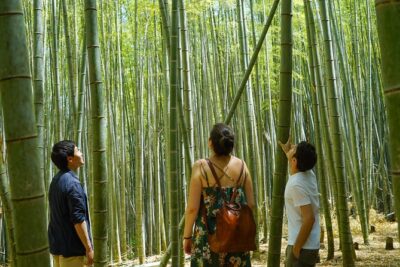
Fushimi Inari Hidden Hiking Tour (Private Option Available)
Read our review →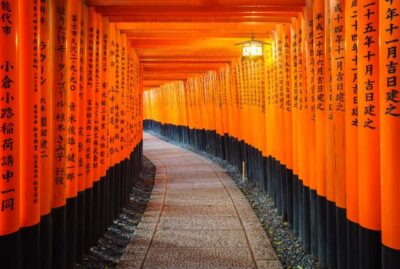
Kinkakuji,Arashiyama,FushimiInariShrine,NaraPark
Read our review →
Nara, Fushimi Inari Taisha, Arashiyama Bus Tour
Read our review →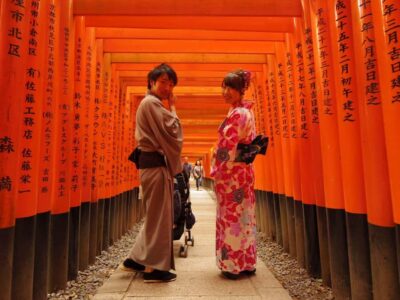
Arashiyama, Nara & Fushimi Inari Shrine w/Lunch
Read our review →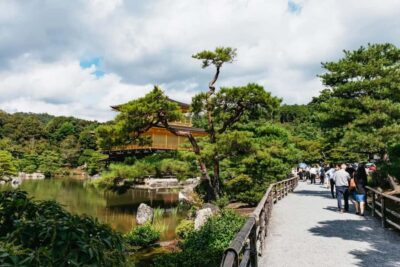
Nijo Castle, Kiyomizu & Fushimi Inari Guided Tour
Read our review →
Nijo, Kinkaku-ji, Arashiyama, Kiyomizu & Fushimi Inari
Read our review →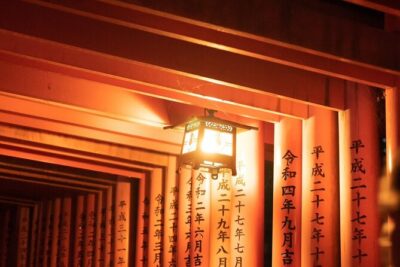
Browse the lists this tour appears in