
Reviewed · UJI TOURS
Experience Authentic Japanese Home Cooking in Kyoto
The best part of this Kyoto experience is that you learn the foundation of Japanese home cooking, not a restaurant trick designed only to look good in photographs. You make dashi from real bonito flakes and kelp, then use it in rolled omelet, miso soup, and simmered vegetables. The class takes place in a traditional townhouse more than 100 years old, which gives the meal a useful connection to daily Japanese life.
I like the hands-on format and the practical recipes. You leave with dishes you can attempt at home, along with advice on additive-free seasonings and Japanese ingredients. I also like the setting and the careful knife instruction. The main drawback is the unusual booking restriction: men traveling alone as an all-male group cannot join at this location, though a separate rental kitchen may be available by request.
Key points to know
- Dashi comes first: Make broth from katsuobushi, or bonito flakes, and kombu, or kelp.
- Four home-style dishes: Prepare dashi-maki tamago, chicken teriyaki, simmered vegetables, and miso soup.
- A real Kyoto home: Cook inside a traditional townhouse more than 100 years old.
- Private instruction in English: The class is for a private group, with professional instruction and English support.
- Useful kitchen skills: Practice delicate Japanese knife work, seasoning, plating, and table setting.
- Good location for sightseeing: The class is about a 10-minute walk from the stated station meeting points and close to major Kyoto sights.
Why the dashi lesson matters
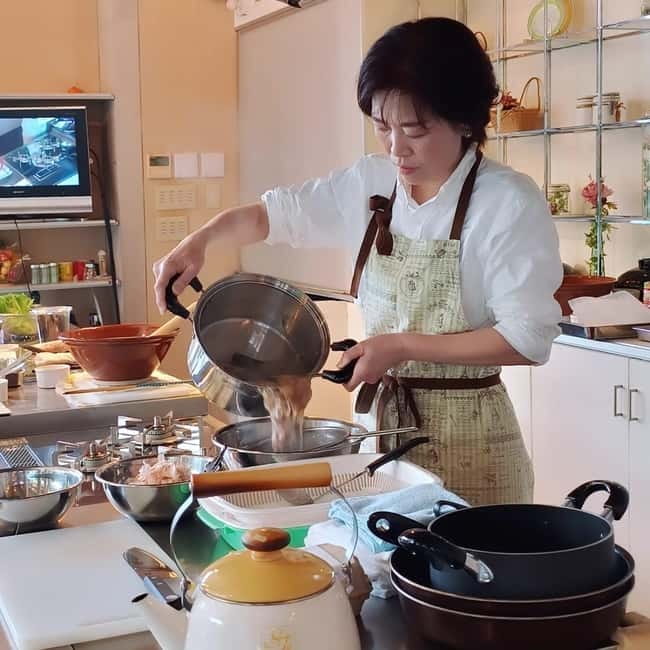
Japanese cooking often begins with dashi, and this class puts that fact right at the front of your afternoon. You work with katsuobushi and kombu rather than relying on an instant stock or a prepared powder. That makes the lesson more than a recipe demonstration. You learn how a small number of ingredients can create the savory base behind many familiar Japanese dishes.
The aroma is part of the experience. As the broth develops, you can notice the fragrance of the bonito and kelp before tasting it. The class presents dashi as both flavorful and central to a balanced meal, then uses it in several parts of the menu.
I find this especially useful if you already enjoy Japanese food but have never understood why homemade dishes taste different from restaurant versions. The answer is often in the stock, the cut of each ingredient, and the timing of the cooking.
You also learn about additive-free seasonings. That does not mean the food is complicated or precious. The lesson focuses on ordinary dishes that Japanese families eat at home, with attention to good ingredients and sensible preparation.
More cooking classes in Kyoto:
- Ramen Cooking Class at Ramen Factory in Kyoto
★ 5.0 · 1,937 reviews - Kyoto: Ramen Cooking Class at a Ramen Factory with Souvenir
★ 4.9 · 532 reviews - Kyoto: Ramen, Gyoza, and Onigiri Cooking Class
★ 5.0 · 445 reviews
Inside the 100-year-old Kyoto townhouse
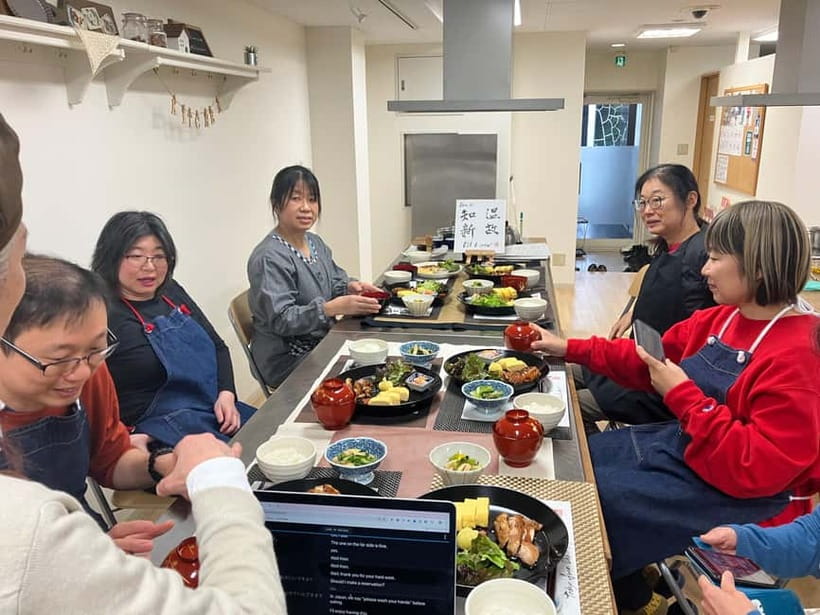
The cooking takes place in a traditional Japanese townhouse that is more than a century old. The building gives the class a sense of place that a modern cooking studio could not provide. You are not simply passing through a commercial kitchen. You are preparing food in a home setting connected to everyday Kyoto.
The information about the exact meeting location needs a little care. The classroom is described as roughly 10 minutes on foot from Sanjo Keihan or Subway Sanjo Station, while the meeting point is also given as Subway Shijo Station, followed by a 10-minute walk. After your booking is confirmed, the instructor comes to the station to pick you up.
Because two station names are provided, I would confirm the exact station and meeting instructions before the day of the class. This is a small but important practical step, especially if you are carrying luggage or planning the cooking lesson between sightseeing stops.
The location works well with a day in central Kyoto. Heian Shrine, Gion, Yasaka Shrine, and Kyoto Imperial Palace are all listed as being within roughly a 15 to 20-minute walk. You can plan the class alongside temples, shrines, and old streets rather than sending half a day across town.
A 2.5-hour menu built around home cooking
The class lasts about two and a half hours, despite the booking information also describing the activity as lasting one day. In practical terms, plan for a single cooking session of approximately 150 minutes, not an all-day excursion.
The menu includes:
- Dashi, made with bonito flakes and kelp
- Dashi-maki tamago, a Japanese rolled omelet
- Chicken teriyaki
- Simmered vegetables with seasonal ingredients
- Miso soup
- Plating and table setting
You begin by making the dashi. That broth then becomes a working ingredient rather than a lesson you forget five minutes later. You use it for the rolled omelet and simmered vegetables, and it also helps you understand the flavor base of the miso soup.
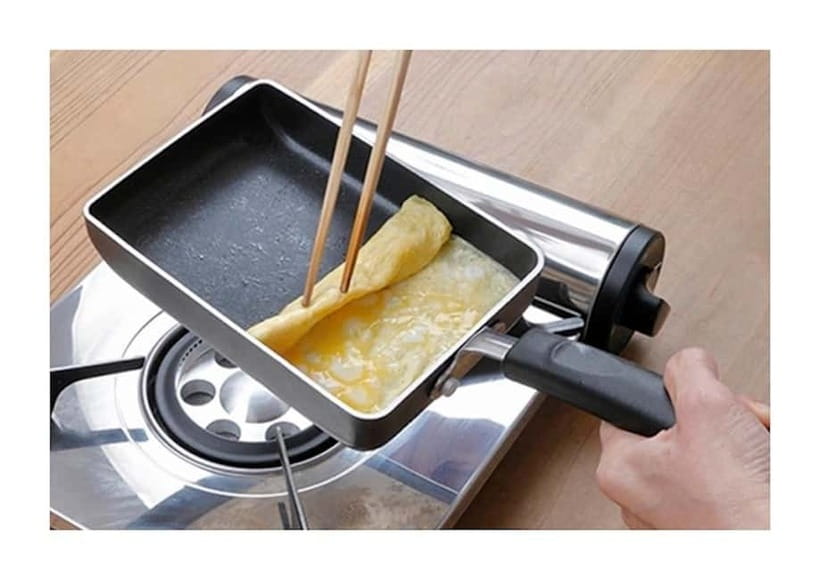
Dashi-maki tamago is a good teaching dish because it demands attention. The omelet must be rolled in stages, and the freshly made broth affects both taste and texture. You are not merely cracking eggs into a pan. You are learning how a simple dish depends on heat, timing, and gentle handling.
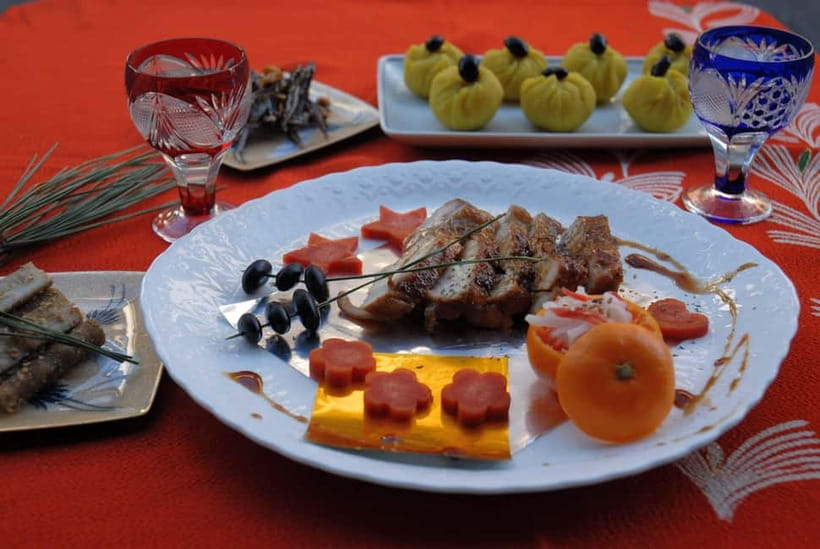
The chicken teriyaki gives the menu a familiar anchor. Its traditional seasoning shows how Japanese home cooking can be bold without becoming heavy. The simmered vegetables bring in the seasonal side of Japanese cooking. The ingredients change through the year, so the exact vegetables may vary, but the purpose stays the same: cook them carefully enough to keep their character while allowing them to take on the broth and seasonings.
Miso soup completes the meal. Then you plate the food and set the table. That final step matters because Japanese home meals are shaped by arrangement as well as taste. You get to see how several modest dishes become a balanced meal when served together.
Learning knife work without rushing
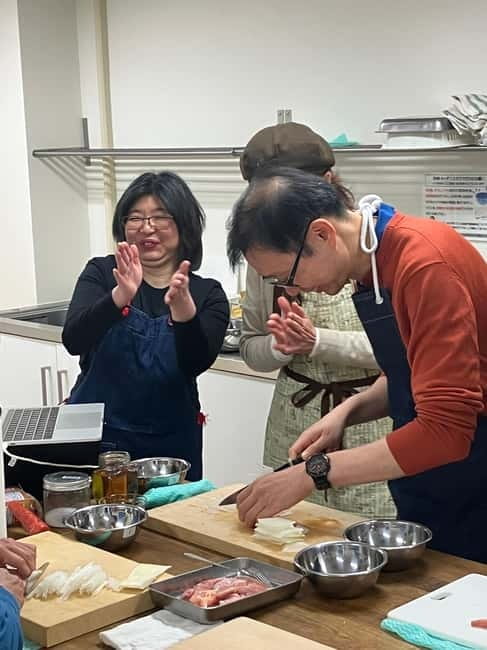
The class includes instruction in using delicate Japanese knives. This is one of the more useful parts for home cooks, since knife technique affects texture, cooking time, and appearance.
You work with preparation methods suited to each ingredient. The lesson explains that different foods call for different cuts, rather than treating chopping as one general skill. That is valuable if you want to repeat the recipes at home, where careful preparation often makes a bigger difference than buying expensive equipment.
The class is designed for beginners, with step-by-step guidance. At the same time, it should not feel too basic for an experienced cook. Espen, who had spent much of his life working in kitchens, said he still picked up new tricks and techniques. That suggests the instruction has enough substance for people who already know their way around a kitchen.
The knives are described as delicate, so you should expect careful handling rather than fast, dramatic chopping. If you are new to Japanese kitchen tools, listen closely and copy the instructor’s movements. This is a place to build control, not show off.
Same city, a completely different kind of day:
- PERFECT KYOTO 1-Day Bus Tour
★ 5.0 · 13,518 reviews - Kyoto: Fushimi Inari, Kinkakuji, Bamboo Grove 1 Day Bus Tour
★ 4.8 · 4,316 reviews - Kyoto: Tea Ceremony in a Traditional Tea House in Kiyomizu
★ 4.9 · 3,519 reviews - Kyoto Geisha Walking Tour: Gion District & Hidden Gems
★ 4.7 · 3,273 reviews
Meeting Kayo and cooking in English
Kayo is the instructor named in the available feedback, and the class is conducted in English. One English-speaking participant found that the language difference did not get in the way because of the instructor’s English, the participant’s basic Japanese, and a translator arranged for the session.
That detail is useful. The class is suitable for English speakers, but cooking instruction often includes visual demonstrations and repeated actions, so you are not depending on technical language alone. If you have food preferences or special needs, send a message before booking so the instructor can understand what you need.
The format is private rather than a large shared group. That should make it easier to ask questions, watch the knife work, and get help with the rolled omelet. It also makes the class a better fit for couples, families with older children, or a small group of friends who want the lesson to feel personal.
Children under six cannot take part. That is sensible for a class involving sharp knives, hot cooking surfaces, and a fairly focused 2.5-hour session. Older children may enjoy it, but the available information does not specify a minimum age beyond the restriction for children under six.
Why the recipes are worth taking home
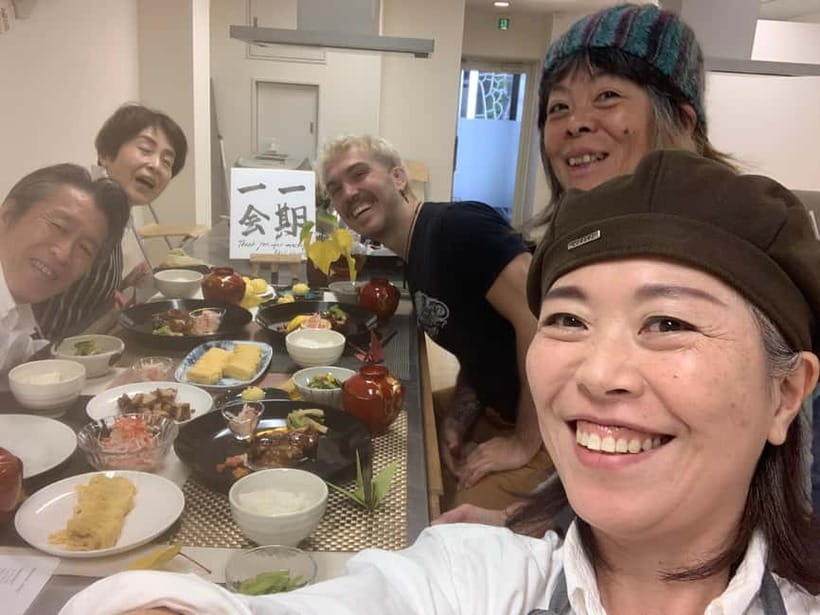
A cooking class earns its price when you can use what you learned after returning home. This menu does that well. Dashi, miso soup, rolled omelet, teriyaki, and simmered vegetables are not one-off showpieces. They are building blocks for Japanese meals.
The focus on additive-free seasonings and advice about good brands is another practical benefit. One participant specifically appreciated the guidance on which brands to buy. That kind of information can save you from purchasing the wrong soy sauce, miso, or seasoning when you try to recreate the meal.
You also learn a way of thinking about Japanese food. Seasonal vegetables are not treated as decoration. Their preparation, cut, and cooking time are chosen to keep the meal balanced. The lesson connects health, flavor, and everyday routine without turning the class into a lecture.
I would bring a small notebook or use your phone after the cooking is finished to record ingredient names and any brand advice. The experience includes the food and the cooking materials, but a dashi soup set is not included. If you want to make stock at home right away, you will need to buy that separately.
Is the $122 price fair?
At $122 per person, this is not a budget meal. You are paying for private instruction, a 2.5-hour activity, the ingredients, apron and cloth rental, the meal, and access to a local townhouse setting.
The value is strongest if you care about learning rather than simply eating. A restaurant can give you chicken teriyaki and miso soup, but it cannot normally show you how to make the stock, roll the omelet, select cuts for simmered vegetables, and set the meal at home. The class also offers the kind of shopping and seasoning advice that is hard to gain from a cookbook alone.
The price may feel less worthwhile if you are looking for a quick demonstration or a luxury dining event. This is participatory home cooking, not a tasting menu. You will spend time preparing ordinary dishes, and that is exactly the point.
The high rating and five very positive scores fit the strengths of the class: friendly teaching, food that tastes good, clear demonstrations, and recipes that can be repeated. I would still judge the price by your interest in cooking. For someone who wants a cultural activity with a useful result, the cost is reasonable. For someone who only wants to sample Japanese food, a restaurant will cost less.
Planning the class around Kyoto sightseeing
The central location makes it possible to build a full day without complicated transport. You might visit Gion or Yasaka Shrine before the lesson, then walk to the meeting point. Heian Shrine and Kyoto Imperial Palace are also close enough to pair with the class, depending on your schedule.
Allow time to find the correct station meeting point. Sanjo Keihan, Subway Sanjo, and Subway Shijo are different references in the activity details, so do not rely on a quick glance at a map. Once your reservation is confirmed, use the pickup instructions from the instructor.
The class itself is a private group experience, which means it may suit a quieter day in your itinerary. You do not need to fit into a large bus schedule or hurry through a series of stops. The activity is focused on one home, one instructor, and one meal.
Free cancellation is available up to 24 hours before the activity for a full refund, and you can reserve now while paying later. Those terms help if your Kyoto schedule is still changing, but check the final booking details before you commit.
Who should book this Kyoto cooking class?
I would recommend it to you if you want to understand Japanese food from the inside out. It is a strong choice for home cooks, curious beginners, couples, small private groups, and anyone who prefers a local meal with instruction over a formal restaurant visit.
It is also a good fit if you want an activity near central Kyoto sights. The townhouse setting, seasonal vegetables, dashi lesson, and table setting give the class more depth than a simple recipe workshop.
You may want to skip it if you dislike hands-on cooking, have only a short window in Kyoto, or want a polished restaurant-style meal without preparation. The all-male group restriction is also important. Men alone cannot participate at this location, though the provider says a separate rental kitchen may be arranged if you send a message.
Should you book it?
Book this class if you want to bring home a real Japanese cooking skill, especially the making of dashi. The strongest parts are the private English instruction, practical recipes, careful knife work, and the chance to cook inside a traditional Kyoto townhouse.
Before paying, confirm the exact station pickup point and explain any food needs. If that arrangement works for you, the $122 price buys more than lunch. It gives you a useful look at the quiet, careful side of Japanese daily cooking, along with a meal you helped create.
FAQ
How long does the cooking class last?
The cooking class takes about 2 hours and 30 minutes. The activity information also uses a one-day duration label, so confirm the exact start time when checking availability.
Where does the class meet?
The meeting point is listed as Subway Shijo Station, followed by a walk of about 10 minutes. The classroom is also described as being about 10 minutes from Sanjo Keihan or Subway Sanjo Station. The instructor will pick you up at the station after your reservation is confirmed, so confirm which station applies to your booking.
What dishes will I make?
You will make dashi, dashi-maki tamago, chicken teriyaki, simmered vegetables, and miso soup. You will also plate the dishes and set the table.
What ingredients are used for the dashi?
The dashi is made with real bonito flakes, called katsuobushi, and kelp, called kombu.
Is the class taught in English?
Yes. English is listed as an available language, and the instructor provides English instruction.
Is this a private class?
Yes. The group type is listed as a private group.
Are cooking materials included?
Yes. The cooking experience, aprons, cloths, menu ingredients, and meal are included.
Is a dashi soup set included?
No. A dashi soup set is not included, so you would need to purchase one separately if you want to continue making the stock at home.
Can children join the class?
Children under six cannot participate.
Can an all-male group book this location?
No. Men only cannot participate at this location. The provider says an alternative rental kitchen may be available, so send a message if that arrangement interests you.
Can I cancel for a refund?
You can cancel up to 24 hours in advance for a full refund. The activity also offers a reserve-now, pay-later option.
Newest Kyoto experiences on the site
- Treasures of Kyoto: Gion & historical Walking Tour★ 5.0 · 6 reviews
- Whisk Your Own Matcha: A Zen Matcha Experience at Temple★ 3.6 · 7 reviews
- Kyoto tea town for matcha lovers★ 5.0 · 16 reviews
- Uji: Private immersion into Kyoto’s tea and reglious culture★ 5.0 · 17 reviews
- Kyoto Matcha Green Tea Tour★ 4.5 · 23 reviews
- Uji and Wazuka Matcha Farm Half Day Private Guided Tour★ 5.0 · 21 reviews
- Utilising upcycled Matcha! Creating matcha incense (Uji, Kyoto)★ 5.0 · 6 reviews
- Sacred Temple Yoga Experience in Japan★ 5.0 · 3 reviews
Uji Tours, compared.
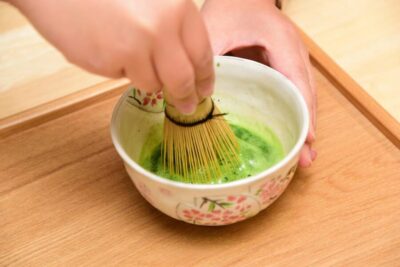
Tea Museum Tickets and Matcha Grinding Experience
Read our review →
Green Tea Tour with Byodoin and Koshoji Temple Visits
Read our review →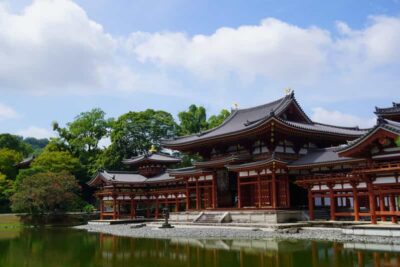
Slow Cycling Tour at Uji’s Matcha Green Tea Fields and Heritage
Read our review →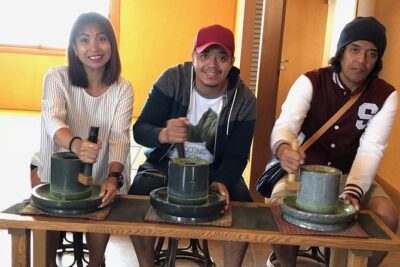
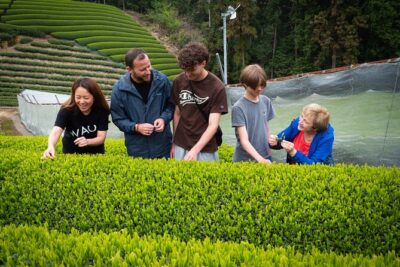
Uji and Wazuka Matcha Farm Half Day Private Guided Tour
Read our review →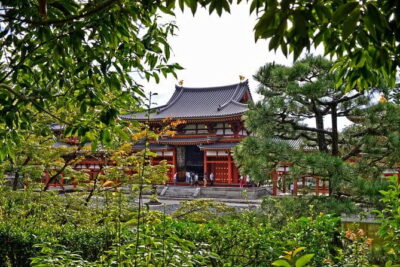
Uji Tea Ceremony and UNESCO Heritage Walking Tour
Read our review →
Private immersion into Kyoto’s tea and reglious culture
Read our review →Browse the lists this tour appears in