
Reviewed · KYOTO COOKING CLASSES
Gyoza Cooking Class in Kyoto: Traditional Japanese Dumplings
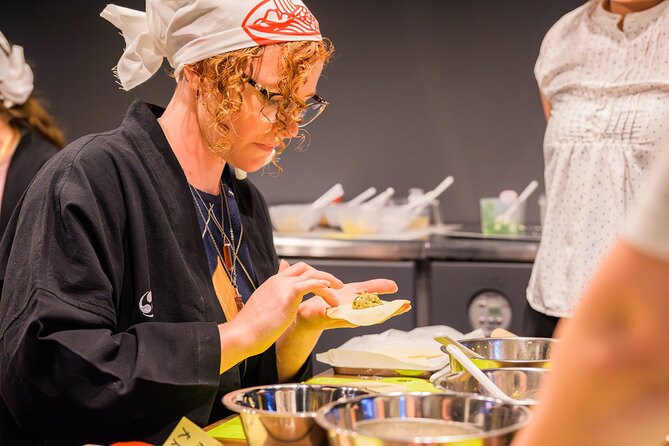
The best part of this Kyoto class is that you do not just eat gyoza, you make the whole dish yourself. You learn how to prepare fillings, fold the dumplings, and cook them until the bottoms turn crisp. I especially like the choice of meat or vegetable fillings and the fact that you take home the recipe, not just a full stomach.
I also like the friendly, patient teaching style, which suits beginners and families. The class lasts only 90 minutes, so it fits neatly into a Kyoto day. The main consideration is the price, $127 per person, and wheelchair users cannot take part. You should also report allergies or dietary restrictions ahead of time.
Key points at a glance
- Make and cook your own gyoza: Learn the process from filling preparation through pan cooking, then eat what you make.
- Pick your filling style: Meat and vegetable choices let you shape the meal around your taste.
- Get patient instruction: The class is taught in English and Japanese, with clear guidance for first-time cooks.
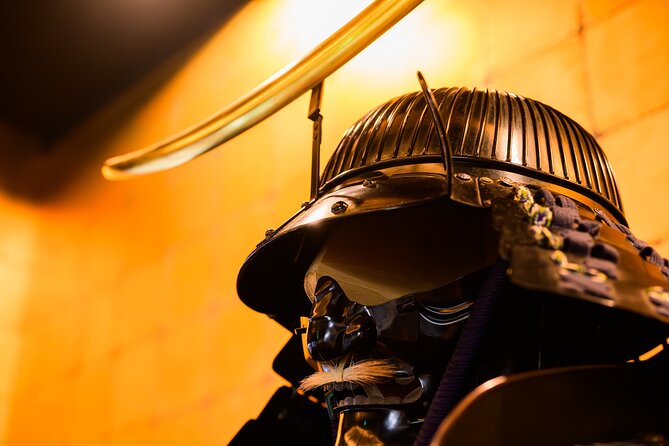
- Add a memorable photo: The experience includes a photo with a samurai.
- Take the recipe home: You can repeat the dish in your own kitchen after your Japan trip.
- Easy central Kyoto meeting point: The venue is 362 meters, about a five-minute walk, from Exit 2 of Karasuma Oike Station.
Why a gyoza class makes sense in Kyoto
Kyoto is famous for temples, gardens, tea, and elegant dining. Yet a short cooking class can tell you something different about Japan. Gyoza is a familiar, everyday dish, and making it gives you a practical connection to home-style cooking rather than only a taste of restaurant food.
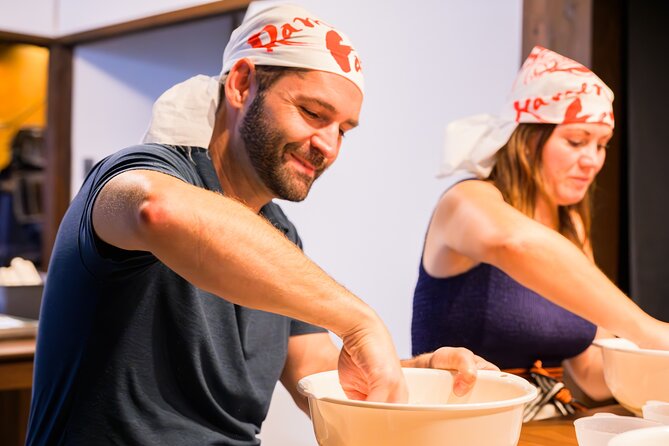
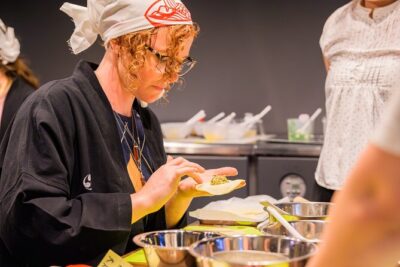
I like this activity because it asks you to work with your hands. You are not sitting through a demonstration while someone else does the difficult bits. You handle the ingredients, shape the dumplings, and see how small changes in folding and heat affect the final result.
The class is also a useful choice if you have already spent several days sightseeing. Ninety minutes is long enough to learn a real skill, but short enough to fit before dinner, after a train arrival, or between other plans. One family group used it as an evening meal after arriving by train, and the activity worked well for both adults and two children aged 11.
The setting is close to Karasuma Oike Station, where the Kyoto City Subway Karasuma and Tozai lines meet. That makes the meeting point simple to reach from other parts of the city. You will need to pay your own transportation costs, but no complicated transfer or long trip is required once you are in central Kyoto.
More cooking classes in Kyoto:
- Ramen Cooking Class at Ramen Factory in Kyoto
★ 5.0 · 1,937 reviews - Kyoto: Ramen Cooking Class at a Ramen Factory with Souvenir
★ 4.9 · 532 reviews - Kyoto: Ramen, Gyoza, and Onigiri Cooking Class
★ 5.0 · 445 reviews
Arriving near Karasuma Oike Station
The meeting point is 362 meters from Karasuma Oike Station, about a five-minute walk from Exit 2. That is useful in Kyoto, where a central location can save time and energy between temples, shops, and meals.
Give yourself enough time to find Exit 2 rather than arriving at the last minute. Kyoto station areas can feel confusing at first, especially if you are carrying luggage or moving between the subway lines. The activity does not include transportation, so you arrange your own route to the station and then walk to the class.
The location also makes this a good add-on to a day around central Kyoto. You can schedule it without giving up a full morning or afternoon. Check the available starting times before you book, since the exact session time is not fixed in the general activity details.
Preparing the fillings
The class begins with the building blocks of the dish. You learn how to select and prepare ingredients for the filling, then adjust the flavor to your liking. The available choices include meat and vegetables, which gives you more control than a fixed tasting menu.
This is where the class offers value beyond a meal. A recipe tells you what to buy, but an instructor can show you how the filling should look and feel before it goes into the wrapper. That kind of guidance can save you from making a soggy, dry, or overly packed dumpling at home.
If you prefer vegetables, tell the instructor before the class. A vegetable option has been accommodated successfully, but the activity specifically asks you to report allergies and dietary restrictions in advance. Do not wait until you arrive. The supplied details do not promise a particular range of substitutions, so early notice is the sensible approach.
The class uses cooking tools provided on site. You do not need to bring special equipment, and the activity is designed for people with different levels of kitchen experience. You can expect instruction in English or Japanese.
Folding gyoza without giving up
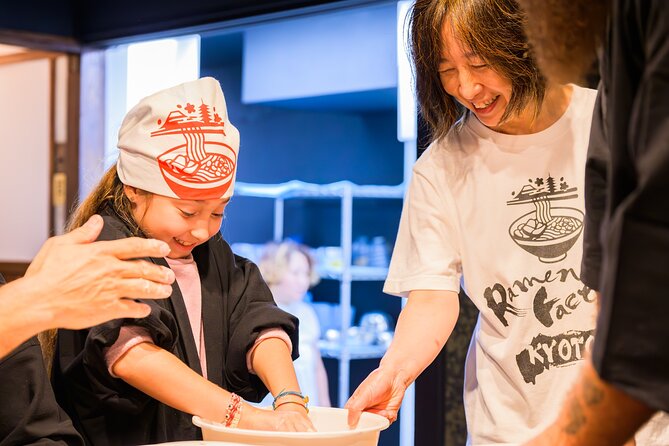
Folding is the part many people want to learn, and it can be trickier than it looks. A gyoza wrapper must hold the filling securely while leaving enough room for a neat seal. Too much filling creates a messy edge. Too little leaves you with a disappointing bite.
The instructor guides you through the wrapping technique rather than expecting you to know it already. That matters if you are a complete beginner. You can focus on the movement of your fingers and improve as you make more dumplings.
Do not worry if your first few look uneven. Handmade gyoza often have small differences in shape, and the class is meant to teach control through practice. The goal is not a competition for perfect restaurant-style pleats. It is to understand how to close the wrapper well and create a dumpling that cooks properly.
If you are attending with children, this is likely to be one of the most enjoyable parts. It gives younger cooks a clear task and a result they can see immediately. The activity has been suitable for children aged 11 in one group, though each child will have a different level of patience and interest.
Same city, a completely different kind of day:
- PERFECT KYOTO 1-Day Bus Tour
★ 5.0 · 13,518 reviews - Kyoto: Fushimi Inari, Kinkakuji, Bamboo Grove 1 Day Bus Tour
★ 4.8 · 4,316 reviews - Kyoto: Tea Ceremony in a Traditional Tea House in Kiyomizu
★ 4.9 · 3,519 reviews - Kyoto Geisha Walking Tour: Gion District & Hidden Gems
★ 4.7 · 3,273 reviews
Cooking the dumplings and eating the results
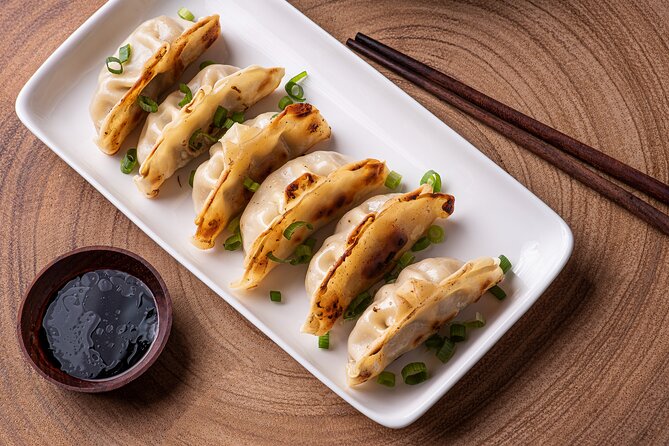
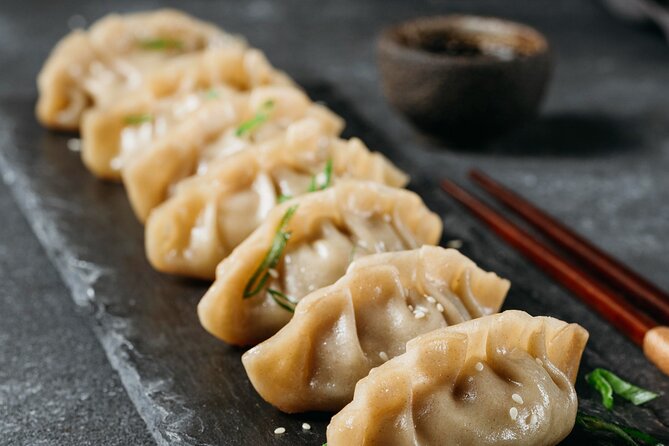
Once the gyoza are shaped, you cook them and eat them fresh from the pan. This is the payoff for the hands-on work. You can see how heat changes the wrapper, creating a crisp underside while the filling stays juicy.
The final cooking stage also gives you a useful lesson for home. Gyoza are not simply boiled or fried in one step. Timing and heat matter, and the instructor can help you understand what a properly cooked dumpling should be like.
The class includes the gyoza you make and one free drink. It is not described as a full multi-course meal, so plan around it accordingly. For many people, the dumplings will serve as a light meal or substantial snack, but your appetite and the amount prepared may vary.
The food seems to be a major strength of the experience. The finished dumplings have been described as crisp outside and juicy inside, which is exactly the contrast you want. That result is especially satisfying because you made them yourself rather than simply ordering them from a menu.
Meeting the instructors
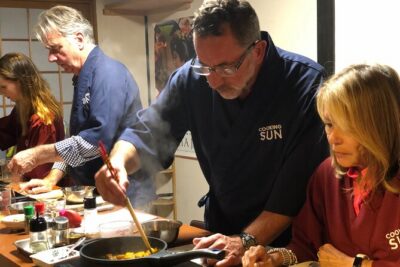
The teaching style is an important part of a short class. You need clear instructions, steady pacing, and room to ask questions. The activity uses English- and Japanese-speaking instructors, so international visitors can take part without needing Japanese cooking vocabulary.
One instructor named Hama has been praised for being friendly, sweet, and a good teacher. Another session involved an instructor and assistant who were patient, well prepared, and careful to explain each step. The names of the assistant and other teachers are not provided, so I would not book this expecting a particular individual unless the operator confirms who will lead your class.
The class has also worked as a private-feeling lesson when attendance was small. One participant received what amounted to a personal class with an excellent teacher. That does not mean every booking is private, but it suggests the teaching can adapt when the group is limited.
You should expect a relaxed, welcoming atmosphere rather than a formal culinary school setting. That is good news for beginners and anyone nervous about making mistakes. If you already cook often, you may want to ask questions about ingredient choices and folding technique to get more from the session.
The samurai photo
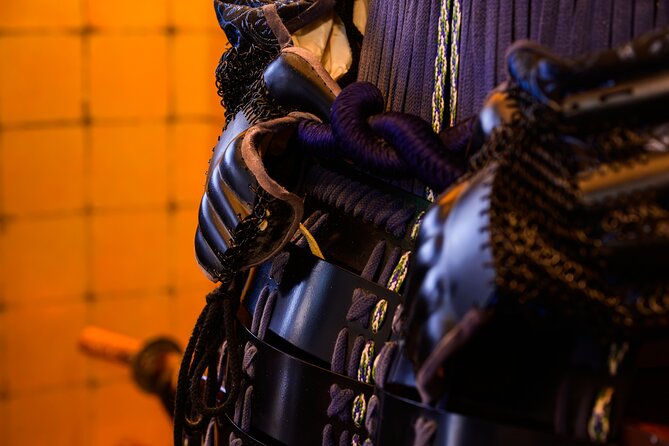
The experience includes taking a photo with a samurai. This is a playful cultural extra and gives you a souvenir beyond the recipe and cooking memories.
The available details do not explain how long the photo portion lasts, who appears in the photo, or whether costumes are provided. Treat it as a brief added feature rather than the main reason to book. The real substance of the activity is the cooking lesson, but the samurai picture can be a fun touch for families and first-time visitors to Japan.
What the recipe adds
Many cooking activities end when the meal is finished. This one gives you the recipe so you can make Japanese gyoza at home. That makes the class more useful after your trip, especially if you enjoy sharing food memories with friends or family.
The value of a take-home recipe depends on how clearly you remember the techniques. I recommend paying close attention during the filling and folding stages, and taking mental notes about texture, size, and cooking time. The recipe will guide you, but the instructor’s demonstrations help make the written directions practical.
You can also use the class as a starting point rather than a final rulebook. Once you understand the basic method, you can test different vegetable fillings or adjust seasoning to suit your kitchen. The activity specifically allows flavor customization, so you are learning a flexible dish rather than one rigid formula.
Is $127 a fair price?
At $127 per person, this is not a cheap way to eat dumplings. You are paying for instruction, ingredients, kitchen equipment, one drink, the food you prepare, and the convenience of a central Kyoto location. You also receive the recipe and a samurai photo opportunity.
The price makes more sense if you value participation. A restaurant meal would cost less, but it would not teach you how to prepare, fold, and cook the dish. A cheaper cooking experience might also provide less help or fewer choices, though the available details do not allow a direct comparison.
For a family, the total cost can rise quickly. Still, the class may replace part of a meal and provide an activity that keeps children involved. For couples and solo visitors, the main question is whether learning a repeatable Japanese dish is worth more than spending the same money on several ordinary meals.
I would call this a worthwhile splurge for people who enjoy food activities and want a skill to take home. If you only want to eat gyoza, use your budget at a restaurant instead.
Who should book this class?
This class is a good fit for first-time cooks, confident home cooks, families with older children, and anyone looking for a short indoor activity in Kyoto. You do not need advanced kitchen skills, and the instructor provides the tools.
It is also a smart choice for an evening after arriving by train. The 90-minute length gives you a planned activity without taking over the whole night. The central station location reduces the need for a long ride.
You may want to skip it if you dislike hands-on food preparation, have severe dietary restrictions that cannot be easily adapted, or need wheelchair access. Wheelchair users cannot take part, and allergy information must be sent in advance.
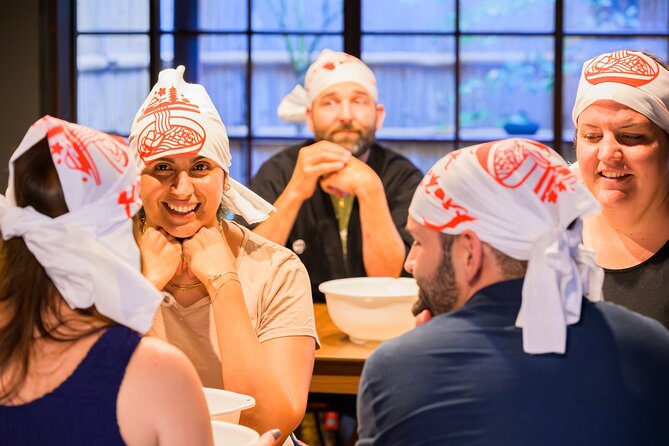
The class also suits people who want a more social activity. You work with food, compare your folding efforts, and eat together at the end. It gives you something to do besides move from one famous sight to another.
Practical details before booking
The activity lasts 90 minutes. An English- or Japanese-speaking instructor leads the class, and cooking tools are provided.
The meeting point is a five-minute walk from Exit 2 of Karasuma Oike Station on both the Karasuma and Tozai subway lines. Transportation to the meeting point is not included.
You receive one free drink and the gyoza you prepare. The class also includes the recipe for making the dish at home.
Tell the operator about allergies or dietary restrictions in advance. Meat and vegetable fillings are available, but the activity information does not promise every possible substitute.
Cancellation is free up to 24 hours before the activity for a full refund. You can also reserve now and pay later, which helps if your Kyoto schedule is still changing.
Should you book the Kyoto gyoza class?
Book it if you want more than a meal and like the idea of leaving Kyoto with a practical cooking skill. The patient instruction, meat and vegetable choices, fresh dumplings, take-home recipe, and central location create a well-rounded 90-minute activity.
I would recommend it most to families, couples, and beginners who want a friendly introduction to Japanese cooking. The perfect scores reflect strong teaching, good food, and an easygoing atmosphere, with Hama receiving particular praise for instruction.
Think twice if $127 feels high for a short class, if you need wheelchair access, or if your dietary needs are complex. For everyone else, this is a sensible Kyoto splurge, especially when you want an evening activity that ends with food you made yourself.
FAQ
How long does the gyoza cooking class last?
The class lasts 90 minutes.
Where is the meeting point?
The meeting point is about a five-minute walk from Exit 2 of Karasuma Oike Station on the Kyoto City Subway Karasuma and Tozai lines. It is 362 meters from the station.
What languages are available?
The instructors speak English and Japanese.
Are cooking tools provided?
Yes. Cooking tools are provided for the class.
Is a drink included?
Yes. One free drink is included.
Can I request a vegetable filling?
The class offers meat and vegetable fillings. You should inform the operator in advance about any allergies or dietary restrictions.
Can wheelchair users take part?
No. The activity is not suitable for wheelchair users.
Newest Kyoto experiences on the site
- Treasures of Kyoto: Gion & historical Walking Tour★ 5.0 · 6 reviews
- Whisk Your Own Matcha: A Zen Matcha Experience at Temple★ 3.6 · 7 reviews
- Kyoto tea town for matcha lovers★ 5.0 · 16 reviews
- Uji: Private immersion into Kyoto’s tea and reglious culture★ 5.0 · 17 reviews
- Kyoto Matcha Green Tea Tour★ 4.5 · 23 reviews
- Uji and Wazuka Matcha Farm Half Day Private Guided Tour★ 5.0 · 21 reviews
- Utilising upcycled Matcha! Creating matcha incense (Uji, Kyoto)★ 5.0 · 6 reviews
- Sacred Temple Yoga Experience in Japan★ 5.0 · 3 reviews
Kyoto Cooking Classes, compared.
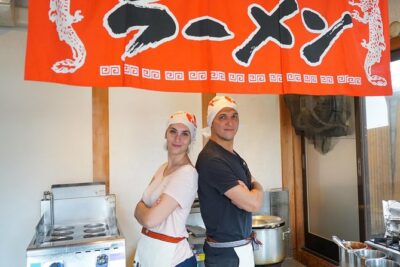
Ramen Cooking Class at Ramen Factory in Kyoto
Read our review →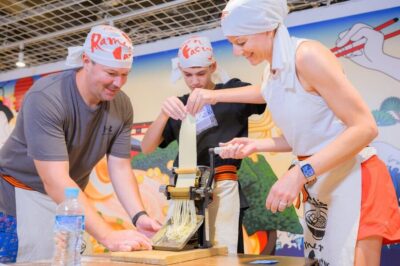
Ramen Cooking Class at a Ramen Factory with Souvenir
Read our review →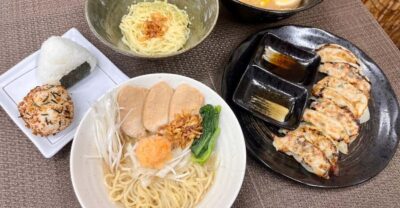
Japanese Washoku Bento Small Group Cooking Class
Read our review →
Kyoto Ramen and Gyoza Cooking Class with Professional Chefs
Read our review →
Gyoza Cooking Class in Kyoto: Traditional Japanese Dumplings
Read our review →Browse the lists this tour appears in