
Reviewed · KYOTO SUSHI MAKING CLASSES
Sushi – Authentic Japanese Cooking Class – the best souvenir from Kyoto!
Making sushi in Kyoto is more useful than buying another souvenir. At Japanese Cooking Class Roujiya, Kaori guides you through sushi rice, several sushi styles, dashi soup, pickled ginger, and the table manners that shape the meal. You learn by doing, not by watching a chef work behind glass.
I like the small, home-style setting and the practical recipe sheets you can use after returning home. I also like the cultural details, from umami and chopstick etiquette to why sushi rice is fanned. The main consideration is finding the address: Kyoto streets can confuse taxi drivers, so use the provided map pin rather than relying on a driver to recognize the written address.
Key points at a glance
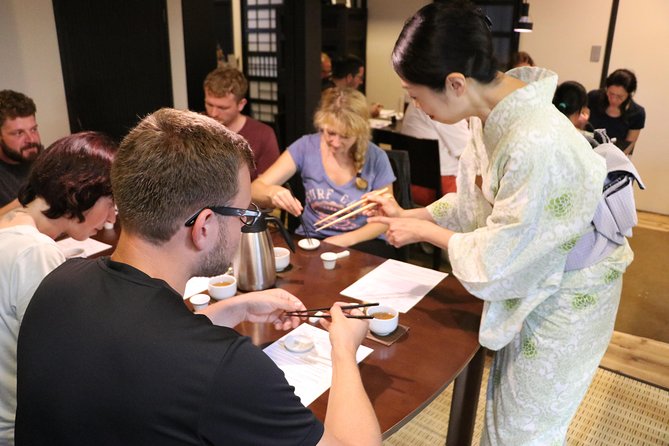
- Kaori teaches in clear English, explaining not only what to do but why each step matters.
- You make and eat several dishes, including sushi, dashi soup, and pickled ginger.
- Japanese food customs are part of the lesson, with table manners, chopstick details, and culinary history included.
- The class takes about two hours, beginning at 11:30 a.m. and ending back at the cooking-class location.
- Recipes and a four-page guide go home with you, making this more useful than a meal that disappears after one sitting.
- The price is $72.67 per person, with ingredients, instruction, an aperitif, green tea, and the meal included.
Why this sushi class makes a useful Kyoto souvenir
A sushi dinner gives you a pleasant evening. This class gives you a skill, a set of recipes, and a better understanding of what is on the plate. That difference matters if you want a Kyoto experience you can repeat in your own kitchen.
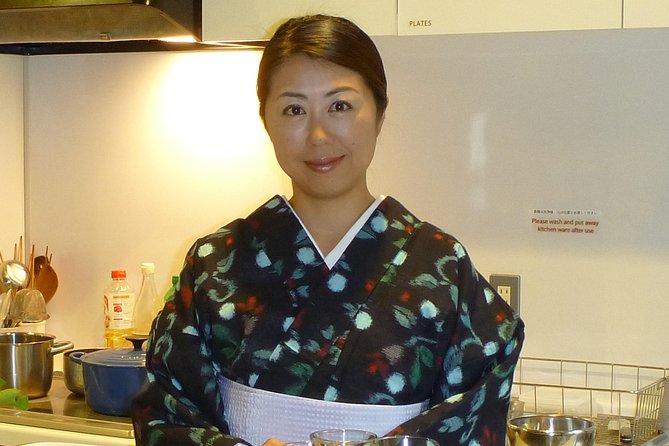
The class is taught by Kaori, who welcomes you into a clean, attractive kitchen and treats the session much like an invitation into her home. The setting is more personal than a large demonstration room. You sit close enough to follow the work, ask questions, and correct your technique before mistakes become part of lunch.
The lesson is also broader than rolling rice around fish. You learn about umami, the savory taste central to much Japanese cooking, and how dashi is made with seaweed and bonito flakes. You also prepare soup, pickled ginger, and sushi rice. The meal becomes a practical way to understand Japanese ingredients and eating customs.
The class has earned a 4.9 rating from 93 reviews, with 99 percent recommending it. That strong record fits the experience described: clear teaching, plenty of food, and a warm host. Still, this is not a professional sushi-chef certification course. You will leave able to make the dishes taught in class, but precision and presentation will take more practice at home.
More sushi making classes in Kyoto:
- Sushi Making in Kyoto! Same-day bookings welcome!
★ 5.0 · 713 reviews - The Original Small-Group Sushi Making Class in Kyoto
★ 5.0 · 436 reviews - Kyoto: Small-Group Authentic Sushi Making Workshop
★ 5.0 · 137 reviews
Arriving at Roujiya in Nakagyo Ward
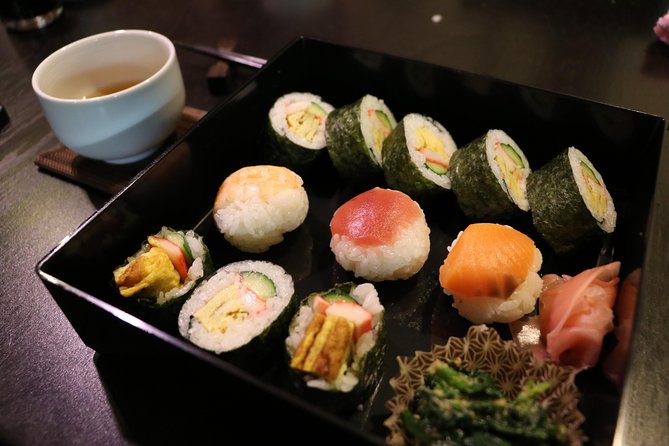
The meeting point is Japanese Cooking Class Roujiya at 22-58 Nishinokyo Ikenouchicho, Nakagyo Ward, Kyoto, postal code 604-8375. The area is near public transportation, and the class begins at 11:30 a.m.
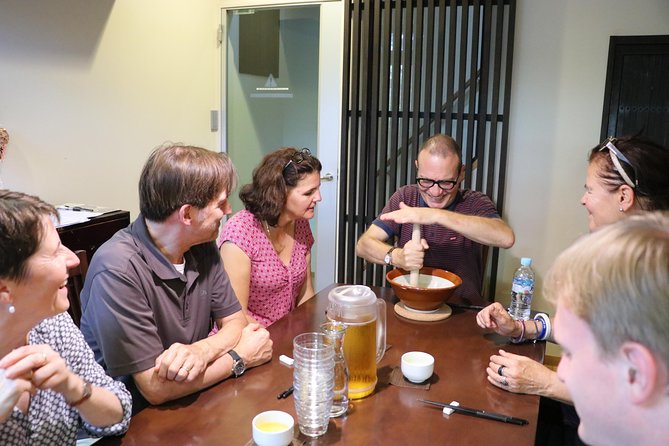
Kyoto addresses can be awkward because the street system does not always work the way visitors expect. One participant had difficulty getting an Uber driver to the address and lost time waiting for help. The practical lesson is simple: use the Google Maps location link supplied after booking, and allow extra time to get there. Do not depend only on a driver reading the address from a phone.
This is especially important because the class lasts only about two hours. Arriving late can cut into the hands-on part, and communication may be difficult once the lesson has begun. Confirm the location before leaving your hotel, and save the map pin while you have internet access.
There is no hotel pickup or drop-off. You make your own way to Roujiya and return to the same location at the end.
A two-hour lesson with more than sushi
The class begins with an introduction to Japanese flavors and ingredients. Kaori explains umami and places it in the context of Japanese cooking rather than treating it as a fashionable food word. This early explanation helps you understand why dashi tastes the way it does and why a few simple ingredients can produce a full flavor.
You then work through the components of the meal. The exact order can vary, but the class covers sushi rice, several kinds of sushi, soup, and pickled ginger. The teaching style is hands-on, with Kaori demonstrating the stages and then helping you put them into practice.
That format suits beginners. You do not need to arrive with sushi-making experience. Several people who began knowing little about the process left with enough confidence to try it at home. The instructions are broken into manageable steps, and the teacher explains the reason behind each one.
Sushi rice receives special attention. You learn that preparation involves more than simply cooking rice and adding vinegar. One useful detail is the need to fan the rice, a small step that affects its texture and temperature. Details like this turn the class from a quick assembly exercise into a lesson in technique.
The sushi portion is the main event, but the soup and pickled ginger add value. You learn how these items support a sushi meal, rather than treating them as restaurant extras. Once everything is ready, you eat what you made, with Japanese green tea and an aperitif included in the experience.
One class account also says that tea, sake, and beer were offered after the cooking for an extra charge. The official inclusions list an aperitif and green tea, so check the current arrangements if you want alcoholic drinks.
Food etiquette is part of the meal
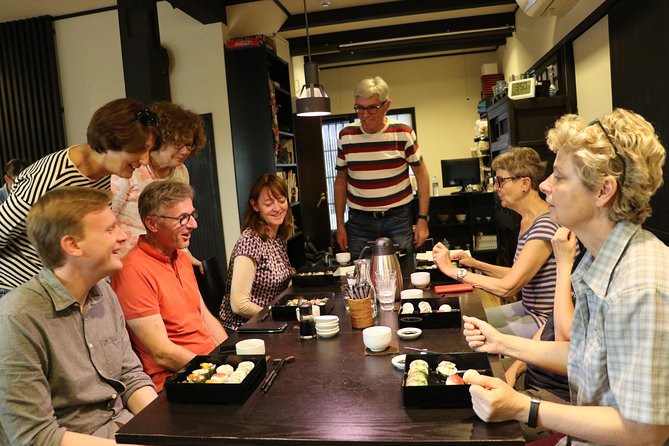
Japanese dining manners can feel complicated if you only encounter them as a list of rules. Here, etiquette is connected to the food in front of you, which makes it easier to remember.
Kaori covers table manners and the cultural background of Japanese cuisine. The lesson may include details such as the proper use of chopsticks and why Japanese chopsticks are shorter than Chinese ones. These small points help you read the meal as part of a culture rather than as a collection of attractive dishes.
The four-page guide is a useful touch. It includes Japanese manners, food information, and recipes for sushi rice, soup, and pickled ginger. Keep it with your travel notes, since it gives you something concrete to use after the class.
I especially like this balance of instruction and context. You are not asked to sit through a long lecture before touching an ingredient. The cultural information arrives alongside the cooking, so you can connect each point to something you are preparing or eating.
More cooking classes in Kyoto:
- Ramen Cooking Class at Ramen Factory in Kyoto
★ 5.0 · 1,937 reviews - Kyoto: Ramen Cooking Class at a Ramen Factory with Souvenir
★ 4.9 · 532 reviews - Kyoto: Ramen, Gyoza, and Onigiri Cooking Class
★ 5.0 · 445 reviews - Kyoto: Japanese Washoku Bento Small Group Cooking Class
★ 5.0 · 380 reviews
The home setting and group size
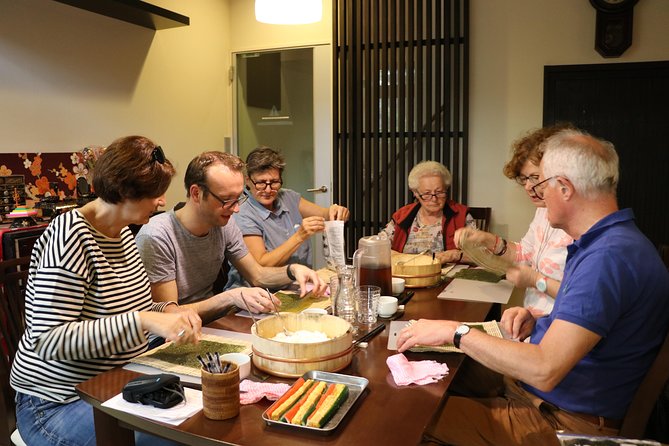
The kitchen setting is one of the reasons this class feels personal. Participants describe a clean environment and a test-kitchen layout that makes the steps easy to follow. You get a close view of the food and can ask for help while working.
The main description presents the class as a small-group experience capped at eight people. The booking information also lists a maximum of 13 people per booking and a maximum of 12 total travelers, so the published group limits are not perfectly consistent. If having a very small group is essential to you, ask the operator to confirm the expected size before booking.
Even with a larger group, the teaching format is designed around participation. Families, couples, and groups of friends have all found the class manageable. Children have also taken part successfully, provided they can follow the instructor’s directions and handle the cooking activity with adult supervision.
The home setting may not suit someone seeking a formal restaurant kitchen or a polished chef demonstration. That is also its appeal. You get a more relaxed encounter with Japanese food, but the surroundings are domestic rather than grand.
What the meal includes, and how much food to expect
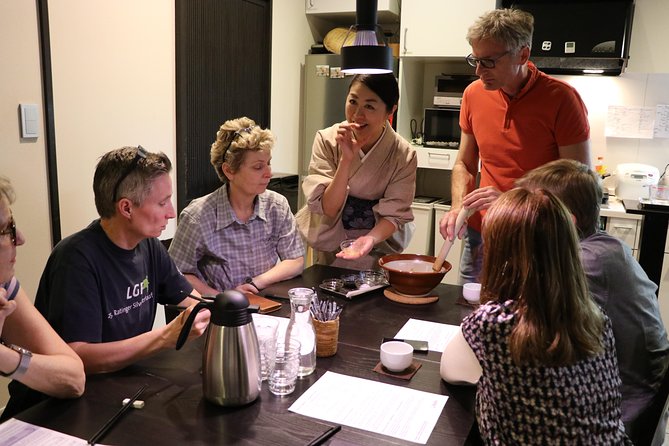
The listed price is $72.67 per person. That covers the ingredients, English-speaking instruction, recipes, an aperitif, green tea, and the meal you prepare. For Kyoto, that is a fair price if you value both the food and the lesson.
A regular sushi meal might cost less or more depending on the restaurant, but it would not include two hours of instruction or take-home recipes. The class earns its price through participation and context. You are paying for the food, the teacher’s time, and the chance to repeat the experience later.
Come hungry. The class is not simply a tasting session, and the finished sushi forms a proper meal. The meal also gives the lesson a satisfying ending: you eat the results while discussing the food and its place in Japanese culture.
The included aperitif and tea add a pleasant rhythm, though you should not assume every drink is covered. If you want sake or beer, confirm whether those cost extra. Dietary requirements should be given when you book, since the ingredients are prepared in advance and the class needs notice.
Who will enjoy this Kyoto cooking class most
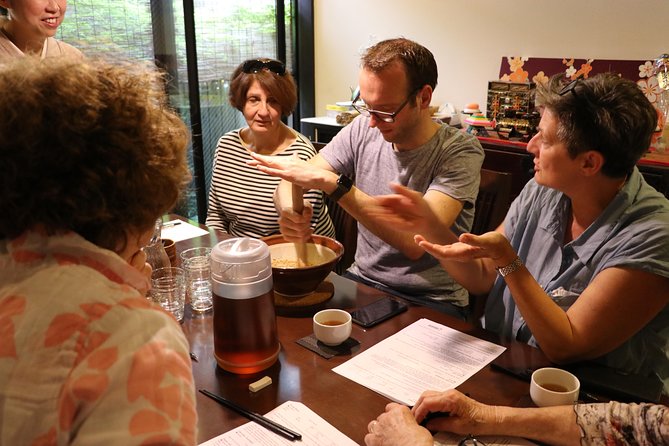
This experience fits several kinds of visitors particularly well.
First-time sushi makers will get the most obvious benefit. The instructions are detailed, and Kaori guides you through each stage rather than expecting you to copy a quick demonstration.
Couples can share the work and leave with a recipe set to try together. The class has also worked well as a honeymoon activity, especially for anyone who wants something more interactive than a restaurant meal.
Families should find the format approachable. Children have taken part, and the lesson combines food preparation with cultural information. Keep in mind that the class is not presented as a child-only program, so younger children will need help and attention from adults.
Food-focused visitors will appreciate the dashi and umami discussion. If you want to understand the base flavors behind Japanese cuisine, this offers more than a basic sushi-rolling workshop.
It is less suitable if you want a fast, highly polished demonstration with no participation. It is also not the best choice if you cannot tolerate the ingredients used in sushi, soup, or pickled ginger and cannot provide dietary details in advance.
Booking timing and practical planning
This class is booked an average of 40 days ahead, so do not leave it until the last day of your Kyoto stay. Confirmation is sent within 48 hours of booking, subject to availability. Booking early also gives you time to check the address and contact the operator about dietary needs.
The start time is fixed at 11:30 a.m. Since the experience ends at the meeting point after about two hours, it can fit neatly before an afternoon of sightseeing. Do not schedule an attraction across town immediately afterward, though. The class may finish around 1:30 p.m., but you still need time to collect your things and reach your next stop.
Free cancellation is available when you cancel at least 24 hours before the start time. Cancellations or changes made inside that window are not refunded or accepted. That policy is reasonable, but Kyoto plans can shift, so book only after your morning schedule is fairly clear.
The activity uses a mobile ticket. Keep your booking details and map link accessible on your phone, particularly if you are navigating from a hotel without a Japanese-speaking front desk.
Is the $72.67 price worth it?
For a simple meal, no. For a hands-on lesson with cultural instruction, ingredients, drinks, recipes, and a full meal, yes, the value is good.
The strongest part is what you take home. The sushi disappears, but the four-page guide remains. You also leave with a basic understanding of dashi, sushi rice, pickled ginger, umami, and Japanese dining manners. Those lessons can shape how you order and appreciate food for the rest of your trip.
The price is less compelling if you already make sushi regularly or want advanced knife work and professional fish preparation. The course is aimed at ordinary home cooks and beginners, not at aspiring restaurant chefs.
Should you book it?
Book this class if you want to do something in Kyoto that combines food, culture, and useful instruction. Kaori’s clear English, patient teaching, and home kitchen make it friendly for beginners, couples, families, and small groups of friends.
Before booking, check the expected group size, note any dietary requirements, and save the Google Maps pin. If you do those three things, this is a strong choice for an interactive morning and one of the few Kyoto souvenirs you can recreate long after the trip.
FAQ
Where does the sushi class take place?
The class takes place at Japanese Cooking Class Roujiya, located at 22-58 Nishinokyo Ikenouchicho, Nakagyo Ward, Kyoto, 604-8375, Japan.
What time does the class start?
The class starts at 11:30 a.m.
How long does the experience last?
The cooking class lasts approximately two hours.
What food will I prepare?
You will prepare several types of sushi, sushi rice, Japanese soup including dashi, and pickled ginger.
Is the class taught in English?
Yes. The experience includes an English-speaking cooking instructor, and Kaori teaches the class in English.
What is included in the price?
The price includes the meal, cooking ingredients, English-speaking instruction, recipes, an aperitif, and Japanese green tea.
Is transportation provided?
No. Hotel pickup and drop-off are not included. You must travel to and from the Roujiya meeting point yourself.
Can I cancel for a refund?
Yes, you can receive a full refund if you cancel at least 24 hours before the experience start time. Cancellations made less than 24 hours in advance are not refunded.
Newest Kyoto experiences on the site
- Treasures of Kyoto: Gion & historical Walking Tour★ 5.0 · 6 reviews
- Whisk Your Own Matcha: A Zen Matcha Experience at Temple★ 3.6 · 7 reviews
- Kyoto tea town for matcha lovers★ 5.0 · 16 reviews
- Uji: Private immersion into Kyoto’s tea and reglious culture★ 5.0 · 17 reviews
- Kyoto Matcha Green Tea Tour★ 4.5 · 23 reviews
- Uji and Wazuka Matcha Farm Half Day Private Guided Tour★ 5.0 · 21 reviews
- Utilising upcycled Matcha! Creating matcha incense (Uji, Kyoto)★ 5.0 · 6 reviews
- Sacred Temple Yoga Experience in Japan★ 5.0 · 3 reviews
Kyoto Sushi Making Classes, compared.
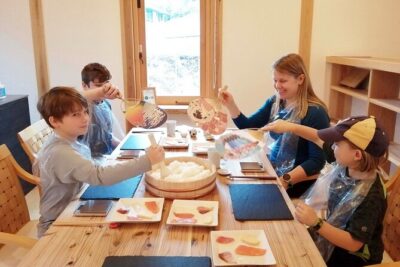
The Original Small-Group Sushi Making Class in Kyoto
Read our review →
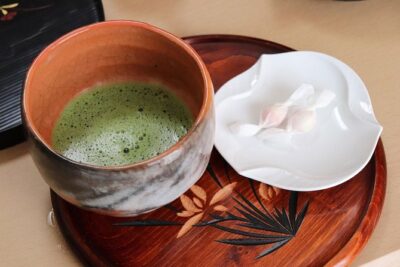
Private Kyoto Sushi Cooking Class & Tea Ceremony with Emika
Read our review →
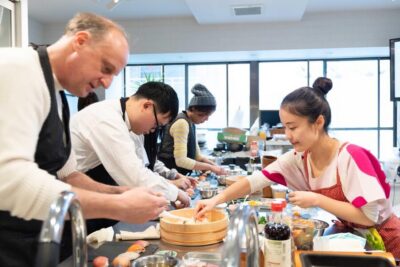
Enjoy Sushi & Market Tour! Best for Family & Couple!
Read our review →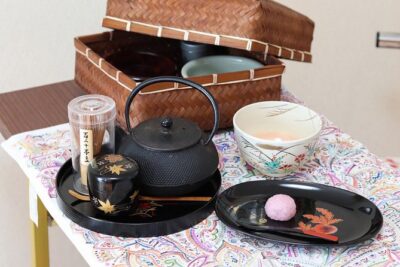
Sushi or Traditional Japanese Cuisine in a Kyoto Home with Emika
Read our review →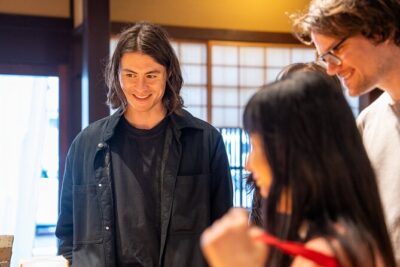
Kyoto Sushi Making Experience with a Professional Sushi Chef
Read our review →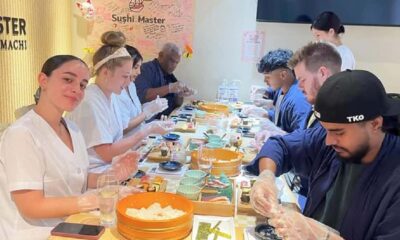
Browse the lists this tour appears in