
Reviewed · KYOTO SUSHI MAKING CLASSES
Sushi or Traditional Japanese Cuisine in a Kyoto Home with Emika
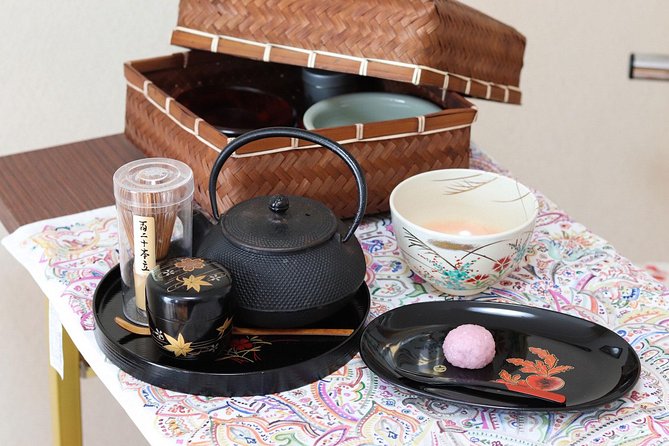
Kyoto’s best food lesson may happen around a family dining table, not in a restaurant. At Emika’s home, you share a private Japanese meal, talk about daily life in Kyoto, and see how seasonal ingredients become Obanzai, the city’s home-style cooking tradition. The matcha service, sometimes prepared by her father, adds a lovely cultural touch.
I like the personal setting and the chance to taste food made with ingredients from Emika’s garden and local sources. I also like the small cultural details, from traditional matcha to explanations of sushi and miso soup. The main consideration is the short 90-minute format, which leaves little time for a long, leisurely meal or extended sightseeing nearby.
Key points
- Private meal in Emika’s Kyoto home: Your group eats with a local host rather than at a restaurant.
- Seasonal Obanzai cooking: Expect home-style Kyoto dishes built around vegetables, seafood, rice, and miso soup.
- Traditional matcha service: Emika or her father prepares matcha, with her father described as a tea ceremony master.
- Food may come from the family garden: Several dishes use fresh, locally grown produce when available.
- Lunch or dinner options: The 90-minute experience fits neatly into a busy Kyoto day.
- A good value for personal contact: At $79 per person, the price covers the meal, local alcohol, tea experience, and private conversation.
A Kyoto meal served at home
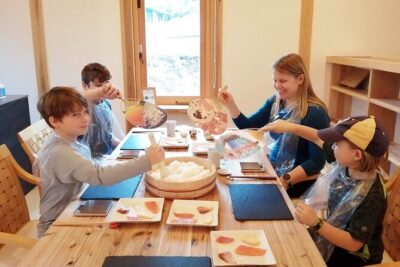
This experience gives you something a restaurant usually cannot: a look at how food fits into a local household. You meet Emika at her home in Kyoto’s Nishikyo Ward, sit around the dining table, and share a meal prepared for your group.
The food centers on Obanzai, a Kyoto style of cooking based on seasonal vegetables, seafood, and everyday home methods. It is not one fixed recipe. The menu changes with the season, so your plate may include different side dishes depending on when you visit.
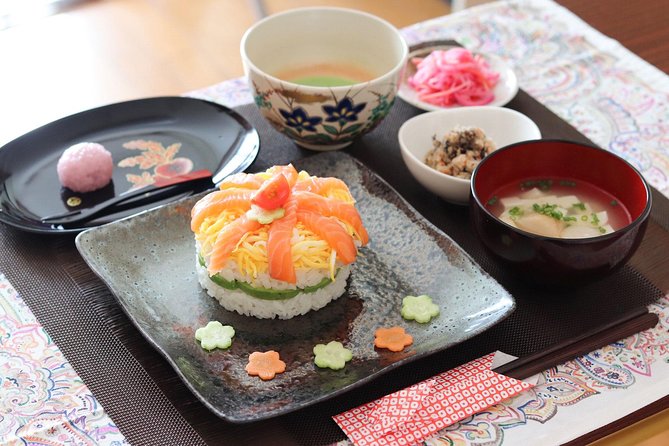
You might be served sushi, rice, miso soup, several Obanzai dishes, and a sweet chosen to go with matcha. The meal is best understood as a home-cooked sampling rather than a formal restaurant tasting menu. That is part of its appeal. You are getting food prepared in a personal style, with conversation and family customs included.
The setting also changes the pace. You are not rushing through a counter meal or trying to communicate with a server between courses. You have a chance to ask Emika about Kyoto, cooking, ingredients, and daily life in Japan.
More sushi making classes in Kyoto:
- Sushi Making in Kyoto! Same-day bookings welcome!
★ 5.0 · 713 reviews - The Original Small-Group Sushi Making Class in Kyoto
★ 5.0 · 436 reviews - Kyoto: Small-Group Authentic Sushi Making Workshop
★ 5.0 · 137 reviews
What happens during the 90 minutes
The activity begins and ends at Emika’s home at 31-30 Katsurainariyamachō, Nishikyo Ward, Kyoto, 615-8025. Hotel pickup and drop-off are not included, so you need to make your own way there. The location is near public transportation, but the supplied details do not specify a particular station or route, so check your map carefully before setting out.
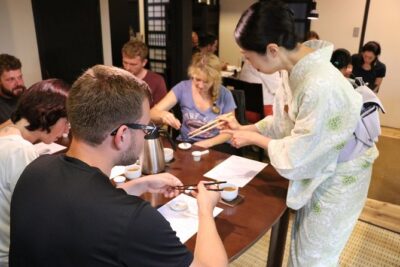
Once you arrive, the experience begins with the welcome and tea portion. A freshly made cup of traditional matcha may be served at the start or end of the visit. Emika prepares it herself, or her father may take the tea role. One of the strongest details from the experience is that her father is described as a master of the tea ceremony.
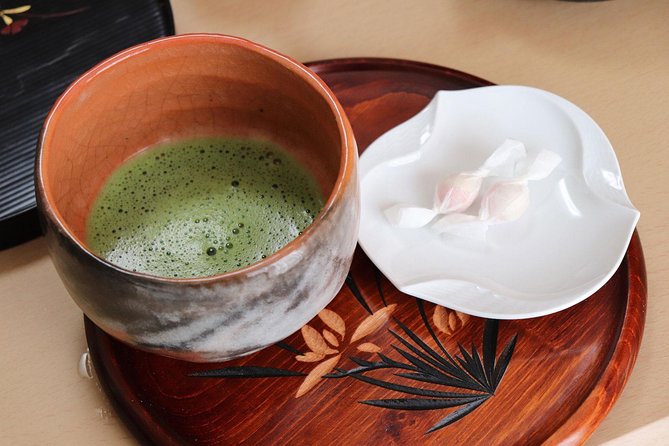
That does not mean you should expect a lengthy formal ceremony. The information describes a small tea ceremony, with matcha and a sweet, rather than a full multi-hour demonstration. Still, this is more meaningful than simply ordering green tea with lunch. You see how the drink is connected to hospitality and presentation.
The meal follows around a shared dining table. Emika prepares traditional dishes and talks with you about the ingredients and methods. One particularly useful part of the experience is the chance to learn how sushi and miso soup are made in a traditional home setting.
At 90 minutes, the schedule is compact. You can fit it between other Kyoto plans, but you should arrive ready to focus on the meal. This is not a cooking class with a long hands-on lesson, and it is not a tour of several food stops. The value comes from one private meeting, one home-cooked meal, and direct conversation.
Why Obanzai matters in Kyoto
Obanzai is closely tied to the everyday food culture of Kyoto. Instead of centering on expensive ingredients or elaborate restaurant presentation, it makes use of seasonal produce and simple preparations. The style reflects a practical kitchen where food is prepared for family, not staged for a dining room.
For you, this means the menu may feel more like a generous home lunch than a restaurant performance. Seasonal vegetables and seafood form the backbone of the meal, while rice, soup, and side dishes create a complete Japanese table.
The menu changes with the season. That is useful to know before booking because you should not expect a guaranteed list of exact dishes. The experience may include sushi, miso soup, rice, Obanzai items, and a matcha-friendly sweet, but the details can vary.
Some of the produce may come from Emika’s own garden. That gives the meal a direct connection to the household and the local growing season. It also means the food can feel personal rather than standardized.
I appreciate this style of meal because it helps you understand what people eat at home, not only what restaurants choose to present to international visitors. If you want a predictable menu or a polished tasting course, this may not be the right fit. If you enjoy small variations and a meal shaped by the season, it offers more character.
Meeting Emika and her family
Emika is the main host, and the experience depends heavily on the quality of the conversation. She is described as quiet, sweet, witty, polite, and courteous. That combination suggests a warm visit without a loud or highly scripted presentation.
You should expect conversation about food, drinks, Kyoto, Japanese culture, and everyday life. The meal gives you a natural reason to ask questions. You can learn how the dishes are prepared, why certain ingredients are seasonal, and how matcha is served.
Her father may also be part of the visit. The tea service is one of the most distinctive features, especially when he prepares the matcha. Having a family member involved makes the activity feel less like a standard tour and more like an invitation into a household tradition.
The private format matters here. Only your group participates, so you are not sharing the table with a large class or a busload of people. That gives you more room to guide the conversation toward your interests. It may also make the experience a better choice for couples, families, or small groups who prefer a quiet introduction to Japanese food.
A few more Kyoto tours worth putting on the shortlist
- PERFECT KYOTO 1-Day Bus Tour
★ 5.0 · 13,518 reviews - Kyoto: Fushimi Inari, Kinkakuji, Bamboo Grove 1 Day Bus Tour
★ 4.8 · 4,316 reviews - Kyoto: Tea Ceremony in a Traditional Tea House in Kiyomizu
★ 4.9 · 3,519 reviews - Kyoto Geisha Walking Tour: Gion District & Hidden Gems
★ 4.7 · 3,273 reviews
What the food experience is really like
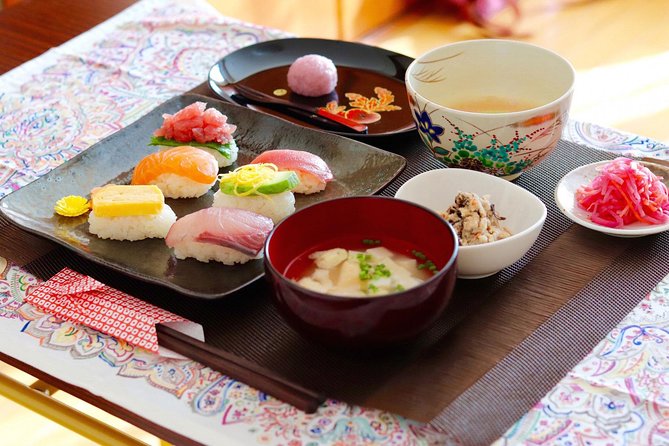
The meal may include sushi, but you should not book this expecting a sushi-making workshop or a large sushi-focused spread. The description places sushi alongside miso soup, rice, Obanzai dishes, sweets, and tea. Think of sushi as one part of a broader Japanese home meal.
You may also learn the traditional way to make sushi and miso soup. This is useful because these familiar dishes can look simple while involving careful choices about preparation, seasoning, and presentation.
The side dishes are important. Home-style Japanese meals often gain their variety from several small portions rather than one huge main course. Here, those sides may feature seasonal vegetables and seafood, with freshness taking priority over heavy seasoning.
Local alcohol is included. The supplied details do not specify the type or amount, so do not assume a particular sake, beer, or regional drink. If you do not drink alcohol, the tea and food remain the central parts of the experience.
A sweet served with matcha finishes the meal or accompanies the tea service. This pairing helps you notice the contrast between the bitter green tea and the sweetness of the dessert. It is a small detail, but one that gives the visit a more traditional shape.
Is $79 a fair price?
At $79 per person, this costs more than an ordinary Japanese lunch. You are not paying only for rice, soup, and side dishes. The price includes a private home visit, a prepared meal, local alcohol, matcha, and time with a Kyoto resident.
The value depends on what you want from your food experience. If your priority is eating as cheaply as possible, you can find less expensive meals in Kyoto. If you want a personal encounter that combines food, conversation, family hospitality, and a small tea ceremony, the cost is easier to justify.
The private format is particularly important. A restaurant meal gives you food, but this experience also gives you context. You can ask questions directly and hear about cooking and life in Kyoto from someone who lives there.
The 90-minute duration keeps the price from feeling excessive, but it also limits how much can happen. You are paying for focused contact rather than a full afternoon. I would consider it good value for someone who has already seen Kyoto’s major sights and wants a more intimate cultural activity.
Who should book this experience
This meal suits you best if you enjoy food as a way to meet people. It is a strong choice for couples, families, and small private groups who want a calm setting and direct conversation.
It also works well for first-time visitors who want an introduction to several parts of Japanese culture at once. You get food, tea, home etiquette, local ingredients, and conversation in one short visit.
You may especially like it if you are interested in:
- Kyoto’s seasonal cooking
- Home-style Japanese food rather than restaurant dishes
- Matcha and tea ceremony customs
- Meeting a local family
- Private activities with flexible lunch or dinner timing
- Learning about sushi and miso soup in a household setting
This is less suitable if you need a fixed menu, a long cooking lesson, or a large sightseeing component. The experience takes place at one home and lasts about an hour and a half. It is a focused meal, not a full-day food tour.
Dietary needs should be written in the Special Requirements box when booking. Since the menu changes by season and may include seafood, early notice is important. Service animals are allowed, and the home is near public transportation, but no hotel transfer is provided.
Timing your visit in Kyoto
You can choose lunch or dinner, which makes this easy to place around temple visits and other plans. A lunch booking can give you a quiet break from sightseeing. Dinner can work as a more personal alternative to eating in the city center.
Give yourself enough time to reach the address. The activity starts at the meeting point, and you are responsible for getting there. Because the experience is private and timed, arriving late could cut into the meal and conversation.
The booking confirmation is provided at the time of booking, and the experience uses a mobile ticket. Keep the ticket available on your phone when you go to the home.
The meal ends back at the same meeting point. That makes onward planning simple, but you should not count on hotel drop-off or transport to your next attraction.
How this compares with a restaurant meal
A restaurant offers more choice and often more control over timing. You can order exactly what you want, leave when you like, and usually find a menu with clear prices. This home visit trades some of that flexibility for personal contact.
At Emika’s home, you do not simply consume a meal. You learn why the dishes are prepared in a certain way, hear about seasonal ingredients, and share the table with a Kyoto resident. The setting creates a more direct connection to local life.
There is also less predictability. The menu varies, the tea may be served by Emika or her father, and the conversation will develop naturally. For some people, that is the point. For others, a restaurant with a fixed menu may feel easier.
I would choose this experience after a few days in Kyoto, when you already have a sense of the city and want to see another side of it. It can also be a good early activity if you enjoy using food to understand a new place.
Booking and cancellation details
The experience is commonly booked about 25 days in advance, so you should not leave it until the last moment if the lunch or dinner time matters to you. Confirmation arrives at booking, and the activity is private for your group.
Free cancellation is available up to 24 hours before the start time for a full refund. Cancellations or changes made less than 24 hours before the start time are not accepted for a refund. The cut-off follows Kyoto local time.
Because the menu changes with the season, ask about dietary requirements when booking rather than waiting until you arrive. The meal includes local alcohol, but the supplied details do not state the exact drink selection.
Should you book Emika’s Kyoto home meal?
I would book this if you want a personal food experience and value conversation as much as the meal itself. The strongest reasons are the private home setting, seasonal Obanzai cooking, garden produce when available, and the chance to receive matcha from Emika or her tea-master father.
The main limits are clear: it is only 90 minutes, the menu varies, and you must arrange your own transport. You also should not expect a full cooking class or a long formal tea ceremony.
For $79, this makes the most sense as a cultural meal rather than a simple lunch. If that sounds like your kind of Kyoto memory, Emika’s home offers a warm, direct, and pleasantly personal way to eat your way into the city’s daily life.
FAQ
Where does the meal take place?
The experience takes place at Emika’s home at 31-30 Katsurainariyamachō, Nishikyo Ward, Kyoto, 615-8025, Japan.
How long does the experience last?
The experience lasts approximately 1 hour and 30 minutes.
Is the experience private?
Yes. Only your group participates in the activity.
Can I choose lunch or dinner?
Yes. You can select a lunch or dinner time.
What food may be served?
The meal may include sushi, miso soup, rice, traditional Obanzai dishes, seasonal vegetables and seafood, and a sweet served with matcha. The menu changes with the season.
Is matcha included?
Yes. A cup of traditionally prepared matcha is included and may be served by Emika or her father.
Is alcohol included?
Yes. Local alcohol is included.
Is hotel pickup provided?
No. Hotel pickup and drop-off are not included. The activity begins and ends at the home meeting point, which is near public transportation.
Can I request dietary accommodations?
Yes. You should provide any specific dietary requirements in the Special Requirements box when booking.
Newest Kyoto experiences on the site
- Treasures of Kyoto: Gion & historical Walking Tour★ 5.0 · 6 reviews
- Whisk Your Own Matcha: A Zen Matcha Experience at Temple★ 3.6 · 7 reviews
- Kyoto tea town for matcha lovers★ 5.0 · 16 reviews
- Uji: Private immersion into Kyoto’s tea and reglious culture★ 5.0 · 17 reviews
- Kyoto Matcha Green Tea Tour★ 4.5 · 23 reviews
- Uji and Wazuka Matcha Farm Half Day Private Guided Tour★ 5.0 · 21 reviews
- Utilising upcycled Matcha! Creating matcha incense (Uji, Kyoto)★ 5.0 · 6 reviews
- Sacred Temple Yoga Experience in Japan★ 5.0 · 3 reviews
Kyoto Sushi Making Classes, compared.
The Original Small-Group Sushi Making Class in Kyoto
Read our review →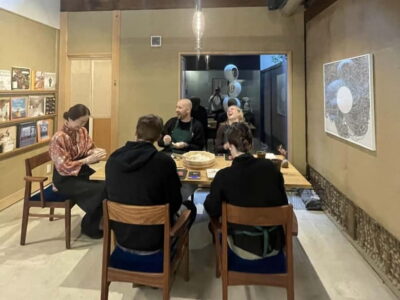
Sushi – Authentic Japanese Cooking Class – the best souvenir from Kyoto!
Read our review →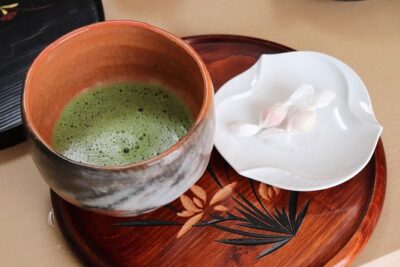
Private Kyoto Sushi Cooking Class & Tea Ceremony with Emika
Read our review →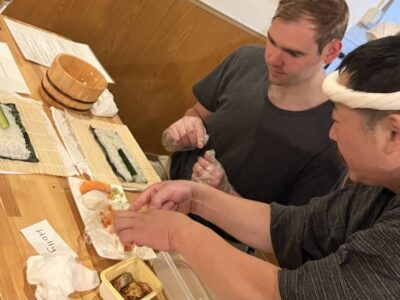
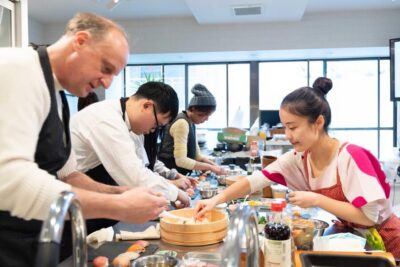
Enjoy Sushi & Market Tour! Best for Family & Couple!
Read our review →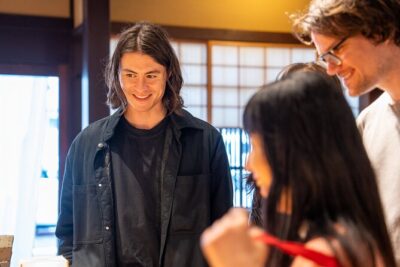
Kyoto Sushi Making Experience with a Professional Sushi Chef
Read our review →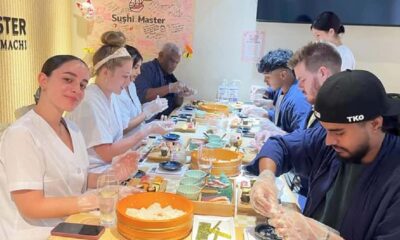
Browse the lists this tour appears in