
Reviewed · KYOTO SUSHI MAKING CLASSES
Kyoto: Sushi Making Experience in Kawaramachi
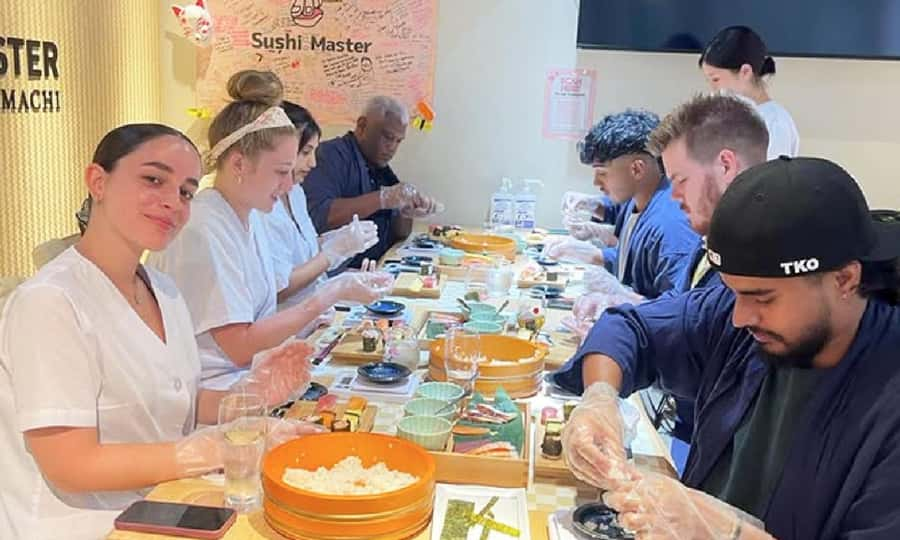
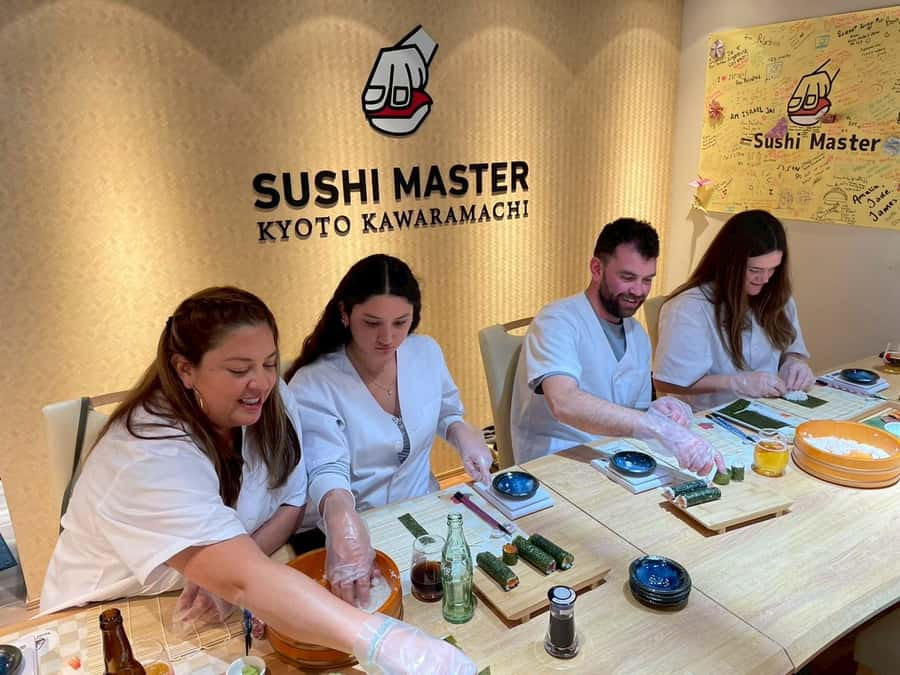
The best part of this Kyoto class is that you do not just watch a chef work. You shape 9 pieces of nigiri and 3 pieces of gunkan-maki, then sit down and eat what you made. A temari sushi option offers 10 round sushi pieces and 2 gunkan-maki instead.
I like the clear English guidance and the short, useful introduction to sushi and Japanese food. I also like the location: the class is only about five minutes from Kyoto Kawaramachi Station, so it fits neatly between shopping, sightseeing, and dinner plans.
The main catch is the limited dietary flexibility. Shellfish allergies can be accommodated, with octopus and squid substitutions, but vegetarian, vegan, and halal menus are not available. Drinks cost extra, too.
Key points to know before booking
- Two sushi formats: Choose standard nigiri and gunkan-maki, or temari sushi with its round, decorative shape.
- A 90-minute lesson: The class includes a short food history talk, hands-on preparation, and time to eat your sushi.
- Easy Kawaramachi location: The meeting point is about a five-minute walk from Kyoto Kawaramachi Station on the Hankyu Kyoto Line.
- English-speaking staff: Friendly Japanese staff lead the class in fluent English, making the instructions easy to follow.
- Food and souvenir included: Ingredients, the sushi meal, and a special gift are covered in the $40 price.
- Diet rules matter: Shellfish substitutions are possible, but there are no special vegetarian, vegan, or halal dishes.
Making sushi instead of just ordering it
Kyoto gives you plenty of chances to eat excellent sushi. This class gives you a different kind of meal: one you help prepare from start to finish. That makes it a good choice for families, couples, first-time visitors, and anyone who wants a practical memory from Japan rather than another restaurant stop.
You begin with a lecture on the history of sushi and traditional Japanese cuisine. The talk gives the food some context before you handle the ingredients. It is not simply a cooking lesson built around copying movements. You first learn why sushi matters, then put that information to work.
The session is designed for all skill levels. You do not need previous kitchen experience, Japanese language ability, or a special talent for neat presentation. The English-speaking staff guide you through the process, so you can concentrate on forming the pieces instead of guessing what comes next.
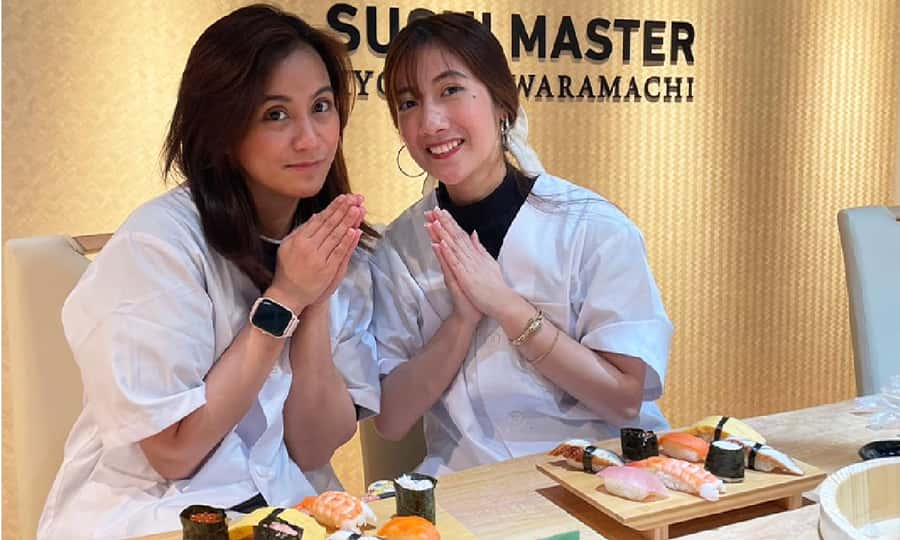
That hands-on part is the heart of the activity. You make either the standard sushi course or the temari sushi course, then eat the finished pieces during the same visit. The result is likely to be more satisfying than a demonstration because you can point to the plate and say, in effect, I made that.
More sushi making classes in Kyoto:
- Sushi Making in Kyoto! Same-day bookings welcome!
★ 5.0 · 713 reviews - The Original Small-Group Sushi Making Class in Kyoto
★ 5.0 · 436 reviews - Kyoto: Small-Group Authentic Sushi Making Workshop
★ 5.0 · 137 reviews
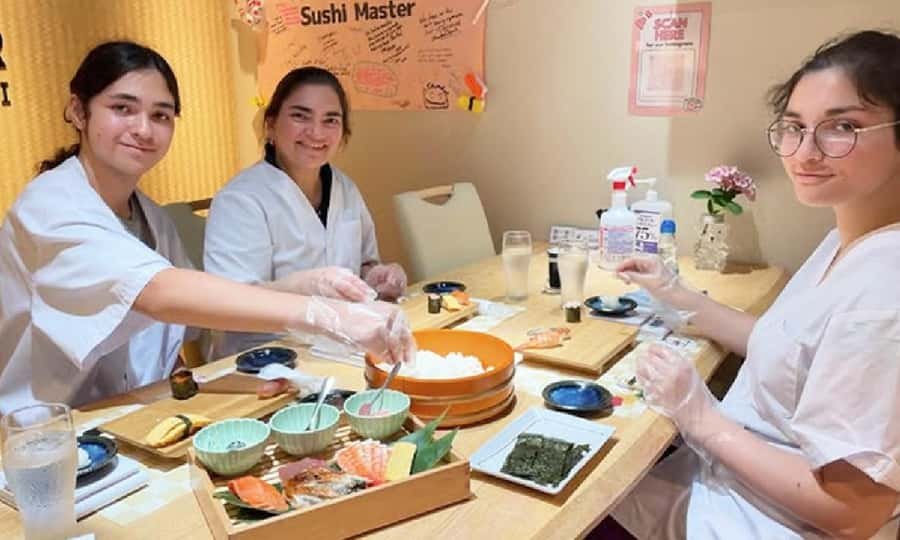
The standard course: 9 nigiri and 3 gunkan-maki
The regular Sushi Making Experience Course includes 9 pieces of nigiri sushi and 3 pieces of gunkan-maki. That gives you two familiar sushi styles to work with during one class.
Nigiri is the hand-formed style most people picture first: rice shaped into a small base, with a topping placed on top. Gunkan-maki is different in shape and structure, with sushi rice wrapped so the filling can sit above it. Learning both gives the class more variety than making one repeated form.
The quantity also feels sensible for a 90-minute session. You make 12 pieces, enough to keep your hands busy without turning the class into a long production line. After the lesson, you eat the complete set, so the activity functions as both a workshop and a meal.
You should expect guidance from the staff at each stage. The available information does not specify the exact ingredients or fillings used on the day, so do not book this expecting a particular fish or shellfish selection. The class promises sushi ingredients and a sushi meal, but the precise menu can vary by the selected course and current arrangements.
The temari option for a more decorative plate
The Temari Sushi Making Course includes 10 pieces of temari sushi and 2 pieces of gunkan-maki. Temari sushi is round rather than the longer, hand-pressed form associated with standard nigiri. Its shape can make the finished plate feel especially playful and gift-worthy in photographs.
This option suits you if you like the creative side of food preparation. You still receive the same basic structure: an introduction, guided preparation, and time to eat what you make. The difference is mainly in the sushi style and the balance of pieces.
The course details do not say that one option is easier than the other. I would choose based on the look and style you prefer, not on an assumption that temari sushi requires less skill. If your booking choice is important, check the exact option before paying because the meeting point may vary by the package selected.
A 90-minute schedule that fits a Kyoto day
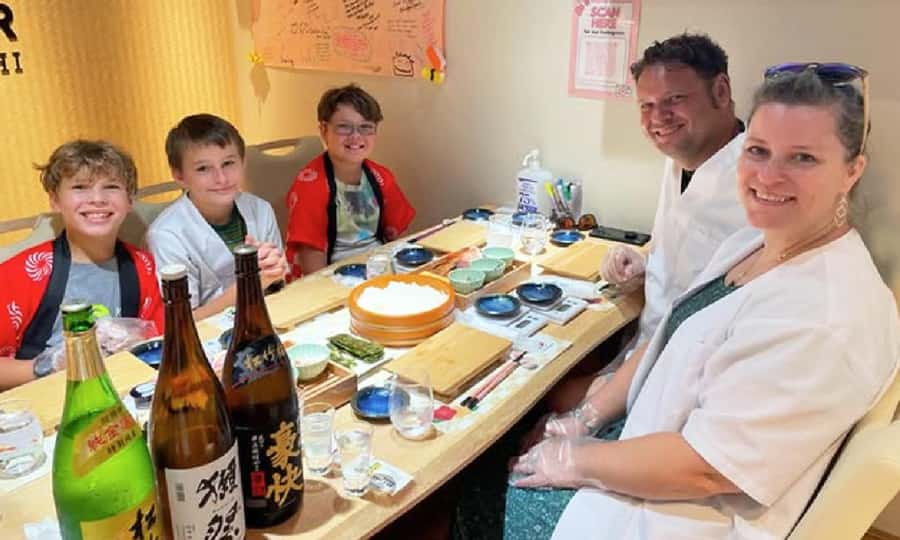
The class lasts 90 minutes. That is long enough to feel like a real activity, but short enough to fit into a packed Kyoto itinerary.
The session follows a simple order:
- You meet the English-speaking staff at the designated class location.
- You hear a lecture about Japanese cuisine and the history of sushi.
- You receive hands-on instruction and make your selected sushi pieces.
- You eat the sushi you prepared.
- You receive the included souvenir before the activity ends at the meeting point.
This timing works well on a day built around central Kyoto. You could place the class near a shopping period in Kawaramachi, use it as a midday meal, or schedule it before another activity in the same part of the city.
Do not plan on hotel transportation. Pickup and drop-off are not offered, so you need to reach the class on your own. The location is about a five-minute walk from Kyoto Kawaramachi Station on the Hankyu Kyoto Line, which keeps the arrival fairly simple. Since the exact meeting point can vary by option, read your booking details carefully rather than walking to a general Kawaramachi address.
A few more Kyoto tours worth putting on the shortlist
- PERFECT KYOTO 1-Day Bus Tour
★ 5.0 · 13,518 reviews - Kyoto: Fushimi Inari, Kinkakuji, Bamboo Grove 1 Day Bus Tour
★ 4.8 · 4,316 reviews - Kyoto: Tea Ceremony in a Traditional Tea House in Kiyomizu
★ 4.9 · 3,519 reviews - Kyoto Geisha Walking Tour: Gion District & Hidden Gems
★ 4.7 · 3,273 reviews
Why the Kawaramachi setting helps
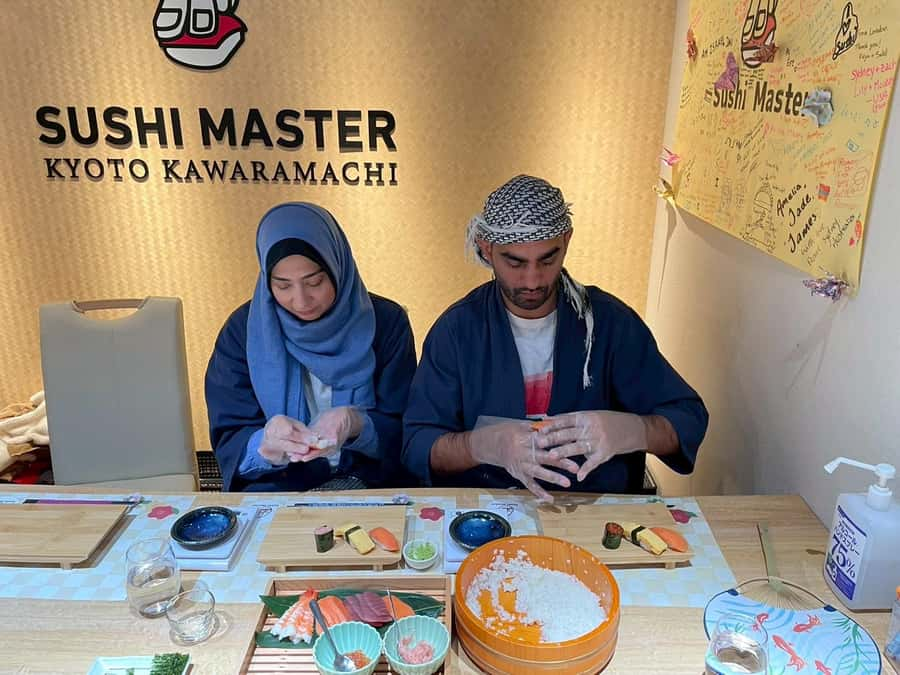
Kawaramachi is one of Kyoto’s most convenient central areas for combining food, shops, and transport. This class is not tucked far away from the places you are already likely to visit. The nearby shopping makes it easy to add the activity to a day of browsing rather than spending a large part of your schedule crossing the city.
That convenience adds real value. At $40 per person, the price covers the lesson, ingredients, the food you make, and a souvenir. You are not paying only for a plate of sushi. You are also paying for instruction and a structured activity in a central location.
The price is reasonable if you want an activity with a meal attached. It is less compelling if your only goal is to eat the cheapest possible sushi, since a class takes more time than simply ordering lunch. I would compare it with the cost of a regular meal and ask which memory you want from the hour and a half.
The location also makes the activity practical for groups with mixed interests. One person can enjoy the cooking lesson while others appreciate being close to Kawaramachi’s shops and convenient transport. Still, everyone taking part needs to meet at the class, since no hotel transfer is available.
Friendly English guidance for first-time sushi makers
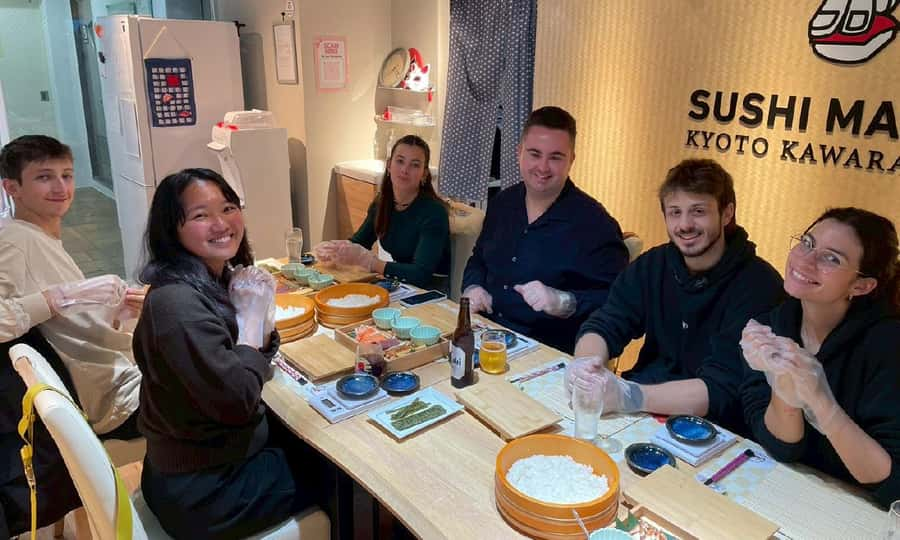
The staff speak English fluently and lead the class in a friendly manner. That matters because sushi making depends on small hand movements and timing. A clear demonstration is much more useful than a printed recipe alone.
You can ask questions as you work, and the all-skill-level format means you do not need to feel embarrassed if your first piece looks uneven. The purpose is not to produce a professional chef’s plate. It is to understand the basic technique, enjoy the process, and eat the result.
The class also gives you a chance to learn food vocabulary and customs through the meal itself. The introductory talk is brief enough to leave plenty of time for making sushi, but it adds a cultural layer that a standard restaurant visit cannot provide.
The available details do not give staff names or a fixed group size, so I would not book this expecting a particular instructor or an intimate class. What you can count on is fluent English support and guided preparation during the 90-minute session.
Dietary limits you should take seriously
This is the most important practical warning. The class accommodates shellfish allergies only, and octopus and squid can be substituted. It does not provide special dishes for vegetarians, vegans, or people following a halal diet.
If you have a shellfish allergy, state it when booking and confirm the substitution details. The information specifically mentions octopus and squid as alternatives, but it does not promise a fully customized menu beyond that arrangement.
If you are vegetarian, vegan, or require halal food, this class is not a safe choice based on the stated policy. Do not assume that you can simply remove fish or request extra vegetables. The experience is built around the listed sushi courses, and no special versions are offered.
Drinks are not included. You can order soft drinks and alcohol during the class, but those purchases add to the $40 cost. If you want to keep the price predictable, plan on paying for the included food only and treat drinks as optional.
What the souvenir adds to the experience
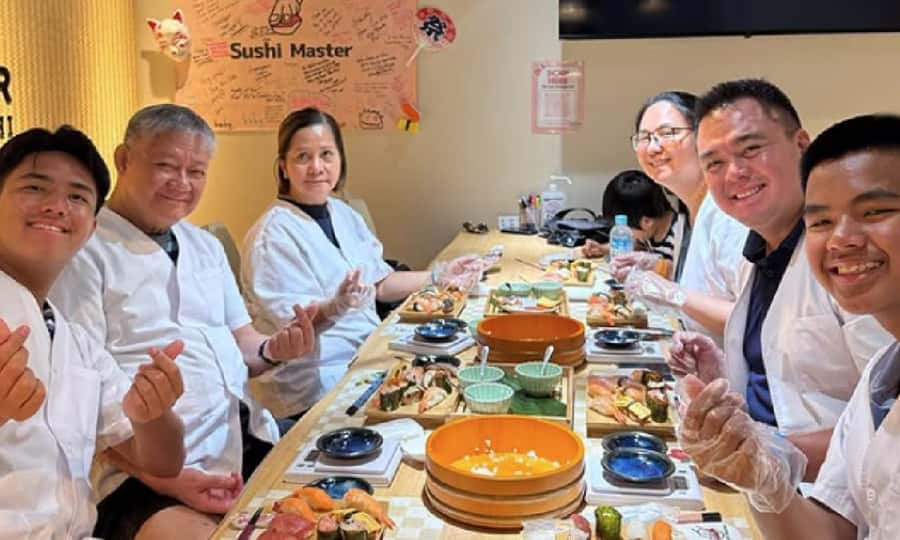
A special gift is included, along with the ingredients and the sushi meal. The exact nature of the gift is not specified, so you should think of it as a small memory of the class rather than a particular promised item.
It is a pleasant touch, especially if you are building a collection of food-related memories from Japan. The sushi disappears when you finish eating, while the gift gives you something physical to carry home.
I would not choose this class solely for the souvenir. Its value comes from the lesson, the meal, and the chance to prepare sushi yourself. The gift simply rounds out the visit.
Who will get the most from this class
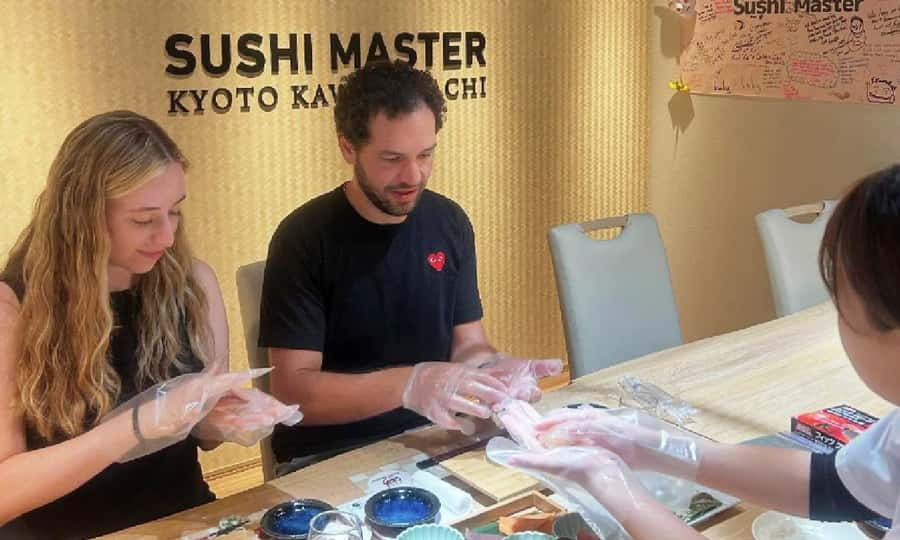
I would recommend the experience to:
- First-time visitors who want an approachable introduction to sushi.
- Families looking for a hands-on activity in central Kyoto.
- Couples who prefer making a meal together to sitting through another formal dinner.
- Food lovers who want context about Japanese cuisine as well as something to eat.
- Visitors with a tight schedule, thanks to the 90-minute format and central location.
- Anyone who wants an English-led activity without needing previous cooking skills.
I would be more cautious if you have strict dietary needs, want hotel transportation, or are looking for a long, advanced cooking course. The class offers a short introduction and guided practice, not a professional culinary program.
The posted rating is 4.8 out of 5 from 13 ratings, which fits the experience’s strongest features: clear English support, a convenient location, and the fun of eating your own work. With a relatively small number of ratings, I would treat that score as encouraging rather than as a guarantee that every session will suit every person.
Booking advice for a smooth visit
Book the correct course option first. The standard course gives you 9 nigiri and 3 gunkan-maki, while the temari option gives you 10 temari sushi and 2 gunkan-maki. Since the meeting point may differ by option, confirm the location shown for your booking.
Allow enough time to reach the class from Kyoto Kawaramachi Station. The walk is about five minutes, but you still need to locate the precise meeting point and arrive ready for the scheduled 90-minute session.
The class permits reserve-and-pay-later booking, which helps if your Kyoto plans are still shifting. You can also cancel up to 24 hours in advance for a full refund. Those terms make it easier to fit the class into a changing itinerary, though you should still check the final booking conditions before confirming.
Should you book the Kyoto sushi class?
Book it if you want an easy, central, English-led activity that combines a short cultural lesson with a real meal. The strongest reasons are the hands-on format, the two sushi styles, the convenient Kawaramachi location, and the fact that your finished food becomes lunch or dinner.
Skip it if you need vegetarian, vegan, or halal food, or if you want hotel pickup. Also skip it if you are looking only for a cheap restaurant meal rather than a guided activity.
For most visitors who can eat the listed menu, $40 is fair value. You receive instruction, ingredients, 12 pieces in the standard course or the temari equivalent, a meal, and a souvenir. It is a compact way to add a personal food memory to your Kyoto schedule.
FAQ
How long does the sushi-making experience last?
The session lasts 90 minutes. It includes a lecture about Japanese cuisine and sushi, hands-on sushi making, and time to eat what you prepare.
What sushi will I make in the standard course?
The standard Sushi Making Experience Course includes 9 pieces of nigiri sushi and 3 pieces of gunkan-maki.
Is there another sushi course available?
Yes. The Temari Sushi Making Course includes 10 pieces of temari sushi and 2 pieces of gunkan-maki.
Is the class taught in English?
Yes. The staff speak English fluently and guide you through the experience in English.
Where is the class located?
The class is about a five-minute walk from Kyoto Kawaramachi Station on the Hankyu Kyoto Line. The exact meeting point may vary depending on the option you book.
Can the class accommodate dietary restrictions?
Shellfish allergies can be accommodated, with octopus and squid available as substitutions. Special dishes are not offered for vegetarian, vegan, or halal diets.
Are drinks and hotel transportation included?
Drinks are not included, though soft drinks and alcohol can be ordered during the class. Hotel pickup and drop-off are not available, so you must travel to the meeting point yourself.
Newest Kyoto experiences on the site
- Treasures of Kyoto: Gion & historical Walking Tour★ 5.0 · 6 reviews
- Whisk Your Own Matcha: A Zen Matcha Experience at Temple★ 3.6 · 7 reviews
- Kyoto tea town for matcha lovers★ 5.0 · 16 reviews
- Uji: Private immersion into Kyoto’s tea and reglious culture★ 5.0 · 17 reviews
- Kyoto Matcha Green Tea Tour★ 4.5 · 23 reviews
- Uji and Wazuka Matcha Farm Half Day Private Guided Tour★ 5.0 · 21 reviews
- Utilising upcycled Matcha! Creating matcha incense (Uji, Kyoto)★ 5.0 · 6 reviews
- Sacred Temple Yoga Experience in Japan★ 5.0 · 3 reviews
Kyoto Sushi Making Classes, compared.
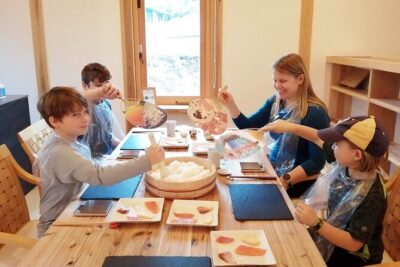
The Original Small-Group Sushi Making Class in Kyoto
Read our review →
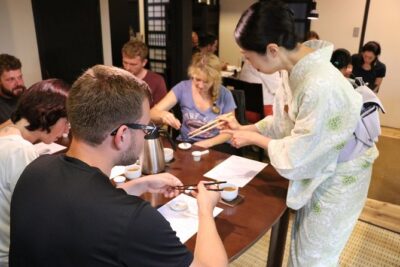
Sushi – Authentic Japanese Cooking Class – the best souvenir from Kyoto!
Read our review →
Private Kyoto Sushi Cooking Class & Tea Ceremony with Emika
Read our review →
Enjoy Sushi & Market Tour! Best for Family & Couple!
Read our review →
Sushi or Traditional Japanese Cuisine in a Kyoto Home with Emika
Read our review →
Kyoto Sushi Making Experience with a Professional Sushi Chef
Read our review →Browse the lists this tour appears in