
Reviewed · KYOTO SUSHI MAKING CLASSES
Kyoto: Sushi Making Class with Sushi Chef
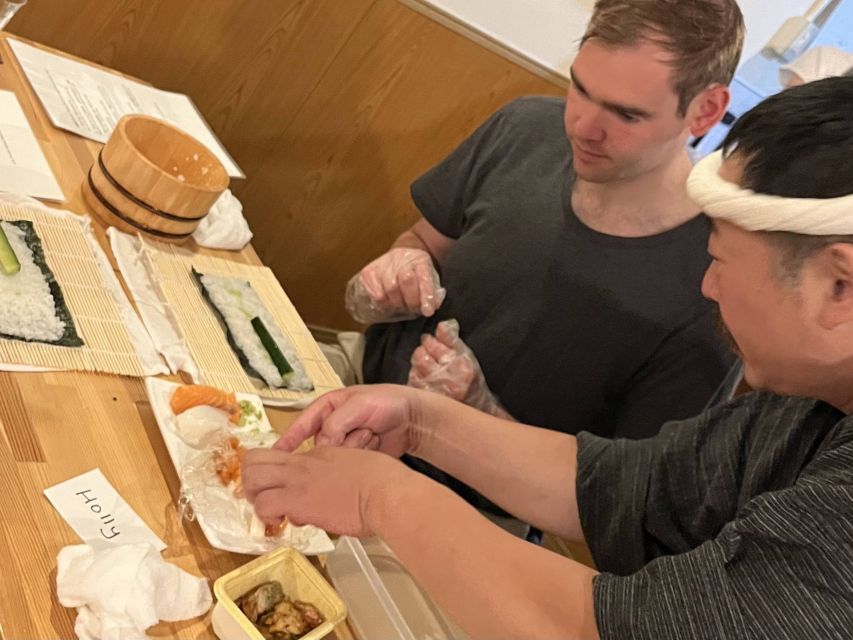
Kyoto’s sushi class turns lunch into a hands-on lesson. You practice first with a sushi sample toy, then make real nigiri and a rolled sushi using a special tool. The fish is bought early that morning at Kyoto Central Wholesale Market, so the meal has a direct link to the city’s food trade.
I like two things right away: the small group of no more than eight keeps instruction personal, and the chef explains more than hand movements, including fish, knives, sushi etiquette, and how to eat the finished pieces. The included photos and videos are also useful since you can focus on the class instead of taking pictures.
The main consideration is that you do not prepare the rice or cut the fish yourself. One participant wanted more of that behind-the-scenes work, so this is best for learning sushi assembly and presentation rather than the full restaurant kitchen process.
Key points to know before booking
- Fresh fish from Kyoto Central Wholesale Market: Fish is purchased early each morning and prepared shortly before class.
- A gentle first step: You practice with a toy sushi sample before handling real ingredients.
- Nigiri and maki in one session: The lesson covers hand-formed sushi and rolled sushi made with a special tool.
- English and Japanese instruction: Past classes have been led by Hide, Yutaka, Nami, Yune, Yukihide, and others.
- Your lunch is the final lesson: You arrange the sushi on a plate, then eat it with tea or water and Japanese-style dashi soup.
- Convenient but not fixed: The class uses two venues around Shijo Karasuma, with the exact location sent by email.
From market fish to your own sushi lunch
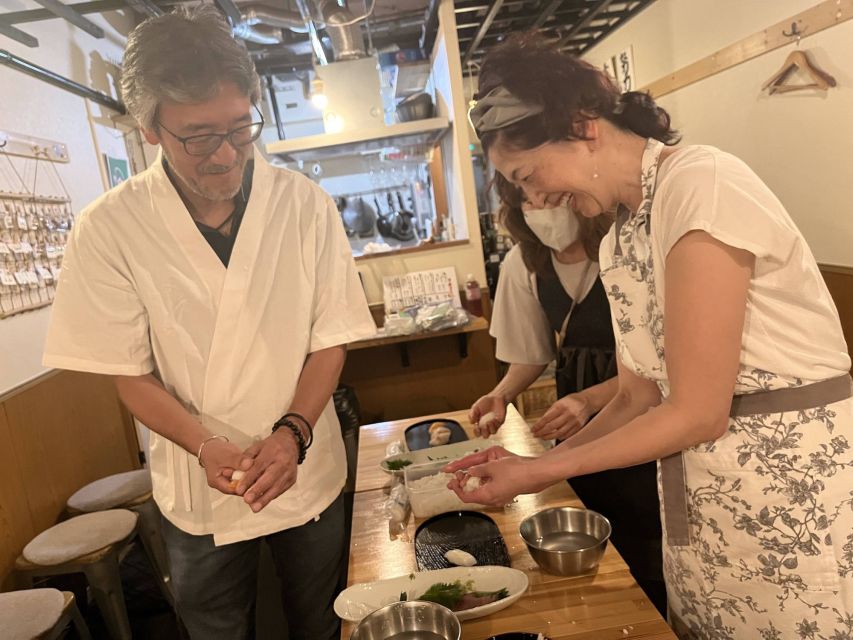
This is not a demonstration where you sit back and watch a chef work. You make the sushi yourself, with the chef guiding each stage. That distinction matters. Sushi looks simple on the plate, but forming a neat piece of nigiri takes control of pressure, rice, fish, and timing.
The class begins with a practice model. That may sound basic, but it is a smart way to remove the first burst of awkwardness. You can learn the motion without worrying about wasting food or making a misshapen piece in front of the group. Once you are comfortable, you move on to real sushi.
The central task is nigiri, the familiar hand-pressed rice topped with fish. The chef demonstrates the steps, then gives you time to copy them. Past participants have found the instruction easy to follow, and children as young as five have enjoyed the activity. That makes this a good choice for families, though adults who want a serious food lesson will also have plenty to learn.
After nigiri, you make a sushi roll with a special tool. The roll gives you a different challenge: spreading ingredients, controlling the shape, and cutting or arranging the finished piece. You then decorate all your sushi on one plate. This final presentation is not just for the camera. It gives you a chance to see how separate pieces become a complete meal.
Then you eat what you made. Tea or water and Japanese-style dashi soup are included. The meal is the payoff, but it is also a useful test of what you learned. You get to compare your own work with the chef’s example and notice how shape and pressure affect the eating experience.
More sushi making classes in Kyoto:
- Sushi Making in Kyoto! Same-day bookings welcome!
★ 5.0 · 713 reviews - The Original Small-Group Sushi Making Class in Kyoto
★ 5.0 · 436 reviews - Kyoto: Small-Group Authentic Sushi Making Workshop
★ 5.0 · 137 reviews
Why the fish matters
The class uses fish bought early in the morning at Kyoto Central Wholesale Market. It is prepared shortly before the class, giving the lesson a clear connection to Kyoto’s food culture rather than treating sushi as a generic craft project.
That freshness also improves the meal you make. Several participants specifically appreciated the quality of the fish and the way it was cut. You may not handle the knife yourself, but the chef can explain the different fish and the knives used for particular tasks. One detailed lesson also covered why certain knives have specific purposes.
This is an important distinction for your expectations. You are learning the parts of sushi making that can be taught safely and effectively in a short class: handling rice, placing toppings, forming nigiri, rolling maki, and serving the food. You are not receiving full professional training in fish selection, filleting, or rice preparation.
For many people, that is the right balance. You get a close look at ingredients and technique without turning a holiday activity into a long kitchen course. If you specifically want to cut fish or cook sushi rice from scratch, this class may feel limited. If you want to understand how sushi is assembled and enjoy a fresh lunch, it offers better value.
The chefs make the difference
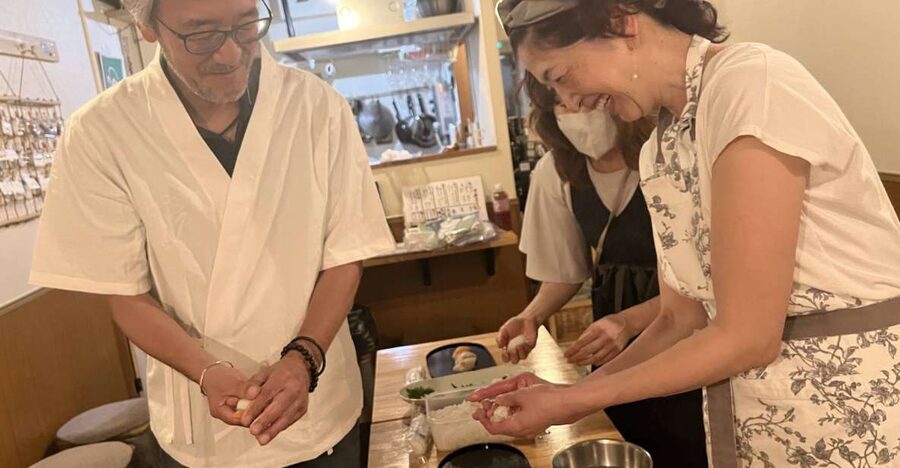
The instructor is the heart of this experience. Past classes have been led by Hide, Yutaka, Nami, Yune, Yukihide, and other members of the team. Hide is frequently named as a relaxed, patient teacher with decades of experience as a sushi chef. Nami has been praised for making the class clear and fun for a young child, while Yutaka has guided couples through both preparation and the meal.
The teaching style appears to be calm and hands-on. You receive a step-by-step explanation, then try the technique yourself. The chef can correct your movement and help you produce sushi that looks presentable, even if you have never made it before.
That patience is especially valuable for families. A five-year-old child reportedly enjoyed the class as much as the adults, and teenage participants were able to make sushi they felt proud to eat. The toy practice stage helps here, since younger students can become familiar with the shape and motion before moving to real food.
The instructors also cover sushi manners. You can learn how sushi is eaten in a restaurant, along with points of etiquette that are easy to miss if you only order from a menu. This adds cultural value to the lesson. You leave with more than a recipe and a plate of food.
The teaching is available in English and Japanese. If you need a particular language, confirm the details when booking, since the instructor may vary by session. The small group limit of eight gives the chef room to give individual help instead of addressing a large room.
A practical 90 minutes to three hours
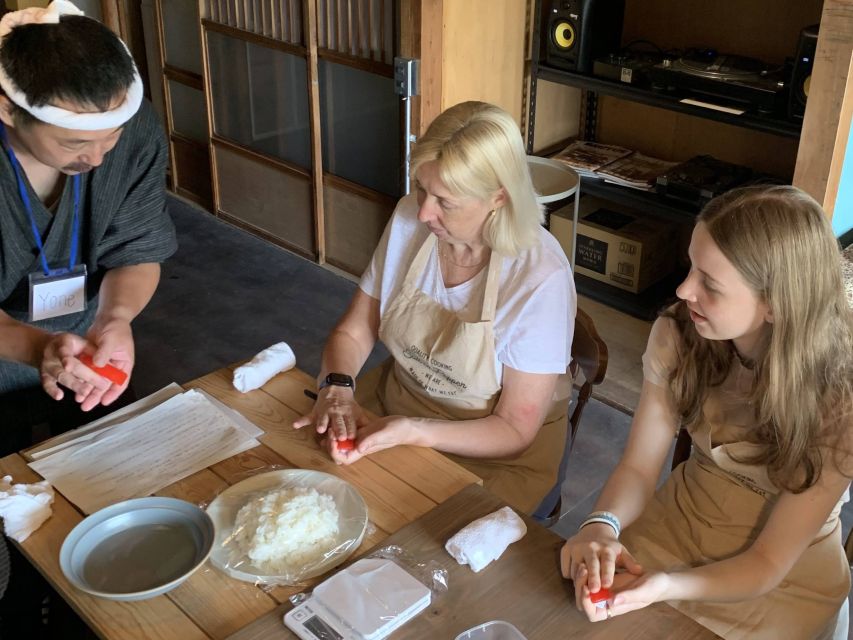
The advertised duration ranges from 90 minutes to three hours, so check the available starting time and expected length when you choose your date. That wide range is worth noting. The exact pace may depend on the session and group.
Plan enough room around the class rather than scheduling a major sight immediately afterward. Sushi making includes explanation, practice, preparation, arranging the food, and lunch. A quick 90-minute session may feel brisk, while a longer class gives more time for questions and individual help.
The meeting area is around Shijo Karasuma, one of Kyoto’s useful central districts. There are two possible venues. The organizer chooses between them based on the number of people taking the class, then sends a Google Maps link by email. At the meeting time, look for the welcome board.
This arrangement is convenient but requires attention. Do not head to a venue based only on a general map of Shijo Karasuma. Check your email for the exact location before leaving, and allow enough time to find it. One past participant found the location easy to reach and close to Kyoto Kawaramachi Station, but your confirmed venue is the one that matters.
Some sessions have taken place in a cozy venue overlooking the river. That detail is not guaranteed for every booking, since two venues are used, but it shows how the setting can add to the meal without being the main reason to book.
More craft workshops in Kyoto:
- Kyoto: 45-Minute Tea Ceremony Lesson Experience
★ 4.3 · 2,378 reviews - Ramen Cooking Class at Ramen Factory in Kyoto
★ 5.0 · 1,937 reviews - Kyoto : Chopsticks Making Workshop in Gion with Engraving Option
★ 5.0 · 958 reviews - Kyoto: Samurai Sword Class by Experts in Traditional Arts
★ 4.9 · 657 reviews
What you will actually make
The class has a clear progression:
- You start with the toy model to learn the basic hand movement.
- You make real nigiri with the prepared fish and sushi rice.
- You prepare a rolled sushi using a special tool.
- You arrange the finished pieces on a plate.
- You eat the sushi with tea or water and Japanese-style dashi soup.
The sequence works because it builds confidence. Nigiri teaches control and shape. The roll teaches a different method and gives you a more visual result. By the end, you have practiced two familiar sushi styles rather than spending the whole class on one technique.
You should not expect to produce restaurant-perfect sushi on your first attempt. The point is to learn the method and understand the craft. Still, the instruction is designed to help beginners make attractive pieces. Several people with no prior expectations were surprised by how good their finished sushi looked and tasted.
The class can also change how you eat sushi afterward. Once you have tried to press rice into a stable shape and place fish correctly, you may pay more attention to the work behind a simple piece at a restaurant. That is a small but lasting benefit.
Photos, dietary needs, and comfort
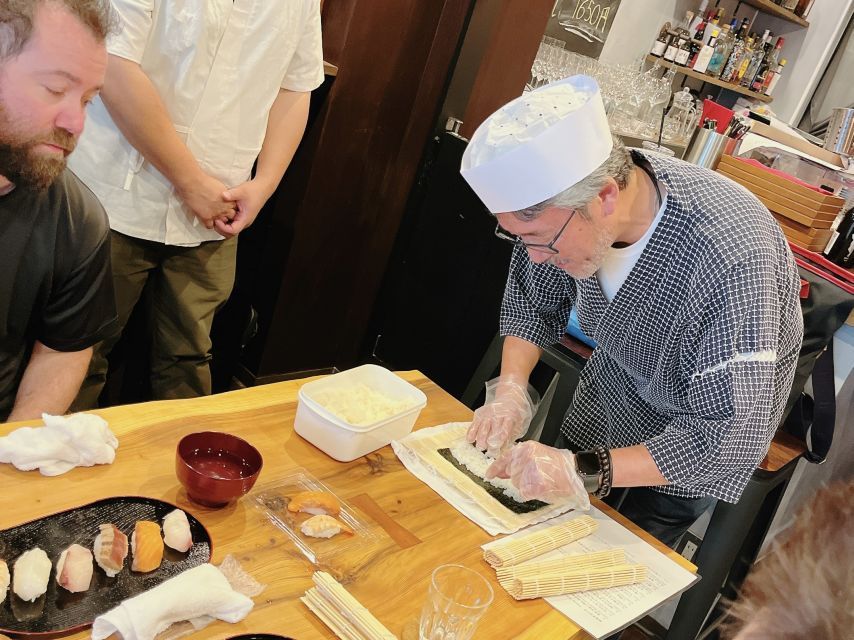
Photos and videos are taken during the class and shared afterward. This is a thoughtful service. You can keep your hands clean and pay attention to the chef instead of stopping to document every step. The pictures also record the process, not just the final meal.
Strong fragrances are not allowed. That rule matters in a small food-preparation setting, where perfume or scented products can affect the shared space and the food experience.
The activity is not suitable for people with food allergies. At the same time, gluten-free needs have been accommodated in at least some sessions, with extra support and even translation help for other restaurants. Do not treat that as a blanket guarantee for every allergy or dietary restriction. If you have a gluten-free requirement, contact the provider before booking and explain exactly what you need.
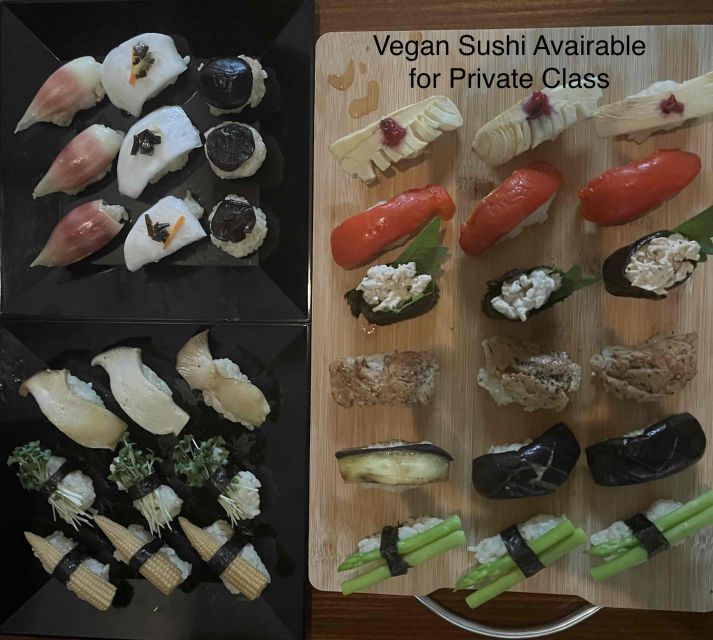
The supplied information does not promise vegetarian, vegan, or other special menus. Because fish is central to the class, you should ask before paying if you do not eat seafood or have an ingredient concern.
Is $74 a fair price?
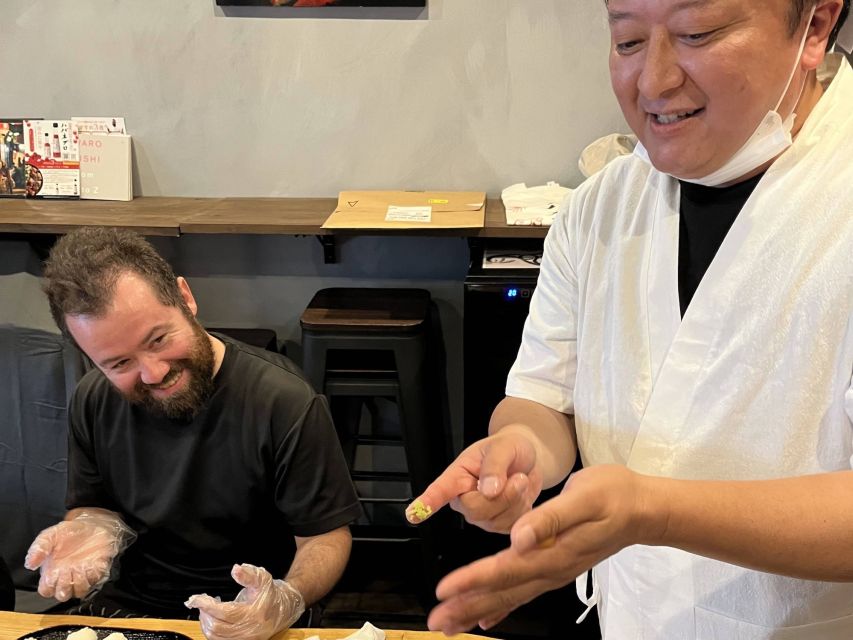
At $74 per person, the price includes the instruction, the fish, the sushi you make and eat, tea or water, Japanese-style dashi soup, and shared photo data. You are paying for both a meal and a guided activity, not simply a plate of sushi.
The value is strongest if you want participation. A sushi lunch alone might cost less or more depending on the restaurant, but it would not include time with a chef, practice with a model, explanations of fish and knives, or the chance to make nigiri and maki yourself.
The small group helps justify the cost. With no more than eight participants, the chef can watch your technique and answer questions. The photos also add value for families and couples who want a record without handing a phone around during the lesson.
The price is less compelling if you only want to eat premium fish or if you already make sushi at home. The class does not include preparing the rice or cutting the fish, which is the one clear gap in the hands-on work. For a first-time maker, though, the combination of fresh ingredients, personal instruction, and lunch makes the fee reasonable.
Who should book this class
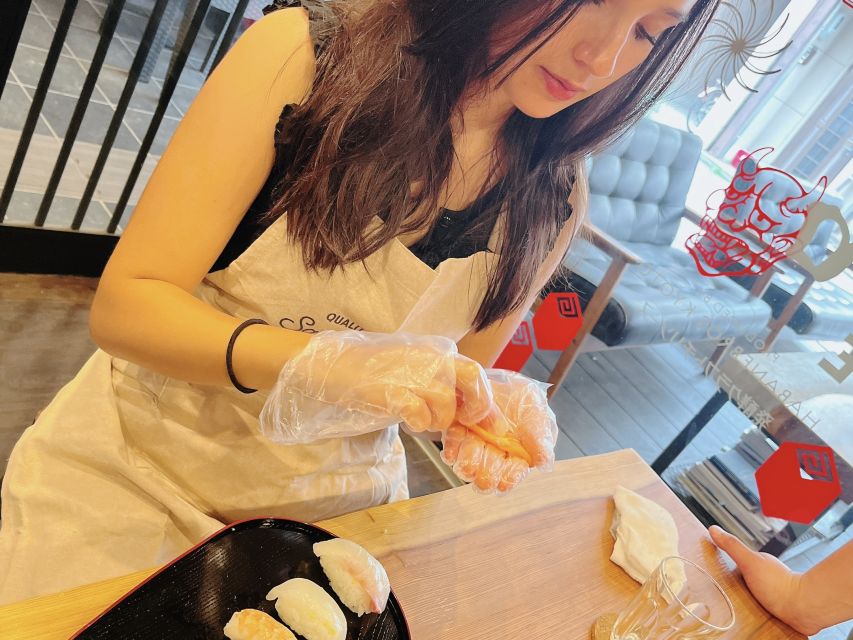
I would point families toward this experience first. The toy practice, patient instruction, and manageable format work well for children, and the finished lunch gives everyone a clear reward. Parents should still consider food allergies and the child’s comfort with raw fish.
Couples and friends will also get plenty from it. You can work together, compare your sushi, and leave with photographs of the process. The class adds a social activity to a Kyoto itinerary without requiring a full day.
It suits solo visitors too, especially if you want a structured food experience rather than another restaurant meal. The group is small, and the chef’s explanations give you useful context about sushi customs.
I would be more cautious if you want advanced culinary training. You will not prepare the fish or rice from the beginning, and the lesson is aimed at beginners. Think of it as a practical introduction to sushi assembly, presentation, and etiquette.
Cancellation is free up to two days in advance for a full refund. That gives you some flexibility, but remember to check the exact meeting venue and session length before setting your plans.
Should you book it?
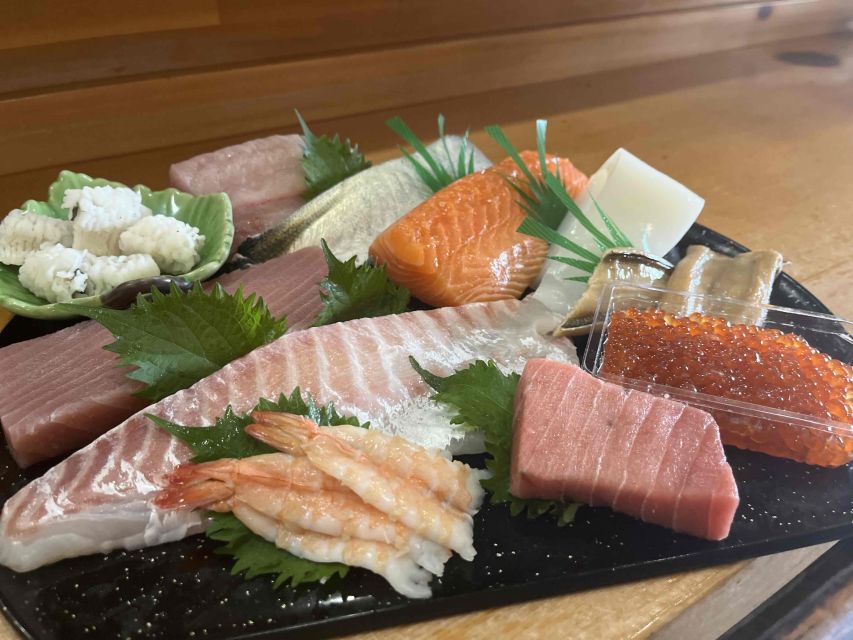
Book this class if you want to make your own lunch, learn from an English-speaking sushi chef, and work with fish bought that morning at Kyoto Central Wholesale Market. The strongest parts are the patient instruction, small group size, fresh ingredients, and mix of nigiri and maki.
Skip it if your main goal is to fillet fish, prepare sushi rice, or take an advanced chef course. For everyone else, especially families and first-time sushi makers, $74 buys a useful skill, a fresh meal, and a memorable piece of Kyoto food culture.
FAQ
Where does the sushi class meet?
The class uses two venues around Shijo Karasuma. The provider chooses the venue based on the number of participants and sends the exact Google Maps link by email. A welcome board is shown at the meeting time.
How long does the activity last?
The stated duration ranges from 90 minutes to three hours. Check the available starting times and session details when booking.
What types of sushi will I make?
You will make nigiri sushi and a sushi roll. The roll is prepared with a special tool, and you arrange the finished sushi on a plate before eating it.
Is the fish fresh?
The fish is purchased early each morning at Kyoto Central Wholesale Market and prepared shortly before the class.
Is the class taught in English?
Instruction is available in English and Japanese. The individual chef may vary by session. Past instructors have included Hide, Yutaka, Nami, Yune, and Yukihide.
Is the class suitable for children?
Yes. The chef begins with a toy sushi sample, and the step-by-step format is designed so children can take part. A five-year-old has enjoyed the class, but children should be comfortable with the food and setting.
Are food and drinks included?
Yes. You eat the sushi you make, and tea or water plus Japanese-style dashi soup are included.
Can people with allergies take the class?
The activity is listed as unsuitable for people with food allergies. Gluten-free needs have been accommodated in some sessions, so contact the provider before booking with any dietary requirement.
Newest Kyoto experiences on the site
- Treasures of Kyoto: Gion & historical Walking Tour★ 5.0 · 6 reviews
- Whisk Your Own Matcha: A Zen Matcha Experience at Temple★ 3.6 · 7 reviews
- Kyoto tea town for matcha lovers★ 5.0 · 16 reviews
- Uji: Private immersion into Kyoto’s tea and reglious culture★ 5.0 · 17 reviews
- Kyoto Matcha Green Tea Tour★ 4.5 · 23 reviews
- Uji and Wazuka Matcha Farm Half Day Private Guided Tour★ 5.0 · 21 reviews
- Utilising upcycled Matcha! Creating matcha incense (Uji, Kyoto)★ 5.0 · 6 reviews
- Sacred Temple Yoga Experience in Japan★ 5.0 · 3 reviews
Kyoto Sushi Making Classes, compared.
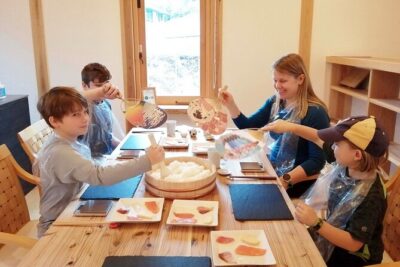
The Original Small-Group Sushi Making Class in Kyoto
Read our review →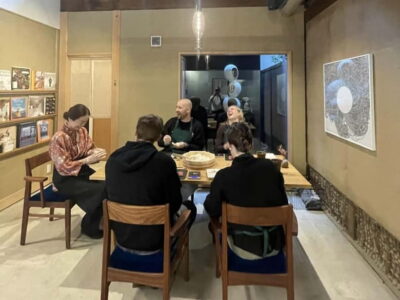
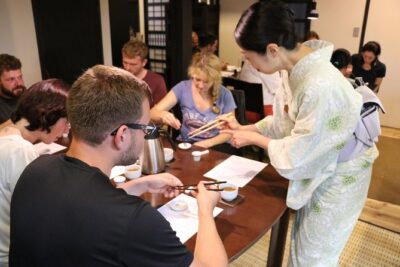
Sushi – Authentic Japanese Cooking Class – the best souvenir from Kyoto!
Read our review →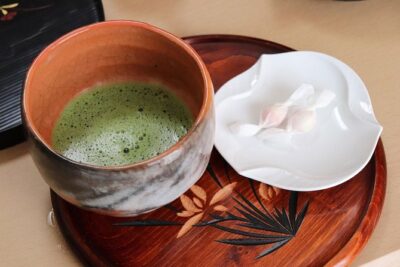
Private Kyoto Sushi Cooking Class & Tea Ceremony with Emika
Read our review →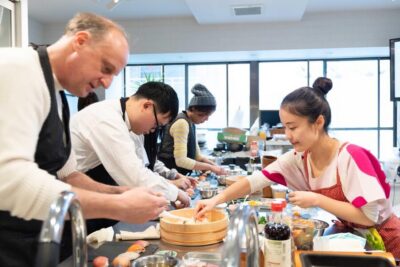
Enjoy Sushi & Market Tour! Best for Family & Couple!
Read our review →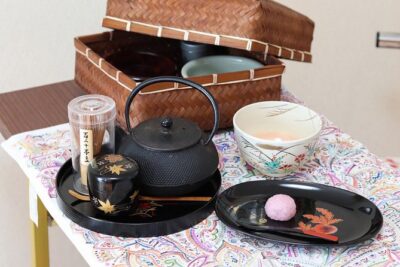
Sushi or Traditional Japanese Cuisine in a Kyoto Home with Emika
Read our review →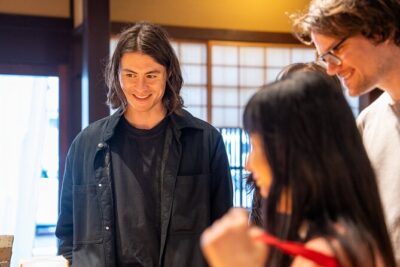
Kyoto Sushi Making Experience with a Professional Sushi Chef
Read our review →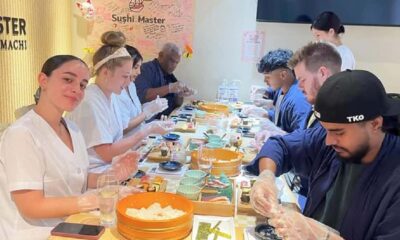
Browse the lists this tour appears in