
Reviewed · KYOTO CRAFT WORKSHOPS
Shibori Fukusa Course at Kyoto Shibori Museum
The best part of this Kyoto class is that you do not just look at shibori, you shape a silk piece yourself. Using a stand, you work with Kasamaki winding and Nuishime stitching, then see how those choices create the pattern in the dyed fabric.
I like the small group of eight and the chance to inspect museum pieces while your scarf dries. I also like the location, just a five-minute walk from Nijo Castle, and the included museum admission, normally 1,000 yen. The main consideration is time: one hour passes quickly, so this is a short introduction rather than a full textile course.
Key points
- Make a silk scarf: Use winding and stitching methods before the fabric is dyed.
- Work at a shibori stand: The stand gives you a practical way to handle the fabric as you shape it.
- See the museum while your piece dries: Study shibori works, tools, samples, and art pieces during the waiting time.
- Keep the group small: No more than eight participants take part in the class.
- Use the included museum entry: Workshop participants receive admission that normally costs 1,000 yen.
- Shop for Kyoto textiles: The museum shop carries original items, souvenirs, and fabrics.
A Hands-On Start Near Nijo Castle
The Kyoto Shibori Museum sits about five minutes on foot from Nijo Castle, making this an easy add-on to a day in central Kyoto. You can pair the class with the castle, then shift from grand architecture to a close look at one traditional textile craft.
The museum opened in 2001 and focuses on shibori, a family of resist-dyeing methods. The basic idea is simple: parts of the fabric are wrapped, sewn, folded, or otherwise protected before dye reaches the cloth. The small workshop lets you see that principle through your own hands rather than only through a display case.
The class lasts about one hour. The practical work itself is described as taking 30 to 60 minutes, so the exact pace can depend on the session and how quickly you complete the steps. Do not expect a long lecture or a full-day craft retreat. This is a compact introduction designed to fit into a sightseeing schedule.
More craft workshops in Kyoto:
- Kyoto : Chopsticks Making Workshop in Gion with Engraving Option
★ 5.0 · 958 reviews - Authentic knife making experience at a blacksmith in Kyoto
★ 4.8 · 350 reviews - Roketsu dyeing experience: M course Roketsu Dyeing Experience
★ 5.0 · 163 reviews
Shaping Silk With Kasamaki and Nuishime
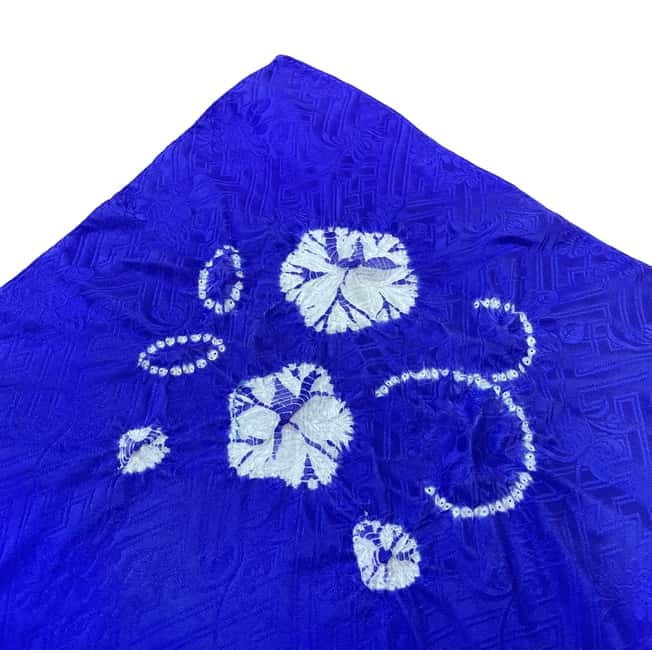
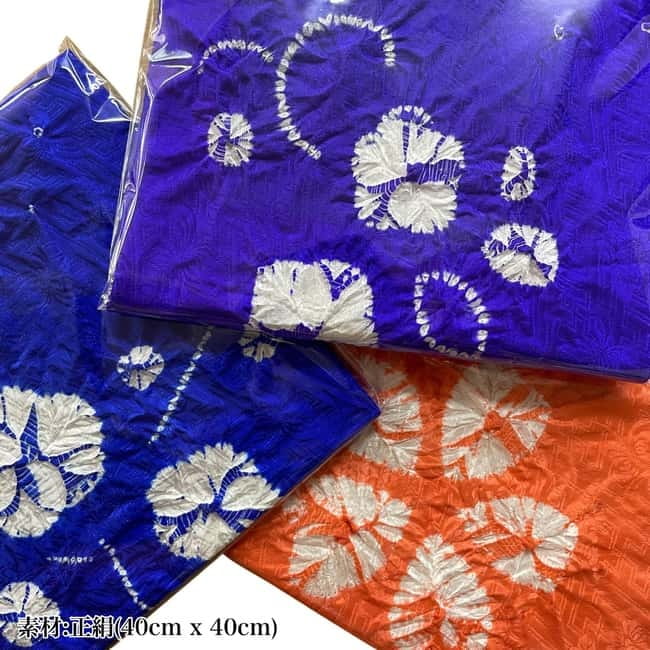
Your material is silk fabric with a background pattern already present. You use two specific techniques before dyeing it: Kasamaki shibori, the winding method, and Nuishime shibori, the sewing method.
The winding technique changes how the cloth is gathered and protected. The sewing technique adds another kind of control, giving you a different way to affect the final pattern. You work with both methods on a shibori stand, which makes the process more orderly than trying to manage the fabric loose in your lap.
This is where the workshop earns its place on a Kyoto itinerary. You are not simply buying a finished scarf from a shop. You make choices that affect the cloth, then see the result after dyeing. The finished design will carry the marks of the winding and stitching work, so the activity has a personal element even within a short class.
The instructions are available in English and Japanese. No guide names are provided, but the teaching style is described as lively, kind, and passionate. That matters in a craft class, where clear demonstrations and patient help are more useful than a long explanation of terminology.
Waiting for the Dye, Then Seeing the Museum
After the hands-on portion, your piece needs time to dry. This waiting period is not dead time. Workshop participants receive free admission to the museum, normally priced at 1,000 yen, so you can use it to examine the collection.
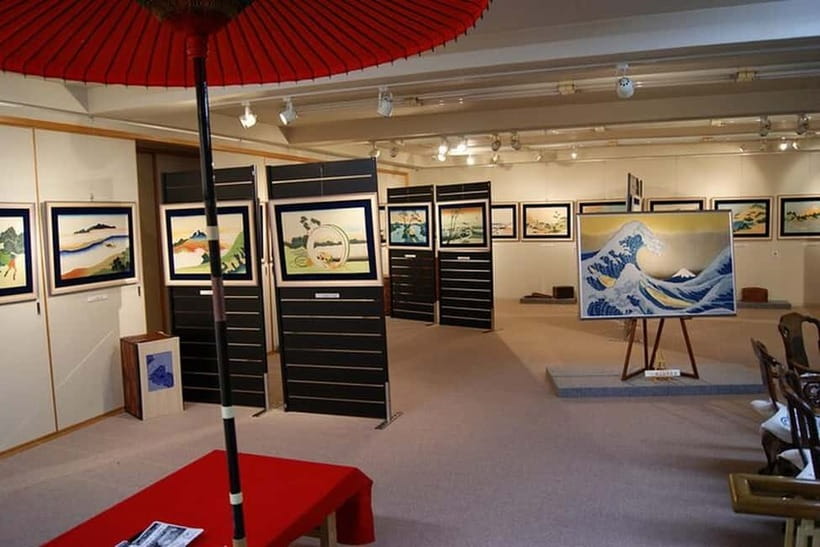
The museum presents shibori works, samples, and art pieces from different angles. You can also see valuable tools used in the process. These displays help connect the simple actions in your class with the larger craft tradition. After winding or stitching one small section of silk, you will have a better sense of why tools, tension, and pattern matter.
The museum is a useful part of the experience, but keep your expectations in check. The supplied information does not give a detailed floor plan or state how large the collection is. You should think of it as a focused specialty museum, not a major all-day institution.
The drying period also gives you a chance to look closely at examples before you shop. Notice how different arrangements of folds, stitches, or wrapped cloth can produce very different results. Your own scarf may not resemble the most elaborate museum pieces, and that is part of the point. The class shows you the first steps behind the finished art.
Why the Small Group Matters
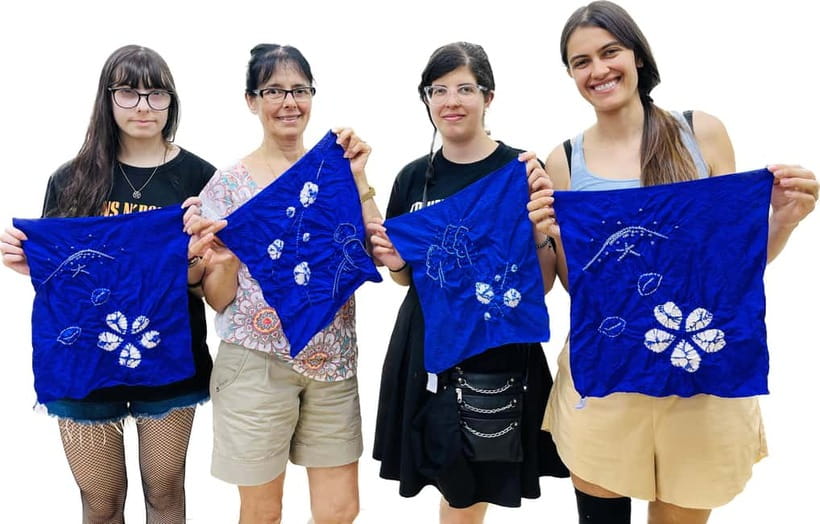
The class is limited to eight people. That is a useful size for a craft activity because you may need help with the stand, the fabric, or the stitching technique. A group of eight also keeps the session more personal than a large demonstration.
A small group does not guarantee that every participant will move at the same speed. If you are careful with textile work, you may want more time than the one-hour format allows. If you prefer a relaxed, guided activity with a clear finish, the short schedule should suit you well.
The class is also a good choice for mixed-interest groups. One person can enjoy making the scarf while another spends more time studying the displays and browsing the shop. Since the museum admission is included for workshop participants, the non-workshop value is built into the booking rather than treated as a separate add-on.
More museums in Kyoto:
- Kyoto: Tea Museum Tickets and Matcha Grinding Experience
★ 4.9 · 739 reviews - Skip the lines Basic Ticket at SAMURAI NINJA MUSEUM KYOTO
★ 4.5 · 632 reviews - Kyoto : Geiko Maiko Dance of Kyoto & Visits of Gion Museum
★ 4.6 · 415 reviews - Kyoto Sword Experience – includes Museum Ticket/Ninja Experience
★ 4.5 · 149 reviews
What the $70 Price Gets You
At $70 per person, this is not the cheapest souvenir activity in Kyoto. You are paying for a structured craft lesson, the silk fabric, instruction, use of the shibori stand, and museum admission. The included entry normally costs 1,000 yen, which improves the overall value.
I would judge the price by what you want from the hour. If you mainly want a low-cost scarf, the museum shop may offer a simpler way to take home a textile. If you want to understand how the pattern is made and leave with something connected to your own work, the class makes more sense.
The experience also gives you access to original items, souvenirs, and fabrics in the museum shop. That does not mean every item will fit your budget, so plan to browse without assuming the workshop price covers purchases. The shop is best seen as a place to compare finished work with the techniques you just used.
Best Fits and Possible Drawbacks
I would recommend this for anyone interested in Japanese textiles, hands-on art, or a short activity near Nijo Castle. It should also suit visitors who prefer a small class to a large group demonstration. The English option makes it accessible to people who do not speak Japanese.
Families and couples may like the shared activity, though the provided information does not specify a minimum age or special child arrangements. I would confirm those details before booking for young children. The same applies to anyone who needs particular accessibility support, since no accessibility information is provided.
The main drawback is the limited time. Shibori is a detailed craft, and an hour can only introduce the methods. You will learn the basic actions and make your own piece, but you should not expect advanced instruction, a long cultural talk, or time to test many designs.
The second consideration is that the outcome depends on the work you do before dyeing. If you want a perfectly controlled pattern, this may feel less predictable than buying a finished scarf. If you like the evidence of the maker’s hand, that uncertainty is part of the appeal.
Making It Fit Into Your Kyoto Day
The five-minute walk from Nijo Castle is the clearest planning advantage. You can visit the castle before or after the workshop, then keep the museum as a focused stop rather than crossing the city for a single activity.
Check the available starting times before building your day around it. The experience lasts one hour, but you should allow enough extra time to arrive, complete the class without rushing, view the museum, and browse the shop. The exact class work may take 30 to 60 minutes, so your total stop could vary.
Booking is flexible: you can reserve now and pay later, and cancellation is free up to 24 hours before the activity for a full refund. Those terms help if your Kyoto schedule is still shifting, though the class is small and limited to eight people, so I would not wait too long if a particular time suits your plans.
Should You Book the Shibori Fukusa Course?
Book it if you want a personal souvenir, a short introduction to Japanese textile craft, and a museum visit in one stop. The best value comes from combining the silk-making activity with the included 1,000 yen admission and the convenient Nijo Castle location.
Skip it if you want an advanced workshop, a long class, or a guaranteed polished result. For most visitors, though, the small group, English or Japanese instruction, hands-on use of Kasamaki and Nuishime techniques, and access to the museum make this a thoughtful one-hour Kyoto experience.
FAQ
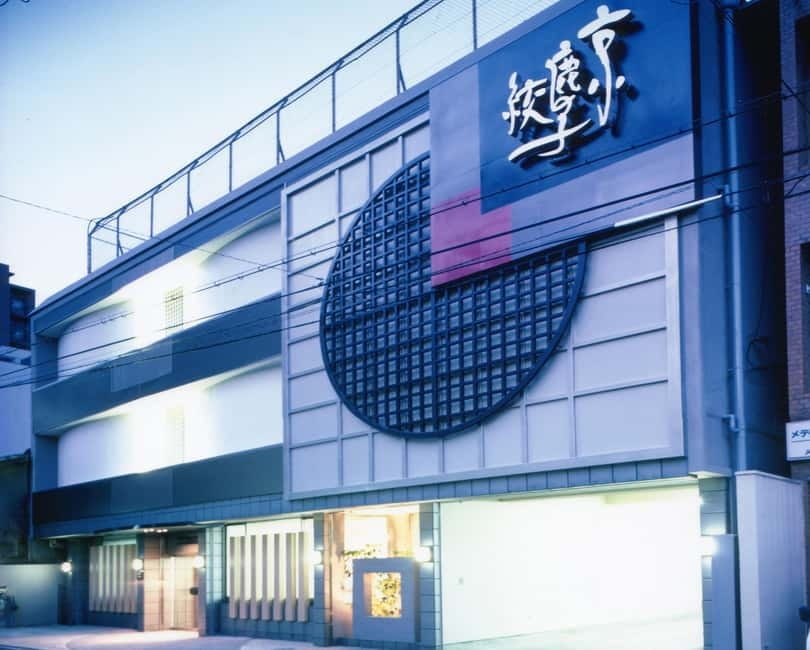
Where is the Kyoto Shibori Museum?
The museum is about a five-minute walk from Nijo Castle in Kyoto, on Japan’s main island of Honshu.
How long does the shibori course last?
The activity lasts one hour. The hands-on class is described as taking about 30 to 60 minutes.
What will I make during the course?
You will make your own shibori scarf using silk fabric with a background pattern.
Which shibori techniques are used?
The class uses Kasamaki shibori, a winding technique, and Nuishime shibori, a sewing technique.
Is museum admission included?
Yes. Workshop participants receive free admission to the Kyoto Shibori Museum. Admission normally costs 1,000 yen.
What languages are available?
The instructor can teach in English or Japanese.
How large is the class?
The activity is limited to eight participants, making it a small-group experience.
Can I cancel the booking for a refund?
Yes. You can cancel up to 24 hours in advance for a full refund. You can also reserve now and pay later.
Newest Kyoto experiences on the site
- Treasures of Kyoto: Gion & historical Walking Tour★ 5.0 · 6 reviews
- Whisk Your Own Matcha: A Zen Matcha Experience at Temple★ 3.6 · 7 reviews
- Kyoto tea town for matcha lovers★ 5.0 · 16 reviews
- Uji: Private immersion into Kyoto’s tea and reglious culture★ 5.0 · 17 reviews
- Kyoto Matcha Green Tea Tour★ 4.5 · 23 reviews
- Uji and Wazuka Matcha Farm Half Day Private Guided Tour★ 5.0 · 21 reviews
- Utilising upcycled Matcha! Creating matcha incense (Uji, Kyoto)★ 5.0 · 6 reviews
- Sacred Temple Yoga Experience in Japan★ 5.0 · 3 reviews
Kyoto Craft Workshops, compared.
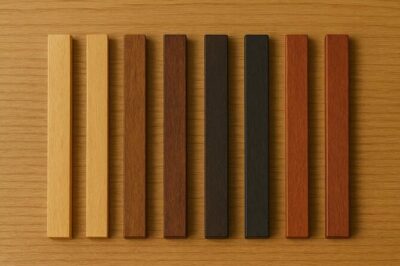
Chopsticks Making Workshop in Gion with Engraving Option
Read our review →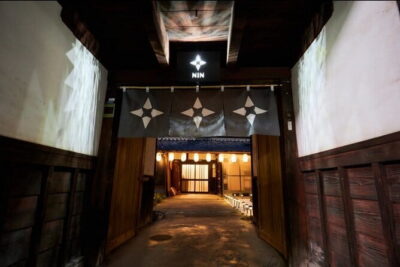
Authentic knife making experience at a blacksmith in Kyoto
Read our review →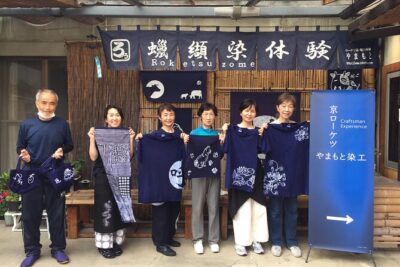
Roketsu dyeing experience: M course Roketsu Dyeing Experience
Read our review →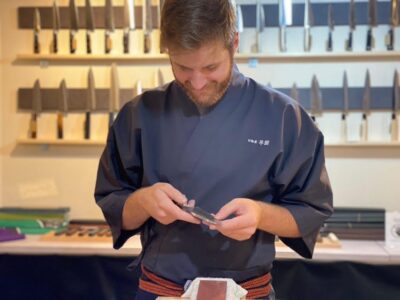
Beginner Knife Sharpening & Handle Fitting Workshop
Read our review →
Japanese Archery Workshop with Experienced Instructor
Read our review →
Kyoto Michelin Ramen Workshop or Painting Ramen Essentials
Read our review →
Browse the lists this tour appears in