
Reviewed · FUSHIMI INARI TOURS
Osaka/Kyoto:Kinkakuji,Arashiyama,FushimiInariShrine,NaraPark
Nara’s free-roaming deer, Kyoto’s golden pavilion, the Bamboo Grove, and Fushimi Inari’s long tunnel of red gates make this a very full introduction to the Kansai region. You cover four major sights without puzzling out several train lines, which is the main reason to book it.
I like the strong mix of temples, nature, and local life, and I like the air-conditioned bus that lets you rest between stops. Guides such as Harry, Gary, Mike, and Tracy have been praised for clear meeting instructions, history lessons, photos, and good humor. The tradeoff is simple: this is a packed day, and Arashiyama can feel rushed, especially with the Kobe beef lunch.
Key points
- Four major sights in roughly nine hours: Visit Nara Park, Todai-ji, Arashiyama, Kinkaku-ji, and Fushimi Inari in one carefully timed circuit.
- Nara starts with deer and a giant Buddha: See free-roaming deer, then visit Todai-ji, home to a 15-meter Great Buddha. The temple admission costs extra.
- Arashiyama time depends on lunch: The lunch option gives you 60 minutes in Arashiyama, while the no-lunch option gives you 120 minutes.
- Kinkaku-ji admission is included: The gold-leaf pavilion and its pond are among the day’s easiest photo stops.
- The bus removes much of the transport hassle: You can begin in Osaka or Kyoto and finish in either Kyoto or Osaka, depending on the option booked.
- This suits efficient sightseers: Expect walking, crowds, strict departure times, and about 21,000 steps on some days.
Four famous sights, one very busy day
At $66 per person, this is a practical way to connect four major attractions that sit across Osaka, Kyoto, and Nara. Doing the same route by public transport would require planning several separate journeys, watching the clock, and finding each entrance on your own.
The day lasts about nine hours, though traffic and group delays can change the schedule. Some departures from Kyoto have been closer to eight and a half hours, while long Osaka days can stretch from an early morning start to around 7:30 p.m.
You meet at a designated VIP Lounge or other stated meeting point, depending on the booking choice. The exact location matters. The bus and guide are assigned to that meeting point, and arriving at another location can mean missing the tour without a refund. I would save the meeting address, arrive early, and avoid changing plans at the last minute.
The bus is air-conditioned, which matters after several hours of walking. It does not have USB ports, so charge your phone before departure and carry a small battery if you want photos throughout the day.
More ways to walk the Fushimi Inari gates:
- Kyoto: Fushimi Inari, Kinkakuji, Bamboo Grove 1 Day Bus Tour
★ 4.8 · 4,316 reviews - Fushimi Inari Hidden Hiking Tour (Private Option Available)
★ 5.0 · 1,750 reviews - Kyoto/Osaka: Nara, Fushimi Inari Taisha, Arashiyama Bus Tour
★ 4.7 · 1,275 reviews
Nara Park and Todai-ji: deer first, Buddha second
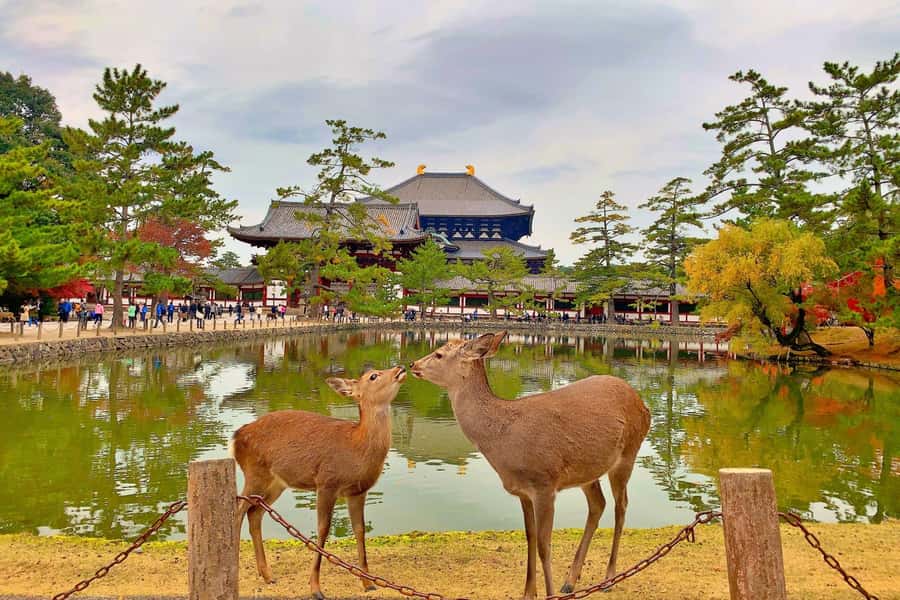
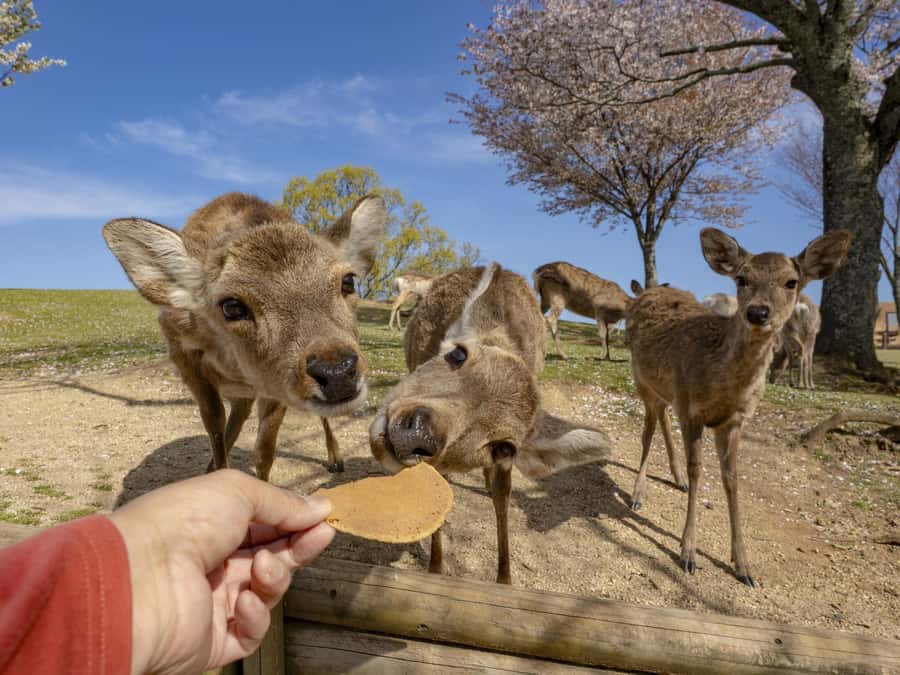
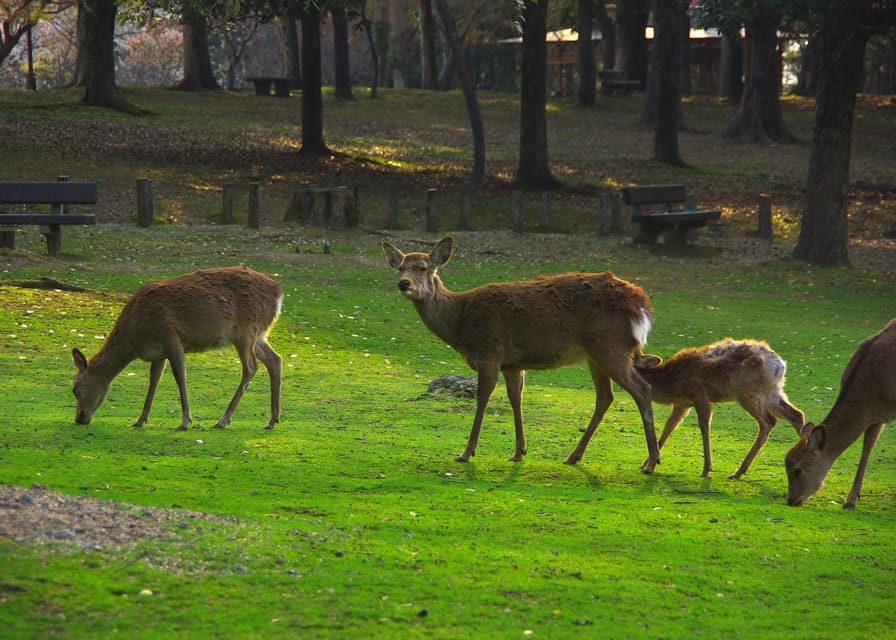
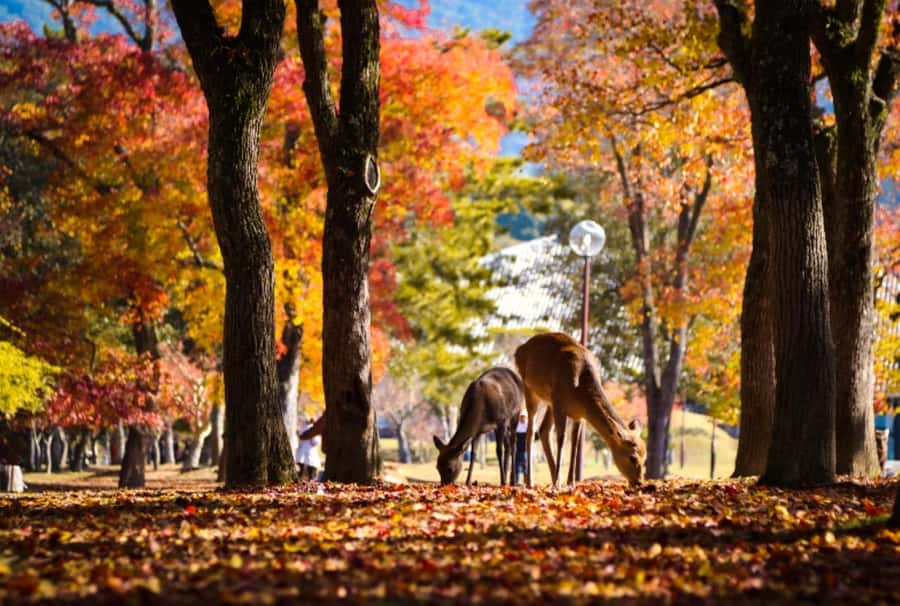
The route begins at Nara Park, where deer roam freely around the historic grounds. They are associated with the city, but they are still wild animals. Treat them calmly and do not disturb them.
The deer make this an easy stop to enjoy even if you know little about Japanese history. You can watch them moving through the park and take photographs, but keep your attention on the animals rather than treating them like tame pets.
Todai-ji follows, and this is one of the day’s major cultural stops. The temple is a UNESCO World Heritage site and is famous for its immense wooden structure and 15-meter-tall Great Buddha. The scale is the point. Even a short visit gives you a clear sense of why this building and statue are so important.
Todai-ji admission is not included, so bring money for the entrance fee. The tour provides transport and commentary, but you pay separately at the temple.
Starting in Nara works well. The park is often more pleasant before the day’s crowds build, and the open setting gives you room to move around. The limitation is time. If Nara is your main reason for visiting the area, you may wish for longer here. Some people would gladly trade part of Arashiyama for extra time beside the deer and at Todai-ji.
The Kobe beef lunch choice
Travelers departing from Osaka can select the Kobe Beef Shabu-Shabu lunch. The meal comes with an explanation of Kobe beef and the strict standards attached to this famous Wagyu style. The meat is finely textured and heavily marbled, with fat that softens as it cooks in the hot broth.
The lunch stop lasts 50 minutes, followed by 60 minutes in Arashiyama. That is enough for a structured meal and a short walk, but it leaves little room for browsing shops or making a long visit through the Bamboo Grove.
Kobe beef aburi sushi may also be available for an extra charge on the day. That purchase is optional and should not be confused with the included tour price.
I see the lunch choice as a question of priorities. Pick it if you want an easy meal and a special Japanese food experience without finding a restaurant during a tight schedule. Skip it if Arashiyama matters more to you. The no-lunch version gives you 120 minutes there, twice as much time for the grove, shops, food stalls, and nearby streets.
The lunch option is available for departures from Osaka only, according to the supplied details. If you start in Kyoto, check the exact booking choice before assuming the meal is included.
Arashiyama and the Bamboo Grove
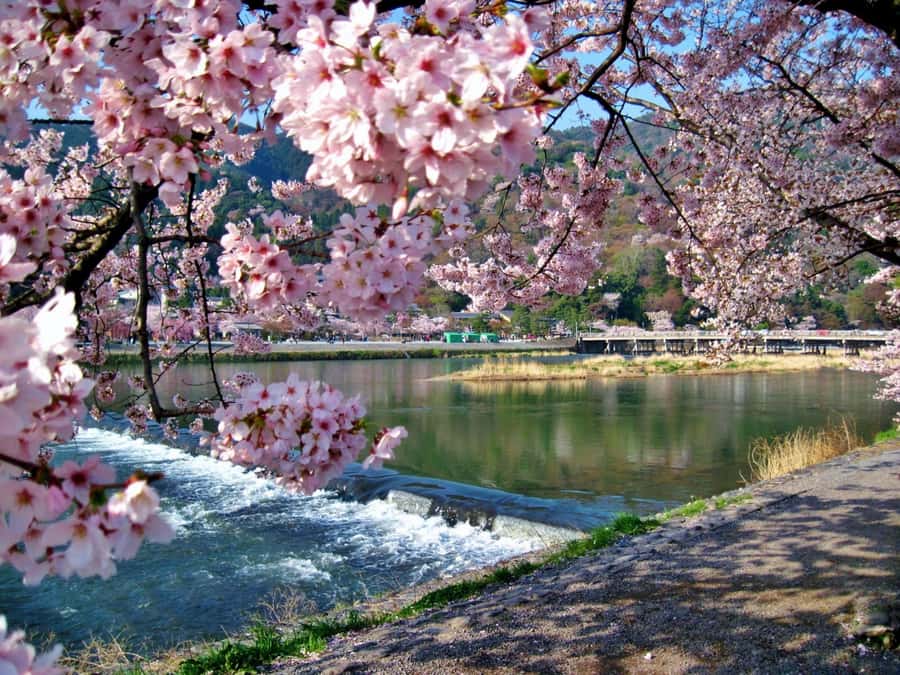
Arashiyama brings a different mood from Nara’s deer park and Todai-ji’s enormous hall. The Bamboo Grove is a narrow path framed by tall green stalks, with sunlight filtering between them. It is one of Kyoto’s most recognizable scenes, but its fame also means crowds can make the path feel less peaceful than photographs suggest.
With lunch, you receive 60 minutes in Arashiyama. Without lunch, you have 120 minutes. That difference is significant. One hour can cover the main bamboo path and a few photographs, but it may not leave time for relaxed shopping or a proper meal.
Two hours gives you a better chance to walk at an ordinary pace. You can browse local shops, choose your own lunch, and spend more time around the bamboo. Even then, you need to watch the bus departure time closely.
Some guides take the group through a shorter or quieter route in Arashiyama, but this depends on the guide and the conditions that day. Guides praised for being helpful and organized include Harry, Gary, Mike, Tracy, Panda, and others, though the assigned guide is not guaranteed. The guide may lead you to the main entrance and then give you free time, or offer to accompany the group.
This is one stop where clear instructions matter most. Arashiyama has several paths and busy meeting areas. Listen carefully to the departure point and take a quick photograph of the bus location if allowed. A beautiful detour is not worth missing the ride.
More trips out to the Golden Pavilion:
- Kyoto: Nijo, Kinkaku-ji, Arashiyama, Kiyomizu & Fushimi Inari
★ 5.0 · 699 reviews - Kyoto: Kinkakuji, Golden Pavilion Guided Tour
★ 4.7 · 71 reviews - Kyoto top must-see Golden pavilion and Bamboo forest half-day Private tour
★ 5.0 · 52 reviews - Kyoto Bamboo Forest & Golden Pavilion E-Bike Tour
★ 5.0 · 50 reviews
Kinkaku-ji, Kyoto’s Golden Pavilion
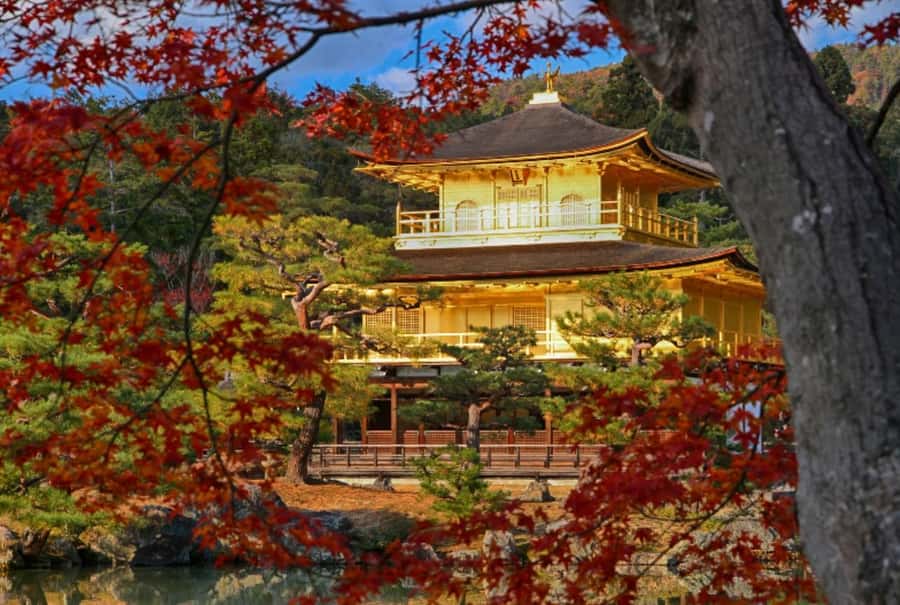
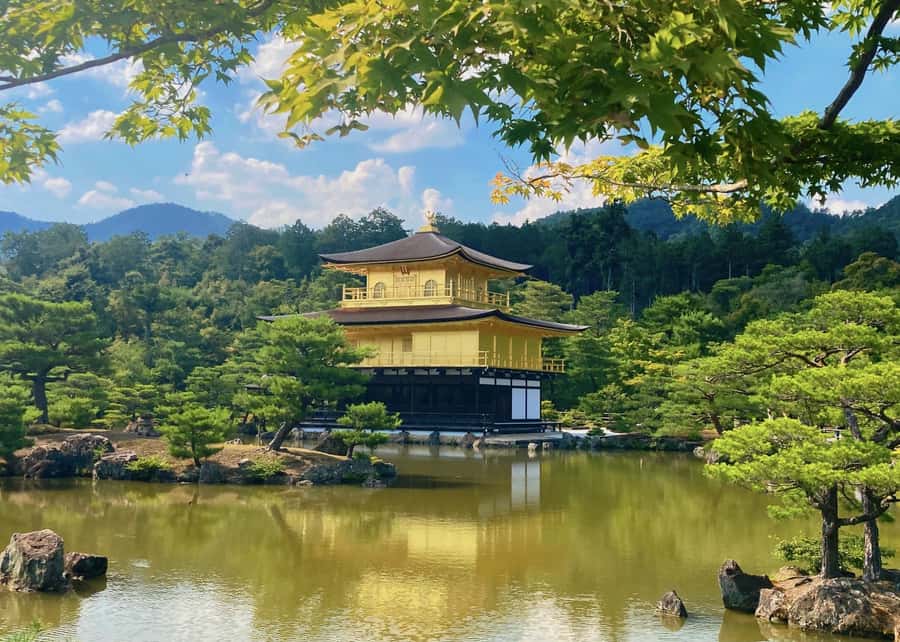
Kinkaku-ji, also called the Golden Pavilion, is a UNESCO World Heritage site and one of Kyoto’s most instantly recognizable buildings. Its gold-leaf exterior reflects in the pond, while the surrounding gardens give the visit a calmer frame.
Admission to Kinkaku-ji is included, which adds real value to the $66 price. You do not need to arrange a separate ticket, and the stop is straightforward: follow the route through the grounds, take in the pavilion from the viewing area, and continue with the group.
The visit is more about the overall scene than entering the pavilion itself. You see the structure from outside and walk through the garden setting. Afternoon light can make the gold appear especially bright, though the exact effect depends on weather and crowd levels.
This stop is well suited to a tight itinerary because the main view is easy to reach. You can get a memorable photograph without spending half a day there. If Kinkaku-ji is your top priority, consider returning independently on another day for a slower look at the grounds.
Fushimi Inari and the vermilion gates
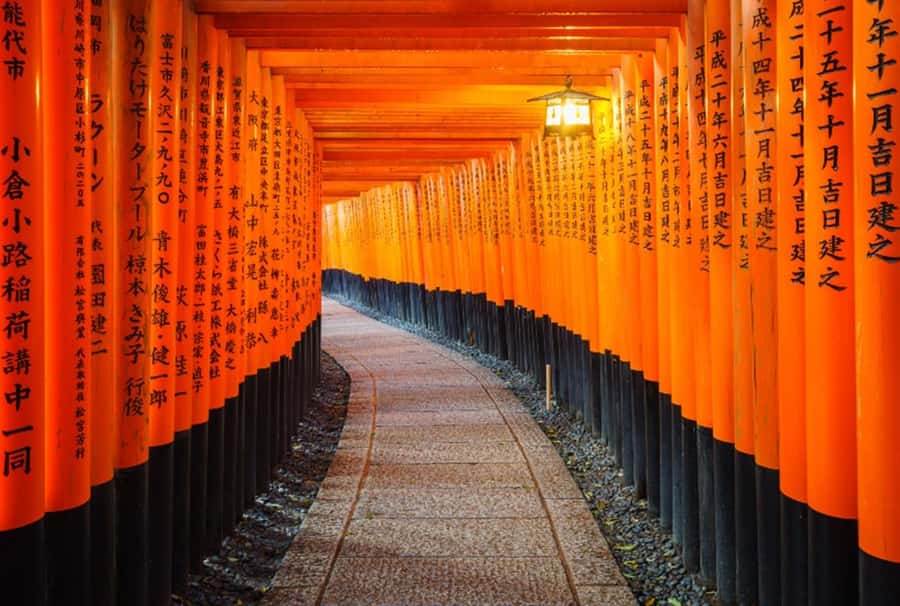
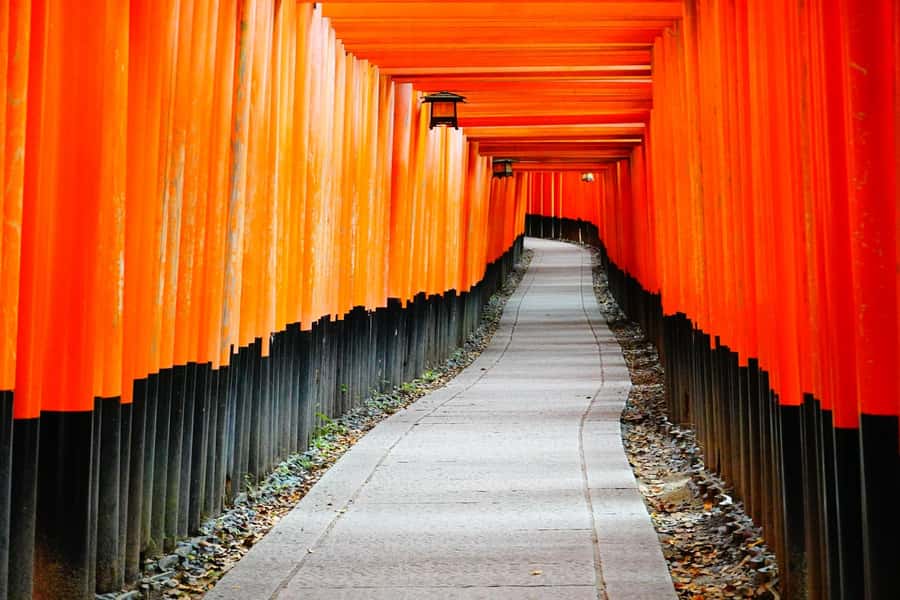
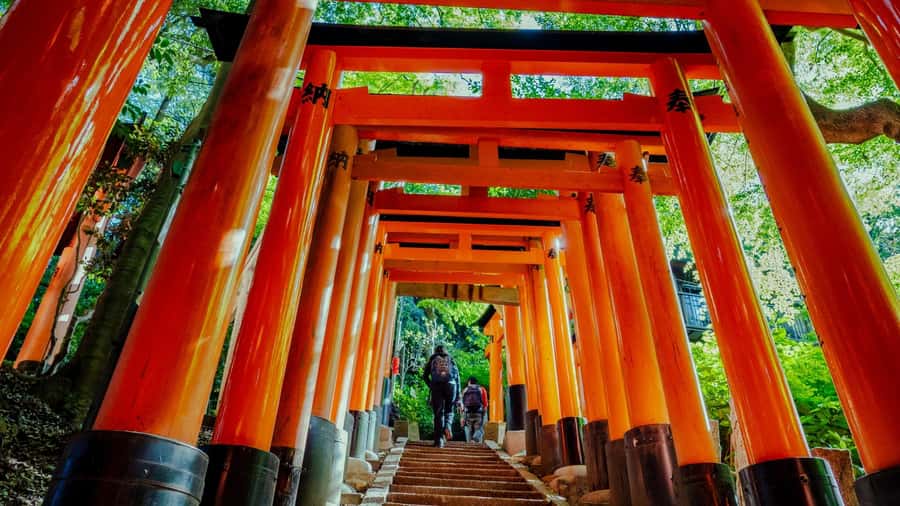
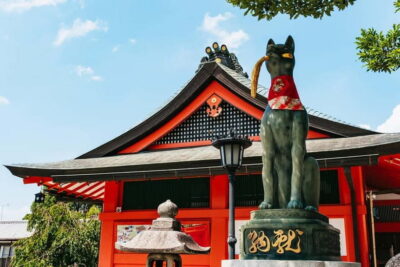
The final major stop is Fushimi Inari Taisha, a Shinto shrine associated with prosperity, household safety, and success. Its most famous feature is the long tunnel of thousands of vermilion torii gates climbing Mount Inari.
You do not need to walk the entire mountain to understand the appeal. Even the lower section gives you the repeating gates, dark passageways, and strong color that make the shrine so famous. If you want to walk farther uphill, keep an eye on the time. The trail continues well beyond the first photo stops, but this tour must return to the bus.
Fushimi Inari is also a working religious site, not just a photo backdrop. Move respectfully, avoid blocking paths, and follow the guide’s instructions around shrine buildings and meeting points.
Placing Fushimi Inari near the end makes sense for the day’s rhythm, but it can also test tired legs. You may already have spent hours walking through Nara, Arashiyama, and Kinkaku-ji. Comfortable shoes are more important here than stylish footwear.
Guides, group size, and the pace
The guide can make or break a day with this much movement. The strongest feedback centers on guides who explain history on the bus, repeat meeting times, prepare route notes or photo booklets, take pictures, and show the group where to go.
Harry is noted for humor and clear explanations. Gary is praised for preparation, strong English, and helping people find appealing spots. Mike is described as friendly and full of historical details, while Tracy is remembered for keeping the group together and making the day interactive. Panda and other guides have also been singled out for warm, helpful service.
Your guide may be someone else. The tour uses English or Chinese, and commentary may be given in both languages when the group is large. That can lengthen explanations and make the day feel less personal.
Group size is another practical point. A full bus keeps the price low, but busy locations can split the group. The guide may lead you to an entrance and then give you free time, so you must remember where and when to meet again. One person arriving late can delay everyone, and the bus does not wait for late arrivals.
I would set an alarm for every return time and keep the guide’s phone number available during business hours. The stated contact hours are 9:30 a.m. to 6 p.m. Japan Standard Time on weekdays, so do not rely on last-minute help outside those hours.
How much walking should you expect?
This is not a sit-back-and-watch-the-sights tour. You walk through a large park, a temple complex, a bamboo path, a garden, and a shrine trail. One account estimates about 21,000 steps, though your total depends on how far you walk at each stop.
The day can feel tiring by the final shrine. That is normal for a schedule designed to cover four destinations. Wear supportive shoes, carry water, and bring weather protection. The air-conditioned bus gives you rest, but it does not remove the walking between the bus and each attraction.
The tour can work for families because the bus removes the need to transfer between trains and stations. Still, parents should prepare children for long waits, strict departure times, and a full day away from the hotel. The deer are exciting, but the temple and shrine visits require attention and patience.
What the $66 price really buys
The $66 price covers the air-conditioned vehicle, English or Chinese guide, taxes, handling charges, and Kinkaku-ji admission. It does not cover Todai-ji admission, hotel pickup, or drop-off.
The strongest value is the transport. You are paying to connect Osaka or Kyoto with Nara and several Kyoto sights in one day, without arranging the route yourself. The price is especially sensible if you have only one free day and want a broad sample of the region.
The value drops if you prefer slow temple visits, quiet paths, or long meals. Independent transport would give you more control, but it would also demand more planning and may not be simpler once you add local fares and entrance tickets.
Cancellation is allowed up to 24 hours before departure for a full refund. If extreme weather or a natural disaster cancels the tour, a full refund is provided. The tour can also make extra stops or adjust timing because of traffic and other conditions, so treat the schedule as a firm framework rather than a minute-by-minute promise.
Who should book this day trip?
I would choose this tour if you are based in Osaka or Kyoto, have one open day, and want to see the region’s headline sights with minimal transport planning. It suits first-time visitors, solo visitors, families who prefer a private bus over several train rides, and anyone who wants a guide to explain what they are seeing.
It is also a good choice if you like an efficient schedule. You will see deer, a giant Buddha, bamboo, a gold pavilion, and thousands of torii gates in one day. Few independent routes offer that range without careful planning.
I would hesitate if you want a slow visit to Nara, a long walk through Arashiyama, or a quiet experience at Fushimi Inari. The lunch option makes Arashiyama shorter, and even the no-lunch itinerary gives you only two hours there. Crowds, traffic, and a full bus are part of the bargain.
Should you book it?
Book it if your goal is maximum sightseeing with minimum transport stress. The included Kinkaku-ji ticket, comfortable bus, helpful guide structure, and Osaka to Kyoto flexibility make $66 a fair price for a demanding but useful day.
Skip it if you already know these places well or want time to linger. For a first visit with limited time, though, this is a sensible way to connect Nara and Kyoto’s biggest sights. Just arrive early, wear good shoes, charge your phone, and accept that the day ends with tired legs.
FAQ
How long does the tour last?
The tour is approximately nine hours, though traffic, group delays, and other conditions can change the total time. Some Kyoto departures may be closer to eight and a half hours.
Can I start in Osaka or Kyoto?
Yes. The tour begins from a specified meeting point in Osaka or Kyoto, depending on the option you book.
Can I finish in Osaka or Kyoto?
Yes. You can choose to end in Kyoto or Osaka when that option is available for your booking.
Is hotel pickup included?
No. Hotel pickup and drop-off are not included. You must reach the assigned meeting point.
Is lunch included?
Lunch is included only when you select the lunch option. For Osaka departures, that option features Kobe Beef Shabu-Shabu. The no-lunch choice gives you free time to eat in Arashiyama.
How much time do I get in Arashiyama?
With the lunch option, you receive 60 minutes in Arashiyama after 50 minutes for lunch. Without lunch, you receive 120 minutes in Arashiyama.
Is the Todai-ji entrance fee included?
No. Todai-ji admission is not included and must be paid separately.
What languages are available?
The tour is offered with an English or Chinese-speaking guide. For larger groups, commentary may be provided in both languages.
What happens if I arrive late or go to the wrong meeting point?
The bus leaves promptly and cannot wait for late arrivals. The guide and bus are assigned to the selected meeting point, so arriving elsewhere may mean missing the tour without a refund.
More Day Trips to Nara
- Kyoto and Nara Day Trip from Kyoto
★ 4.5 · 445 reviews - Full Day Guided Tour to Kyoto and Nara from Osaka by Van
★ 5.0 · 420 reviews - Nara Afternoon Tour from Kyoto or Osaka
★ 4.5 · 390 reviews - From Kyoto: Nara Guided Morning Tour
★ 4.6 · 335 reviews
More Mornings in Arashiyama
- Kyoto Arashiyama Walking Tour: Bamboo, Monkeys, Gardens & Secrets
★ 5.0 · 1,216 reviews - Arashiyama Bamboo, Temple, Monkeys, or Secret Sake Brewery
★ 4.8 · 886 reviews - Kyoto: Arashiyama Bamboo Forest, Monkeys, Matcha & Temple Tour
★ 5.0 · 759 reviews - Osaka/Kyoto: Arashiyama, Nara & Fushimi Inari Shrine w/Lunch
★ 4.4 · 754 reviews
Newest Kyoto experiences on the site
- Treasures of Kyoto: Gion & historical Walking Tour★ 5.0 · 6 reviews
- Whisk Your Own Matcha: A Zen Matcha Experience at Temple★ 3.6 · 7 reviews
- Kyoto tea town for matcha lovers★ 5.0 · 16 reviews
- Uji: Private immersion into Kyoto’s tea and reglious culture★ 5.0 · 17 reviews
- Uji and Wazuka Matcha Farm Half Day Private Guided Tour★ 5.0 · 21 reviews
- Kyoto Matcha Green Tea Tour★ 4.5 · 23 reviews
- Utilising upcycled Matcha! Creating matcha incense (Uji, Kyoto)★ 5.0 · 6 reviews
- Sacred Temple Yoga Experience in Japan★ 5.0 · 3 reviews
Fushimi Inari Tours, compared.
Fushimi Inari, Kinkakuji, Bamboo Grove 1 Day Bus Tour
Read our review →
Fushimi Inari Hidden Hiking Tour (Private Option Available)
Read our review →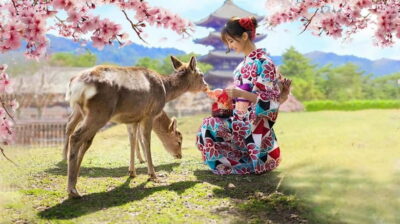
Nara, Fushimi Inari Taisha, Arashiyama Bus Tour
Read our review →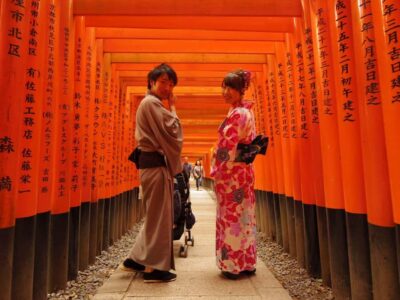
Arashiyama, Nara & Fushimi Inari Shrine w/Lunch
Read our review →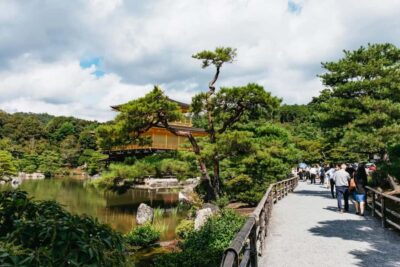
Nijo Castle, Kiyomizu & Fushimi Inari Guided Tour
Read our review →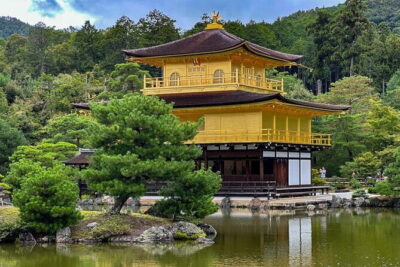
Nijo, Kinkaku-ji, Arashiyama, Kiyomizu & Fushimi Inari
Read our review →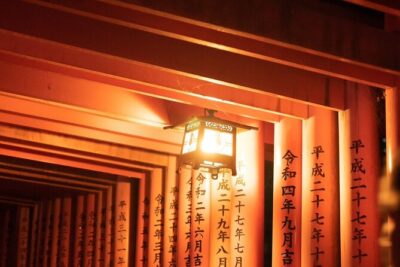
Browse the lists this tour appears in