
Reviewed · HIGASHIYAMA DISTRICT TOURS
Kyoto: Historic Higashiyama Walking Tour
Fushimi Inari’s vermilion torii gates are the star of this four-hour walk. You pass beneath a long run of gates on the mountainside, then connect the shrine to Gion, Kodaiji, Sannenzaka, and Kiyomizu-dera in one well-packed morning or afternoon.
I like the small group size, capped at 10, and the way the tour joins major sights with quieter Higashiyama lanes. I also like the practical touch of including both temple admissions and the short train ride to Gion. Guides including Damian, Ferdinand, Lito, and Hugo have brought strong knowledge of Japanese customs and history to the walk.
The tradeoff is simple: this is a hilly walking tour with many steps. You need comfortable shoes, and it is not suited to people with mobility impairments. On hot, humid days, the route can feel tiring.
Key points to know before you book
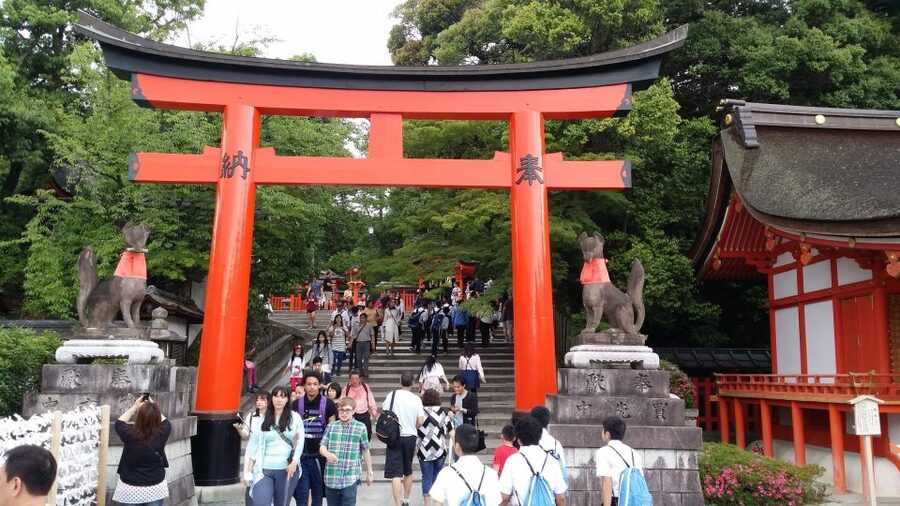
- Fushimi Inari comes first: Walk beneath the famous Senbontorii gates and learn about Shinto traditions at the shrine.
- A short train ride links the route: Your ticket from Fushimi Inari to Gion is included, saving you the trouble of arranging that connection.
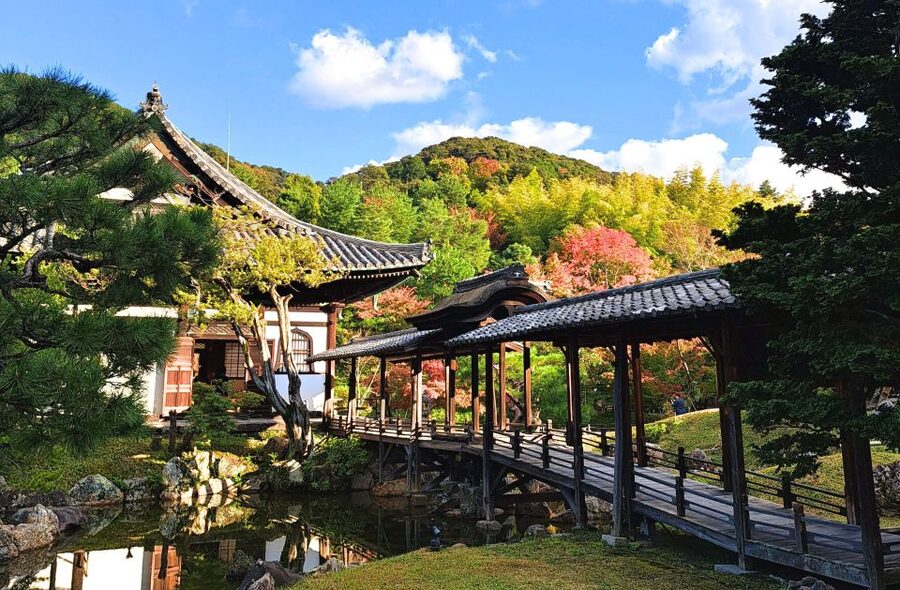
- Kodaiji offers a quieter pause: The early 17th-century temple includes gardens and a bamboo grove, with admission covered.
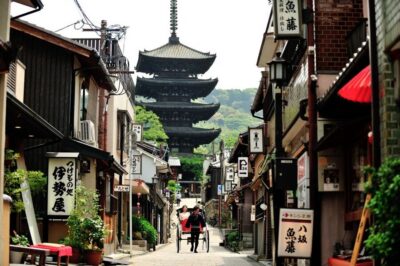
- Higashiyama is more than its headline temples: Sannenzaka and nearby backstreets add shops, snacks, small shrines, and old-style streets.
- Kiyomizu-dera ends the walk: Admission is included, and you can sample water from the three streams of Otowa Waterfall.
- The group stays small: With no more than 10 people and guides speaking English, French, Hebrew, or Spanish, questions are easier to ask.
Why this Kyoto walk works so well
Kyoto can feel like a list of disconnected sights. Fushimi Inari is south of central Kyoto, Gion is a short train ride away, and Kiyomizu-dera sits uphill in Higashiyama. This tour turns those separate stops into one continuous route.
You begin at JR Inari Station, just outside the fare gates. That is a useful meeting point because you do not need to search through a large temple complex or a crowded downtown street. Depending on where you are staying, the Keihan railway line may also be convenient, followed by a short walk to the JR station.
The route lasts four hours, which gives you enough time to hear the meaning behind the places you see without spending a full day on one district. You will still need to keep moving. This is an overview of southern Higashiyama, not a slow, private study of every temple and alley.
I see the small group as one of the tour’s best features. Ten people is small enough for a guide to answer questions and keep the pace together. Several guides are named for this experience, including Damian, Ferdinand, Lito, and Hugo. Their styles may differ, but the tour’s strongest quality is the chance to ask about religion, customs, history, food, and daily life as you walk.
More of the old streets around Higashiyama:
- Kyoto: Private Rickshaw Tour of Gion and Higashiyama Area
★ 5.0 · 144 reviews - Kyoto: Kiyomizudera, Higashiyama and Yasaka Discovery Tour
★ 4.8 · 17 reviews - Private Walking Tour in Gion and Higashiyama
★ 5.0 · 15 reviews
Under the red gates at Fushimi Inari
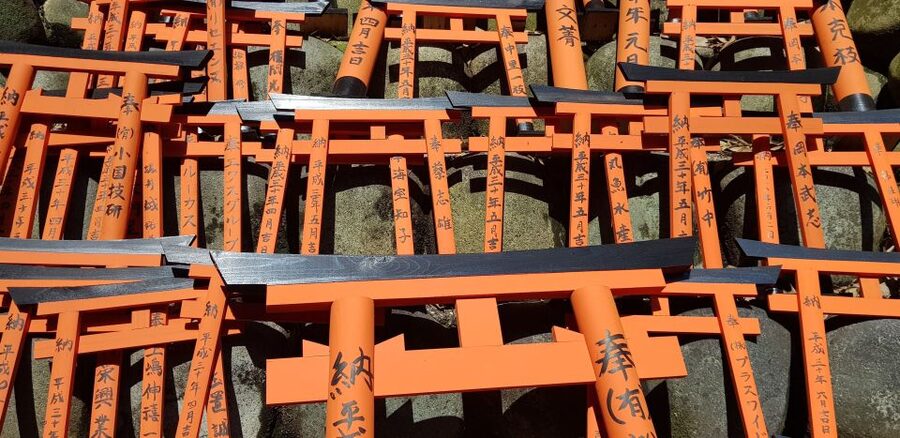
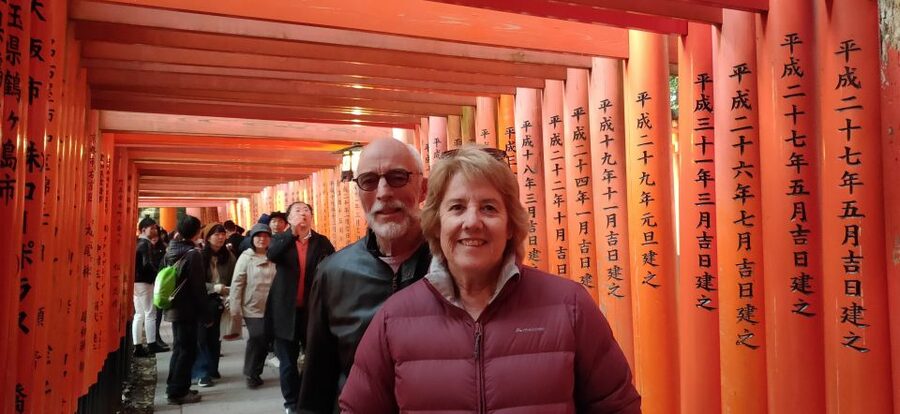
Fushimi Inari Taisha is a Shinto shrine at the southern end of the Higashiyama mountain range. Its approach is famous for rows of orange-red torii gates that climb the hillside. The Japanese name for the Senbontorii area means thousands of gates, and the effect is easy to understand once you are walking through the narrow, shaded passages.
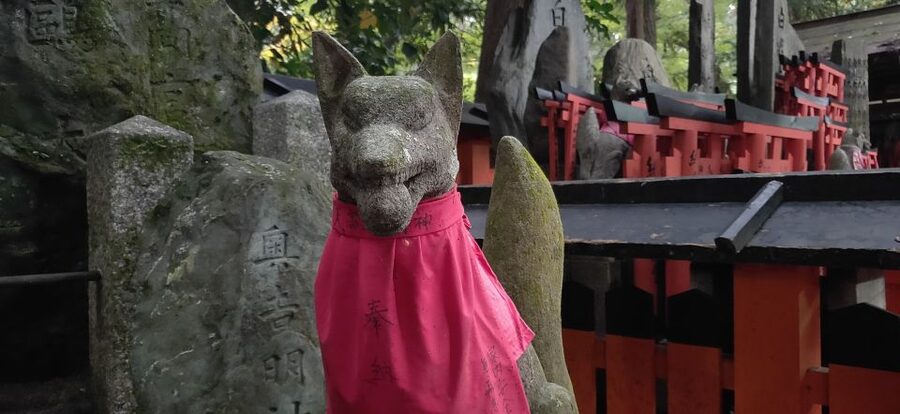
This is not simply a photo stop. Your guide explains the Shinto setting and helps you understand why gates are such a central part of the shrine. Fushimi Inari is dedicated to Inari, a figure associated with rice, agriculture, and prosperity, and fox images appear around the shrine as messengers. That context makes the stone figures, offerings, and gates more than decorative background.
The scheduled guided time here is about an hour, including the shrine and the torii-gate route. You will not hike to the highest point of the mountain. That matters because Fushimi Inari can be a much longer outing if you walk all the way uphill on your own.
Even so, expect stairs and an incline. The tour notes describe the uphill walking as manageable rather than especially steep, but the total route includes several hills. If you are visiting in summer, bring water and pace yourself. Food and drinks are not included, so plan to buy refreshments separately if needed.
Fushimi Inari is also the place where a guide adds real value. The visual impact is immediate, but the religious customs are less obvious. A guide can explain what you are seeing and help you avoid treating an active shrine like a movie set.
From Fushimi Inari to Gion by train
After Fushimi Inari, the group takes a short train ride to Gion. The ticket is included, so you can enjoy the change of scene without worrying about the fare or figuring out the connection during a guided walk.
Gion is Kyoto’s traditional entertainment quarter and remains part of modern city life. It is associated with geisha culture, evening dining, tea houses, and performance traditions, but it is not a museum district frozen in the past. Your guide helps separate the real customs from the simplified images many first-time visitors bring with them.
The guided portion in Gion lasts about 30 minutes. That is enough for an introduction and a walk through the area, but not enough to cover every lane or return later in the evening. Think of Gion as a bridge between the first shrine and the longer Higashiyama walk that follows.
This is also a good place to listen carefully to local etiquette. Gion is an active neighborhood, not merely a backdrop for photographs. The guide’s explanation gives you a better sense of how to look, where to walk, and why the district matters.
Kodaiji’s gardens and bamboo grove
From Gion, the route continues on foot into Higashiyama. Kodaiji Temple is one of the calmer stops, with about 40 minutes set aside for a guided visit. Admission is included.
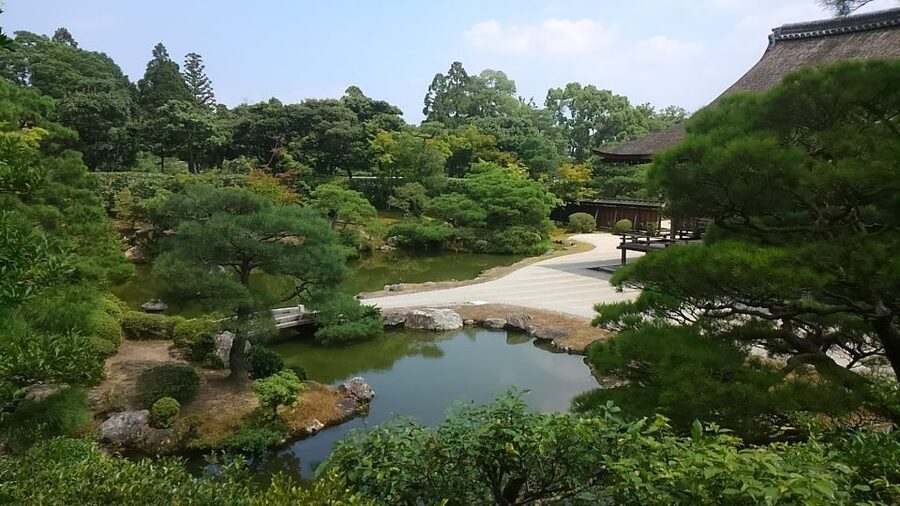
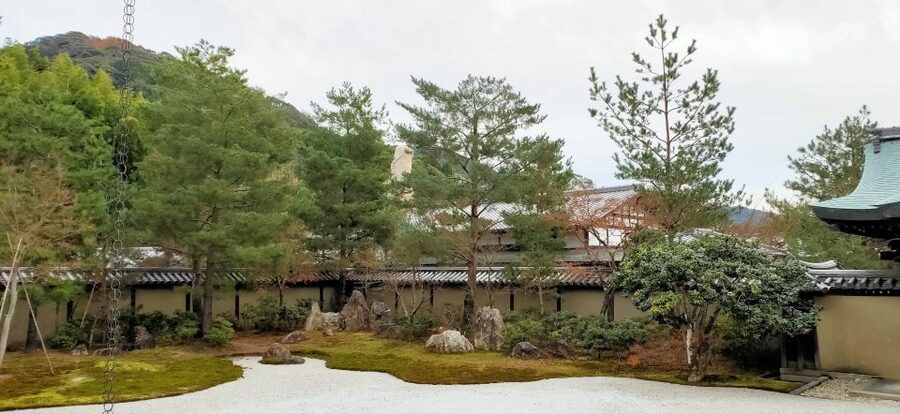
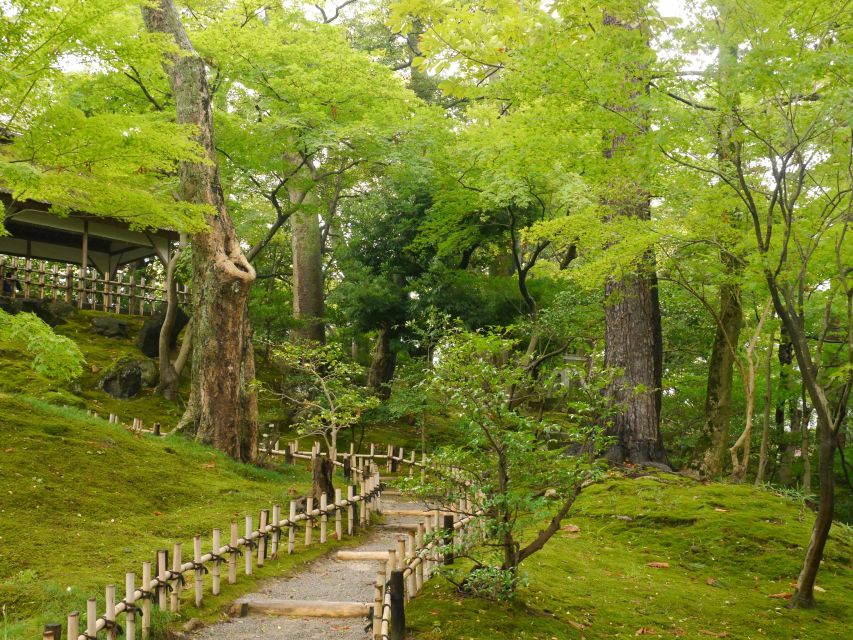
Kodaiji dates to the early 17th century and is known for its temple buildings, gardens, and bamboo grove. The gardens offer a welcome change after the bright gates and busy shrine approach at Fushimi Inari. Here, the pace becomes quieter and the setting gives you room to notice design, space, and the relationship between buildings and plants.
I like this stop because it helps the tour avoid becoming a parade of famous names. You get one major shrine, one traditional entertainment quarter, one temple with gardens, and then the grand finish at Kiyomizu-dera. That mix gives you different views of Kyoto’s religious and cultural life.
The bamboo grove at Kodaiji is not presented as a replacement for every other famous bamboo attraction in Japan. Its value here is that it forms part of the temple visit and sits within a broader setting of gardens and religious buildings. You are not spending hours chasing one photo spot.
The route from Kodaiji toward Sannenzaka continues uphill. Take your time with the steps, especially if you have already walked a lot before meeting the group. A reviewer named Barbara said her guide, Damian, adjusted the route when heat and humidity made the hills and stairs more tiring. That sort of flexibility can matter, though you should still expect an active walk.
More walking tours in Kyoto:
- Kyoto Geisha Walking Tour: Gion District & Hidden Gems
★ 4.7 · 3,273 reviews - Kyoto: Gion Magical Night Walking Tour with Geisha Trivia
★ 4.9 · 2,393 reviews - Kyoto: Gion Geisha District Walking Tour – Stories of Geisha
★ 4.7 · 2,187 reviews - Night Walk in Gion: Kyoto’s Geisha District
★ 4.5 · 2,003 reviews
Sannenzaka and the backstreets of Higashiyama
Sannenzaka is one of the most appealing sections for simply strolling. The old-style streets climb toward Kiyomizu-dera, with places to look for snacks, souvenirs, and small gifts. The tour does not treat the area as just a corridor to the temple. You have time to notice the lanes and hear how the district fits into Kyoto’s traditional character.
The main streets can be crowded, especially at popular times of day. The group may also use quieter side streets and small shrines along the way. Lito, one of the guides associated with the tour, has been noted for pointing out less obvious shrines and sharing practical suggestions for places to eat.
That is the kind of help I value in a walking tour. You can find Kiyomizu-dera on a map, but it is harder to know which side street is worth a turn or which neighborhood makes sense for a later meal. A guide can give you a useful first look, then you can return on your own after the tour ends.
Remember that shopping and snacks are extra. The route gives you opportunities to stop, but the $106 price does not cover food, drinks, or purchases. If you tend to browse slowly, you may want to return to Sannenzaka after the formal tour rather than trying to fit every shop into the group’s pace.
Kiyomizu-dera and the three streams
Kiyomizu-dera is the final major stop and one of Kyoto’s best-known temples. The tour includes admission and about 30 minutes of guided time inside the complex.
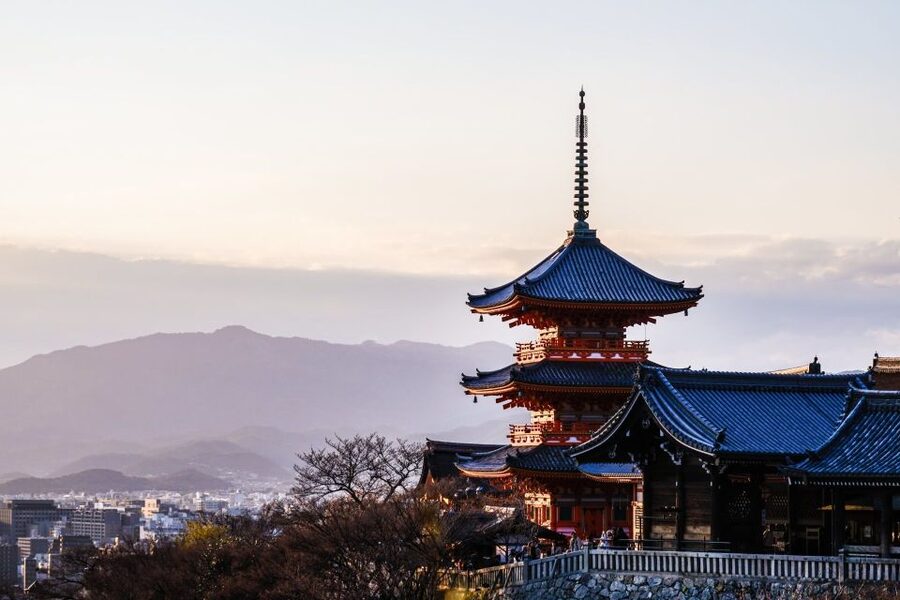
The temple is famous for its position above the city and for the view across Kyoto. You can see why the stop is popular, but the guide helps you get more from it than a quick look over the railing. The temple’s name refers to pure water, and the Otowa Waterfall sends water into three separate streams.
Tradition says the streams offer health, wealth, or happiness. You choose one, and the playful warning is that greed will spoil the result if you drink from all three. It is a small ritual, but it gives the visit a memorable human touch. You are not simply looking at a building. You are taking part in a custom, even if only for a moment.
Kiyomizu-dera can be crowded, and 30 minutes is enough for a guided introduction rather than a full exploration of every corner. The good news is that the tour ends here. After saying goodbye to your guide, you are free to stay longer and explore at your own pace.
That ending is well chosen. You finish near shops, lanes, and other Higashiyama sights, so you do not have to rush back to the meeting point. If you want more time for photographs, shopping, or the temple grounds, you can continue on your own.
What $106 includes, and what it does not
The price is $106 per person. That is not the cheapest way to walk through Higashiyama, but the value depends on how much structure and explanation you want.
The fee covers admission to Kodaiji and Kiyomizu-dera, plus the train from Fushimi Inari to Gion. It also gives you a live guide for four hours and keeps the group to no more than 10 people. If you were planning to visit both paid temples and make the same train connection yourself, the added cost is partly paying for convenience and interpretation.
Food, drinks, and shopping are not included. You should also budget for your own transport to JR Inari Station and away from Kiyomizu-dera after the walk. The activity offers free cancellation up to 24 hours in advance and allows you to reserve now and pay later, which helps if your Kyoto schedule is still changing.
The strongest value comes from the route design. You see several major sights in one half-day and do not spend time puzzling over the connection between them. The weaker value appears if you prefer long, unhurried temple visits or already know the area well.
Who should take this tour
I would choose this walk for a first visit to Kyoto, especially if you want a clear introduction to southern Higashiyama without planning several train and walking connections yourself.
It also suits families with older children. One guide, Lito, has been especially effective at drawing children into stories about temples, wishes, luck, and traditional rituals. The route still demands stamina, so young children may find the hills and steps tiring.
The tour works well for solo visitors and couples who want company without joining a huge group. A group of two has sometimes been possible, but the guaranteed maximum is 10, not a private tour.
It is less suitable for anyone with mobility limitations, anyone carrying large luggage, or anyone hoping for a relaxed food tour. Large bags are not allowed, and the experience is built around walking rather than vehicle transfers.
Wear comfortable shoes. That advice is basic, but here it is essential. The route includes hills, stairs, temple grounds, and uneven walking surfaces. On hot or humid days, the physical effort becomes more noticeable.
Practical details before you go
The meeting point is just outside the fare gates at JR Inari Station. Check your route carefully before leaving your hotel, since the Keihan line may be useful depending on where you start.
Guiding is available in English, French, Hebrew, and Spanish. Specific guides connected with this experience include Hugo, Damian, Ferdinand, and Lito. Hugo has adjusted plans for individual interests, while Damian and Ferdinand have been praised for explaining Japanese history, religion, and customs in an engaging way.
The tour is listed as four hours, but you should not plan another tightly timed activity immediately afterward. Weather, crowds, photo stops, and the pace of the group can affect the finish. Since the walk ends at Kiyomizu-dera, leave yourself time to continue exploring the area or arrange your next transport.
Should you book the Historic Higashiyama Walking Tour?
Book it if you want to see Fushimi Inari, Gion, Kodaiji, Sannenzaka, and Kiyomizu-dera in one organized half-day, with a guide to explain the customs behind the sights. The small group, included admissions, and train connection make the $106 easier to justify for a first-time visitor.
Skip it if you want to linger at each temple, spend much of the day shopping, or avoid hills and stairs. For most active visitors, though, this is a smart way to get oriented. You finish at Kiyomizu-dera with the rest of the day still open, which lets you return to the places that caught your attention.
FAQ
Where does the tour meet?
The meeting point is just outside the fare gates of JR Inari Station.
Can I reach the meeting point by the Keihan train line?
Depending on where you are coming from in Kyoto, you may use the Keihan train line and walk a few minutes to JR Inari Station.
How long does the tour last?
The tour lasts four hours.
What languages are available?
The live guide may speak English, French, Hebrew, or Spanish.
How many people are in the group?
The group is limited to 10 participants.
Is admission to Kodaiji included?
Yes. Entry to Kodaiji Temple is included.
Is admission to Kiyomizu-dera included?
Yes. Entry to Kiyomizu-dera is included.
Is the train from Fushimi Inari to Gion included?
Yes. The train ticket from Fushimi Inari to Gion is included.
Are food and drinks included?
No. Food and drinks are not included.
Is the walk suitable for people with mobility impairments?
No. The tour includes uphill walking, stairs, and a fair amount of walking, so it is not suitable for people with mobility impairments.
What should I bring?
Bring comfortable shoes. Large bags and luggage are not allowed.
Can I cancel for a full refund?
You can cancel up to 24 hours in advance for a full refund.
More History-Led Days in Kyoto
- Kyoto Gion: 2-Hour Geisha Culture & History Walking Tour
★ 5.0 · 1,186 reviews - Kyoto Gion Historical Walking Tour
★ 5.0 · 188 reviews - Historical Kyoto E-Bike Tour
★ 5.0 · 181 reviews - Kyoto: Nijo Castle World Heritage Guided Tour with Admission
★ 5.0 · 128 reviews
Newest Kyoto experiences on the site
- Whisk Your Own Matcha: A Zen Matcha Experience at Temple★ 3.6 · 7 reviews
- Treasures of Kyoto: Gion & historical Walking Tour★ 5.0 · 6 reviews
- Kyoto tea town for matcha lovers★ 5.0 · 16 reviews
- Uji: Private immersion into Kyoto’s tea and reglious culture★ 5.0 · 17 reviews
- Kyoto Matcha Green Tea Tour★ 4.5 · 23 reviews
- Uji and Wazuka Matcha Farm Half Day Private Guided Tour★ 5.0 · 21 reviews
- Utilising upcycled Matcha! Creating matcha incense (Uji, Kyoto)★ 5.0 · 6 reviews
- Sacred Temple Yoga Experience in Japan★ 5.0 · 3 reviews
Higashiyama District Tours, compared.
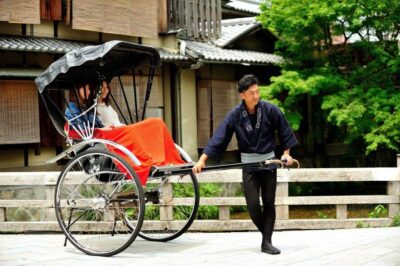
Private Rickshaw Tour of Gion and Higashiyama Area
Read our review →
Kiyomizudera, Higashiyama and Yasaka Discovery Tour
Read our review →
Kyoto Early Bird English Tour: Gion & Higashiyama(Private opt)
Read our review →
Higashiyama Slow Cycling Tour along the quiet waterfront
Read our review →
Browse the lists this tour appears in