
Reviewed · KIYOMIZU-DERA TEMPLE TOURS
Kyoto: Kiyomizudera, Higashiyama and Yasaka Discovery Tour
Kiyomizudera is the star here, but the real pleasure is the walk between Kyoto’s great sights. You move from temple views to old wooden shophouses, quiet lanes, Zen gardens, a Shinto shrine, and Maruyama Park without wasting time on transport. Kannon and the sacred blue dragon add useful meaning to what might otherwise be a quick photo stop.
I like two things in particular: the small group of no more than nine people, and the route’s sensible finish near Gion-Shijo Station. Guides such as Miyake, Yuko, CC, and Rafael have also been praised for answering questions, suggesting photo spots, and adjusting the pace or route when possible.
The main drawback is the brisk three-hour schedule. You will see a lot, but Kiyomizudera and Kodaiji both deserve more time than this tour allows, and the hilly, uneven streets are not a good match for anyone with mobility, heart, or respiratory concerns.
Key points at a glance
- Kiyomizudera opens the tour: Spend about an hour at Kyoto’s best-known temple, with views and stories about Kannon and the blue dragon.
- The old lanes are part of the experience: Sannenzaka, Ninenzaka, and Nene no Michi connect the temples through traditional streets and shophouses.
- Kodaiji adds a quieter contrast: See the temple built in memory of Toyotomi Hideyoshi’s wife, including its Zen gardens and ornate interiors.
- Yasaka Shrine explains Shinto practice: The guide brings context to rituals, customs, and the shrine’s place in Kyoto life.
- The route ends well: Exit through Yasaka Shrine’s east side into Maruyama Park, then finish at Gion-Shijo Station.
- The price covers the important extras: At $54 per person, admission to Kiyomizudera and Kodaiji, an English-speaking guide, and snacks are included.
Why this Kyoto walking route works
Kyoto’s eastern temple district is easy to visit on your own, but it is also easy to treat as a string of pretty buildings. This tour gives the area a clear shape. You start high in the Kiyomizudera area, walk downhill and west through the old lanes, then continue to Kodaiji, Yasaka Shrine, and Maruyama Park.
That order matters. You get the biggest sight first, when your attention and legs are fresh. The rest of the route then feels like a gradual transition from Buddhist temple grounds to traditional Kyoto streets and finally to a major Shinto shrine.
You should expect a walking tour, not a vehicle-based sightseeing trip. The three hours are divided into roughly one hour at Kiyomizudera, 30 minutes through Sannenzaka, 30 minutes at Kodaiji, and 30 minutes at Yasaka Shrine. The remaining time is used to connect the stops and reach Gion-Shijo Station.
The group size is limited to nine people. That is small enough for you to hear explanations and ask questions without turning the tour into a private booking. Some departures may be even smaller, and one family had a private-feeling experience when it was the only group booked.
More Kiyomizu-dera visits and hillside walks:
- Kyoto: Tea Ceremony in a Traditional Tea House in Kiyomizu
★ 4.9 · 3,519 reviews - Kyoto: Nijo Castle, Kiyomizu & Fushimi Inari Guided Tour
★ 4.7 · 700 reviews - Kyoto: Nijo, Kinkaku-ji, Arashiyama, Kiyomizu & Fushimi Inari
★ 5.0 · 699 reviews
Starting near Kiyomizudera
The meeting point is the 7-Eleven at 112 Tatsumicho. Look for a guide wearing a TripGuru shirt or holding a TripGuru sign. Since the tour begins in one of Kyoto’s most visited areas, arrive with your meeting point saved on your phone and allow a little time to find it.
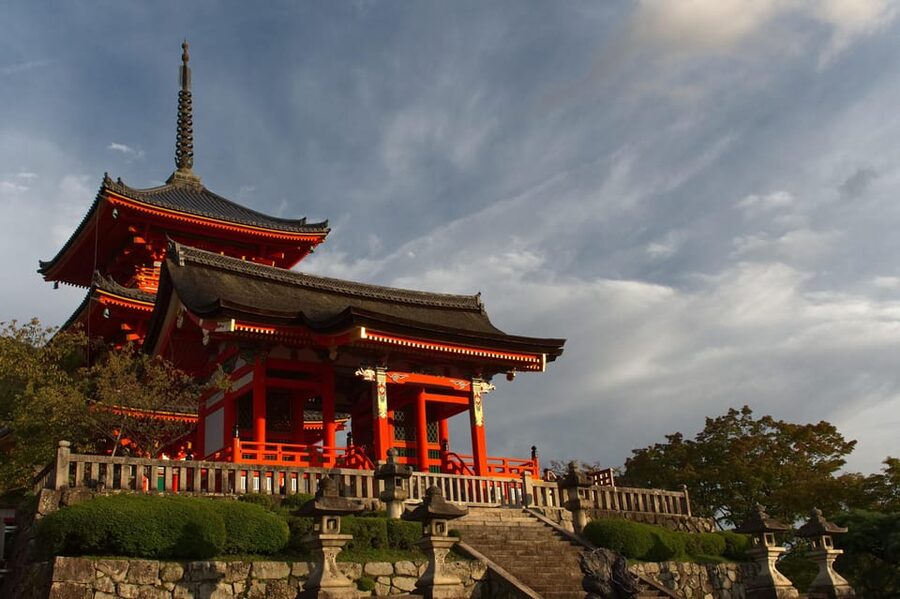
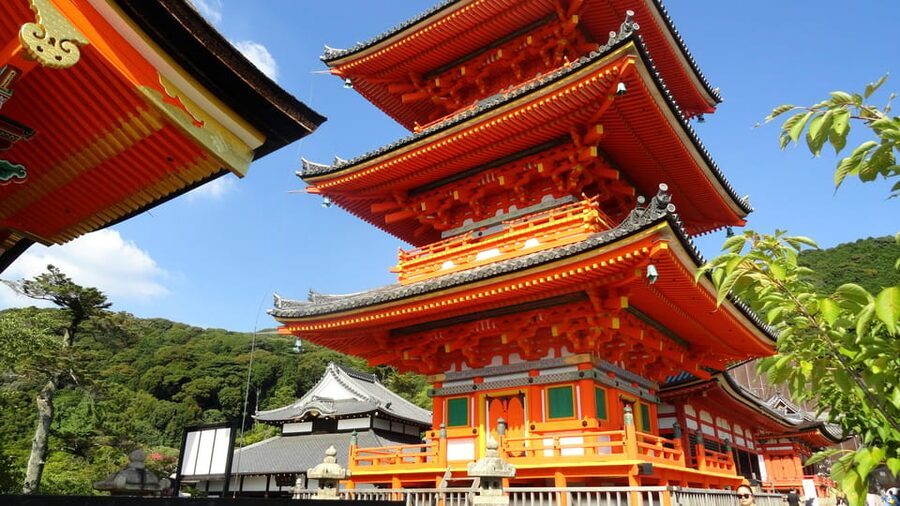
Kiyomizudera is an effective first stop because it gives you both a major cultural site and a broad view over Kyoto. The temple is a UNESCO World Heritage Site and one of the city’s most recognizable landmarks. You are not simply walking around a famous wooden structure. The guide explains Kannon, the deity associated with peace and mercy, along with the sacred blue dragon, or seiryuu.
Those stories help you read the temple as a place of belief rather than just architecture. Ask questions if you want more detail about Buddhist ideas, temple customs, or the meaning behind what you see. Guides praised for this route include Miyake, Yuko, Alex, Jasmine, and CC, although the guide assigned to your departure can vary.
The Kiyomizudera visit lasts about an hour. That is enough for an introduction and a useful orientation, but it is not enough for an unhurried exploration of every corner. If you are determined to spend a long time taking photographs or visiting every feature, you may want to return on your own later.
You should also expect crowds in this part of Kyoto. The tour helps by giving you a route and context, but it cannot make a famous temple quiet. Comfortable shoes matter, especially because the route includes slopes and older paved streets.
Walking Sannenzaka, Ninenzaka, and Nene no Michi
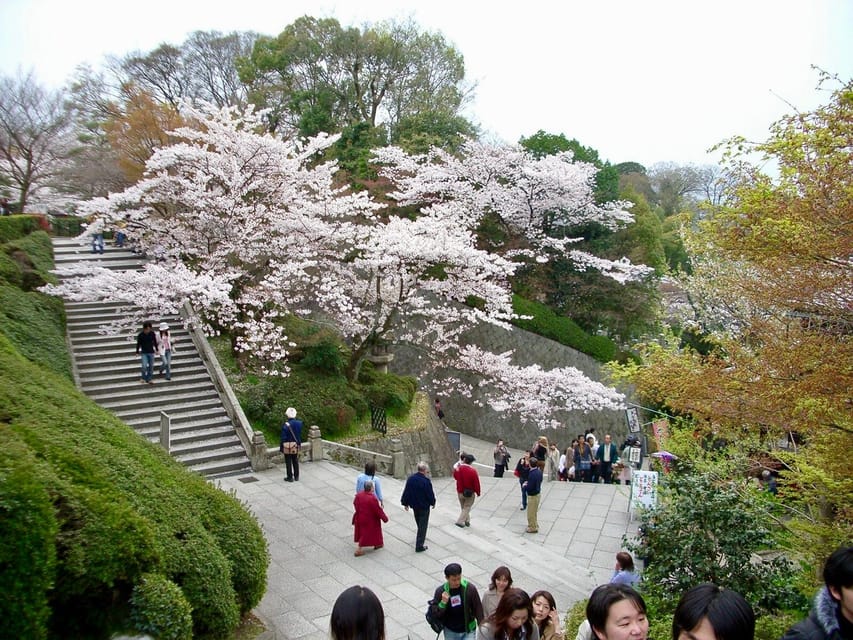
After Kiyomizudera, the tour moves through Sannenzaka, Ninenzaka, and Nene no Michi. These lanes are one of the most appealing parts of the experience because the streets themselves become the sightseeing stop.
Traditional shophouses line the route, giving you a feel for old Kyoto without requiring a separate museum visit. You might find sweets, tea, crafts, and small souvenirs along the way, though shopping is not the central purpose of the tour. One guide, CC, was especially willing to allow quick matcha or shopping breaks while still keeping the group on schedule.
That flexibility is useful, but keep your expectations realistic. The scheduled walk through this area is about 30 minutes, so you will not have time to browse every shop. If you see something you truly want, make a note of the location and return later.
The lanes can be crowded and uneven. This is not a flat, wide promenade, and the route is less comfortable for anyone who has trouble walking or standing. The tour information specifically advises against booking if you have mobility impairments, heart problems, or respiratory issues. Pregnant people are also listed as unsuitable for the activity.
Kodaiji and the story behind its gardens
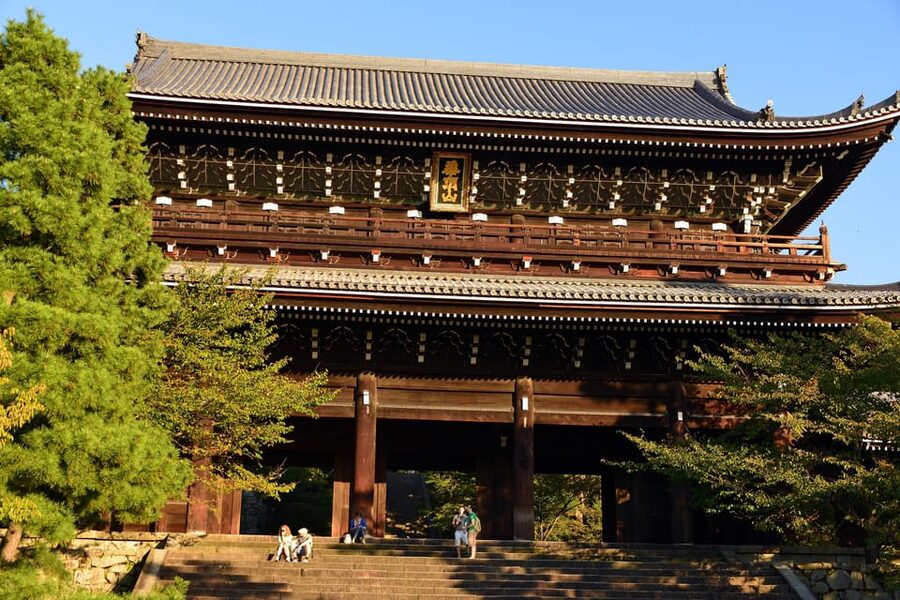
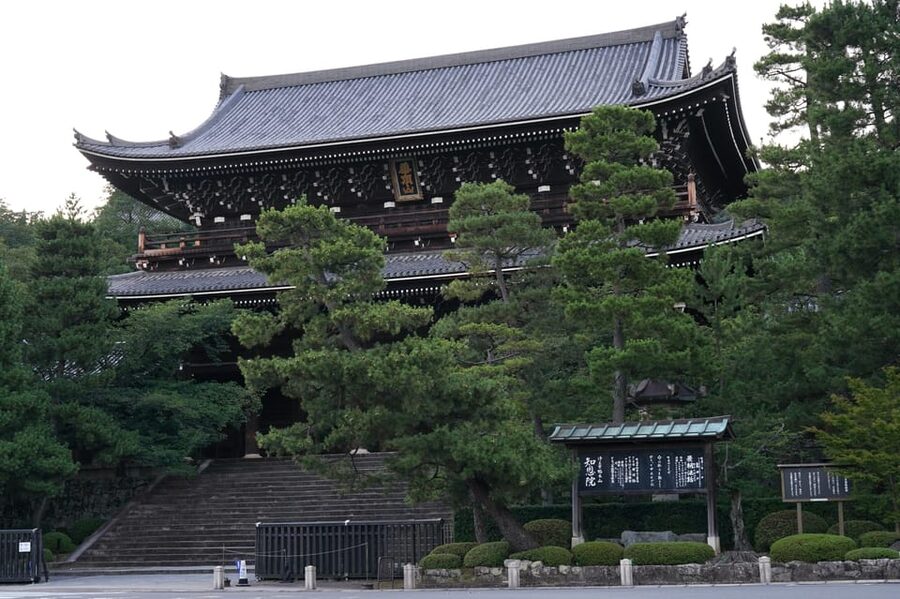
Kodaiji brings a different mood. The temple was built in memory of Toyotomi Hideyoshi’s wife, and the guide explains that connection as you explore the site. This personal origin gives the temple a more intimate story than a simple list of dates and names.
The visit includes the Zen gardens and lavish interiors. The contrast with the busy streets outside is part of the appeal. You move from shopfronts and photo stops into a place designed for reflection, careful composition, and religious practice.
The scheduled visit is about 30 minutes. That is enough to understand why Kodaiji matters and to see its main visual features, but it is another reason this tour works best as an introduction. If gardens are your main interest, you may prefer to revisit Kodaiji later with more time.
Admission to Kodaiji is included, along with entry to Kiyomizudera. That improves the value of the $54 price because you are not paying the guide fee and then adding the two main entrance charges separately. Snacks are included as well, while meals and other drinks are not.
More of the old streets around Higashiyama:
- Kyoto: Private Rickshaw Tour of Gion and Higashiyama Area
★ 5.0 · 144 reviews - Kyoto: Historic Higashiyama Walking Tour
★ 5.0 · 31 reviews - Private Walking Tour in Gion and Higashiyama
★ 5.0 · 15 reviews - Kyoto Early Bird English Tour: Gion & Higashiyama(Private opt)
★ 5.0 · 13 reviews
Yasaka Shrine and the walk into Maruyama Park
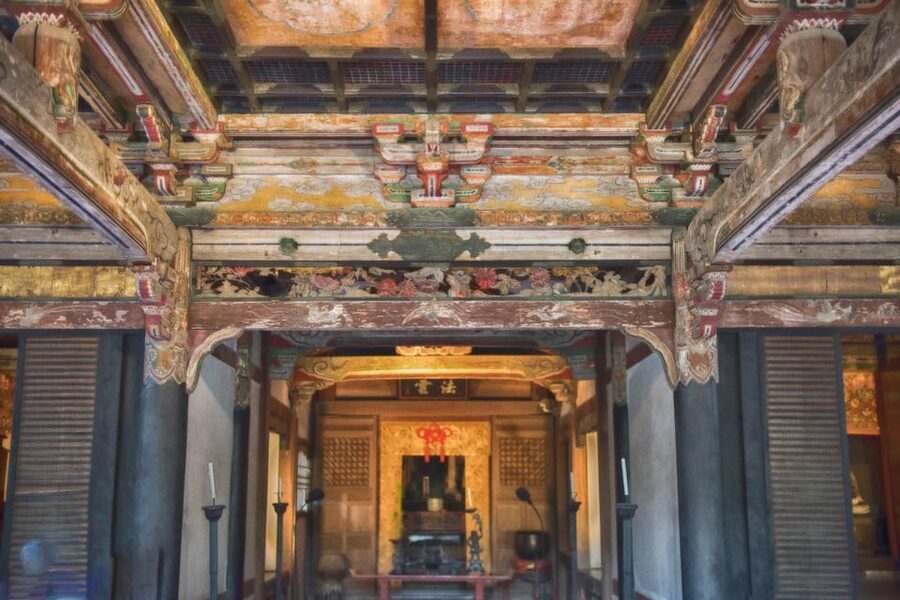
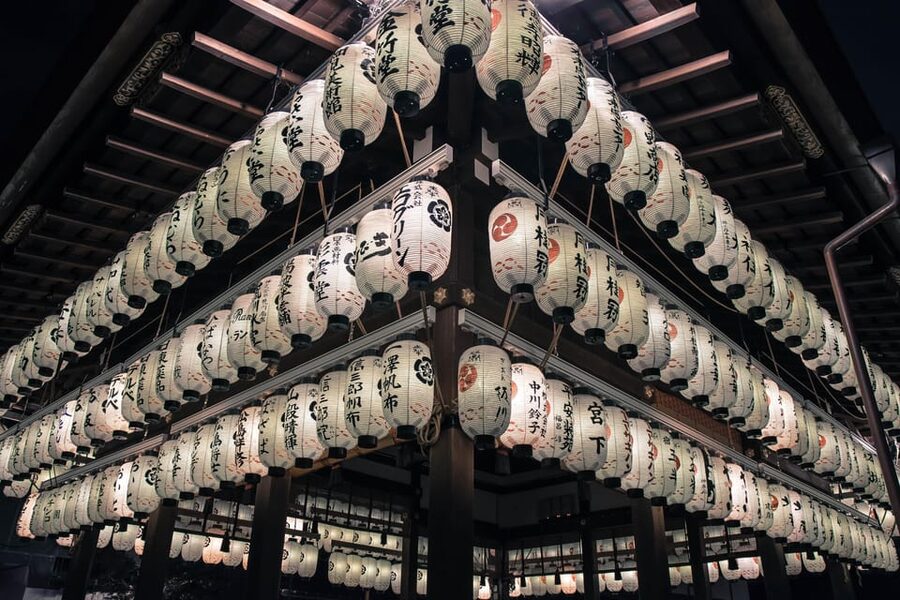
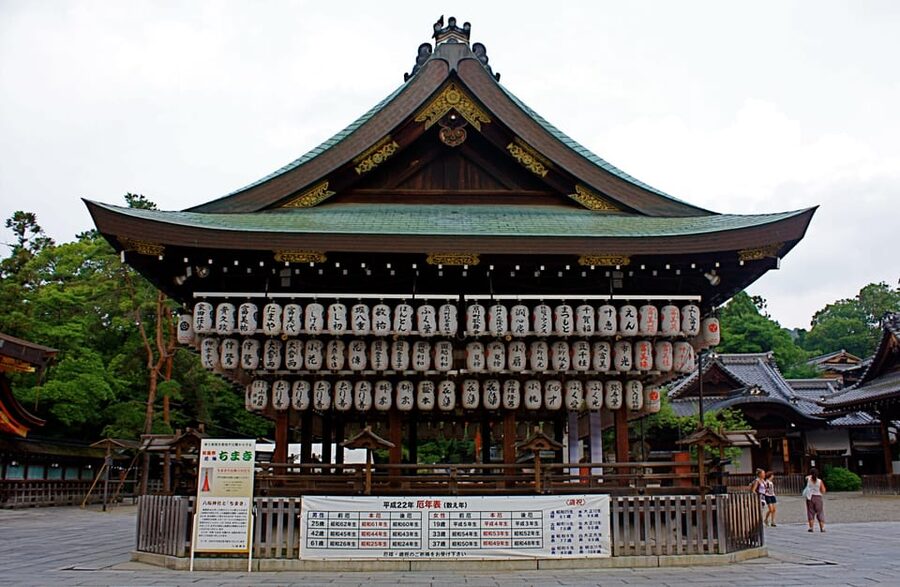
Yasaka Shrine gives the tour its Shinto chapter. Here, your guide explains Shinto history, culture, and practices, helping you understand the difference between the Buddhist temples earlier in the walk and this major shrine.
You do not need prior knowledge of Japanese religion to enjoy the stop. The guide can explain what you are seeing and how people use the shrine. This is also a good place to ask practical questions about customs, worship, and the role of shrines in Japan.
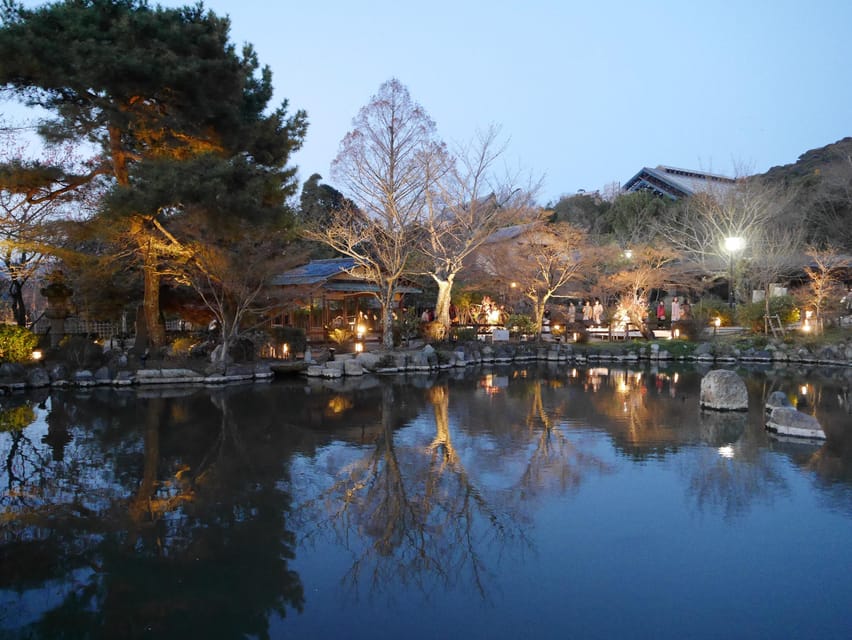
The official guided time at Yasaka Shrine is about 30 minutes. Afterward, you exit through the east side and enter Maruyama Park. The park is especially popular during cherry blossom season, so the character of this final stretch changes with the time of year.
Maruyama Park is not treated as a separate long stop, but it provides a pleasant finish before the route heads toward Gion-Shijo Station. You end near one of Kyoto’s best-known areas rather than being left back at the starting point. That makes it easy to continue exploring, find a meal, or return to your hotel by your own arrangements.
What the guides add
The best reason to book this as a guided tour is not simply navigation. It is the chance to ask about what you are seeing while you are standing in front of it.
Miyake, also identified as Nobumasa Miyake, has been praised for explaining Kiyomizudera’s history and pointing out good photo locations. Yuko was noted for starting promptly, covering the temples, shrines, and gardens efficiently, and offering useful suggestions for other seasonal sights such as plum blossoms.
CC has a more relaxed style and may allow short matcha or shopping pauses. Rafael has adjusted the visit to suit the interests of a family, while Katz was described as energetic and happy to answer questions about Japanese culture. Other named guides include Jasmine and Alex, both praised for friendly presentations and strong cultural explanations.
Your guide may be someone else, so do not book on the assumption that a particular person will lead your group. Still, the range of positive guide feedback points to a useful strength: this is not meant to be a silent walk from gate to gate. It is an opportunity to ask questions and get practical Kyoto advice along the way.
Is $54 a fair price?
At $54 per person, this tour is reasonably priced for a three-hour small-group walk with an English-speaking guide. The key value comes from the two included admissions, since Kiyomizudera and Kodaiji are the main paid temple visits on the route.
You are also paying for structure. A self-guided visit costs less if you already know the area, can read the signs, and are comfortable finding the best route through crowded lanes. This tour makes more sense if you want the stories explained in real time and prefer not to organize four major stops yourself.
The price does not include hotel pickup, meals, or other drinks. You must reach the meeting point on your own and make your own way after the tour ends. Bring some cash for personal expenses and possible purchases, along with water if you prefer a drink beyond the included snack.
The small-group limit gives this tour a better feel than a large coach excursion. You can hear the guide, ask questions, and possibly make a brief adjustment to the pace. It is not private, though, and the short schedule means the guide must keep the group moving.
Who should book this tour?
I would choose this tour for a first visit to Kyoto, especially if you want a strong introduction to the eastern temple district in half a day. It suits you if you like cultural explanation, moderate walking, and a route that mixes major sights with traditional streets.
It is also a good fit for families and couples who want help with the basics but still want time afterward to explore Gion or return to a favorite temple. The guides have shown some ability to answer individual questions and adjust the route when circumstances allow.
You may prefer independent sightseeing if you want long visits at each temple, extended shopping time, or a slow photography walk. The tour covers a lot in three hours, so it favors range and context over unhurried detail.
Wear comfortable shoes. Bring a camera and cash. The route is active enough that you should think carefully about your fitness before booking, particularly because the activity is not suitable for people with the listed mobility, heart, respiratory, or pregnancy concerns.
Should you book the Kiyomizudera and Higashiyama tour?
Book it if you want Kyoto’s eastern sights explained in a compact, well-ordered walk. Kiyomizudera, the old lanes, Kodaiji, Yasaka Shrine, and Maruyama Park form a satisfying sequence, and the included admissions make $54 a fair deal.
Skip it if your priority is solitude or a slow temple visit. For most first-time visitors who want cultural context, useful local tips, and a small group rather than a large tour, this is a practical way to get oriented before exploring more of Kyoto on your own.
FAQ
How long does the tour last?
The tour lasts three hours. The route includes approximately one hour at Kiyomizudera, 30 minutes at Sannenzaka, 30 minutes at Kodaiji Temple, and 30 minutes at Yasaka Shrine, with walking time between stops.
Where does the tour meet?
The meeting point is the 7-Eleven at 112 Tatsumicho. Look for a guide wearing a TripGuru shirt or holding a TripGuru sign.
Where does the tour finish?
The tour finishes at Gion-Shijo Station after the route passes through Yasaka Shrine and Maruyama Park.
Are entrance fees included?
Yes. Admission to Kiyomizudera and Kodaiji Temple is included in the tour price.
Is the tour suitable for people with mobility issues?
No. The activity is not suitable for people with mobility impairments, heart problems, or respiratory issues. Pregnant women are also listed as unsuitable, and comfortable shoes are recommended.
What is included besides the guide and admissions?
An English-speaking guide and snacks are included. Hotel pickup and drop-off, meals, other drinks, and personal expenses are not included.
Newest Kyoto experiences on the site
- Treasures of Kyoto: Gion & historical Walking Tour★ 5.0 · 6 reviews
- Whisk Your Own Matcha: A Zen Matcha Experience at Temple★ 3.6 · 7 reviews
- Kyoto tea town for matcha lovers★ 5.0 · 16 reviews
- Uji: Private immersion into Kyoto’s tea and reglious culture★ 5.0 · 17 reviews
- Kyoto Matcha Green Tea Tour★ 4.5 · 23 reviews
- Uji and Wazuka Matcha Farm Half Day Private Guided Tour★ 5.0 · 21 reviews
- Utilising upcycled Matcha! Creating matcha incense (Uji, Kyoto)★ 5.0 · 6 reviews
- Sacred Temple Yoga Experience in Japan★ 5.0 · 3 reviews
Kiyomizu-dera Temple Tours, compared.
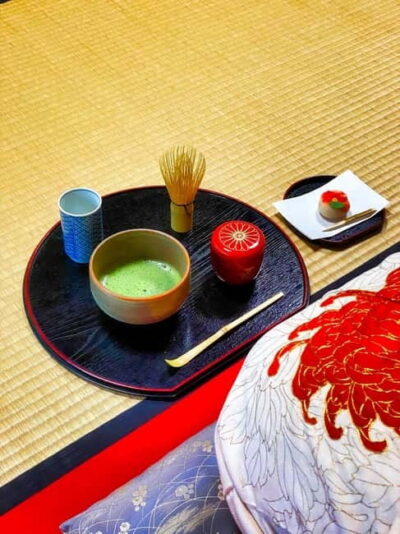
Tea Ceremony in a Traditional Tea House in Kiyomizu
Read our review →
Nijo Castle, Kiyomizu & Fushimi Inari Guided Tour
Read our review →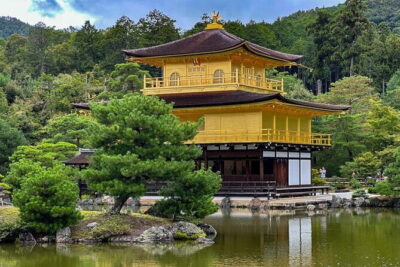
Nijo, Kinkaku-ji, Arashiyama, Kiyomizu & Fushimi Inari
Read our review →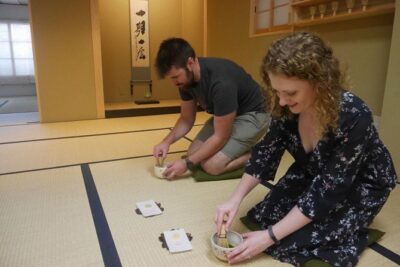
Kyoto Tea Ceremony & Kiyomizu-dera Temple Walking Tour
Read our review →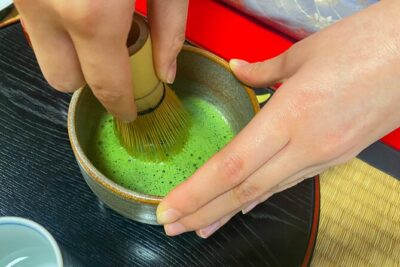
Kyoto Kiyomizu Tea Ceremony with Scenic Garden Views
Read our review →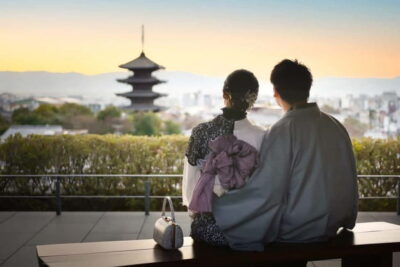
Kimono/Yukata Rental 5 Minute from Kiyomizu-dera
Read our review →
Kyoto Gion Kiyomizudera Kimono Yukata Hairstyle | Photoshoot
Read our review →
Kiyomizu Temple and Backstreets of Gion, Half Day Group Tour
Read our review →Browse the lists this tour appears in