
Reviewed · GION DISTRICT TOURS
Kyoto: Private Rickshaw Tour of Gion and Higashiyama Area
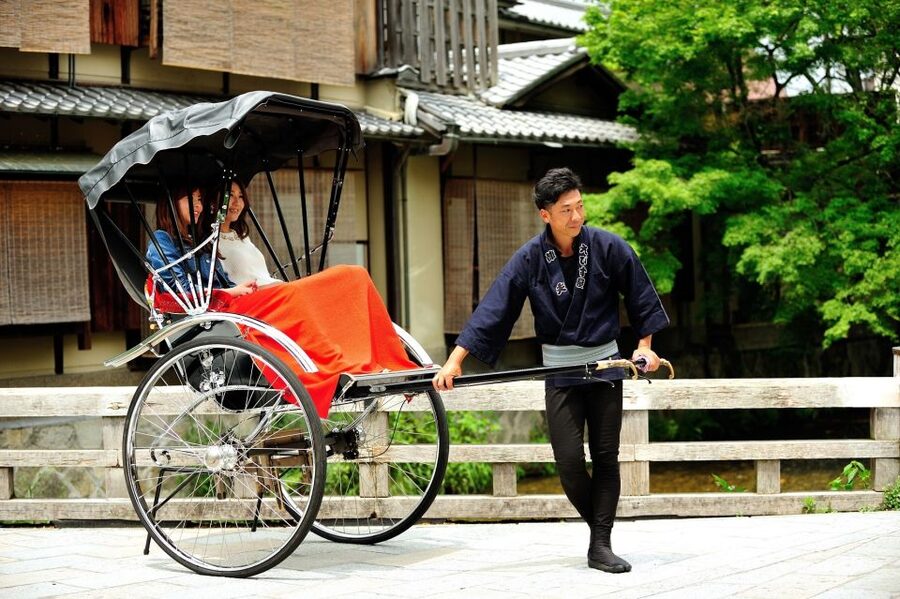
Kyoto’s old streets are best appreciated slowly, and this private rickshaw ride gives you a front-row seat. You glide past wooden townhouses, temple lanes, tea shops, and Gion corners while your guide explains what you’re seeing. I especially like the personal route and the way guides such as Shiro, Fumi, and Daichi mix local stories with practical photo help.
I also like that you sit above much of the street traffic and can cover more ground than you would on foot. The main consideration is space: each rickshaw is only about 21 inches wide, and a longer ride may not suit anyone with serious back trouble or certain pregnancy concerns.
Key points to know before booking
- Start beside Kodaiji Temple: Meet at the corner of Nene Street and Ichinenzaka Street in historic Higashiyama.
- Choose your pace: Options begin at 45 minutes, with longer routes reaching deeper into Higashiyama and northern Gion.
- Expect a private ride: Your guide can adjust the route around temples, streets, photo stops, and your interests.
- Guides do more than pull: Shiro, Fumi, Daichi, Moto, and other guides are praised for clear English, local stories, humor, and photography.
- Plan seating carefully: Two adults fit in one rickshaw, but separate rickshaws may be more comfortable for larger adults.
- Best for a first look at old Kyoto: It gives you orientation and atmosphere, but it does not replace time inside Kyoto’s temples.
Starting among Higashiyama’s old wooden streets
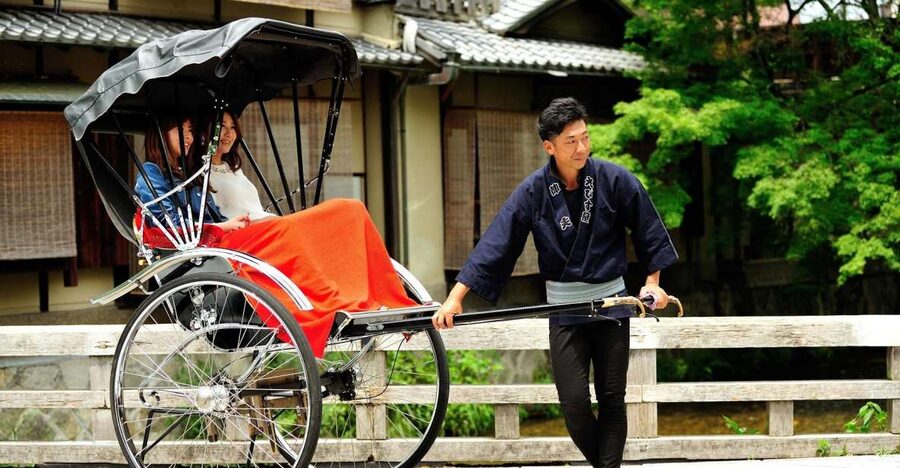
Your meeting point is on the corner of Nene Street and Ichinenzaka Street, near Kodaiji Temple. This is a smart place to begin. Higashiyama is one of Kyoto’s most atmospheric historic districts, with sloping lanes, traditional wooden buildings, small shops, and temple approaches that reward slow looking.
The rickshaw lets you see these streets without spending the whole outing on your feet. Your guide pulls you through the neighborhood while pointing out buildings and customs that are easy to miss from street level. You remain close to the action, but you are not squeezed into a walking tour group.
The setting is also useful for photos. The narrow lanes, old facades, and temple surroundings provide the visual side of Kyoto that many visitors hope to find. Your guide stops at scenic points and can use your phone to take photos. Takumi even made a short video for one couple, while Fumi was praised for taking creative pictures.
Do not expect a silent ride. This is a guided outing, not simply a scenic taxi. The value comes from the conversation, so tell your guide what interests you at the start. You can ask for more history, more photography, more Gion, or a route with less walking.
More ways to walk Gion:
- Kyoto Geisha Walking Tour: Gion District & Hidden Gems
★ 4.7 · 3,273 reviews - Kyoto: Gion Magical Night Walking Tour with Geisha Trivia
★ 4.9 · 2,393 reviews - Kyoto: Gion Geisha District Walking Tour – Stories of Geisha
★ 4.7 · 2,187 reviews
What the rickshaw ride feels like
A rickshaw offers a different view from a bus or ordinary walking tour. You sit close to the street, with a guide moving you through lanes that feel too narrow for large vehicles. The ride is private, so you can ask questions without worrying about a group schedule.
The guides are a major part of the experience. English-speaking guides including Shiro, Moto, Daichi, Fumi, Takuto, Kai, and Yoshito have received praise for their explanations and friendly manner. Their styles vary, but the strongest pattern is clear: you are booking a driver-guide, not just transport.
Several guides are also good photographers. That matters in Higashiyama because the best picture often depends on where you stop and how you frame the street. You can ask your guide to take photos, but bring your own phone and keep it ready. Selfie sticks are not allowed.
The physical side deserves a fair warning. Pulling a rickshaw through Kyoto’s narrow and sometimes sloping streets takes real effort, and many visitors are impressed by the guides’ strength. The ride itself is passive, but getting into and out of the seat may still be awkward for some people.
The 45-minute introduction
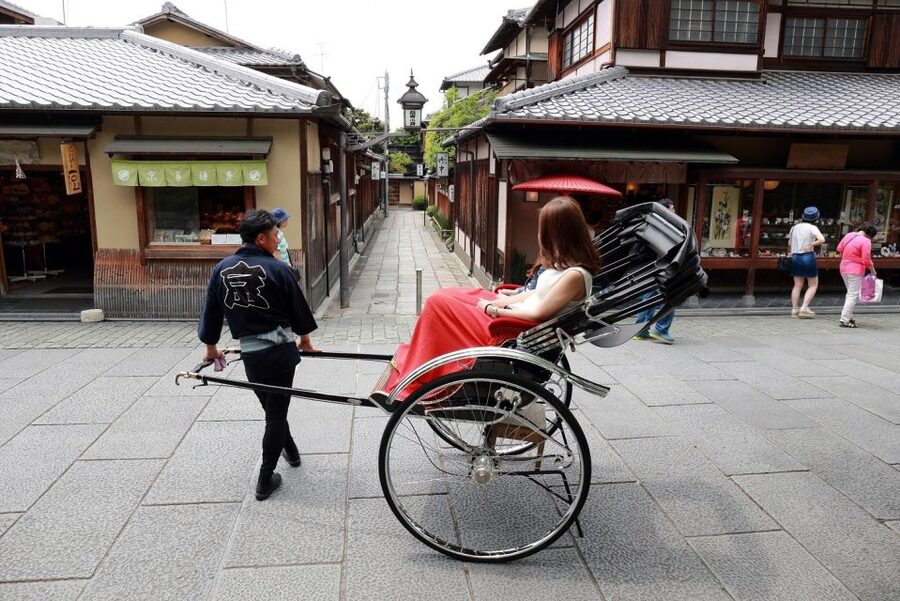
The shortest option is useful if you want a taste of the district without giving up half a day. A 45-minute route can show you the character of Higashiyama, offer several photo opportunities, and give you a quick introduction to nearby Gion.
This is the right choice if your Kyoto schedule is packed or you want to fit the ride between temple visits. It also works well late in a trip, when your feet need a rest but you still want to see more of the city.
The tradeoff is obvious: you will not see everything. One visitor who chose the short tour wished they had booked a longer ride. I would choose 45 minutes for a first orientation or a family with a tight schedule, but not if this is your main Kyoto sightseeing activity.
The short route can still be good value at the listed price of $51 per person, particularly for a private ride with a guide and photo stops. The value depends on how much you care about the format. If you only want to move quickly from one sight to another, walking costs less. If you want local explanation, a relaxed pace, and help with photos, the price is easier to justify.
Longer routes through Gion and Higashiyama
Longer options continue through more of Higashiyama and into the northern part of Gion. You may pass traditional townhouses, old temple areas, willow-lined river views, and streets tied to Kyoto’s entertainment district.
The supplied information gives durations from 45 to 130 minutes, while the longer-tour description also refers to a route lasting 3 hours and 10 minutes. Check the exact option and duration before paying, since the available time appears to vary by booking selection.
A longer ride makes sense if Kyoto is new to you. You get more time to ask questions, adjust the route, and pause for pictures instead of watching the clock. It also gives the guide more room to show less obvious corners rather than simply linking the closest famous sights.
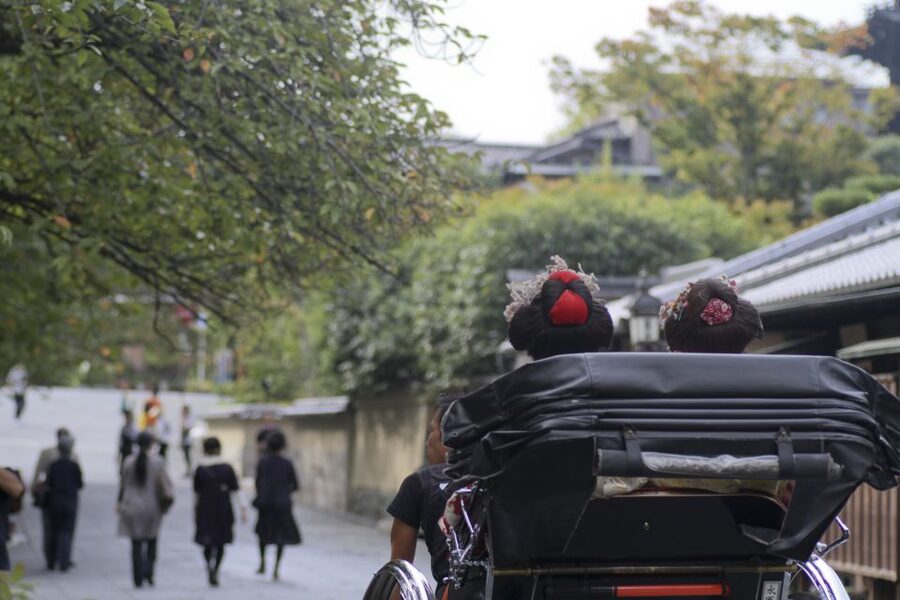
The northern Gion portion is especially useful for understanding how Kyoto’s old entertainment district fits into the wider city. You may see traditional architecture and people wearing kimono, but the tour is not a promise of a staged geisha encounter. Seeing a maiko or geisha depends on timing and chance, and you should treat anyone working in the district with respect.
Some people dress in kimono for photographs, which can make the streets look more theatrical than everyday Kyoto. A good guide can help explain that difference. Shiro, for example, was praised for explaining the Gion area and the customs connected with it.
More of the old streets around Higashiyama:
- Kyoto: Historic Higashiyama Walking Tour
★ 5.0 · 31 reviews - Kyoto: Kiyomizudera, Higashiyama and Yasaka Discovery Tour
★ 4.8 · 17 reviews - Private Walking Tour in Gion and Higashiyama
★ 5.0 · 15 reviews - Kyoto Early Bird English Tour: Gion & Higashiyama(Private opt)
★ 5.0 · 13 reviews
Temples, rivers, and the parts you cannot see on foot
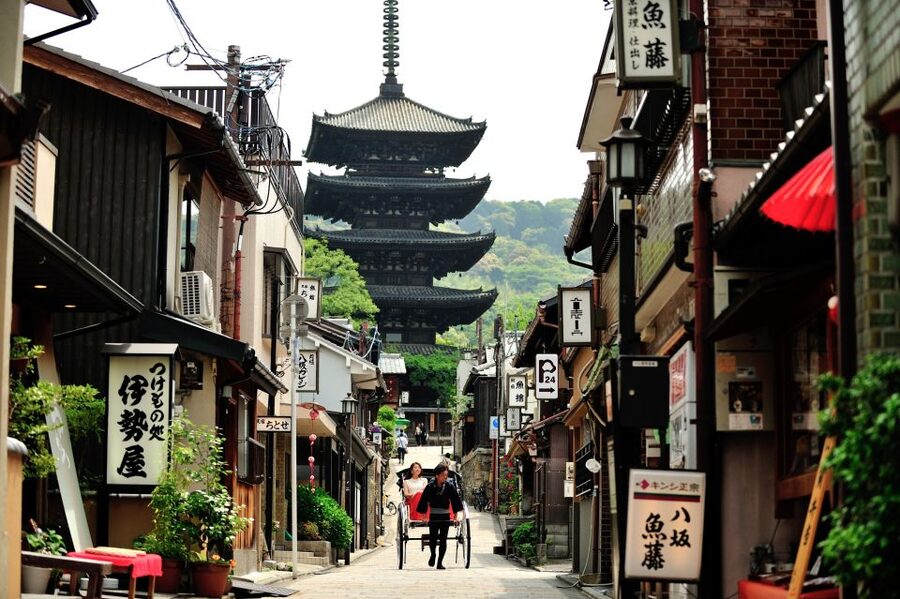
The ride passes several famous temples and historic approaches, but the focus is on the streets between them. You should not expect entry to temple grounds or a full temple tour. Admission fees are not included, and the rickshaw mainly provides access, context, and a good outside view.
That distinction matters. If you want detailed Buddhist art, gardens, or temple interiors, you still need separate visits. If you want to understand how the temples, lanes, shops, and old homes fit together, the rickshaw is a helpful first look.
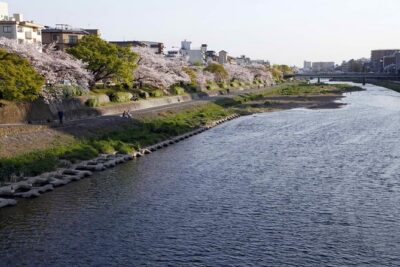
The willow-lined river sections add a change of mood. They give you a more open view after the close lanes of Higashiyama and offer another place for pictures. The route can be customized, so mention riverside scenery, old architecture, temples, or Gion when you meet your guide.
This flexibility is one of the tour’s strongest points. Daichi was praised for showing less obvious places, while other guides gave recommendations for what to see next. You should use the guide as a local sounding board. Ask which temple suits your interests or which area is worth returning to on foot.
How much personal attention should you expect?
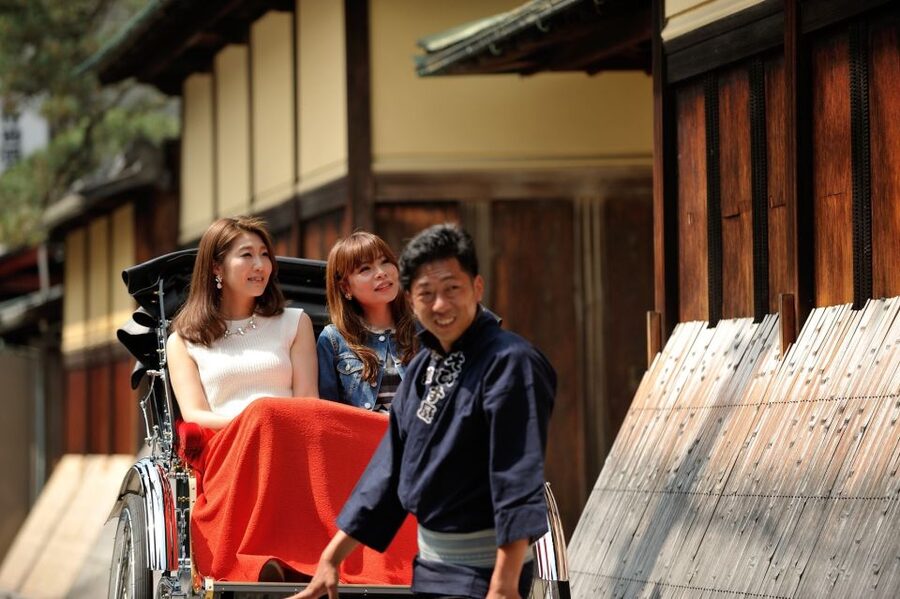
This is a private group experience, not a large shared tour. That changes the rhythm. Your guide can answer questions from your own family or group, stop when you want pictures, and adjust the route to your interests.
For couples, the ride has a relaxed and memorable feel. It also suits families. A family of four can use two rickshaws, and children aged six and over pay the adult price. Up to two children aged five and under can ride with two adults, with one child on each adult’s lap.
The seating rules are important. If a child aged five or under uses one of the two actual rickshaw seats, that child must be booked as a full-fare adult. The rickshaw is only about 21 inches, or 74 centimeters, wide, so two average-size adults may fit comfortably, but larger adults may prefer one rickshaw per person.
The ride is listed as wheelchair and stroller-friendly, which widens its appeal. Still, you should consider the narrow seat, the transfer into the rickshaw, and the uneven character of old Kyoto streets. The activity is not recommended for people with back problems or for pregnant women, especially during the first 16 weeks.
English explanations and guide quality
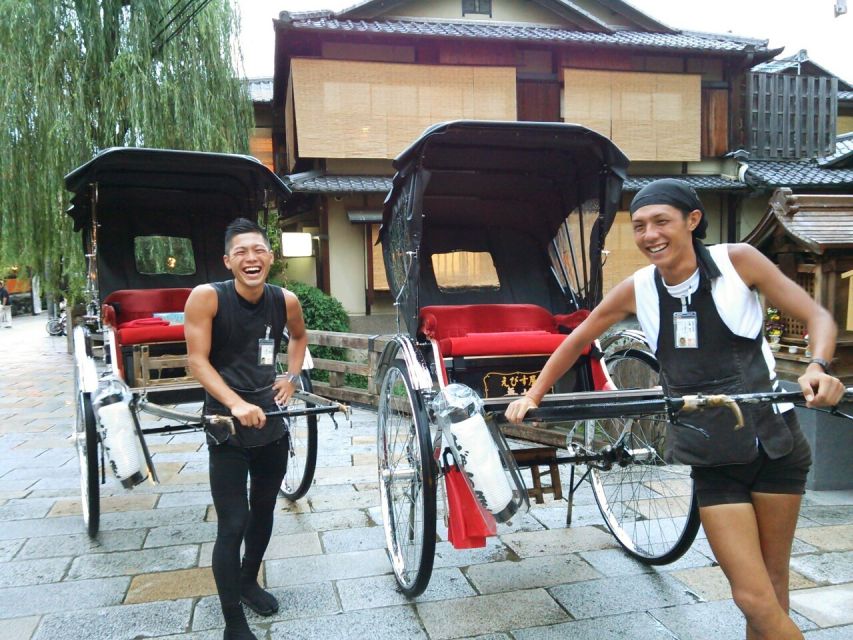
The guide can speak English or Japanese. The English level will vary by person, but several guides have been praised for clear communication. Shintaro was noted for strong English and enthusiasm, Yoshito for explaining the area patiently in several languages, and Moto for answering questions with ease.
You will get the most from the tour if you ask questions. The guide can explain Japanese customs, the history of the neighborhood, the difference between a maiko and geisha, and the purpose of buildings or streets you pass. The depth of the conversation depends partly on what you ask for.
The tone is generally lively rather than formal. Fumi was described as friendly and humorous, and Atsuki made a short ride entertaining with stories and jokes. That can be a welcome change from a lecture-heavy tour, especially for children.
Because guide assignments can change, you cannot book a particular person based on these examples. Still, the repeated praise for guides such as Shiro, Moto, Daichi, Fumi, and Takuto gives you a useful sense of the service style: personable, active, and involved in the whole outing.
Price, timing, and practical value
The listed price is $51 per person. For a 45-minute ride, that is not a cheap way to cover a short distance. You are paying for the private format, the guide’s time, the explanations, the photo stops, and the novelty of seeing Kyoto from a rickshaw.
I would compare it with the cost of a private walking guide, not with a bus fare. A bus can move you farther for less, but it cannot stop in the same way, fit into narrow historic lanes, or give your group undivided attention. A walking tour may offer more detail at major sights, but it requires more stamina.
The included souvenir postcard and sticker are pleasant extras, though they should not affect your buying decision. Food, drinks, hotel pickup, drop-off, and temple entry fees are not included. Plan to reach the meeting point on your own and budget separately for anything you want to visit inside.
The cancellation policy is flexible: you can cancel up to 24 hours in advance for a full refund. You can also reserve now and pay later, which helps if your Kyoto schedule is still shifting. Check the exact starting time and duration when booking.
Who should book this Kyoto ride?
I would recommend it to first-time Kyoto visitors who want a quick orientation, couples looking for a distinctive outing, families who need a break from walking, and anyone who values local explanation and photographs.
It is also a good fit for visitors with limited mobility, since the ride can reveal a wide area without requiring constant walking. That does not make it suitable for every physical condition. Back problems, difficulty transferring into a narrow seat, and pregnancy concerns should be taken seriously.
You should be comfortable with the fact that the route passes through public neighborhoods. Gion is not a theme park, and the people working there are not there for tourist photographs. Listen to your guide, follow local etiquette, and avoid treating maiko or geisha as photo props.
The tour is less suitable if you want long temple visits, a formal art lecture, or a guaranteed encounter with geisha. It is also not the best choice if you dislike being visible in a historic district or prefer exploring entirely on foot.
Should you book the Higashiyama rickshaw tour?
Yes, if you want an easy and personal introduction to Kyoto’s old streets. The strongest reasons are the private route, the guide interaction, the photo stops, and the chance to see Higashiyama and Gion without tiring yourself out at the start of your visit.
Choose 45 minutes if you want a sampler. Choose a longer option if you want time for questions, riverside scenery, more temples, and northern Gion. I would book early in your Kyoto stay so the guide can help you decide what deserves a second visit on foot.
At $51 per person, this is a treat rather than a budget ride. But for a private experience with a guide who drives, explains, takes pictures, and adjusts the route, it can be a sensible splurge. Just confirm the duration, plan seating carefully, and do not book it if pregnancy or back problems make the ride unsuitable.
FAQ
Where does the Kyoto rickshaw tour meet?
Meet your guide at the corner of Nene Street and Ichinenzaka Street, near Kodaiji Temple in Higashiyama.
How long is the rickshaw tour?
Options begin at 45 minutes. The activity information lists durations up to 130 minutes, while the longer-tour description also refers to a 3-hour-10-minute option. Check the exact duration available for your chosen booking.
Is the rickshaw tour private?
Yes. The tour is offered for a private group rather than as a shared group ride.
Which languages are available?
Live guiding is available in English and Japanese.
What areas does the tour visit?
The route covers Higashiyama and the Gion area. Longer options can continue through more of Higashiyama and northern Gion.
Does the tour include temple entry?
No. Entry fees are not included, and the tour mainly passes temples and historic streets from the rickshaw.
Are photos included?
The tour includes photo stops. Guides can take pictures for you, and the experience also includes a souvenir postcard and sticker.
Can the route be customized?
Yes. The tour can be adjusted around your interests, including historic streets, temples, Gion, riverside views, and photo stops.
Can children ride the rickshaw?
Children aged six and over are charged the adult price. Up to two children aged five and under can ride with two adults, with one child sitting on each adult’s lap. A child aged five or under using an actual rickshaw seat must be booked as a full-fare adult.
Is the tour suitable for wheelchair users and people with strollers?
The activity is listed as wheelchair and stroller-friendly. The rickshaw is about 21 inches, or 74 centimeters, wide, so consider the narrow seating and transfer arrangements.
Is the tour suitable during pregnancy?
The activity is not suitable for pregnant women according to the provided guidance, and it is especially not recommended during the first 16 weeks.
Can I cancel the booking?
You can cancel up to 24 hours in advance for a full refund. Reserve-now, pay-later booking is also available.
More Rickshaw Rides in Kyoto
- Kyoto: Arashiyama Customized Rickshaw Tour & Bamboo Forest
★ 5.0 · 432 reviews - Kyoto Arashiyama Rickshaw Tour with Bamboo Forest
★ 5.0 · 354 reviews - Kyoto Rickshaw Tour
★ 5.0 · 210 reviews - Kyoto Sagano Insider: Rickshaw and Walking Tour
★ 5.0 · 15 reviews
Newest Kyoto experiences on the site
- Treasures of Kyoto: Gion & historical Walking Tour★ 5.0 · 6 reviews
- Whisk Your Own Matcha: A Zen Matcha Experience at Temple★ 3.6 · 7 reviews
- Kyoto tea town for matcha lovers★ 5.0 · 16 reviews
- Uji: Private immersion into Kyoto’s tea and reglious culture★ 5.0 · 17 reviews
- Kyoto Matcha Green Tea Tour★ 4.5 · 23 reviews
- Uji and Wazuka Matcha Farm Half Day Private Guided Tour★ 5.0 · 21 reviews
- Utilising upcycled Matcha! Creating matcha incense (Uji, Kyoto)★ 5.0 · 6 reviews
- Sacred Temple Yoga Experience in Japan★ 5.0 · 3 reviews
Gion District Tours, compared.
Kyoto Geisha Walking Tour: Gion District & Hidden Gems
Read our review →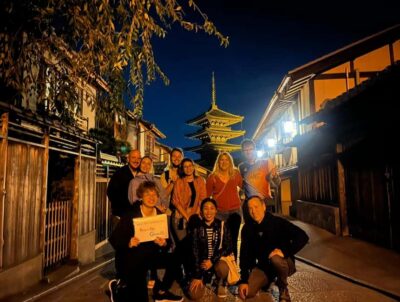
Gion Magical Night Walking Tour with Geisha Trivia
Read our review →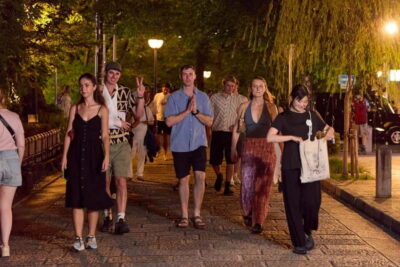
Gion Geisha District Walking Tour – Stories of Geisha
Read our review →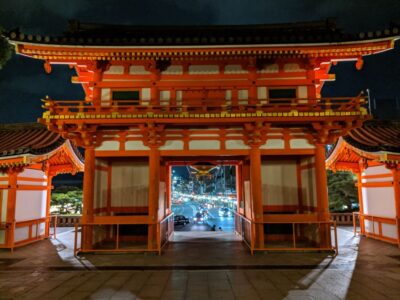
Best of Kyoto: Gion, Geisha, Pagodas & Cobblestones
Read our review →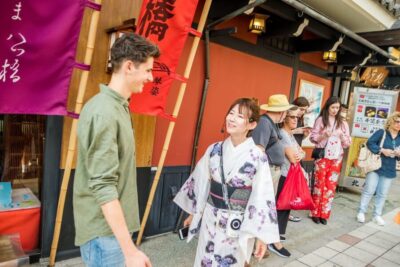
Kyoto Night Foodie Tour in Gion (9+ dishes + 6 Sake tastings)
Read our review →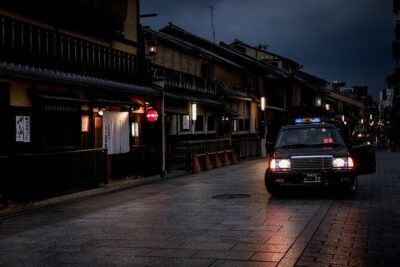
Kyoto Gion Geisha District Walking Tour – The Stories of Geisha
Read our review →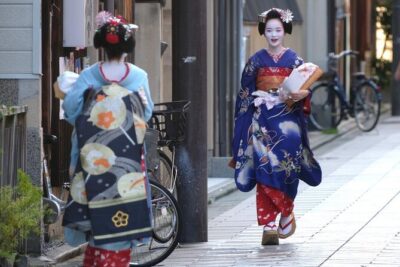
Kyoto Gion: 2-Hour Geisha Culture & History Walking Tour
Read our review →Browse the lists this tour appears in