
Reviewed · HIGASHIYAMA DISTRICT TOURS
Kyoto: Higashiyama Slow Cycling Tour along the quiet waterfront
Kyoto’s best moments are often found away from its busiest temple gates. This slow cycling tour follows the Kamo River, canal paths, quiet streets, and temple grounds by Brompton bicycle, covering about 12 kilometers without turning the morning into a race. It gives you a useful sense of how water shapes Kyoto, from the broad river to the Lake Biwa Canal and its old aqueducts.
I like the chance to reach small lanes and calm waterfront paths that are awkward to cover by bus. I also like the gentle pace, the small group of no more than six people, and the local navigator who can adjust the course to your interests. The main caution is that this is still a four-hour outing with moderate physical demands, and Nanzen-ji admission, snacks, and a 500-yen insurance fee cost extra.
Key points at a glance
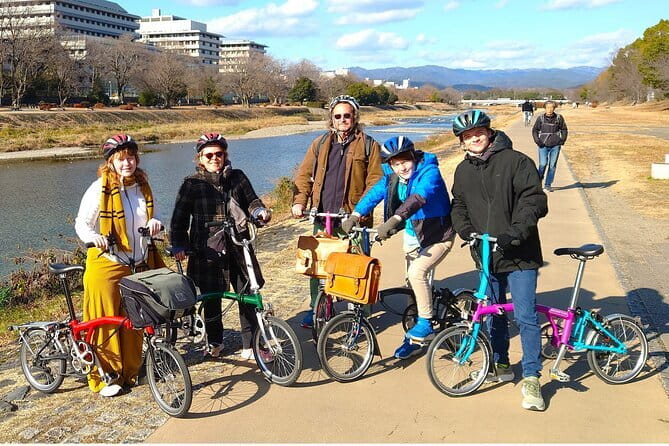
- Brompton bicycles for a relaxed ride: Compact, stylish bikes are provided along with helmets and riding equipment.
- A 12-kilometer Kyoto route: The ride links the Kamo River, Shimogamo Shrine, the Philosopher’s Walk, Nanzen-ji, Keage Incline, and Kyoto Gyoen.
- A maximum of six riders: The small group makes it easier to ask questions and request route changes.
- Water is the main theme: Rivers, canals, an aqueduct, and a former canal railway show how Kyoto has lived with water.
- A good alternative to crowded streets: The course uses quieter paths and local routes that can be difficult to find on your own.
- Extra costs are limited but real: Bicycle hire, equipment, and the navigator are included, but insurance, food, and Nanzen-ji admission are not.
Why cycling works so well in eastern Kyoto
Kyoto is easy to admire and surprisingly hard to move around. Buses can be packed, taxis add up, and walking between the Kamo River, Higashiyama temples, and the Imperial Palace takes time. A bicycle gives you a middle ground: quicker than walking, slower and more observant than a vehicle.
This tour uses Brompton bicycles, which are known for their compact folding design. You do not need to bring your own bike, helmet, or riding bag. The supplied equipment keeps the preparation simple, especially if you are visiting Kyoto with limited luggage.
The pace matters. This is not a bike trip built around speed, hills, or a high mileage target. The advertised distance is about 12 kilometers, and the tour is designed as slow cycling. You should still be comfortable riding for several hours, but you do not need to be a serious cyclist.
The route is especially useful for first-time visitors who want orientation. You see how Kyoto’s central river, eastern canals, old temple districts, and large garden spaces connect. Instead of treating each sight as a separate stop, the ride shows you the spaces between them.
More of the old streets around Higashiyama:
- Kyoto: Private Rickshaw Tour of Gion and Higashiyama Area
★ 5.0 · 144 reviews - Kyoto: Historic Higashiyama Walking Tour
★ 5.0 · 31 reviews - Kyoto: Kiyomizudera, Higashiyama and Yasaka Discovery Tour
★ 4.8 · 17 reviews
Starting at Demachiyanagi and the Kamo River
The meeting point is outside Demachiyanagi Station in Sakyo Ward, with a 10:00 a.m. start. This is a practical place to begin because the station is near the Kamo River and close to the river delta where the Kamo and Takano Rivers meet.
The first stop lasts about 15 minutes. The Kamo River is not just a scenic backdrop. It is one of Kyoto’s main organizing features, cutting through the city and giving residents a place to walk, sit, and escape the traffic. From a bicycle, you can appreciate the open space without committing to a long riverside walk.
This short opening stop also helps set the tone. You get a quick look at nature in the middle of the city, then continue toward the quieter temple and canal areas. Do not expect a long guided river lecture or a formal sightseeing session here. The value is the setting and the easy start.
Shimogamo Shrine and the Tadasunomori forest
The next stop is Shimogamo Shrine, with about 45 minutes to explore. The shrine sits north of the Kamo River delta and is recognized as a UNESCO World Heritage Site. Its surrounding Tadasunomori forest gives the visit a cooler, quieter feel than many open temple courtyards.
The forest is a major reason to linger. Sunlight filters through the trees, and the approach feels separate from the city even though you are not far from central Kyoto. This is a good place to slow down, look carefully, and let the navigator explain the role of the shrine in Kyoto’s religious and cultural life.
The tour lists no admission fee for this stop. As with any shrine visit, respectful behavior matters. Keep your voice low in the sacred areas and follow any posted instructions. Forty-five minutes is enough for a thoughtful visit, though you should not expect to see every corner of the large shrine complex.
The Philosopher’s Walk beside the Lake Biwa Canal
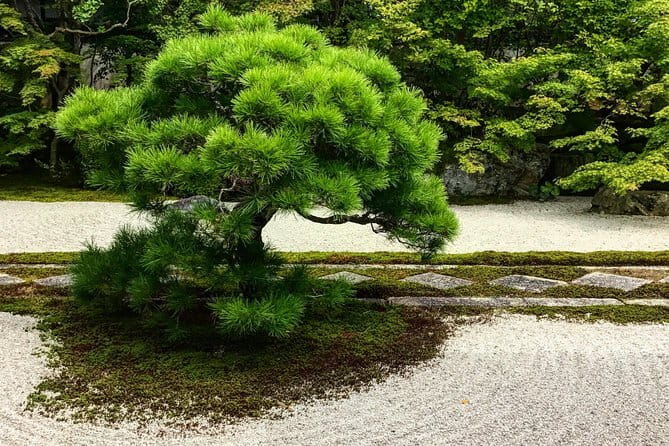
The ride then heads toward the Philosopher’s Walk, a footpath following the Lake Biwa Canal at the foot of Mount Higashiyama. The stop lasts about 30 minutes.
The path is associated with philosophers who walked here in contemplation. Its appeal is less about one dramatic monument and more about the combination of water, trees, and a narrow walking route beside the canal. It offers a welcome change after the broader Kamo River and the formal grounds of Shimogamo Shrine.
Because the Philosopher’s Walk is a footpath, this part of the outing may involve walking the bicycle or parking it while you explore. The supplied information does not specify exactly how every section is handled, so follow the navigator’s instructions. The tour is called slow cycling, not nonstop cycling, and this stop is a good example of that balance.
Thirty minutes gives you time to enjoy the canal and take photographs, but it is not a long independent stroll. If this is a place you especially want to explore at length, ask about the route before the ride begins. The course can be arranged around your wishes, within the limits of the tour.
More bike days around Kyoto:
- Hidden Kyoto E-Biking tour
★ 5.0 · 1,843 reviews - Bike Tour Exploring North Kyoto plus Lunch
★ 5.0 · 1,087 reviews - Arashiyama Bamboo Forest & Hidden Gems Bike Tour (Early Bird)
★ 5.0 · 613 reviews - 5 Top Highlights of Kyoto Full Day Bike Tour (E-bike option)
★ 5.0 · 511 reviews
Nanzen-ji, from temple gate to brick aqueduct
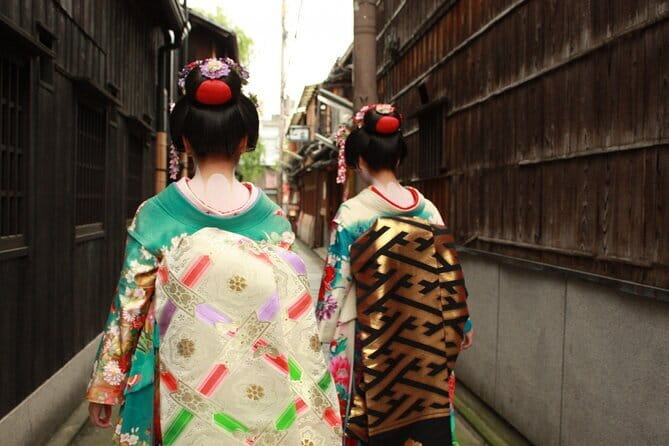
Nanzen-ji receives two separate stops, each lasting about 30 minutes. The first focuses on the temple itself. Nanzen-ji is one of the most prestigious Rinzai Zen temples in Japan, known for its large Sanmon Gate and beautiful garden.
The Sanmon Gate is also linked with Kabuki plays, which gives the structure a place in both religious and performing arts history. You can expect a more formal temple setting here than at the riverside or forest stops. The contrast helps show how varied eastern Kyoto can be within a short ride.
Admission to Nanzen-ji is not included. The supplied information does not give the exact admission price, so bring money for that possible extra. You may also have to choose how to spend the half hour. The temple complex has enough interest for a longer visit, but this tour is designed to connect several places rather than give you a full morning at one temple.
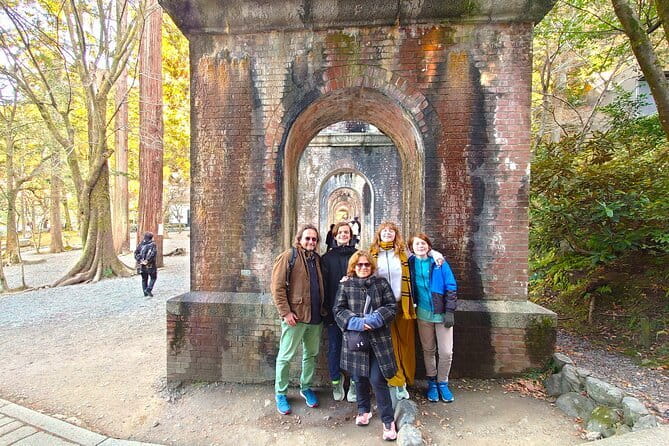
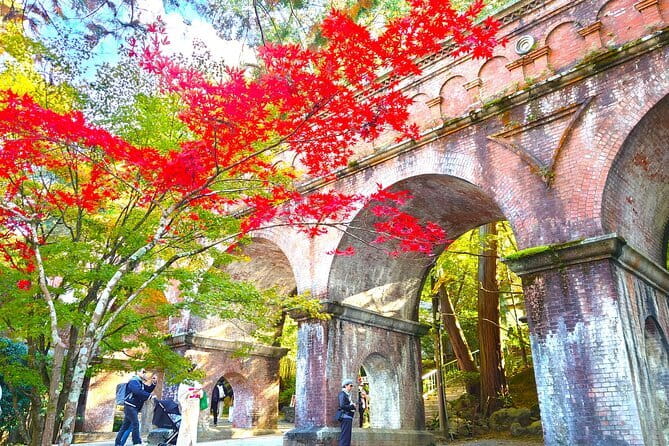
The second Nanzen-ji stop is Suirokaku, the red-brick aqueduct within the temple grounds. It carries water from the Lake Biwa Canal and remains in use today. Its brick arches look different from the wooden temple buildings, and that difference is exactly why the stop is worthwhile.
The aqueduct links Kyoto’s spiritual past with its modern development during the Meiji period. It is a reminder that temples were not the only forces shaping the city. Water management, transport, and engineering also changed Kyoto’s daily life.
The aqueduct stop is free and lasts about 30 minutes. It is also one of the more photogenic parts of the route, especially if you enjoy architectural details rather than only famous shrine gates.
Keage Incline and Kyoto’s canal engineering
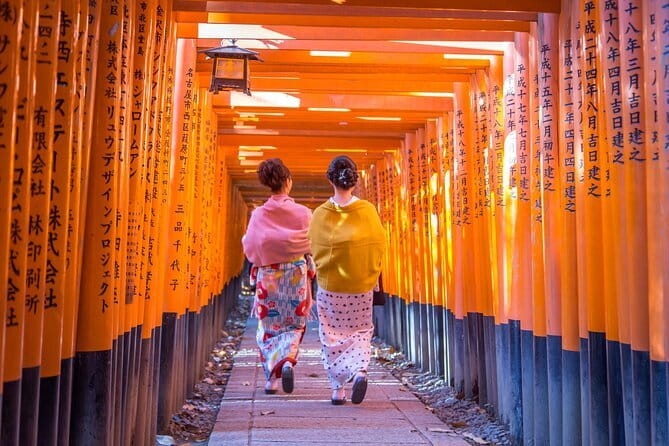
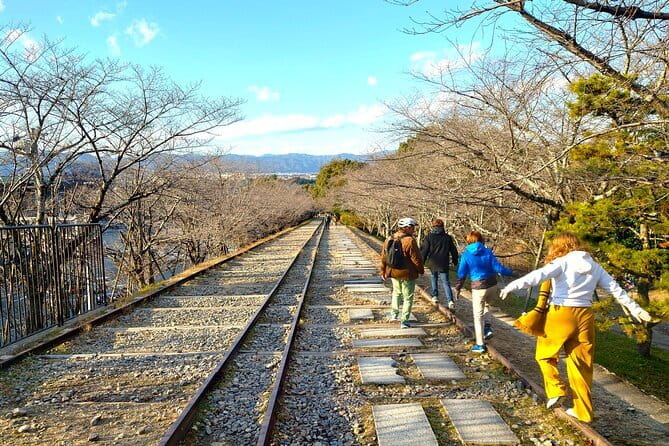
Keage Incline is another Lake Biwa Canal feature. This former incline railway helped move boats between different water levels as part of the canal transport system. The line has been preserved as industrial heritage and is especially well known for cherry blossoms.
The stop lasts around 30 minutes and is free. Its appeal depends partly on the season. In spring, the trees are a major draw. At other times, the old railway and canal engineering provide the reason to stop.
This section adds useful context to the day. You are not simply riding from one temple to another. The route shows how Kyoto used water for transport and modernization, then preserved parts of that system as public heritage.
For photographers, Keage Incline gives you a different subject from the usual temple architecture. For anyone who prefers a clear story, it also makes the earlier aqueduct easier to understand. The canal is not decoration. It is part of Kyoto’s infrastructure and identity.
Kyoto Gyoen and the former imperial center
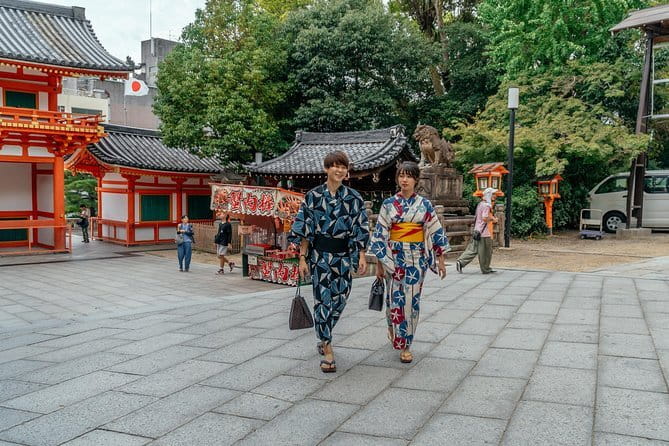
The final major stop is Kyoto Gyoen National Garden, with about one hour allotted. The garden surrounds the Kyoto Imperial Palace, which was the Emperor’s residence until the middle of the nineteenth century.
After the river, forest, canal, temple, and industrial sites, this broad garden space gives the ride a spacious finish. You can appreciate the scale of the former imperial center and take a break from tighter streets and paths.
The stop is free. One hour is generous compared with several of the earlier visits, so this may be a good place to ask for a slower pace or a little time to rest. The tour ends back at the Demachiyanagi meeting point, rather than at Kyoto Gyoen, so allow for the return ride.
The supplied route allows the course to be arranged according to your wishes. If Kyoto Gyoen is less important to you than an extra temple or a longer canal stop, discuss that at the start. Do not assume every change is possible, but the option gives the experience more flexibility than a rigid sightseeing circuit.
What the $129 price includes
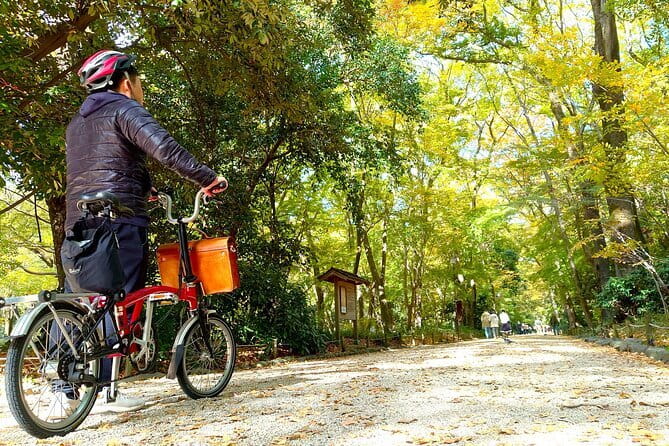
At $129 per person, this is not the cheapest way to see Kyoto. The price makes more sense if you value the bicycle, the small group, and the navigator’s route planning rather than treating the activity as simple bike hire.
The price includes:
- Brompton bicycle rental
- The exclusive navigator
- Helmets
- Bags for wheeled transport and other riding equipment
The navigator is the central part of the value. Kyoto’s quiet lanes and waterfront paths are not always obvious on a standard map, and a local route can save you from spending your morning on busy roads or getting lost between distant sights.
You also receive a route that connects several types of place. A regular rental bike could give you freedom, but you would need to plan the route, manage directions, choose appropriate roads, and decide how long to spend at each stop. Here, those tasks are handled for you.
The extra costs are straightforward. Insurance is 500 yen, snacks are not included, and Nanzen-ji admission is separate. The navigator can suggest restaurants for lunch according to your wishes, which is useful if you want a local specialty after the ride, but the meal itself is your responsibility.
Group discounts are available, and the maximum group size is six. A discount becomes more meaningful if you are booking with family or friends. If you are alone or a couple, the small group still keeps the experience personal without making it a private tour.
Fitness, weather, and practical planning
You should have a moderate level of physical fitness. The slow pace makes this more approachable than a fast cycling excursion, but four hours on a bicycle still requires steady effort. You will also stop, walk, and spend time at temple and shrine grounds.
The tour depends on good weather. If poor weather forces cancellation, you can choose another date or receive a full refund. If the minimum number of riders is not reached, the same options apply.
Confirmation is sent within 48 hours of booking, subject to availability. The activity begins at 10:00 a.m. near public transportation and returns to the starting point. A mobile ticket is available, which keeps check-in simple.
Wear clothes that are comfortable for cycling and walking. The tour provides riding equipment, so you do not need to pack a helmet or bicycle accessories. Since food is not included, plan either to carry a small snack or ask the navigator about a restaurant during the tour.
You can cancel for a full refund up to 24 hours before the start time. Changes or cancellations inside that window are not accepted, so keep the weather and your schedule in mind before the cutoff.
Who should book this Kyoto ride?
I would choose this tour if you want to see Kyoto from several angles in one morning: river life, Shinto worship, Zen temples, canal engineering, industrial heritage, and the former imperial center.
It suits you especially well if you:
- Prefer quiet routes to major traffic corridors
- Want local guidance without a large coach group
- Like taking photographs along the way
- Are curious about how water shaped Kyoto
- Want a gentle ride rather than a demanding cycling trip
- Have already seen some major sights and want a different view of the city
I would hesitate if you want a long, unhurried visit inside each temple. The schedule covers many places, so each stop is selective. I would also reconsider if you dislike bicycles, have difficulty riding for several hours, or need a fully weather-proof plan.
The strong point is the combination of access and pace. You cover enough ground to understand Kyoto’s layout, but the route still leaves room for forests, canals, temple gates, and quiet pauses. The current rating is 5 out of 5 from 10 ratings, with 100 percent recommending it, which fits the experience’s clearest appeal: finding calm roads and small city corners that are easy to miss by bus.
Should you book the Higashiyama Slow Cycling Tour?
Book it if you want a small-group Kyoto outing with local route guidance, especially if the Kamo River, canals, temple gardens, and quieter streets appeal more than a checklist of famous buildings.
The $129 price is fair for the Brompton bicycle, equipment, navigator, and carefully connected route, but it is not a bargain bike rental. The best value comes when you use the navigator’s local knowledge and ask for a course shaped around your interests.
If you are comfortable with moderate exercise and can accept the possibility of weather changes, this is a thoughtful way to see Kyoto. Bring room in your schedule for the return ride and a meal afterward, and remember that Nanzen-ji admission, snacks, and 500-yen insurance are extra.
FAQ
Where does the tour begin?
The tour begins at Demachiyanagi Station, at 32-1 Tanaka Kamiyanagicho, Sakyo Ward, Kyoto, 606-8205, Japan.
What time does the tour start?
The scheduled start time is 10:00 a.m.
How long does the cycling tour last?
The tour lasts approximately four hours.
How far do you cycle?
The course covers approximately 12 kilometers.
Where does the tour end?
The activity ends back at the meeting point near Demachiyanagi Station.
How many people can join?
The maximum group size is six people.
Is bicycle rental included?
Yes. Bicycle rental, the navigator, helmets, bags for wheeled transport, and other bicycle equipment are included.
Is Nanzen-ji admission included?
No. Admission to Nanzen-ji is not included in the tour price.
Is food included?
No. Snacks are not included. The navigator can suggest restaurants for lunch according to your wishes.
Can the tour be canceled because of weather?
Yes. The experience requires good weather. If it is canceled because of poor weather, you can receive a different date or a full refund.
Newest Kyoto experiences on the site
- Treasures of Kyoto: Gion & historical Walking Tour★ 5.0 · 6 reviews
- Whisk Your Own Matcha: A Zen Matcha Experience at Temple★ 3.6 · 7 reviews
- Kyoto tea town for matcha lovers★ 5.0 · 16 reviews
- Uji: Private immersion into Kyoto’s tea and reglious culture★ 5.0 · 17 reviews
- Kyoto Matcha Green Tea Tour★ 4.5 · 23 reviews
- Uji and Wazuka Matcha Farm Half Day Private Guided Tour★ 5.0 · 21 reviews
- Utilising upcycled Matcha! Creating matcha incense (Uji, Kyoto)★ 5.0 · 6 reviews
- Sacred Temple Yoga Experience in Japan★ 5.0 · 3 reviews
Higashiyama District Tours, compared.
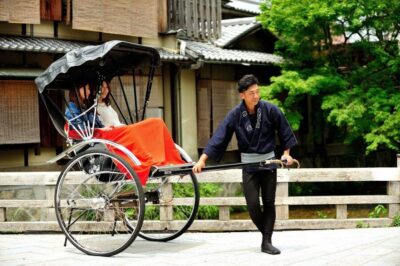
Private Rickshaw Tour of Gion and Higashiyama Area
Read our review →
Kiyomizudera, Higashiyama and Yasaka Discovery Tour
Read our review →
Kyoto Early Bird English Tour: Gion & Higashiyama(Private opt)
Read our review →
Browse the lists this tour appears in