
Reviewed · KYOTO COOKING CLASSES
Kyoto Udon & Tempura Cooking Class with Professional Chefs
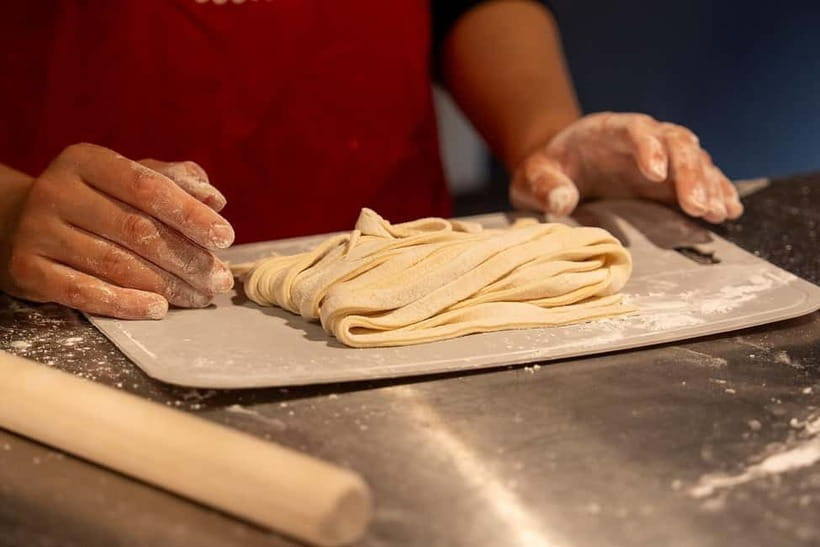
The best part of this Kyoto class is the hands-on udon making. You start with flour and water, then mix, knead, and roll the dough until it develops the chewy texture that makes udon so satisfying. It is simple work, but your hands quickly show you what the dough needs.
I like two things here. First, you cook with a local udon master rather than simply watching a demonstration. Second, the small group, limited to eight people, gives the English-speaking guide time to help with each stage. The meal, two drinks, photos, and English recipes also give the $83 price some weight.
The main caution is that the real experience may be shorter or slightly different from the advertised plan. One verified booking reported about 1 hour and 20 minutes, with no sushi preparation, no udon cooking, and tempura batter already prepared. If you need a full two-hour class covering every listed dish, confirm the current format before paying.
Key points to know before booking
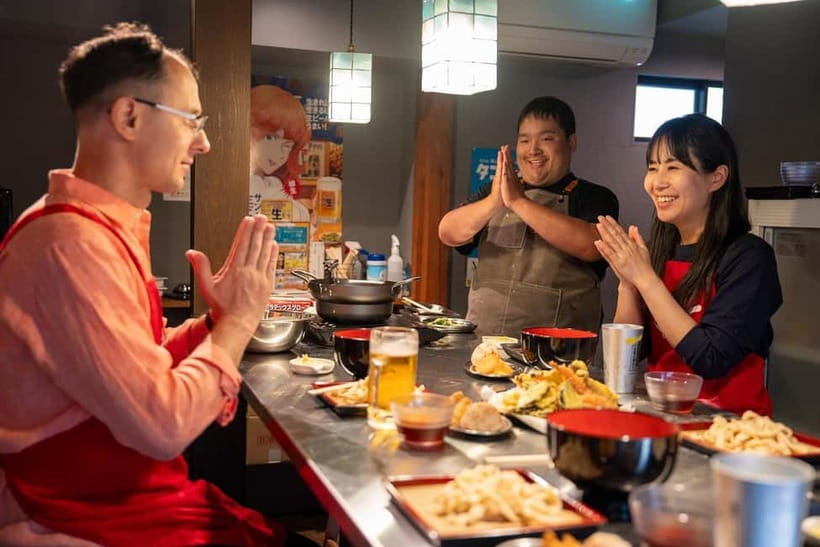
- Udon begins with flour and water: You mix, knead, and roll the dough by hand, with guidance from a local udon master.
- The class is small: A maximum of eight participants makes personal help more likely than in a large group.
- Three Japanese foods are featured: The plan includes udon, inari sushi, and tempura, though the exact hands-on steps can vary.
- You get more than the meal: Two drinks, a mini sake tasting, tour photos, and English recipes are included.
- The central Kyoto meeting point is easy to reach: Meet at the 7-Eleven near Kyoto-Kawaramachi-Takoyakushi.
- The $83 price is best for active cooks: It makes more sense if you value instruction and the social setting, not just the amount of food.
Making udon from flour, water, and patience
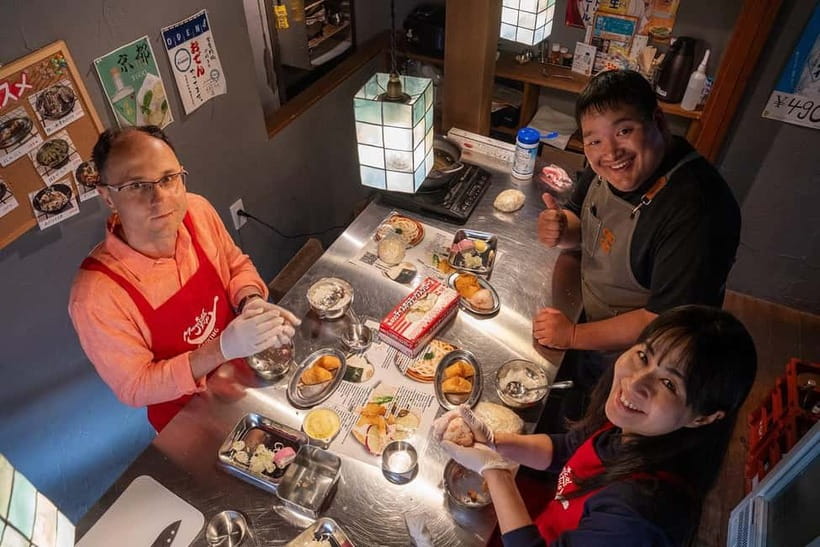
This class starts with the most distinctive task: making udon noodles from scratch. You are not handed a packet of noodles and asked to boil them. You begin with flour and water, then work the mixture by hand until it becomes dough.
That process gives you a better feel for udon than a quick cooking demonstration would. The dough changes as you mix and knead it. You learn through touch, watching how it stretches and firms up under your fingers. The local master guides the group, while the English-speaking guide helps keep the instructions clear.
You do not need cooking experience. The activity is designed for beginners, and the focus is on learning by doing rather than producing perfect noodles. That makes this a good pick for families, first-time cooks, and anyone who likes food with a little work behind it.
Rolling the dough is another practical highlight. Homemade udon needs the right thickness, and the class lets you take part in that shaping stage. You may not leave ready to open a noodle shop, but you will understand more about why fresh udon feels different from dried noodles.
One point deserves careful attention. The advertised plan says you will make udon and enjoy it as part of the final meal, but one booking reported that the group made the dough without cooking the noodles or preparing the broth. That is a meaningful difference. If boiling and serving the noodles is important to you, ask about the current class sequence before booking.
More cooking classes in Kyoto:
- Ramen Cooking Class at Ramen Factory in Kyoto
★ 5.0 · 1,937 reviews - Kyoto: Ramen Cooking Class at a Ramen Factory with Souvenir
★ 4.9 · 532 reviews - Kyoto: Ramen, Gyoza, and Onigiri Cooking Class
★ 5.0 · 445 reviews
Rice, inari sushi, and the question of what you will actually make
The class also includes instruction in Japanese rice dishes. You work with freshly steamed rice and learn how it is seasoned for inari sushi. The plan also mentions shaping onigiri and inari sushi, giving you a look at two familiar Japanese rice preparations.
Inari sushi is especially useful for a home cook because it is approachable and easy to recognize. Seasoned rice is placed inside sweet-savory tofu pockets, creating a compact snack with a soft texture and gentle flavor. Onigiri offers another simple lesson: rice can become a portable meal with the right seasoning and shape.
The written plan presents sushi as part of the cooking session, but the actual format may not always include it. One verified participant reported that no sushi was made during the class. This does not erase the value of the udon lesson, but it does make the rice portion less certain than the description suggests.
My advice is simple: treat inari sushi as an intended part of the experience, not an absolute guarantee. If learning sushi is your main reason for booking, get confirmation first. If you mainly want to make udon and enjoy a Japanese meal in a friendly setting, the uncertainty matters less.
Tempura with a simple, practical approach
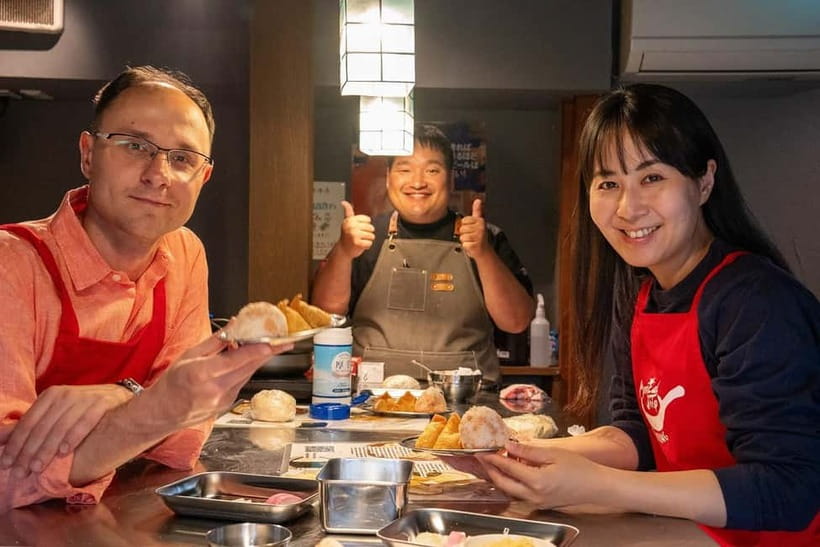
Tempura is the third major food on the menu. You are shown how to handle the ingredients, coat them, and fry them until golden. The guide and chef demonstrate the steps, then you prepare your own pieces.
This is a useful lesson because tempura looks easy but depends on small details. The coating should remain light, and the frying stage requires attention. A guided class lets you try the process without having to figure out every step alone.
Still, the hands-on portion may be more limited than the wording suggests. One participant reported that the tempura batter had already been prepared, so the activity involved dipping the ingredients before frying them. That means you may learn the cooking and frying stages without making the batter from scratch.
For some people, that is perfectly fine. You still get to handle the food and take part in frying it. If you are hoping to learn the full batter technique, though, ask exactly what the class prepares in advance.
Eating your work with two drinks
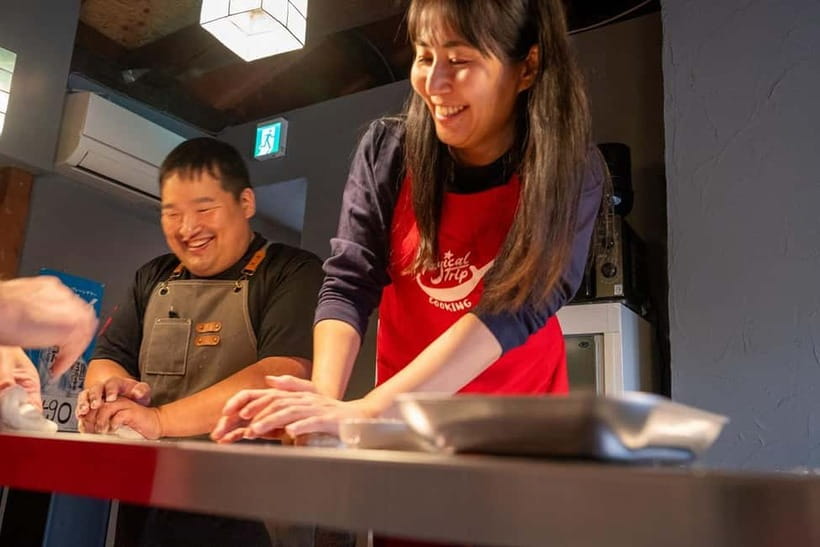
The final meal brings the separate lessons together. You eat the udon, tempura, and inari sushi included in the class, with two drinks and a mini sake tasting. This is one of the nicer features of the experience because you are not simply cooking for practice. You sit down and enjoy the result.
The sake tasting adds a small cultural touch without turning the class into a drinking event. It gives you a chance to try sake alongside food and compare how the flavors work together. The provided information does not specify the sake varieties or the second drink, so you should not book this expecting a formal tasting led through several named bottles.
The meal is also described as generous. One participant noted that it was a lot of food. That makes the class more useful as a light meal during your Kyoto day, rather than an activity that leaves you searching for lunch immediately afterward.
The food will not be restaurant-style perfection every time. You are learning, and part of the fun is seeing the results of your own shaping, seasoning, and frying. I find that a worthwhile trade. A slightly uneven inari pocket or noodle shape tells you more than a polished plate prepared entirely by someone else.
Same city, a completely different kind of day:
- PERFECT KYOTO 1-Day Bus Tour
★ 5.0 · 13,518 reviews - Kyoto: Fushimi Inari, Kinkakuji, Bamboo Grove 1 Day Bus Tour
★ 4.8 · 4,316 reviews - Kyoto: Tea Ceremony in a Traditional Tea House in Kiyomizu
★ 4.9 · 3,519 reviews - Kyoto Geisha Walking Tour: Gion District & Hidden Gems
★ 4.7 · 3,273 reviews
A local master and an English-speaking guide
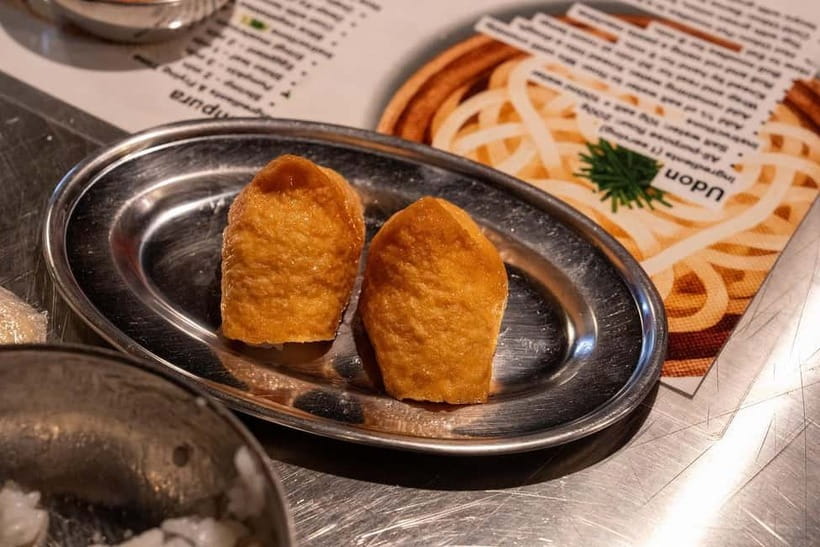
The teaching setup is a strong part of the experience. You work with a local udon master and an English-speaking guide. The master brings the practical technique, while the guide helps with communication and keeps the group moving.
The available information does not provide the instructors’ names, so you should not expect a named chef-led event. What is clear is that the guide offers close attention. One participant specifically praised the attentive guidance throughout the class.
That matters in a small cooking space. Kneading dough, shaping rice, and frying food all involve details that are easy to miss in a large class. With no more than eight participants, you have a better chance of getting help when your dough feels too stiff or your rice shape refuses to hold.
The atmosphere is meant to be friendly and relaxed. You are encouraged to enjoy the process, not compete with the other participants. The activity is suitable for all ages, and no prior cooking experience is required.
What the two-hour schedule really means
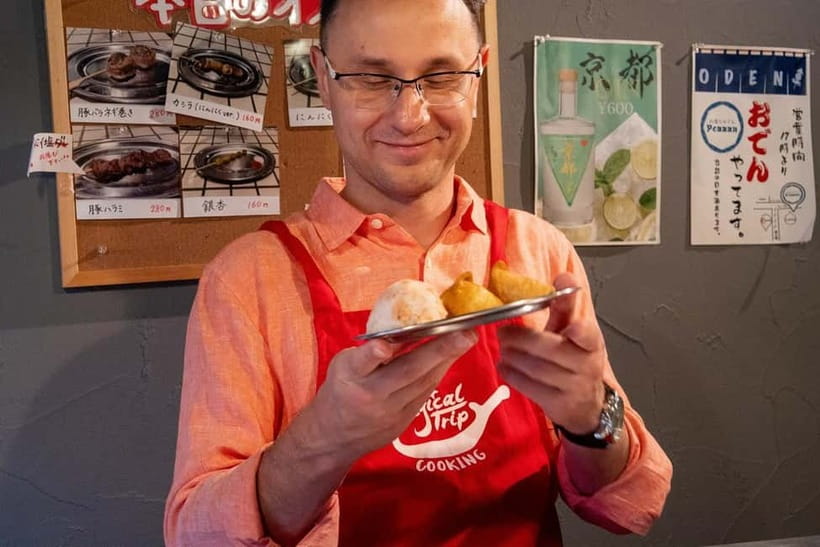
The stated duration is two hours. That is a reasonable length for making noodles, preparing the rice dishes, cooking tempura, eating, and tasting drinks. It also gives the group enough time to move at a comfortable pace if every planned element is included.
But the timing needs a practical warning. One verified account reported that the full experience, including the meal, lasted about 1 hour and 20 minutes. That same account also found that several listed steps were shortened or omitted. The advertised plan elsewhere has been described as 2.5 hours, so there is some inconsistency in the expected length.
I would leave room in your Kyoto schedule rather than building an exact train connection around the finish time. At the same time, do not assume you will receive a long, slow culinary workshop. It may be a compact class centered on udon dough, with the meal served soon after.
This timing issue affects value. If you receive the full two-hour program with udon, rice dishes, tempura, drinks, recipes, and photos, $83 is easier to justify. If the session is closer to 80 minutes and skips several preparation steps, the price feels high unless the personal instruction and meal are your main priorities.
Meeting near Kyoto-Kawaramachi
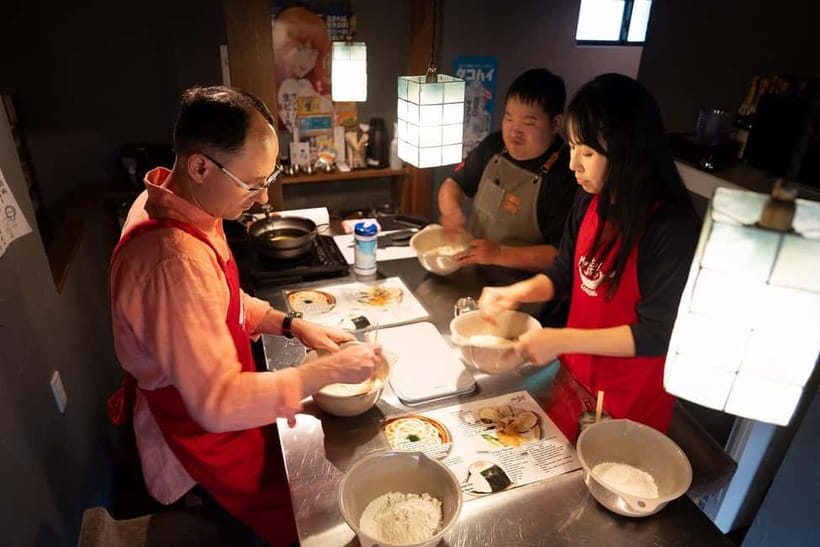
The meeting point is the 7-Eleven at Kyoto Kawaramachi-Takoyakushi. From Kyoto-Kawaramachi Station on the Keihan Kyoto Line, use Exit B3 and walk about three minutes. From Gion-Shijo Station on the Keihan Main Line, the walk is about nine minutes from Exit 3.
That central location is convenient if you are already exploring Kawaramachi or Gion. Give yourself enough time to find the correct exit, especially if you are carrying shopping bags or arriving during a busy part of the day. The provided directions identify the station exits clearly, which is helpful in Kyoto’s layered streets and underground passageways.
The class itself is not described as a sightseeing tour. You should book it for cooking, food, and contact with a local instructor, not for views or historical commentary. You can pair it with your own walk through central Kyoto before or after the meal.
Recipes and photos for after Kyoto
The English recipe set is one of the most useful included items. It gives you a chance to repeat the dishes at home with ingredients you can find outside Japan. That is more valuable than a souvenir that sits in a drawer, especially if you enjoy cooking.
The recipes are described as being designed for home use. The available information does not list the exact ingredients or provide substitutions, so do not assume every Japanese item will be available at your local supermarket. Still, the English instructions should make it easier to remember the basic methods.
Tour photos are also included. These can capture the group cooking and the finished meal, though no details are provided about how many photos you receive or how they are delivered. Think of them as a pleasant extra, not the reason to book.
Who will enjoy this class most
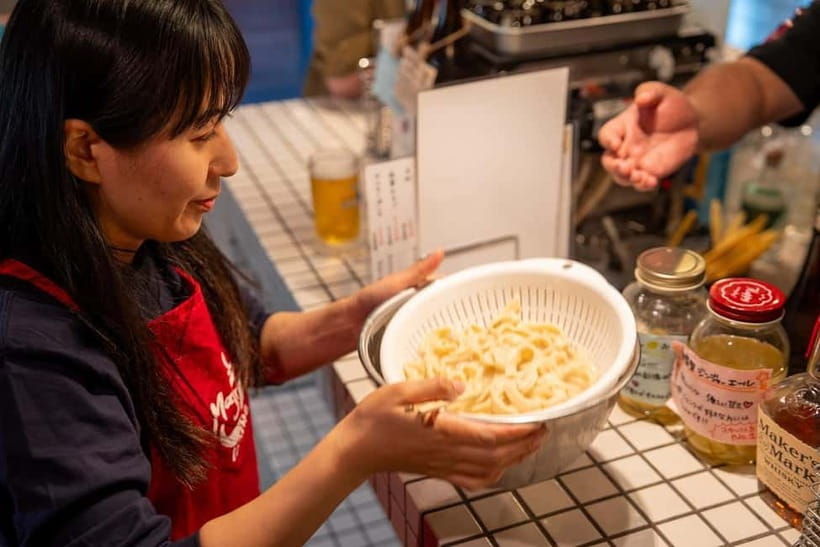
I would recommend this experience most strongly to you if you like participating in your meals. The class is not passive. You mix, knead, roll, shape, coat, fry, and eat. That makes it a better choice than a standard restaurant meal if you want a food memory you can repeat at home.
It also suits families and mixed-age groups because no previous skill is required and the activity is suitable for all ages. The small group size should help children and beginners receive more direction, though the supplied information does not specify a minimum age or special child facilities.
You may want to choose another activity if your main goal is a polished sushi workshop, a long professional chef demonstration, or a formal sake education. The class includes those foods and drinks in some form, but the hands-on depth may vary.
It is also less suitable if you have a tight schedule. The duration information is not fully consistent, and the actual class may be shorter than expected. Build flexibility around it.
Is $83 a fair price?
At $83 per person, this is not a cheap way to eat in Kyoto. You can find less expensive meals, and cooking classes often cost more than the food alone because you are paying for instruction, equipment, ingredients, translation, and the social setting.
The price looks fair if you receive the full package: personal instruction from the udon master, an English guide, three Japanese foods, two drinks, a sake tasting, recipes, photos, and a small group capped at eight. The recipe set also gives the experience some value after you return home.
The calculation changes if the session lasts only 1 hour and 20 minutes or if the sushi and full tempura preparation are missing. In that case, you are paying mainly for udon instruction, the prepared meal, and the atmosphere. That can still be worthwhile, but it is not the same value as a complete three-dish workshop.
Free cancellation up to 24 hours before the activity and reserve-now, pay-later booking make it easier to keep your plans flexible. Those policies help, but they do not solve the question of what the current class actually includes. Ask about the duration and hands-on steps if those details matter to you.
Should you book the Kyoto udon class?
Book this class if you want a friendly, beginner-level food activity in central Kyoto and especially if making udon by hand sounds appealing. The attentive guide, local udon master, small group, meal, and English recipes give you a useful blend of instruction and enjoyment.
Go in with realistic expectations. The class may focus most heavily on mixing and kneading the noodles, while the sushi, tempura batter, broth, and final cooking steps may be shorter or absent. Confirm those details before booking if you want a full cooking course.
For a first taste of Japanese home-style preparation, I think the experience can be a good fit. For a highly structured, exact two-hour workshop covering every advertised dish from start to finish, I would look for confirmation first or choose a class with a more precise menu.
FAQ
Where does the Kyoto cooking class meet?
Meet at the 7-Eleven at Kyoto Kawaramachi-Takoyakushi. It is about a three-minute walk from Exit B3 of Kyoto-Kawaramachi Station on the Keihan Kyoto Line, or a nine-minute walk from Exit 3 of Gion-Shijo Station on the Keihan Main Line.
How long does the activity last?
The stated duration is two hours. One verified booking reported a total time of about 1 hour and 20 minutes, including the meal, so the actual timing may vary.
What foods are included?
The planned foods are handmade udon, inari sushi, and tempura. Onigiri is also mentioned as part of the rice preparation. The exact hands-on steps can vary.
Do I need cooking experience?
No. The activity is designed for beginners, and ingredients are provided.
Is the class taught in English?
Yes. An English-speaking local guide assists with the class, alongside a local udon master.
How many people can join?
The class is a small-group activity limited to eight participants.
What is included besides the food?
The package includes two drinks, a mini sake tasting experience, an English recipe set, and tour photos.
Newest Kyoto experiences on the site
- Treasures of Kyoto: Gion & historical Walking Tour★ 5.0 · 6 reviews
- Whisk Your Own Matcha: A Zen Matcha Experience at Temple★ 3.6 · 7 reviews
- Kyoto tea town for matcha lovers★ 5.0 · 16 reviews
- Uji: Private immersion into Kyoto’s tea and reglious culture★ 5.0 · 17 reviews
- Kyoto Matcha Green Tea Tour★ 4.5 · 23 reviews
- Uji and Wazuka Matcha Farm Half Day Private Guided Tour★ 5.0 · 21 reviews
- Utilising upcycled Matcha! Creating matcha incense (Uji, Kyoto)★ 5.0 · 6 reviews
- Sacred Temple Yoga Experience in Japan★ 5.0 · 3 reviews
Kyoto Cooking Classes, compared.
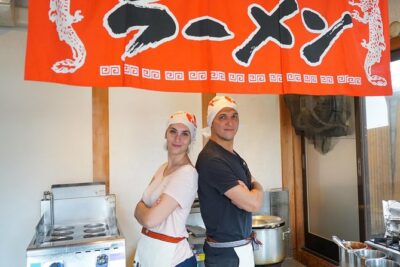
Ramen Cooking Class at Ramen Factory in Kyoto
Read our review →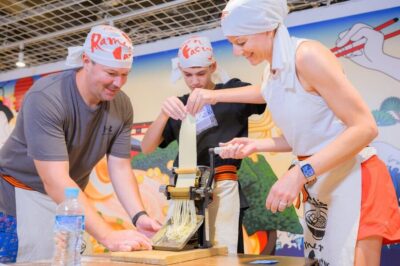
Ramen Cooking Class at a Ramen Factory with Souvenir
Read our review →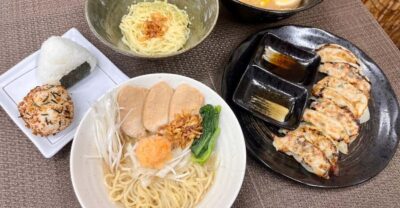
Japanese Washoku Bento Small Group Cooking Class
Read our review →
Kyoto Ramen and Gyoza Cooking Class with Professional Chefs
Read our review →
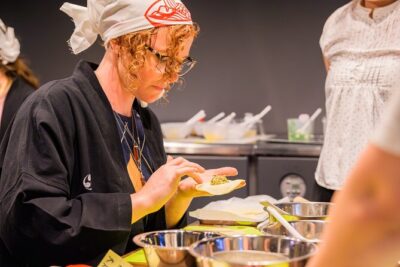
Gyoza Cooking Class in Kyoto: Traditional Japanese Dumplings
Read our review →Browse the lists this tour appears in