
Reviewed · GION DISTRICT TOURS
Kyoto: Traditional Tea Ceremony with Matcha & Sweets in Gion
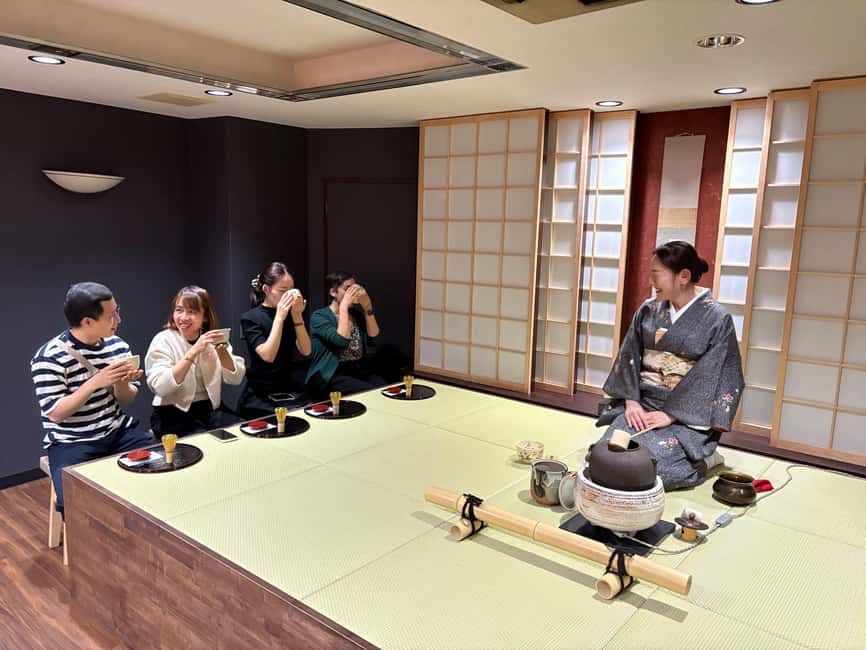
The best part of this Gion experience is its balance: you get to watch a real tea ceremony, then pick up the whisk and make your own bowl of matcha. Chair seating keeps the tradition comfortable, especially if sitting on tatami is difficult.
I like the relaxed tone and the chance to ask questions directly to the tea master. I also like the carefully chosen sweets and the matcha powder from a family-run tea farm. The main consideration is timing: depending on your booking, this may last from one hour to 150 minutes, and the kimono option follows a fixed schedule.
Key Points at a Glance
- Watch before you whisk: See refined tea techniques up close before making your own matcha.
- Comfortable chair seating: You do not need to sit on the floor for the ceremony.
- Tea and sweets together: Taste traditional Japanese confections selected for the ceremony.
- A calm lesson in Gion: Learn about tea, Zen ideas, and Japanese hospitality in an easygoing setting.
- English-speaking instruction: The tea master explains the process and answers questions.
- Optional kimono timing: The kimono package has set ceremony times and a same-day return deadline.
A Quiet Hour in the Middle of Gion
Gion is one of Kyoto’s most atmospheric districts, known for its traditional streets and old-style architecture. This activity gives you a quiet indoor pause in the middle of that historic area, with the focus placed on tea rather than sightseeing.
The setting is designed to feel elegant without demanding perfect manners or deep prior knowledge. You will not be expected to arrive as a tea expert. The guide explains what is happening, why it matters, and how you can take part.
That distinction is important. A formal Japanese tea ceremony can feel hard to enter if you do not know the gestures, rules, or Japanese terms. Here, the aim is to show you the beauty of the practice without making you feel as if you are taking an exam.
The English-speaking instruction makes this a useful first introduction to matcha culture. You learn not only how to prepare the drink, but also why the ceremony values calm attention, careful movement, and respect for the moment.
More ways to walk Gion:
- Kyoto Geisha Walking Tour: Gion District & Hidden Gems
★ 4.7 · 3,273 reviews - Kyoto: Gion Magical Night Walking Tour with Geisha Trivia
★ 4.9 · 2,393 reviews - Kyoto: Gion Geisha District Walking Tour – Stories of Geisha
★ 4.7 · 2,187 reviews
What Happens During the Tea Ceremony
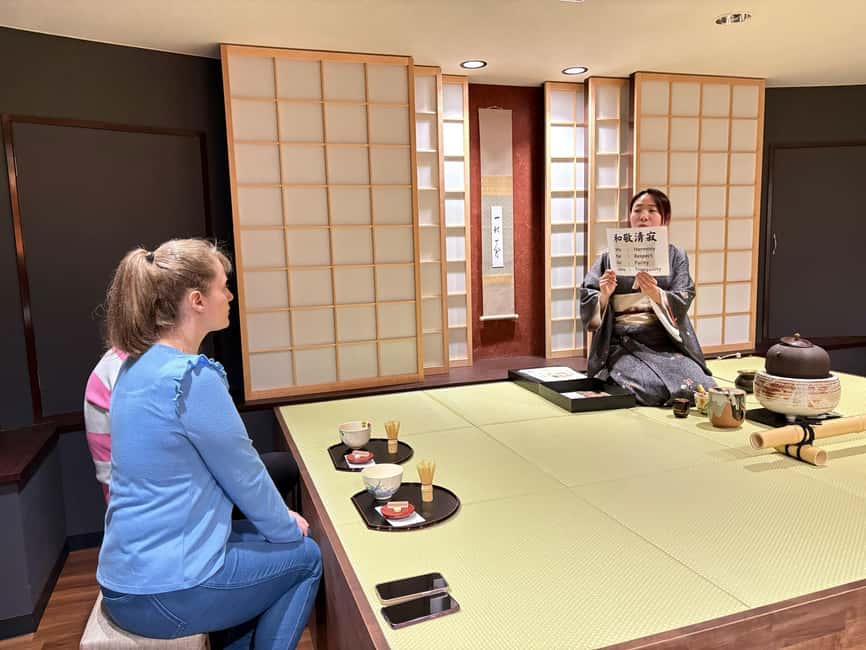
The experience begins with an explanation of tea and the ceremony’s place in Japanese culture. You will hear about the long development of tea in Japan and the Zen ideas that shaped the ceremony’s focus on simplicity and awareness.
Then you watch the tea master perform the ceremony. This is the most visual part of the activity. The movements are deliberate and controlled, from handling the utensils to preparing the tea. Watching first helps you notice small details that would be easy to miss if you were whisking your own bowl right away.
The ceremony is not presented as a theatrical show. Its appeal comes from the quiet rhythm of the actions. Water, tea powder, a bowl, and a whisk become enough for a complete cultural experience.
You should expect the atmosphere to be calm, but not stiff. The host keeps the tone friendly and approachable. One host named Mai is praised for being warm, clear, and passionate about the subject, so you may find the lesson especially easy to follow if she leads your session. The tea master’s name is not specified in the booking information, and the exact host may vary.
Making Your Own Bowl of Matcha
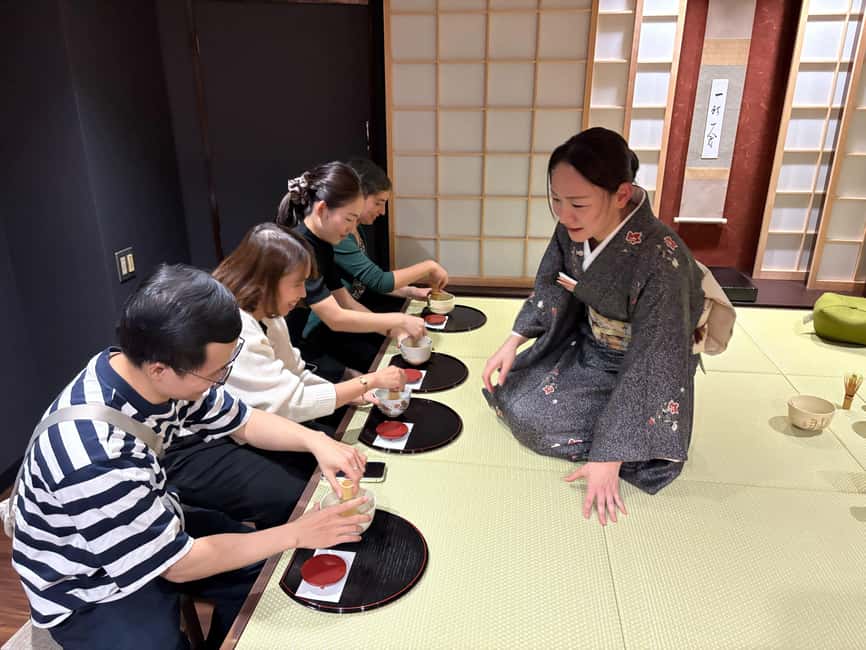
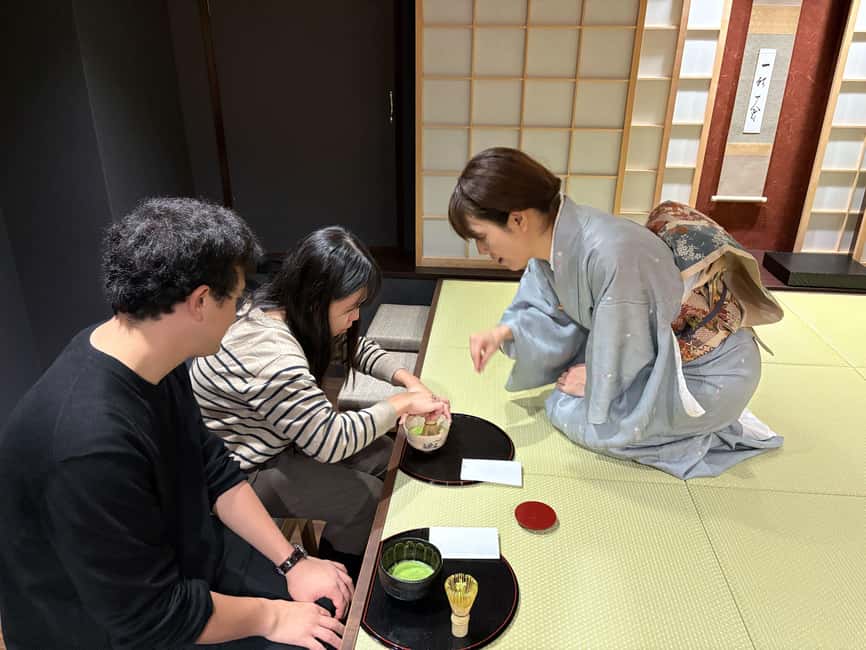
After watching the demonstration, you get to prepare matcha yourself. You will work with tea powder sourced from a family-run tea farm, and the instructor explains the basic method for mixing it into a smooth, lightly frothy drink.
This hands-on step gives the experience its practical value. You are not simply watching a ceremony and drinking something prepared for you. You learn enough of the process to repeat it at home.
The preparation is simple in principle, but the technique matters. You need to combine the powder and water properly, then whisk until the drink has a light layer of bubbles. One person found the gentle bubbling motion particularly relaxing, which makes sense: the repeated whisking gives you something quiet and focused to do.
Do not expect to become a tea master in one session. You will learn a useful home method rather than a full professional practice. The included recipe is intended for everyday enjoyment, so you can try making matcha again after returning home.
That recipe is a nice touch at this price. Many short cultural activities end when the scheduled hour is over. Here, you leave with a skill and a way to repeat part of the experience in your own kitchen.
Traditional Sweets Pair the Tea
The matcha is served with Japanese sweets selected by the tea master. These are not just a snack on the side. In a tea ceremony, the sweetness helps balance matcha’s grassy, earthy, and sometimes bitter flavor.
The sweets come from long-established confectioners, according to the experience details. The exact varieties may change, so you should not book expecting one named dessert. The important point is the pairing: you taste the sweet first, then drink the matcha, allowing the flavors to work together.
This is also a good way to notice how Japanese food culture often pays attention to contrast. Matcha has a strong character, while the confection provides a softer and sweeter counterpoint. The combination makes the drink easier for first-time tasters.
If you already drink matcha, you may appreciate the tea quality more than a beginner does. If you are new to it, the sweets give you a friendly introduction rather than asking you to face the bitterness alone.
More tea ceremonies in Kyoto:
- Kyoto: Tea Ceremony in a Traditional Tea House in Kiyomizu
★ 4.9 · 3,519 reviews - Kyoto: Tea Ceremony Ju-An at Jotokuji Temple
★ 4.9 · 3,207 reviews - Kyoto: 45-Minute Tea Ceremony Lesson Experience
★ 4.3 · 2,378 reviews - Kyoto: Table-Style Tea Ceremony at a Kyo-Machiya
★ 4.9 · 1,211 reviews
Why Chair Seating Matters
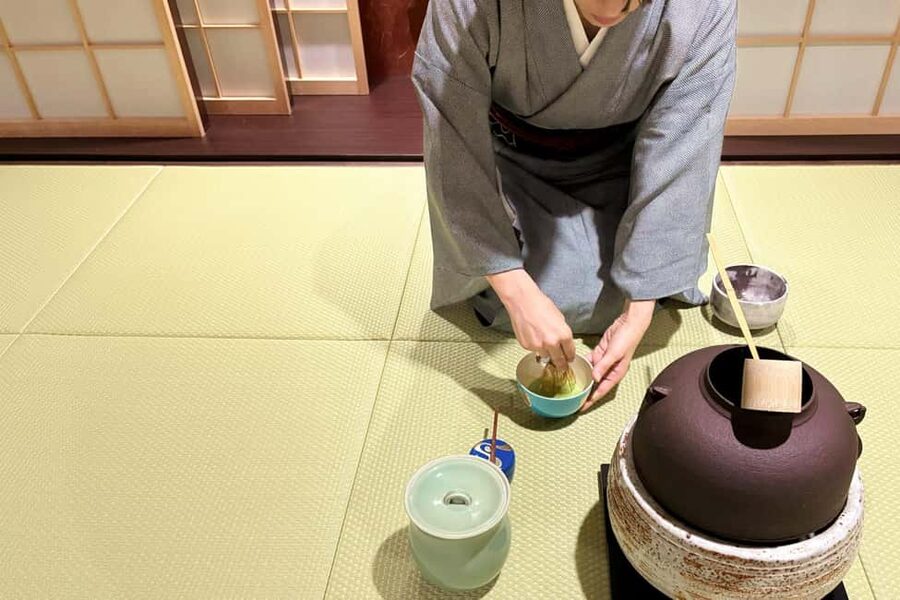
Traditional ceremonies are often associated with sitting on tatami flooring. That can be uncomfortable for people with limited mobility, stiff knees, or simply little experience sitting on the floor for an extended period.
This experience uses chairs instead. You still see the ceremony and take part in making matcha, but you can focus on the lesson rather than managing an unfamiliar seated position.
I consider this one of the most useful details for families, older adults, and anyone who wants a cultural activity without physical strain. It also makes the session easier for mixed groups, since everyone can participate in the same way.
Chair seating does change the physical feel of a traditional tea room experience. If your main goal is to recreate a highly formal ceremony exactly as it might have been practiced in a historic setting, this is a more accessible modern format. If your goal is to understand the art and enjoy it comfortably, the arrangement works well.
The Q&A Gives You Room to Ask Real Questions
The session ends with time for questions to the tea master. This is where you can clear up the details that do not always make sense in a demonstration.
You might ask about the taste of different matcha, how tea relates to Zen, or why certain movements are performed in a particular order. The supplied information confirms that a Q&A is included, but it does not promise a specific list of subjects, so your questions will shape this part of the session.
I like this format because it keeps the experience from becoming a one-way lecture. You can listen quietly if you prefer, but you can also use the final minutes to explore the parts that caught your attention.
The personal approach seems to be one of the activity’s strongest points. Mai is described as approachable and clear, and the high rating of 4.9 from 27 reviews reflects strong satisfaction with the hosts and the overall experience. The most repeated praise centers on warmth, helpful explanations, and the peaceful mood.
Price, Timing, and What You Receive
At $22 per person, this is a good-value cultural activity in central Kyoto. You receive an explanation of tea and its history, a live ceremony demonstration, traditional sweets, a bowl of matcha, instruction in making your own tea, a recipe, and time for questions.
The price is particularly fair if you want more than a tasting. A simple matcha drink can be found in many parts of Kyoto, but this experience adds context and instruction. You are paying for the personal guidance and the chance to take part, not only for the ingredients.
The listed duration ranges from one hour to 150 minutes. Check the available start times and the specific option before booking, since the length may vary. A one-hour version could fit neatly between visits to Gion sights. A longer session gives you more time for the explanation, ceremony, preparation, and questions.
The group may be small, which is helpful for watching the tea master and receiving guidance with your own bowl. The exact group size is not stated, so do not assume a private lesson.
Free cancellation is available up to 24 hours before the activity for a full refund. You can also reserve now and pay later, which helps if your Kyoto schedule is still changing.
Adding the Kimono Option
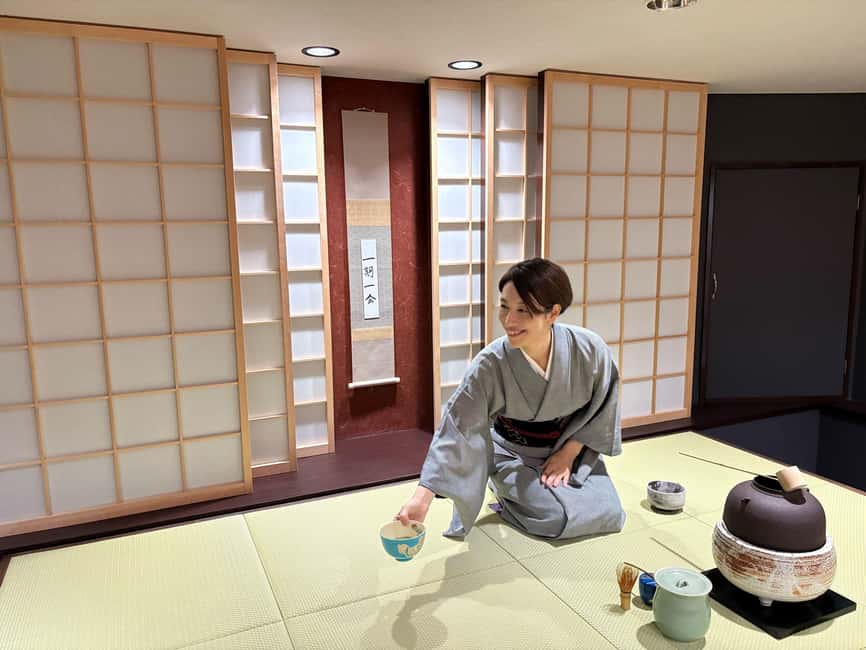
Some booking choices include kimono rental. If you select this option, you first go to the Kimono Rental wargo Gion store, located on the fifth floor. After changing, you walk to the tea ceremony meeting point on your own and arrive 10 minutes before the ceremony begins.
The kimono start time controls your tea ceremony time:
- An 11:00 kimono start connects to the 12:30 tea ceremony.
- A 12:00 kimono start connects to the 14:00 tea ceremony.
- A 14:00 kimono start connects to the 15:30 tea ceremony.
You must return the kimono by 5:30 p.m. This makes the option a full part of your Gion day rather than a quick add-on. Plan your sightseeing around the fixed ceremony and return times.
The kimono can make photographs around Gion more special, but it also adds planning. You need to reach the rental shop first, change there, walk to the tea ceremony, and return the clothing before the deadline. If you want a simple, flexible activity, choose the tea ceremony without the kimono option.
Who Will Enjoy This Most
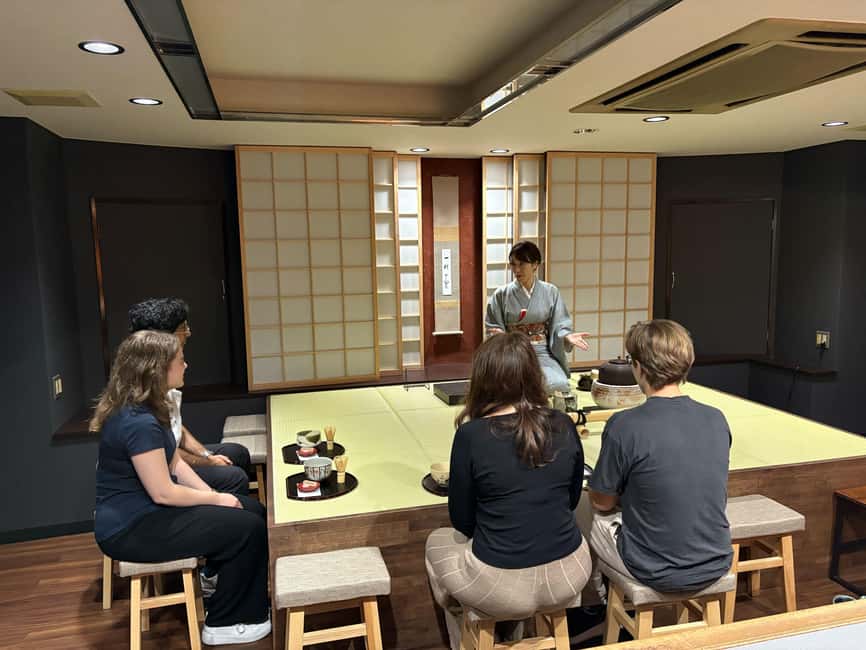
This is a good choice for a first visit to Kyoto, particularly if you want a cultural activity that does not require a full day. It suits couples, families, solo visitors, and small groups who want to learn together.
It is also useful for people who are curious about Japanese customs but wary of highly formal settings. The English instruction, chair seating, and relaxed atmosphere lower the barriers without removing the ceremony’s graceful character.
Families should note two age details. Infants and toddlers are free, but they will not receive their own matcha to prepare. If a young child wants to try, they must use a parent or guardian’s cup. Matcha is high in caffeine and is not recommended for children under five.
You will probably get the most from this activity if you enjoy learning by watching and doing. If you dislike tea, sweets, or quiet cultural demonstrations, the session may feel slow. There is no sightseeing stop or broad Kyoto tour built into it. The focus stays on matcha and the ceremony.
Practical Tips Before You Go
Check the meeting point for your selected option, since it may vary. This is especially important with the kimono package, which begins at the rental shop rather than directly at the tea ceremony location.
Allow extra time to find the building and meeting point in Gion. For the kimono option, arrive at the ceremony location 10 minutes early after changing clothes and walking from the rental store.
Keep your schedule light enough to enjoy the pace. The activity is designed as a calm cultural pause, not a rushed stop between tightly timed attractions.
If you are sensitive to caffeine, remember that matcha contains more caffeine than an ordinary cup of green tea. Children under five should not drink it, and infants or toddlers who participate use an adult’s cup.
Bring questions. The final Q&A is a chance to ask about the ceremony, tea preparation, Zen ideas, or how to make the drink at home. You will get more value from the session if you treat it as a conversation rather than only a photo opportunity.
Should You Book This Gion Tea Ceremony?
Book it if you want a short, affordable introduction to Japanese tea that combines observation, tasting, and hands-on practice. The chair seating, English instruction, family-farm matcha, traditional sweets, and friendly teaching style make it easy to recommend for first-time visitors.
Choose the kimono option only if you are comfortable with fixed times and the 5:30 p.m. return deadline. For the simplest plan, book the tea ceremony by itself.
Skip it if you want a strict, highly formal ceremony or if you have no interest in matcha. For most people looking for an approachable cultural experience in Gion, though, $22 buys a thoughtful lesson, a peaceful hour or two, and a recipe you can use long after Kyoto.
FAQ
Where does the tea ceremony take place?
It takes place in Kyoto’s historic Gion district. The exact meeting point may vary depending on the option you book.
How long does the experience last?
The listed duration ranges from one hour to 150 minutes. Check the available start times and option details when booking.
Is the tea ceremony conducted in English?
Yes. The instructor language is English, and the tea master explains the ceremony, tea history, matcha preparation, and related ideas.
Do I have to sit on the floor?
No. The tea ceremony uses chairs instead of floor seating, making it easier for people who are uncomfortable sitting on tatami or have limited mobility.
Is matcha included?
Yes. You receive matcha made with powder sourced from a local family-run tea farm, along with guidance for preparing your own bowl.
Are Japanese sweets included?
Yes. Traditional Japanese sweets selected by the tea master are included for the tea ceremony.
Can I bring a young child?
Infants and toddlers are free of charge. If they want to try making tea, they must use a parent or guardian’s cup and will not receive their own matcha. Matcha is not recommended for children under five because it contains caffeine.
More Wagashi Workshops in Kyoto
- Kyoto: Japanese Traditional Sweets Making and Tea Ceremony
★ 4.4 · 314 reviews - Kyoto Wagashi(Japanese sweets) Cooking Class near Fushimiinari
★ 5.0 · 60 reviews - Kyoto: Wagashi (Japanese sweets) Cooking near Fushimiinari
★ 5.0 · 40 reviews - Japanese Traditional Sweets ”Nerikiri” making
★ 4.3 · 17 reviews
More Matcha Experiences in Kyoto
- Kyoto: Arashiyama Bamboo Forest, Monkeys, Matcha & Temple Tour
★ 5.0 · 759 reviews - Kyoto: Tea Museum Tickets and Matcha Grinding Experience
★ 4.9 · 739 reviews - Kyoto: Tea Ceremony Meditation – Make Matcha with Tea Master
★ 4.8 · 406 reviews - Kyoto: Kimono Tea Ceremony with Matcha and Sweet
★ 4.9 · 249 reviews
Newest Kyoto experiences on the site
- Treasures of Kyoto: Gion & historical Walking Tour★ 5.0 · 6 reviews
- Whisk Your Own Matcha: A Zen Matcha Experience at Temple★ 3.6 · 7 reviews
- Kyoto tea town for matcha lovers★ 5.0 · 16 reviews
- Uji: Private immersion into Kyoto’s tea and reglious culture★ 5.0 · 17 reviews
- Kyoto Matcha Green Tea Tour★ 4.5 · 23 reviews
- Uji and Wazuka Matcha Farm Half Day Private Guided Tour★ 5.0 · 21 reviews
- Utilising upcycled Matcha! Creating matcha incense (Uji, Kyoto)★ 5.0 · 6 reviews
- Sacred Temple Yoga Experience in Japan★ 5.0 · 3 reviews
Gion District Tours, compared.

Kyoto Geisha Walking Tour: Gion District & Hidden Gems
Read our review →
Gion Magical Night Walking Tour with Geisha Trivia
Read our review →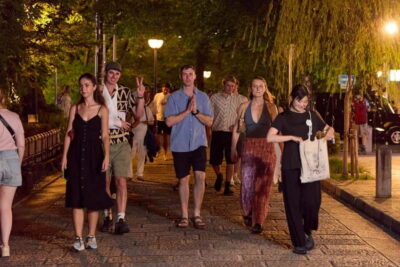
Gion Geisha District Walking Tour – Stories of Geisha
Read our review →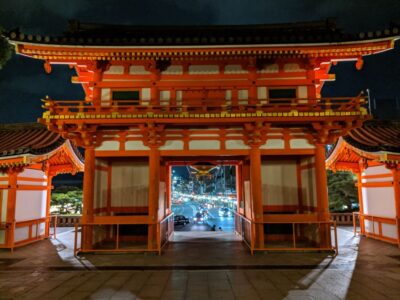
Best of Kyoto: Gion, Geisha, Pagodas & Cobblestones
Read our review →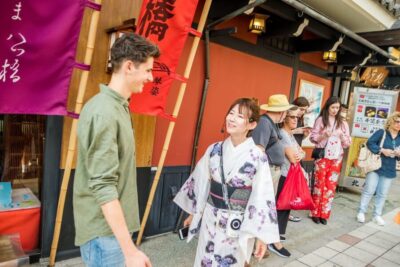

Kyoto Night Foodie Tour in Gion (9+ dishes + 6 Sake tastings)
Read our review →
Kyoto Gion Geisha District Walking Tour – The Stories of Geisha
Read our review →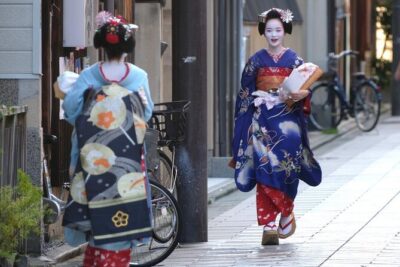
Kyoto Gion: 2-Hour Geisha Culture & History Walking Tour
Read our review →Browse the lists this tour appears in