
Reviewed · KYOTO COOKING CLASSES
Kyoto: Japanese Washoku Bento Small Group Cooking Class
The best part of this Kyoto class is that you do not just watch someone cook Japanese food. You make a full bento yourself, from dashi stock and tempura to sushi rolls, tofu salad, and a Japanese rolled omelette. The meal is generous, practical, and tied to the everyday food culture of Japan.
I like the tiny group size, capped at five, and the way the class teaches several distinct techniques instead of one narrow recipe. I also like the friendly, patient instruction from chefs such as Ai, Rie, and Miyu, with English explanations of bento history and Japanese food customs. The main catch is timing: arriving more than 15 minutes late means automatic cancellation, with no refund or same-day schedule change.
Key points at a glance
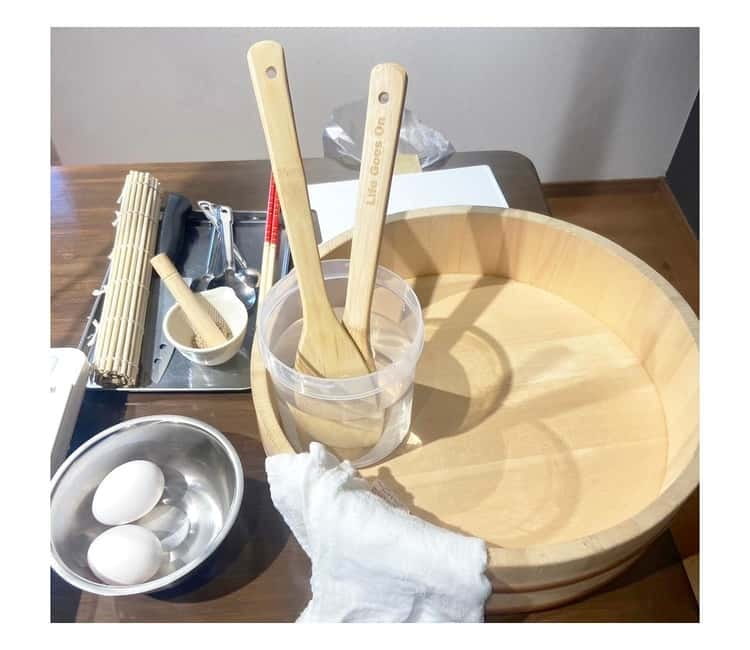
- Four different bento dishes: Make sushi rolls, tempura, tofu salad, and a Japanese rolled omelette.
- Dashi from scratch: Learn the stock that forms the base of many Japanese dishes.
- Small, hands-on group: With no more than five participants, you get room to practice and ask questions.
- Local instruction: Ai, Rie, and Miyu explain both cooking methods and the place of bento in Japanese life.
- A full meal at the end: You eat the bento you prepared, and the portions can be surprisingly large.
- Convenient Saiin meeting point: Kyoto Laundry Cafe is about five minutes from Saiin Station on the Hankyu Railway.
Why this bento class is more than a recipe lesson
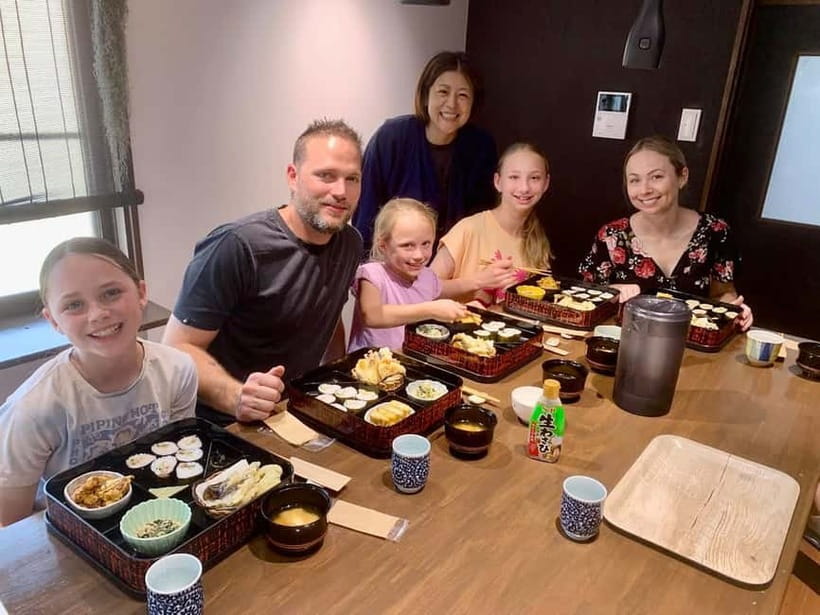
A bento box is a portable meal made up of separate dishes. That simple format gives this class a useful structure: you learn several small preparations that work together rather than spending two and a half hours on one complicated dish.
I like this approach because it shows how Japanese cooking depends on balance. You work with different colors, textures, temperatures, and flavors. A rolled omelette brings soft sweetness, tempura adds crispness, tofu salad offers a cool and gentle contrast, and sushi gives the finished box a familiar centerpiece.
The class also introduces washoku, the Japanese approach to food that values fresh, seasonal ingredients and harmony. You are not simply copying a restaurant menu. You are learning the logic behind a home-style meal, including how stock, seasoning, cutting, and presentation fit together.
That makes this a particularly useful class early in a Kyoto trip. You can begin to recognize dashi, tofu, rolled eggs, and other familiar elements when you see them later on restaurant menus or in prepared food shops.
More cooking classes in Kyoto:
- Ramen Cooking Class at Ramen Factory in Kyoto
★ 5.0 · 1,937 reviews - Kyoto: Ramen Cooking Class at a Ramen Factory with Souvenir
★ 4.9 · 532 reviews - Kyoto: Ramen, Gyoza, and Onigiri Cooking Class
★ 5.0 · 445 reviews
Meeting near Saiin Station at Kyoto Laundry Cafe
Your starting point is Kyoto Laundry Cafe, a meeting place near Saiin Station on the Hankyu Railway. The cafe is about five minutes from the station, which makes the location fairly easy to reach, but you should give yourself extra time to find it.
The instructions specifically ask you to use Google Maps rather than Instagram Maps. That is a small detail, but it matters in Kyoto, where narrow streets and similar-looking buildings can make a last-minute search frustrating.
The cafe is only the meeting point. On the day of the class, the chef comes to collect you there and takes you to the cooking location. Because the chef is scheduled to meet the group, punctuality is important. If you arrive more than 15 minutes after the meeting time, the booking is automatically canceled, and late arrival does not qualify for a refund or schedule change.
I would treat this as a firm appointment, not a casual drop-in. Plan to arrive early, especially if you are coming across Kyoto by train or need time to orient yourself around Saiin Station.
A 150-minute lesson with a personal feel
The class lasts 150 minutes, or two and a half hours. That is enough time to prepare several dishes, receive demonstrations, practice the methods yourself, and sit down for the meal.
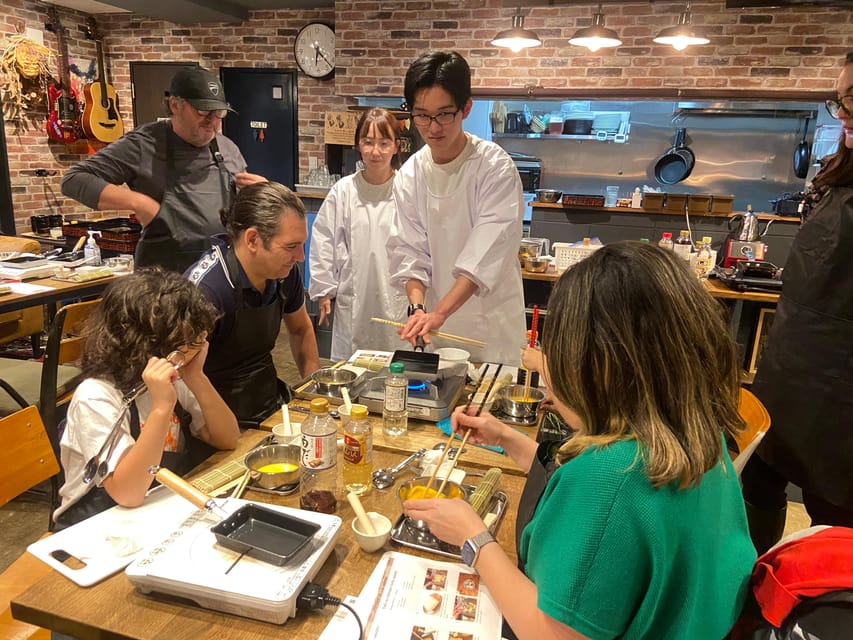
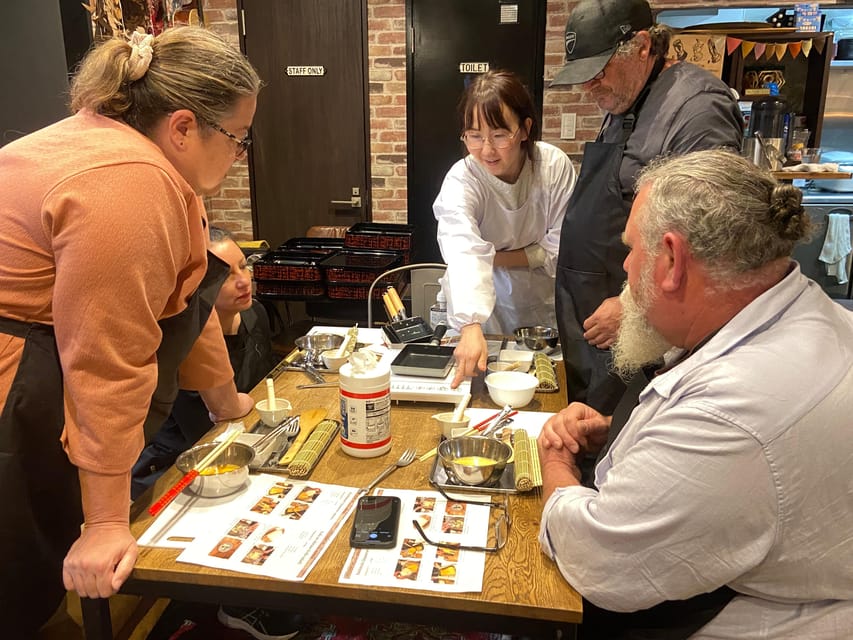
The group limit is five people. This is one of the experience’s strongest features. A large cooking class can turn into a demonstration with a few token tasks for the participants. Here, you have a better chance to handle the knife, shape the omelette, work with the sushi, and try the frying technique yourself.
The atmosphere is described as relaxed and family-style rather than formal. Some sessions have been private or nearly private, while others include a small group. You should expect to cook alongside the instructor, not simply stand back and take notes.
Aprons, ingredients, and cooking equipment are included. The class is offered in English and Japanese. The English instruction is especially useful for the technical parts, such as how to make dashi and how to handle the rolling and frying methods.
Starting with washoku and the history of bento
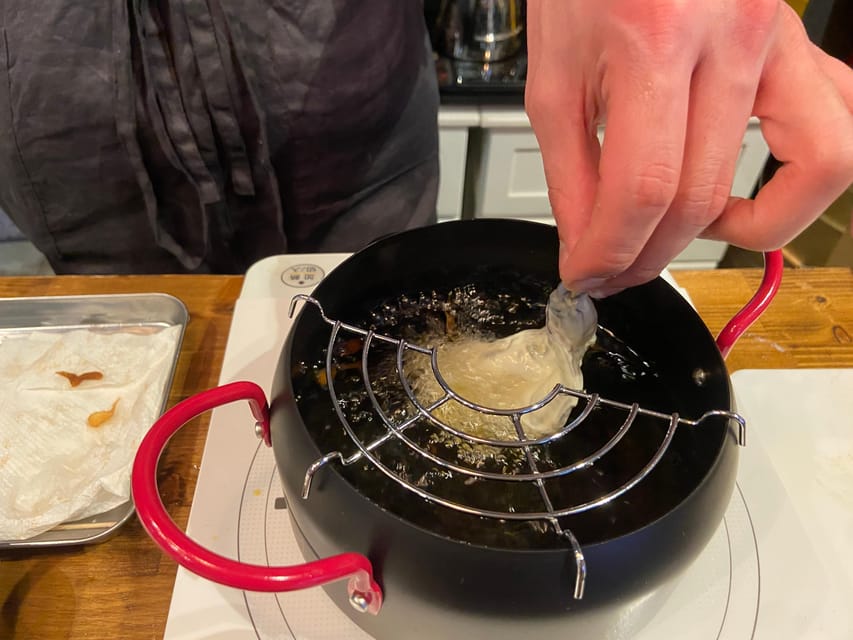
Before or during the cooking, your chef explains washoku and the story of the bento box. This cultural background gives the food more meaning.
Bento is not just a convenient plastic box filled with leftovers. Its separate compartments allow different dishes to stay distinct while creating a complete meal. The arrangement also gives attention to color and appearance, which is why a well-made bento can look almost too neat to disturb with chopsticks.
Chefs Ai, Rie, and Miyu have all led sessions, and the teaching style focuses on explaining what you are doing as you go. You can expect information about how bento is prepared and eaten in Japanese homes, along with background on the individual dishes.
I value this part because it keeps the class from becoming a list of disconnected recipes. You learn why the meal is organized this way and how the dishes relate to Japanese home cooking.
Same city, a completely different kind of day:
- PERFECT KYOTO 1-Day Bus Tour
★ 5.0 · 13,518 reviews - Kyoto: Fushimi Inari, Kinkakuji, Bamboo Grove 1 Day Bus Tour
★ 4.8 · 4,316 reviews - Kyoto: Tea Ceremony in a Traditional Tea House in Kiyomizu
★ 4.9 · 3,519 reviews - Kyoto Geisha Walking Tour: Gion District & Hidden Gems
★ 4.7 · 3,273 reviews
Learning dashi, the quiet base of Japanese flavor
Dashi is one of the most useful techniques in the class. It is a Japanese stock that gives dishes a savory foundation without relying on heavy sauces.
The chef demonstrates how to make it, explains the process, and uses it as part of the meal. This is the sort of lesson that can change how you taste Japanese food during the rest of your trip. Once you know what dashi contributes, you may notice its gentle depth in soups, sauces, omelettes, and other dishes.
Several people have found this method practical enough to repeat at home. Recipes are sent after some sessions, and one couple began making dashimaki and dashi for lunches after returning home.
That is a good measure of the class’s value. You are not only eating something pleasant in Kyoto. You are learning a basic preparation that can become part of your own cooking.
Knife skills and the Japanese approach to preparation
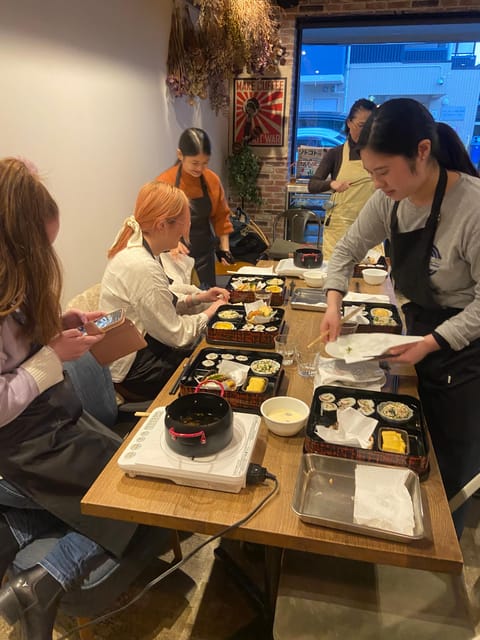
Knife work is another key lesson. The chef teaches you how to handle a knife with the Japanese approach in mind, rather than assuming you already know how to cut ingredients correctly.
The class is not presented as an advanced professional course, so you do not need special cooking experience. The point is to improve your control, understand the correct method, and see how careful cutting affects texture and appearance.
This is where the small group helps. You can watch a demonstration closely, try it yourself, and ask the chef to correct your technique. In a larger group, that kind of individual help would be harder to provide.
If you are nervous in the kitchen, the patient teaching style should make the class approachable. If you already cook regularly, you may appreciate the chance to compare familiar habits with a Japanese method.
Tempura, sushi, tofu salad, and rolled omelette
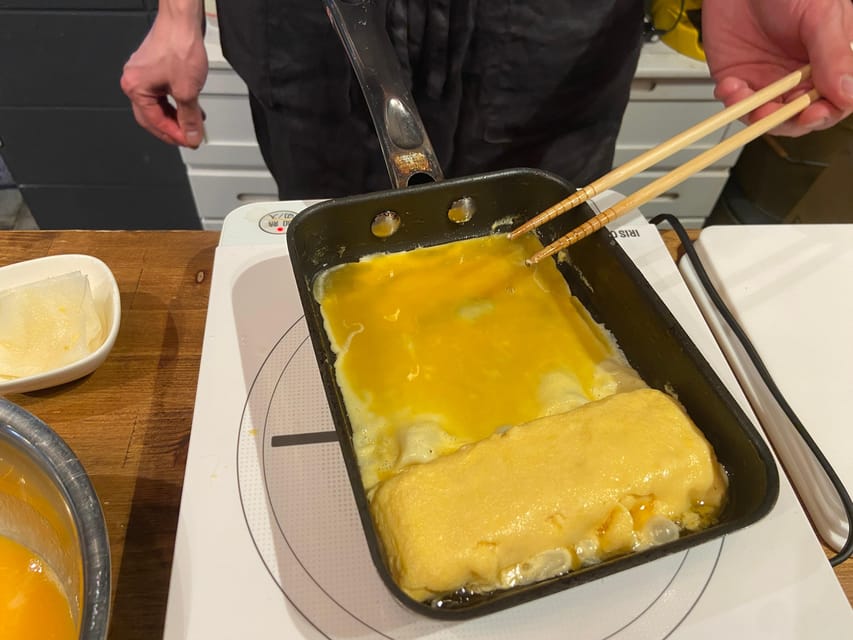
The main cooking section covers four distinct dishes, and each one gives you a different task.
Tempura
You learn how to fry tempura, including the handling of ingredients and the cooking method. Tempura looks simple on a plate, but its light coating and crisp texture depend on technique. Having the chef demonstrate it before you try gives you a better sense of timing and handling than a written recipe alone.
The practical limitation is that frying requires care. If you dislike hot oil or have limited mobility around a cooking station, this may not be the most comfortable activity. The experience is not suitable for wheelchair users, and the cooking setup may also be worth considering if standing for a long period is difficult.
Sushi rolls
The sushi section adds a familiar Japanese favorite to the bento. You make your own rolls, then place them among the other dishes.
This is a good task for beginners because it combines preparation with presentation. The finished roll needs to hold together and fit neatly into the box. You get to see how small adjustments in filling, pressure, and cutting affect the result.
Tofu salad
Tofu salad brings a softer, cooler element to the meal. It also introduces a different way to season and serve tofu than you might encounter in a fried or grilled dish.
I like its place in the menu because it prevents the bento from becoming a parade of fried or starchy foods. The dish helps show how Japanese meals balance texture and flavor without needing rich sauces.
Japanese rolled omelette
The Japanese rolled omelette, often called dashimaki tamago, is one of the most hands-on parts of the class. You use a prepared dashi mixture and learn how to build the omelette in layers.
It takes more control than a standard scrambled egg, but that is exactly why it is useful. The dish teaches heat management, timing, and gentle rolling. It also gives you a skill you can repeat at home with a little practice.
Sitting down to eat your own bento
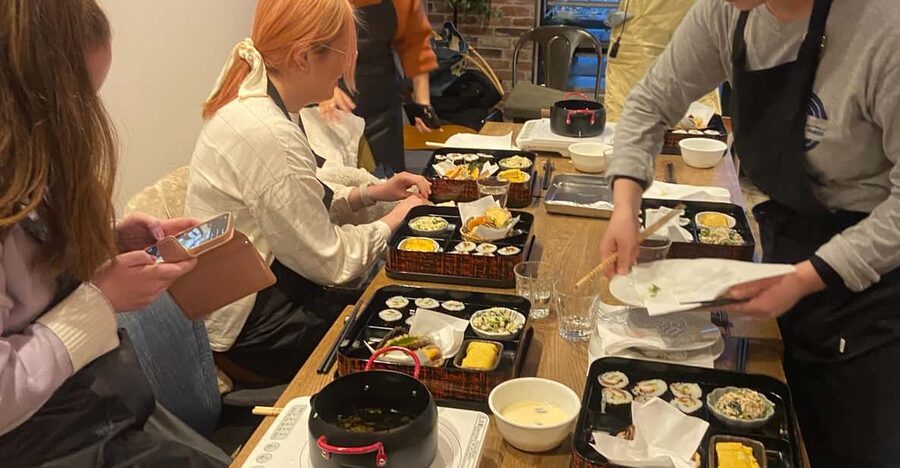
After the cooking, you arrange the dishes in your bento and sit down to eat together. This shared meal is more than a reward at the end. It gives you a chance to compare the flavors and see how the separate dishes work as one meal.
Come hungry. The amount of food can be substantial, and several people have described leaving with a very full meal. That makes the $58 price easier to assess. You are paying for 150 minutes of instruction, ingredients, equipment, a small group, cultural background, and a complete lunch or dinner.
It is not the cheapest way to eat in Kyoto. You can buy a bento for far less. But a takeaway box does not teach you how to make dashi, roll an omelette, fry tempura, or prepare sushi. If you want a cooking experience rather than just food, the price is reasonable.
The meal also creates a natural time to talk with the chef and other participants. You might meet people from different countries, and the small setting makes conversation easier than it would be in a crowded group class.
What the chefs add to the experience
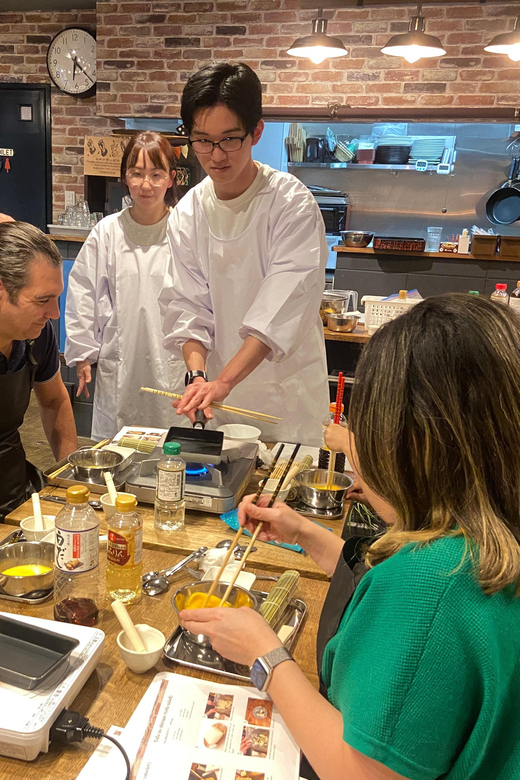
The specific chef can vary. Ai is praised for clear English, patient instruction, and explanations of Japanese cuisine and culture. Rie is described as encouraging, warm, and especially good at guiding participants through the techniques. Miyu is noted for making the class fun, informative, and well organized.
You should not book based on a guarantee of one particular chef unless the booking details confirm it. Still, the repeated pattern is clear: the instruction is personal, and the chefs do more than hand you a recipe.
The class works best because the teaching combines demonstration with participation. You are shown how to do something, then given the chance to try it. That balance matters. Too much lecture would leave you hungry for action, while a class with no explanation would give you food without much context.
Who should book this Kyoto cooking class
I would recommend this experience if you want to understand Japanese food through ordinary techniques rather than a formal restaurant meal. It suits couples, solo visitors, families with older children, and anyone who likes a practical souvenir from a trip.
It is also a good choice for people who want to cook Japanese food at home. Dashi, dashimaki, sushi rolls, tofu salad, and tempura are useful lessons, and recipes may be provided after the class.
Families have enjoyed the activity with children, including a session with a nine-year-old. The formal restrictions list children under two, under three, and under four as unsuitable, so check the booking terms carefully if you are traveling with a very young child. Babies under one year are also not suitable.
You should consider another activity if you have a severe food restriction, diabetes, or mobility needs that make a cooking station difficult. One participant with a shrimp allergy received a substitution, but you should raise dietary concerns in advance rather than assume every request can be met.
Is the $58 price good value?
At $58 per person, this is not a budget meal, but it is a fair price for a small, hands-on class with four dishes and a full meal included.
The strongest value comes from the amount you do. You are not paying only for an instructor’s talk. You prepare the food, use the equipment, practice multiple methods, and eat the results. The group limit of five also gives the experience a more personal feel than a large workshop.
I would rate the value highest for someone who will use the skills again. If you only want a quick taste of Japanese food, a restaurant or market bento will cost less and take less time. If you want cultural context, instruction, and a meal you helped create, the class earns its price.
Should you book the class?
Book it if you want a friendly, hands-on introduction to Japanese home cooking and can commit to arriving early at Kyoto Laundry Cafe. The combination of dashi, tempura, sushi, tofu salad, rolled omelette, and bento history gives you a broad lesson in a short period.
Skip it if you prefer a passive food tour, have serious dietary or mobility concerns, or dislike precise arrival rules. For everyone else, this is one of Kyoto’s more useful food activities because you leave with more than a full stomach. You leave with techniques you can try again at home.
FAQ
Where does the cooking class meet?
You meet at Kyoto Laundry Cafe near Saiin Station on the Hankyu Railway. The cafe is about five minutes from the station, and the chef comes to collect you there.
How long does the class last?
The class lasts 150 minutes, or two and a half hours.
What dishes will I make?
You will prepare sushi rolls, tempura, tofu salad, and a Japanese rolled omelette. You will also learn how to make dashi stock.
How many people are in the group?
The class is limited to five participants.
Which languages are available?
Instruction is available in English and Japanese.
What is included in the price?
The price includes the instructor, cooking class, ingredients, four dishes, aprons, and other cooking equipment.
Can I cancel the booking?
You can cancel up to 24 hours in advance for a full refund. Arriving more than 15 minutes late results in automatic cancellation, and late arrival does not qualify for a refund or schedule change.
Newest Kyoto experiences on the site
- Treasures of Kyoto: Gion & historical Walking Tour★ 5.0 · 6 reviews
- Whisk Your Own Matcha: A Zen Matcha Experience at Temple★ 3.6 · 7 reviews
- Uji: Private immersion into Kyoto’s tea and reglious culture★ 5.0 · 17 reviews
- Kyoto tea town for matcha lovers★ 5.0 · 16 reviews
- Kyoto Matcha Green Tea Tour★ 4.5 · 23 reviews
- Uji and Wazuka Matcha Farm Half Day Private Guided Tour★ 5.0 · 21 reviews
- Utilising upcycled Matcha! Creating matcha incense (Uji, Kyoto)★ 5.0 · 6 reviews
- Sacred Temple Yoga Experience in Japan★ 5.0 · 3 reviews
Kyoto Cooking Classes, compared.
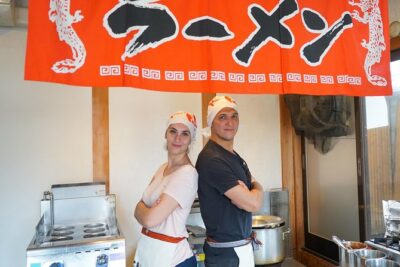
Ramen Cooking Class at Ramen Factory in Kyoto
Read our review →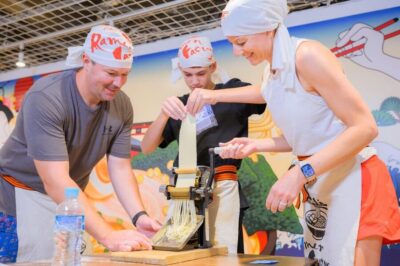
Ramen Cooking Class at a Ramen Factory with Souvenir
Read our review →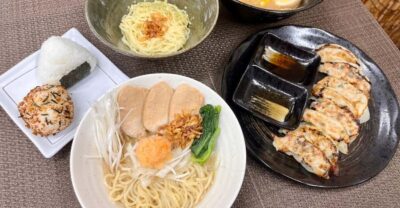
Kyoto Ramen and Gyoza Cooking Class with Professional Chefs
Read our review →
Gyoza Cooking Class in Kyoto: Traditional Japanese Dumplings
Read our review →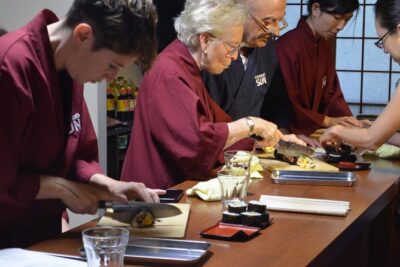
Browse the lists this tour appears in