
Reviewed · FUSHIMI INARI TOURS
Kyoto: Fushimi Sake District Tour with Boat Ride
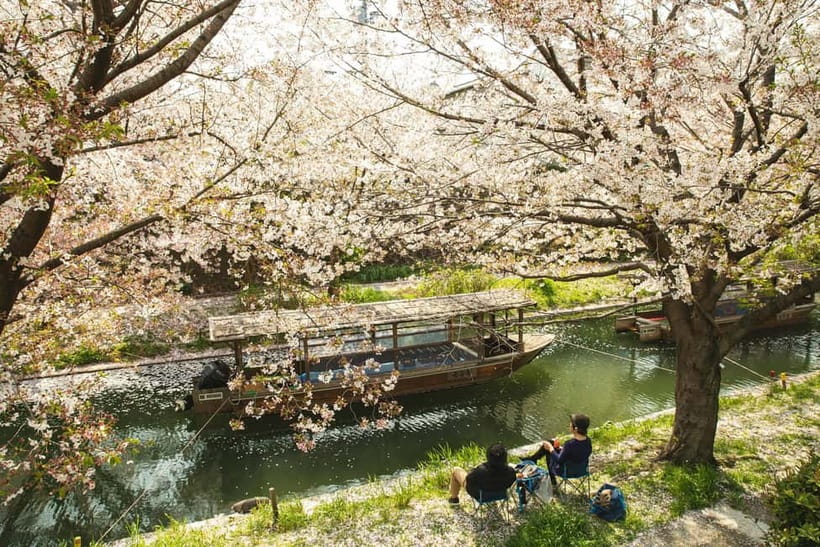
Fushimi’s best moments come on the water. The Jikkoku-bune boat ride glides past willow trees, stone bridges, and old sake warehouses on canals once used to move barrels. I like the calm start at a local temple, and I like that the brewery visit gives the scenery a cultural anchor rather than leaving you with a pleasant but vague walk. The main drawback is pace: pauses and walking between stops can make the three-and-a-half-hour schedule feel less full than expected.
The $54 price is fair if you want a guide, boat ticket, sake samples, and a focused look at one Kyoto neighborhood. Guide Katsuhiko has been especially good at connecting sake with Kyoto’s wider story, though the tour suits you best if you enjoy a relaxed outing rather than a tightly packed sightseeing sprint.
Key points at a glance
- The Jikkoku-bune cruise is the star: A gentle ride through historic canals offers a quiet change from Kyoto’s crowded temple routes.
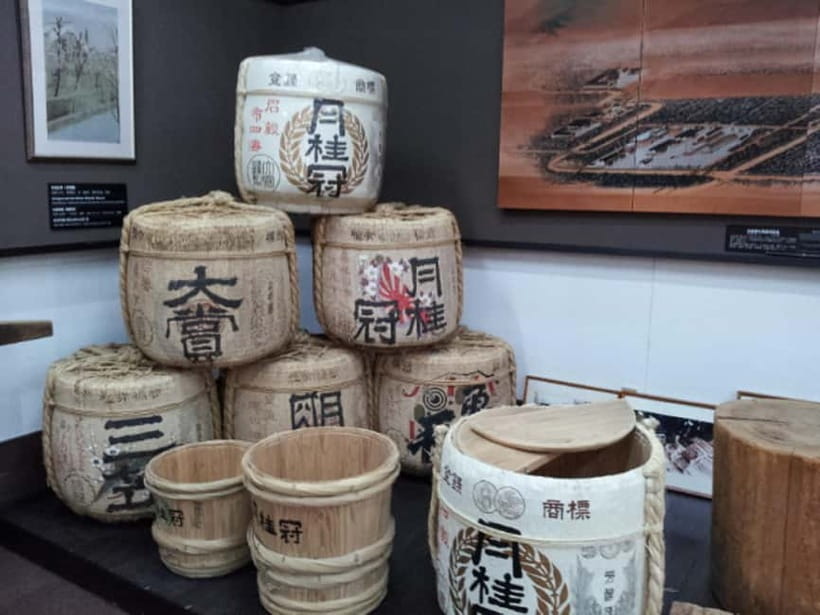
- Gekkeikan gives the tour its substance: You see old brewing tools, learn how sake is made, and sample several types.
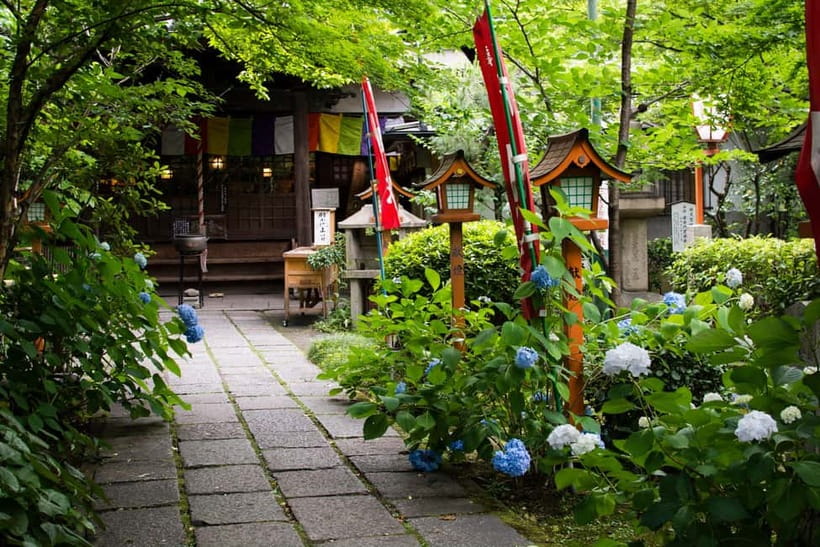
- The opening temple keeps things peaceful: Its wooden gate and quiet grounds provide a soft start before the boat and museum.
- The final coffee stop adds local character: The café occupies a restored Meiji-era building, making the break part of the sightseeing.
- Katsuhiko can add useful Kyoto context: His explanations have covered both sake production and the city’s broader past.
- Allow for walking and pauses: Comfortable shoes matter, and some of the 210 minutes may pass between scheduled stops.
Why Fushimi makes a better sake setting than a simple tasting room
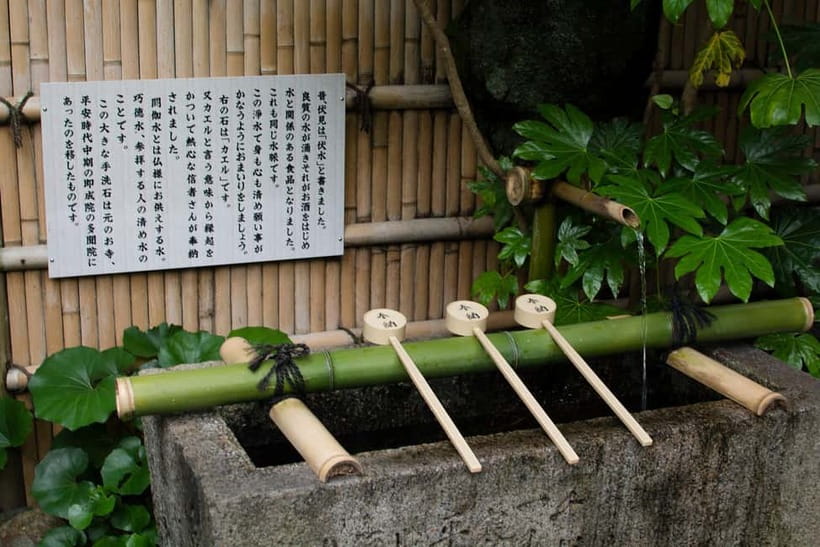
Fushimi is not just a place where sake happens to be produced. The district’s canals, old warehouses, water sources, and brewery buildings help explain why this part of southern Kyoto became closely tied to Japan’s famous rice wine.
That setting is the reason I find this tour more appealing than a stand-alone tasting. You are not simply seated at a counter with a flight of samples. You move through the district, see the waterways that once carried sake barrels, and then visit a museum devoted to the brewing trade.
The experience lasts 210 minutes, or three and a half hours. That gives you enough time to see several sides of Fushimi without giving up a full day of Kyoto sightseeing. It is a useful fit for a morning or afternoon between larger temple visits.
Still, keep your expectations sensible. This is a gentle neighborhood tour, not a packed historical survey. The boat ride is short and restful, the museum is compact, and the coffee stop is meant for reflection rather than a major meal.
More ways to walk the Fushimi Inari gates:
- Kyoto: Fushimi Inari, Kinkakuji, Bamboo Grove 1 Day Bus Tour
★ 4.8 · 4,316 reviews - Fushimi Inari Hidden Hiking Tour (Private Option Available)
★ 5.0 · 1,750 reviews - Osaka/Kyoto:Kinkakuji,Arashiyama,FushimiInariShrine,NaraPark
★ 4.1 · 1,596 reviews
Starting at Chushojima Station and easing into the district
You meet your English-speaking guide at the north exit of JR Chushojima Station. Look for a guide wearing a TripGuru shirt or carrying a TripGuru sign. This meeting point is practical, but you should arrive with enough time to get your bearings, especially if you are not familiar with Kyoto’s rail stations.
The tour begins with a walk to a quiet local temple. The temple has an elegant wooden gate and peaceful grounds, with none of the large crowds associated with Kyoto’s most famous sights. You get a short guided visit of about 35 minutes.
I like this choice of first stop. A busy itinerary often opens with the biggest attraction and leaves you fighting for space and photographs. Here, the opening pause sets the tone for Fushimi as a slower, more residential-feeling district.
The temple visit is also a good test of your preferred travel style. If you want dramatic architecture, a long temple history lesson, or a major religious landmark, this stop may feel modest. If you appreciate quiet courtyards and a chance to settle into a neighborhood, it works well.
Your guide is important here. The available experience with Katsuhiko shows how much a strong guide can add. His explanations have ranged beyond sake to Kyoto’s wider past, giving the first walk more meaning than a quick photo stop.
The one-hour Jikkoku-bune ride through old canals
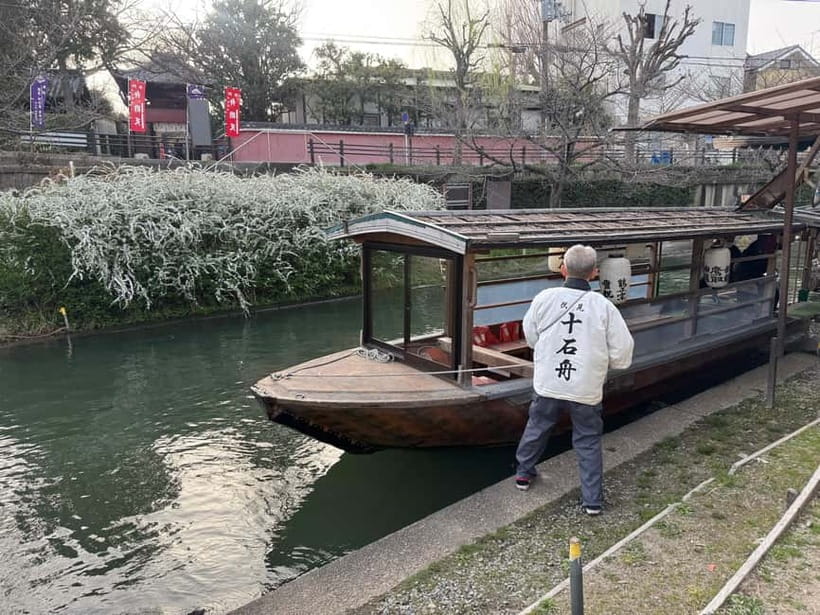
The boat section is the tour’s most distinctive feature. You board a traditional Jikkoku-bune for a gentle cruise along Fushimi’s historic canals. The waterways once served as working routes for transporting sake barrels. Today, they offer a peaceful view of willow trees, stone bridges, and old warehouses.
Do not expect a fast sightseeing cruise. The appeal lies in the slow pace. You can watch the banks pass at close range, take photographs, and enjoy a quieter side of Kyoto. The canal setting also helps you picture Fushimi as a working district rather than just a collection of tasting rooms and museum displays.
I especially like how the boat ride breaks up the walking. Kyoto sightseeing can involve a lot of pavement, stairs, and standing. A calm hour on the water gives your feet a rest while still keeping you connected to the area.
The cruise is listed as part of a longer one-hour guided and sightseeing segment. That time may include movement to the boat station and other transitions, so the actual time on the water can vary. Build in a little patience. One account of the experience found that waits and travel between sections took more time than expected.
Your camera will be useful here, but do not let it take over. The canals, bridges, and warehouses are best enjoyed from the boat, where the view changes slowly. A quiet ride can be more memorable than another crowded photo stop.
Inside the Gekkeikan Ōkura Sake Museum
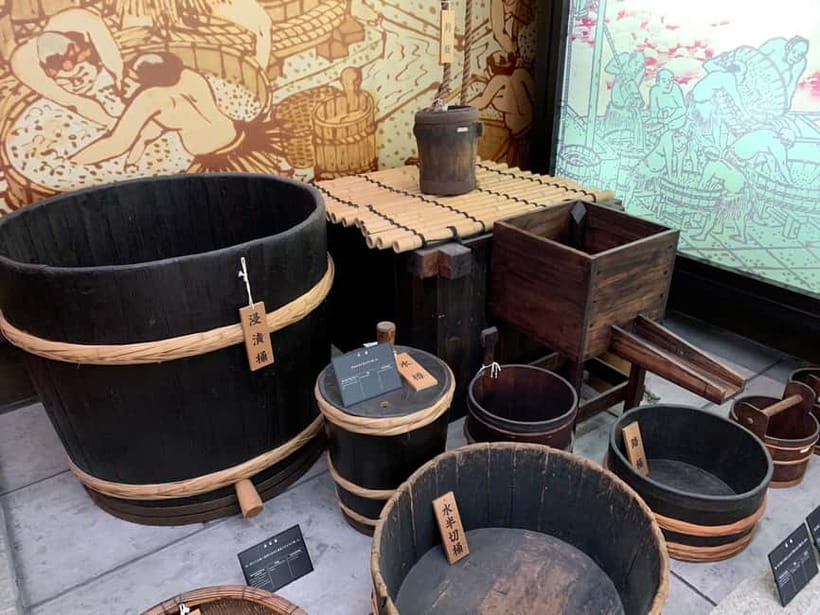
After the canal section, the tour turns to Fushimi’s main cultural subject at the Gekkeikan Ōkura Sake Museum. The visit lasts about 55 minutes and includes a guided look at sake-making methods, old tools, and displays related to the brewery’s past.
Gekkeikan is one of the best-known names in Japanese sake, so this stop gives you a clear introduction to the drink rather than treating it as an unexplained regional specialty. You learn how traditional brewing worked and see the equipment used before modern production became common.
The museum is housed in a historic building, which adds atmosphere to the visit. The older setting helps connect the tools and brewing techniques with the district outside. You have just seen the canals that moved barrels, and now you can see how the product itself was made and presented.
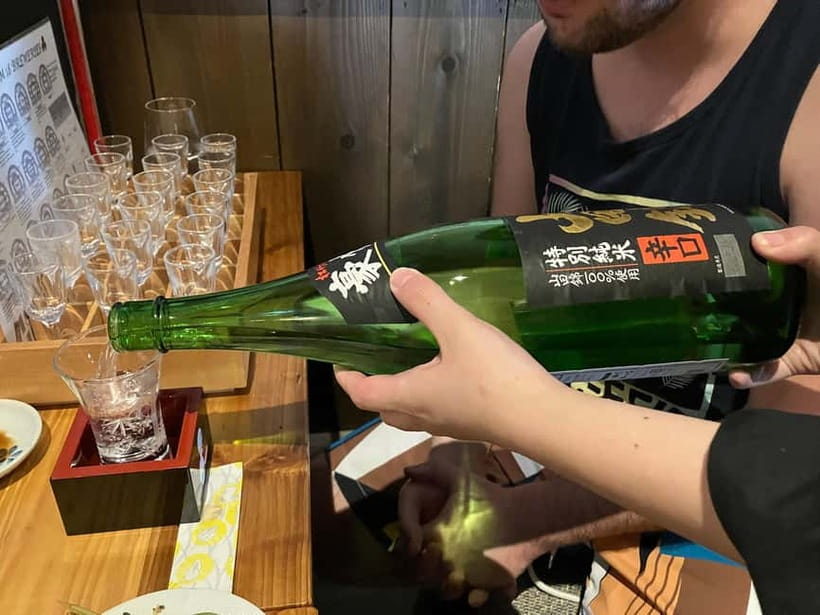
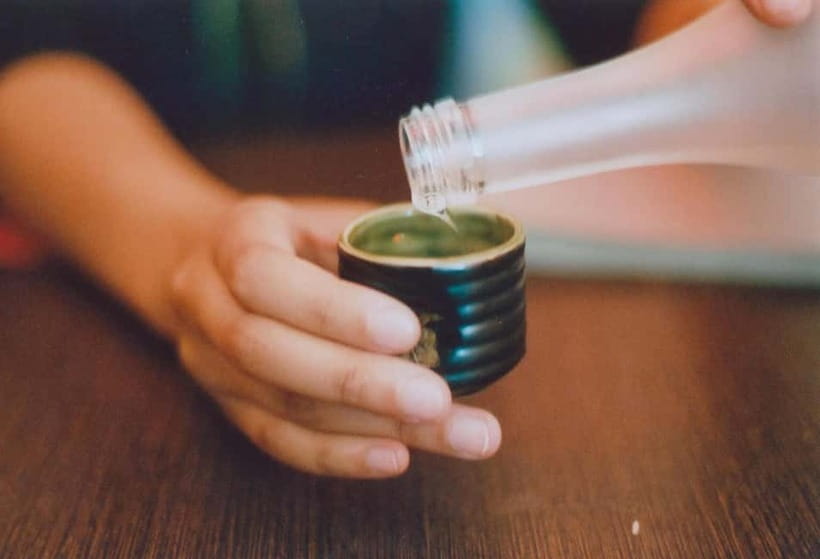
The tasting is included. You sample several types of sake, including premium varieties made with Fushimi spring water. The tasting gives you a practical way to compare flavors, and you may come away with a clearer idea of what you like.
This is also the point where the $54 price makes the most sense. A separate museum visit, boat ticket, and guided explanation would each take planning. Here, they are combined with the walk and tasting. You still pay for personal purchases, so budget extra if you want to take home a bottle.
One participant bought a favorite bottle after tasting several kinds. That is a sensible approach: taste first, shop second. The museum gives you enough information to make a more informed choice instead of grabbing a bottle based only on its label.
The brewery stop should not be confused with a full meal or a long professional tasting course. It is an educational museum visit with samples. If you already know a great deal about sake, the displays may feel introductory. For most first-time visitors, though, the combination of brewing tools, history, and tasting is well judged.
More sake tastings in Kyoto:
- Kyoto Night Foodie Tour in Gion (9+ dishes + 6 Sake tastings)
★ 5.0 · 1,762 reviews - 3-Hour Kyoto Insider Sake Brewery Tour with Tastings & Pairings
★ 5.0 · 917 reviews - Arashiyama Bamboo, Temple, Monkeys, or Secret Sake Brewery
★ 4.8 · 886 reviews - Kyoto: Insider Sake Brewery Tour with Sake and Food Pairing
★ 5.0 · 704 reviews
Coffee in a restored Meiji-era building
The tour ends with a 30-minute coffee break at a café in a restored Meiji-era building. This is a small but smart finishing touch. After the temple, boat, and museum, you get somewhere comfortable to sit, talk with the guide, and think about what you have seen.
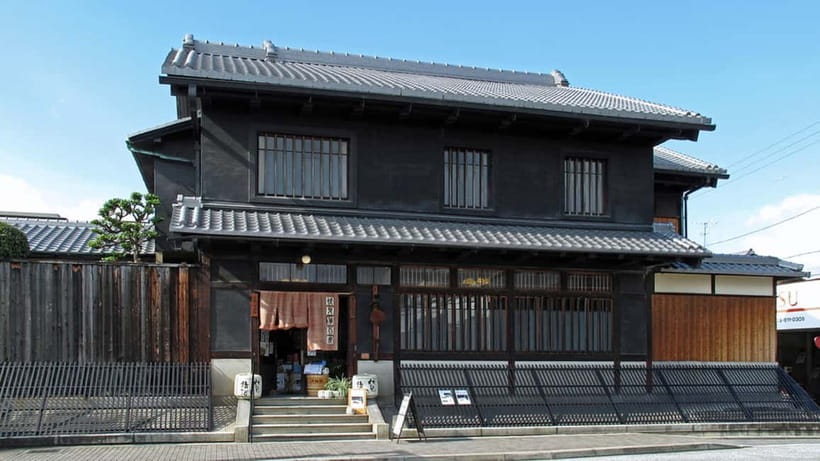
The building matters as much as the drink. A restored Meiji-era space gives the final stop architectural interest, so the break does not feel like an ordinary pause at a convenient café. The warm interior also contrasts nicely with the working canals and museum displays.
The supplied details identify this as a coffee break, but they do not specify that the drink itself is included in the tour price. Plan to cover your own café purchase unless your booking confirmation says otherwise. Personal expenses are not included.
Thirty minutes is enough for a short rest, though not enough for a long café stay. If you like tours that finish with a clear endpoint and a chance to sit down, this works well. If you would rather spend the final half hour tasting another sake or exploring more of Fushimi, the ending may feel a little soft.
What the $54 price really covers
At $54 per person, this is a mid-range half-day experience. You are paying for an English-speaking guide, the walking tour, the boat fee, and sake tasting. Hotel pickup and drop-off are not included, so you must reach Chushojima Station on your own.
I consider the price reasonable for visitors who value structure. You do not have to work out the canal cruise, locate the museum, or interpret the brewing displays alone. The guide also adds context that you might miss by visiting the stops independently.
The value depends on your priorities. If you are comfortable navigating Kyoto by yourself and only want a boat ticket and museum admission, an independent visit may cost less. You would also have more control over how long you stay at each place.
The tour earns its price through the combination of activities. The temple, canals, museum, tasting, and café are different enough to keep the half-day from feeling repetitive. You get sightseeing, transport history, food culture, and a rest stop in one compact outing.
Private and small-group options are available. A smaller group can make it easier to hear the guide and ask questions, especially during the museum portion. The exact group size and price structure should be checked when you choose a departure.
Timing, walking, and practical concerns
Wear comfortable shoes. The tour includes walking between the station, temple, canal area, brewery museum, and café. Even though the boat provides a break, this is not a seated activity from start to finish.
Bring cash for personal expenses and a camera for the canals and old buildings. The supplied guidance specifically lists both. You will also want to keep your schedule flexible enough to allow for pauses between sections.
The published stop times add up to roughly three hours, while the full experience lasts 210 minutes. The remaining time accounts for walking, boarding, transitions, and the natural rhythm of a guided outing. In practice, this means the tour may feel more spacious than the headline stops suggest.
That can be good or bad. I like having breathing room in Kyoto, where rushing from one sight to the next can drain the pleasure from the day. If you want every minute filled with commentary and activity, you may find the waits frustrating.
The experience is not suitable for pregnant women, people with mobility impairments, or people with heart or respiratory problems. The information does not give detailed accessibility specifications, so anyone with a concern should ask the operator before booking.
Cancellation is free up to 24 hours before the start time, and you can reserve now and pay later. Those policies make the tour easier to fit into a changing Kyoto schedule, but they do not change the need to check your meeting point and departure time carefully.
Who will enjoy this Fushimi outing most
I would choose this tour for you if you want a calm introduction to sake and prefer local atmosphere over a checklist of major landmarks. It works especially well on a first Kyoto visit when you want an English explanation of a Japanese drink that can otherwise seem hard to understand.
It also suits repeat visitors who have already seen the central temples. Fushimi offers a different rhythm, with working waterways, brewery buildings, and a smaller neighborhood feel.
You will probably enjoy it if you like:
- Short guided walks with clear cultural context
- Traditional boats and old waterways
- Food or drink tastings with an explanation of how they are made
- Small-group or private touring
- A quiet café stop at the end of an outing
I would think twice if you want a major temple, a long sake seminar, or a fast-moving itinerary. The opening temple is understated, the boat is gentle, and the museum visit is compact. The experience is about atmosphere and connection, not spectacle.
The guide can shape the day. Katsuhiko has been praised for explaining Kyoto as well as sake, and that broader approach is useful if you want the district placed in a larger story. Still, guide quality can vary by departure, so do not expect every explanation to have the same depth.
Should you book the Fushimi sake and boat tour?
Book it if you want a relaxed half-day that combines canal scenery and sake culture without making you plan every detail yourself. The boat ride is the strongest reason to choose it, while the Gekkeikan museum and tasting give the outing a clear purpose.
At $54, the package is good value for visitors who want a guide, boat ride, museum visit, and samples in one booking. Go in knowing that some time may be spent walking or waiting, and that the café purchase and other personal expenses are extra.
For a quiet Kyoto morning or afternoon, I think this is a well-balanced choice. It gives you a side of Fushimi that is easy to miss if you only visit famous temples, and it finishes before the experience starts to feel like a full-day commitment.
FAQ
Where does the Fushimi sake tour meet?
Meet at the north exit of JR Chushojima Station. Look for a guide wearing a TripGuru shirt or holding a TripGuru sign.
How long does the tour last?
The experience lasts 210 minutes, or three and a half hours. The schedule includes the temple visit, boat cruise, Gekkeikan Ōkura Sake Museum, and coffee break.
Is the tour conducted in English?
Yes. The tour has a live English-speaking guide.
Is sake tasting included?
Yes. Sake tasting is included, with samples available at the Gekkeikan Sake Museum.
Is the boat ride included in the price?
Yes. The boat fee is included. The cruise uses a traditional Jikkoku-bune boat on Fushimi’s historic canals.
Are hotel transfers included?
No. Hotel pickup and drop-off are not included. You must make your own way to JR Chushojima Station.
Can I cancel the booking?
Yes. You can cancel up to 24 hours in advance for a full refund. The reserve-now, pay-later option is also available.
More River Boat Trips Near Kyoto
- Kyoto Bus Tour: Sagano Railway & Hozugawa River Boat Ride
★ 4.0 · 21 reviews - Kyoto Hozugawa River Boat Sagano Romantic Train Tour
★ 3.9 · 8 reviews - Fushimi Kyoto Walking Tour with Sake Tasting and Canal Boat Ride
★ 4.0 · 5 reviews - Kyoto: Private Boat Cruise with Shamisen and Games
★ 5.0 · 5 reviews
More Bars and Sake Stops in Kyoto
- Kyoto: Izakaya Bars Guided Walking Tour
★ 4.9 · 815 reviews - Kyoto Sake Brewery & Tasting Walking Tour
★ 5.0 · 623 reviews - Kyoto Bar Hopping Night Tour
★ 5.0 · 613 reviews - Kyoto Local Bar Crawl in Kawaramachi Area
★ 5.0 · 378 reviews
Newest Kyoto experiences on the site
- Treasures of Kyoto: Gion & historical Walking Tour★ 5.0 · 6 reviews
- Whisk Your Own Matcha: A Zen Matcha Experience at Temple★ 3.6 · 7 reviews
- Kyoto tea town for matcha lovers★ 5.0 · 16 reviews
- Uji: Private immersion into Kyoto’s tea and reglious culture★ 5.0 · 17 reviews
- Kyoto Matcha Green Tea Tour★ 4.5 · 23 reviews
- Uji and Wazuka Matcha Farm Half Day Private Guided Tour★ 5.0 · 21 reviews
- Utilising upcycled Matcha! Creating matcha incense (Uji, Kyoto)★ 5.0 · 6 reviews
- Sacred Temple Yoga Experience in Japan★ 5.0 · 3 reviews
Fushimi Inari Tours, compared.
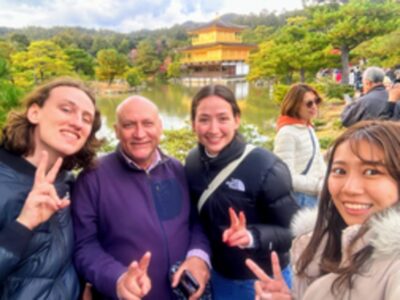
Fushimi Inari, Kinkakuji, Bamboo Grove 1 Day Bus Tour
Read our review →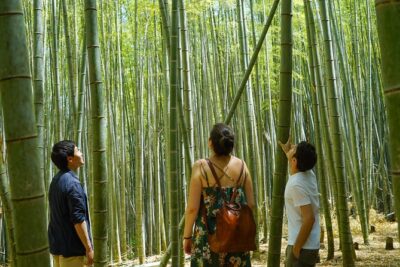
Fushimi Inari Hidden Hiking Tour (Private Option Available)
Read our review →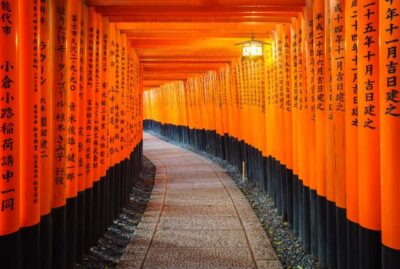
Kinkakuji,Arashiyama,FushimiInariShrine,NaraPark
Read our review →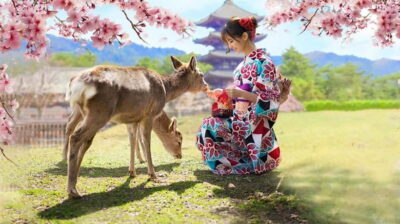
Nara, Fushimi Inari Taisha, Arashiyama Bus Tour
Read our review →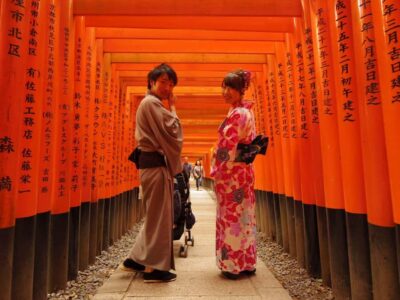
Arashiyama, Nara & Fushimi Inari Shrine w/Lunch
Read our review →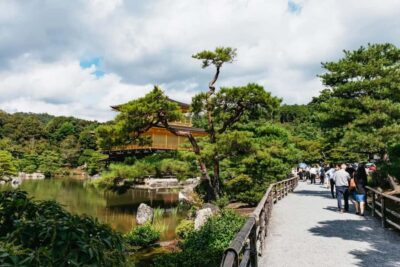
Nijo Castle, Kiyomizu & Fushimi Inari Guided Tour
Read our review →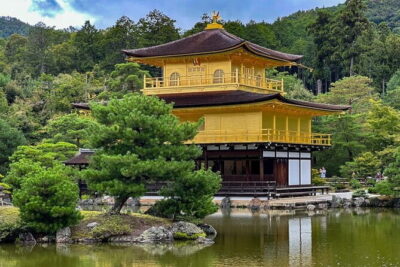
Nijo, Kinkaku-ji, Arashiyama, Kiyomizu & Fushimi Inari
Read our review →
Browse the lists this tour appears in