
Reviewed · FUSHIMI INARI TOURS
Kyoto: Fushimi Inari Taisha Guided Walking Tour
Fushimi Inari Taisha is one of Kyoto’s most striking sights: thousands of vermilion torii gates climb Mount Inari behind a busy shrine at the mountain’s foot. I like that this tour gives you a guide to explain the fox messengers and Inari worship, rather than leaving you to see the gates as a pretty photo backdrop. I also like the choice between a shorter visit and a longer uphill walk.
The main consideration is physical effort. The upper shrine option adds about an hour of walking on a mountain trail, and the full route can be hot, steep, and tiring. If you only have limited time, or if hills are a concern, the lower shrine and nearby torii gates may be the better choice.
Key points
- Thousands of vermilion torii gates: Walk through the famous tunnels and learn why individuals and businesses donate them.
- Two route choices: Pick the lower shrine for a shorter visit, or add the Mount Inari trail and city views.
- Small English-speaking groups: The group is limited to nine people, giving you room to ask questions.
- A useful two to three hour plan: The tour fits neatly into a Kyoto morning or afternoon.
- Thirty minutes for street food: The route includes time to walk around the food stalls near the shrine, though food and drinks cost extra.
- Flexible booking: Same-day bookings may be available, with free cancellation up to 24 hours before the start time.
Why Fushimi Inari deserves more than a quick photo
Fushimi Inari Taisha is often recognized instantly from its long lines of red-orange gates. The sight is memorable, but the shrine becomes far more interesting once you understand what you are seeing.
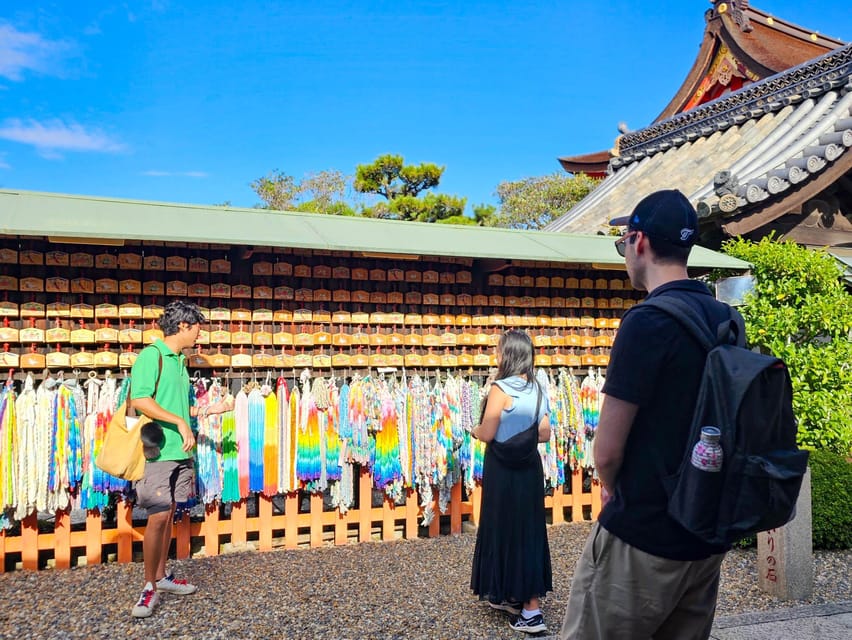
Inari is associated with agriculture and commerce. The fox statues around the shrine are not the deity itself. They are regarded as messengers, which explains why fox imagery appears so often around the grounds. A guide can connect these details to the buildings, offerings, and smaller shrines you pass along the way.
I like having that context here because Fushimi Inari is not one single building. It spreads from the lower shrine at the foot of Mount Inari up a network of paths and smaller worship sites. You can look at the gates as scenery, or you can understand them as part of an active religious place supported by people and businesses.
The setting also changes as you walk. The lower area feels more open and formal, with the main entrance and offering hall. Higher up, the gates create narrow passages through the wooded mountain. The route gives you a different view of Kyoto and the surrounding hills, although the reward comes with stairs and a steady climb.
More ways to walk the Fushimi Inari gates:
- Kyoto: Fushimi Inari, Kinkakuji, Bamboo Grove 1 Day Bus Tour
★ 4.8 · 4,316 reviews - Fushimi Inari Hidden Hiking Tour (Private Option Available)
★ 5.0 · 1,750 reviews - Osaka/Kyoto:Kinkakuji,Arashiyama,FushimiInariShrine,NaraPark
★ 4.1 · 1,596 reviews
Meeting your guide near the shrine
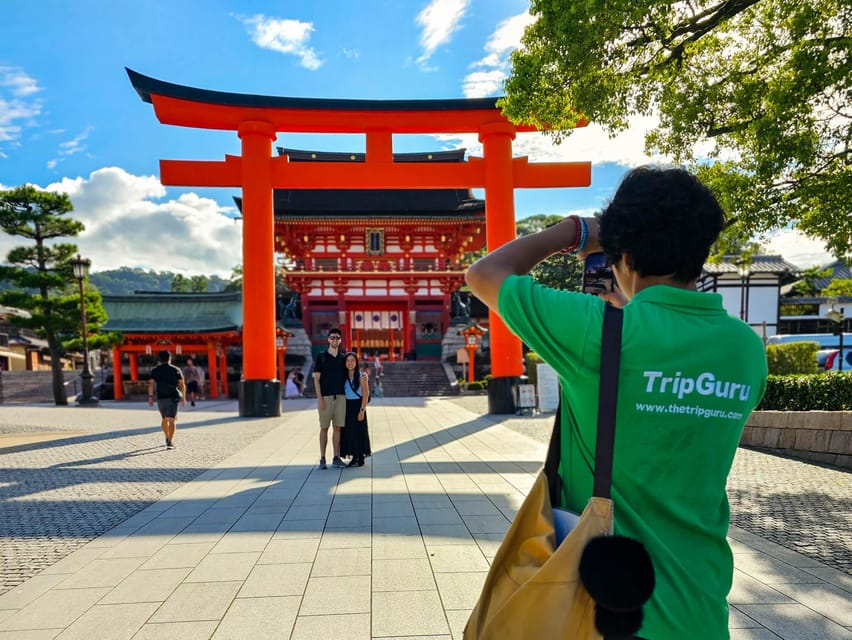
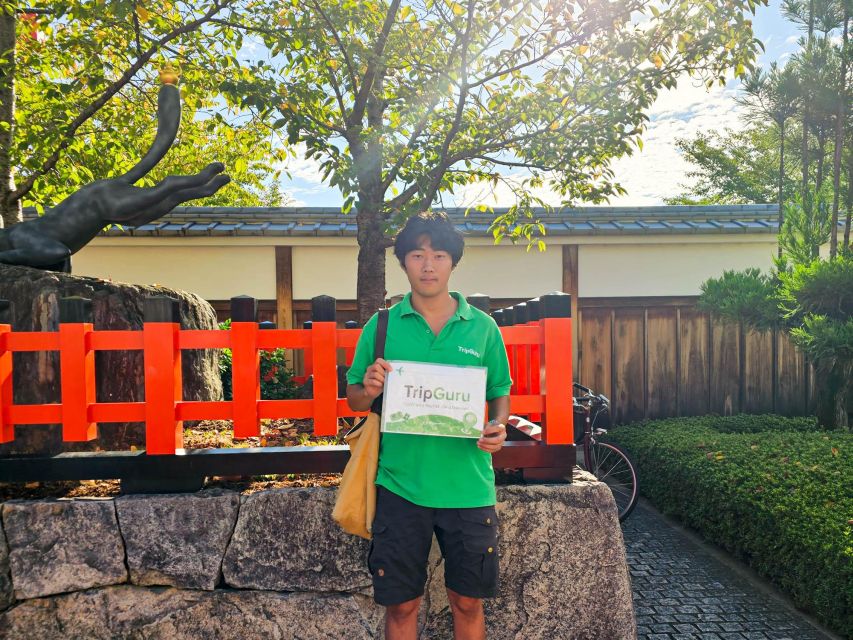
The meeting point is Daily Yamazaki Fushimi Inari Shrine. Your guide will wear a TripGuru shirt or hold a TripGuru sign, so look carefully before setting off. The tour does not include hotel pickup or drop-off, and you are responsible for reaching the starting point.
Arrive early. The guide waits for a maximum of 10 minutes before moving on, and morning traffic can take longer than navigation apps suggest. This is especially important if you are coming from another part of Kyoto and have a fixed appointment afterward.
The group limit is nine people. That is a useful size for a place where paths can become crowded and where you may want to stop for an explanation. You can ask about shrine customs, the torii gates, or the fox figures without trying to be heard across a large group.
The guides named in individual feedback include Katz, Christiana, Raphael, Nobumasa, and others. Their strengths have included clear explanations, patience, photo help, and attention to water and rest breaks. The exact guide depends on the date, but the format gives you a person who can help you make sense of the shrine as you walk.
The lower shrine: an easy start with real context
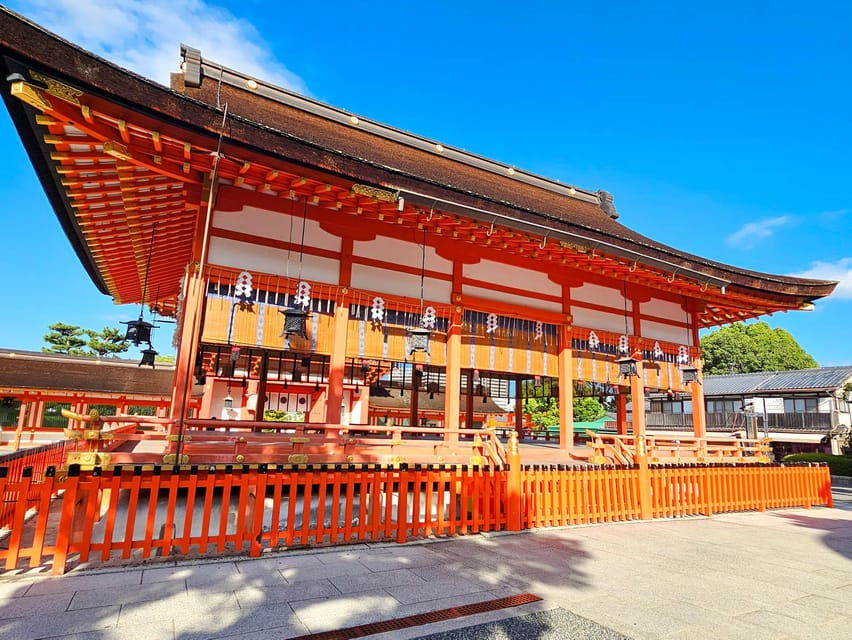
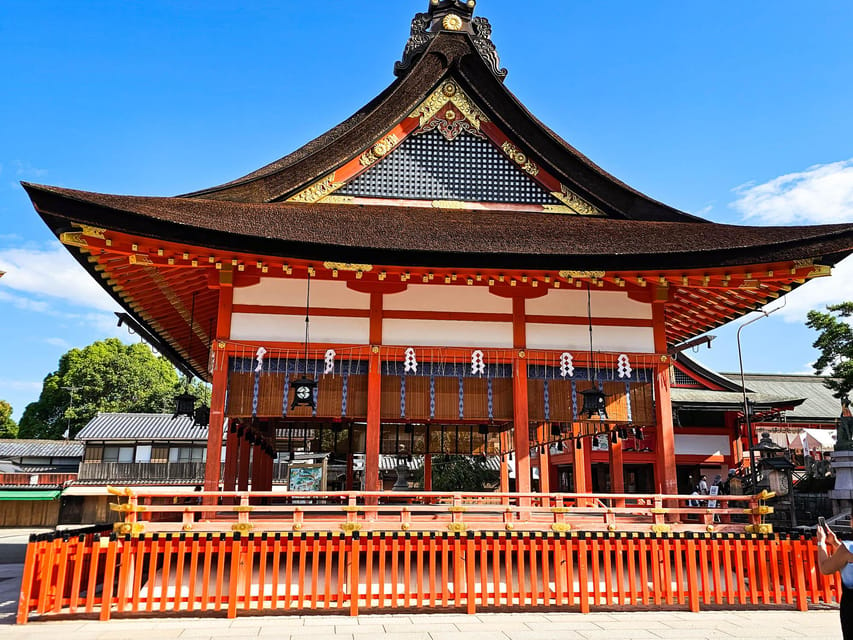
The tour begins at Fushimi Inari Taisha’s lower section. This is where you find the main entrance, offering hall, and several smaller shrines. It is the right place to begin because it introduces the shrine before you head toward the famous gates.
Take your time here. The lower grounds are not simply a waiting area for the torii tunnels. They show the formal side of the shrine and give your guide a chance to explain how the site is arranged.
This option also makes sense for anyone working with limited time. The tour lasts two to three hours overall, but the shorter route skips the longer mountain walk. You still see the iconic torii gates and receive an introduction to Inari and the shrine’s symbolism.
The lower route is also the safer choice if you have mobility limits, heart problems, respiratory issues, or are pregnant. The activity is not recommended for those conditions, so consider that before booking rather than assuming you can decide after arrival.
Dress respectfully. Avoid tank tops, very short shorts, or clothing that feels too casual for shrine grounds. Comfortable shoes matter for either option, and they are essential if you choose the upper trail.
Walking through the famous torii gates
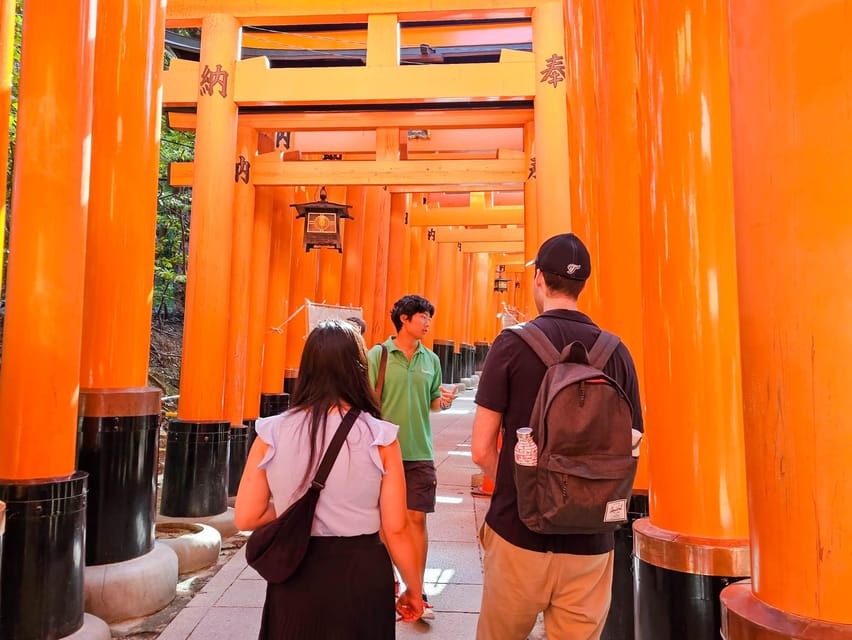
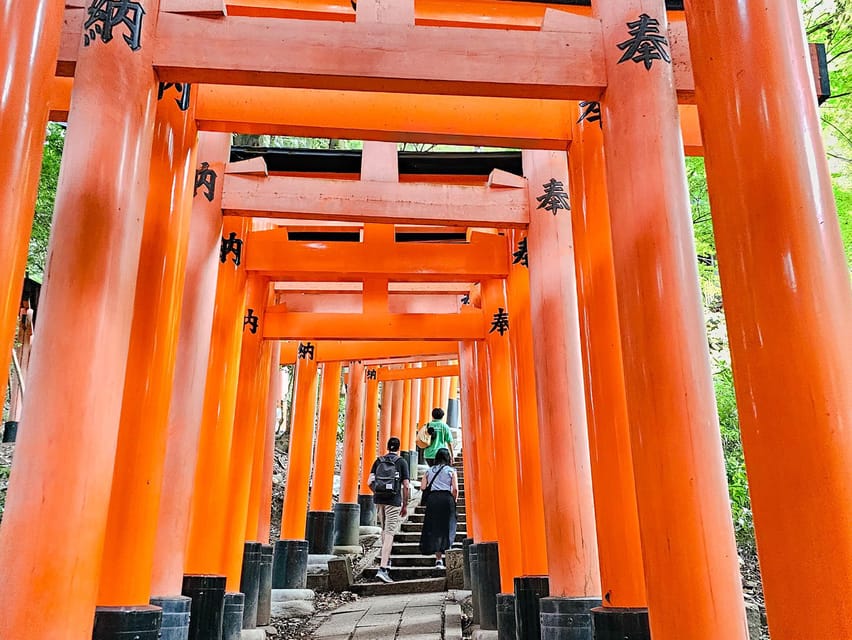
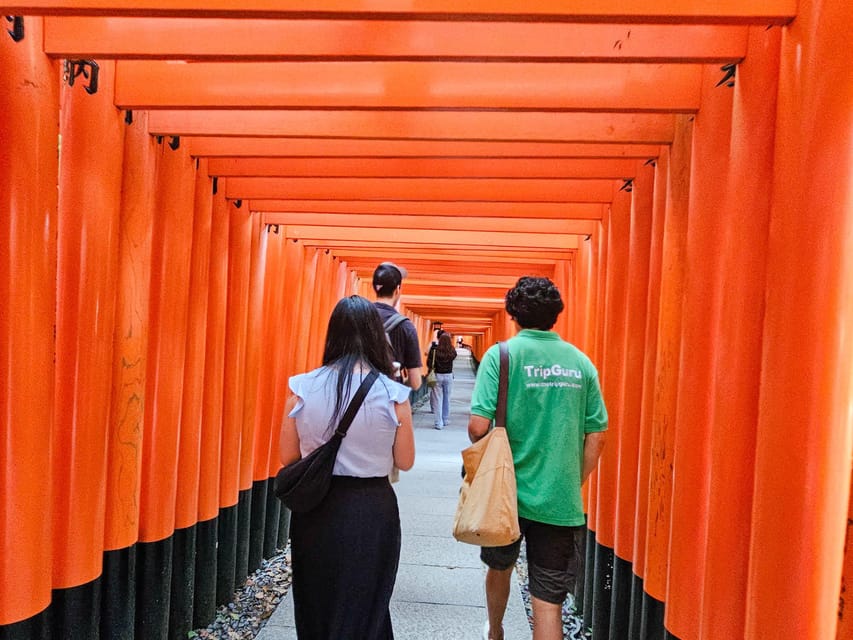
From the lower area, the route leads toward the torii gates. These bright gates form long corridors, with the color and repeating shapes changing as you move from one section to the next.
The gates are the visual heart of the visit, but the guided explanation is what gives them meaning. Your guide can point out how the shrine’s connection with commerce and agriculture relates to the many donated gates. Instead of rushing straight to a photo, listen for the small details about worship, offerings, and the role of the fox messengers.
This part can be busy, particularly near the most photographed sections. A small group helps, but it does not make the shrine private. Be patient, keep the path moving, and expect to share the gates with other people.
I would give yourself time to look up and down the passage. The gates are close together in places, creating a tunnel effect, while other sections open enough to show the mountain setting. The strongest photos may require patience, and your guide may also help take pictures. Several guides have been praised for doing this, which is useful if you are traveling alone or want a group photo.
More walking tours in Kyoto:
- Kyoto Geisha Walking Tour: Gion District & Hidden Gems
★ 4.7 · 3,273 reviews - Kyoto: Gion Magical Night Walking Tour with Geisha Trivia
★ 4.9 · 2,393 reviews - Kyoto: Gion Geisha District Walking Tour – Stories of Geisha
★ 4.7 · 2,187 reviews - Night Walk in Gion: Kyoto’s Geisha District
★ 4.5 · 2,003 reviews
Choosing the Mount Inari trail
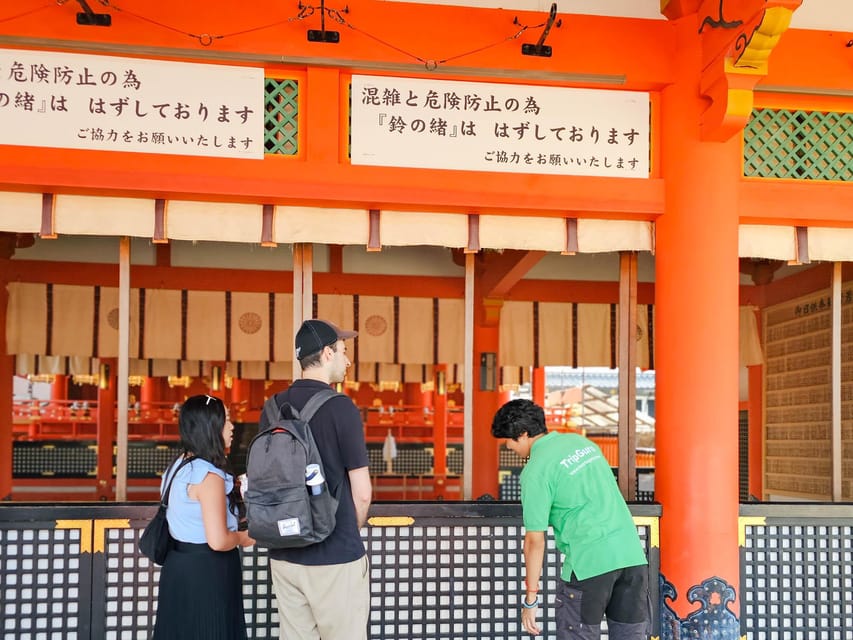
Option A includes both the lower and upper parts of Fushimi Inari. It adds roughly an hour of walking and takes you farther along Mount Inari’s trail. Along the way, you pass more torii gates and smaller shrines, with views toward Kyoto and the surrounding mountains.
This is the better choice if you want a fuller visit rather than only the most recognizable section. The mountain walk gives you a sense of how large the shrine complex is, and the changing views make the extra effort worthwhile for people who enjoy walking.
It is still a hike. The route includes uphill sections and stairs, so do not treat the advertised two to three hours as a relaxed, flat stroll. Wear shoes with good support, bring water, and plan for warm conditions if you visit in summer.
Guides have been noted for checking on breaks and hydration. One guide even provided water and mineral sweets, while another carried a bag for a participant. You should not rely on that happening every time, but it shows why a small guided group can be helpful on the longer route.
Option B keeps you at the lower part and takes you directly to the torii gates. Choose it if you want the signature sight without the extra climb, or if your Kyoto schedule is tight. You will miss some mountain shrines and higher views, but you will still see the main attraction.
Street food and the final walk
The itinerary includes about 30 minutes for street food and walking near Fushimi Inari. This gives you a useful pause after the shrine visit and a chance to browse the local food area around the entrance.
Food and other drinks are not included in the $24 price. Think of this as free time to choose what you want, not a meal included with the tour. If you are hungry, bring extra yen or another payment method suitable for the vendors you visit.
I like this part because it keeps the experience from being only a guided explanation followed by a quick goodbye. You can ask your guide for suggestions, and one guide was specifically praised for pointing out good places to eat. Still, the exact food choices depend on what is available when you visit.
After the food stop, you return to Daily Yamazaki Fushimi Inari Shrine. The route is compact enough to fit before another Kyoto activity, though you should leave extra time if you choose the upper trail or plan to eat.
Is $24 a fair price?
At $24 per person, this is a reasonable price for a two to three hour guided visit that includes entrance fees and an English-speaking guide. Fushimi Inari is free to enter on its own, so the value rests in the explanation, route planning, small group, and help with photos and pacing.
For an independent visitor who already understands Shinto customs and is comfortable finding the best route, the fee may not be essential. You can walk through the lower shrine and gates without joining a tour. But the shrine covers enough ground that a guide can save you from simply seeing the first torii tunnel and leaving.
The price works best for first-time visitors, people with only a few hours in Kyoto, and anyone who wants cultural context without committing to a full-day tour. It also offers reserve-now, pay-later booking, which helps if your schedule is still changing.
Free cancellation is available up to 24 hours before the start time. Same-day and last-minute bookings may be accepted, but you still need to check available start times before relying on this as a spontaneous plan.
What the praise tells you about the experience
The strongest pattern in the feedback is the quality of the guides’ personal attention. Katz was singled out for friendly explanations, while Christiana was described as personable. Raphael helped a group with two children and strollers, and other guides adjusted their pace for older participants.
That does not make the tour effortless, but it suggests that you can ask for a short pause if needed. One guide regularly checked hydration, another took photos, and one carried a bag. These are small touches, yet they matter on a warm uphill walk.
The explanations also receive strong praise. The tour is not just a walk under red gates. It covers the meaning of Inari, the role of the foxes, the purpose of the torii, and the history of the shrine. If you prefer to understand a place rather than only photograph it, this is the main reason to book.
The group size helps here. With no more than nine people, the guide can speak to the group without turning the visit into a lecture for dozens of people. A smaller group may also make it easier to stay together on narrow paths.
Who should choose the full route?
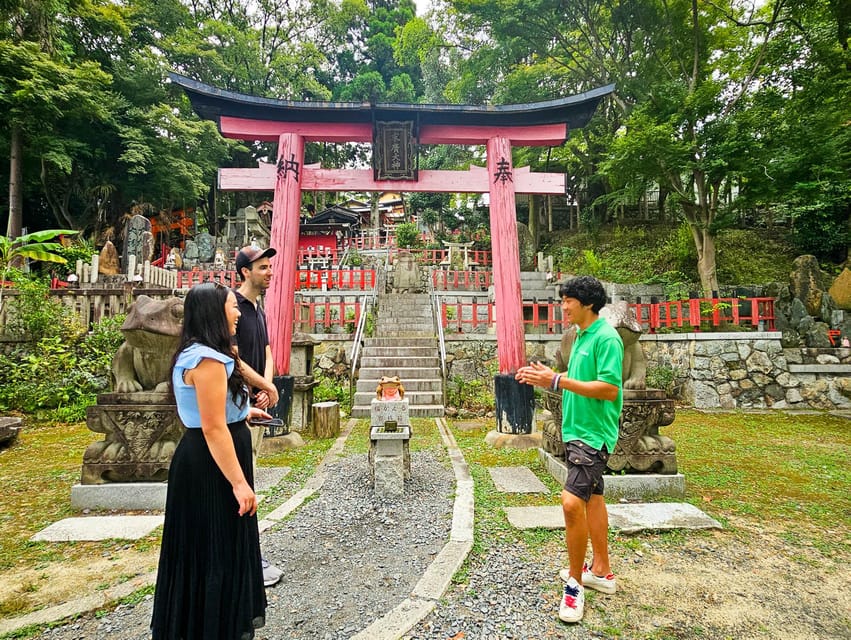
Choose the full upper and lower route if you:
- Enjoy walking uphill and handling stairs
- Want city and mountain views
- Have enough time for an extra hour
- Want to see more of Mount Inari and its smaller shrines
- Prefer a fuller cultural visit over a quick photo stop
Choose the lower route if you:
- Have only a short window in Kyoto
- Want the red torii gates without a longer climb
- Are traveling with limited energy
- Need a more manageable walking plan
- Prefer to save time for another activity
The activity is not suitable for pregnant women or people with mobility, heart, or respiratory problems. That warning is worth taking seriously. The full route involves a mountain trail, and even the shorter option requires walking around shrine grounds.
Practical tips for a better visit
Wear comfortable shoes from the moment you leave your hotel. Sandals or stiff shoes can become uncomfortable quickly, especially on the upper route.
Dress modestly for the shrine. A light, respectful outfit is more useful than clothing chosen only for hot weather, particularly if you plan to spend time at the worship areas.
Arrive before the meeting time, not at it. The guide waits only 10 minutes, and traffic can make the trip to the meeting point slower than a navigation app suggests.
Bring water, especially in warm weather. Guides may check on you and help with breaks, but you should arrive prepared.
Decide on your route before the tour begins. If you are unsure, ask the guide how the longer walk fits your energy and schedule. The lower option is not a poor substitute. It gives you the main torii experience in less time.
Should you book this Fushimi Inari tour?
Book it if you want more than a quick walk through Kyoto’s famous red gates. For $24, you get an English-speaking guide, entrance fees, a small group, cultural background, and a choice between a shorter route and a longer Mount Inari walk.
I would choose the full option if I had the energy and enough time, since the upper trail adds smaller shrines and views that a quick visit misses. I would choose the lower option for a tight schedule or an easier day.
Skip it if you prefer exploring independently, dislike guided pacing, or cannot manage an uphill walk. For most first-time visitors who want clear explanations and a compact Kyoto activity, this is a practical, fairly priced way to understand Fushimi Inari rather than simply photograph it.
FAQ
How long does the Fushimi Inari guided tour last?
The tour lasts two to three hours. The exact duration depends on the route you choose and the available starting time.
What is the meeting point?
Meet your guide at Daily Yamazaki Fushimi Inari Shrine. The guide will wear a TripGuru shirt or hold a TripGuru sign.
Is the tour conducted in English?
Yes. The tour includes a live English-speaking guide.
How large is the group?
The group is limited to nine participants.
Can I choose a shorter route?
Yes. You can choose the lower part of Fushimi Inari and head to the torii gates without taking the longer Mount Inari trail.
Does the tour include the Mount Inari hike?
The full route includes a hiking trail on Mount Inari and takes about an hour longer. The shorter option does not include the full upper section.
Are food and drinks included?
No. The street food stop is included in the walking plan, but meals, drinks, and personal expenses are not included.
Is hotel pickup included?
No. You must make your own way to the meeting point, and hotel pickup and drop-off are not included.
What should I bring?
Bring comfortable shoes. Modest clothing is expected on the shrine grounds, and water is useful, especially if you choose the longer uphill route.
Newest Kyoto experiences on the site
- Treasures of Kyoto: Gion & historical Walking Tour★ 5.0 · 6 reviews
- Whisk Your Own Matcha: A Zen Matcha Experience at Temple★ 3.6 · 7 reviews
- Kyoto tea town for matcha lovers★ 5.0 · 16 reviews
- Uji: Private immersion into Kyoto’s tea and reglious culture★ 5.0 · 17 reviews
- Kyoto Matcha Green Tea Tour★ 4.5 · 23 reviews
- Uji and Wazuka Matcha Farm Half Day Private Guided Tour★ 5.0 · 21 reviews
- Utilising upcycled Matcha! Creating matcha incense (Uji, Kyoto)★ 5.0 · 6 reviews
- Sacred Temple Yoga Experience in Japan★ 5.0 · 3 reviews
Fushimi Inari Tours, compared.

Fushimi Inari, Kinkakuji, Bamboo Grove 1 Day Bus Tour
Read our review →
Fushimi Inari Hidden Hiking Tour (Private Option Available)
Read our review →
Kinkakuji,Arashiyama,FushimiInariShrine,NaraPark
Read our review →
Nara, Fushimi Inari Taisha, Arashiyama Bus Tour
Read our review →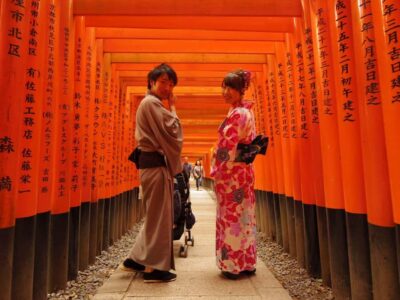
Arashiyama, Nara & Fushimi Inari Shrine w/Lunch
Read our review →
Nijo Castle, Kiyomizu & Fushimi Inari Guided Tour
Read our review →
Nijo, Kinkaku-ji, Arashiyama, Kiyomizu & Fushimi Inari
Read our review →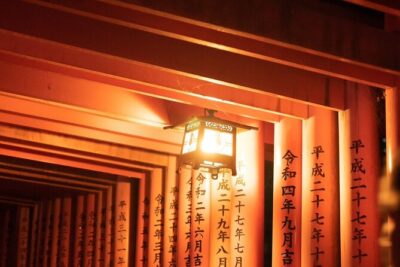
Browse the lists this tour appears in