
Reviewed · KYOTO COOKING CLASSES
Private Cooking Class Udon in Kyoto Japan
The best part of this Kyoto cooking class is that you make the udon from flour to finished noodle, then sit down and eat the result in a 120-year-old traditional house. The process is hands-on but simple enough for children, and Tanaka-san keeps the mood light with clear English instruction, encouragement, and even an udon dance.
I like the historic setting near Nishi Honganji, and I like that the meal is included after the work is done: your noodles come with tempura, dipping broth, ginger, and green onion. The main consideration is timing. The class itself takes about an hour, but you may remain for another hour or two while eating and enjoying the building.
Key points
- Make noodles from scratch: Mix the saltwater, work the dough, mature it, stretch it, and cut it by hand.
- Eat what you make: Your udon is served with tempura and traditional accompaniments after class.
- Learn inside an old Kyomachiya: The restored house is about 120 to 130 years old and filled with antique furnishings.
- Good for families: Children can take part in nearly every step because the instructors handle the boiling.
- Easy central location: The house is a 12-minute walk from Kyoto Station and two minutes from Nishi Honganji Temple.
- Private booking: Only your group participates in the activity, according to the booking details.
Making Udon in a 120-Year-Old Kyoto House
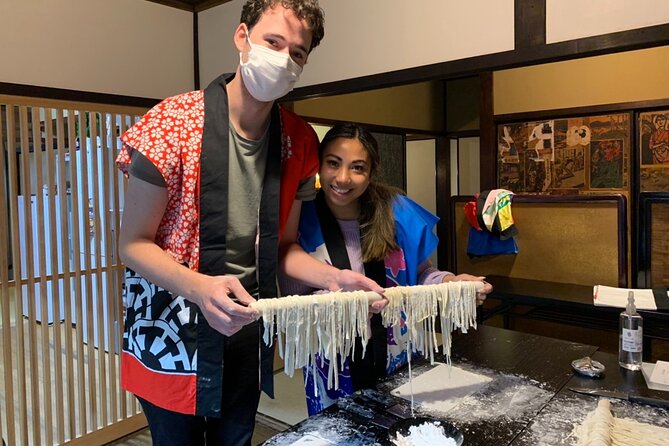
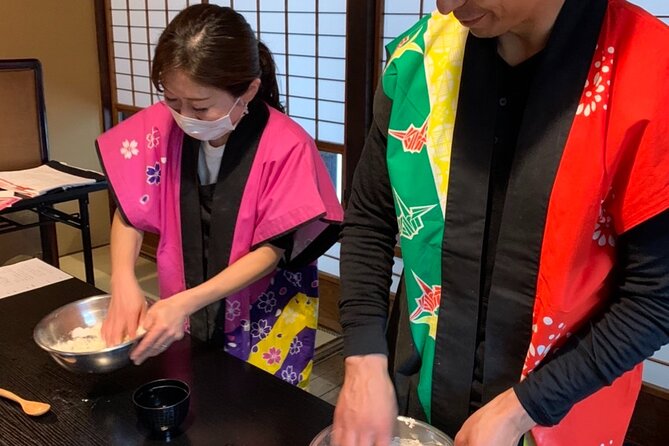
This is not a demonstration where you watch someone else cook. You make the noodles yourself, starting with the basic saltwater mixture and moving through each stage of the dough.
The class follows a clear sequence: making saltwater, rinsing the water, working the dough with your feet, letting it mature, stretching the dough, cutting it with a knife, and boiling it. The wording of the steps may sound unusual at first, but the instructors guide you through the work in order, so you do not need cooking experience.
The footwork is the part children tend to enjoy most. You work the dough with your feet, a traditional method that turns a basic cooking lesson into a physical activity. It also helps explain why handmade udon has its familiar springy texture.
Tanaka-san leads the instruction in English and is described as lively, patient, and encouraging. Hisayu is another instructor connected with the class, and Tanaka-san’s daughter has also helped with demonstrations and support. You can expect a friendly teaching style rather than a formal culinary lecture.
The class is short enough to fit into a busy Kyoto day. The scheduled start is noon, making it a natural lunch activity. Still, do not plan your next appointment too tightly. The actual class lasts about one hour, but the meal and time in the house can extend the visit to roughly 1.5 to 2 hours.
More cooking classes in Kyoto:
- Ramen Cooking Class at Ramen Factory in Kyoto
★ 5.0 · 1,937 reviews - Kyoto: Ramen Cooking Class at a Ramen Factory with Souvenir
★ 4.9 · 532 reviews - Kyoto: Ramen, Gyoza, and Onigiri Cooking Class
★ 5.0 · 445 reviews
A Meal You Have Actually Worked For
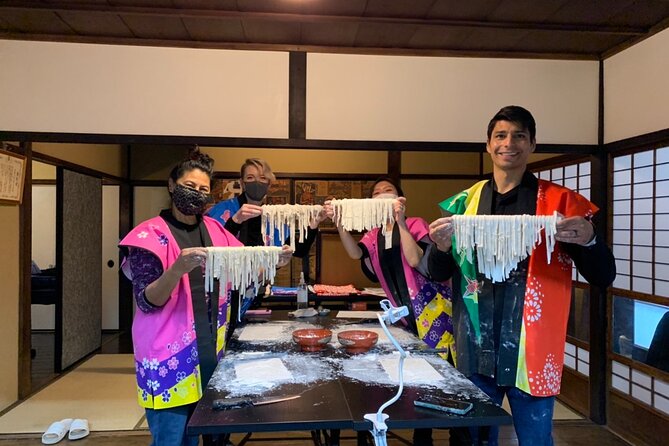
The reward comes after the dough has been cut. Staff boil the noodles, and you eat them with the meal prepared for you.
You do not make the udon broth or tempura yourself. That is a useful detail to understand before booking. The cooking lesson focuses on handmade noodles, while the rest of the lunch is supplied. This keeps the class moving and means you are not trying to manage boiling water, broth, and frying during a compact lesson.
The meal includes vegetable tempura, dashi dipping broth, freshly grated ginger, and minced green onion. Some descriptions also refer to the noodles being served in a bubbling container, which gives the meal a warm, just-made feel.
I like this arrangement. You get the satisfying part of preparing food from scratch, but the lunch still feels complete. You also avoid the mess and safety concerns that would come with having children handle hot oil or boiling noodles.
The flavor of the meal depends partly on the simple quality of fresh udon. Handmade noodles have a different appeal from a bowl picked up at a restaurant because you have seen the dough take shape. The class also provides the udon recipe, so you can try the process again at home.
One useful expectation to set: this is a noodle-making experience with a meal, not a full Japanese cuisine course. If you want to learn tempura, broth, or several separate dishes, this will feel limited. If you want to learn one central Japanese food well enough to repeat it at home, it makes better sense.
The Kyomachiya Setting Near Nishi Honganji
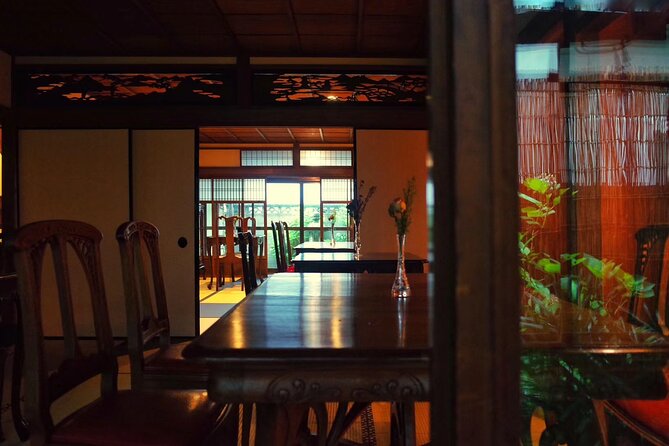
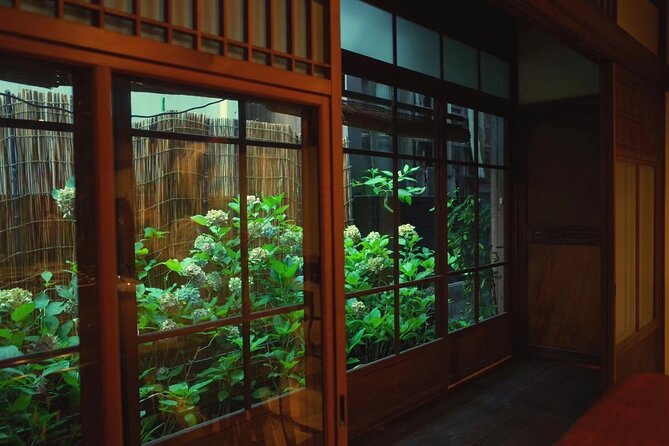
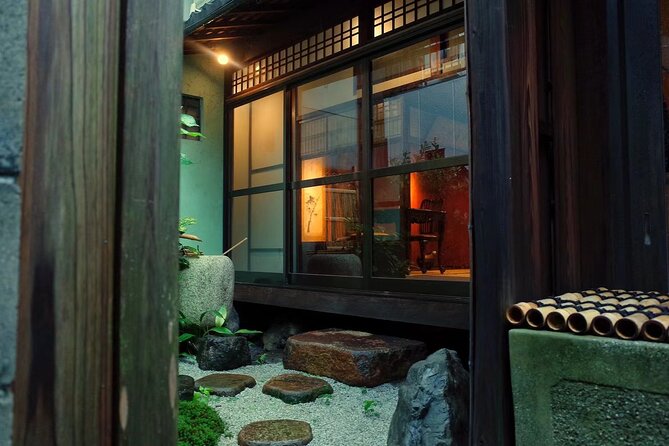
The location adds much more than a convenient address. The class takes place in a beautifully renovated Japanese house dating from roughly 120 to 130 years ago.
The building is close to Kyoto Station, about a 12-minute walk, and only two minutes from Nishi Honganji Temple. That makes the class easy to combine with a temple visit, an arrival day in Kyoto, or a midday break between sightseeing stops.
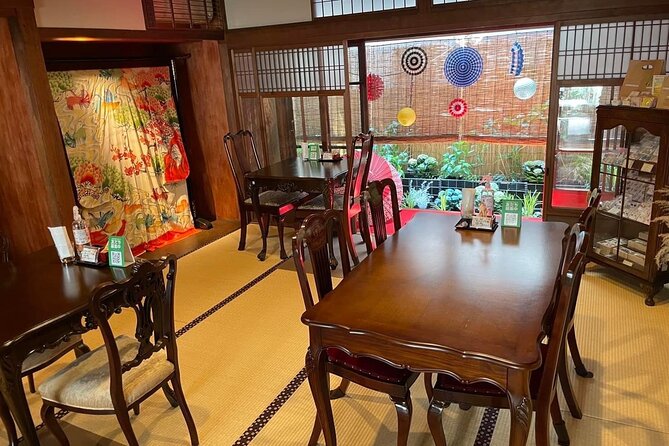
Inside, the house contains antique furniture and artifacts, many said to be more than 110 years old. Traditional Japanese music plays while you work. After the hands-on portion, you can take your time looking around the wooden rooms as the instructors boil the noodles and prepare lunch.
This setting changes the character of the activity. You are not simply entering a modern classroom with stainless steel worktops. You are cooking in an old Kyoto home that has been adapted for visitors while keeping its period feel.
I would allow a few extra minutes before or after the lesson to appreciate the building. The cooking is the main event, but the house gives the visit a sense of place that a standard cooking studio could not provide.
There is also a small practical caution. Old Japanese houses can have compact layouts and traditional surfaces. Follow the staff’s directions about where to move and where to set your belongings. The information provided does not describe every physical feature of the building, so anyone with mobility concerns should ask the provider before booking.
Why the Class Works Well for Children
Several details make this a strong family choice. The steps are physical, visual, and easy to understand. Children can mix, handle, stretch, and cut the dough with supervision instead of sitting through a long explanation.
The instructors are especially important here. Tanaka-san is described as patient and upbeat, while other staff members have helped children take part. The teaching style includes encouragement and playful touches, including the udon dance.
Most important, children do not boil the noodles. Staff take care of that hot-water stage, while the children still see the full process and eat the finished food. This is a sensible balance between participation and safety.
The class has worked for families with young children and teenagers, as well as mixed-age groups that included an older adult. That makes it easier to plan for a family with different energy levels and interests.
You should still expect flour, hands-on work, and some standing or movement. A child who dislikes touching dough may not enjoy every moment. For children who like making things and then eating them, the reward arrives quickly.
The class also gives parents a useful alternative to another temple or shopping stop. You can spend an hour doing something together, then have lunch without searching for a restaurant afterward.
Same city, a completely different kind of day:
- PERFECT KYOTO 1-Day Bus Tour
★ 5.0 · 13,518 reviews - Kyoto: Fushimi Inari, Kinkakuji, Bamboo Grove 1 Day Bus Tour
★ 4.8 · 4,316 reviews - Kyoto: Tea Ceremony in a Traditional Tea House in Kiyomizu
★ 4.9 · 3,519 reviews - Kyoto Geisha Walking Tour: Gion District & Hidden Gems
★ 4.7 · 3,273 reviews
A Straightforward Route Through the Lesson
Here is how I would think about the experience from start to finish.
1. Arrival and preparation
You meet at 364 Momijicho in Shimogyo Ward at noon. From Kyoto Station, the walk takes about 12 minutes. Nishi Honganji is nearby, so it is easy to pair the class with that sight.
Once inside, you put on aprons and find the ingredients arranged at the worktables. The preparation is laid out for you, so you are not expected to shop, measure, or bring equipment.
2. Mixing and working the dough
The first steps involve making the saltwater and combining it with the flour. The dough then needs to be worked. The foot-kneading step gives the class its most distinctive activity, and the instructor demonstrates how to take part.
The dough is then allowed to mature. This pause is part of the process, not wasted time. It gives you a chance to look around the old house while the staff handle the next stage.
3. Stretching and cutting
Next, you stretch the dough and cut it into noodles. This is where neatness matters. Your cuts may not look like restaurant noodles, but that is part of the fun. You are learning a repeatable method, not entering a noodle-cutting contest.
The knife work requires attention, especially with children. The information supplied does not state exact age rules or knife arrangements, so parents should follow the instructor’s directions closely.
4. Boiling and lunch
Staff boil the udon while you wash your floury hands and explore the house. Then you sit down to eat the noodles with tempura and the supplied toppings.
The class ends back at the meeting point. The setting makes it easy to continue to Nishi Honganji afterward, return toward Kyoto Station, or use the meal as the center of a longer afternoon plan.
Is $60.43 a Good Value?
At about $60.43 per person, this is not the cheapest lunch in Kyoto. You can buy udon for far less if your only goal is to eat noodles.
The value comes from the combination of four things: instruction, ingredients, a prepared meal, and time in a historic house. You are paying for a cultural activity as well as food. The recipe adds practical value because you can repeat the dish at home.
I consider the price reasonable for families and couples who want a short, structured activity near the station. It is also useful on a rainy or tiring sightseeing day, although the stated policy says the activity requires good weather and may be rescheduled or refunded if poor weather causes cancellation. Since the class is indoors, you may want to confirm how that policy applies before booking during uncertain conditions.
The price is less attractive if you are a serious cook looking for advanced instruction. You do not make the tempura, broth, or a multi-course meal. The focus is narrow, but that focus keeps the experience accessible.
A private booking can also improve the value for a family or small group. You are not being placed with strangers according to the activity details, so the pace and atmosphere can remain more personal for your party.
Timing, Booking, and Practical Details
The scheduled start is 12:00 pm, and confirmation is sent within 48 hours of booking, subject to availability. The activity is available with a mobile ticket, which makes it easy to keep the booking on your phone.
It is commonly reserved around 16 days ahead. I would not leave it until the last minute if your Kyoto schedule is fixed, particularly if you are visiting during a busy season or need a specific date.
The activity is near public transportation, and service animals are allowed. The exact accessibility of the old house is not explained, so contact the provider if you need step-free access or have other mobility requirements.
Cancellation is free up to 24 hours before the start time for a full refund. Changes or cancellations inside that 24-hour window are not accepted for a refund. Cutoff times use local Kyoto time, so check the clock carefully if your plans change.
The experience is provided by 創作料亭出雲 Kyoto Izumo. The instructors are local to Kyoto and include Tanaka-san and Hisayu. Their role is not just to show the recipe. They also explain aspects of Japanese culture and the background of the food.
Who Should Book This Udon Class?
I would recommend it most strongly to families with children, couples looking for a hands-on lunch, and first-time visitors who want a cultural activity close to Kyoto Station.
It suits you if you like:
- Making food rather than only watching a demonstration
- Eating lunch at the end of an activity
- Historic houses and old furnishings
- Short experiences that fit into a full sightseeing day
- Learning a recipe you can try again at home
- Friendly instruction rather than formal culinary training
It may not suit you if you want a long cooking course, advanced Japanese cuisine, or complete control over every dish. You do not prepare the tempura or broth, and the class is built around one food.
I also would not book it solely for the meal. The restaurant lunch is part of the value, but the main reason to come is the process of making the noodles and sharing it in the old house.
Should You Book It?
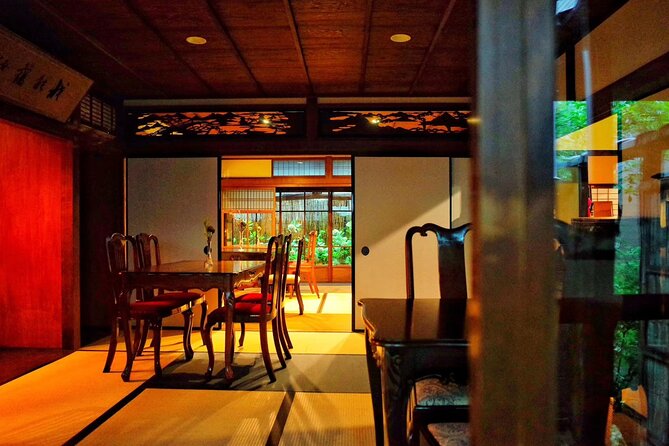
Yes, if you want an easygoing Kyoto activity that combines food, local instruction, and a memorable setting. The handmade udon gives you something to do with your hands, the meal gives the class a clear payoff, and the old Kyomachiya adds a strong sense of place.
Families get the most from the child-friendly format and staff support. Adults without children should not dismiss it, though. The chance to work through the noodle-making process, eat the result, and receive a recipe makes this a useful and enjoyable addition to a Kyoto itinerary.
Book it if you can spare up to two hours around lunch and appreciate a focused experience. Skip it if you are looking for a full Japanese cooking curriculum or simply want the cheapest bowl of udon in town.
FAQ
Where is the udon cooking class held?
The meeting point is 364 Momijicho, Shimogyo Ward, Kyoto, 600-8345, Japan. It is about a 12-minute walk from Kyoto Station and a two-minute walk from Nishi Honganji Temple.
What time does the activity start?
The scheduled start time is 12:00 pm.
How long does the experience last?
The cooking class itself takes about one hour. You may remain for roughly 1.5 to 2 hours in total while eating the udon and spending time in the historic house.
Do participants make the tempura and broth?
No. The class focuses on making the udon noodles. Tempura, dipping broth, ginger, and green onion are provided with the meal.
Is the class suitable for children?
Yes. Children can take part in the noodle-making process, and staff handle boiling the noodles. The instructors are described as friendly and patient with children.
Is this a private activity?
Yes. The booking information states that only your group participates.
What is the cancellation policy?
You can cancel up to 24 hours before the experience for a full refund. Cancellations or changes made less than 24 hours before the start time are not accepted for a refund. If poor weather causes the activity to be canceled, you will be offered another date or a full refund.
Newest Kyoto experiences on the site
- Whisk Your Own Matcha: A Zen Matcha Experience at Temple★ 3.6 · 7 reviews
- Treasures of Kyoto: Gion & historical Walking Tour★ 5.0 · 6 reviews
- Kyoto tea town for matcha lovers★ 5.0 · 16 reviews
- Uji: Private immersion into Kyoto’s tea and reglious culture★ 5.0 · 17 reviews
- Kyoto Matcha Green Tea Tour★ 4.5 · 23 reviews
- Uji and Wazuka Matcha Farm Half Day Private Guided Tour★ 5.0 · 21 reviews
- Utilising upcycled Matcha! Creating matcha incense (Uji, Kyoto)★ 5.0 · 6 reviews
- Sacred Temple Yoga Experience in Japan★ 5.0 · 3 reviews
Kyoto Cooking Classes, compared.
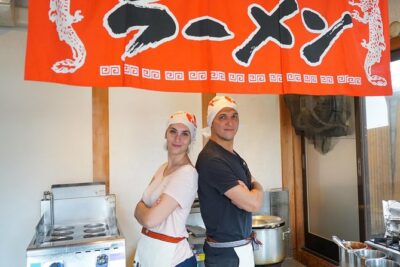
Ramen Cooking Class at Ramen Factory in Kyoto
Read our review →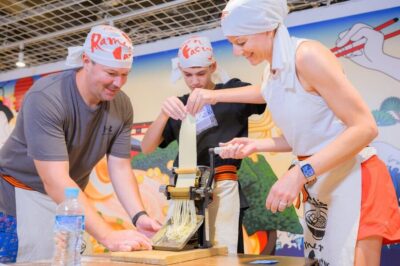
Ramen Cooking Class at a Ramen Factory with Souvenir
Read our review →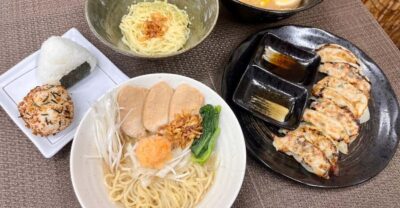
Japanese Washoku Bento Small Group Cooking Class
Read our review →
Kyoto Ramen and Gyoza Cooking Class with Professional Chefs
Read our review →
Gyoza Cooking Class in Kyoto: Traditional Japanese Dumplings
Read our review →Browse the lists this tour appears in