
Reviewed · KYOTO GEISHA & MAIKO EXPERIENCES
Kyoto Geisha Show Cultural Hour with an apprentice geisha, Maiko
Kyoto’s geisha culture is easy to admire from a distance and hard to understand up close. This 90-minute meeting with a maiko, or apprentice geisha, gives you a real chance to ask about training, daily routines, customs, and performance. An English-speaking guide such as Ken or Saya translates and adds useful context.
I like the small group, capped at 14 people, and the direct conversation before the dance. I also like that you get more than a stage show: guides explain the geisha district, the houses, and the demanding path toward becoming geiko. The main consideration is price. At $105.42 per person, this is a focused cultural experience, not a cheap entertainment stop.
Key points at a glance
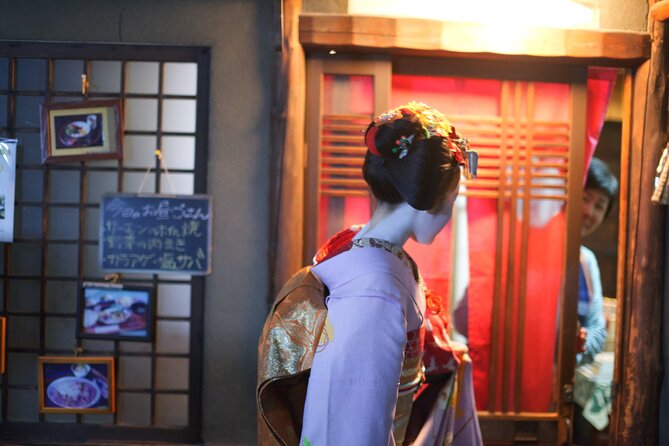
- Meet a real maiko: Ask questions about training, work, customs, and daily life through an English-speaking guide.
- See traditional dancing up close: The performance includes one or two traditional songs and dances.
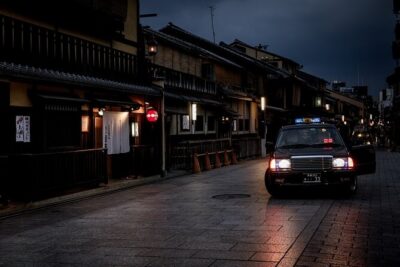
- Walk through a geisha district: The introduction may include geisha houses, theaters, schools, and agencies from the outside.
- Small group setting: The maximum group size is 14, making the Q&A more personal than a large theater show.
- Guides add real value: Ken, Saya, and other guides have been praised for clear explanations and warm hosting.
- Plan ahead: The experience is often booked 44 days in advance and cannot normally be refunded or changed.
Why this maiko meeting feels different from a standard Kyoto show
A typical cultural performance asks you to sit quietly and watch. This experience gives you a conversation as well as a performance. That difference matters, because geisha culture is full of terms, customs, and rules that are not obvious from a dance alone.
The word geisha can also cause confusion. In Kyoto, a fully trained geisha is often called a geiko, while a maiko is an apprentice geiko. The maiko you meet is still in training, learning dance, music, formal conduct, and the careful social skills required in professional entertainment.
Your guide explains these distinctions before or during the meeting. Ken has led walks through a geisha district, pointing out the exteriors of entertainment houses, theaters, and agencies. Saya has also been praised for her gentle manner and careful translation. The guide is not simply there to get you from one place to another. The guide helps you understand what you are seeing and how to ask respectful questions.
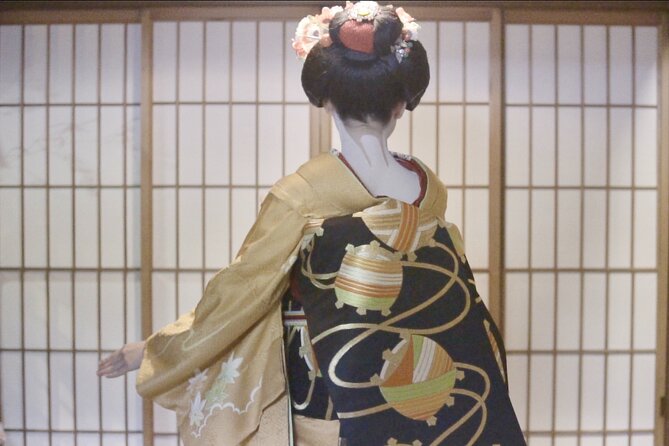
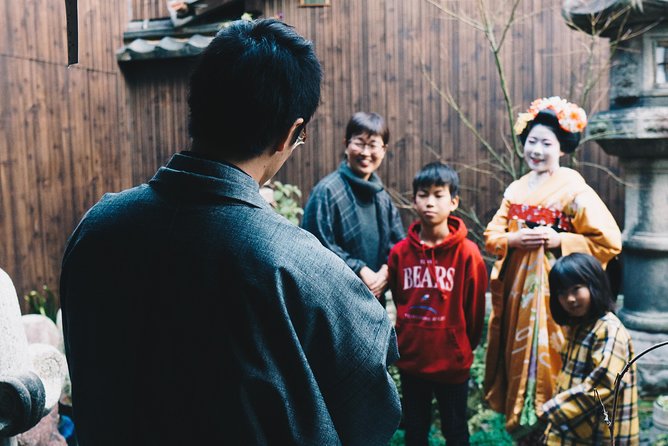
The setting is deliberately small. With no more than 14 people, you are not watching the maiko from the back of a crowded hall. You may sit close enough to notice the costume, hair ornaments, makeup, posture, and precise hand movements. It is a better format for questions than a large public show.
More geisha and maiko evenings in Kyoto:
- Kyoto Geisha Walking Tour: Gion District & Hidden Gems
★ 4.7 · 3,273 reviews - Kyoto: Gion Magical Night Walking Tour with Geisha Trivia
★ 4.9 · 2,393 reviews - Kyoto: Gion Geisha District Walking Tour – Stories of Geisha
★ 4.7 · 2,187 reviews
Starting near a shrine and entering the geisha district
The meeting point is at 5-chōme-182 Honmachi in Kyoto, near public transportation. The exact experience described by past participants begins at the front of a shrine, where the guide meets the group and explains the surrounding geisha area.
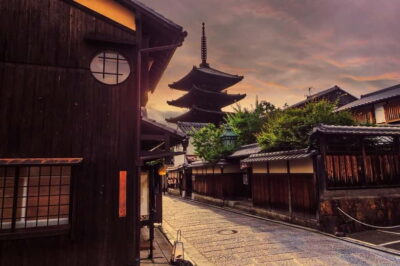
From there, you may take a short walk past theaters, agencies, and the outer fronts of houses connected with geisha entertainment. Do not expect to wander freely inside private establishments. The value of this section is the explanation. From the street, many buildings can look quiet and ordinary. The guide gives them meaning.
This short walk also helps set the right tone. A maiko is not a costumed street character waiting to be photographed. She is a working performer in a formal tradition. Learning about the district first encourages you to treat the meeting as a cultural exchange rather than a photo opportunity.
Keep your arrival simple and punctual. A guide had to help one party find the address after a problem with directions and text messages. That suggests you should check the meeting instructions before leaving your hotel and allow enough time to locate the shrine or transport connection.
The tea house setting and the first conversation
After the introduction, the group walks a short distance to a tea house or small performance space. The setting is more intimate than a major theater, which suits the Q&A format.
The meeting begins with conversation. Through translation, you can ask about training, performance work, routines, and customs. The maiko answers in Japanese, while the guide explains the exchange in English. This removes the main obstacle for English-speaking visitors and lets you ask questions rather than simply listen to a prepared speech.
The guide’s role takes some care. The conversation must remain respectful and formal enough for the maiko, while still feeling comfortable for a small international group. Ken and Saya have been especially praised for making that balance work. You can expect the guide to help shape the conversation, explain unfamiliar points, and clarify questions when needed.
A useful question is not simply how long training takes. Ask what a normal day requires, how dance and music fit into the work, and what customs a maiko must observe. The supplied experience specifically focuses on lesser-known parts of daily life, so this is where the hour becomes more than a staged cultural display.
Tea may be served during the visit, but coffee and tea are not included in the listed price. Treat any refreshments as a possible part of the setting, not as the main reason to book.
One or two traditional dances

The performance includes one or two songs and traditional dances. The dance is the visual center of the experience, but it makes more sense after the conversation. You will have some idea of the discipline behind the controlled gestures and the importance of posture, timing, and costume.
The performance is not described as a long evening entertainment program. It is a compact presentation within a 90-minute cultural hour. That is good news if you are fitting this into a busy Kyoto day, but it also means you should not compare it with a full-length theater production.
The small room changes how you watch. You can see the details of the fan work, the movements of the sleeves, and the formal rhythm of the dance. The atmosphere is quiet and attentive. This is not a loud, high-energy show, and visitors who want a fast spectacle may find it restrained.
After the dance, there may be time for more questions and photographs. Some participants also played a traditional party game with the maiko. These extras help the meeting feel personal, though the core confirmed elements are the Q&A and one or two songs or dances.
More shows and performances in Kyoto:
- Kyoto Gion Cultural Walk & Geisha Show with Dining Options
★ 5.0 · 518 reviews - Kyoto Gion Cultural Walk & Geisha Show with Dining Options
★ 5.0 · 483 reviews - 1 Hour Geisha Show in Kyoto
★ 5.0 · 452 reviews - Kyoto: Samurai Kenbu Traditional Sword Dancing Show
★ 4.5 · 426 reviews
What you learn about maiko training
The strongest educational part is the explanation of the path from apprentice maiko to geiko. The guide discusses geisha, geiko, and maiko training, including the discipline and customs involved.
The exact details of every maiko’s routine are not promised, so you should treat the conversation as a chance to ask rather than expect a fixed lecture. That is an advantage in many ways. If you are curious about dance practice, the clothing, daily work, or the structure of entertainment houses, you can steer the discussion toward those topics.
The experience also helps correct a common misunderstanding. Geisha are trained artists and entertainers, not simply performers in decorative clothing. Their work is tied to music, dance, conversation, manners, and the careful traditions of the geisha districts. The show lets you see the polished result, while the Q&A gives you a glimpse of the work behind it.
Because the guide translates, you do not need Japanese language skills. Translation can add a little time to each exchange, but it is far better than trying to interpret gestures or relying on a short English introduction.
How much value do you get for $105.42?

At $105.42 per person, this is expensive compared with a self-guided walk through Kyoto. You can visit historic neighborhoods and see the outside of geisha districts without paying for a tour.
The price makes more sense if you value access. You are paying for a guaranteed meeting with a maiko, a translator, a small group, the performance, and the guide’s explanation of a tradition that is difficult to understand from the street. Seeing a maiko by chance in Kyoto is not something you should count on, and photographing one from a distance tells you very little.
You are also buying time and structure. The guide leads you from the meeting point through the district and into the performance setting, then manages the questions and translation. For a first visit to Kyoto, that can be more useful than trying to piece together information from signs, guidebooks, and a short public show.
The value is strongest for people who want cultural context and a personal exchange. It is weaker for anyone mainly seeking a long dance performance, a meal, or a broad sightseeing tour. Tea is not included, and the program lasts about an hour and a half, so think of it as a concentrated cultural appointment.
Group size, timing, and practical planning
The maximum group size is 14 people. That is small enough for a shared conversation, though it is not a private tour. If you want a completely private meeting for your family or couple, this may not provide that unless a private arrangement is offered separately.
The experience lasts approximately 1 hour and 30 minutes. That includes the neighborhood introduction, the meeting, the Q&A, and the performance. You can place it alongside other Kyoto plans, but do not schedule a distant attraction immediately afterward. Walking, translation, and group movement can make the timing less exact than the headline duration.
Mobile tickets are accepted, and confirmation is provided at booking. The location is near public transportation, which helps, but the meeting point still deserves careful attention. Use the address supplied at booking and arrive early enough to find the shrine or agreed meeting spot.
The experience is often reserved about 44 days ahead. That is a useful planning clue. If your Kyoto dates are fixed, do not leave this until the final few days, especially during a busy travel season.
Most people can participate. No special fitness requirement is stated, although you should be comfortable with a short walk and sitting through a performance and conversation.
The cancellation rule deserves attention
This experience is non-refundable and cannot normally be changed for any reason. That is a serious drawback, so check your Kyoto schedule before paying.
There are two exceptions controlled by the operator. If poor weather forces cancellation, you can be offered another date or a full refund. If the minimum number of participants is not reached, you can also be offered another date or experience, or receive a full refund.
The weather rule may seem surprising for an indoor meeting, but it is part of the booking conditions. Do not assume you can cancel simply because your plans change.
Who will enjoy this most?
I would recommend this to you if you want to understand Kyoto rather than just collect photographs. It suits first-time visitors who want a clear introduction, couples looking for an unusual cultural evening, and families with older children who can appreciate a formal performance and respectful conversation.
It is also a good fit if you have already visited temples and gardens and want something that deals with living culture. The meeting is personal without requiring you to arrange a private appointment or speak Japanese.
You may want to skip it if your budget is tight, if you dislike translation-based conversations, or if you expect a long show with several performers. The performance is compact, and the main strength is the combination of explanation, questions, and dance.
Photography should be treated as a small part of the visit. The maiko may pose for photographs after the meeting, but the purpose is not a photo session. Listen first, ask politely, and follow the guide’s instructions.
Should you book the Kyoto maiko experience?
Yes, if you want a rare, structured introduction to geisha culture and accept the $105.42 price. The best part is the blend of access and explanation: you meet a maiko, ask direct questions, see traditional dancing, and learn how the geisha district functions.
Book early, confirm the meeting point, and make sure your schedule is firm because the booking is normally non-refundable. If you want a full theater performance or a low-cost sightseeing walk, choose something else. If you want one memorable Kyoto hour that connects a living person with a tradition often misunderstood from afar, this is a strong choice.
FAQ
How long does the Kyoto Geisha Show Cultural Hour last?
The experience lasts approximately 1 hour and 30 minutes.
What does the experience include?
It includes a one-hour geisha show and meeting, a Q&A session, a performance with one or two songs, and an English-speaking guide.
Will I meet a real maiko?
Yes. The experience includes a meeting with an apprentice geisha, known as a maiko.
Is the Q&A translated into English?
Yes. An English-speaking guide provides translation so you can ask questions without a language barrier.
How large is the group?
The experience has a maximum of 14 participants.
Are drinks included?
Coffee and tea are not included in the listed price. Tea may be part of the setting, but it should not be assumed to be included.
Where does the experience take place?
It takes place in Kyoto at 5-chōme-182 Honmachi and is near public transportation. The meeting may begin at the front of a shrine before continuing to a nearby tea house or performance space.
Can I cancel for a refund?
No. The experience is non-refundable and cannot normally be changed. If the operator cancels because of poor weather or because the minimum number of participants is not met, you may be offered another date or experience, or a full refund.
Do I need to book far in advance?
The experience is booked on average 44 days ahead. Confirmation is provided at booking, and a mobile ticket is available.
Newest Kyoto experiences on the site
- Treasures of Kyoto: Gion & historical Walking Tour★ 5.0 · 6 reviews
- Whisk Your Own Matcha: A Zen Matcha Experience at Temple★ 3.6 · 7 reviews
- Uji: Private immersion into Kyoto’s tea and reglious culture★ 5.0 · 17 reviews
- Kyoto tea town for matcha lovers★ 5.0 · 16 reviews
- Kyoto Matcha Green Tea Tour★ 4.5 · 23 reviews
- Uji and Wazuka Matcha Farm Half Day Private Guided Tour★ 5.0 · 21 reviews
- Utilising upcycled Matcha! Creating matcha incense (Uji, Kyoto)★ 5.0 · 6 reviews
- Sacred Temple Yoga Experience in Japan★ 5.0 · 3 reviews
Kyoto Geisha & Maiko Experiences, compared.
Kyoto Geisha Walking Tour: Gion District & Hidden Gems
Read our review →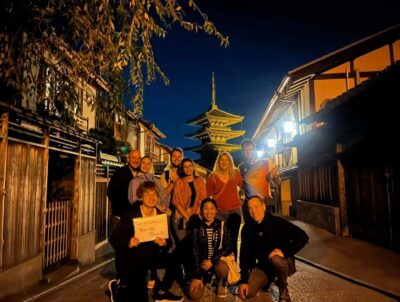
Gion Magical Night Walking Tour with Geisha Trivia
Read our review →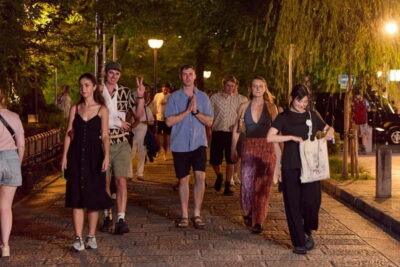
Gion Geisha District Walking Tour – Stories of Geisha
Read our review →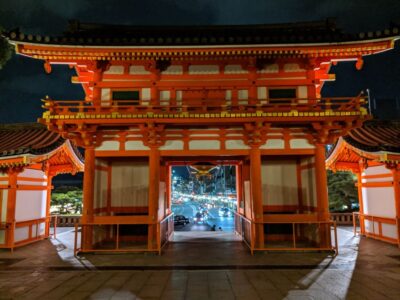
Best of Kyoto: Gion, Geisha, Pagodas & Cobblestones
Read our review →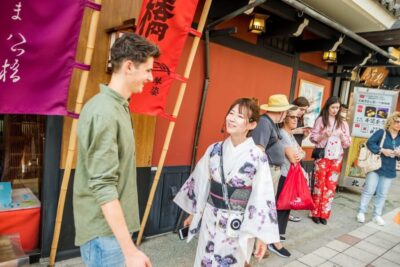
Kyoto Gion Geisha District Walking Tour – The Stories of Geisha
Read our review →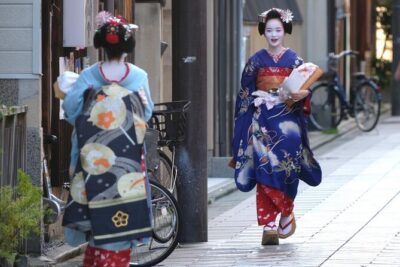
Kyoto Gion: 2-Hour Geisha Culture & History Walking Tour
Read our review →
Kyoto Gion Night Walk & Geisha District Guided Tour
Read our review →Browse the lists this tour appears in