
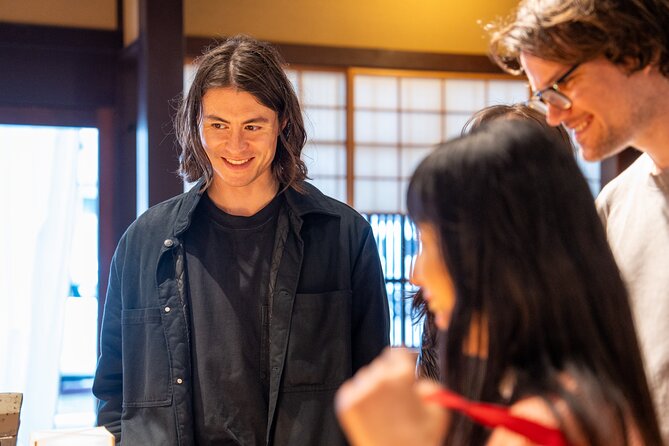
Reviewed · KYOTO SUSHI MAKING CLASSES
Kyoto Sushi Making Experience with a Professional Sushi Chef
Kyoto’s best food experiences are often the ones that let you handle the ingredients, not just photograph them. Here, a professional Taisho chef shows you the careful craft behind sushi, then guides you as you shape nine nigiri and roll sushi of your own. You eat what you make, along with fresh tempura, sake, sweets, and matcha.
I like the small maximum of eight people, which gives the chef and English-speaking guide time to help each person. I also like the full cultural arc: sushi-making is followed by sake tasting and a garden matcha lesson, rather than ending when the meal is over.
The main consideration is the price, $163.30 per person. That is a serious spend for a three-and-a-half-hour activity, so it makes the most sense if you want a hands-on lesson and several Japanese food traditions in one afternoon, not simply a sushi lunch.
Key points at a glance
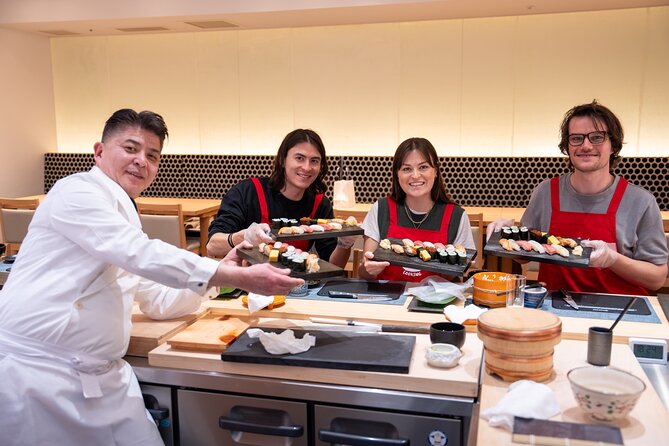
- Shape nine nigiri and make roll sushi: You learn by doing, with the Taisho chef handling the difficult slicing.
- Taste chef-prepared tempura: The meal includes a tempura set made for you, not just the sushi you prepare.
- Sample different sake styles: The guide explains pairing ideas so you can compare sake with sushi.
- Finish with matcha and sweets: You whisk matcha in a Kyoto-style garden and eat traditional sweets chosen earlier.
- Small group of eight or fewer: The format should feel more personal than a large cooking class.
- Convenient afternoon timing: The experience starts at 3:30 pm and returns to its meeting point after about three and a half hours.
Why this Kyoto sushi class feels different
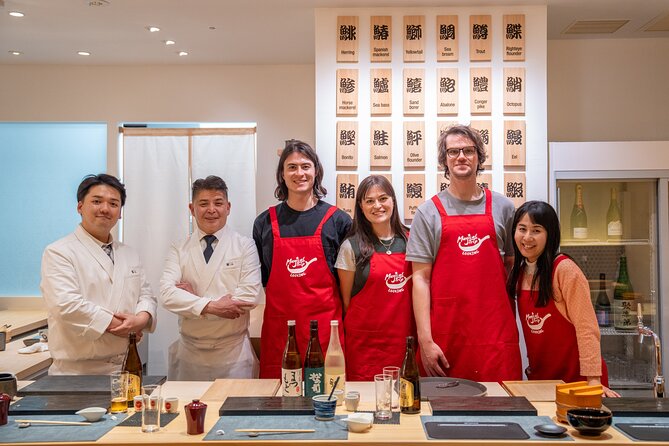
Many cooking classes teach you a recipe and send you home with a full stomach. This one gives you a look at the work behind a sushi restaurant, then adds sake, tempura, matcha, and Japanese sweets.
The key figure is the Taisho, an experienced sushi chef. You watch his knife work and the precise shaping of nigiri before trying the techniques yourself. The slicing is handled by the chef, so you do not need to worry about working with sharp knives. Your job is to shape, roll, and assemble.
That division is useful. Sushi can look simple until you try to make it. A small amount of rice, a slice of fish, and a careful press all need to come together neatly. You get the fun of making sushi without turning the lesson into a test of knife skills.
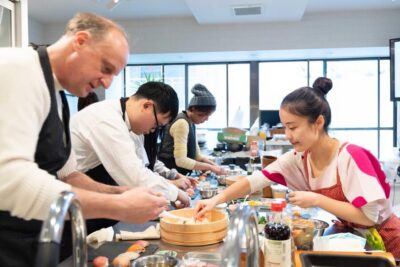
The class is also suitable for families with children aged four and older. Solo participants can join, too, and the group limit of eight gives the guide a reasonable chance to answer questions. No Japanese language ability is needed because an English-speaking guide leads the experience.
More sushi making classes in Kyoto:
- Sushi Making in Kyoto! Same-day bookings welcome!
★ 5.0 · 713 reviews - The Original Small-Group Sushi Making Class in Kyoto
★ 5.0 · 436 reviews - Kyoto: Small-Group Authentic Sushi Making Workshop
★ 5.0 · 137 reviews
Starting in central Kyoto at 3:30 pm
The meeting point is at Diesel604 Banochō in Nakagyo Ward, Kyoto, near public transportation. The 3:30 pm start gives you a useful afternoon plan. You can spend the morning sightseeing, have a light lunch, and arrive ready for an early dinner-sized meal.
You should allow time to find the exact meeting point. The supplied information identifies the address, but it does not provide a detailed walking route from a particular station. Bring your mobile ticket, which is accepted for the activity.
The experience ends back at the meeting point. That makes the afternoon easier to plan than an activity that finishes across town. You can continue with dinner, return to your hotel, or use the evening for Kyoto sightseeing.
First stop: traditional sweets with a local guide
The experience begins with a visit to a local shop for traditional Japanese sweets. Your friendly guide helps you choose sweets that return later in the afternoon during the matcha portion.
This first stop does more than add a snack. Japanese sweets are closely tied to tea service, and their gentle sweetness is meant to balance the bitterness of matcha. Choosing them early also gives the afternoon a clear thread: you start with sweets, move through sushi and sake, and finish by bringing those sweets to the tea setting.
The exact shop and sweet selection are not specified, so you should not expect a fixed menu. That flexibility may be part of the appeal, but anyone with strict food preferences should ask the operator before booking.
Meeting the Taisho chef at an authentic sushi restaurant
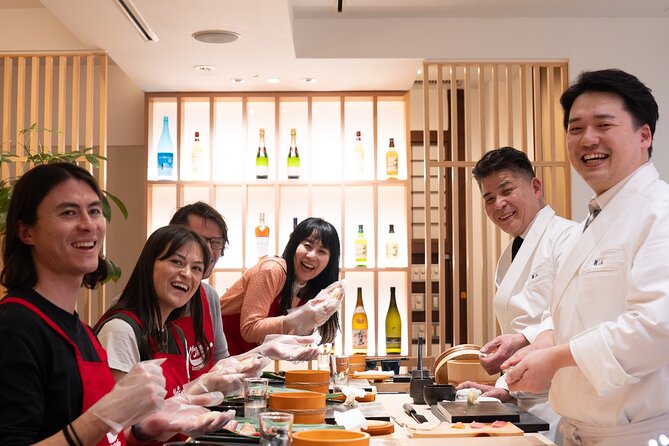
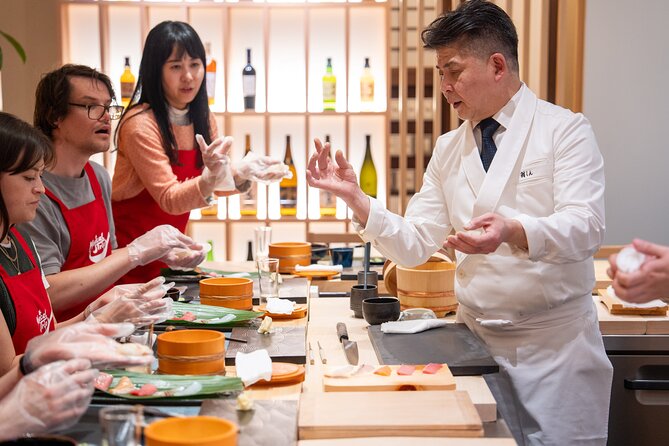
Next, you enter an authentic sushi restaurant and meet the professional Taisho chef. In Japan, the chef’s role is not only to prepare food quickly. Sushi depends on rice texture, fish preparation, temperature, balance, and presentation.
The demonstration lets you see those details before your turn. Watch how the chef handles the rice and fish, and pay attention to the economy of his movements. The lesson includes some history of sushi, so you get context as well as instruction.
The fish quality matters here. The included ingredients are described as fresh, and the meal features a broad enough selection to make the preparation feel like a real tasting rather than a single demonstration. You should still keep your expectations in line with the format. This is a guided introduction, not professional sushi training.
A few more Kyoto tours worth putting on the shortlist
- PERFECT KYOTO 1-Day Bus Tour
★ 5.0 · 13,518 reviews - Kyoto: Fushimi Inari, Kinkakuji, Bamboo Grove 1 Day Bus Tour
★ 4.8 · 4,316 reviews - Kyoto: Tea Ceremony in a Traditional Tea House in Kiyomizu
★ 4.9 · 3,519 reviews - Kyoto Geisha Walking Tour: Gion District & Hidden Gems
★ 4.7 · 3,273 reviews
Making nine nigiri and rolling your own sushi
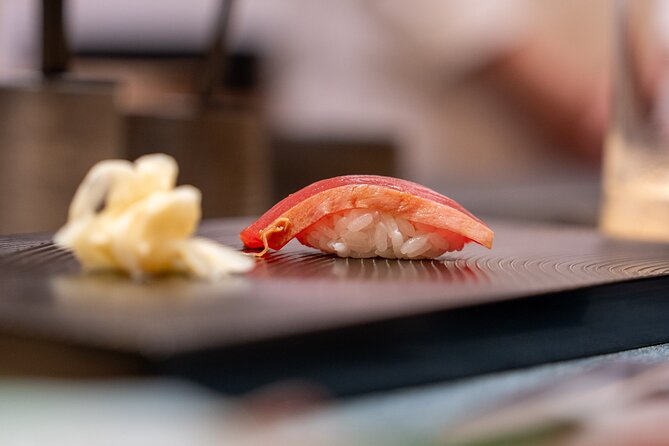
The main hands-on portion includes nine pieces of nigiri sushi and roll sushi. Nigiri is the classic form where fish or another topping sits on a small mound of seasoned rice. Roll sushi gives you a different task, with ingredients enclosed in seaweed and rice.
You will shape the sushi under the Taisho’s guidance and then eat your creations at the restaurant. That immediate result is part of the fun. You do not have to wonder if the sushi survived a long trip in a box.
The chef handles the slicing, which is both safer and more realistic. Proper sushi knives require skill, and the fish preparation is one of the parts most difficult to reproduce at home. You can concentrate on the rice, rolling, and final shape.
Families should note that children from age four are welcome. Younger children may need close help from an adult, especially during rolling and shaping, but the activity is designed to be approachable. If you are booking for a child, consider whether they will enjoy following short demonstrations and sitting through a meal.
Fresh tempura adds a cooked course
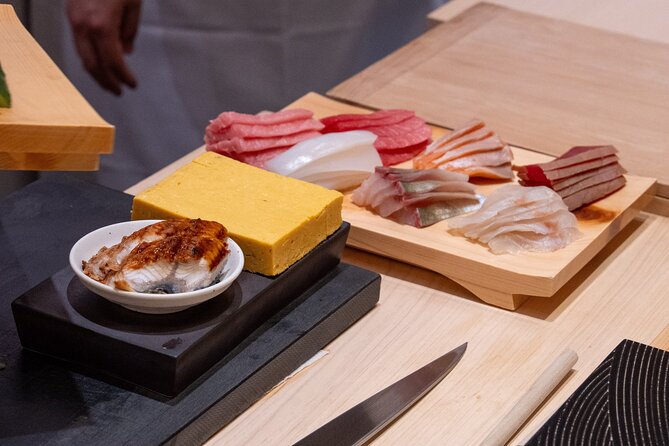
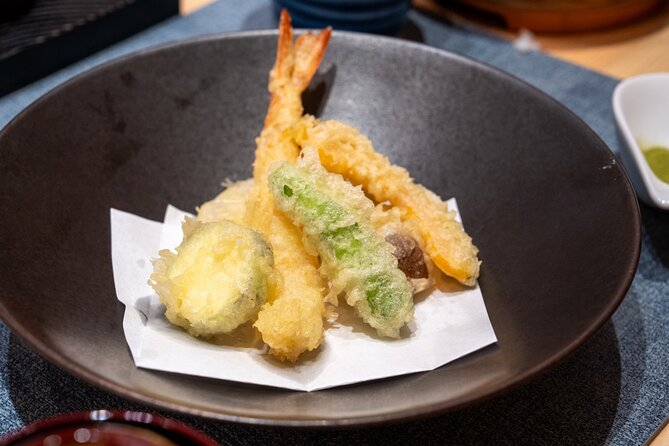
The included tempura set is prepared by the chef. This is a welcome change of texture after the sushi, with crisp fried food alongside the fresh fish and rice.
A strong part of the food experience is that not everything depends on your own cooking. You make sushi, but the chef prepares the tempura. That lets you compare two Japanese cooking styles: careful raw preparation and hot, crisp frying.
The portion details are not specified, so I would think of the tempura as part of a multi-course tasting rather than a promise of a large standalone meal. Since the experience lasts about three and a half hours and includes drinks, sweets, and tea, it should provide plenty of food for most people.
Sake tasting with simple pairing guidance
Sake tasting follows the sushi portion. You sample different types of sake and learn how to pair them with sushi.
This is especially useful if sake menus leave you guessing. Instead of treating sake as one single drink, the tasting gives you a chance to notice differences between styles and consider how each works with fish, rice, and seasoning.
Two drinks are included in the course, along with sake tastings. The information does not specify the exact sake varieties or the serving sizes, so you should not book this expecting a formal certification-style tasting. It is better understood as a friendly introduction linked directly to the meal.
If you do not drink alcohol, check with MagicalTrip before booking about alternatives. The supplied details confirm the included drinks and sake tasting but do not state a nonalcoholic option.
Matcha in a Kyoto-style garden
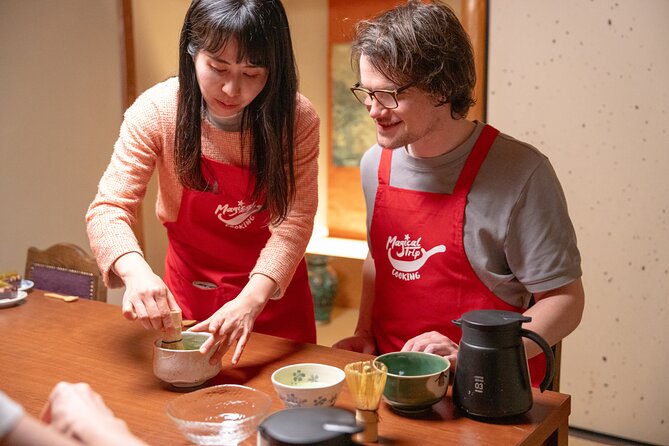
The final portion moves to a peaceful Kyoto-style garden. Your guide teaches you how to whisk matcha, then you drink it with the traditional sweets chosen at the start.
This is a calm way to finish an activity built around precise hand movements. Sushi shaping asks for control and patience. Matcha preparation does the same in a quieter setting, with a whisk instead of a sushi mat.
You do not need prior tea experience. The point is to learn the basic action and enjoy the drink with the sweets, not to perform a formal tea ceremony. The garden setting also gives the afternoon a distinct Kyoto feel without requiring a separate temple visit.
The exact garden is not named in the available details, so I would not plan the rest of your day around a specific garden attraction. Treat it as the closing setting for the class.
Is $163.30 a fair price?
At $163.30 per person, this is not a bargain meal. The value comes from the combination of several activities and the small group size.
Your price covers:
- A professional chef demonstration and sushi lesson
- Nine pieces of nigiri and roll sushi that you make yourself
- A tempura set prepared by the chef
- Two drinks
- Sake tasting with pairing advice
- A traditional sweets stop
- Matcha preparation in a Kyoto-style garden
- An English-speaking guide
If you paid separately for a sushi meal, sake, dessert, and a tea experience, the total could add up quickly. The stronger value is for someone who wants instruction and cultural context along with food.
The weaker value is for a person who mainly wants a large dinner. You are paying for access to the chef, the lesson, the guide, and the sequence of activities. If you are not interested in making sushi or learning about matcha, the cost may feel high.
Group size, language, and pace
The maximum group size is eight. That is small enough to keep the lesson focused, though the exact feel will depend on how many people book that date.
The English-speaking guide is important because the experience includes technique, food background, and sake pairing. Guide Ayuri is specifically associated with the experience, and her warm, family-friendly approach was highlighted in the supplied feedback. You should not assume Ayuri will lead every departure, but her presence gives you a sense of the tone to expect.
The three-and-a-half-hour length is long enough for the different stages without making the activity an all-day commitment. Still, the afternoon includes several transitions: sweets, restaurant instruction, sushi-making, tempura, sake, and matcha. If you prefer a quick cooking class, this may feel leisurely.
Who should book this experience?
I would recommend it most strongly to:
- First-time visitors who want several Japanese food customs in one activity
- Families with children aged four and older
- Solo visitors who prefer a small guided setting
- Sushi fans who want to understand how nigiri is shaped
- People curious about sake but unsure how to order it
- Anyone looking for an afternoon activity that ends with tea and sweets
It is less suitable if you want a low-cost meal, a full professional cooking course, or a large amount of free time during the afternoon. It may also be a poor match for strict dietary needs unless you confirm arrangements in advance, since the provided details do not list substitutions or allergy procedures.
Book at least a little ahead if possible. This experience is typically reserved about 24 days before the date, and the small group cap can limit last-minute space.
Cancellation is flexible up to 24 hours before the start time for a full refund. Changes or cancellations inside that window are not accepted for a refund, and the cut-off uses Kyoto local time.
My verdict: a strong choice for food-focused Kyoto days
You should book this experience if you want more than a sushi lunch. The best parts are the direct guidance from a professional chef, the chance to make nine nigiri and roll sushi, and the way the afternoon continues into sake, sweets, and matcha.
I especially like that the chef handles the difficult slicing while you still do enough work to feel involved. The fresh fish, chef-made tempura, and relaxed tea finish give the experience a good balance of instruction and enjoyment.
At $163.30, it asks for a meaningful part of your Kyoto budget. For a special food afternoon, that price can make sense. For a simple meal, it does not. If you value hands-on practice, a small group, and several linked Japanese traditions, this is one of the better ways to spend three and a half hours in Kyoto.
FAQ
Where does the Kyoto sushi-making experience begin?
It begins at Diesel604 Banochō in Nakagyo Ward, Kyoto, 604-8172, Japan. The meeting point is near public transportation.
What time does the experience start?
The activity starts at 3:30 pm and lasts approximately three hours and 30 minutes.
Where does the experience finish?
The activity ends back at the meeting point.
How many people can join the experience?
The maximum group size is eight people.
Do I need to speak Japanese?
No. An English-speaking guide leads the experience, and no Japanese language skills are required.
What is included in the experience?
The course includes nine nigiri sushi, roll sushi, a tempura set, two drinks, sake tastings, a matcha experience, and Japanese sweets.
Newest Kyoto experiences on the site
- Treasures of Kyoto: Gion & historical Walking Tour★ 5.0 · 6 reviews
- Whisk Your Own Matcha: A Zen Matcha Experience at Temple★ 3.6 · 7 reviews
- Kyoto tea town for matcha lovers★ 5.0 · 16 reviews
- Uji: Private immersion into Kyoto’s tea and reglious culture★ 5.0 · 17 reviews
- Uji and Wazuka Matcha Farm Half Day Private Guided Tour★ 5.0 · 21 reviews
- Kyoto Matcha Green Tea Tour★ 4.5 · 23 reviews
- Utilising upcycled Matcha! Creating matcha incense (Uji, Kyoto)★ 5.0 · 6 reviews
- Sacred Temple Yoga Experience in Japan★ 5.0 · 3 reviews
Kyoto Sushi Making Classes, compared.
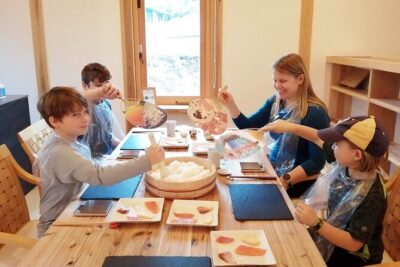
The Original Small-Group Sushi Making Class in Kyoto
Read our review →
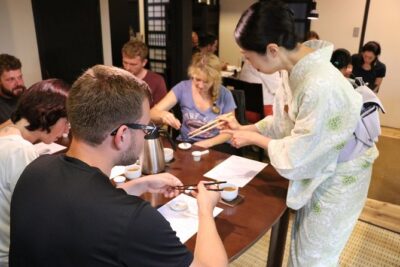
Sushi – Authentic Japanese Cooking Class – the best souvenir from Kyoto!
Read our review →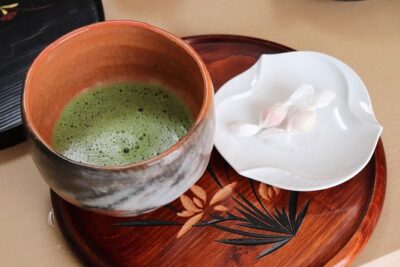
Private Kyoto Sushi Cooking Class & Tea Ceremony with Emika
Read our review →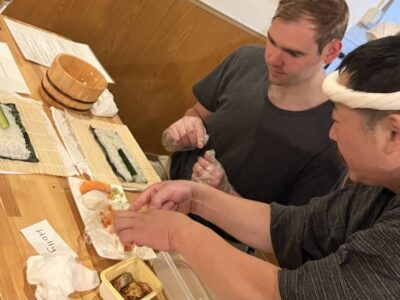
Enjoy Sushi & Market Tour! Best for Family & Couple!
Read our review →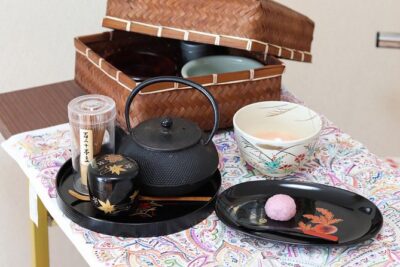
Sushi or Traditional Japanese Cuisine in a Kyoto Home with Emika
Read our review →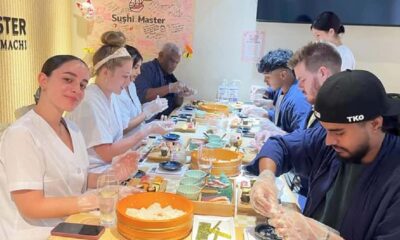
Browse the lists this tour appears in