
Reviewed · FUSHIMI INARI TOURS
Private eBike Tour Exploring Fushimi with Torii Red Gate Ride
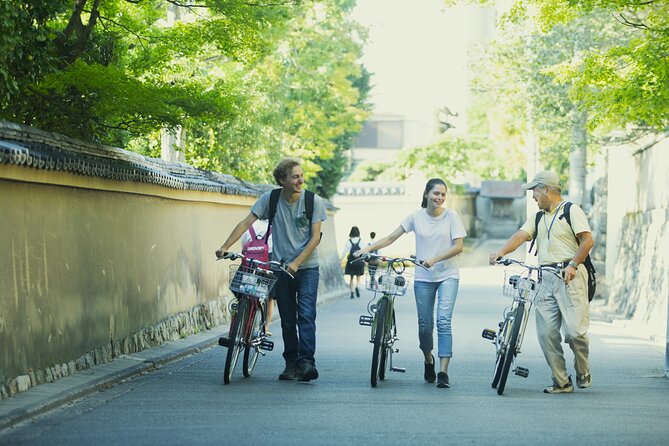
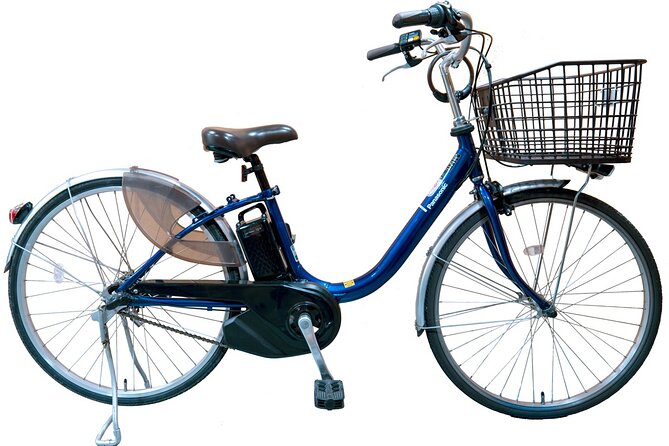
The most memorable part of this Kyoto tour is the way it links several major sights by bicycle. You ride from Kyoto Station through quieter streets to Sanjusangen-do, Fushimi Inari, and the Kamo River, with a guide handling the route and explaining what you are seeing. It gives you more than a shrine visit, but less fatigue than a full day on foot.
I like two things right away. First, it is private, so your group can keep a relaxed pace and ask questions without being lost in a large crowd. Second, the guides bring personality to the ride. Kaz, Yuichi, Tibor, and JJ are specifically praised for their humor, patience, local knowledge, and help with photographs. The main consideration is that you must be comfortable cycling on Kyoto roads, and the tour runs in rain.
Key points at a glance
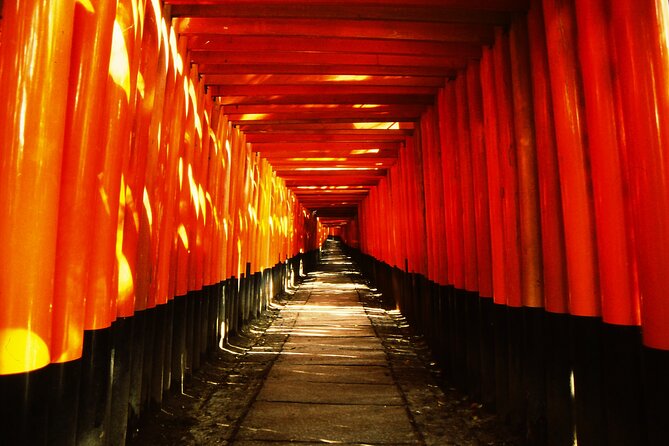
- Fushimi Inari by bicycle: Walk through the famous red torii gates after arriving by bike, rather than spending the whole outing on crowded transport.
- Two very different sacred sites: Sanjusangen-do offers a quiet interior filled with a thousand Buddha statues, while Fushimi Inari brings open-air shrine paths and hillside gates.
- Small private groups: One guide accepts two to six people, with an additional guide available for groups of seven to twelve at no extra guide fee.
- A scenic return route: The ride back follows the Kamo River embankment, where you can watch for wildlife and enjoy a slower finish.
- Practical equipment included: You receive a bicycle, helmet, rain poncho, cycling map, and accident insurance.
- A good fit for active sightseers: Children must be at least 10 years old, 145 centimeters or taller, and able to ride safely on the road without help.
Why this Kyoto ride works so well
Kyoto can be awkward to explore. The main sights are spread out, buses can be crowded, and walking between them takes time. A bicycle gives you another option: you can use side streets, cover more ground, and see ordinary Kyoto between the headline attractions.
This is not a race or a strenuous cycling challenge. The total outing lasts about three and a half hours, and that time includes riding between stops. The route is designed around sightseeing, with substantial time at Sanjusangen-do and Fushimi Inari.
I especially like the balance between famous places and quieter movement. You get the shrine most people put near the top of their Kyoto list, but you also ride beside the Kamo River and stop at a less talked-about temple. That mix helps the city feel like a place where people live, not just a string of postcard views.
The private format matters here. A guide can adjust the speed to suit your group, pause for questions, and help with photos. The guide names associated with this experience include Kaz, Yuichi, Tibor, J Jay, Kay, and Y Yagyu. The strongest praise centers on their warmth, humor, patience with children, and ability to explain local history in a lively way.
More ways to walk the Fushimi Inari gates:
- Kyoto: Fushimi Inari, Kinkakuji, Bamboo Grove 1 Day Bus Tour
★ 4.8 · 4,316 reviews - Fushimi Inari Hidden Hiking Tour (Private Option Available)
★ 5.0 · 1,750 reviews - Osaka/Kyoto:Kinkakuji,Arashiyama,FushimiInariShrine,NaraPark
★ 4.1 · 1,596 reviews
Starting at Kyoto Station’s cycling terminal
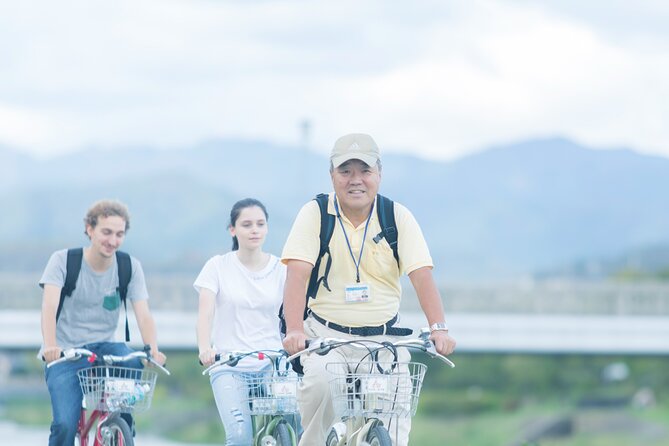
You meet at the Kyoto Cycling Tour Project terminal at 552-13 Higashiaburanokōjichō, in Shimogyo Ward, close to Kyoto Station. The activity also finishes here, which is handy if you have a train to catch later or want to continue exploring the station area.
Before setting off, you receive your bicycle and helmet. A cycling map, rain poncho, and accident insurance are included. Snacks are not included, so eat beforehand or bring something small for the ride.
The meeting point is near public transportation, but you should allow enough time to find the exact terminal. The tour is limited to two to six people per guide. A solo booking is not accepted, and a group of seven to twelve can be arranged with another guide at no additional guide fee.
Because this is a road-cycling outing, the basic requirement is not simply knowing how to balance on a bicycle. You need to ride safely without assistance. For children, the stated minimum is age 10 and height 145 centimeters.
Passing Kyoto’s Nintendo connection
One of the first stops is the former building connected with Nintendo, one of Kyoto’s best-known companies. You only spend about 10 minutes here, and there is no admission charge.
This is a quick outside look rather than a museum visit. That is exactly why it works as a cycling stop. It adds a modern Kyoto detail to a route otherwise focused on temples and shrines, and it gives your guide a chance to explain a little about the city beyond its religious sites.
Do not expect an extended Nintendo attraction or an interior visit. Think of it as a short photo and orientation stop while passing through the city.
Sanjusangen-do and its thousand statues
Sanjusangen-do receives about an hour, including time inside with your guide. This is the first major cultural stop, and it gives the tour a calm, indoor center.
The temple is known for its long wooden hall and rows of one thousand Buddha statues. Walking through the old corridors toward that sight is the kind of experience that benefits from a guide. Without context, the scale can be impressive but hard to understand. With an explanation of the temple’s purpose and the meaning of the statues, the visit has more weight.
This is also one of the best places to slow down. The cycling is gentle, but you are still moving from sight to sight. Inside the temple, you can take a quieter hour and let the atmosphere change. One guide is praised for taking the group to an exceptional temple where they could sit, relax, and enjoy the moment. That description fits the role Sanjusangen-do plays in this itinerary.
The drawback is that the visit is structured around the temple’s interior, so it may not suit someone who wants only outdoor views or fast sightseeing. Photography rules and other site regulations may apply, and your guide will direct you inside.
More bike days around Kyoto:
- Hidden Kyoto E-Biking tour
★ 5.0 · 1,843 reviews - Bike Tour Exploring North Kyoto plus Lunch
★ 5.0 · 1,087 reviews - Arashiyama Bamboo Forest & Hidden Gems Bike Tour (Early Bird)
★ 5.0 · 613 reviews - 5 Top Highlights of Kyoto Full Day Bike Tour (E-bike option)
★ 5.0 · 511 reviews
A short stop at Tofuku-ji
Tofuku-ji is allotted about 15 minutes. That is enough for photographs and a look at this quiet, imposing Zen temple, but not enough for a full exploration of the complex.
This short pause is useful because it breaks up the ride toward Fushimi Inari. You get another architectural style and a sense of a large Zen setting without spending the whole morning inside temple grounds. If Tofuku-ji is high on your personal list, you should treat this tour stop as an introduction and return independently for a longer visit.
The brief timing also tells you something important about the tour. It is designed to connect several places, not to provide an in-depth tour of every temple. Sanjusangen-do and Fushimi Inari receive the longest visits. Tofuku-ji is a scenic and cultural pause.
Walking beneath Fushimi Inari’s red torii
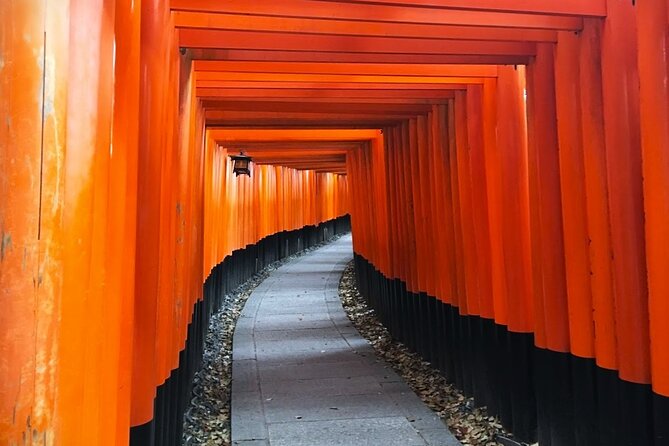
Fushimi Inari-taisha is the central event. The guide takes you along the famous torii paths and explains the shrine as you walk. You can expect about an hour here, including the time to leave the bicycles and explore on foot.
The red gates create a striking passage through the wooded shrine grounds. Their repetition is the main visual draw, but the experience is better when you understand that Fushimi Inari is a living Shinto site, not simply a photo backdrop. Your guide can help you approach the shrine with appropriate respect and point out details you might otherwise pass without noticing.
Arriving by bicycle is valuable because you avoid turning this into a long transport problem. You still encounter other people at one of Kyoto’s most famous sights, but the ride itself uses quieter streets and adds a sense of progress to the visit.
One hour will not cover every path at Fushimi Inari. The torii route continues far beyond the first striking gates, and the shrine area can involve uphill walking. If you want to hike deep into the mountain, you may need more time than this tour allows. For a first look at the shrine and its most recognizable gates, the scheduled hour is more realistic.
After the shrine, you can wander around the surrounding shops and stalls. Snacks are not included, but this is your chance to try local specialties or buy something small on your own. Keep in mind that extra shopping and eating time may reduce the time available for the planned ride back.
Returning along the Kamo River
The final cycling section follows the peaceful embankment beside the Kamo River. This is a welcome change after the crowds and visual intensity of Fushimi Inari.
The route is described as a place to see nature and wildlife, so you should expect a scenic ride rather than another formal attraction. It gives you space to notice the river, the banks, and the quieter rhythm of Kyoto. I like that the tour ends with movement and open air instead of dropping you straight back into traffic.
The return to Kyoto Station also helps the outing feel complete. You begin near the city’s main transport hub, travel south through historic districts, and come back along the river. The route is not only about reaching destinations. The cycling between them is part of the experience.
What the $111.05 price means
At $111.05 per person, this is not the cheapest way to see Fushimi Inari. You are paying for a private guide, bicycle use, helmet, rain poncho, cycling map, accident insurance, and guided access at the major stops.
The value is strongest for two or more people who want a guided half-day without joining a large group. A private tour can save you the work of planning a workable route between Kyoto Station, Sanjusangen-do, Tofuku-ji, and Fushimi Inari. It also gives you someone to handle directions and explain the cultural setting.
The cost is harder to justify if you are already comfortable cycling around Kyoto, prefer exploring alone, or want to spend several hours hiking the upper paths of Fushimi Inari. You would have more freedom on your own, though you would lose the guide’s explanations and the convenience of a prepared route.
This experience is usually booked about 24 days ahead. That is useful to know if your Kyoto dates are fixed, especially since the tour requires at least two people and confirmation is subject to availability.
Rain, timing, and practical limits
The tour operates in rain, and a poncho is provided. That makes the experience more dependable in Kyoto’s changeable weather, but rain will still affect road conditions, visibility, and comfort. Wear clothing you can cycle in and shoes suitable for walking through temple and shrine grounds.
The tour lasts approximately three hours and 30 minutes. Since riding time is included, the three major stops do not add up to a full three and a half hours on their own. You should also remember that Fushimi Inari includes walking, while Sanjusangen-do requires time inside the temple.
Children are accepted only from age 10, with a minimum height of 145 centimeters, and they must be able to ride safely on the road without assistance. The tour is not suitable for a child who needs a parent to steady the bicycle.
The supplied cancellation information is inconsistent. One set of booking details says to notify the operator by 18:00 Japan time at least three days before the tour for a refund, while another says the experience is non-refundable and cannot be changed. Check the terms shown at the time you book and confirm directly with KCTP if this matters to your plans. If the minimum number is not met and the operator cancels, you are offered another date or experience, or a full refund.
The kind of guide you can expect
The guide is a major part of the value. Kaz is praised for combining local knowledge, history, energy, and humor. Yuichi is noted for keeping the ride relaxed, taking photos, and creating time to sit quietly at a temple. Tibor is described as patient and kind with children.
J Jay and Kay are also associated with the tour, and J Jay is specifically praised for helping with a medical problem and spending personal time assisting with the local health-care system. That does not mean you should expect personal medical support as part of the package, but it does suggest the guide role is not limited to reciting facts.
The overall style appears friendly and flexible rather than formal and academic. If you want a lecture-heavy temple tour, this may feel too casual. If you like to ask questions, stop for photographs, and hear history in plain language, it should suit you well.
Who should book this private eBike tour?
I would choose this tour if you want to see Fushimi Inari but do not want to spend half a day figuring out Kyoto’s transport connections. It is also a strong choice for couples, families with older children, and small groups who value a private guide.
It suits you particularly well if you enjoy:
- Seeing major sights while also passing through ordinary streets
- A relaxed cycling pace rather than a demanding athletic ride
- Temple and shrine context from an English-speaking guide
- A small group with room for questions and photographs
- A route that finishes near Kyoto Station
I would think twice if you dislike cycling in city traffic, need a fully flexible schedule, or want a long hike through every level of Fushimi Inari. The tour gives you a well-shaped introduction, not unlimited time at each place.
Should you book it?
Book it if you want a guided Kyoto sampler with real movement between sights. The combination of Sanjusangen-do, Tofuku-ji, Fushimi Inari, and the Kamo River is well judged, and the private format makes the three-and-a-half-hour schedule feel manageable.
The strongest reasons to choose it are the guides, the quiet connecting streets, and the chance to see Fushimi Inari without making the whole outing about transport and walking. Just confirm the cancellation terms, be ready to ride in rain, and understand that one hour at Fushimi Inari is an introduction rather than a full mountain hike.
FAQ
Where does the eBike tour start?
It starts at the Kyoto Cycling Tour Project, Kyoto Station Cycle Terminal, at 552-13 Higashiaburanokōjichō, Shimogyo Ward, Kyoto, 600-8235, Japan.
Where does the tour finish?
The activity ends back at the same meeting point near Kyoto Station.
How long does the tour last?
The tour lasts approximately three hours and 30 minutes. This includes the time spent cycling between locations.
Is the tour private?
Yes. Only your group participates in the activity.
How many people can join one guide?
A guide can accept a minimum of two and a maximum of six people. For groups of seven to twelve, an additional guide can be arranged without an extra guide fee.
What equipment is included?
The tour includes a bicycle, helmet, rain poncho, original cycling map, and accident insurance.
Are food and snacks included?
No. Snacks are not included. You can visit the shops and stalls around Fushimi Inari and purchase local specialties separately.
Does the tour operate in rain?
Yes. The tour operates in rain, and a rain poncho is provided.
Can children join the tour?
Children must be at least 10 years old, at least 145 centimeters tall, and able to ride a bicycle safely on the road without assistance.
Is Fushimi Inari the only temple or shrine visited?
No. The route also includes Sanjusangen-do and Tofuku-ji. Sanjusangen-do receives about one hour, Tofuku-ji about 15 minutes, and Fushimi Inari about one hour.
Newest Kyoto experiences on the site
- Treasures of Kyoto: Gion & historical Walking Tour★ 5.0 · 6 reviews
- Whisk Your Own Matcha: A Zen Matcha Experience at Temple★ 3.6 · 7 reviews
- Kyoto tea town for matcha lovers★ 5.0 · 16 reviews
- Uji: Private immersion into Kyoto’s tea and reglious culture★ 5.0 · 17 reviews
- Kyoto Matcha Green Tea Tour★ 4.5 · 23 reviews
- Uji and Wazuka Matcha Farm Half Day Private Guided Tour★ 5.0 · 21 reviews
- Utilising upcycled Matcha! Creating matcha incense (Uji, Kyoto)★ 5.0 · 6 reviews
- Sacred Temple Yoga Experience in Japan★ 5.0 · 3 reviews
Fushimi Inari Tours, compared.
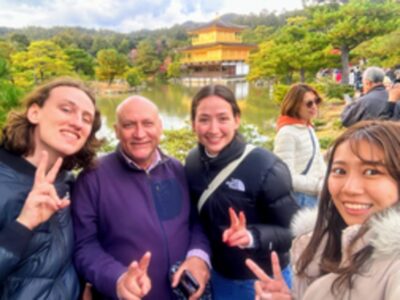
Fushimi Inari, Kinkakuji, Bamboo Grove 1 Day Bus Tour
Read our review →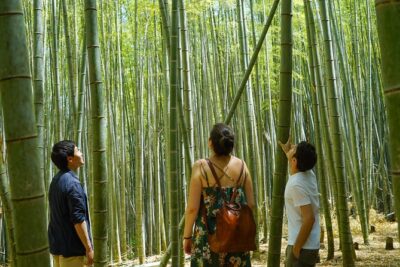
Fushimi Inari Hidden Hiking Tour (Private Option Available)
Read our review →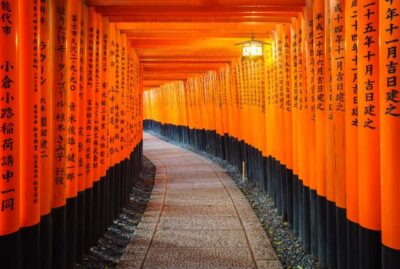
Kinkakuji,Arashiyama,FushimiInariShrine,NaraPark
Read our review →
Nara, Fushimi Inari Taisha, Arashiyama Bus Tour
Read our review →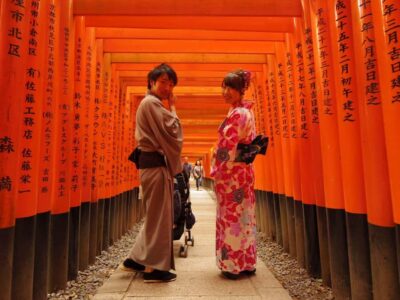
Arashiyama, Nara & Fushimi Inari Shrine w/Lunch
Read our review →
Nijo Castle, Kiyomizu & Fushimi Inari Guided Tour
Read our review →
Nijo, Kinkaku-ji, Arashiyama, Kiyomizu & Fushimi Inari
Read our review →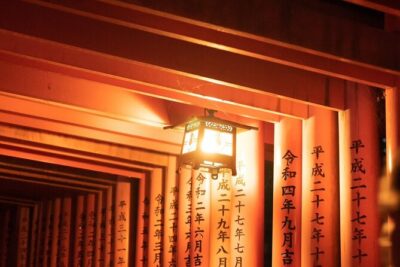
Browse the lists this tour appears in