
Reviewed · KIYOMIZU-DERA TEMPLE TOURS
KYOTO: Tempio Kiyomizu Pagode Gion “Geisya” (Guida Italiana)
Kyoto’s famous eastern streets make far more sense with someone who can explain what you are seeing. This five-hour tour follows the old pilgrimage route to Kiyomizu-dera, then threads through Sannenzaka, Ninenzaka, Gion, and Pontocho with an Italian-speaking guide.
I like the fact that transport and planned entrance fees are included, so the $117 price is easier to judge from the start. I also like the Italian-language focus, especially with guide Omae, whose clear explanations, friendly manner, and careful answers receive repeated praise. The main consideration is pace: five hours covers several major sights, but it is still a walking tour through Kyoto’s most visited area.
Key points at a glance
- Italian guide Omae: Expect explanations of Kyoto’s history, religion, customs, and local details in fluent Italian.
- Kiyomizu-dera first: The tour begins with the major temple, giving you context before the traditional streets become the main event.
- Sannenzaka and Ninenzaka on foot: These old routes are lined with sweets, souvenirs, cafés, and small shops.
- Gion and Pontocho finish: The route moves from temple streets into Kyoto’s famed entertainment districts.
- Transport and admission included: The listed bus ride and scheduled monument entries are covered in the price.
- Flexible planning: Start times and route details can be adjusted on request as far as possible.
Why this route works so well in Kyoto
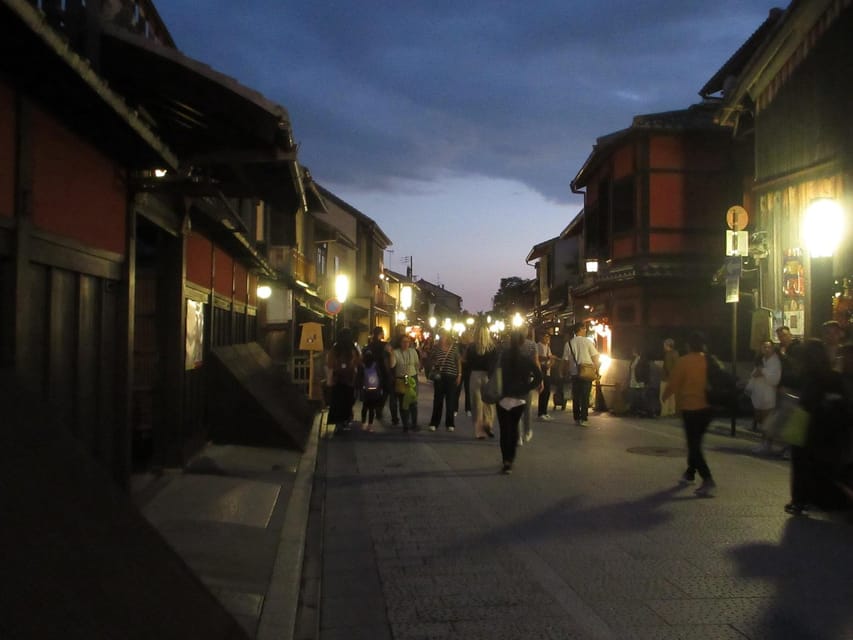
Kyoto can feel like a collection of beautiful but disconnected sights. Kiyomizu-dera is on the eastern side of the city, Gion lies farther west, and Pontocho sits beyond it near the Kamo River. This tour links them in a natural sequence, moving from Buddhist worship to old merchant streets, traditional entertainment districts, and evening dining lanes.
That order matters. You begin at Kyoto Station, take about 15 minutes by bus, and reach Kiyomizu-dera before walking downhill through the historic streets. The route gives you a clear sense of how the area grew around religious visits and later became a place for shops, cafés, sweets, and leisure.
I especially like this kind of guided walk for a first day in Kyoto. You are not simply checking off temples. You are hearing why the streets developed as they did and how religious places, shops, food, and entertainment became tied together.
The tour lasts five hours. That is long enough for useful context and several major areas, but not so long that the route becomes an all-day commitment. You should still expect a full outing, with the walking sections broken up by the initial bus ride and guided stops.
More ways to walk Gion:
- Kyoto Geisha Walking Tour: Gion District & Hidden Gems
★ 4.7 · 3,273 reviews - Kyoto: Gion Magical Night Walking Tour with Geisha Trivia
★ 4.9 · 2,393 reviews - Kyoto: Gion Geisha District Walking Tour – Stories of Geisha
★ 4.7 · 2,187 reviews
Meeting at Kyoto Station without confusion
The meeting point is outside the central north entrance of Kyoto Station, at the space between the four escalators in front of the taxi terminal. It is not at the bus terminal.
The easiest visual reference is Kyoto Tower. From the meeting space, you should see the tower in front of the station toward the upper left, not the right. That detail is worth noting because Kyoto Station is large, and a vague meeting instruction can waste the first part of a tour.
You receive a message by the day before with confirmation and more exact meeting details. I would still arrive early. Kyoto Station has several exits, and finding the correct side of the building takes longer than it looks on a map.
The tour can be private or operated for a group, according to the booking arrangement. No fixed maximum group size is provided, so check the available option if the size of your party matters to you.
Kiyomizu-dera: the main temple visit
After the short bus ride, Kiyomizu-dera receives about an hour of guided attention. This is the centerpiece of the route, and rightly so.
The temple belongs to the eastern hills of Kyoto and is part of an area shaped by pilgrimage routes dating from the eighth century onward. The approach is not just a path to a monument. It is part of the experience, with shops and cafés serving people who come for worship, sightseeing, snacks, and souvenirs.
A guide adds value here because Buddhist temples can be hard to read at first glance. There are religious symbols, gates, halls, rituals, and architectural features that may seem decorative until someone explains their purpose. Omae’s role is to point out those details and answer questions in Italian, rather than leaving you to guess what matters.
The one-hour visit is a sensible amount of time for orientation and sightseeing. It gives you room to appreciate the temple without turning the tour into a long architectural lecture. If Kiyomizu-dera is high on your Kyoto list, this stop provides the most substantial guided visit of the day.
The tradeoff is that an hour is not enough for every corner of the temple grounds. You may need to accept a focused visit instead of a slow, independent exploration. The route’s purpose is to connect several historic areas, not to spend half a day at one temple.
Sannenzaka and Ninenzaka: Kyoto’s best-known old streets
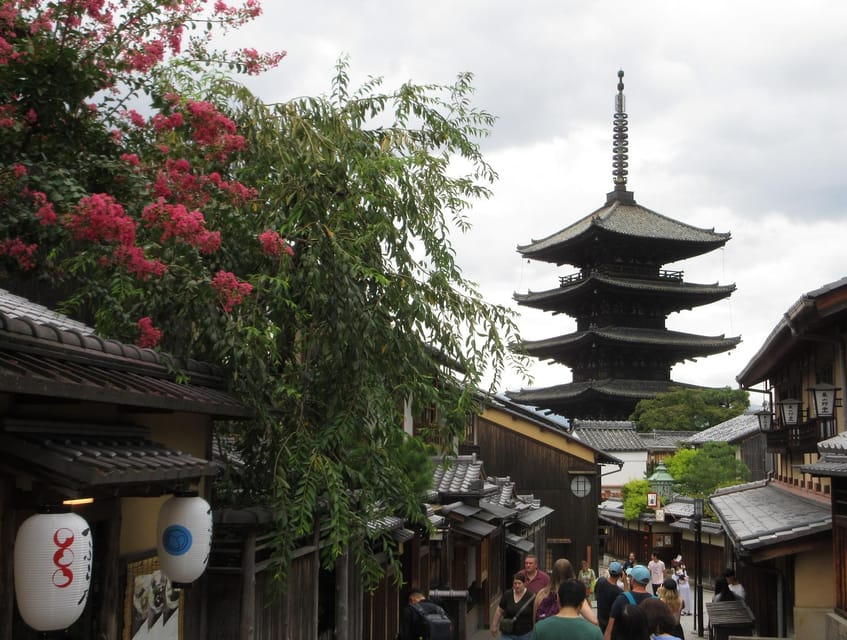
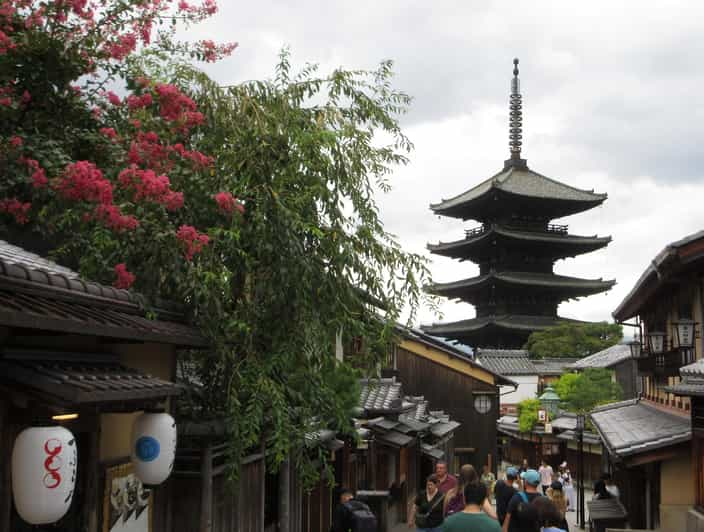
From Kiyomizu-dera, you walk for about five minutes to Sannenzaka. The walk itself is short, but this is where the character of the outing changes. You leave the temple grounds and enter streets lined with souvenir shops, sweets, cafés, and places selling food connected with Kyoto’s visitor culture.
Sannenzaka is followed by Ninenzaka, reached after another short walk. The listed walking time between the two is only a few minutes, while the route allows time to look around as you go. These lanes are popular for good reason: they preserve a traditional street setting and offer plenty to see without requiring a separate shopping plan.
A guide helps you sort the meaningful details from the simple shopping distractions. You can ask about the customs behind temple visits, local foods, religious objects, or the way Kyoto presents traditional culture to visitors. The strongest part of this experience is not only seeing the streets, but understanding why they are there and how they fit into the city.
You should also plan your expectations carefully. These are famous streets, not quiet back lanes known only to residents. Shops and cafés are a central part of the experience, and the area can feel oriented toward visitors. If you want Kyoto’s most accessible introduction to traditional streets, this works well. If you want solitude, this route is less suitable.
More Kiyomizu-dera visits and hillside walks:
- Kyoto: Tea Ceremony in a Traditional Tea House in Kiyomizu
★ 4.9 · 3,519 reviews - Kyoto: Nijo Castle, Kiyomizu & Fushimi Inari Guided Tour
★ 4.7 · 700 reviews - Kyoto: Nijo, Kinkaku-ji, Arashiyama, Kiyomizu & Fushimi Inari
★ 5.0 · 699 reviews - Kyoto Tea Ceremony & Kiyomizu-dera Temple Walking Tour
★ 5.0 · 115 reviews
Walking toward Gion
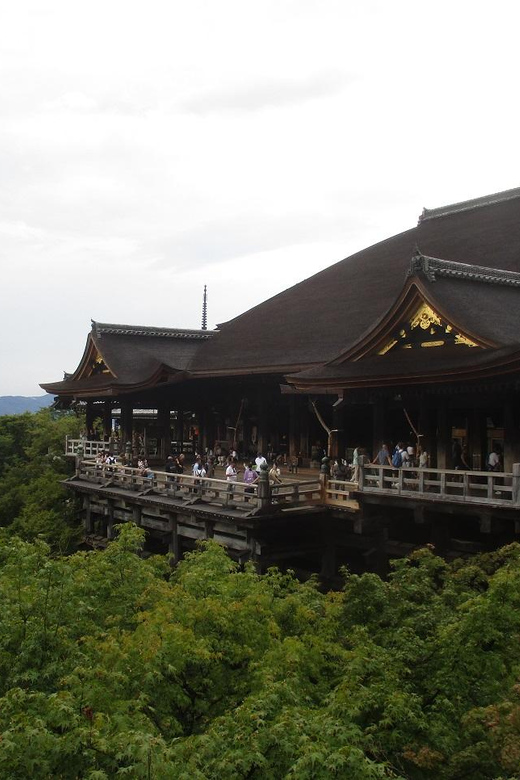
The route continues on foot for about 15 minutes toward Gion. This is the longest listed walking stretch, so comfortable shoes are a sensible choice.
The walk connects the temple district with one of Kyoto’s best-known cultural areas. Along the way, the guide can help you understand the transition from a pilgrimage setting to an entertainment district. That change is one of the most useful ideas built into the route.
The schedule allows about 30 minutes in Gion. That is enough for a guided introduction and sightseeing, but not a long, open-ended exploration of every lane. You should think of this as a well-shaped overview rather than a dedicated Gion-only tour.
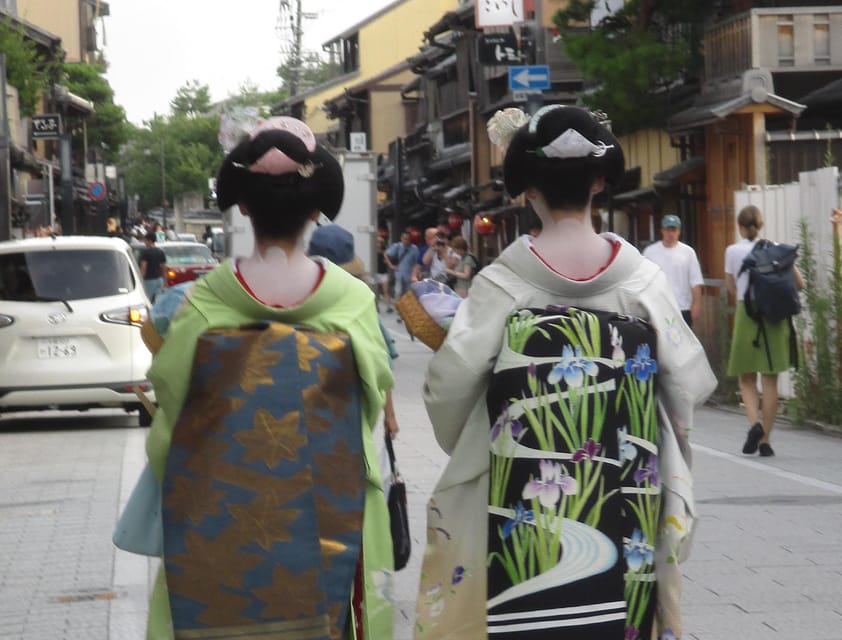
Gion is often treated as a place to hunt for photographs, but the area deserves more care than that. Your guide can explain the cultural setting and answer questions about Kyoto’s traditional arts and social customs. The supplied information does not promise a performance or a guaranteed encounter with geisha, so you should book this for interpretation of the district, not for a staged sighting.
This is also where guide quality matters most. Several Italian-speaking participants specifically praise Omae for being friendly, precise, attentive, and able to answer questions. That combination is useful in a place where cultural manners and local context are easy to misunderstand.
A brief look at Minami-za and the finish in Pontocho
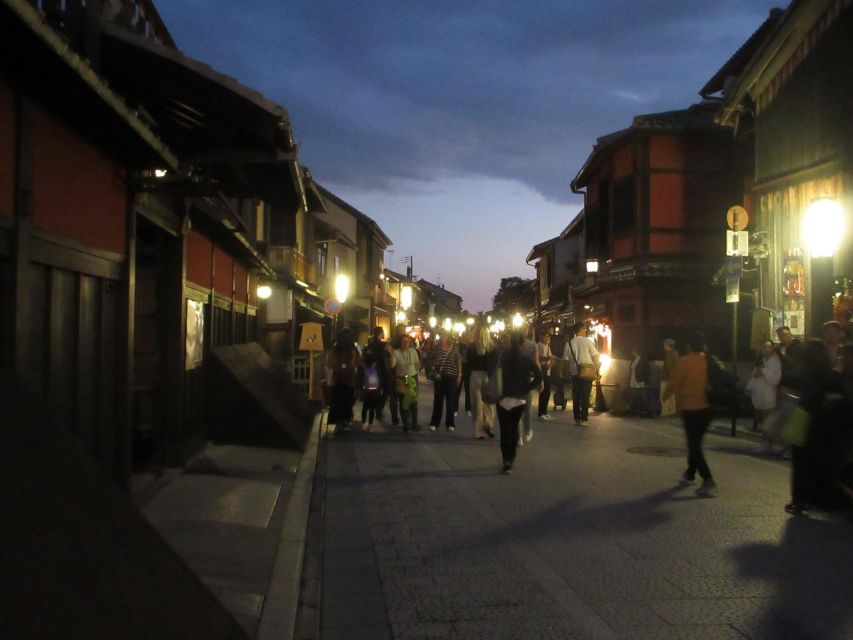
After Gion, the route takes you past Kyoto Minami-za, a historic theater known from the tour plan as a brief pass-by stop. You do not receive a scheduled theater visit, so treat this as a chance to see an important cultural building from the outside while moving toward the final district.
The route ends in Pontocho after another short walk. Pontocho is a narrow entertainment and dining area near the Kamo River, and it provides a fitting finish after Gion. The tour ends here rather than returning you to Kyoto Station, which gives you freedom to continue your evening nearby.
That open ending is practical. You can stay in the area for dinner or keep exploring on your own. Just remember to plan your next step, especially if you need to return to your hotel or catch a train from Kyoto Station.
What the Italian guidance adds
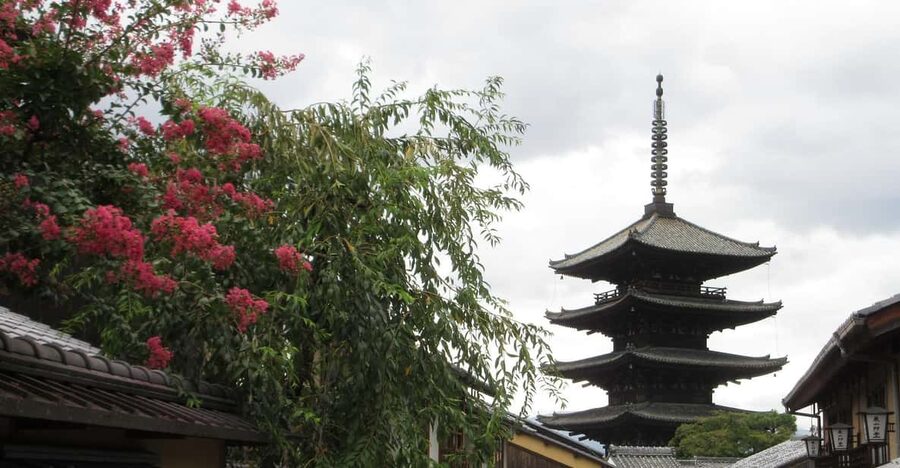
The biggest reason to choose this tour is the language. Kyoto’s religious and cultural details are not always obvious from signs or guidebooks, and a live Italian-speaking guide lets you ask about the things that interest you most.
Omae is identified as the guide, and the strongest praise focuses on three traits: preparation, warmth, and attention to detail. The feedback describes him as funny and easygoing while also careful in his explanations. That balance matters. A guide who only lists dates can make a temple visit feel dry, while a guide who only entertains may leave you without useful context.
You can ask questions throughout the itinerary, and the service includes assistance whenever needed during the route. That can be particularly helpful if you are unsure about transport, entrances, or how to approach religious sites respectfully.
The tour is not presented as a specialist academic lecture. It is better understood as a personal introduction to Kyoto, delivered in Italian and shaped around the city’s most recognizable eastern sights.
Is $117 a fair price?
At $117 per person, this is not the cheapest way to walk through Kiyomizu-dera and Gion. You are paying for a five-hour guided experience, transport, scheduled entrance tickets, and Italian-language assistance.
The value improves if you would otherwise need to arrange a bus ride, buy temple admission separately, and hire an Italian-speaking guide. It also makes more sense if you want to ask questions rather than follow a printed route. The cost is less attractive if you are comfortable navigating alone and only want quick exterior views.
A useful way to judge the price is to ask what you need from Kyoto. If you want a simple sightseeing walk, $117 may feel high. If you want cultural explanations in Italian and help connecting the temple, pilgrimage streets, Gion, and Pontocho, the package is easier to justify.
Because the price includes transport and the entrance fees scheduled for the itinerary, you have fewer small expenses to manage during the outing. It does not mean every possible purchase or optional activity is covered. Shops, cafés, and personal spending are separate.
Who will enjoy this tour most
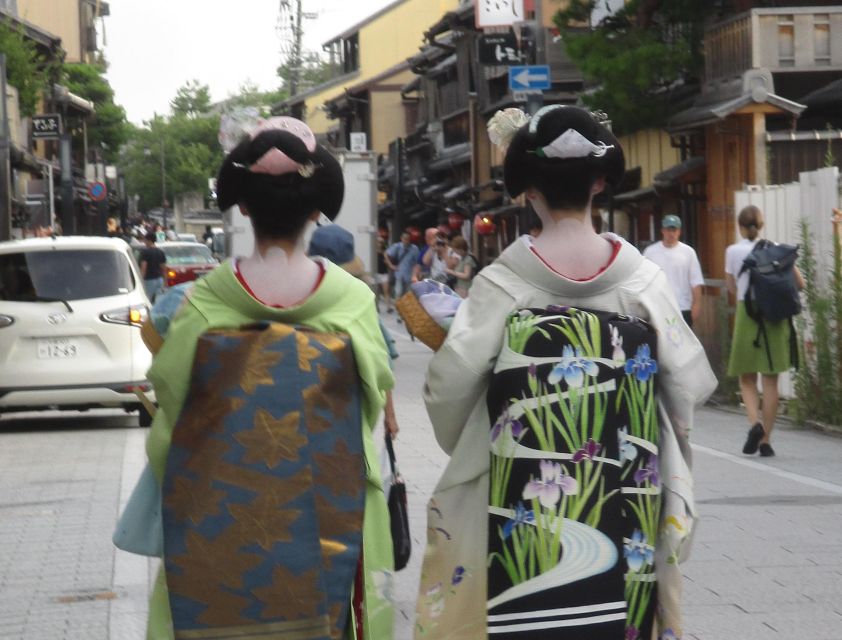
I would recommend this experience to Italian-speaking visitors who want their first look at Kyoto to come with context. It suits couples, families, and small groups who prefer a guide rather than handling every detail alone.
It is also a good match if you value flexibility. Start times and itinerary details can be adjusted on request as far as possible, although changes are not guaranteed. Ask before booking if you have a tight schedule or a particular sight you want to prioritize.
The tour is wheelchair accessible, which is an important advantage for visitors who need that feature. The published information does not provide detailed accessibility notes for every street or temple section, so contact the provider if you need specific route assurances.
You may want a different plan if your main goal is shopping, a long temple study, or a quiet walk away from popular areas. This experience deliberately combines major sights and visitor-friendly streets.
Practical advice before you go
Wear shoes you can walk in for several hours. The route includes a 15-minute bus ride, several short walks, and one longer 15-minute walking section between the old streets and Gion.
Keep the meeting instructions handy. Go to the north entrance of Kyoto Station, look for the space between the four escalators near the taxi terminal, and use Kyoto Tower as your visual check. Do not wait at the bus terminal.
Leave room for questions. The guide’s strongest role is explaining details and responding to what interests you, so a little preparation can make the tour more rewarding. Think about what you want to understand about Buddhism, Kyoto’s pilgrimage routes, local sweets, Gion, or traditional entertainment.
The route ends at Pontocho, not Kyoto Station. That is useful if you want dinner nearby, but you should arrange your own onward plan.
Cancellation is free up to 24 hours before the tour, and you can reserve now and pay later. These terms are useful if your Kyoto schedule is still changing.
Should you book this Kyoto walking tour?
Book it if you want Italian-language guidance, a clear route through Kyoto’s eastern highlights, and a guide who can explain the religious and cultural details that are easy to miss. The combination of Kiyomizu-dera, Sannenzaka, Ninenzaka, Gion, Minami-za, and Pontocho gives you a strong first look at several sides of the city.
The $117 price is reasonable when you value the included bus ride, scheduled admissions, personal assistance, and live interpretation. It is less compelling for independent visitors who are happy to navigate alone.
For Italian-speaking visitors, especially those meeting Kyoto for the first time, this is a focused and practical introduction. Just expect popular streets, steady walking, and an overview of several areas rather than a slow visit to one temple.
FAQ
Is the tour conducted in Italian?
Yes. The live tour guide speaks Italian, and the tour is designed for Italian-speaking participants.
How long does the tour last?
The experience lasts five hours.
Where does the tour begin?
It begins at Kyoto Station, outside the central north entrance. Meet in the space between the four escalators in front of the taxi terminal, not at the bus terminal.
How can I identify the meeting point?
From the meeting space, Kyoto Tower should be visible in front of the station toward the upper left. A confirmation message with more meeting details is sent by the day before the tour.
What places are included?
The route includes Kiyomizu-dera, Sannenzaka, Ninenzaka, Gion, a pass-by view of Kyoto Minami-za, and a finish in Pontocho.
Are transport and entrance fees included?
Yes. The listed transport costs and entrance fees for the monuments scheduled during the route are included.
Is the tour wheelchair accessible?
Yes, the activity is listed as wheelchair accessible. For detailed questions about specific parts of the route, contact the provider before booking.
More Geisha and Maiko Evenings in Kyoto
- Best of Kyoto: Gion, Geisha, Pagodas & Cobblestones
★ 4.9 · 2,058 reviews - Night Walk in Gion: Kyoto’s Geisha District
★ 4.5 · 2,003 reviews - Kyoto Gion Geisha District Walking Tour – The Stories of Geisha
★ 5.0 · 1,441 reviews - Kyoto Gion: 2-Hour Geisha Culture & History Walking Tour
★ 5.0 · 1,186 reviews
Newest Kyoto experiences on the site
- Treasures of Kyoto: Gion & historical Walking Tour★ 5.0 · 6 reviews
- Whisk Your Own Matcha: A Zen Matcha Experience at Temple★ 3.6 · 7 reviews
- Kyoto tea town for matcha lovers★ 5.0 · 16 reviews
- Uji: Private immersion into Kyoto’s tea and reglious culture★ 5.0 · 17 reviews
- Kyoto Matcha Green Tea Tour★ 4.5 · 23 reviews
- Uji and Wazuka Matcha Farm Half Day Private Guided Tour★ 5.0 · 21 reviews
- Utilising upcycled Matcha! Creating matcha incense (Uji, Kyoto)★ 5.0 · 6 reviews
- Sacred Temple Yoga Experience in Japan★ 5.0 · 3 reviews
Kiyomizu-dera Temple Tours, compared.
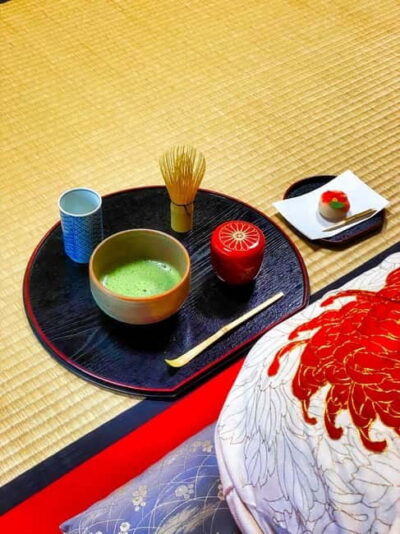
Tea Ceremony in a Traditional Tea House in Kiyomizu
Read our review →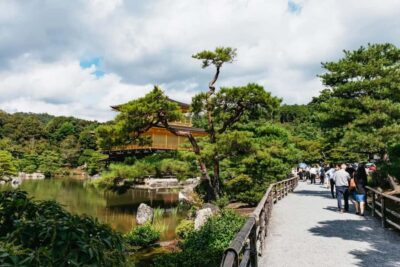
Nijo Castle, Kiyomizu & Fushimi Inari Guided Tour
Read our review →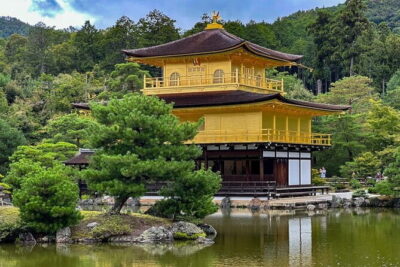
Nijo, Kinkaku-ji, Arashiyama, Kiyomizu & Fushimi Inari
Read our review →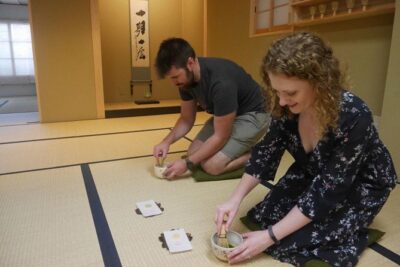
Kyoto Tea Ceremony & Kiyomizu-dera Temple Walking Tour
Read our review →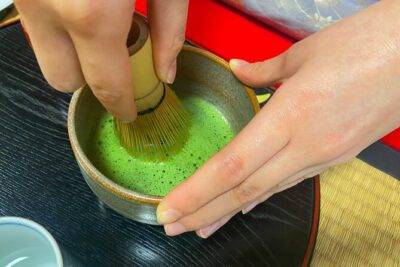
Kyoto Kiyomizu Tea Ceremony with Scenic Garden Views
Read our review →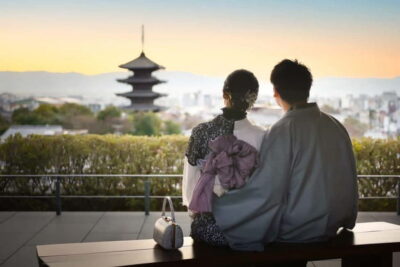
Kimono/Yukata Rental 5 Minute from Kiyomizu-dera
Read our review →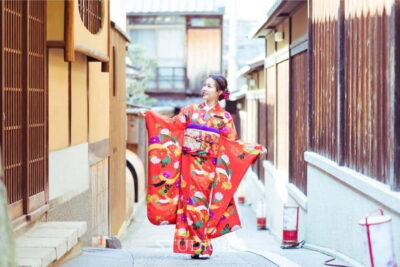
Kyoto Gion Kiyomizudera Kimono Yukata Hairstyle | Photoshoot
Read our review →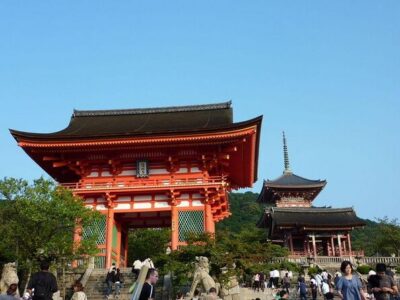
Kiyomizu Temple and Backstreets of Gion, Half Day Group Tour
Read our review →Browse the lists this tour appears in