
Reviewed · KYOTO SUSHI MAKING CLASSES
Kyoto: Cooking class, learning how to make authentic sushi
Kyoto’s Umemori Sushi School gives you a direct, hands-on introduction to sushi making. You mix the seasoned rice, shape your own pieces, choose toppings, and then eat the finished meal. The happi coat adds a playful Japanese touch, while the English-speaking instructor keeps the class open to beginners.
I like two things here: you work with special ingredients such as fatty tuna and red shrimp, and the menu can be adjusted for vegetarians, vegans, Muslims, and guests with allergies. The main consideration is value. At $113 per person for 90 minutes and eight sushi pieces, the class is more about the activity and cultural setting than getting a large meal or advanced chef training.
Key points to know before booking
- You make the sushi yourself: Learn the basic sushi rice, or shari, method before shaping your pieces.
- The class is beginner-friendly: Ingredients are prepared in advance, so you can focus on technique rather than knife work.
- The menu can be adapted: Vegetarian, vegan, Muslim-friendly, non-raw, gluten-free, and allergy-conscious options are available.
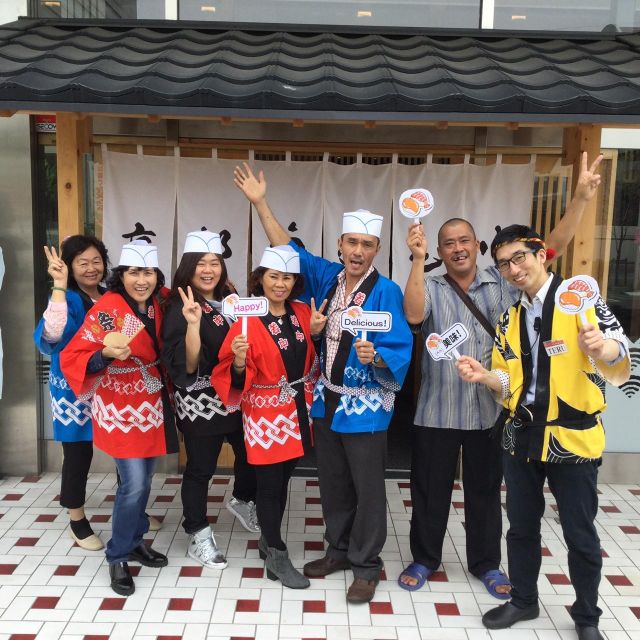
- You wear a happi coat: Choose from several traditional-style garments and take souvenir photos during the session.
- The finished meal is modest: The included portion is eight sushi pieces. A simple roll may also be part of the class format.
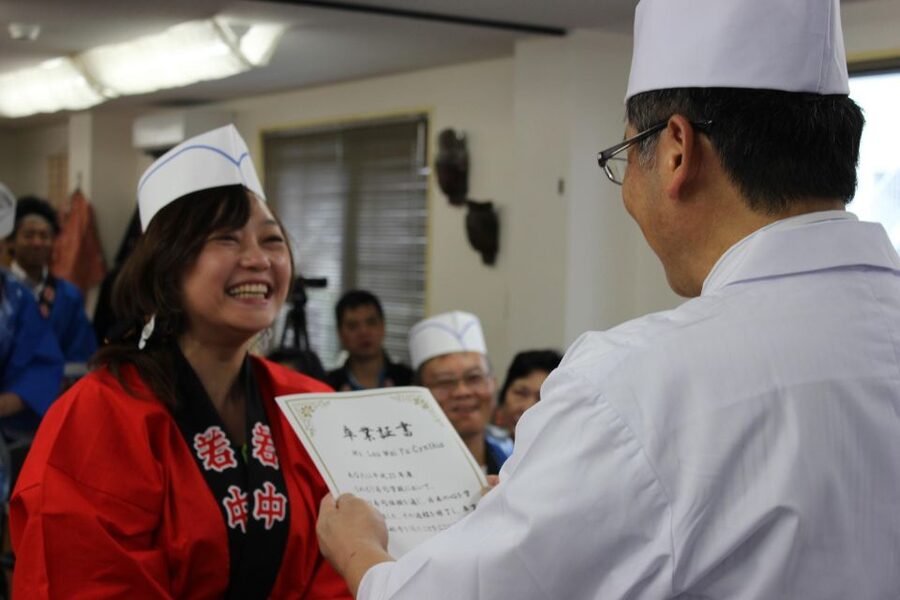
- You receive a certificate: The session ends with a graduation ceremony and certificate of completion.
Making sushi near Takeda Station
This class takes place in southern Kyoto, near Takeda Station on the Kintetsu and subway lines. It is not in the central Gion area, so you will need to allow time for the journey and the final walk from the station.
From the west entrance of Takeda Station, take a city bus and get off at the stop in front of Puls Plaza. Walk down the street, turn right at the first corner, then turn left at the next first corner. The school will be on your right.
The directions are specific, but this is not a doorstep-from-the-station activity. I would save the directions on your phone and allow extra time, especially if you are making your way across Kyoto with luggage, children, or a full day of sightseeing behind you.
The class is held indoors in all weather. That makes it a useful rainy-day choice, although the building has no elevator. The experience is listed as wheelchair accessible, and staff can help older or disabled participants up the stairs. If you use a wheelchair, contact the provider before booking so you can confirm the assistance arrangement suits your needs.
More sushi making classes in Kyoto:
- Sushi Making in Kyoto! Same-day bookings welcome!
★ 5.0 · 713 reviews - The Original Small-Group Sushi Making Class in Kyoto
★ 5.0 · 436 reviews - Kyoto: Small-Group Authentic Sushi Making Workshop
★ 5.0 · 137 reviews
Putting on a happi coat before the lesson
The session begins with the traditional clothing element. You can choose from several rental garments and put on a happi, a short Japanese festival-style coat. This is not formal kimono dressing, but it gives the class a clear sense of occasion and makes the souvenir photos more fun.
I like this detail because it turns an ordinary cooking lesson into a small cultural activity. You are not simply standing at a counter following instructions. You are taking part in a presentation built around Japanese food, clothing, and hospitality.
The clothing is rented for the class and included in the price. Wear something comfortable underneath, since you will be preparing food and working with your hands. Smoking is not allowed indoors, and pets are not permitted, apart from assistance dogs.
The atmosphere is designed to be friendly and active. The instructor speaks English and Japanese, and the lesson is made for first-time sushi makers. You do not need prior cooking skills.
Learning shari, the foundation of sushi
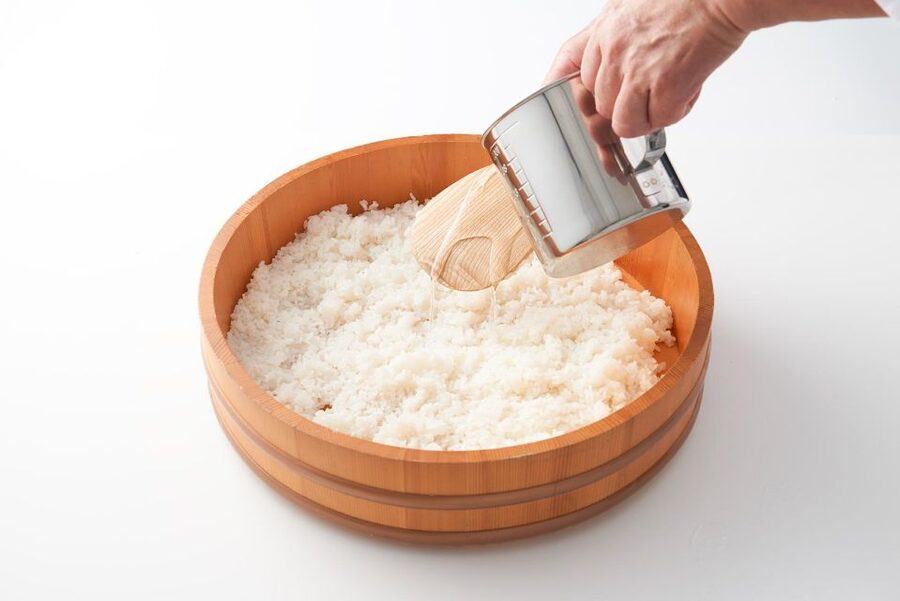
Before you shape sushi, you learn how to make shari, also called sumeshi. This is the seasoned vinegar rice used for sushi, and it is more important than it may first appear. Good sushi depends on rice with the right balance of sweetness, acidity, moisture, and firmness.
You mix freshly cooked rice with a specially blended sushi vinegar. The instructor explains that there is a trick to mixing it properly. This is a useful lesson because sushi rice is not simply plain rice with vinegar poured over it. The way you mix it affects the texture and how well it holds together.
For a short class, this rice lesson gives you a proper foundation. You learn one of the central parts of sushi rather than jumping straight to decoration. Still, expect an introduction, not a full culinary course. You will not spend hours studying rice varieties, fermentation, knife angles, or professional restaurant workflow.
The ingredients are already cut for you. That is good news for beginners and for anyone who wants to spend the class shaping sushi rather than handling a sharp knife. If you want to learn fish cutting, you can ask. It is available on request, but it should not be treated as the standard focus of the 90-minute session.
Shaping eight pieces with tuna, shrimp, and toppings
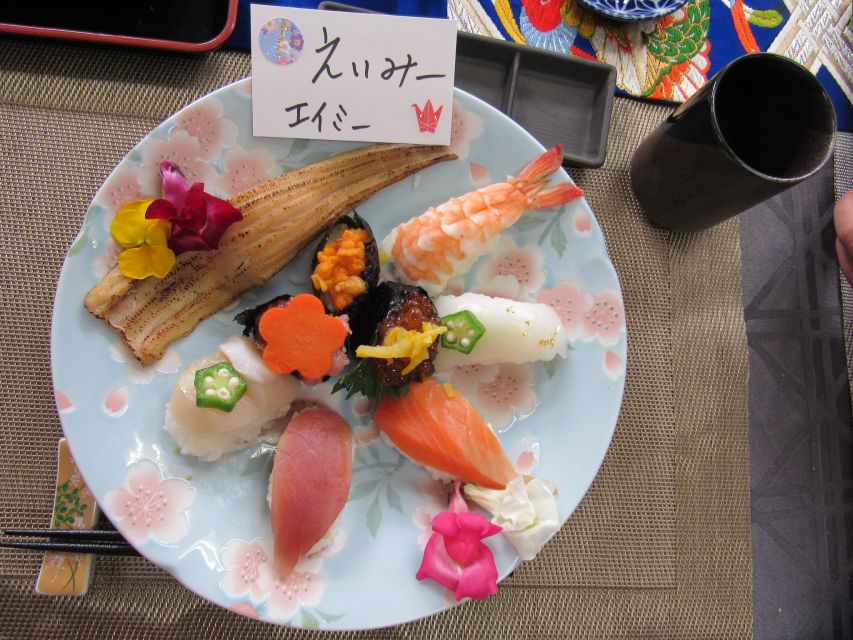
After the rice lesson, you move on to forming sushi. The included meal is eight pieces, with toppings that may change according to the season. The ingredients can include special choices such as extra-fatty tuna and fresh red shrimp, described as sweet and almost creamy.
Those ingredients are a strong part of the appeal. You get to handle and eat seafood that feels more special than the basic toppings found in a casual introductory class. The point is not just to watch an instructor prepare sushi. You shape the pieces yourself, then taste the result.
You can choose toppings and additions such as green onion and ginger. The class format has also included eight nigiri and one simple roll in at least one session. That gives you some variety, but the portion remains a light meal rather than a full Japanese lunch.
The practical lesson is simple: do not book this expecting a large spread. The food is the result of your work, and that makes it satisfying, but $113 buys a short activity, instruction, ingredients, clothing, photos, and the certificate. It does not buy the kind of quantity you would expect from a full sushi restaurant meal.
Seasonal changes also matter. The exact fish and toppings are not fixed, so you should enjoy the class as a chance to learn the basic method and work with the ingredients available that day. If you have your heart set on one particular fish, ask ahead rather than assuming it will be served.
More cooking classes in Kyoto:
- Ramen Cooking Class at Ramen Factory in Kyoto
★ 5.0 · 1,937 reviews - Kyoto: Ramen Cooking Class at a Ramen Factory with Souvenir
★ 4.9 · 532 reviews - Kyoto: Ramen, Gyoza, and Onigiri Cooking Class
★ 5.0 · 445 reviews - Kyoto: Japanese Washoku Bento Small Group Cooking Class
★ 5.0 · 380 reviews
What the instructor teaches, and what you will not master
The lesson covers the basic process of making sushi, from seasoned rice through shaping and toppings. That is enough to give you a clear idea of the hand movements and balance involved in making nigiri.
The class is especially suitable if you want a fun first contact with sushi preparation. You will leave knowing more about the rice, the structure of the pieces, and the care needed to form them. You also get the immediate reward of eating what you made.
The limitation is depth. One participant found the workshop basic, with eight nigiri and one simple roll but not much variety or advanced practice. That criticism is fair. In 90 minutes, the school has to explain the food, dress participants, guide the preparation, allow time to eat, take photos, and complete the graduation ceremony.
You can ask for fish-cutting instruction, but there is no promise that the class will become a detailed sushi-chef apprenticeship. If your goal is to master professional knife work or learn many different styles of sushi, this will feel too short. If your goal is to make a few pieces successfully and understand the basic idea, the scale makes sense.
Dietary choices and food restrictions
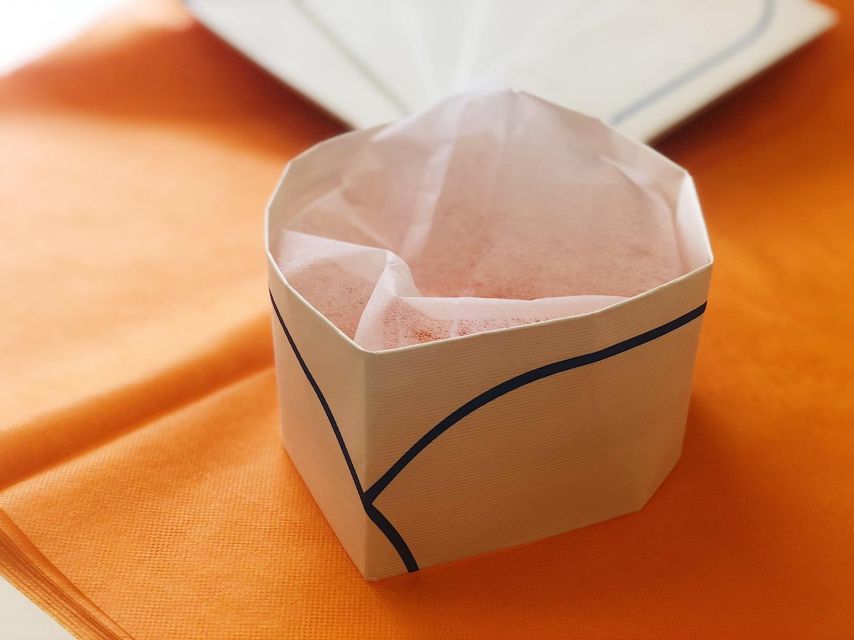
The school can provide menus suited to vegetarians, vegans, and Muslims. Allergy requests, non-raw options, and gluten-free choices are also available. This is valuable in Kyoto, where fish and soy products appear often in Japanese meals and food labels may not always be easy to interpret.
You should communicate your needs in advance. The school aims to adjust the menu as much as possible, but ingredients and toppings vary by season. The activity does not include a special infant meal, and children under three are not permitted.
The published inclusions cover the sushi ingredients and toppings, but drinks are not included. Warm udon can be ordered as an optional menu item, along with other Japanese food such as tempura, tofu, or pork shabu-shabu. These extras cost more, so check the available choices if you want the cooking class to become a fuller meal.
I would also remember that a menu being adaptable does not mean every dish is automatically suitable for every allergy. Tell the staff clearly what you cannot eat before the class begins.
The graduation ceremony and what you take home
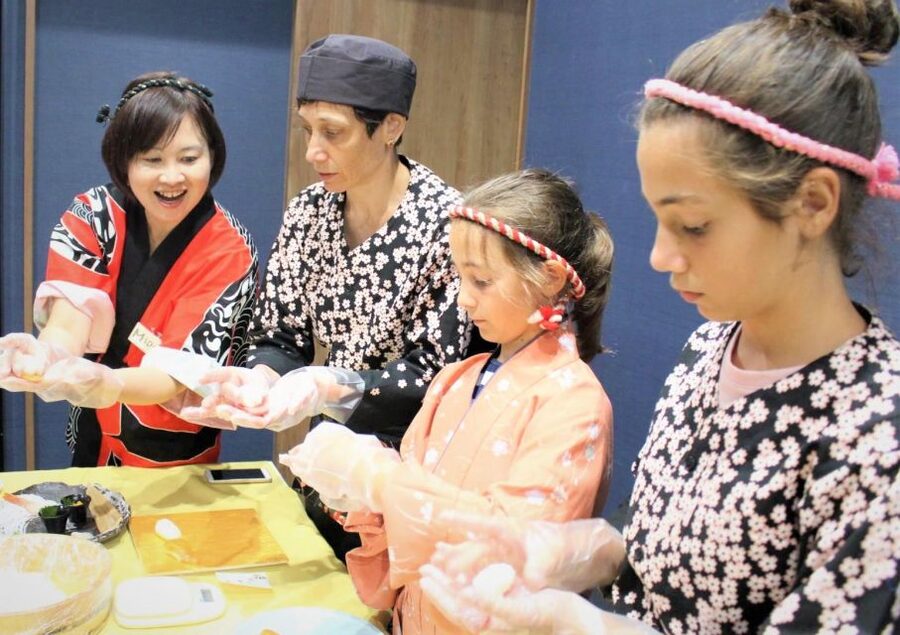
Once you have prepared and eaten the sushi, the class ends with a certificate of completion and a small graduation ceremony. The certificate is lighthearted, but it gives the experience a clear finish. You can tell children that they have graduated from sushi school, and adults can enjoy the silliness without taking it too seriously.
Souvenir photography is included. That matters because your hands will be busy during the preparation, and you may not have many good chances to photograph yourself in the happi coat while working. The photos help preserve the activity beyond the meal itself.
The strongest part of the experience is the combination of doing and eating. You are not watching a demonstration from the edge of a room. You prepare the rice, handle the ingredients, shape the sushi, and then find out how your work tastes.
That said, the certificate and photos do not replace more cooking time. Think of them as pleasant extras rather than reasons to book on their own.
Is $113 a fair price for 90 minutes?
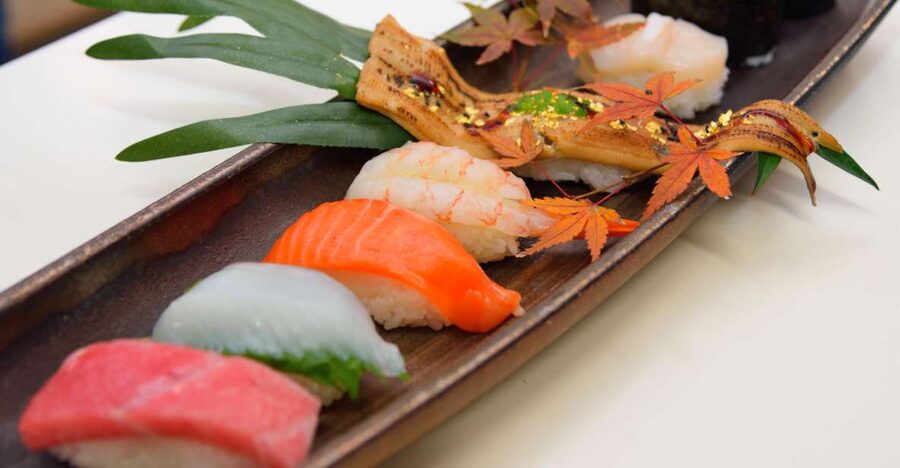
At $113 per person, this is not a bargain cooking class. The price makes more sense if you value several elements at once: an English-speaking instructor, sushi ingredients, access to special seafood, traditional clothing, photos, dietary flexibility, and a certificate ceremony.
If you judge the price only by the amount of food, it will feel expensive. Eight sushi pieces, even with good toppings, do not equal a full restaurant dinner. Drinks and optional dishes cost extra.
If you compare it with a basic sushi demonstration, the hands-on work gives it more value. You are paying for a structured cultural activity in Kyoto, not just a plate of food. The class also removes much of the difficulty for beginners by preparing the ingredients in advance and offering help throughout.
I would recommend it most for people who want a memorable activity rather than serious culinary training. Families with older children, couples, first-time visitors to Japan, and anyone who enjoys food-based cultural experiences are likely to get the most from it. Children under three cannot join.
The rating is currently 4.2 from nine ratings, with praise focused on the kind welcome, enjoyable food, and friendly people. At the same time, the lower score points to the class being basic for the price. Both sides are useful. You can expect a pleasant, well-organized introduction, but not an extensive sushi curriculum.
Planning the rest of your Kyoto day
Because the class is near Takeda Station and Puls Plaza, place it with southern Kyoto plans if possible. The experience lasts 90 minutes, but you should add time for public transport, the bus connection, and the walk to the building.
It can work well on a rainy day because the class runs regardless of weather. The area is also near public transportation, so you do not need to make a special all-day commitment to reach it. Still, avoid booking it too close to another fixed reservation. The meeting directions include several turns, and Kyoto bus travel can take longer than a map estimate suggests.
The class is a good break from temple visits and city walking. You sit down, use your hands, eat something fresh, and take part in an activity with a clear beginning and end. It gives your day a change of pace without taking half a day.
Free cancellation is available up to 24 hours before the activity for a full refund, and you can reserve now and pay later. Those terms help if your Kyoto schedule is still changing.
Should you book the Umemori sushi class?
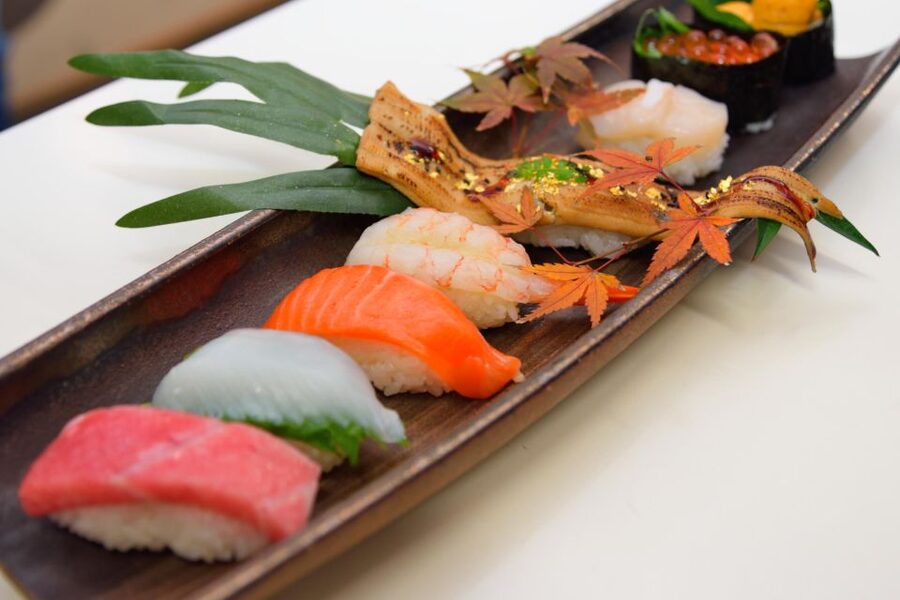
Book it if you want to make your own sushi in Kyoto, enjoy dressing in a happi coat, and prefer a friendly beginner lesson over a serious chef course. The adaptable menu is a real advantage, especially for vegetarians, vegans, Muslims, and people with food restrictions.
Skip it if you want a large meal, extensive fish-cutting practice, or advanced sushi training. The $113 price is easiest to justify when you value the full package of instruction, clothing, photos, ingredients, and graduation certificate.
My practical advice is to arrive with realistic expectations. You will make and eat a small amount of sushi, learn the basics of seasoned rice and shaping, and leave with a certificate. That is a pleasant Kyoto activity, but it is not a professional cooking school in miniature.
FAQ
How long does the Kyoto sushi-making class last?
The class lasts 90 minutes.
How much does the experience cost?
The price is $113 per person.
How many sushi pieces are included?
Eight pieces of sushi are included. One session format has also included a simple roll.
Is the class suitable for beginners?
Yes. Ingredients are prepared in advance, and the class includes a lecture on making sushi. You can ask about learning fish cuts, but this is not the main standard lesson.
Can the menu accommodate dietary needs?
Yes. Vegetarian, vegan, Muslim-friendly, non-raw, gluten-free, and allergy-conscious options are available. You should communicate dietary needs in advance. No special infant meal is provided.
How do I reach the meeting point?
Get off at the west entrance of Takeda Station on the Kintetsu or subway line. Take a city bus to the stop in front of Puls Plaza, walk down the street, turn right at the first corner, then turn left at the next first corner. The venue is on your right.
Newest Kyoto experiences on the site
- Treasures of Kyoto: Gion & historical Walking Tour★ 5.0 · 6 reviews
- Whisk Your Own Matcha: A Zen Matcha Experience at Temple★ 3.6 · 7 reviews
- Uji: Private immersion into Kyoto’s tea and reglious culture★ 5.0 · 17 reviews
- Kyoto tea town for matcha lovers★ 5.0 · 16 reviews
- Kyoto Matcha Green Tea Tour★ 4.5 · 23 reviews
- Uji and Wazuka Matcha Farm Half Day Private Guided Tour★ 5.0 · 21 reviews
- Utilising upcycled Matcha! Creating matcha incense (Uji, Kyoto)★ 5.0 · 6 reviews
- Sacred Temple Yoga Experience in Japan★ 5.0 · 3 reviews
Kyoto Sushi Making Classes, compared.
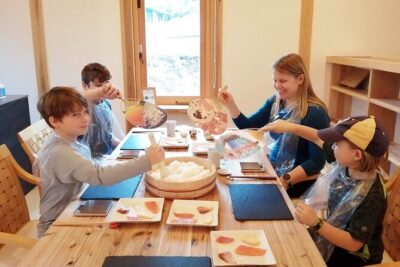
The Original Small-Group Sushi Making Class in Kyoto
Read our review →
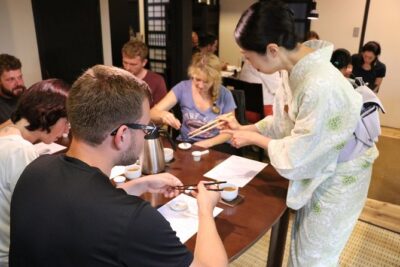
Sushi – Authentic Japanese Cooking Class – the best souvenir from Kyoto!
Read our review →
Private Kyoto Sushi Cooking Class & Tea Ceremony with Emika
Read our review →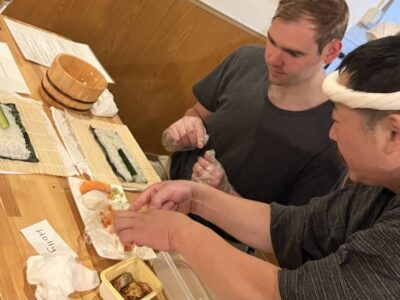
Enjoy Sushi & Market Tour! Best for Family & Couple!
Read our review →
Sushi or Traditional Japanese Cuisine in a Kyoto Home with Emika
Read our review →
Kyoto Sushi Making Experience with a Professional Sushi Chef
Read our review →Browse the lists this tour appears in