
Reviewed · FUSHIMI INARI TOURS
Carefree Private Exploration of Fushimi Inari, Gion, Kiyomizudera, and More
Kyoto’s eastern hills pack a remarkable amount into four hours. You begin beneath the thousands of red torii gates at Fushimi Inari, then ride the train to Gion and walk through old lanes, shrines, temple grounds, and the preserved streets leading toward Kiyomizudera. It is a strong way to see several famous Kyoto sights without spending time sorting out the route yourself.
I like the private format, which lets you ask questions and request changes, and I like that the train ride and temple admissions are included. The main caution is the walking: hills, stairs, and heat can make this a demanding half-day, especially for anyone using a cane or managing limited mobility.
Key points to know before you book
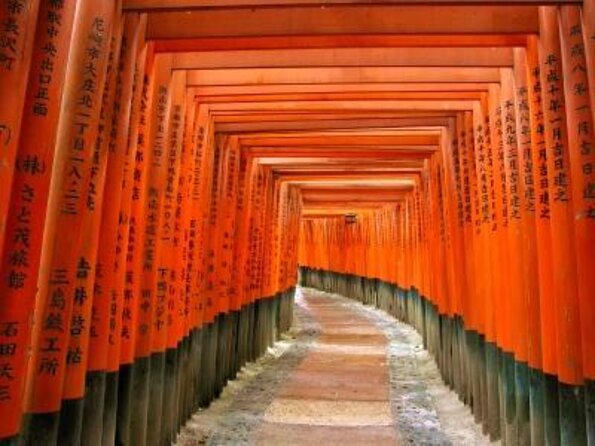
- Thousands of torii gates at Fushimi Inari: You get the shrine’s most famous sight at the start, with about 75 minutes to explore.
- Private English-speaking guide: Your group has its own guide, with guides such as Oisin, Ferdinand, and Duygu named in guest feedback.
- Gion by train: The included ride from Fushimi Inari to Gion saves time and avoids an awkward walk between districts.
- Old Kyoto on foot: Hanamikoji, Yasui-Konpiragu, Yasaka Pagoda, Kodaiji, Sannenzaka, and Ninenzaka form a packed eastern Kyoto route.
- A real workout: Expect hills and plenty of walking. Good shoes, water, and sensible pacing matter.
- Good family value: The first child age 12 or younger goes free, with lower prices for additional children.
Starting beneath Fushimi Inari’s red gates
The tour begins at Inari Station, near Fushimi Inari Shrine in southern Kyoto. This is a useful meeting point because you start right beside one of Japan’s most recognizable religious sites, rather than spending the first part of your morning getting there.
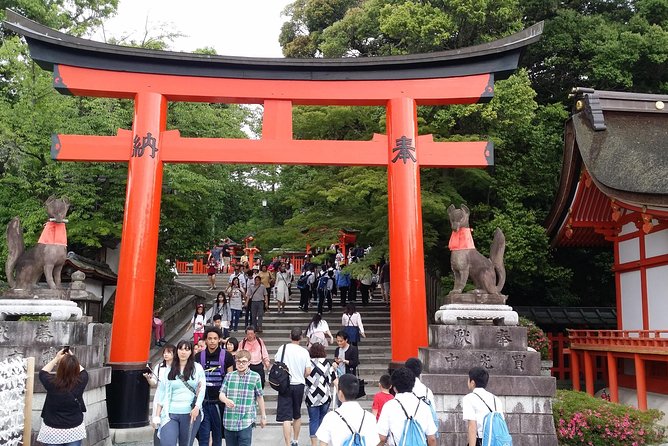
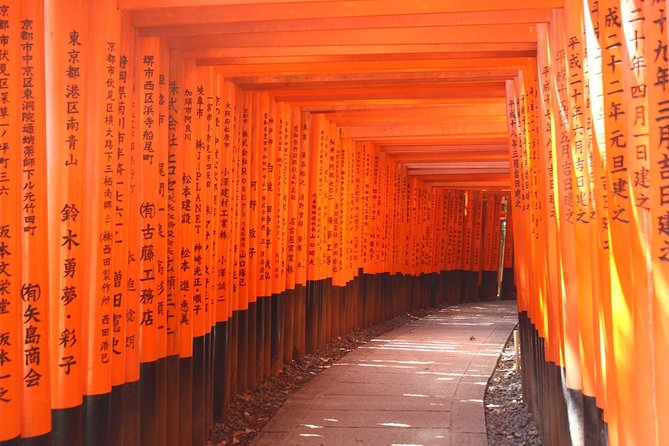
Fushimi Inari is dedicated to Inari, a Shinto deity associated with rice, prosperity, and business. The shrine is famous for its rows of orange-red torii gates, donated over the years by individuals and companies. The gates form long covered paths up Mount Inari, turning a normal hillside walk into something almost otherworldly.
You have about one hour and 15 minutes here. That is enough time to see the main shrine area and walk through a meaningful section of the torii route. It is not enough to climb the entire mountain at a relaxed pace, so do not expect a full summit hike. Your guide can help you choose how far to go based on your group’s pace and energy.
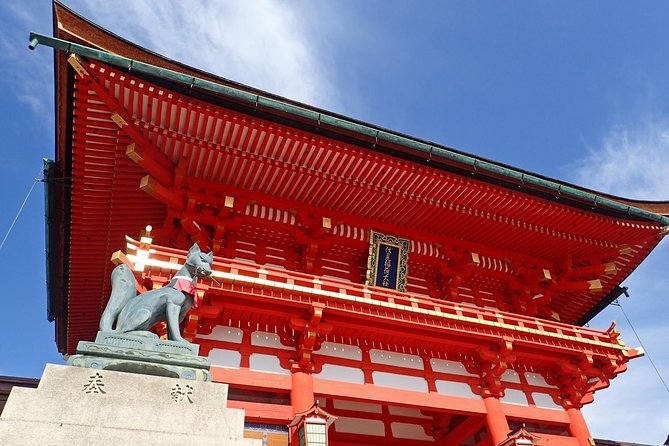
The gates are most tightly packed near the lower part of the route. Farther up, the path becomes quieter, and small stone shrines appear among the trees. This change is part of what makes a guided visit useful. You are not only chasing a photograph at the entrance. You can learn how the shrine works, why fox statues appear around the grounds, and how the torii donations connect the sacred site with everyday Japanese life.
The first section can be crowded. A private guide cannot remove the crowds, but can help you move through the shrine with more purpose and point out less hectic areas. Wear shoes with good grip. The route includes slopes and steps, and the walking will continue well after you leave Fushimi Inari.
More ways to walk Gion:
- Kyoto Geisha Walking Tour: Gion District & Hidden Gems
★ 4.7 · 3,273 reviews - Kyoto: Gion Magical Night Walking Tour with Geisha Trivia
★ 4.9 · 2,393 reviews - Kyoto: Gion Geisha District Walking Tour – Stories of Geisha
★ 4.7 · 2,187 reviews
Riding from Fushimi Inari to Gion
After Fushimi Inari, you take a short train ride to Gion. The transit is included, which is a small but useful detail. You do not need to work out the fare, choose the correct platform, or figure out how to connect the two parts of the tour while watching the clock.
The shift from Fushimi Inari to Gion also gives the tour a clear rhythm. The first section is a major shrine and hillside walk. The second moves into Kyoto’s old entertainment district, with narrow lanes, tea houses, traditional buildings, and a different kind of religious site.
The tour ends back at the meeting point, so you should plan for the return trip after the final stop. The provided route does not include a taxi, and taxis are not required. If you want one, you may request it, but that would be an extra arrangement rather than part of the standard cost.
Walking Hanamikoji and old Gion
Gion is often treated as a place to hunt for a glimpse of geisha, but the district deserves more thoughtful attention than that. It is a traditional entertainment area where geisha and maiko continue to work in tea houses and performance venues. The best approach is to walk quietly, respect private entrances, and focus on the architecture and customs rather than treating the neighborhood as a stage set.
You pass the Kabuki theater and walk along Hanamikoji Street, one of the district’s best-known traditional lanes. The stop is listed at about 15 minutes, so this is an orientation walk rather than an extended Gion tour. You will get a sense of the district’s layout and character, then continue toward the temples and shrines of eastern Kyoto.
That short timing is worth noting. If Gion is your main reason for booking, this tour may feel too brief. If you want Gion as one part of a larger Kyoto route, the stop works well. Your guide can explain what you are seeing and add cultural context that is difficult to pick up from a quick stroll alone.
The unusual power stone at Yasui-Konpiragu
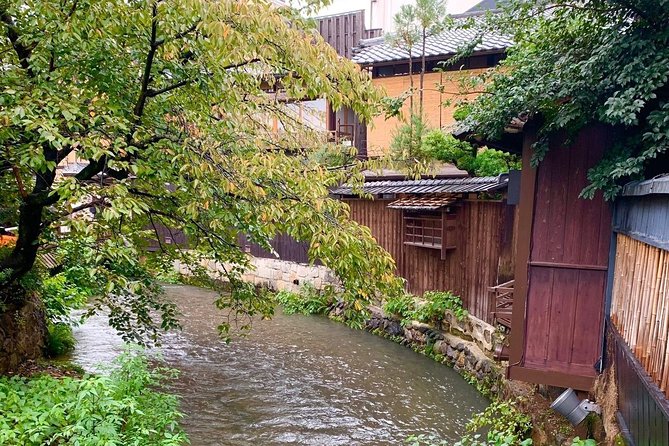
Yasui-Konpiragu offers one of the tour’s more unusual stops. This small shrine is associated with breaking harmful connections and strengthening good ones. The famous stone has a hole through it, and people pass through as part of a ritual intended to leave unwanted ties behind and encourage better bonds.
The shrine gives you a different window into Japanese religious practice. It is not simply about admiring an old building. People come with personal hopes, worries, and requests, and the ritual has a direct, physical quality. You can observe the custom and ask your guide about its meaning without needing to decode it from a sign.
The stop lasts about 15 minutes. That is enough to see the shrine and its central feature, though not enough for a long pause. It also adds variety after Gion. Instead of moving from one grand temple to another, the route includes a smaller place with a very specific purpose.
More ways to walk the Fushimi Inari gates:
- Kyoto: Fushimi Inari, Kinkakuji, Bamboo Grove 1 Day Bus Tour
★ 4.8 · 4,316 reviews - Fushimi Inari Hidden Hiking Tour (Private Option Available)
★ 5.0 · 1,750 reviews - Osaka/Kyoto:Kinkakuji,Arashiyama,FushimiInariShrine,NaraPark
★ 4.1 · 1,596 reviews - Kyoto/Osaka: Nara, Fushimi Inari Taisha, Arashiyama Bus Tour
★ 4.7 · 1,275 reviews
A brief look at Yasaka Pagoda
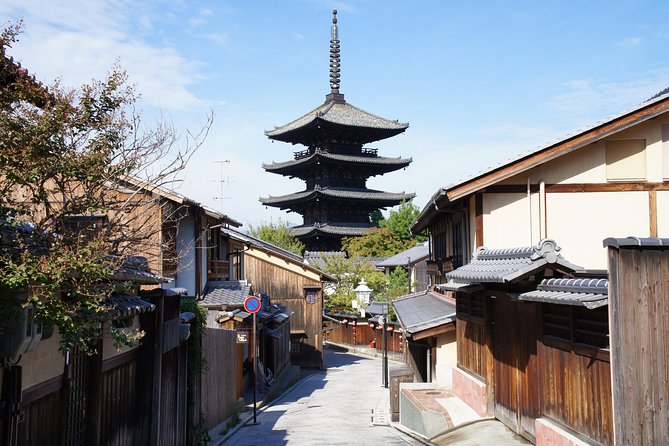
The Yasaka Pagoda is a landmark of the Higashiyama district. Its tall wooden form rises above the surrounding streets, and its presence helps explain the shape and identity of this part of Kyoto. The pagoda dates to 1440, giving the neighborhood a strong visual link to the city’s medieval past.
The visit here is a photo and orientation stop rather than a long interior tour. You pause to take in the structure and its setting, then continue through the surrounding streets. This is one reason the tour feels like a walking portrait of Higashiyama rather than a series of isolated ticketed attractions.
Look around as you walk. The pagoda is impressive, but the narrow lanes, wooden townhouses, and changing views toward the hills are part of the appeal. The guide can help you notice how the pagoda fits into the district instead of treating it as a quick photo background.
Quiet gardens at Kodaiji Temple
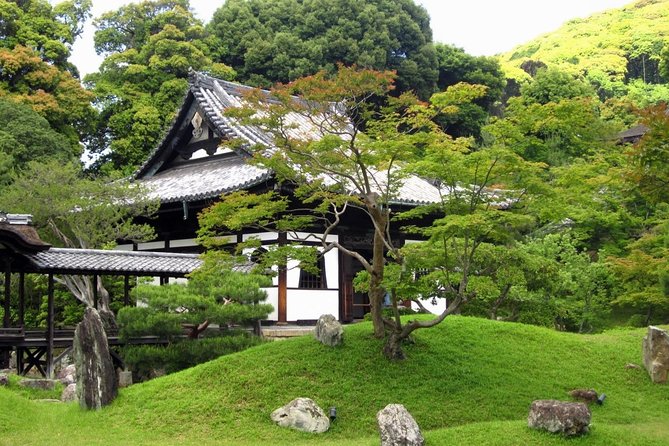
Kodaiji is the longest temple stop after Fushimi Inari, with about 45 minutes set aside for the visit. It is often less crowded than some of Kyoto’s biggest temple sights, which gives you room to slow down and appreciate the gardens.
The temple complex includes a mausoleum and carefully arranged grounds. Here, the pace changes again. After the gates, city streets, and short stops, Kodaiji gives you a chance to breathe and take in the design of the temple setting.
Admission is included. That helps the tour’s value, since several paid sites are part of the route. The guide can explain the temple’s role and point out details that might otherwise pass unnoticed, while you still have time to enjoy the grounds on your own terms.
Kodaiji is also a practical place to judge your energy. The tour continues afterward through Sannenzaka and Ninenzaka, and the route remains on foot. If you are already tired here, tell your guide. The private format allows more room to adjust the pace than a fixed group tour would.
Sannenzaka and Ninenzaka, Kyoto’s old pilgrimage streets
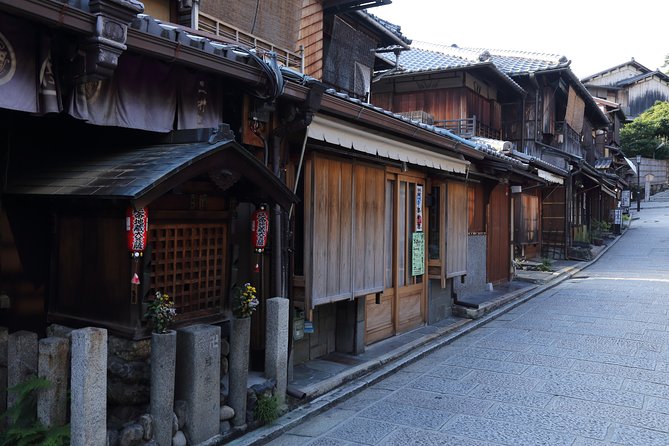
The route then reaches Sannenzaka and Ninenzaka, two preserved streets leading toward Kiyomizudera. Their traditional wooden buildings, shops, and sloping lanes make them some of the most atmospheric parts of eastern Kyoto.
These streets are not museum pieces. They are active shopping lanes, and you may find small stores, sweets, crafts, and other goods along the way. The route is listed at about 20 minutes, so this is primarily a guided walk and visual introduction. You should not expect a long shopping stop unless your guide adjusts the plan.
The streets can be crowded and uneven. The slopes are manageable for many people, but they add to the physical demands of the day. A cane user or anyone with balance concerns should discuss the route in advance. One of the strongest practical lessons from the feedback is simple: hot weather and hills can turn a pleasant walk into a hard one.
The tour description connects these streets with Kiyomizudera, but the listed stops do not provide a separate timed admission visit to the main temple itself. You should confirm the exact plan with the provider if entering Kiyomizudera is essential to you. The route clearly takes you through the streets that lead to it, while the named paid temple stop is Kodaiji.
What the private format adds
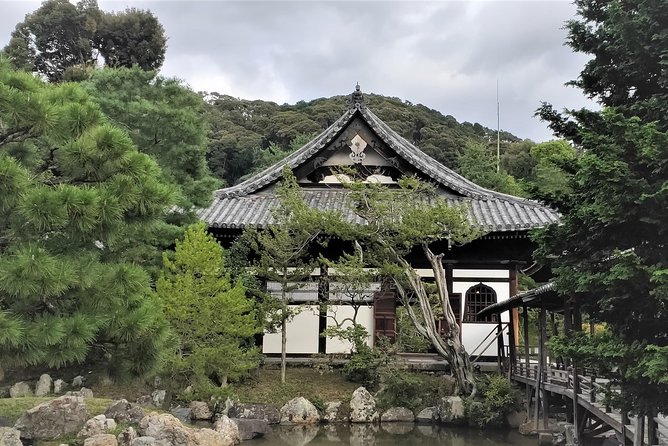
A private guide changes the feel of this route. You are not trying to keep up with a large group, and you can ask for more explanation when a custom or building catches your attention. You can also request itinerary changes in advance because the provider describes the route as flexible.
Guides named in guest feedback include Oisin, Ferdinand, and Duygu. The feedback points to strong explanations about Japanese culture and history, friendly personalities, and an ability to find quieter corners around the main sights. Those details matter here because the route is not just a checklist of famous places. The best part is often the explanation between the stops.
The private setting is also useful for families. The first child age 12 or younger is free, and additional children receive greatly reduced pricing. That can make the $129 per-person cost more reasonable for a family than it first appears, though you should check the final price for your group before booking.
Is $129 a fair price?
At $129 per person, this is not a bargain-priced orientation walk. The value comes from what is bundled into the four hours: a private guide, temple and shrine admission fees, and the train ride from Fushimi Inari to Gion.
You are also paying for route design. Fushimi Inari, Gion, Yasui-Konpiragu, Yasaka Pagoda, Kodaiji, and the old streets are spread across a large part of eastern Kyoto. Putting them together on your own is possible, but you would need to plan the sequence, manage transit, buy admissions, and decide how long to spend at each place.
I would consider the price fair for a small private group that wants cultural explanation and a flexible pace. It is less compelling if you mainly want independent sightseeing, long shopping time, or a full visit inside every major temple. The cost also makes more sense when the first child discount applies.
The tour receives an overall rating of 4.4 from five published ratings, so the sample is small. The clearest strengths are the guides’ explanations, friendly manner, and ability to show less crowded areas. The clearest weakness is the physical demand of the route, especially in summer.
Who should book this Kyoto walk?
I would recommend it to first-time visitors who want a well-planned introduction to eastern Kyoto in half a day. It suits you especially well if you want to ask questions, prefer a private guide, and would rather not manage the Fushimi Inari to Gion connection yourself.
Families can benefit from the child pricing and private pace. Couples and small groups may also appreciate the mix of major sights and smaller cultural stops.
I would think twice if you have limited mobility, dislike hills, or struggle in hot weather. The guide can be accommodating, but the route itself cannot avoid slopes, stairs, and substantial walking. Bring water, wear supportive shoes, and tell the provider about mobility concerns before the start.
Should you book it?
Book this tour if you want a concentrated, guided introduction to Kyoto’s eastern side and value having admissions and transit handled for you. The private format, cultural explanations, and mix of famous and quieter sites make it more useful than a simple photo stop circuit.
Skip it if you want a slow temple day, extensive time in Gion, or a route with little walking. For most reasonably fit visitors, though, this is a smart way to connect Fushimi Inari with Gion and Higashiyama in four focused hours. Just treat it as an active walking tour, not a gentle sightseeing ride.
FAQ
How long does the tour last?
The tour lasts approximately four hours.
Where does the tour start?
It starts at Inari Station, near Fukakusa Inarionmaecho in Kyoto’s Fushimi Ward.
Where does the tour end?
The activity ends back at the meeting point.
Is this a private tour?
Yes. Only your group participates in the activity.
Is transportation included?
Transit from Fushimi Inari to Gion is included. Taxis are not required, but you may request one if you prefer.
Are admission fees included?
Yes. Entrance fees to the temples and shrines visited on the route are included.
Is food included?
No. Food and drinks are not included.
Can I cancel for a full refund?
Yes, if you cancel at least 24 hours before the experience start time. Cancellations made less than 24 hours in advance are not refunded, and late changes are not accepted.
More Kiyomizu-dera Visits
- Kyoto: Tea Ceremony in a Traditional Tea House in Kiyomizu
★ 4.9 · 3,519 reviews - Kyoto: Nijo Castle, Kiyomizu & Fushimi Inari Guided Tour
★ 4.7 · 700 reviews - Kyoto: Nijo, Kinkaku-ji, Arashiyama, Kiyomizu & Fushimi Inari
★ 5.0 · 699 reviews - Kyoto Tea Ceremony & Kiyomizu-dera Temple Walking Tour
★ 5.0 · 115 reviews
Newest Kyoto experiences on the site
- Treasures of Kyoto: Gion & historical Walking Tour★ 5.0 · 6 reviews
- Whisk Your Own Matcha: A Zen Matcha Experience at Temple★ 3.6 · 7 reviews
- Kyoto tea town for matcha lovers★ 5.0 · 16 reviews
- Uji: Private immersion into Kyoto’s tea and reglious culture★ 5.0 · 17 reviews
- Kyoto Matcha Green Tea Tour★ 4.5 · 23 reviews
- Uji and Wazuka Matcha Farm Half Day Private Guided Tour★ 5.0 · 21 reviews
- Utilising upcycled Matcha! Creating matcha incense (Uji, Kyoto)★ 5.0 · 6 reviews
- Sacred Temple Yoga Experience in Japan★ 5.0 · 3 reviews
Fushimi Inari Tours, compared.
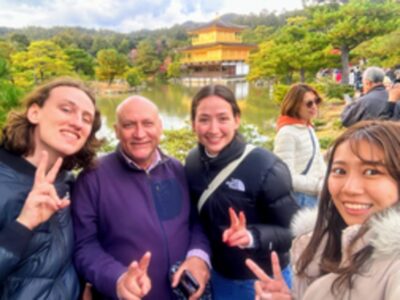
Fushimi Inari, Kinkakuji, Bamboo Grove 1 Day Bus Tour
Read our review →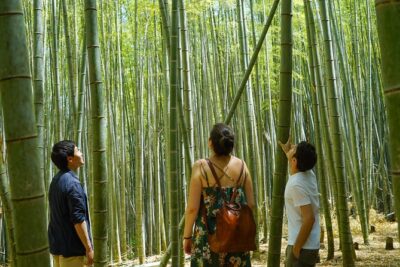
Fushimi Inari Hidden Hiking Tour (Private Option Available)
Read our review →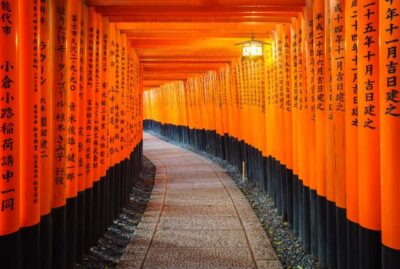
Kinkakuji,Arashiyama,FushimiInariShrine,NaraPark
Read our review →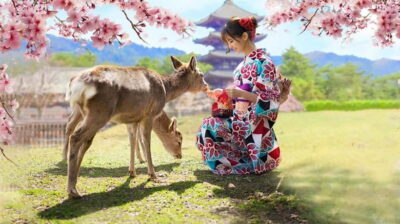
Nara, Fushimi Inari Taisha, Arashiyama Bus Tour
Read our review →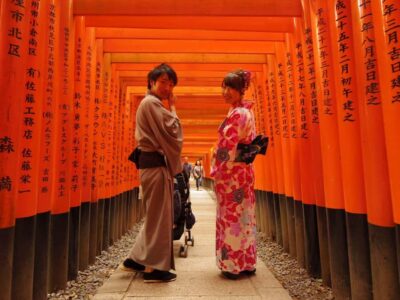
Arashiyama, Nara & Fushimi Inari Shrine w/Lunch
Read our review →
Nijo Castle, Kiyomizu & Fushimi Inari Guided Tour
Read our review →
Nijo, Kinkaku-ji, Arashiyama, Kiyomizu & Fushimi Inari
Read our review →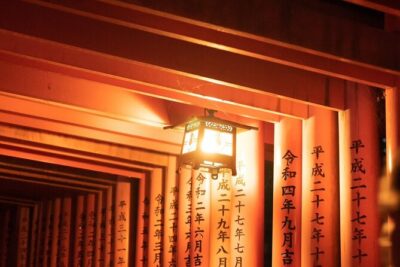
Browse the lists this tour appears in